
Technical Contents
Engineering Guide: 0.7 Ring Size
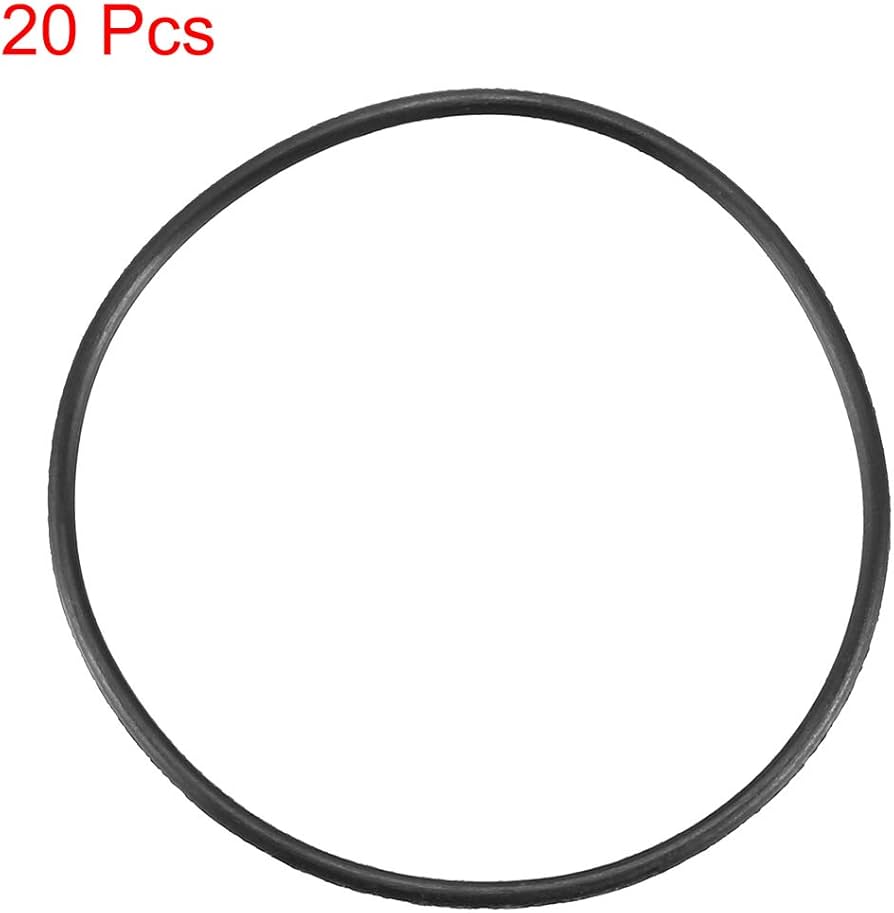
Engineering Insight: 0.7 Ring Size – The Critical Role of Material Selection
In the realm of precision rubber seals, the 0.7 ring size represents a critical junction where dimensional tolerances, operational demands, and material science intersect. Despite its seemingly modest scale, this size is frequently deployed in high-performance applications such as medical devices, microfluidic systems, and miniature pneumatic controls—environments where failure is not an option. A common misconception among procurement teams and design engineers is that off-the-shelf elastomeric seals in this size range offer sufficient performance. However, empirical data and field failure analysis consistently demonstrate that generic solutions often fail prematurely due to inadequate material selection.
The 0.7 ring size—typically referring to an inner diameter of 0.7 mm—imposes severe geometric constraints. These constraints amplify the impact of material behavior under stress, temperature fluctuation, and chemical exposure. Off-the-shelf seals are commonly manufactured from standard-grade Nitrile (NBR) or low-durometer silicone, optimized for cost and availability rather than performance. Such materials lack the molecular stability required for sustained sealing in dynamic or aggressive environments. For example, NBR degrades rapidly in the presence of ozone or polar solvents, while standard silicone exhibits excessive compression set under continuous load—both leading to leakage and system failure.
Material selection must be driven by application-specific parameters. At Suzhou Baoshida Trading Co., Ltd., we prioritize engineered elastomers such as perfluoroelastomer (FFKM), hydrogenated nitrile (HNBR), and high-purity fluorosilicone (FVMQ) for 0.7 ring applications. These materials offer superior resistance to thermal degradation, chemical attack, and mechanical fatigue. FFKM, for instance, maintains integrity at temperatures up to 327°C and resists nearly all industrial chemicals, making it ideal for semiconductor manufacturing seals. HNBR provides enhanced mechanical strength and ozone resistance over standard NBR, crucial for micro-actuators in automotive sensors.
Furthermore, the curing process and filler composition must be tightly controlled. In micro-scale seals, even minor inconsistencies in cross-link density can result in non-uniform compression force and premature extrusion. Our proprietary compounding techniques ensure homogeneity and repeatability down to ±0.02 mm tolerances.
Below is a comparative analysis of elastomer performance relevant to 0.7 ring size applications:
| Material | Temp Range (°C) | Hardness (Shore A) | Key Resistance Properties | Typical Use Case |
|---|---|---|---|---|
| NBR (Standard) | -30 to +100 | 70 | Oil, fuel | Low-cost industrial fittings |
| HNBR | -40 to +150 | 80 | Heat, ozone, steam | Automotive sensors |
| FVMQ | -60 to +200 | 60 | Fuel, oxygenated solvents | Aerospace fuel systems |
| FFKM | -15 to +327 | 85 | Acids, bases, solvents | Semiconductor processing |
In conclusion, the 0.7 ring size demands a precision-first approach to material engineering. Off-the-shelf seals fail not due to design flaws, but because they are not engineered for the extreme service conditions these micro-seals often face. At Suzhou Baoshida, we integrate application data, chemical compatibility modeling, and advanced elastomer science to deliver seals that perform—reliably and repeatedly—where standard solutions cannot.
Material Specifications
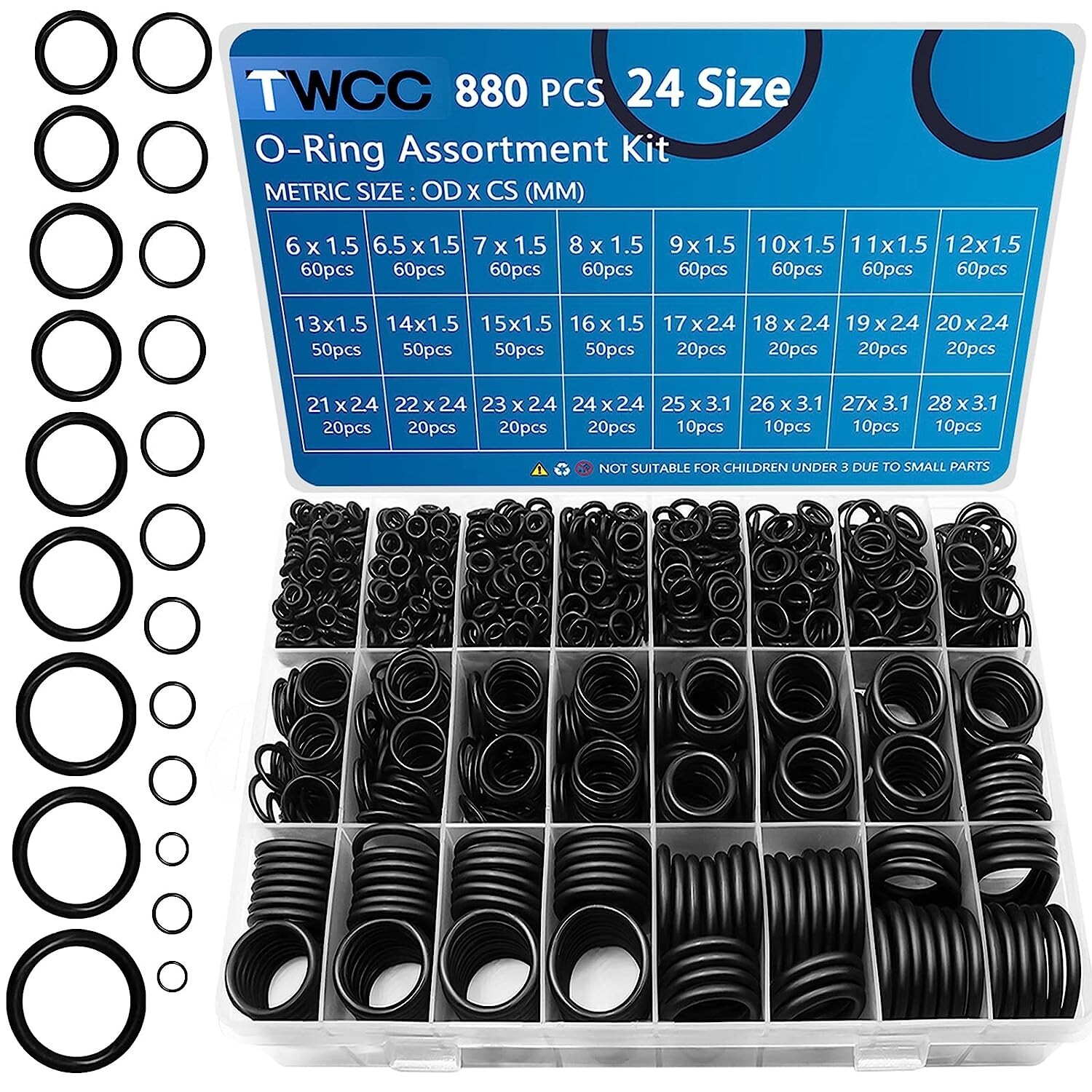
Material Specifications for 0.7mm Precision O-Rings
Selecting the optimal elastomer for 0.7mm cross-section O-rings demands rigorous attention to molecular stability and dimensional tolerance. At Suzhou Baoshida Trading Co., Ltd., we engineer compounds to withstand micro-scale deformation under extreme conditions, where even micron-level inconsistencies cause seal failure. Our formulations adhere strictly to ASTM D2000 and ISO 3601 standards, ensuring compatibility with high-pressure hydraulic systems, semiconductor manufacturing equipment, and aerospace fluid controls. Material performance is non-negotiable at this scale; thermal expansion coefficients and compression set values directly dictate service life.
Viton (FKM) remains the benchmark for aggressive chemical environments. Our GFLT-200 compound achieves 66% fluorine content, enabling continuous operation from -25°C to +230°C with intermittent spikes to 300°C. It resists jet fuels, phosphate esters, and aromatic hydrocarbons, maintaining Shore A 75±5 hardness after 70-hour air aging at 200°C. Nitrile (NBR) offers cost-effective resilience in petroleum-based systems. Our HNBR-modified BAON-400 variant extends the standard -30°C to +125°C range to +150°C, with exceptional resistance to aliphatic hydrocarbons and hydraulic fluids. Shore A 90±3 hardness ensures minimal extrusion in high-pressure dynamic applications. Silicone (VMQ) provides unmatched flexibility in extreme cold and biocompatibility. Our medical-grade BASI-700 sustains elasticity down to -60°C while meeting USP Class VI and ISO 10993-5 requirements, though limited to +200°C continuous use and vulnerable to concentrated acids.
Critical material properties for 0.7mm O-rings are quantified below. Tensile strength and elongation at break are measured per ASTM D412; compression set per ASTM D395 Method B.
| Material | Temperature Range (°C) | Key Chemical Resistances | Hardness (Shore A) | Tensile Strength (MPa) | Compression Set @ 70h/150°C (%) | Primary Applications |
|---|---|---|---|---|---|---|
| Viton (FKM) | -25 to +230 | Jet fuels, acids, solvents | 75 ± 5 | ≥15.0 | ≤25 | Aerospace hydraulics, chemical processing |
| Nitrile (NBR) | -30 to +150 | Petroleum oils, water-glycol | 90 ± 3 | ≥20.0 | ≤30 | Automotive fuel systems, industrial hydraulics |
| Silicone (VMQ) | -60 to +200 | Water, steam, ozone | 70 ± 5 | ≥8.0 | ≤20 | Medical devices, food processing, cryogenics |
Suzhou Baoshida implements batch-specific traceability via laser-etched lot codes on all 0.7mm rings. Every shipment includes certified test reports validating durometer, tensile properties, and fluid immersion results per customer-specified media. Our ISO 9001:2015-certified production lines utilize closed-mixing systems to eliminate particulate contamination, critical for semiconductor and pharmaceutical tooling. Material selection must account for simultaneous stressors: a Viton ring in a fuel-injected engine faces 150°C temperatures, 35 MPa pressure, and continuous exposure to ethanol blends. We recommend accelerated life testing using actual application media to finalize compound selection, as theoretical compatibility charts cannot replicate dynamic micro-gap sealing behavior. For custom formulations exceeding standard specs, our R&D team provides 14-day feasibility assessments with DuPont™ or Parker Hannifin™ reference data.
Manufacturing Capabilities
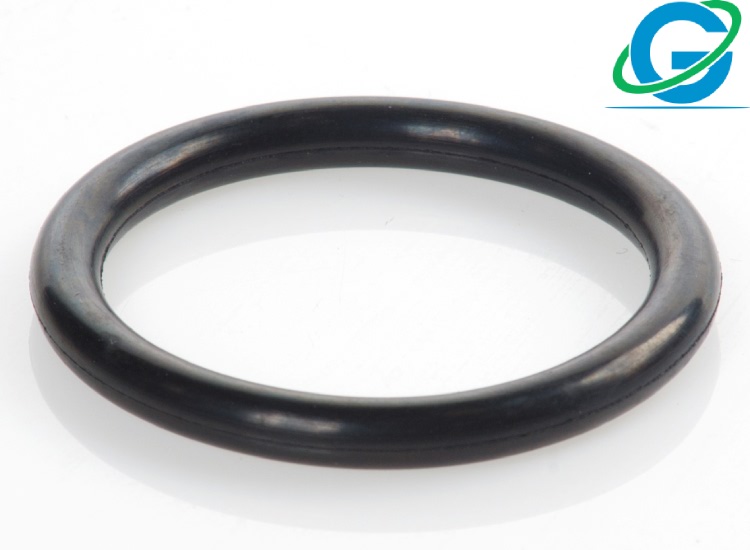
Suzhou Baoshida Trading Co., Ltd. maintains a robust engineering infrastructure dedicated to the precision design and production of rubber seals, including specialized components such as the 0.7 ring size. Our technical team comprises five dedicated mould engineers and two advanced rubber formula engineers, ensuring a fully integrated approach from material development to tooling optimization. This synergy between material science and mechanical design enables us to deliver high-performance sealing solutions tailored to the exacting demands of global OEMs.
Our mould engineers specialize in the development of high-precision tooling for small-dimension elastomeric components. The 0.7 ring size presents unique challenges in demoulding, dimensional stability, and flash control, which are systematically addressed through advanced CAD/CAM design, finite element analysis (FEA), and iterative prototyping. Each mould is engineered for longevity, repeatability, and compatibility with high-speed automated production lines, ensuring consistent part quality across large-volume runs.
Complementing this capability are our two in-house rubber formula engineers, who focus exclusively on elastomer compounding for functional performance. They develop custom formulations that meet specific application requirements such as temperature resistance, chemical exposure, compression set, and dynamic sealing performance. For the 0.7 ring size, where material behavior under stress is critical due to the small cross-section, precise control over polymer selection, filler dispersion, and cure kinetics is essential. Our formulation process leverages rheometry, thermal analysis (TGA/DSC), and accelerated aging tests to validate performance before scale-up.
We operate as a full-service OEM partner, offering end-to-end manufacturing from initial concept and material selection through to tooling, validation, and serial production. Our facility supports rapid prototyping with short lead times, allowing for accelerated product development cycles. All components are manufactured under ISO 9001-certified quality systems, with full traceability, first-article inspection reports (FAIR), and process capability (Cp/Cpk) data provided upon request.
The table below outlines the key technical specifications achievable for the 0.7 ring size under our current engineering and production protocols.
| Parameter | Specification |
|---|---|
| Nominal Ring Size (mm) | 0.7 ± 0.02 |
| Material Types | NBR, EPDM, FKM, VMQ, ACM, CR |
| Hardness Range (Shore A) | 50–90 ±5 |
| Tolerance (ISO 3302) | Class M2 (Standard), M1 (Precision) |
| Operating Temperature Range | -40°C to +230°C (FKM) |
| Compression Set (ASTM D395) | ≤15% (FKM, 200°C, 70h) |
| Tooling Lead Time | 15–20 days (prototype) |
| Sample Production Lead Time | 5–7 days after tool approval |
| Minimum Order Quantity (MOQ) | 5,000 pcs (flexible for OEM trials) |
Our engineering team works in close collaboration with client R&D departments to ensure compatibility with assembly processes, environmental conditions, and lifecycle expectations. Suzhou Baoshida Trading Co., Ltd. is committed to technical excellence, scalability, and long-term partnership in the precision rubber sealing sector.
Customization Process
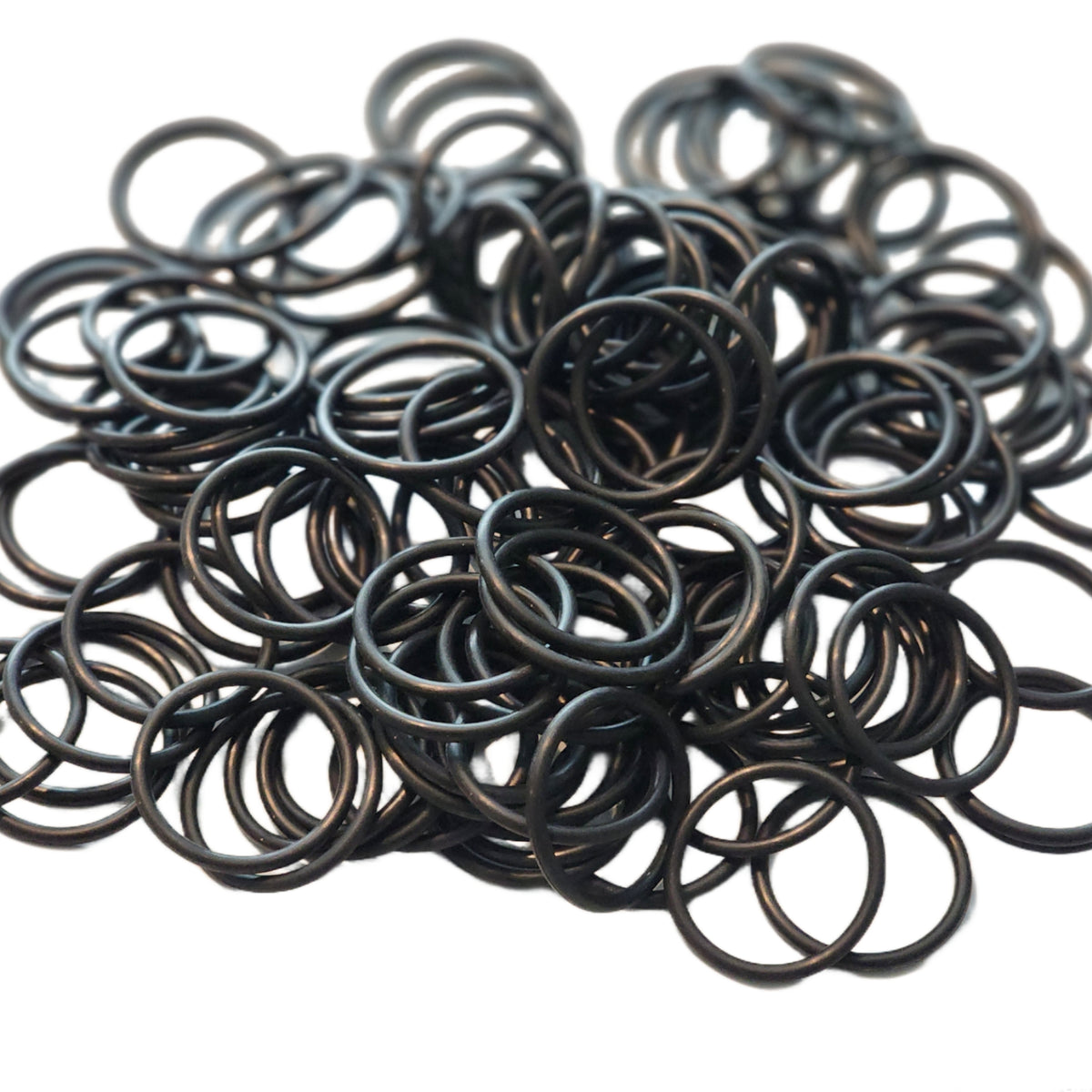
Precision Rubber Seal Customization for 0.7mm Inner Diameter Applications
At Suzhou Baoshida Trading Co., Ltd., manufacturing 0.7mm inner diameter rubber seals demands uncompromising scientific rigor. This micro-scale dimension presents acute challenges in material flow, demolding integrity, and dimensional stability. Our proprietary customization process eliminates guesswork through four sequential, data-driven phases, ensuring zero-defect performance in critical OEM assemblies.
Drawing Analysis Phase
We initiate with granular CAD geometry decomposition, focusing on cross-sectional asymmetry, groove compatibility, and tolerance stack-up analysis per ISO 3601-3 standards. For 0.7mm ID seals, we isolate critical vectors: land width deviations exceeding ±0.02mm induce spiral failure during installation, while surface roughness tolerances must adhere to Ra ≤ 0.4µm to prevent extrusion in high-pressure hydraulic systems. Finite element analysis (FEA) simulates compression behavior at 25% deflection, validating seal resilience against groove misalignment.
Formulation Development
Material selection pivots on application-specific fluid resistance and thermal stability. Our lab engineers formulate compounds using high-purity peroxide-cured VMQ or FFKM polymers, optimizing filler dispersion to mitigate shrinkage at micro-scales. Key properties are calibrated via dynamic mechanical analysis (DMA), targeting compression set values below 15% after 70 hours at 150°C. The table below details our validated material options for 0.7mm seals:
| Material Type | Durometer Range (Shore A) | Compression Set (ASTM D395) | Tolerance Capability (mm) | Primary Application Suitability |
|---|---|---|---|---|
| Peroxide-VMQ | 50–70 | ≤12% @ 100°C/70h | ±0.015 | Medical fluidics, semiconductor |
| Low-Compression FKM | 65–80 | ≤18% @ 150°C/70h | ±0.020 | Automotive fuel systems |
| FFKM | 70–85 | ≤8% @ 200°C/70h | ±0.010 | Aerospace hydraulic actuators |
Prototyping Execution
Prototypes are produced in controlled cleanroom environments (Class 10,000) using micro-injection molding with cavity-specific temperature zoning. Each 0.7mm seal undergoes non-destructive optical contour measurement via Zeiss O-INSPECT 544, verifying ID/OD concentricity within 0.005mm. We conduct accelerated life testing at 1.5x operational pressure to identify micro-fracture initiation points, adjusting cure kinetics based on rheometer delta-torque data. Typical iteration cycles require ≤3 rounds due to our predictive formulation algorithms.
Mass Production Transition
Upon prototype validation, we implement statistical process control (SPC) with real-time cavity pressure monitoring. Each production lot undergoes 100% vision inspection using automated optical comparators, rejecting units with surface defects >5µm depth. Material traceability is maintained via blockchain-secured batch records, while humidity-controlled storage prevents pre-installation swelling. Our turnkey process achieves ≤0.1% defect rates for 0.7mm seals, certified to IATF 16949 and ISO 13485 standards.
This end-to-end methodology transforms theoretical specifications into field-proven micro-seals, where dimensional precision directly dictates system reliability. Suzhou Baoshida’s engineering team guarantees seamless scalability from drawing board to high-volume delivery, eliminating leakage risks in your most demanding applications.
Contact Engineering Team
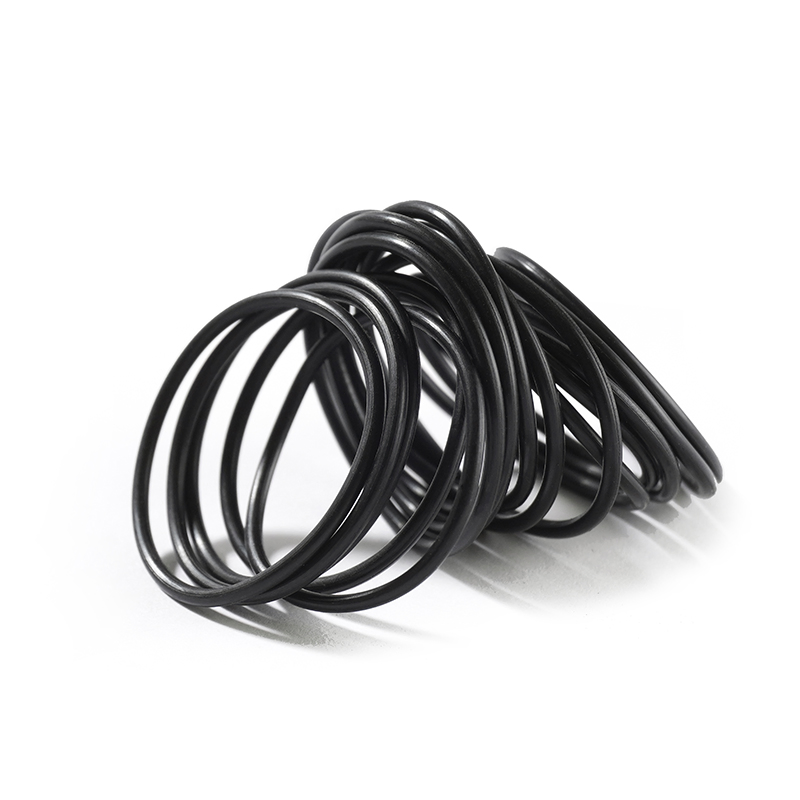
For precision rubber seals engineered to meet the exacting demands of industrial applications, Suzhou Baoshida Trading Co., Ltd. stands as a trusted OEM partner in the global manufacturing supply chain. Our expertise in elastomer formulation and high-tolerance molding ensures that every component, including the 0.7 ring size, is produced to exact dimensional, chemical, and thermal specifications. With advanced testing protocols and strict ISO-compliant quality control, we deliver consistent performance across batch runs, minimizing failure risk in critical sealing environments.
The 0.7 ring size is a specialized component often deployed in hydraulic systems, pneumatic actuators, and precision instrumentation where space constraints and operational reliability are paramount. Our engineering team utilizes proprietary rubber compounds—such as NBR, FKM, EPDM, and silicone—tailored to resist oils, fuels, ozone, and extreme temperatures. Each seal is molded using CNC-machined tooling and subjected to post-cure processing and dimensional verification via laser gauging and micro-hardness testing. This ensures repeatability down to ±0.05 mm tolerance, meeting ASTM D3767 and ISO 3601 standards.
We understand that off-the-shelf solutions rarely meet the nuanced requirements of high-performance systems. That is why Suzhou Baoshida offers full customization—from durometer selection and compound resistance profiles to secondary operations such as plasma treatment or PTFE coating. Our technical team collaborates directly with OEMs to evaluate application parameters, including media exposure, compression set requirements, and dynamic movement, to formulate a sealing solution optimized for lifecycle and efficiency.
Below are the standard technical specifications for the 0.7 ring size. Custom variants are available upon request.
| Parameter | Value |
|---|---|
| Nominal Cross Section | 0.7 mm ± 0.05 mm |
| Inner Diameter Range | 3.0 mm – 25.0 mm |
| Material Options | NBR, FKM, EPDM, Silicone, ACM, AEM |
| Hardness Range (Shore A) | 50 – 90 ±5 |
| Temperature Range | -40°C to +230°C (depending on compound) |
| Tolerance Class | Class M (ISO 3601-1) |
| Surface Finish | Ra ≤ 0.8 µm |
| Application Type | Static, Dynamic (low-speed reciprocating) |
| Fluid Resistance | Customizable to oils, water, glycols, fuels, acids, and steam |
To initiate a technical consultation or request a sample batch for validation, contact Mr. Boyce, OEM Account Manager at Suzhou Baoshida Trading Co., Ltd. Mr. Boyce specializes in bridging engineering requirements with scalable production solutions, ensuring seamless integration into your manufacturing workflow. He is available to discuss material certifications, tooling lead times, volume pricing, and compliance documentation including RoHS, REACH, and FDA (where applicable).
Reach Mr. Boyce directly at [email protected]. Please include your application context, performance requirements, and annual volume estimates to expedite technical evaluation. For urgent inquiries, our engineering desk supports rapid turnaround on DFM reviews and prototype scheduling. Suzhou Baoshida is committed to precision, reliability, and partnership-driven innovation in every seal we produce.
⚖️ O-Ring Weight Calculator
Estimate rubber O-ring weight (Approx).