
Technical Contents
Engineering Guide: 1 2 Thick Rubber Strips
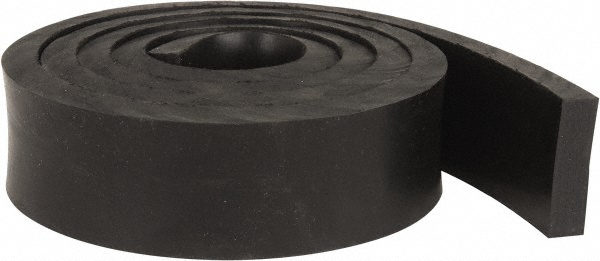
Engineering Insight: Material Selection Imperatives for 1/2 Inch Thick Rubber Strips
Specifying 1/2 inch thick rubber strips based solely on dimensional requirements is a critical oversight leading to premature field failures across industrial applications. While thickness defines the physical profile, the underlying elastomer compound dictates performance longevity, environmental resistance, and functional reliability. Off-the-shelf generic strips, often formulated for minimal cost using standard polymers like basic SBR or unoptimized EPDM, lack the tailored chemistry necessary to withstand specific operational stresses. These compromises manifest as accelerated compression set in static seals, catastrophic extrusion under high pressure, rapid ozone cracking in outdoor environments, or chemical swelling when exposed to oils and solvents. The inherent variability in generic compound formulations means mechanical properties such as tensile strength, elongation, and resilience frequently fall below the thresholds required for demanding OEM equipment, resulting in unplanned downtime and costly warranty claims.
The core failure mechanism stems from mismatched material science. A hydraulic system seal demands low compression set and high resistance to petroleum-based fluids; a generic strip using non-accelerated natural rubber will harden and leak within weeks. Similarly, an automotive under-hood gasket requires continuous heat aging resistance exceeding 150°C; standard filler-loaded EPDM degrades rapidly, losing sealing force. Generic suppliers prioritize broad applicability over engineered performance, utilizing fillers that compromise tear strength or plasticizers that migrate out, causing shrinkage and seal gaps. Crucially, these strips rarely adhere to rigorous material standards like ASTM D2000, leaving critical properties undefined and quality inconsistent between production batches. The resulting performance gap between nominal dimension and actual functional capability is where industrial failures occur.
The following table contrasts critical performance parameters between generic off-the-shelf 1/2 inch strips and engineered solutions meeting OEM specifications:
| Parameter | Generic Off-the-Shelf Strip | Engineered OEM Solution |
|---|---|---|
| Base Polymer | Unspecified SBR or basic EPDM | Precision-formulated FKM, HNBR, or peroxide-cured EPDM |
| Hardness Range (Shore A) | 60-70 (High variability) | Tight tolerance (e.g., 70±5) per ASTM D2240 |
| Temp Range (°C) | -20 to +100 (Degradation evident) | -40 to +200+ (Stable properties) |
| Key Failure Modes | High compression set; Ozone cracking; Fluid swelling; Poor heat aging | Minimal set; Ozone resistance; Fluid compatibility; Stable high-temp performance |
| Application Fit | Low-pressure, non-critical, indoor | High-pressure seals; Dynamic joints; Extreme environments |
Material selection for 1/2 inch thick rubber strips is not a dimensional exercise but a fundamental engineering decision. Suzhou Baoshida Trading Co., Ltd. partners with OEMs to develop compound-specific solutions where polymer chemistry, cure system, and filler package are rigorously optimized against the application’s thermal, chemical, and mechanical profile. This precision engineering eliminates the guesswork and risk inherent in generic alternatives, ensuring dimensional specifications align with functional performance and long-term reliability in critical industrial systems.
Material Specifications
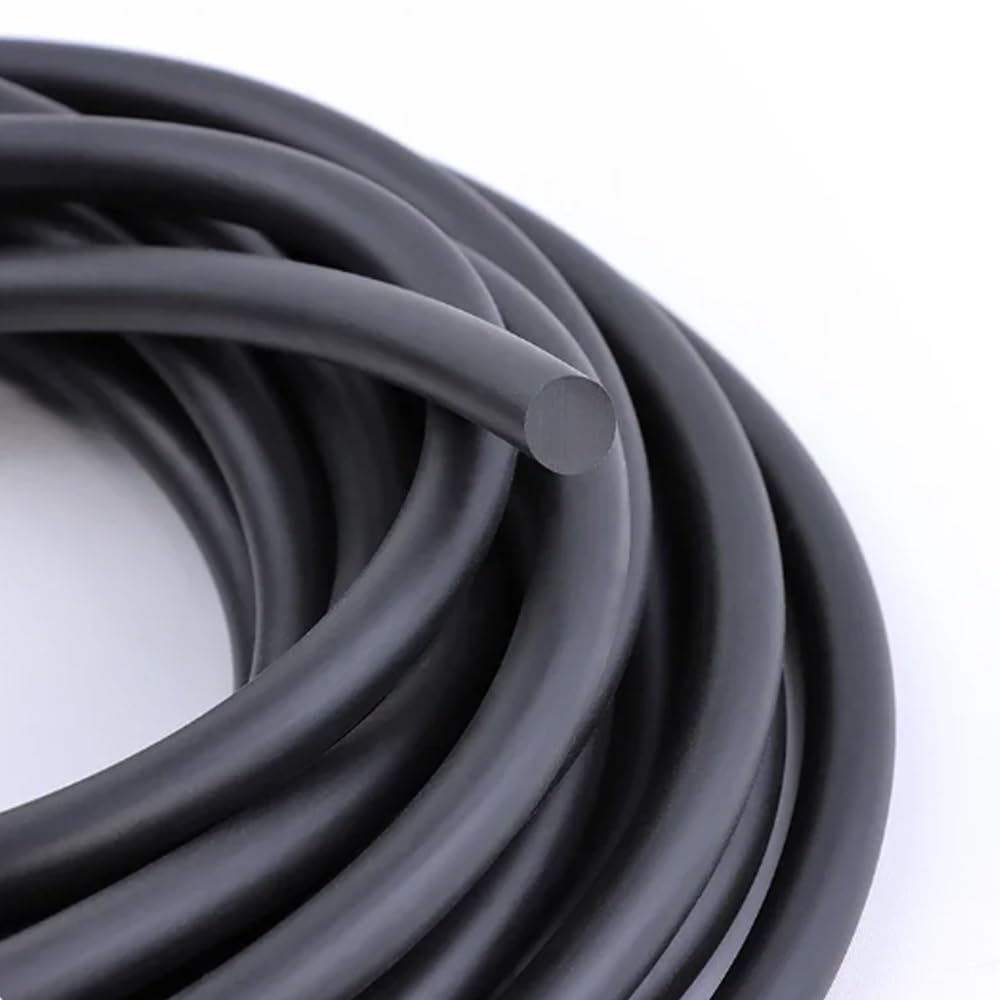
Material Specifications for 1/2 Inch Thick Rubber Strips
Suzhou Baoshida Trading Co., Ltd. provides high-performance 1/2 inch thick rubber strips engineered for demanding industrial environments. These rubber profiles are precision-manufactured to deliver consistent cross-sectional dimensions, mechanical integrity, and environmental resistance. Our standard offerings include three primary elastomers: Viton (FKM), Nitrile (NBR), and Silicone (VMQ). Each material is selected based on application-specific requirements such as temperature range, chemical exposure, compression set, and mechanical durability. The 1/2 inch thickness ensures structural stability and sealing efficiency in flange gasketing, vibration damping, and environmental sealing applications.
Viton rubber strips exhibit exceptional resistance to high temperatures, oils, fuels, and aggressive chemicals. This fluorocarbon-based elastomer maintains performance in continuous service up to 230°C (446°F), with short-term excursions to 300°C. Viton is ideal for aerospace, automotive, and chemical processing industries where reliability under extreme conditions is critical. The material demonstrates low gas permeability and excellent aging characteristics, though it is less flexible at low temperatures compared to other elastomers.
Nitrile rubber, or Buna-N, offers outstanding resistance to petroleum-based oils, hydraulic fluids, and aliphatic hydrocarbons. With a service temperature range of -30°C to 120°C (-22°F to 248°F), NBR is a cost-effective solution for mechanical seals, fuel systems, and industrial machinery exposed to oils and greases. It provides good abrasion resistance and tensile strength, making it suitable for dynamic and static sealing applications. However, Nitrile has limited resistance to ozone, UV radiation, and polar solvents.
Silicone rubber strips provide superior performance in extreme temperature environments, operating continuously from -60°C to 200°C (-76°F to 392°F). Silicone exhibits excellent resistance to UV, ozone, and weathering, making it ideal for outdoor applications and medical or food-grade environments when compounded accordingly. While it has lower mechanical strength compared to Nitrile or Viton, its flexibility across a wide temperature range and low compression set are advantageous in thermal insulation, electrical insulation, and sanitary sealing systems.
The following table summarizes key physical and chemical properties of these materials in 1/2 inch thick strip form:
| Property | Viton (FKM) | Nitrile (NBR) | Silicone (VMQ) |
|---|---|---|---|
| Hardness (Shore A) | 70–90 | 60–90 | 40–80 |
| Tensile Strength (MPa) | 15–20 | 10–25 | 5–10 |
| Elongation at Break (%) | 200–300 | 200–500 | 200–600 |
| Continuous Service Temperature | -20°C to 230°C | -30°C to 120°C | -60°C to 200°C |
| Resistance to Oils/Fuels | Excellent | Excellent | Poor |
| Resistance to Ozone/UV | Excellent | Fair | Excellent |
| Compression Set (High Temp) | Low | Moderate | Low to Moderate |
| Typical Applications | Aerospace seals, chemical gaskets | Fuel hoses, O-rings, gaskets | Electrical insulation, medical seals, outdoor gaskets |
All rubber strips are available in standard lengths or custom cut-to-size configurations, with options for adhesive backing, splicing, and surface treatments. Suzhou Baoshida ensures strict dimensional tolerances and material traceability per international quality standards.
Manufacturing Capabilities
Engineering Precision for Industrial Rubber Strip Manufacturing
At Suzhou Baoshida Trading Co., Ltd., our Engineering Capability Center delivers uncompromising precision for 1–2 inch thick rubber strip production. This critical product segment demands rigorous material science and tooling expertise to meet industrial sealing, vibration damping, and structural requirements. Our dedicated team of 5 Mould Engineers and 2 Formula Engineers operates as an integrated unit, ensuring every specification transition from concept to extrusion is flawlessly executed. This synergy eliminates common supply chain disconnects between material formulation and tooling design—directly addressing OEM pain points like dimensional drift, compression set failure, and premature aging in demanding environments.
Our Formula Engineers specialize in custom elastomer compounding for thick-section applications. They optimize polymer matrices (EPDM, NBR, silicone, and specialty blends) to balance durometer stability, thermal resistance, and extrusion flow dynamics. For 1–2 inch profiles, we mitigate internal voids and cure heterogeneity through proprietary filler dispersion protocols and staged vulcanization kinetics. Each formulation undergoes ASTM D2000 validation for compression set, tensile strength, and fluid resistance, with traceable batch documentation for full regulatory compliance. Concurrently, Mould Engineers deploy 3D CAD/CAM simulations to model die swell, cure shrinkage, and thermal gradients across thick cross-sections. This preemptive analysis ensures ±0.010 inch dimensional tolerances and eliminates costly post-production corrections.
OEM collaboration begins with joint specification review, where our engineers translate functional requirements into actionable material and tooling parameters. We manage end-to-end production—from raw material sourcing to final QA—using IoT-enabled extrusion lines with real-time rheology monitoring. Clients receive comprehensive validation dossiers including Shore A hardness profiles across the strip’s cross-section, thermal aging data at 70°C/168h, and continuous length uniformity reports. This closed-loop process guarantees repeatability for high-volume orders while accommodating rapid prototyping for custom geometries.
Critical performance metrics for our 1–2 inch rubber strips are standardized below:
| Property | Test Standard | Typical Range | Industrial Relevance |
|---|---|---|---|
| Thickness Tolerance | ASTM D3771 | ±0.010 inch | Ensures consistent compression seal |
| Hardness Range | ASTM D2240 | 40–90 Shore A | Balances flexibility & load bearing |
| Temp Resistance | ASTM D573 | -50°C to +150°C | Sustains performance in extreme climates |
| Tensile Strength | ASTM D412 | 10–25 MPa | Prevents tearing under stress |
| Compression Set (22h) | ASTM D395 | ≤25% at 70°C | Critical for long-term sealing integrity |
Suzhou Baoshida’s engineering framework transforms complex rubber strip requirements into reliable industrial components. By fusing deep material science with precision tooling execution, we eliminate the trial-and-error phase for OEMs—accelerating time-to-market while guaranteeing performance in hydraulic systems, heavy machinery, and infrastructure applications. Partner with us to convert your technical specifications into defect-free, high-yield production.
Customization Process
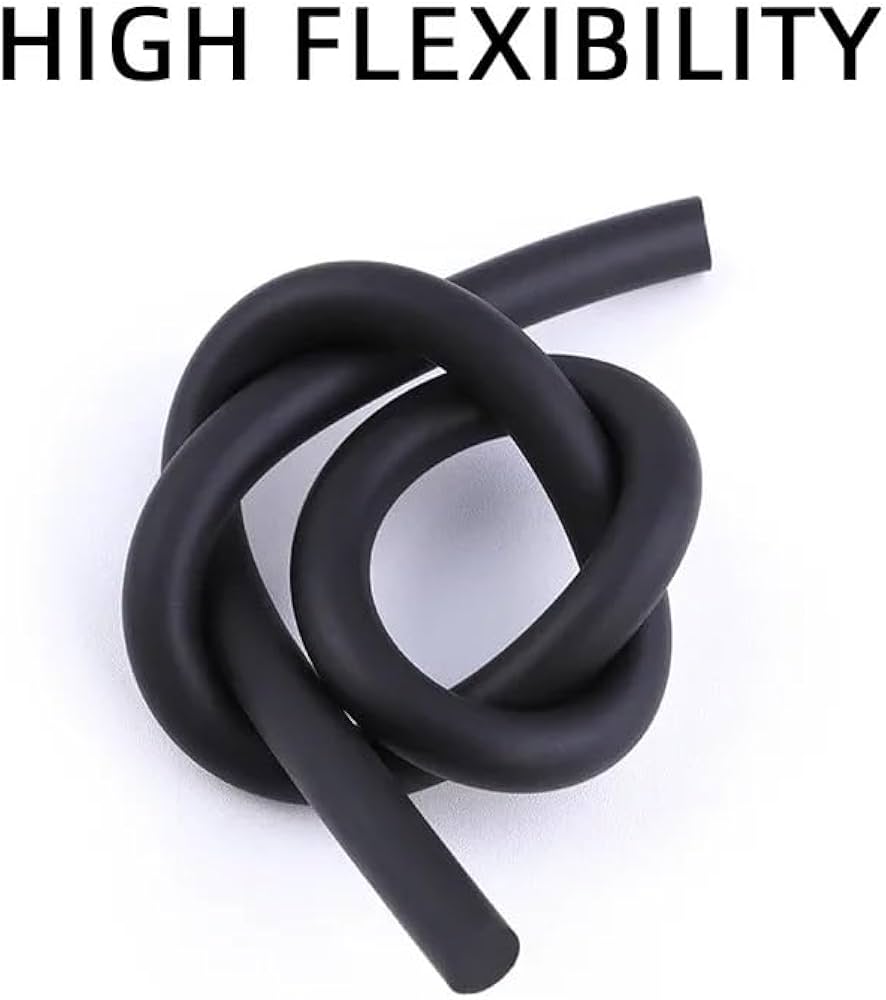
Customization Process for 1/2 Inch Thick Rubber Strips
At Suzhou Baoshida Trading Co., Ltd., we specialize in delivering high-performance industrial rubber solutions tailored to the exact requirements of our clients. Our systematic customization process ensures precision, durability, and compliance with demanding operational environments. For 1/2 inch thick rubber strips, we follow a rigorous four-stage workflow: Drawing Analysis, Formulation Development, Prototyping, and Mass Production.
The process begins with Drawing Analysis, where our engineering team evaluates technical specifications provided by the client. This includes dimensional tolerances, cross-sectional geometry, hardness requirements, and application conditions such as temperature range, exposure to chemicals or UV, and mechanical stress. Accurate interpretation of CAD drawings or sketches is critical to ensure the final product meets functional and design criteria. We verify compliance with international standards such as ASTM D2000 or ISO 3302, depending on the target market and application.
Following drawing validation, we proceed to Formulation Development. Our rubber chemists formulate a compound specifically engineered for the intended service environment. For 1/2 inch thick strips, material selection is crucial to balance compression set resistance, tensile strength, and flexibility. Common base polymers include EPDM for weather resistance, NBR for oil resistance, and SBR for general-purpose applications. Additives such as reinforcing fillers, antioxidants, and curing agents are precisely dosed to achieve optimal physical properties. The formulation is documented in a Rubber Material Specification (RMS) sheet for traceability and consistency.
The next phase is Prototyping, where short-run samples are produced using calibrated extrusion and vulcanization equipment. These prototypes undergo rigorous testing, including hardness (Shore A), tensile strength, elongation at break, and compression deflection. Dimensional accuracy is verified using precision calipers and optical measurement systems. Clients receive sample strips for field evaluation, and feedback is incorporated into final adjustments.
Upon approval, we transition to Mass Production. Our automated production lines ensure high-volume output with consistent quality. Each batch is subject to in-process and final quality inspections. Traceability is maintained through batch coding and material certifications.
Below are typical technical specifications for standard 1/2 inch thick rubber strips:
| Property | Value / Range | Test Standard |
|---|---|---|
| Thickness | 0.500 ± 0.020 in (12.7 ± 0.5 mm) | ASTM D3767 |
| Width Options | 1 in to 6 in (25–152 mm) | Custom |
| Hardness Range | 40–90 Shore A | ASTM D2240 |
| Tensile Strength | ≥ 800 psi (5.5 MPa) | ASTM D412 |
| Elongation at Break | ≥ 200% | ASTM D412 |
| Temperature Resistance | -40°C to +120°C (up to +150°C intermittent) | — |
| Common Materials | EPDM, NBR, SBR, Neoprene | ASTM D2000 |
This structured approach ensures that every 1/2 inch rubber strip we manufacture delivers superior performance and meets the exact needs of industrial applications.
Contact Engineering Team
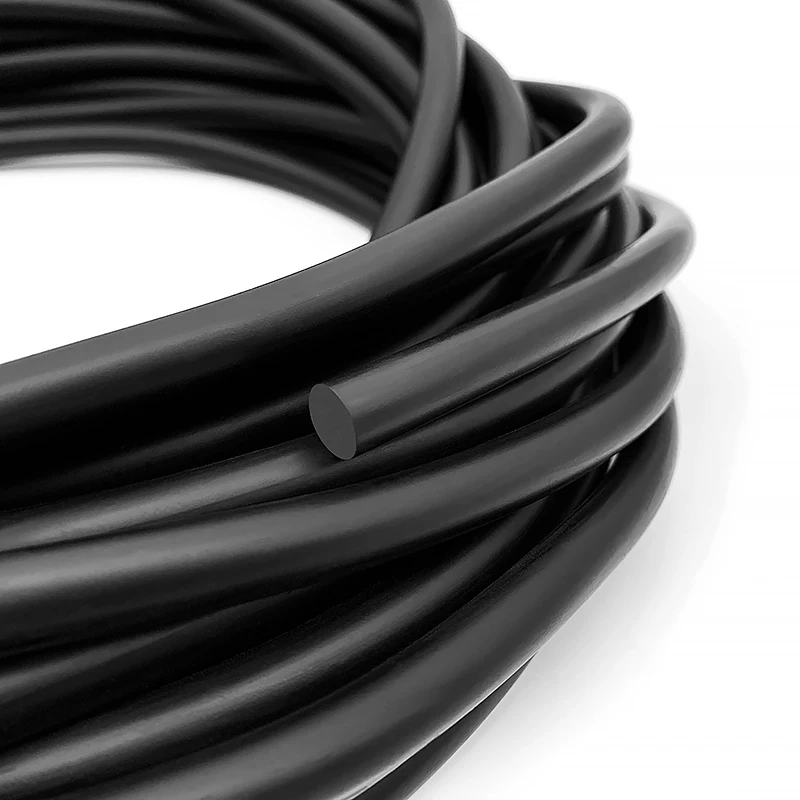
Contact Suzhou Baoshida for Precision 1/2 Inch Rubber Strip Solutions
Achieving exact dimensional control in 1/2 inch thick rubber strips is non-negotiable for critical industrial sealing, vibration damping, and gasketing applications. Standard tolerances often fail to meet the stringent requirements of aerospace, automotive, and heavy machinery OEMs, where even 0.5mm deviation compromises performance and safety. At Suzhou Baoshida Trading Co., Ltd., we engineer rubber compounds and extrusion processes to deliver 1/2 inch strips with certified precision, ensuring your assembly line efficiency and product longevity. Our ISO 9001-certified manufacturing integrates real-time laser micrometry and material science expertise to maintain tolerances unattainable through conventional production.
Material selection directly impacts functional reliability under operational stress. We formulate compounds across Shore A 30–90 durometer ranges, including Nitrile (NBR), EPDM, Silicone, and Neoprene, each optimized for specific environmental challenges—whether resisting jet fuel at -54°C or maintaining elasticity in continuous 150°C exposure. Unlike generic suppliers, our rubber strips undergo rigorous ASTM D2000-21 validation for compression set, tensile strength, and fluid resistance before shipment. This eliminates field failures caused by premature hardening or swelling. The table below details our baseline specifications for 1/2 inch extruded profiles, all customizable to your engineering drawings.
| Specification Parameter | Standard Tolerance | Testing Standard | Notes |
|---|---|---|---|
| Thickness (1/2 inch nominal) | ±0.5 mm | ISO 3302-1 M2 | Laser-verified per linear meter |
| Width Tolerance | ±1.0 mm | ISO 3302-1 M3 | Custom widths available from 10–100mm |
| Shore A Hardness | ±5 points | ASTM D2240 | Compound-specific ranges |
| Compression Set (70h/70°C) | ≤20% | ASTM D395 | NBR/EPDM standard; Silicone ≤15% |
| Tensile Strength | ≥10 MPa | ASTM D412 | Grade-dependent; up to 25 MPa options |
Our value extends beyond material compliance. As your OEM partner, we provide full traceability via batch-specific CoA documentation, rapid prototyping for complex cross-sections, and JIT delivery coordination to minimize your inventory costs. For mission-critical applications, we implement PPAP Level 3 submissions and conduct on-site technical audits at your facility. This proactive engineering collaboration prevents costly redesigns and accelerates time-to-market.
Initiate your precision rubber strip project with Suzhou Baoshida by contacting Mr. Boyce, our dedicated OEM Technical Manager. Submit your dimensional drawings, environmental requirements, and volume forecasts to [email protected] for a formal quotation within 24 business hours. Include reference code BD-STRIP-12 to prioritize tolerance validation on your specific 1/2 inch profile. We require no minimum order quantity for initial validation runs, enabling risk-free verification of our dimensional and material performance against your specifications. Do not rely on off-the-shelf rubber strips where tolerances are estimated—demand engineered solutions where every micron is accounted for. Partner with Suzhou Baoshida to transform your sealing and damping challenges into certified reliability.
⚖️ O-Ring Weight Calculator
Estimate rubber O-ring weight (Approx).