
Technical Contents
Engineering Guide: 1/4 Kerf Door Weatherstripping
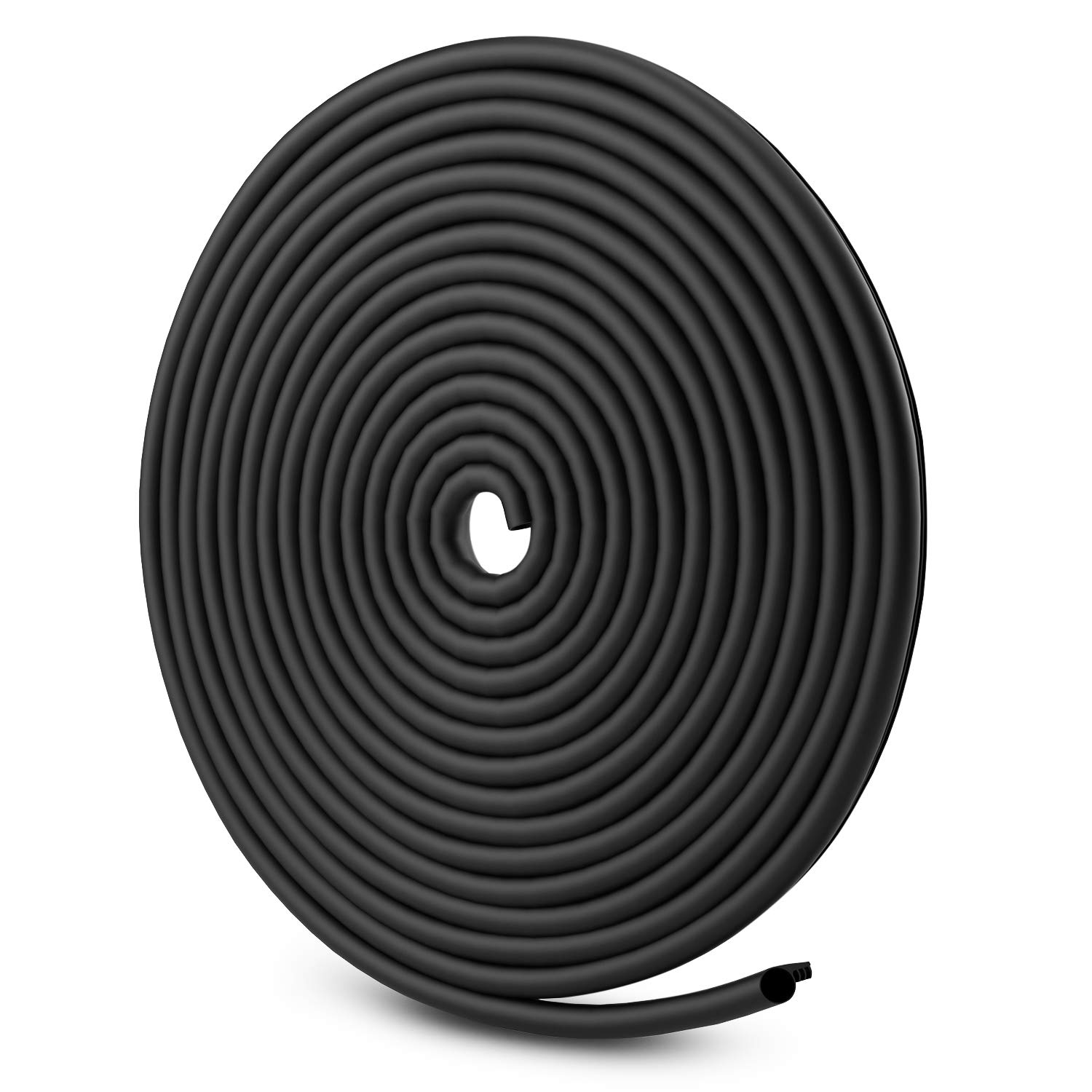
Engineering Insight: Material Selection in 1/4 Kerf Door Weatherstripping
The performance and longevity of 1/4 kerf door weatherstripping are fundamentally determined by the precision of material selection. Often perceived as a commodity component, this narrow sealing profile is subjected to complex mechanical, thermal, and environmental stresses. Off-the-shelf solutions frequently fail because they employ generic elastomers optimized for cost rather than performance under real-world conditions. At Suzhou Baoshida Trading Co., Ltd., we emphasize engineered rubber solutions tailored to application-specific demands, ensuring dimensional stability, resilience, and long-term sealing integrity.
Standard weatherstripping products typically utilize low-grade EPDM or unmodified PVC compounds. While these materials offer initial weather resistance, they lack the tensile strength, compression set resistance, and thermal cycling endurance required for consistent performance. In dynamic door systems, repeated compression and relaxation lead to premature fatigue, especially in environments with wide temperature fluctuations. Additionally, exposure to UV radiation, ozone, and industrial pollutants accelerates degradation in substandard compounds, resulting in cracking, hardening, or loss of sealing force.
The 1/4 kerf profile presents unique engineering challenges. Its slender geometry demands a material with high resilience and low creep to maintain spring-back characteristics after repeated deflection. A rubber compound with poor recovery will permanently deform, creating gaps that compromise thermal efficiency, acoustic insulation, and ingress protection. Furthermore, the installation method—insertion into a narrow kerf cut in the door stop—requires precise durometer control. A material that is too soft will not retain its position; one that is too rigid will resist installation and damage the kerf.
At Baoshida, we formulate proprietary EPDM and thermoplastic elastomer (TPE) compounds designed specifically for kerf weatherstripping applications. These materials exhibit superior compression set values (<20% at 70°C for 22 hours), wide service temperature ranges (-40°C to +120°C), and enhanced UV/ozone resistance. Our compounds are also optimized for extrusion consistency, ensuring uniform density and dimensional accuracy critical for automated installation processes.
The following table outlines key material properties for high-performance 1/4 kerf weatherstripping compared to standard commercial alternatives:
| Property | Baoshida High-Performance EPDM | Standard Commercial EPDM | Test Method |
|---|---|---|---|
| Hardness (Shore A) | 60 ± 5 | 55–70 (variable) | ASTM D2240 |
| Tensile Strength | ≥14 MPa | 7–9 MPa | ASTM D412 |
| Elongation at Break | ≥450% | 250–350% | ASTM D412 |
| Compression Set (22h, 70°C) | ≤20% | 35–50% | ASTM D395B |
| Temperature Range | -40°C to +120°C | -20°C to +90°C | Internal |
| UV/Ozone Resistance | Excellent | Moderate | ASTM D1149 |
Material selection is not a secondary consideration—it is the foundation of reliable sealing performance. Generic solutions compromise durability, energy efficiency, and customer satisfaction. By contrast, engineered rubber compounds from Baoshida ensure that 1/4 kerf weatherstripping performs reliably across diverse industrial, commercial, and residential applications.
Material Specifications
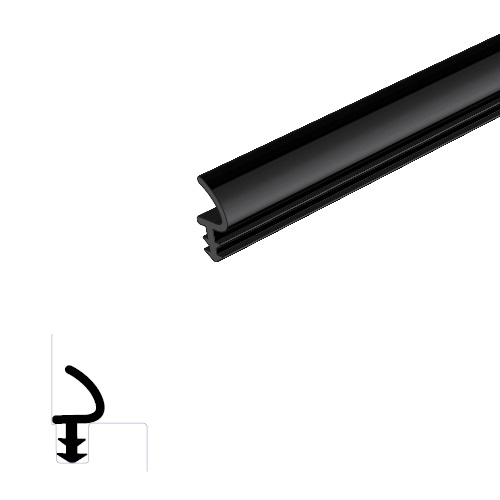
Material Specifications for 1/4 Kerf Door Weatherstripping
Precision-engineered 1/4 kerf door weatherstripping demands rigorous material selection to ensure optimal sealing performance, longevity, and resistance to environmental degradation in demanding industrial and commercial applications. At Suzhou Baoshida Trading Co., Ltd., our OEM formulations prioritize dimensional stability within the tight 0.250-inch ±0.005-inch kerf tolerance, coupled with consistent durometer (typically 60-70 Shore A) and low compression set. The core materials utilized—Viton (FKM), Nitrile (NBR), and Silicone (VMQ)—each offer distinct performance profiles critical for specific operational environments. Material choice directly impacts resistance to temperature extremes, chemical exposure, UV/ozone degradation, and compression recovery, ultimately determining service life and maintenance intervals. Understanding these specifications is paramount for specifying the correct weatherstripping solution.
Viton fluorocarbon rubber provides exceptional resistance to high temperatures, aggressive chemicals, oils, and fuels, making it ideal for aerospace, semiconductor manufacturing, and chemical processing facilities where standard elastomers fail. Its continuous service temperature range spans -20°F to +400°F (-29°C to +204°C), with short-term excursions possible up to 500°F (260°C). While offering superior fluid resistance and low gas permeability, Viton commands a higher cost and exhibits lower flexibility at sub-zero temperatures compared to alternatives. Nitrile butadiene rubber (NBR) is the cost-effective standard for general industrial applications requiring robust resistance to petroleum-based oils, greases, and hydraulic fluids. Its operational range of -40°F to +250°F (-40°C to +121°C) suits most commercial building environments. NBR delivers excellent abrasion resistance and tensile strength but suffers significant degradation when exposed to ozone, weathering, or non-petroleum solvents without specialized compounding. Silicone rubber excels in extreme temperature applications requiring flexibility, offering an unparalleled range from -100°F to +450°F (-73°C to +232°C). It possesses outstanding resistance to UV radiation, ozone, and weathering, ensuring long-term outdoor durability. Silicone provides excellent electrical insulation but has lower tensile strength and abrasion resistance than NBR or Viton, and requires careful formulation to minimize compression set in continuous sealing applications.
The comparative analysis below details critical performance parameters for informed material selection:
| Material Property | Viton (FKM) | Nitrile (NBR) | Silicone (VMQ) |
|---|---|---|---|
| Continuous Temp Range (°F) | -20 to +400 | -40 to +250 | -100 to +450 |
| Tensile Strength (MPa) | 10-15 (ASTM D412) | 15-25 (ASTM D412) | 5-10 (ASTM D412) |
| Elongation at Break (%) | 150-250 | 200-400 | 200-600 |
| Compression Set (B, 70h) | Excellent (15-25%) | Good (20-35%) | Fair to Good (25-40%) |
| Key Resistance Strengths | Extreme heat, chemicals, oils, fuels | Petroleum oils, greases, abrasion | Extreme cold/heat, UV, ozone, weathering |
| Primary Application Limitation | Cost, low-temp flexibility | Poor weather/ozone resistance | Lower strength, compression set sensitivity |
Suzhou Baoshida Trading Co., Ltd. leverages proprietary compounding expertise to optimize each base polymer for 1/4 kerf profile extrusion, ensuring precise dimensional control, consistent Shore A hardness, and minimized die swell. Our OEM engineering team collaborates directly with manufacturers to tailor formulations—enhancing NBR’s ozone resistance, improving Silicone’s compression set, or optimizing Viton’s low-temperature flexibility—based on the specific environmental stressors of the end-use application. Consult our technical department with your operational parameters to specify the exact material grade ensuring maximum performance and lifecycle value for your weatherstripping assembly.
Manufacturing Capabilities
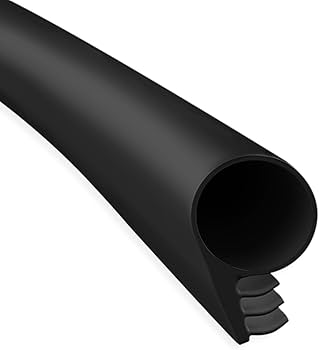
Engineering Capability
At Suzhou Baoshida Trading Co., Ltd., our engineering division is the cornerstone of our leadership in industrial rubber solutions, particularly in precision-critical applications such as 1/4 kerf door weatherstripping. Our team comprises five dedicated mould engineers and two specialized rubber formula engineers, enabling us to deliver technically advanced, application-specific sealing solutions tailored to OEM requirements. This integrated engineering capability allows seamless development from concept to production, ensuring dimensional accuracy, material performance, and long-term reliability under real-world conditions.
Our mould engineers utilize advanced CAD/CAM software and precision CNC machining to design and fabricate extrusion dies with micron-level tolerances. This precision is critical in 1/4 kerf weatherstripping, where consistent kerf width, uniform bulb profile, and accurate insertion dimensions directly affect sealing performance and ease of installation. Each die is optimized for material flow and wear resistance, ensuring long service life and batch-to-batch consistency in high-volume production. Finite element analysis (FEA) is routinely applied to predict extrusion behavior, minimizing trial-and-error and accelerating time-to-market.
Complementing our tooling expertise, our two in-house rubber formula engineers specialize in elastomer chemistry, focusing on EPDM, silicone, and thermoplastic vulcanizates (TPV) commonly used in weatherstripping. They formulate compounds that balance compression set resistance, low-temperature flexibility, UV stability, and ozone resistance—key factors in exterior building applications. By controlling the formulation process internally, we eliminate dependency on third-party compounders and maintain strict quality control over raw material sourcing, mixing parameters, and cure kinetics. This vertical integration ensures repeatability and allows rapid customization for clients requiring specific durometer ratings, color matching, or regulatory compliance (e.g., RoHS, REACH).
Our OEM capabilities are built on a foundation of collaborative engineering. We work directly with manufacturers to reverse-engineer legacy profiles, optimize cross-sectional designs for material savings, and develop proprietary formulations that enhance product differentiation. Whether supporting low-volume prototyping or scaling to multi-million-foot annual runs, our engineering team ensures technical alignment with client performance standards and production timelines.
The following table outlines key technical specifications achievable in our 1/4 kerf door weatherstripping production:
| Parameter | Standard Range | Custom Capability | Test Method |
|---|---|---|---|
| Kerf Width | 0.245–0.255 in (6.2–6.5 mm) | ±0.003 in (0.08 mm) tolerance | ISO 3302-1 |
| Shore A Hardness | 50–80 ±5 | Down to 40, up to 90 | ASTM D2240 |
| Operating Temperature | -40°C to +120°C | Up to +180°C (silicone) | ASTM D1329 |
| Compression Set (22h, 70°C) | ≤25% | ≤15% (optimized EPDM) | ASTM D395 |
| UV/Ozone Resistance | 1500h no cracking (ASTM G154) | 3000h available | ASTM D1149 |
| Length Tolerance | ±0.5% | Cut-to-length ±1 mm | ISO 7806 |
This technical depth positions Suzhou Baoshida as a strategic partner for OEMs demanding precision, durability, and innovation in door sealing systems.
Customization Process
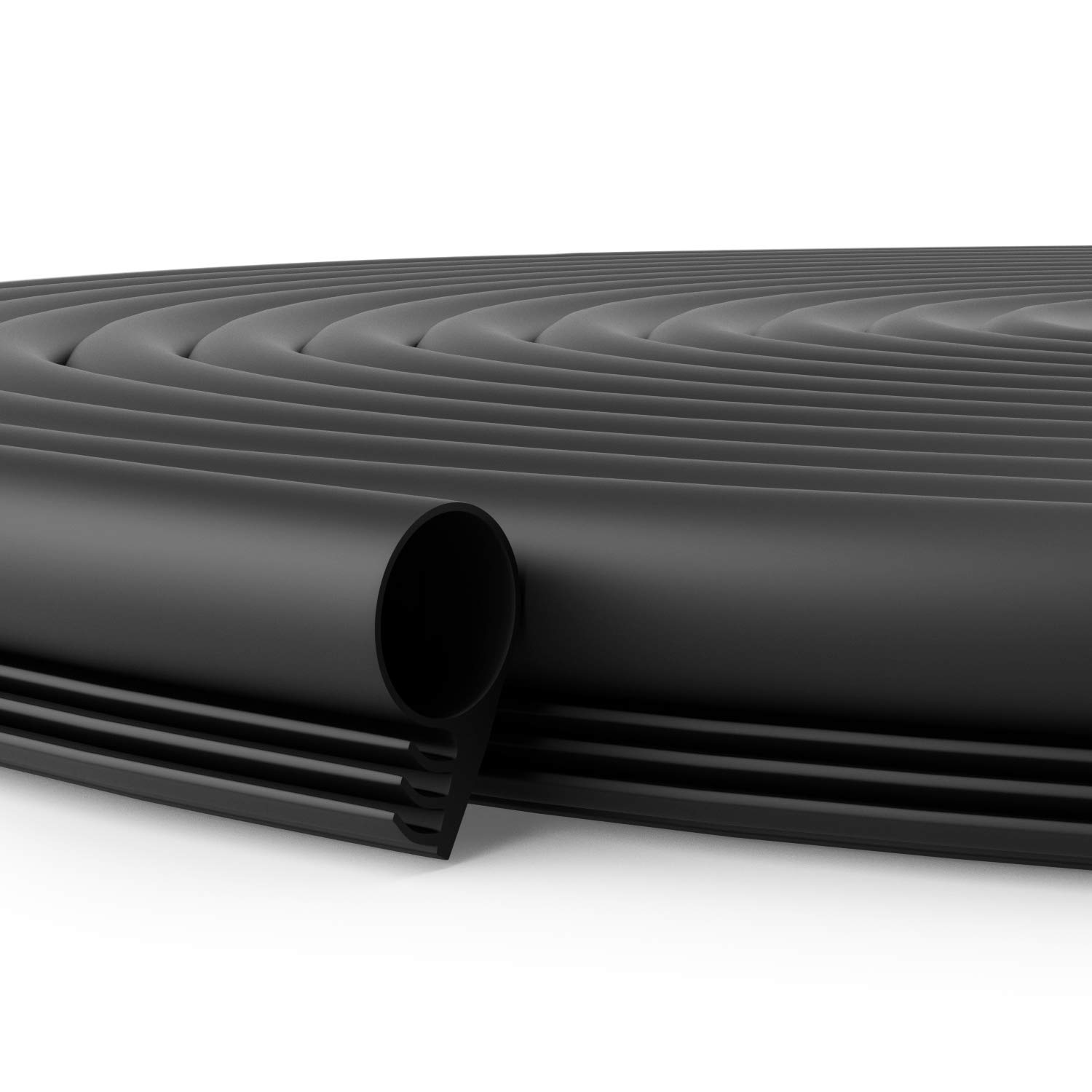
Customization Process for 1/4 Kerf Door Weatherstripping
Suzhou Baoshida Trading Co., Ltd. executes a rigorous, science-driven customization workflow for 1/4 kerf door weatherstripping, ensuring optimal performance and seamless integration for OEM clients. This process eliminates guesswork through systematic engineering validation, directly translating client specifications into reliable, high-volume production.
Drawing Analysis initiates the engagement. Our engineering team conducts a meticulous dimensional and functional review of the provided CAD drawings or physical samples. Critical parameters include kerf width tolerance (±0.05mm), bulb profile geometry, insertion force requirements, and substrate compatibility. We verify adherence to ISO 3938 standards for door seals and identify potential interference points within the door assembly. Material compatibility with adjacent components (paints, adhesives, metals) is assessed to prevent degradation or adhesion failure. This phase establishes the precise technical boundary conditions for compound development.
Formulation leverages our proprietary EPDM compound database and advanced rheology modeling. Based on the drawing analysis outcomes, we engineer a custom elastomer blend prioritizing low compression set (critical for long-term sealing force retention), optimal hardness for insertion and recovery, and resistance to ozone, UV, and temperature extremes. Standard formulations serve as baselines, but client-specific demands for noise dampening, flame resistance (UL 94 HB), or enhanced low-temperature flexibility trigger targeted modifications. Key property targets are defined before prototyping commences, as detailed in the comparative specification table below.
Prototyping utilizes precision extrusion tooling and vulcanization techniques to produce functional samples. Initial prototypes undergo rigorous in-house validation: dimensional verification via CMM, compression deflection force testing per ASTM D1056, and accelerated aging per SAE J2236. Samples are subjected to OEM-specific fitment trials within actual door assemblies. Feedback on insertion feel, wind noise reduction, and visual alignment drives iterative refinements. Our streamlined process typically delivers validated prototypes within 10 business days, minimizing client development timelines.
Mass Production commences only after formal client sign-off on prototype performance. Production occurs in our ISO 9001-certified facility under strict statistical process control (SPC). Each production run includes real-time monitoring of extrusion temperature profiles, cure state via dielectric analysis, and continuous dimensional checks. Final inspection adheres to AQL 1.0 standards, with comprehensive batch testing for tensile strength, elongation, hardness, and compression set. Traceability is maintained via serialized lot coding, ensuring full accountability from raw material to finished shipment.
The table below summarizes critical property specifications achievable through our customization process, contrasting standard baseline performance with client-specific ranges.
| Property | Standard Specification | Custom Range Capability | Test Method |
|---|---|---|---|
| Hardness (Shore A) | 65 ± 5 | 55 – 75 | ASTM D2240 |
| Tensile Strength (MPa) | ≥ 7.0 | 5.0 – 12.0 | ASTM D412 |
| Compression Set (% @70°C/22h) | ≤ 25 | ≤ 15 (optimized) | ASTM D395 Method B |
| Temperature Range (°C) | -40 to +120 | -50 to +135 | ISO 188 |
This structured approach guarantees that every 1/4 kerf weatherstrip meets the exacting functional and durability demands of modern door systems, while providing Suzhou Baoshida OEM partners with predictable lead times and uncompromised quality consistency.
Contact Engineering Team
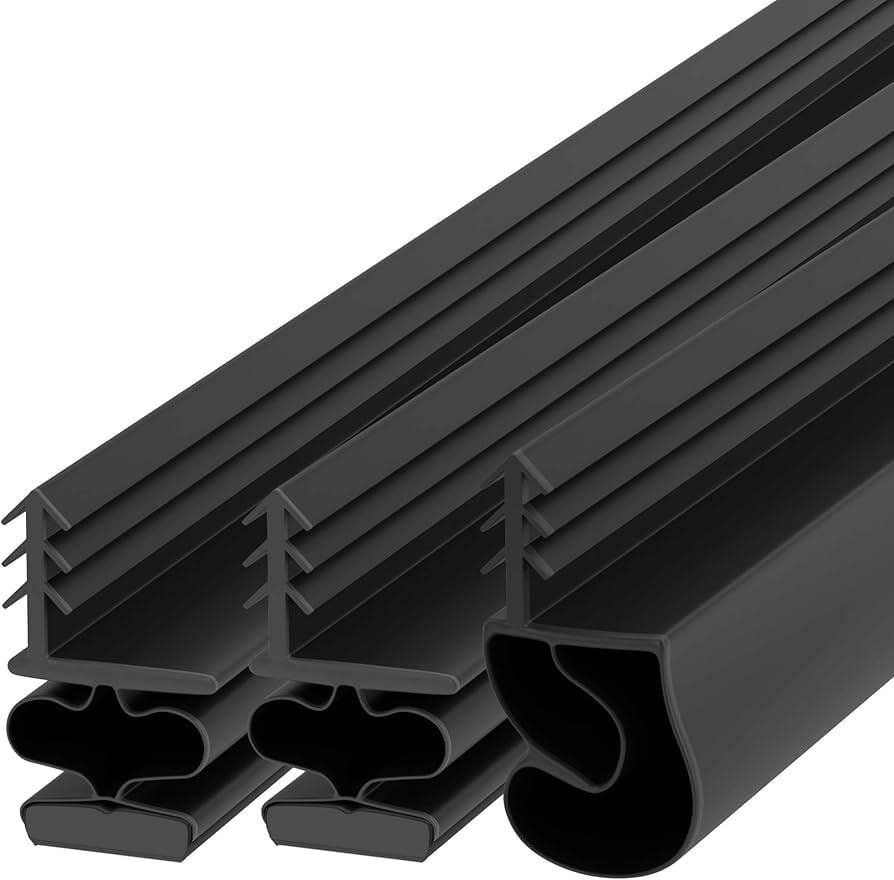
For industrial manufacturers and OEM partners seeking precision-engineered rubber solutions, Suzhou Baoshida Trading Co., Ltd. stands as a trusted leader in the development and supply of high-performance sealing products. Our expertise in industrial rubber formulations and extrusion technologies enables us to deliver customized weatherstripping solutions that meet the exacting demands of modern door systems, particularly in commercial and residential construction, transportation, and industrial enclosures. Among our most widely specified products is the 1/4 kerf door weatherstripping, a critical component designed to ensure energy efficiency, noise reduction, and environmental sealing in demanding applications.
The 1/4 kerf door weatherstripping is engineered for seamless integration into door frames with a precisely cut 1/4-inch groove. This design allows for a secure, friction-fit installation that eliminates the need for adhesives or mechanical fasteners in most cases, reducing labor time and enhancing long-term reliability. Constructed from high-grade EPDM (Ethylene Propylene Diene Monomer) rubber, this weatherstrip exhibits exceptional resistance to UV radiation, ozone, extreme temperatures (-40°C to +120°C), and repeated compression cycles. Its closed-cell sponge structure provides optimal sealing pressure while maintaining low insertion and withdrawal forces, making it ideal for both manual and automated door operations.
At Suzhou Baoshida, we maintain strict control over material formulation, extrusion tolerances, and quality assurance protocols. Every batch of 1/4 kerf weatherstripping is subjected to rigorous testing for dimensional accuracy, compression deflection, tensile strength, and aging performance to ensure compliance with international standards. Our in-house rubber compounding capabilities allow us to tailor durometer hardness, color, and surface finish to meet specific customer requirements, including flame-retardant and low-outgassing formulations for specialized environments.
Below are the standard technical specifications for our 1/4 kerf door weatherstripping:
| Parameter | Specification |
|---|---|
| Kerf Size | 1/4 inch (6.35 mm) |
| Base Width | 0.280 inch (7.1 mm) |
| Insert Height | 0.400 inch (10.2 mm) |
| Material | EPDM Sponge Rubber |
| Durometer (Shore A) | 55 ± 5 |
| Temperature Range | -40°C to +120°C |
| Color | Black (custom colors available) |
| Compression Set (22h @ 70°C) | ≤ 25% |
| UV Resistance | ASTM G154 Passed |
| Standard Lengths | 3.0 m, 1.8 m (custom spools available) |
For engineering support, sample requests, or volume pricing inquiries, contact Mr. Boyce, OEM Manager and Rubber Formula Engineer at Suzhou Baoshida Trading Co., Ltd. With over 15 years of experience in rubber formulation and industrial sealing applications, Mr. Boyce provides technical guidance from concept to production, ensuring optimal material selection and performance integration. To initiate a technical consultation or request product samples, email [email protected]. Our team responds to all inquiries within 12 business hours and supports global logistics with DDP, FOB, and JIT delivery options. Partner with Suzhou Baoshida for reliable, high-precision rubber solutions engineered for performance and durability.
⚖️ O-Ring Weight Calculator
Estimate rubber O-ring weight (Approx).