
Technical Contents
Engineering Guide: 1/4 Needle Valve
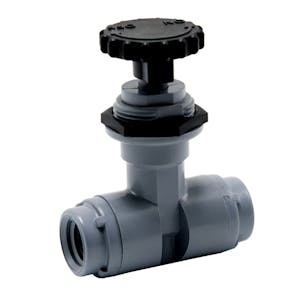
Engineering Insight: 1/4 Needle Valve – The Critical Role of Material Selection in Industrial Applications
In the precise domain of fluid control systems, the 1/4 needle valve serves as a vital component for regulating low-flow, high-precision media across chemical processing, petrochemical, pharmaceutical, and semiconductor manufacturing environments. While often perceived as a commoditized part, the performance and longevity of a 1/4 needle valve are profoundly influenced by material selection—a factor frequently overlooked when sourcing off-the-shelf solutions. Standard valves may meet dimensional and basic pressure requirements, but they commonly fail under real-world operational stresses due to incompatible material properties.
Material compatibility is not merely about corrosion resistance; it encompasses thermal stability, mechanical strength under cyclic loading, coefficient of thermal expansion, and interaction with media such as aggressive solvents, acids, or high-purity gases. Off-the-shelf valves are typically manufactured using standardized alloys or elastomers that prioritize cost and availability over application-specific performance. For instance, a Buna-N (Nitrile) seal may suffice in low-temperature hydraulic systems but will rapidly degrade when exposed to ozone, ketones, or elevated temperatures above 100°C. Similarly, 304 stainless steel bodies may exhibit pitting in chloride-rich environments, leading to premature valve failure and system contamination.
At Suzhou Baoshida Trading Co., Ltd., our engineering approach emphasizes application-driven material engineering. We evaluate the complete operational profile—media composition, temperature range, pressure cycles, and required service life—to specify materials that ensure reliability. For aggressive chemical environments, we recommend Hastelloy C-276 or PTFE-lined components. For high-purity applications, electropolished 316L stainless steel with Kalrez® O-rings provides superior inertness and particle shedding resistance. In systems subject to thermal cycling, we assess differential expansion between the stem, seat, and body materials to prevent leakage or seizure.
The consequences of improper material selection extend beyond component failure. Downtime, contamination risk, safety hazards, and increased maintenance costs compound the initial cost savings of generic valves. A failed seal in a semiconductor gas delivery system, for example, can compromise an entire batch of wafers, resulting in six-figure losses.
Custom material integration ensures that the 1/4 needle valve functions not as a standalone part, but as a system-optimized component. Suzhou Baoshida collaborates with OEMs to co-engineer solutions that align with long-term operational goals, moving beyond catalog specifications to deliver engineered reliability.
| Material Parameter | 304 Stainless Steel | 316L Stainless Steel | Hastelloy C-276 | PTFE (Teflon) |
|---|---|---|---|---|
| Max Operating Temp (°C) | 870 | 870 | 1095 | 260 |
| Corrosion Resistance | Moderate | High (Cl⁻ resistant) | Exceptional | Excellent |
| Chemical Compatibility | Limited acids | Broad | Halogens, acids | Nearly universal |
| Typical Seal Use | Not applicable | Metal seals | Metal seals | Soft seats, seals |
| Application Suitability | General purpose | High purity, marine | Aggressive media | Ultra-pure, corrosive |
Material Specifications
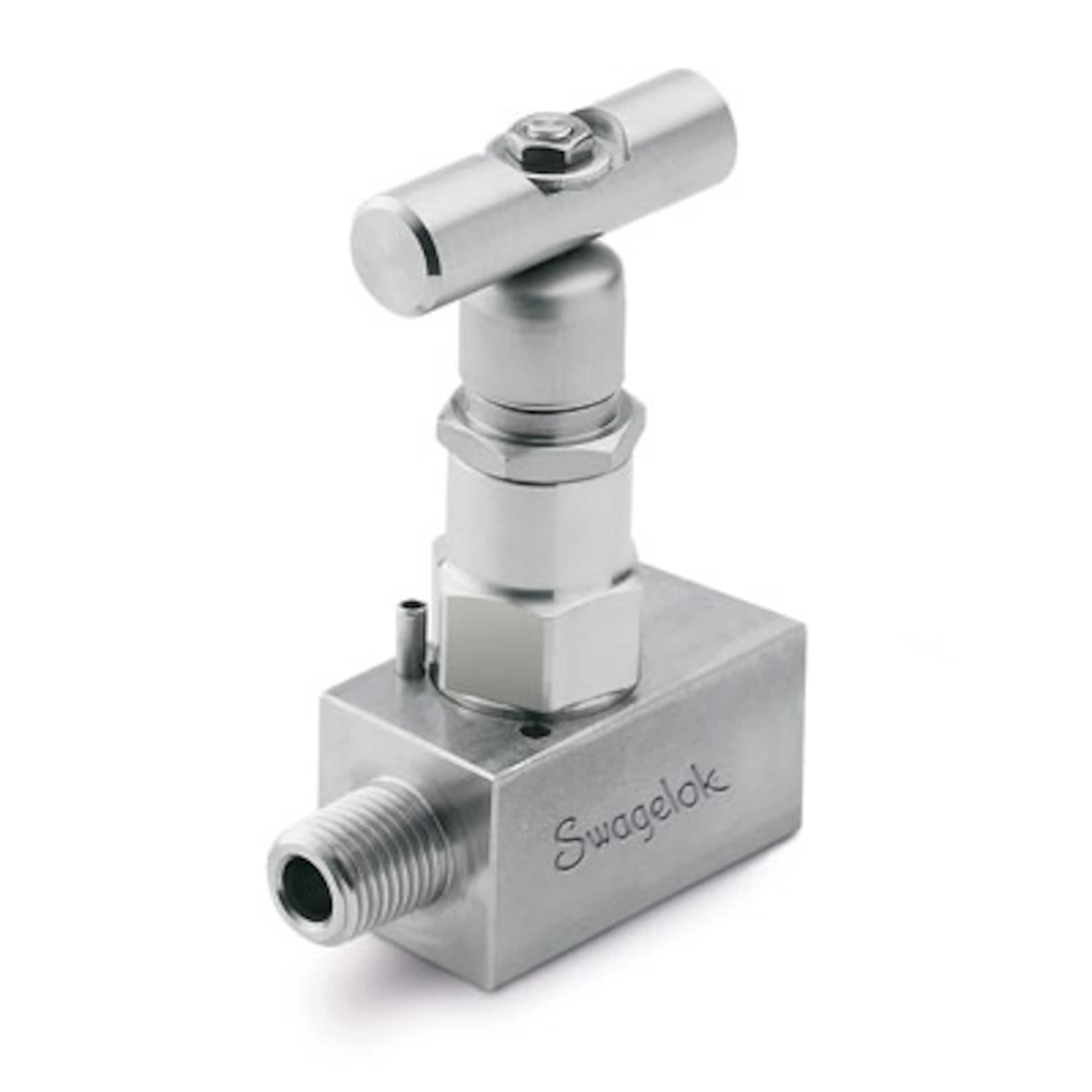
Material Specifications for 1/4 Needle Valve Sealing Components
Precision elastomer selection is critical for 1/4 needle valve performance in demanding fluid control systems. At Suzhou Baoshida Trading Co., Ltd., we supply materials engineered to meet rigorous OEM specifications for chemical resistance, thermal stability, and mechanical integrity. The operational environment—including media type, pressure, temperature cycling, and regulatory requirements—dictates optimal material choice. Viton, Nitrile, and Silicone represent the primary elastomer families for needle valve O-rings and seals, each offering distinct performance profiles. Incorrect material selection risks seal extrusion, compression set, chemical degradation, or premature failure, directly impacting system reliability and lifecycle costs. Our technical team validates all materials against ASTM D2000 standards and application-specific testing protocols to ensure conformance.
Viton (FKM) delivers superior resistance to aggressive chemicals, fuels, and high temperatures. It maintains sealing integrity in aerospace, semiconductor, and chemical processing applications where exposure to acids, chlorinated solvents, or jet fuels occurs. Continuous service up to 230°C is achievable, with short-term peaks to 300°C. However, its higher cost and limited flexibility at sub-zero temperatures necessitate careful evaluation against operational demands. Nitrile (NBR) remains the cost-effective solution for petroleum-based hydraulic fluids, lubricants, and water across automotive and industrial hydraulics. Its balanced abrasion resistance and compression set properties perform reliably between -40°C and 120°C. Limitations include poor ozone resistance and vulnerability to polar solvents like acetone or glycol-based brake fluids. Silicone (VMQ) excels in extreme temperature flexibility (-60°C to 200°C) and biocompatibility, making it ideal for pharmaceutical, food-grade, and cryogenic applications. While offering exceptional electrical insulation, its lower tensile strength and susceptibility to撕裂 in high-pressure dynamic seals require design compensation.
All materials undergo stringent lot-specific testing for hardness, tensile strength, elongation, and fluid immersion resistance per OEM documentation. Compression set values below 25% after 70 hours at maximum operating temperature are mandatory for critical sealing interfaces. Below is a comparative specification summary for rapid technical assessment.
| Material | Temperature Range (°C) | Key Fluid Resistances | Key Limitations | Typical OEM Applications |
|---|---|---|---|---|
| Viton (FKM) | -20 to 230 (Short-term: 300) | Fuels, oils, acids, halogenated solvents, steam | Poor ketone/amine resistance; High cost; Stiff at low temps | Chemical processing, aerospace hydraulics, semiconductor manufacturing |
| Nitrile (NBR) | -40 to 120 | Aliphatic hydrocarbons, water, glycols, silicone oils | Poor ozone/weathering resistance; Limited acid/solvent resistance | Automotive fuel systems, industrial hydraulics, general pneumatic controls |
| Silicone (VMQ) | -60 to 200 | Water, alcohols, ozone, steam, food-grade fluids | Low tear strength; Swells in petroleum oils; Poor fuel resistance | Medical devices, food/beverage processing, cryogenics, HVAC |
Material selection must align with fluid compatibility charts and dynamic/stationary seal requirements. Suzhou Baoshida Trading Co., Ltd. provides full material traceability documentation and collaborates with OEM engineering teams to validate elastomer performance under actual service conditions. Contact our technical department for application-specific formulation recommendations and accelerated life testing data.
Manufacturing Capabilities
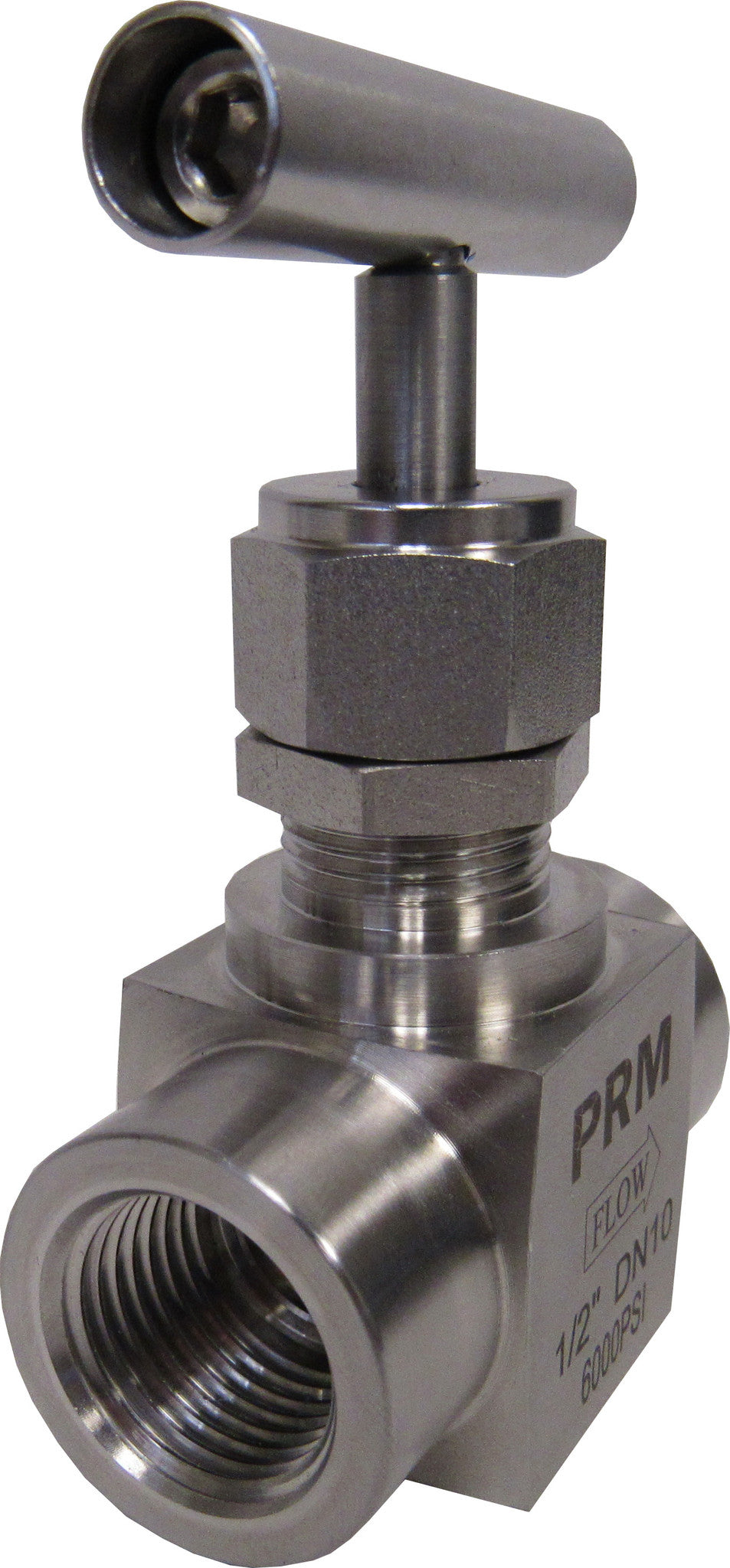
Engineering Capability
At Suzhou Baoshida Trading Co., Ltd., our engineering capability is anchored in a dedicated team of technical specialists focused on precision, performance, and industrial reliability. We employ five experienced mould engineers and two certified rubber formula engineers, enabling us to deliver fully integrated solutions for complex industrial components such as the 1/4″ needle valve. This multidisciplinary team operates at the intersection of material science and mechanical design, ensuring that every product meets exacting OEM standards.
Our mould engineers specialize in precision tooling design and cavity optimization for rubber and elastomeric components. Utilizing advanced CAD/CAM software and CNC machining protocols, they ensure tight tolerances, consistent part geometry, and long-term tool durability. For the 1/4″ needle valve, this translates into flawless sealing surfaces, uniform wall thickness, and optimal flash control during compression or injection moulding. Each mould undergoes rigorous validation through first-article inspection and process capability (Cp/Cpk) analysis to guarantee production readiness.
Complementing this expertise are our two in-house rubber formula engineers, who bring deep knowledge of polymer chemistry and material performance under dynamic operating conditions. They formulate custom elastomer compounds tailored to specific application demands—whether resistance to high temperature, aggressive media, or prolonged cyclic stress. For needle valve applications, common formulations include NBR (nitrile butadiene rubber), EPDM (ethylene propylene diene monomer), and FKM (fluoroelastomer), each engineered to deliver optimal compression set resistance, tensile strength, and chemical compatibility.
This dual-engineering capability—mould and material—positions Suzhou Baoshida as a true OEM partner. We do not simply manufacture parts; we co-develop solutions. From initial concept and material selection to prototype validation and serial production, our engineers work closely with clients to refine designs, reduce failure modes, and enhance service life. Our facility supports full-scale DFM (Design for Manufacturability) reviews, finite element analysis (FEA) for stress simulation, and accelerated life testing under real-world conditions.
We maintain strict documentation control per ISO 9001 standards, ensuring traceability of both material batches and tooling revisions. This level of technical rigor is essential for industries such as automotive, fluid power, and industrial automation, where the 1/4″ needle valve plays a critical role in flow regulation and system integrity.
Below is a representative specification profile for a standard 1/4″ needle valve seal manufactured using our engineered rubber solutions.
| Parameter | Specification |
|---|---|
| Nominal Size | 1/4 inch (6.35 mm) |
| Material Options | NBR, EPDM, FKM, Silicone |
| Hardness Range (Shore A) | 60–90 ±5 |
| Operating Temperature | -30°C to +200°C (FKM) |
| Compression Set (22 hrs, 70°C) | ≤20% |
| Tensile Strength | ≥10 MPa |
| Elongation at Break | ≥200% |
| Mould Tolerance (per ISO 3302) | Class M3 |
| Production Process | Compression Moulding / Injection Moulding |
Through synchronized expertise in rubber formulation and precision mould engineering, Suzhou Baoshida delivers technically superior, application-optimized components that meet the highest standards of industrial performance.
Customization Process
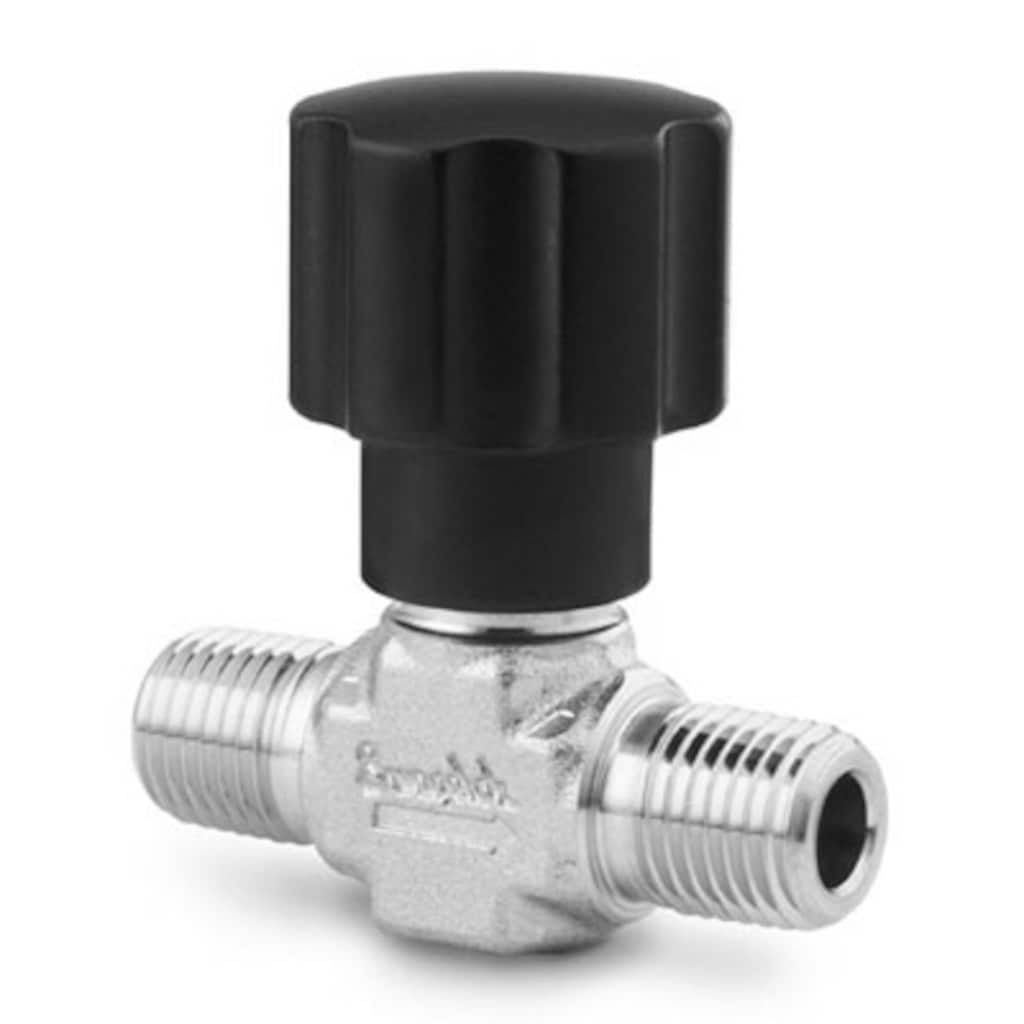
Customization Process for 1/4 Needle Valve Rubber Components
At Suzhou Baoshida Trading Co., Ltd., our industrial rubber customization for 1/4 needle valves follows a rigorously defined sequence to ensure precision, durability, and compliance with OEM specifications. This process begins with comprehensive drawing analysis, where engineering teams dissect client-provided schematics to identify critical dimensions, sealing interfaces, and operational stress points. We validate geometric tolerances per ISO 2768-mK and assess material compatibility requirements against fluid media (e.g., hydraulic oil, brake fluid, or refrigerants). Any ambiguities in surface finish or chamfer design are resolved collaboratively with the client to prevent downstream deviations.
Following validation, our rubber formula engineering team develops a bespoke elastomer compound. This phase integrates the valve’s functional demands—such as pressure rating (up to 5,000 psi), temperature extremes, and chemical exposure—into a scientifically optimized formulation. We prioritize cure kinetics, compression set resistance, and dynamic sealing performance using advanced polymer blends. For instance, nitrile rubber (NBR) is selected for petroleum-based systems, while fluorocarbon (FKM) addresses high-temperature aerospace applications. Each compound undergoes predictive simulation for swelling behavior and modulus stability before physical batching.
Prototyping executes the validated design using precision CNC-machined molds and controlled vulcanization cycles. Components are subjected to accelerated life testing, including 72-hour fluid immersion per ASTM D471 and cyclic pressure testing at 1.5x operational limits. Dimensional conformity is verified via CMM inspection against the original drawing, with critical features like valve seat concentricity held to ±0.05 mm tolerances. Client feedback on prototype performance directly informs final adjustments to the rubber compound or mold geometry.
Mass production commences only after client sign-off on prototype data. Our ISO 9001-certified facility employs statistical process control (SPC) for real-time monitoring of key parameters: cure time, durometer consistency (±3 Shore A), and flash thickness. Every batch undergoes 100% visual inspection and抽样 testing per ASTM D2000, with traceability maintained through serialized lot numbering. Final validation includes burst pressure verification and leak rate measurement at 0.1 sccm, ensuring zero field failures in critical fluid control systems.
Key Rubber Material Specifications for 1/4 Needle Valves
| Material Type | Hardness (Shore A) | Temperature Range (°C) | Key Fluid Resistances | ASTM D2000 Reference |
|---|---|---|---|---|
| NBR (Standard) | 70 ± 5 | -40 to +120 | Mineral oils, hydraulic fluids | BK2 707 A14 B14 F11 |
| EPDM (High Temp) | 75 ± 5 | -50 to +150 | Brake fluids, steam, polar solvents | EF3 757 A10 B14 E04 F15 K11 |
| FKM (Critical) | 80 ± 5 | -20 to +230 | Jet fuels, acids, aromatic hydrocarbons | HK1 807 A10 B14 F15 L11 M11 |
This structured workflow guarantees that Suzhou Baoshida delivers needle valve seals meeting exacting industrial standards, minimizing client risk while maximizing system reliability in demanding applications.
Contact Engineering Team
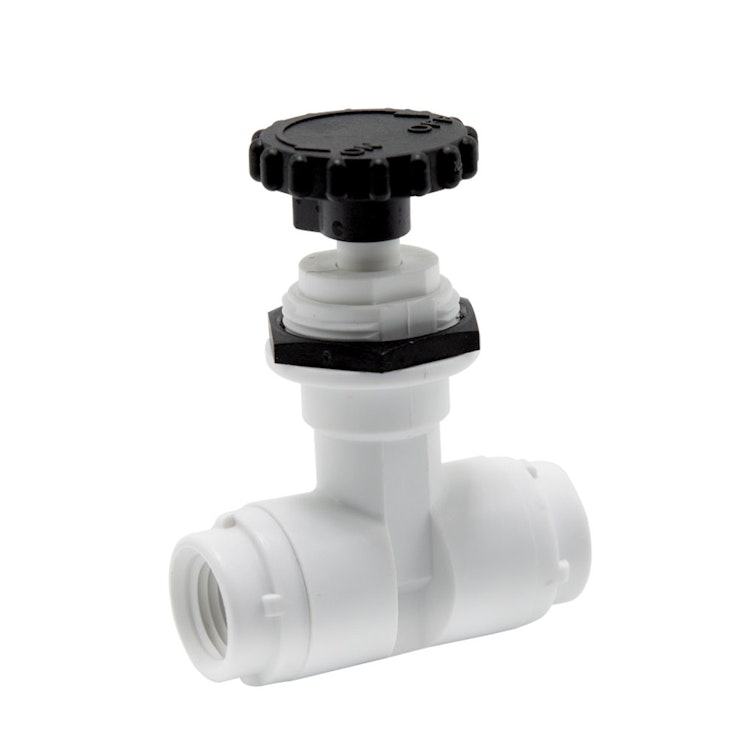
For industrial manufacturers and OEMs seeking precision-engineered fluid control components, the 1/4 needle valve represents a critical element in regulating flow with accuracy and reliability. At Suzhou Baoshida Trading Co., Ltd., we specialize in high-performance industrial rubber solutions and engineered components designed to meet the rigorous demands of hydraulic, pneumatic, and chemical processing systems. Our 1/4 needle valves are manufactured to exacting standards, ensuring leak-tight performance, long service life, and compatibility with a wide range of media under variable pressure and temperature conditions.
Each 1/4 needle valve in our product line is constructed using high-grade brass or stainless steel bodies, with precision-machined needle stems and PTFE or elastomer-sealed seats to deliver consistent throttling control. These valves are ideal for applications requiring fine modulation of fluid or gas flow, including instrumentation lines, test rigs, and process automation systems. Built for durability and repeatable operation, our valves undergo comprehensive quality testing, including pressure cycling, leak rate verification, and material traceability, ensuring compliance with international industrial standards.
We understand that every industrial application presents unique challenges. Whether you require specific end connections (NPT, BSP, or compression), custom sealing materials for aggressive media, or integration support within complex fluid systems, Suzhou Baoshida provides tailored engineering support to meet your exact requirements. Our team combines deep material science expertise with practical manufacturing experience to deliver solutions that enhance system efficiency and reduce downtime.
To ensure seamless integration and optimal performance, we offer technical documentation, material certifications, and application-specific testing data upon request. As a trusted partner to OEMs and system integrators across Asia, Europe, and North America, Suzhou Baoshida is committed to delivering not just components, but total fluid control solutions backed by responsive service and technical accountability.
For immediate assistance or to request a quotation for 1/4 needle valves customized to your specifications, contact Mr. Boyce, our dedicated OEM and Engineering Manager. Mr. Boyce brings over 15 years of experience in industrial fluid systems and rubber material integration, ensuring your technical needs are met with precision and speed.
Technical Specifications – Standard 1/4″ Needle Valve
| Parameter | Specification |
|---|---|
| Size | 1/4 inch NPT (standard), BSP optional |
| Body Material | Brass CW617N, SS316 available on request |
| Stem Material | Stainless Steel 316 |
| Seal Material | PTFE standard, FKM, EPDM, NBR on request |
| Operating Pressure | Up to 6,000 psi (414 bar) |
| Temperature Range | -20°C to +180°C (PTFE), wider with FKM |
| Connection Type | Female NPT, male NPT, or compression fittings |
| Flow Characteristic | Linear, fine metering control |
| Standards Compliance | ISO 9001, CE, RoHS |
To discuss your application requirements, request samples, or receive volume pricing, please contact Mr. Boyce directly at [email protected]. We respond to all technical inquiries within 24 hours on business days.
⚖️ O-Ring Weight Calculator
Estimate rubber O-ring weight (Approx).