
Technical Contents
Engineering Guide: 2 Threaded Flange
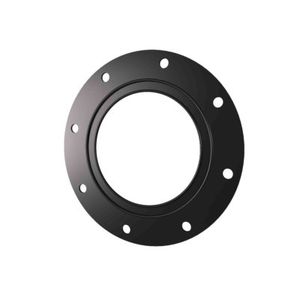
Engineering Insight: 2 Threaded Flange – The Critical Role of Material Selection
In industrial sealing and fluid transfer systems, the 2 threaded flange is a pivotal component designed to provide secure, leak-free connections in high-pressure and chemically aggressive environments. While often perceived as a standardized part, the performance and longevity of this component are profoundly influenced by material selection—an aspect frequently overlooked in favor of off-the-shelf availability. At Suzhou Baoshida Trading Co., Ltd., we emphasize that generic solutions fail not due to design flaws, but due to improper material compatibility with operational conditions.
The primary failure mode in 2 threaded flange applications stems from chemical degradation. Many standard flanges are manufactured using general-purpose elastomers such as natural rubber or low-grade nitrile (NBR). These materials exhibit limited resistance to oils, ozone, and industrial solvents, leading to swelling, cracking, and eventual seal failure. In contrast, engineered applications demand precision-matched compounds such as fluorocarbon (FKM), ethylene propylene diene monomer (EPDM), or hydrogenated nitrile (HNBR). Each of these materials offers distinct advantages depending on temperature, pressure, and media exposure.
Thermal stability is another critical factor. Standard rubber formulations begin to degrade at temperatures exceeding 100°C, causing compression set and loss of sealing force. In high-temperature industrial processes—such as steam lines or engine cooling systems—this leads to premature joint failure. FKM and perfluoroelastomers (FFKM) maintain integrity up to 250°C and beyond, ensuring consistent performance under thermal cycling.
Mechanical stress resistance must also be evaluated. Threaded flanges are subjected to torsional forces during installation and vibration during operation. Low resilience materials fatigue quickly, resulting in thread galling or flange warping. High-tensile rubber composites reinforced with aramid fibers or carbon black offer superior durability, maintaining dimensional stability and torque retention.
Off-the-shelf flanges often fail because they are mass-produced with cost-driven material choices rather than application-specific engineering. They may meet basic dimensional standards but lack the chemical and mechanical robustness required in demanding environments. At Suzhou Baoshida, we approach each 2 threaded flange specification as a system-level challenge, integrating OEM data, fluid compatibility charts, and lifecycle analysis to select the optimal elastomer and reinforcement matrix.
Below is a comparative material specification table highlighting performance characteristics relevant to 2 threaded flange applications.
| Material | Temperature Range (°C) | Tensile Strength (MPa) | Resistance to Oils | Resistance to Acids/Alkalis | Compression Set (24h @ 150°C) |
|---|---|---|---|---|---|
| NBR | -30 to 100 | 15–20 | High | Low | 25–35% |
| HNBR | -40 to 150 | 25–30 | Very High | Moderate | 15–20% |
| EPDM | -50 to 150 | 18–22 | Low | High | 20–25% |
| FKM | -20 to 250 | 12–18 | Excellent | Excellent | 10–15% |
| FFKM | -15 to 300 | 10–14 | Exceptional | Exceptional | <10% |
Material selection is not a secondary consideration—it is the foundation of reliable flange performance. By moving beyond commodity-grade components and adopting an engineered approach, industrial operators can eliminate unplanned downtime and extend service intervals. Suzhou Baoshida Trading Co., Ltd. supports OEMs with custom formulation, accelerated aging tests, and full traceability to ensure every 2 threaded flange meets the exact demands of its operating environment.
Material Specifications
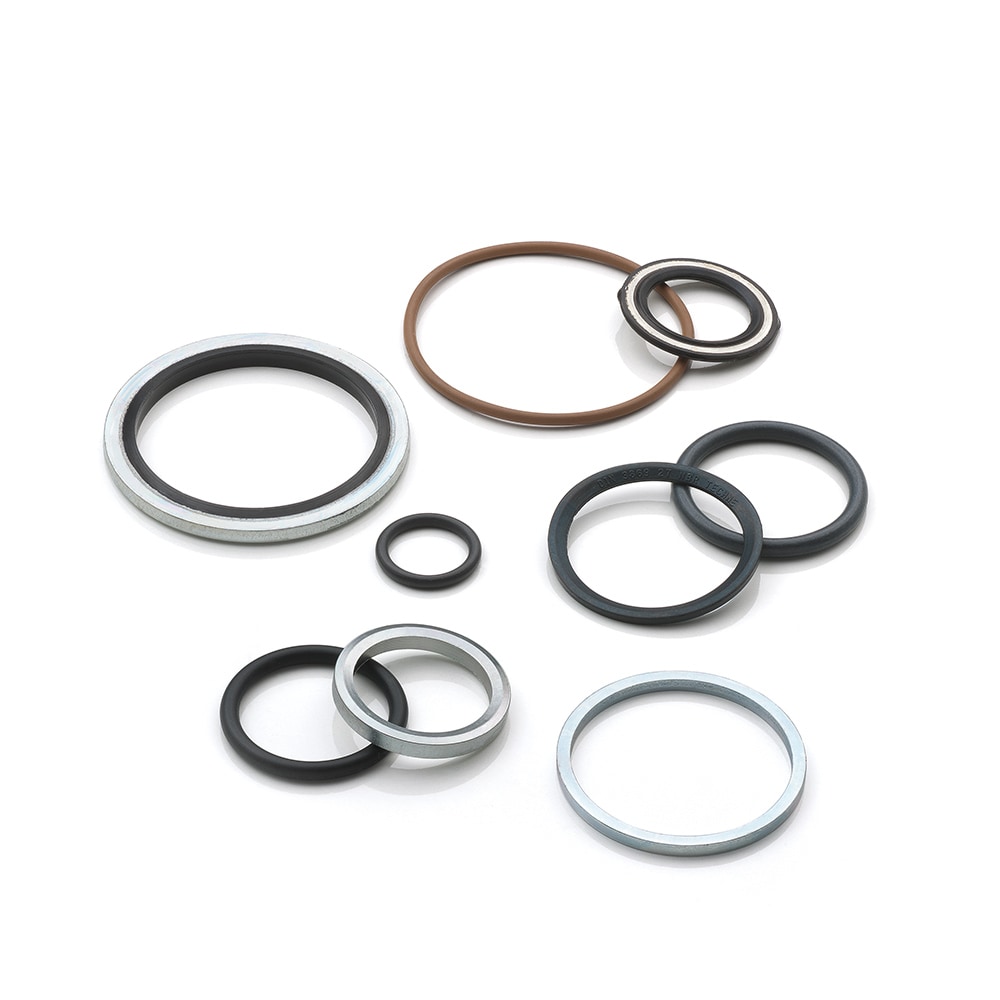
Material Specifications for 2 Threaded Flange Sealing Elements
Suzhou Baoshida Trading Co., Ltd. provides precision-engineered sealing solutions for 2 threaded flange assemblies, with material selection critical to operational integrity under demanding industrial conditions. Our formulations prioritize chemical compatibility, thermal stability, and mechanical resilience. Viton (FKM), Nitrile (NBR), and Silicone (VMQ) represent core elastomers for these applications, each exhibiting distinct performance boundaries defined by molecular structure and compounding.
Viton fluorocarbon rubber delivers exceptional resistance to high temperatures, aggressive chemicals, and hydrocarbon-based fluids. Its carbon-fluorine bonds ensure stability in aerospace fuel systems, chemical processing equipment, and semiconductor manufacturing environments where exposure to oils, acids, and halogenated solvents occurs. Continuous service is viable up to 230°C, with intermittent peaks at 260°C. However, Viton exhibits higher compression set at elevated temperatures compared to alternatives and limited flexibility below -20°C, necessitating careful evaluation for cryogenic applications.
Nitrile butadiene rubber remains the cost-effective standard for petroleum-based fluid sealing due to its robust resistance to mineral oils, greases, and aliphatic hydrocarbons. Optimized acrylonitrile content (typically 34-45%) balances fuel resistance with low-temperature flexibility down to -30°C. NBR formulations excel in hydraulic systems, automotive fuel lines, and general industrial machinery operating below 120°C. Key limitations include poor ozone/weathering resistance and degradation when exposed to polar solvents, ketones, or brake fluids, requiring protective measures in outdoor or chemically diverse settings.
Silicone rubber provides unparalleled temperature resilience from -60°C to 200°C continuous service, alongside excellent electrical insulation and physiological inertness. Its siloxane backbone ensures stability in food processing, pharmaceutical, and medical applications requiring USP Class VI or FDA compliance. While resistant to oxidation and UV exposure, Silicone demonstrates inferior tensile strength, abrasion resistance, and permeability to gases compared to Viton or NBR. It is unsuitable for dynamic seals under high mechanical stress or prolonged contact with concentrated acids and steam above 150°C.
Material selection must align with fluid media, thermal profile, and mechanical stress parameters. Below is a comparative analysis of critical properties per ASTM D2000 classification standards.
| Property | Viton (FKM) | Nitrile (NBR) | Silicone (VMQ) |
|---|---|---|---|
| Temperature Range (°C) | -20 to +230 | -30 to +120 | -60 to +200 |
| Tensile Strength (MPa) | 10-18 | 15-25 | 5-10 |
| Elongation at Break (%) | 150-300 | 200-500 | 200-700 |
| Compression Set (22h/150°C) (%) | 15-30 | 20-40 | 20-35 |
| Key Fluid Resistance | Fuels, Acids, Solvents | Oils, Greases, Water | Water, Alcohols |
| Key Fluid Incompatibility | Ketones, Amines | Ozone, Polar Solvents | Concentrated Acids |
| Hardness Range (Shore A) | 60-90 | 50-90 | 30-80 |
OEM clients must validate material suitability against specific operational stressors, including pressure cycles, surface finish of mating flanges, and installation torque specifications. Suzhou Baoshida Trading Co., Ltd. conducts rigorous compound validation per ISO 37 and ISO 188 protocols to ensure dimensional stability and leak-tight performance in critical 2 threaded flange interfaces. Consult our engineering team for application-specific compound recommendations.
Manufacturing Capabilities
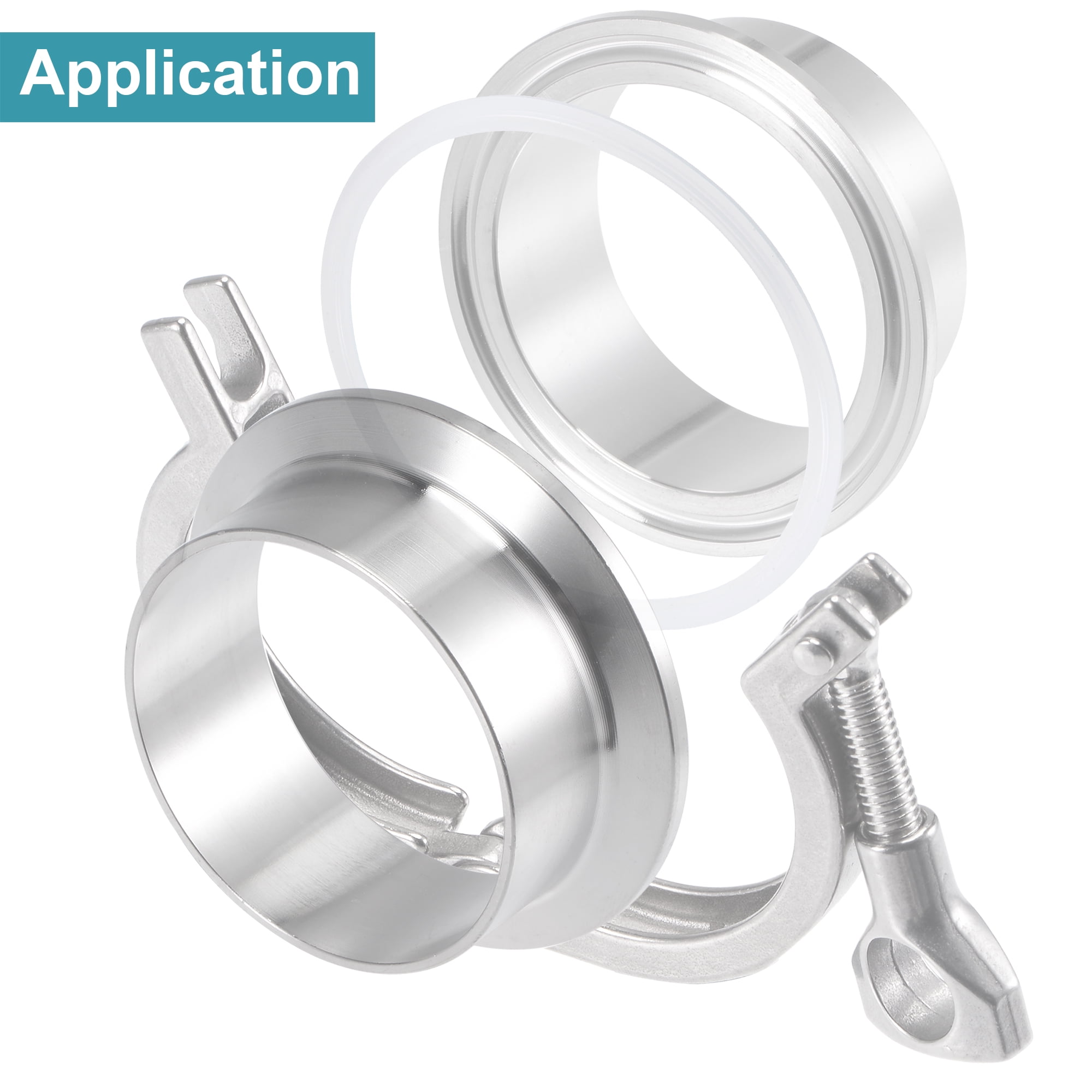
Engineering Capability: Precision-Driven Rubber Solutions for Threaded Flange Applications
At Suzhou Baoshida Trading Co., Ltd., our engineering capability forms the backbone of our industrial rubber solutions, particularly in the design and production of high-performance 2 threaded flange components. Our in-house technical team comprises five dedicated mould engineers and two specialized rubber formula engineers, enabling us to deliver fully integrated OEM services from concept to final product. This multidisciplinary structure ensures that both the physical geometry and material performance of every component are optimized for real-world industrial demands.
Our mould engineers bring over a decade of cumulative experience in precision tooling for rubber-to-metal bonded assemblies. They utilize advanced CAD/CAM software, including SolidWorks and AutoCAD, to develop flange moulds with tight dimensional tolerances and repeatable consistency. Finite element analysis (FEA) is routinely applied during the design phase to simulate stress distribution, compression set, and sealing performance under operational loads. This proactive approach minimizes prototyping cycles and accelerates time-to-market for custom OEM projects.
Complementing the mould design expertise, our two rubber formula engineers focus exclusively on elastomer material science. They develop and validate custom rubber compounds tailored to specific application requirements such as temperature resistance, chemical exposure, and dynamic mechanical loading. Whether the need is for NBR, EPDM, silicone, or fluororubber (FKM), our formula team ensures optimal cross-link density, filler dispersion, and adhesion promotion for reliable bonding to threaded metal substrates. Each formulation undergoes rigorous testing for tensile strength, elongation at break, hardness (Shore A), compression deformation, and aging resistance per ASTM and ISO standards.
Our OEM capabilities are built on a foundation of vertical integration. Clients provide technical drawings or performance specifications, and our team manages every stage: material selection, compound development, mould manufacturing, vulcanization process design, and final quality validation. This end-to-end control ensures consistency, traceability, and compliance with industry-specific certifications.
The following table outlines key technical specifications achievable for our 2 threaded flange products:
| Parameter | Typical Range / Value | Test Standard |
|---|---|---|
| Hardness (Shore A) | 50–80 | ASTM D2240 |
| Tensile Strength | ≥10 MPa (compound dependent) | ASTM D412 |
| Elongation at Break | ≥250% | ASTM D412 |
| Compression Set (24h @ 70°C) | ≤20% | ASTM D395 |
| Operating Temperature Range | -40°C to +150°C (up to +250°C for FKM) | ISO 1817 |
| Flange Dimensional Tolerance | ±0.2 mm (critical sealing surfaces) | ISO 2768-m |
| Adhesion Strength (rubber-metal) | ≥6 kN/m | ASTM D429 (Method B) |
With robust engineering resources and a systematic approach to material and design optimization, Suzhou Baoshida Trading Co., Ltd. delivers threaded flange solutions that meet the exacting standards of global industrial markets.
Customization Process
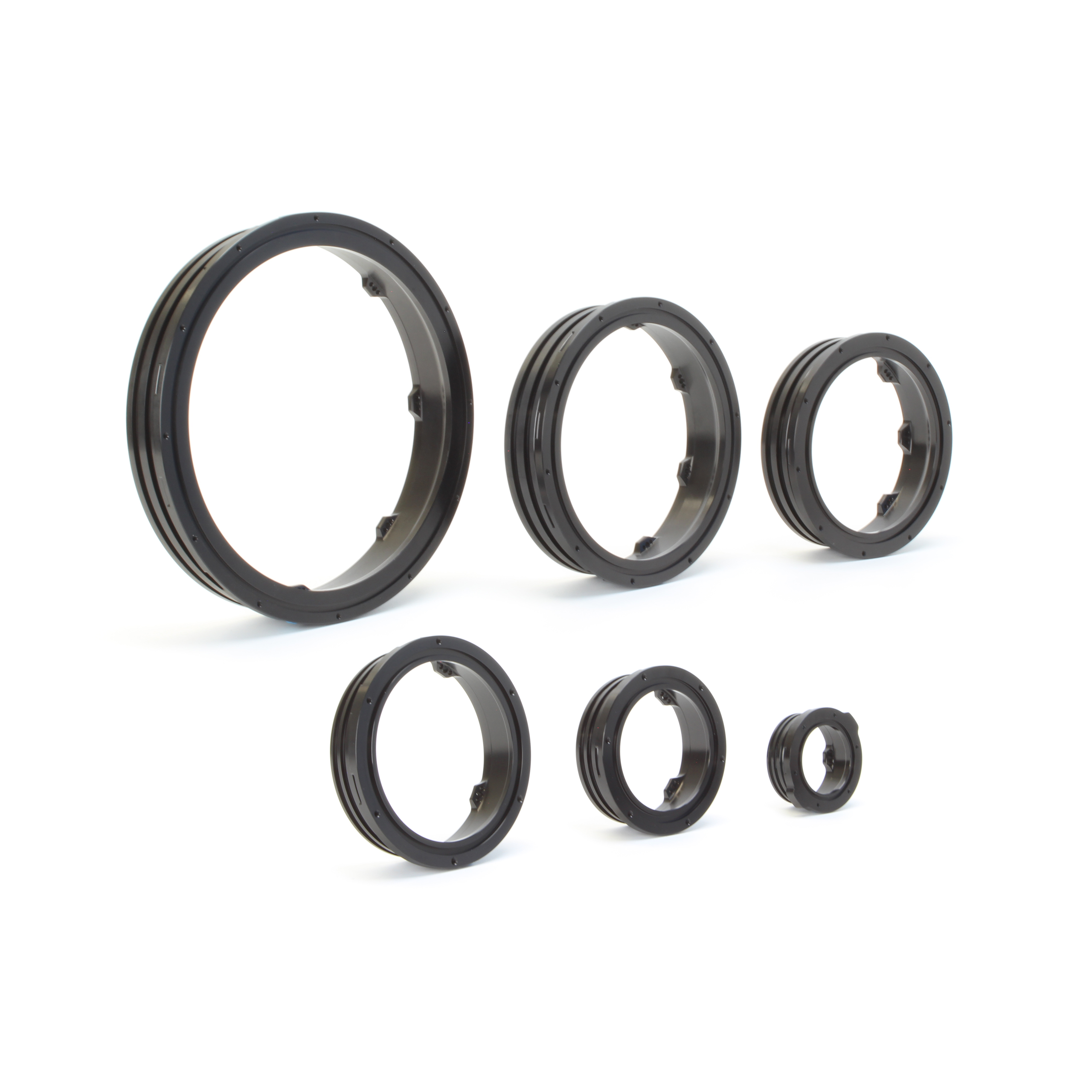
Customization Process for 2 Threaded Flange Rubber Components
At Suzhou Baoshida Trading Co., Ltd., our engineering-driven customization process ensures threaded flange rubber components meet exact OEM performance and integration requirements. This structured methodology minimizes risk while optimizing material science and manufacturability for critical sealing applications.
Drawing Analysis
Initial engineering review focuses on dimensional accuracy, thread standard compliance (e.g., NPT, BSPP), and functional interface requirements. We validate flange face geometry, thread pitch tolerance, and compression limits against ASME B16.5 or client-specific standards. Critical parameters like groove depth, radial clearance, and surface finish are cross-referenced with material behavior models to prevent extrusion or galling. Non-conformities trigger immediate collaborative resolution with the client’s design team before progression.
Formulation Development
Based on validated drawings and operational environment data (temperature, media exposure, pressure cycles), our rubber chemists design a proprietary compound. Standard NBR or EPDM may be modified with specialized additives for ozone resistance, low-temperature flexibility, or fuel compatibility. Key considerations include optimizing the polymer matrix for compression set resistance below 20% at 100°C (per ASTM D395) and ensuring Shore A hardness aligns with sealing force requirements. All formulations undergo preliminary computational fluid dynamics (CFD) simulation to predict deformation under load.
Prototyping & Validation
Precision-molded prototypes are produced using client-approved tooling inserts. Each unit undergoes rigorous testing:
Hydraulic pressure cycling to 1.5x rated working pressure per ISO 15848
Accelerated aging per ASTM D573 at maximum service temperature
Thread integrity verification via Go/No-Go gauges and torque testing
Full material certification (ASTM D2000 line callout) and dimensional reports are provided. Client feedback on prototype performance directly informs final compound adjustments before tooling sign-off.
Mass Production Execution
Approved designs transition to ISO 9001-certified production lines with stringent process controls. Key protocols include:
Real-time cavity pressure monitoring during molding to ensure consistent crosslink density
Automated vision inspection for thread conformity and flash control (<0.1mm)
Batch traceability via integrated ERP system linking raw material lot numbers to finished goods
Every production run includes first-article inspection and periodic destructive testing per AQL 1.0. PPAP documentation, including material safety data sheets and process capability studies (CpK >1.33), is standard for OEM delivery.
Critical Specification Comparison
| Parameter | Standard Offering | Customizable Range | Testing Standard |
|---|---|---|---|
| Material Grade | NBR 70 Shore A | HNBR, FKM, EPDM, Silicone | ASTM D2000 KK/FE |
| Hardness | 60-90 Shore A | 40-95 Shore A | ASTM D2240 |
| Temp Range | -30°C to +120°C | -55°C to +230°C | ASTM D573 |
| Pressure Rating | 10 bar (145 psi) | Up to 40 bar (580 psi) | ISO 15848 |
| Thread Standard | NPT, BSPP | Metric, JIS, Custom | ASME B1.20.1 |
This integrated approach guarantees that every 2 threaded flange component delivers leak-free performance in demanding industrial systems, from hydraulic manifolds to chemical processing equipment. Suzhou Baoshida’s engineering oversight from drawing validation through serial production eliminates field failure risks inherent in generic rubber parts.
Contact Engineering Team
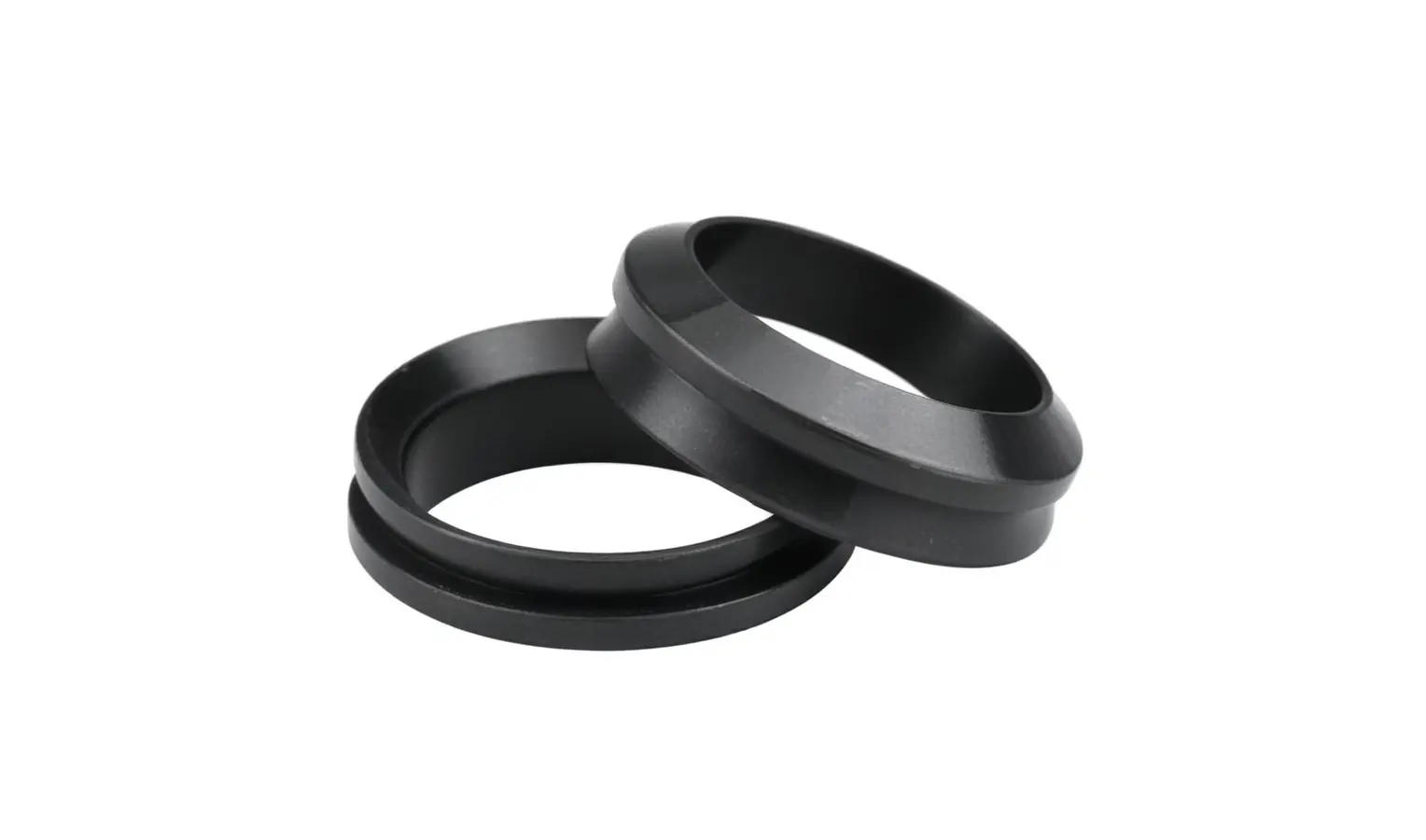
For industrial manufacturers seeking high-performance rubber components, Suzhou Baoshida Trading Co., Ltd. stands as a trusted partner in the development and supply of precision-engineered industrial rubber solutions. Our expertise spans material formulation, product design, and large-scale production, ensuring that every component meets the rigorous demands of modern industrial applications. As a leader in the sector, we specialize in custom rubber-to-metal bonded products, including the widely used 2 threaded flange, designed for superior sealing, vibration damping, and mechanical stability in hydraulic, pneumatic, and structural systems.
The 2 threaded flange is a critical interface component in pipeline and fluid control systems, where reliability under pressure, temperature fluctuation, and mechanical stress is non-negotiable. At Suzhou Baoshida, we manufacture these flanges using advanced vulcanization techniques and high-grade elastomers such as NBR, EPDM, silicone, and FKM, tailored to the operational environment. Whether your application requires resistance to oil, ozone, steam, or extreme temperatures, our engineering team formulates compounds that deliver consistent performance and extended service life.
We understand that industrial buyers require not only high-quality products but also technical transparency and responsive support. That is why we provide comprehensive material certifications, dimensional compliance reports, and in-house testing data for every batch produced. Our ISO-certified manufacturing partners adhere to strict quality control protocols, ensuring repeatability and compliance with international standards such as ASTM, DIN, and ISO.
To facilitate seamless integration into your assembly lines, we offer customized packaging, labeling, and logistics coordination, supporting both JIT delivery models and bulk shipments. Our global supply chain infrastructure ensures on-time delivery to North America, Europe, Southeast Asia, and beyond, backed by real-time order tracking and dedicated account management.
Below are the standard technical specifications for our 2 threaded flange product line. Custom dimensions, thread types, and elastomer hardness (Shore A) are available upon request.
| Parameter | Specification |
|---|---|
| Flange Type | 2 Threaded Flange (Symmetrical) |
| Standard Thread Sizes | M12x1.5, M14x1.5, M16x1.5, M18x1.5 (Custom threads available) |
| Center Distance (Between Threads) | 50 mm (adjustable per OEM drawing) |
| Flange Diameter | 80 mm ± 0.2 mm |
| Thickness | 12 mm ± 0.3 mm |
| Elastomer Materials | NBR (Nitrile), EPDM, Silicone, FKM (Viton®) |
| Hardness Range | 50–80 Shore A |
| Operating Temperature | -40°C to +150°C (varies by compound) |
| Bond Strength (Rubber to Metal) | ≥ 8 kN |
| Certifications | ISO 9001, RoHS, REACH Compliant |
For technical inquiries, sample requests, or volume quotation discussions, contact Mr. Boyce, OEM Account Manager at Suzhou Baoshida Trading Co., Ltd. Mr. Boyce specializes in industrial rubber applications and provides direct engineering support to manufacturers integrating rubber components into complex systems. Reach him via email at [email protected] to initiate a technical consultation, share CAD drawings, or request material test reports. We respond to all inquiries within 4 business hours and offer virtual meetings to align on project timelines, tooling requirements, and compliance documentation. Partner with Suzhou Baoshida for precision, reliability, and responsive service in every rubber component you source.
⚖️ O-Ring Weight Calculator
Estimate rubber O-ring weight (Approx).