
Technical Contents
Engineering Guide: 2Mm Perspex Sheet
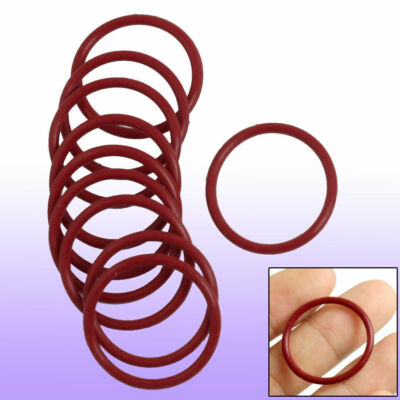
Engineering Insight: 2mm Perspex Sheet in Industrial Rubber Applications
While perspex (polymethyl methacrylate, or PMMA) is widely recognized for its optical clarity and rigidity, its integration into industrial rubber systems demands a nuanced engineering approach. At Suzhou Baoshida Trading Co., Ltd., we emphasize that material compatibility is not a secondary consideration—it is foundational to system integrity, longevity, and performance. The use of 2mm perspex sheet in rubber sealing, gasketing, or protective enclosures may appear straightforward, but off-the-shelf solutions often fail due to unaccounted mechanical, thermal, and chemical interactions.
Perspex exhibits high tensile strength and excellent transparency, making it attractive for visual inspection panels or protective barriers in rubber processing equipment. However, its brittleness under impact and limited flexibility pose significant risks when interfaced with dynamic rubber components. Rubber materials, particularly nitrile (NBR), EPDM, or silicone, undergo expansion, contraction, and creep under operational loads. When rigid perspex is clamped or bonded to such elastomers without accounting for differential thermal expansion or compression set, stress concentrations develop—leading to microcracking, delamination, or catastrophic fracture.
Furthermore, chemical compatibility is frequently underestimated. Many industrial environments expose materials to oils, solvents, or cleaning agents. While perspex resists dilute acids and alkalis, it is vulnerable to esters, ketones, and chlorinated hydrocarbons—common in rubber manufacturing and maintenance. Exposure leads to crazing or dissolution, compromising both the structural role of the sheet and the integrity of adjacent rubber seals.
Off-the-shelf 2mm perspex sheets are typically manufactured to general-purpose specifications, lacking the controlled molecular weight, UV stabilization, or stress-relief annealing required in demanding industrial settings. Without precise edge finishing and surface treatment, micro-defects act as initiation points for crack propagation under cyclic loading. In contrast, engineered solutions involve co-designing the perspex component with the rubber element, ensuring dimensional tolerances, bonding compatibility, and environmental resistance are co-optimized.
At Baoshida, we advocate for application-specific material pairing, where perspex is evaluated not in isolation but as part of a composite system. This includes assessing hardness differentials, compression deflection values, and long-term aging behavior under simulated service conditions.
The following table outlines key technical specifications for standard 2mm perspex sheet and highlights critical considerations when integrating with industrial rubber components:
| Property | Value (Typical) | Industrial Relevance |
|---|---|---|
| Thickness | 2.0 mm ± 0.1 mm | Must match compression profile of rubber gasket |
| Tensile Strength | 70 MPa | Insufficient for high-impact zones; risk of fracture |
| Flexural Modulus | 3.0 GPa | High stiffness can over-constrain rubber joints |
| Thermal Expansion Coefficient | 70–90 × 10⁻⁶ /K | Mismatch with rubber (≥150 × 10⁻⁶ /K) induces stress |
| Max Continuous Use Temp | 80°C | Limited in high-temp rubber vulcanization environments |
| Chemical Resistance | Poor to ketones, esters | Incompatible with common rubber processing solvents |
| Optical Transmission | ≥90% | Beneficial for inspection, but secondary to durability |
Material selection must transcend availability and cost. Success lies in systems engineering—where perspex and rubber are not merely assembled, but harmonized.
Material Specifications
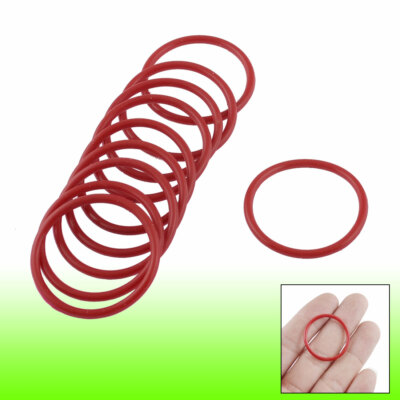
Material Specifications: Industrial Rubber Sheet Solutions
Suzhou Baoshida Trading Co., Ltd. clarifies a critical distinction for precision manufacturing applications. While the query references 2mm perspex sheet (acrylic/PMMA), our core expertise lies in industrial rubber formulations for sealing, damping, and fluid-handling systems. Perspex is a thermoplastic material outside our product scope. Instead, we detail specifications for 2mm-thick rubber sheets in Viton (FKM), Nitrile (NBR), and Silicone (VMQ) – materials fundamental to automotive, aerospace, and chemical processing OEMs. These elastomers undergo stringent compounding to meet ISO 37, ASTM D2000, and customer-specific performance criteria. Thickness tolerance for all grades is ±0.15mm, ensuring dimensional stability under compression or thermal cycling. Hardness ranges from 50 to 90 Shore A, calibrated via ASTM D2240, with surface finishes tailored to application demands (e.g., smooth, textured, or fabric-reinforced).
Viton (FKM) delivers exceptional resistance to high temperatures (–20°C to +230°C continuous) and aggressive chemicals including jet fuels, acids, and halogenated solvents. Its fluorocarbon backbone minimizes swelling in critical aerospace seals. Nitrile (NBR) offers cost-effective resilience against oils, greases, and aliphatic hydrocarbons within –30°C to +100°C, with acrylonitrile content dictating fuel resistance. Silicone (VMQ) provides unmatched flexibility from –60°C to +200°C and biocompatibility per USP Class VI, ideal for medical or food-grade gaskets, though it exhibits lower tensile strength versus hydrocarbon rubbers. All materials are compounded without intentional phthalates or heavy metals to comply with REACH and RoHS directives.
The comparative specifications below highlight key mechanical and chemical properties essential for OEM material selection. Data reflects standard grades; custom formulations adjust parameters for extreme environments.
| Property | Viton (FKM) | Nitrile (NBR) | Silicone (VMQ) | Test Standard |
|---|---|---|---|---|
| Temperature Range (°C) | –20 to +230 | –30 to +100 | –60 to +200 | ISO 188 |
| Tensile Strength (MPa) | 12–18 | 10–20 | 5–8 | ISO 37 |
| Elongation at Break (%) | 150–250 | 200–400 | 200–600 | ISO 37 |
| Hardness (Shore A) | 60–90 | 50–90 | 30–80 | ASTM D2240 |
| Fuel Resistance (BIR) | Excellent | Good | Poor | ASTM D471 |
| Compression Set (%) | 10–25 (24h, 150°C) | 15–35 (70h, 100°C) | 10–20 (22h, 150°C) | ISO 815 |
OEMs must correlate these metrics with operational stressors. For instance, Viton’s low compression set ensures long-term seal integrity in turbocharger gaskets, while Silicone’s wide thermal flexibility suits dynamic door seals in cryogenic equipment. Nitrile remains optimal for hydraulic systems where cost efficiency and oil resistance are prioritized. Suzhou Baoshida provides batch-specific certificates of conformance, including durometer variance reports and extractable ion chromatography data for critical fluid compatibility validation. All 2mm sheets undergo 100% visual inspection for voids, inclusions, or surface defects per MIL-R-6130C. Consult our engineering team to refine material selection against your fluid exposure profiles and mechanical loads.
Manufacturing Capabilities
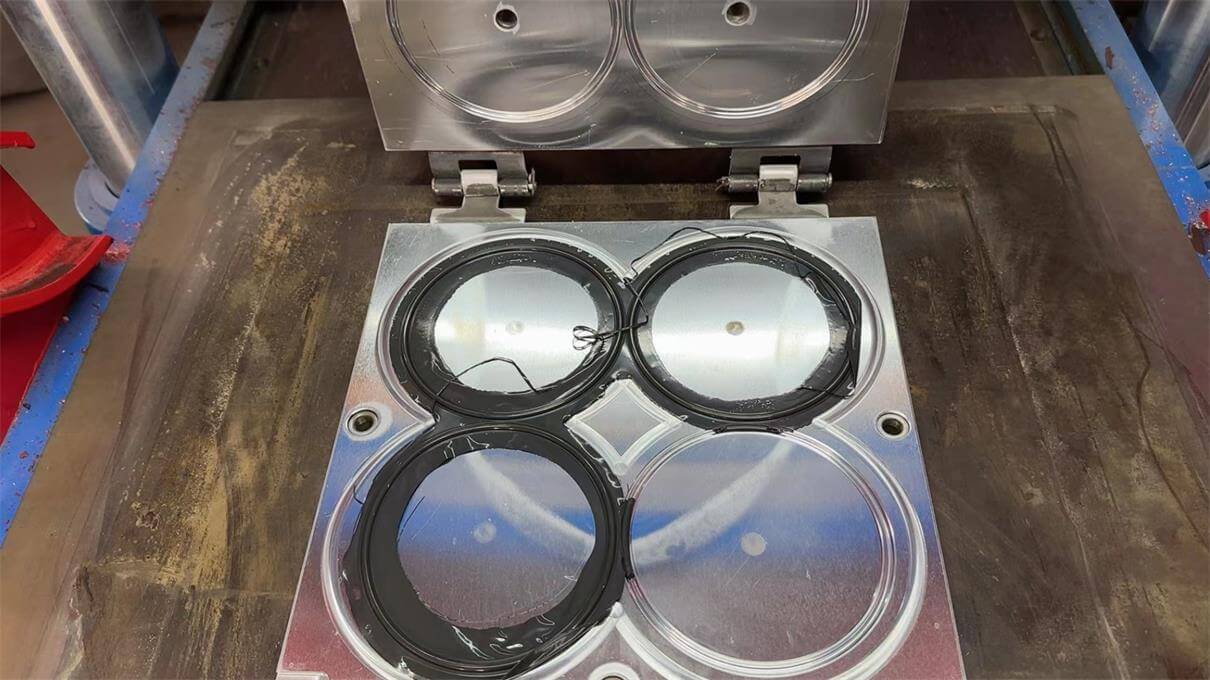
Engineering Capability
At Suzhou Baoshida Trading Co., Ltd., our engineering framework is built to meet the rigorous demands of industrial rubber manufacturing, particularly in precision applications involving materials such as 2mm perspex sheet integration. Our core technical strength lies in a dedicated team of five certified mould engineers and two specialized rubber formula engineers, enabling end-to-end control from concept to production. This integrated engineering capability ensures optimal material compatibility, structural integrity, and performance consistency in every OEM project.
Our mould engineers possess extensive experience in designing high-precision tooling for complex rubber-to-plastic assemblies, including those incorporating 2mm perspex substrates. With advanced proficiency in CAD/CAM and finite element analysis (FEA), they develop moulds that accommodate thermal expansion differentials between rubber and rigid acrylic materials, minimizing warpage and ensuring dimensional accuracy. Each design undergoes rigorous simulation and validation to guarantee cycle efficiency, part repeatability, and minimal flash formation—critical factors when sealing or bonding to thin-section perspex.
Complementing this is our in-house rubber formulation expertise. The two dedicated formula engineers focus on tailoring elastomer compounds to match the mechanical and environmental requirements of the final application. Whether the need is for UV resistance, optical clarity preservation, or adhesion promotion to perspex surfaces, our team develops custom EPDM, silicone, or TPE formulations that maintain long-term bonding stability without causing stress cracking in the acrylic sheet. This controlled chemistry approach allows us to solve interfacial challenges unique to hybrid material systems.
Our OEM capabilities are structured to support clients from prototype development through mass production. We offer full technical collaboration during the design phase, including material selection guidance, DFM (Design for Manufacturability) feedback, and sample validation under real-world conditions. With ISO 9001-certified processes and traceable documentation, we ensure compliance with international quality standards across all deliverables.
The integration of precision mould engineering and advanced rubber science positions Suzhou Baoshida as a strategic partner in complex industrial applications. By maintaining tight control over both physical tooling and material chemistry, we deliver reliable, high-performance components tailored to the functional demands of modern equipment using 2mm perspex sheeting.
| Specification | Detail |
|---|---|
| Mould Engineers | 5 certified professionals |
| Formula Engineers | 2 specialized rubber chemists |
| Primary Materials | EPDM, Silicone, TPE, NBR |
| Mould Design Software | AutoCAD, SolidWorks, Moldflow |
| Typical Tolerance for 2mm Perspex-Integrated Seals | ±0.1 mm |
| Bonding Method to Perspex | Surface treatment + adhesive priming or co-moulding |
| OEM Support Phase | Prototype to mass production |
| Quality Standard | ISO 9001:2015 compliant |
Customization Process
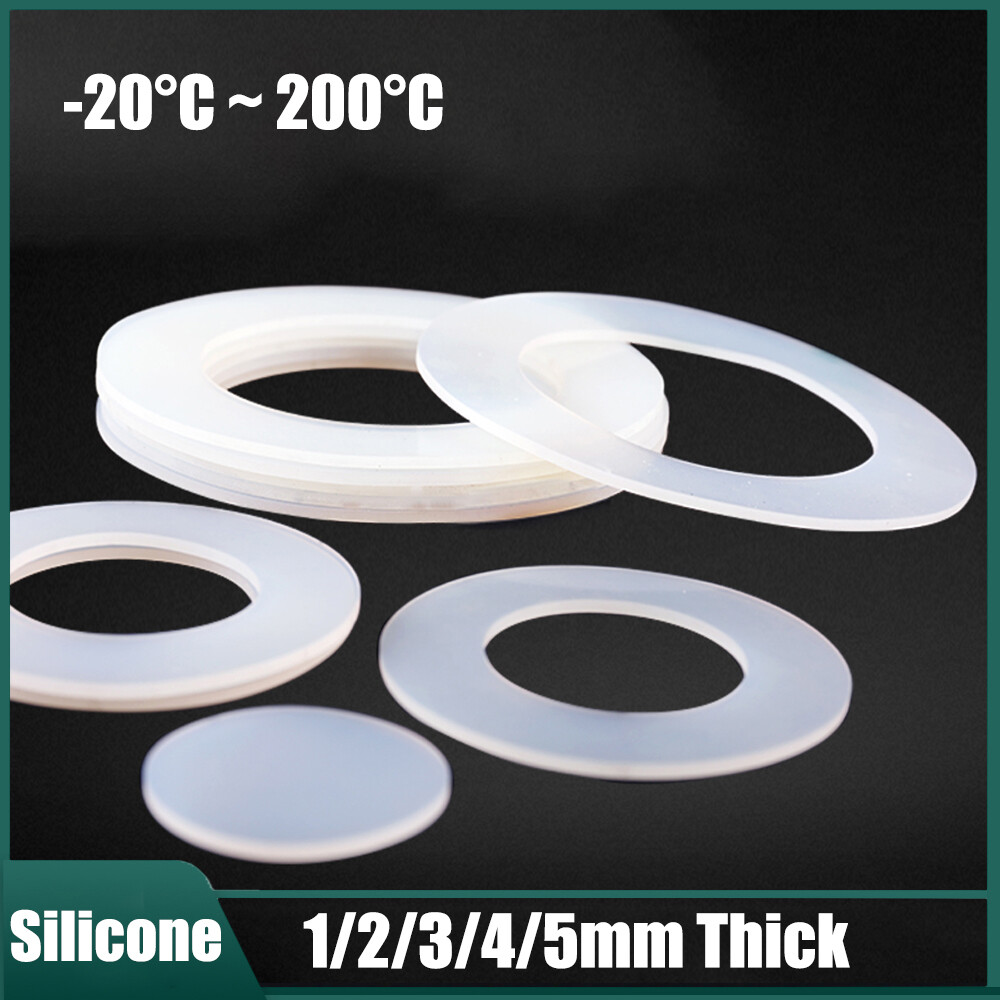
Customization Process for 2mm Perspex Sheet Manufacturing
At Suzhou Baoshida Trading Co., Ltd., our industrial rubber engineering expertise extends to precision thermoplastic solutions, including customized 2mm perspex (acrylic) sheet production. This process integrates rigorous material science with OEM manufacturing protocols to ensure dimensional stability, optical clarity, and environmental resilience for demanding industrial applications. The four-phase methodology eliminates design-to-production risks while adhering to ISO 9001 quality management standards.
Drawing Analysis initiates the workflow. Our engineering team conducts a granular review of client CAD files, focusing on geometric dimensioning and tolerancing (GD&T) compliance, stress concentration points, and thermal expansion coefficients. Critical parameters such as edge finish requirements (saw-cut, laser-cut, or flame-polished), hole tolerances (±0.05mm), and flatness deviations (<0.5mm/m²) are validated against ASTM D788 standards. This phase identifies potential warpage risks during thermoforming or machining, ensuring the design aligns with perspex’s inherent brittleness and thermal sensitivity.
Formulation leverages our polymer science database to tailor material properties. While standard cast acrylic (PMMA) offers baseline clarity, we modify formulations with proprietary UV stabilizers for outdoor durability (retaining >90% light transmission after 5,000 hours QUV testing) or anti-static additives (surface resistivity <10^9 Ω/sq) for electronics enclosures. Each additive package undergoes melt-flow index (MFI) optimization to maintain extrusion consistency at 2mm thickness without compromising optical homogeneity.
Prototyping employs CNC-machined molds and laser-cut validation samples. Three physical prototypes undergo destructive and non-destructive testing:
Impact resistance per ASTM D256 (notched Izod ≥ 1.5 kJ/m²)
Light transmission spectrometry (≥92% at 550nm wavelength)
Thermal cycling (-40°C to 80°C, 10 cycles with <0.2% dimensional shift)
Client feedback on prototype functionality triggers iterative refinements, with material lot traceability maintained via blockchain-enabled batch records.
Mass Production activates only after prototype sign-off. Our Suzhou facility utilizes closed-loop temperature control extrusion lines with real-time thickness monitoring (±0.05mm tolerance). Every 2mm sheet batch undergoes inline spectrophotometry and automated edge-straightness scanning. Final inspection includes 100% surface defect mapping via AI vision systems and random sampling for Rockwell hardness verification (M95-M105 scale). Shipment documentation provides full material test reports (MTRs) compliant with REACH and RoHS directives.
Critical 2mm Perspex Sheet Specifications
| Parameter | Industrial Grade Standard | Test Method |
|---|---|---|
| Thickness Tolerance | ±0.10 mm | ISO 2818 |
| Light Transmission | ≥ 92% @ 3mm | ASTM D1003 |
| Linear Thermal Expansion | (70 ± 5) × 10⁻⁶ /°C | ISO 11359-2 |
| Rockwell Hardness (M) | 95 – 105 | ASTM D785 |
| Tensile Strength | ≥ 70 MPa | ISO 527-2 |
This structured approach ensures zero-defect delivery for applications ranging from precision optical components to chemical-resistant machine guards. Suzhou Baoshida’s integration of rubber-grade process control with thermoplastic engineering reduces client time-to-market by 30% while guaranteeing repeatability across 10,000+ sheet production runs.
Contact Engineering Team
For industrial manufacturers seeking high-performance materials and engineered rubber solutions, Suzhou Baoshida Trading Co., Ltd. stands at the forefront of precision supply and technical expertise. While our core specialization lies in industrial rubber solutions—including custom-formulated compounds, sealing systems, and elastomeric components—we maintain a comprehensive understanding of complementary materials such as 2mm perspex sheet, particularly in applications where transparency, rigidity, and chemical resistance are critical. Our technical team evaluates material pairings rigorously to ensure compatibility in dynamic environments, especially when combining rigid substrates like perspex with flexible rubber seals or dampening elements.
At Suzhou Baoshida, we recognize that modern manufacturing demands more than off-the-shelf components. Whether you are integrating 2mm perspex into protective enclosures, control panels, or hybrid gasketing systems, our engineering support ensures optimal performance under operational stress. We provide technical guidance on material interactions, thermal expansion differentials, and long-term environmental resistance—factors that are often overlooked but essential for product reliability. Our clients benefit from a consultative approach, where material selection is driven by application requirements rather than availability alone.
To support seamless integration, we offer detailed comparative analysis of material properties. Below is a reference specification table for standard 2mm perspex sheet, commonly used in industrial settings where optical clarity and dimensional stability are required:
| Property | Value |
|---|---|
| Thickness | 2.0 mm ± 0.2 mm |
| Material Type | Polymethyl methacrylate (PMMA) |
| Density | 1.18 g/cm³ |
| Tensile Strength | 70 MPa (approx.) |
| Light Transmission | ≥ 92% (clear grade) |
| Thermal Expansion Coefficient | 70–90 × 10⁻⁶ /°C |
| Continuous Use Temperature | -40°C to +80°C |
| Flame Resistance | Self-extinguishing (UL94 HB rated) |
| Chemical Resistance | Resistant to dilute acids, alcohols; sensitive to ketones and chlorinated solvents |
These specifications serve as a baseline for integration planning. When combined with rubber components—such as silicone gaskets, EPDM seals, or custom-molded NBR profiles—our team ensures that material interfaces are engineered for durability, sealing efficiency, and thermal cycling performance.
For project-specific inquiries, technical collaboration, or custom material sourcing, we invite you to contact Mr. Boyce, our dedicated OEM and technical sales manager. With over 15 years of experience in industrial material supply, Mr. Boyce specializes in matching client requirements with technically sound, cost-optimized solutions. He leads client engineering reviews, supports prototype development, and oversees supply chain coordination for bulk and just-in-time delivery models.
To initiate a technical discussion or request material data sheets, please reach out directly via email at [email protected]. We respond to all inquiries within 24 business hours and offer virtual technical consultations for global partners. At Suzhou Baoshida Trading Co., Ltd., we are committed to advancing industrial performance through engineered material intelligence—partner with us to elevate your next design cycle.
⚖️ O-Ring Weight Calculator
Estimate rubber O-ring weight (Approx).