
Technical Contents
Engineering Guide: 3 1 4 O Ring
Engineering Insight: The Critical Role of Material Selection in 3 1 4 O Rings
In precision sealing applications, the 3 1 4 O ring—designated by AS568 standard dimensions of 0.139 inches inner diameter and 0.070 inches cross section—represents a critical interface in hydraulic, pneumatic, and fluid control systems. While commercially available off-the-shelf variants are widely accessible, their performance often falls short in demanding industrial environments. The root cause lies not in dimensional inaccuracy, but in improper material selection. Engineers must recognize that elastomer compatibility with media, temperature, pressure, and dynamic conditions dictates service life and system reliability.
Standard O rings, particularly those made from generic Nitrile Butadiene Rubber (NBR) or low-grade silicone, are frequently mismatched to application requirements. For instance, exposure to phosphate ester-based hydraulic fluids, commonly used in aerospace systems, rapidly degrades NBR due to poor chemical resistance. Similarly, high-temperature environments exceeding 125°C can cause premature hardening and cracking in conventional fluoroelastomers (FKM) if the specific grade is not optimized. These failures manifest as leakage, extrusion, or seal rupture—costly outcomes in industrial and OEM settings.
At Suzhou Baoshida Trading Co., Ltd., we emphasize engineered material selection tailored to operational parameters. For high-temperature fuel systems, perfluoroelastomers (FFKM) offer superior resistance up to 327°C, while maintaining flexibility. For applications involving aggressive acids or solvents, ethylene propylene diene monomer (EPDM) provides exceptional stability where FKM may swell. Even within a single polymer family, variations in fluorine content, base monomer structure, and cure system significantly alter performance. A standard FKM O ring may fail in a sour gas (H₂S) environment, whereas an acid-resistant FKM grade with optimized cure chemistry ensures longevity.
Dynamic sealing applications further amplify material sensitivity. Reciprocating motion induces friction and heat buildup, accelerating wear in elastomers with poor abrasion resistance or low resilience. In such cases, hydrogenated nitrile (HNBR) often outperforms standard NBR due to enhanced mechanical strength and thermal stability. Additionally, compression set resistance—critical in static seals—varies significantly between materials. Silicone, while excellent for wide temperature range, exhibits poor resistance to compression set under continuous load, leading to seal relaxation over time.
The failure of off-the-shelf 3 1 4 O rings stems from a one-size-fits-all approach to material formulation. Precision sealing demands application-specific engineering. Below is a comparative overview of common elastomers used in 3 1 4 O ring manufacturing under standardized conditions.
| Material | Temperature Range (°C) | Pressure Resistance (psi) | Key Chemical Resistance | Typical Application Failure Mode |
|---|---|---|---|---|
| NBR | -40 to +125 | 1,500 | Aliphatic hydrocarbons, water, hydraulic oils | Swelling in aromatic fuels, ozone cracking |
| FKM | -20 to +200 | 3,000 | Aromatics, acids, fuels, steam | Poor low-temp flexibility, H₂S degradation (standard grades) |
| EPDM | -50 to +150 | 2,000 | Water, steam, alkalis, ketones | Swelling in oils, hydrocarbons |
| Silicone | -60 to +200 | 1,000 | Oxygen, ozone, weathering | Poor abrasion resistance, low tensile strength |
| HNBR | -40 to +150 | 2,500 | Oils, fuels, refrigerants | Limited resistance to polar solvents |
| FFKM | -15 to +327 | 5,000 | Virtually all industrial chemicals | High cost, over-specification in mild environments |
Material selection is not a secondary consideration—it is the foundation of reliable sealing performance. Suzhou Baoshida Trading Co., Ltd. supports OEMs with application analysis, material testing, and custom formulation to ensure the 3 1 4 O ring performs as engineered, not as catalogued.
Material Specifications
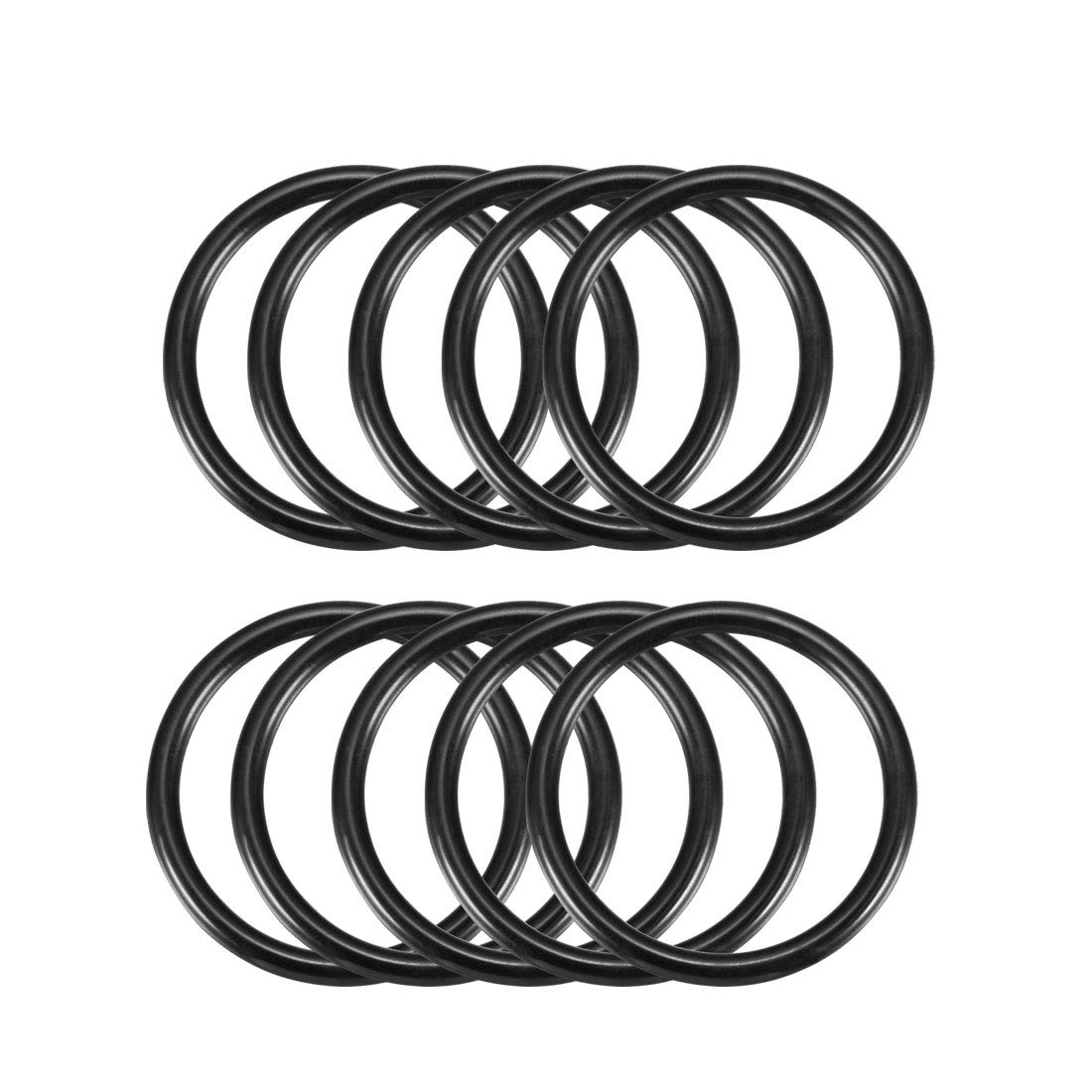
Material Specifications for AS568-314 O-Rings
Suzhou Baoshida Trading Co., Ltd. provides precision-engineered AS568-314 O-rings (1.750-inch inner diameter, 0.103-inch cross-section) for critical sealing applications. Material selection directly impacts performance in dynamic environments, requiring rigorous evaluation of chemical compatibility, thermal stability, and mechanical properties. This section details three industry-standard elastomers: Viton® (FKM), Nitrile (NBR), and Silicone (VMQ). Each compound undergoes stringent ASTM D2000 and ISO 3601 validation to ensure dimensional accuracy and functional reliability under operational stress.
Viton® fluorocarbon rubber excels in extreme chemical and thermal conditions. Its molecular structure resists degradation from aggressive media including hydrocarbons, acids, and halogenated solvents, maintaining integrity at continuous temperatures from -20°C to 230°C. Standard formulations achieve 70–90 Shore A hardness, with plasma resistance making it indispensable for semiconductor manufacturing and aerospace fuel systems. Compression set values remain below 25% after 70 hours at 200°C, ensuring long-term seal retention in static applications.
Nitrile rubber offers optimal cost-performance balance for petroleum-based fluid exposure. With a functional range of -40°C to 120°C, it provides exceptional resistance to mineral oils, greases, and aliphatic hydrocarbons. Standard 70–90 Shore A compounds exhibit tensile strengths of 15–20 MPa but demonstrate limited compatibility with polar solvents like ketones or brake fluids. Its abrasion resistance and rapid compression set recovery (typically <30% at 100°C) make it ideal for hydraulic systems and automotive transmission seals where fuel economy and durability are prioritized.
Silicone rubber delivers unparalleled flexibility across extreme temperatures (-60°C to 200°C continuous). While exhibiting poor resistance to petroleum derivatives, its biocompatibility (USP Class VI, ISO 10993) and steam tolerance suit medical, food processing, and high-purity semiconductor applications. Standard 40–80 Shore A formulations maintain elasticity at cryogenic temperatures but require reinforcement for dynamic use due to lower tensile strength (5–8 MPa). Critical considerations include susceptibility to撕裂 and compression set values exceeding 35% after prolonged high-temperature exposure.
Material performance characteristics are quantified below for precise engineering selection:
| Property | Viton® (FKM) | Nitrile (NBR) | Silicone (VMQ) |
|---|---|---|---|
| Temperature Range (°C) | -20 to +230 | -40 to +120 | -60 to +200 |
| Hardness Range (Shore A) | 70–90 | 70–90 | 40–80 |
| Tensile Strength (MPa) | 12–18 | 15–20 | 5–8 |
| Compression Set (22h, 150°C) | ≤25% | ≤30% | ≤35% |
| Key Fluid Resistances | Fuels, acids, solvents | Oils, greases, water | Water, steam, ozone |
| Key Limitations | Ketones, amines | Brake fluid, ozone | Petroleum, fuels |
| Primary Applications | Aerospace, chemical processing | Automotive hydraulics | Medical, food processing |
Selection must align with fluid exposure profiles, thermal cycling requirements, and regulatory standards. Suzhou Baoshida’s OEM engineering team customizes compound formulations—adjusting polymer grades, filler systems, and cure chemistry—to address application-specific challenges beyond baseline specifications. Contact our technical department with operational parameters for validated material recommendations ensuring AS568-314 O-ring performance meets ISO 3601-1 tolerance class M and functional lifetime expectations.
Manufacturing Capabilities
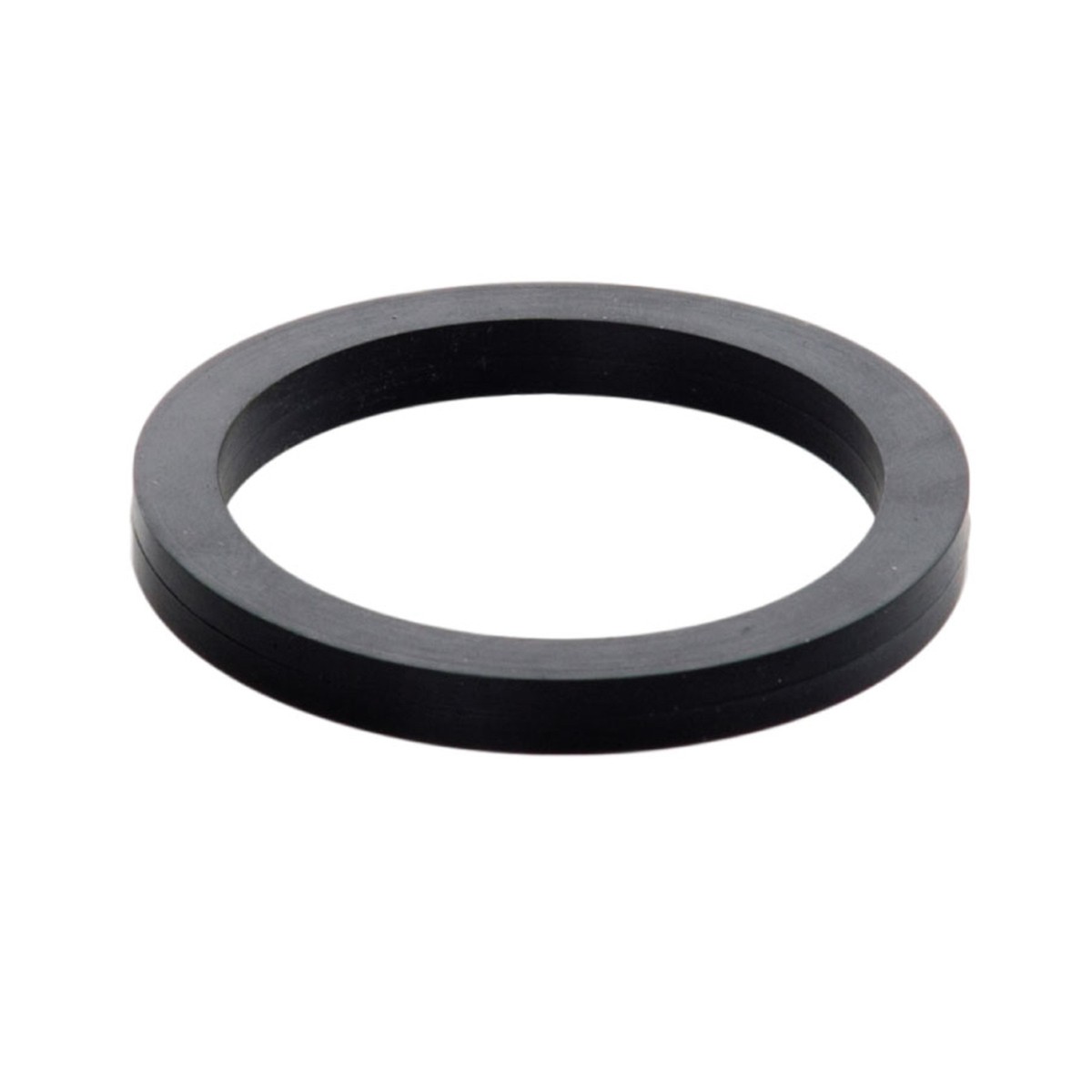
Engineering Capability
Suzhou Baoshida Trading Co., Ltd. operates at the forefront of precision rubber seal manufacturing, with a dedicated engineering team that ensures every product meets the highest standards of performance, durability, and material compatibility. Our core strength lies in the integration of advanced rubber formulation science and precision mold design, enabling us to deliver customized sealing solutions tailored to the exacting demands of industrial, automotive, aerospace, and fluid power applications. With five experienced mold engineers and two specialized rubber formula engineers on staff, we maintain full in-house control over both the physical design and material composition of our seals, including the widely specified 3 1 4 O ring.
Our mold engineering team employs state-of-the-art CAD/CAM software and precision CNC machining to develop high-tolerance molds that ensure dimensional accuracy and consistency across production runs. This expertise is critical in producing O rings that meet AS568, ISO 3601, or custom size standards with tight tolerances. Each mold is rigorously tested and optimized for cycle life, flash control, and part ejection efficiency, ensuring long-term production stability and minimal defect rates.
Complementing our mold capabilities is our advanced rubber compounding laboratory, where our two formula engineers develop and validate elastomer formulations to meet specific application requirements. Whether the need is for resistance to high-temperature environments, aggressive chemicals, or dynamic compression, our team formulates custom compounds in NBR, EPDM, FKM, silicone, and other specialty elastomers. This scientific approach to material development ensures that the 3 1 4 O ring, and all our products, perform reliably under real-world operating conditions.
Our OEM service model is built on technical collaboration. We work directly with clients to analyze sealing challenges, define material and dimensional specifications, and deliver fully validated prototypes within compressed timelines. This end-to-end capability—from concept to production—allows us to support low-volume custom projects as well as high-volume OEM supply contracts with equal proficiency.
All formulations and designs undergo rigorous testing, including compression set, tensile strength, hardness, and fluid immersion analysis, in accordance with ASTM and ISO standards. This disciplined engineering process ensures repeatability, traceability, and compliance with international quality requirements.
Below is a representative specification profile for the 3 1 4 O ring manufactured under our standard quality control protocols.
| Parameter | Specification |
|---|---|
| Nominal Size (AS568) | 3 1 4 (3.125″ ID) |
| Cross Section | 0.103″ ± 0.003″ |
| Inner Diameter | 3.125″ ± 0.008″ |
| Material Options | NBR, EPDM, FKM, Silicone |
| Hardness Range | 60–90 Shore A |
| Temperature Range | -30°C to +230°C (depending on material) |
| Standard Compliance | ASTM D2000, ISO 3601, AS568 |
| Tolerance Grade | Class M (ISO 3302) |
Through the synergy of mold design precision and material science expertise, Suzhou Baoshida delivers engineered sealing solutions that exceed functional expectations and support the reliability of our clients’ end products.
Customization Process
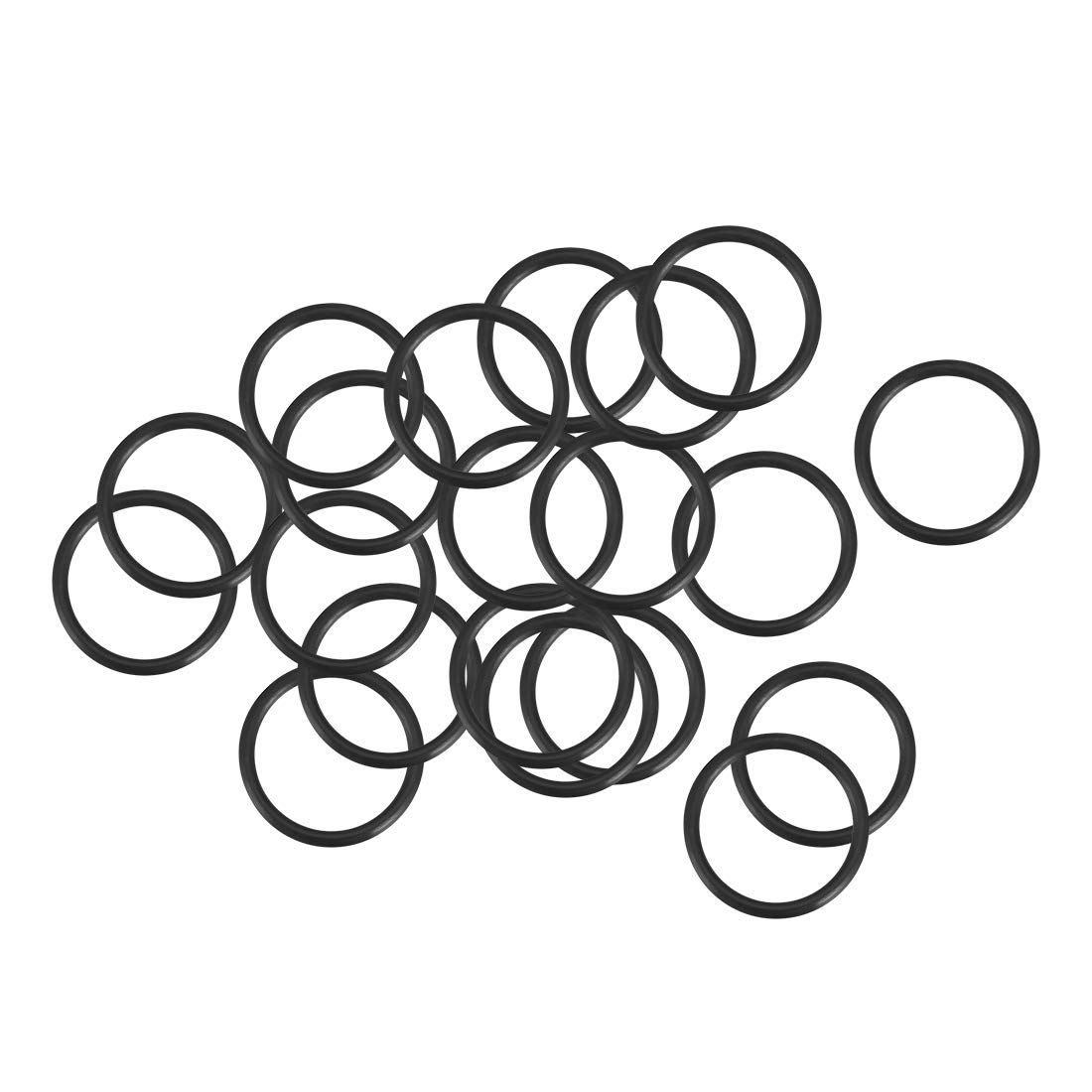
Customization Process for Precision 3.1.4 O-Rings at Suzhou Baoshida
Achieving optimal sealing performance in demanding industrial applications requires meticulous customization of 3.1.4 O-rings. At Suzhou Baoshida Trading Co., Ltd., our engineered approach transforms client specifications into reliable, high-performance elastomeric seals through a rigorously controlled four-phase process. This methodology ensures dimensional accuracy, material suitability, and functional reliability under operational stress, minimizing client risk and lifecycle costs.
The process commences with comprehensive Drawing Analysis. Our engineering team scrutinizes submitted CAD files or technical drawings against ISO 3601 and AS568 standards, verifying critical dimensions including inner diameter, cross-section, tolerance grades (typically ±0.05mm to ±0.15mm), and surface finish requirements. We assess groove geometry compatibility, potential extrusion gaps under system pressure, and identify any non-standard features requiring specialized tooling. Crucially, we evaluate the application environment—media exposure, temperature extremes, pressure cycles, and dynamic/static conditions—to inform the subsequent material selection phase. This step prevents costly errors by resolving ambiguities before material formulation begins.
Formulation Development is our core technical differentiator. Leveraging decades of compound expertise, our rubber chemists design bespoke polymer matrices targeting the specific service conditions identified. We select base polymers (NBR, FKM, EPDM, HNBR, FFKM) based on chemical resistance needs, then precisely calibrate additives: reinforcing fillers for tensile strength, plasticizers for low-temperature flexibility, and curatives to optimize crosslink density. Each formulation undergoes computational modeling to predict compression set, hardness stability, and fluid resistance. For aerospace-grade 3.1.4 O-rings requiring MIL-PRF-83248 compliance, we prioritize peroxide-cured FKM with ultra-low volatile content, ensuring zero outgassing in vacuum environments.
Prototyping & Validation bridges design intent to production reality. Utilizing precision CNC-machined molds, we produce initial lots under controlled vulcanization parameters (time, temperature, pressure). Every prototype undergoes stringent metrology: coordinate measuring machines (CMM) verify all critical dimensions, while hardness (Shore A), tensile strength, and elongation at break are tested per ASTM D2000. Functional validation includes accelerated aging in target fluids, compression set testing at elevated temperatures (e.g., 70 hrs @ 150°C), and dynamic seal testing in client-simulated fixtures. Client approval of physical samples and full test reports is mandatory before scaling.
Controlled Mass Production implements validated parameters within our ISO 9001-certified facility. We deploy statistical process control (SPC) monitoring key variables like cure time and compound viscosity. Every production lot undergoes 100% visual inspection and automated dimensional sampling. Critical applications trigger additional lot traceability, with material certificates and full physical test data provided. Our lean manufacturing system ensures consistent output of 10,000+ units weekly while maintaining ±0.08mm cross-section tolerance.
Material performance dictates ultimate seal longevity. Key specifications for common 3.1.4 O-ring compounds include:
| Material Type | Hardness Range (Shore A) | Temp Range (°C) | Key Fluid Resistance | Typical Application |
|---|---|---|---|---|
| Standard NBR | 60 – 90 | -30 to +100 | Oils, Hydraulic Fluids | General Industrial |
| High-Acryn FKM | 70 – 90 | -20 to +230 | Jet Fuels, Acids | Aerospace, Chemical |
| Peroxide EPDM | 50 – 80 | -50 to +150 | Steam, Brake Fluid | Automotive, HVAC |
| Ultra-Pure FFKM | 75 – 85 | -15 to +327 | Aggressive Solvents | Semiconductor, Pharma |
This structured customization pathway—from drawing scrutiny through validated production—ensures Suzhou Baoshida delivers 3.1.4 O-rings that meet exacting performance demands, reducing client downtime and enhancing system integrity across global industrial sectors.
Contact Engineering Team
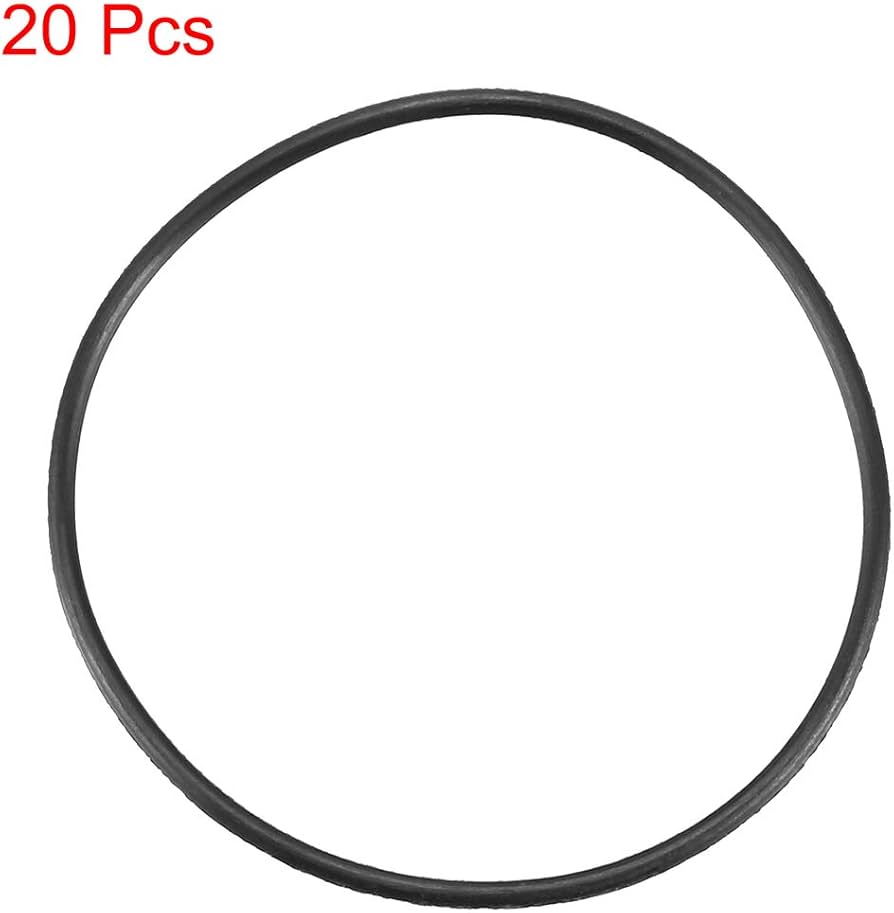
For precision-critical applications requiring reliable sealing performance under demanding operational conditions, the 3 1 4 O ring stands as a fundamental component in industrial fluid systems. At Suzhou Baoshida Trading Co., Ltd., we specialize in the engineering and supply of high-integrity rubber seals designed to meet exacting OEM and industrial standards. Our expertise in elastomer formulation, combined with stringent quality control protocols, ensures that every 3 1 4 O ring we deliver performs consistently across temperature extremes, chemical exposures, and mechanical stress cycles.
The 3 1 4 O ring designation refers to a standard size within the AS568A dimensional system, commonly used in hydraulic, pneumatic, and vacuum systems across aerospace, automotive, semiconductor, and medical device industries. Precision in cross-sectional diameter and inside diameter is non-negotiable—variances beyond ±0.005 inches can compromise sealing integrity, leading to leakage, system inefficiency, or premature failure. Our manufacturing partners employ CNC-machined molds and post-cure stabilization processes to maintain dimensional stability, ensuring conformity to AS568A-0314 specifications.
Material selection is equally critical. Depending on your application environment, we offer the 3 1 4 O ring in a full range of elastomers, including Nitrile (NBR), Fluorocarbon (FKM/Viton®), Silicone (VMQ), Ethylene Propylene (EPDM), and Hydrogenated Nitrile (HNBR). Each compound is formulated to deliver optimal resistance to specific media—whether hydraulic fluid, fuel, steam, or aggressive chemicals—while maintaining resilience and compression set resistance over extended service life.
Below are the standard physical and dimensional specifications for the 3 1 4 O ring:
| Parameter | Value |
|---|---|
| AS568A Dash Number | -0314 |
| Inside Diameter (ID) | 3.140 ± 0.008 in (79.76 ± 0.20 mm) |
| Cross Section (CS) | 0.103 ± 0.003 in (2.62 ± 0.08 mm) |
| Volume Swell (ASTM #3 IRM) | <15% (FKM), <25% (NBR) |
| Hardness (Shore A) | 70 ±5 (standard), 90 ±5 (high) |
| Temperature Range (NBR) | -40°C to +125°C (-40°F to +257°F) |
| Temperature Range (FKM) | -20°C to +200°C (-4°F to +392°F) |
| Standard Cure | 10 minutes at 177°C (350°F) |
All compounds are tested per ASTM D2000 standards, with full traceability and batch certification available upon request. Custom durometers, colored markings, and special packaging configurations are supported for high-volume OEM contracts.
To ensure your sealing solution is optimized for performance, longevity, and cost-efficiency, direct technical consultation is strongly recommended. We invite engineers, procurement managers, and R&D teams to contact Mr. Boyce, our OEM Technical Account Manager, for material recommendations, sample requests, or custom formulation development. Mr. Boyce brings over 15 years of experience in industrial elastomer applications and is positioned to support global supply chain integration with lead-time optimization and quality assurance alignment.
Reach out today via email at [email protected] to initiate a technical dialogue. Include your application parameters, media exposure, temperature profile, and volume requirements to receive a tailored proposal. At Suzhou Baoshida Trading Co., Ltd., we do not supply parts—we deliver engineered sealing solutions.
⚖️ O-Ring Weight Calculator
Estimate rubber O-ring weight (Approx).