
Technical Contents
Engineering Guide: 3 Flanged Gate Valve
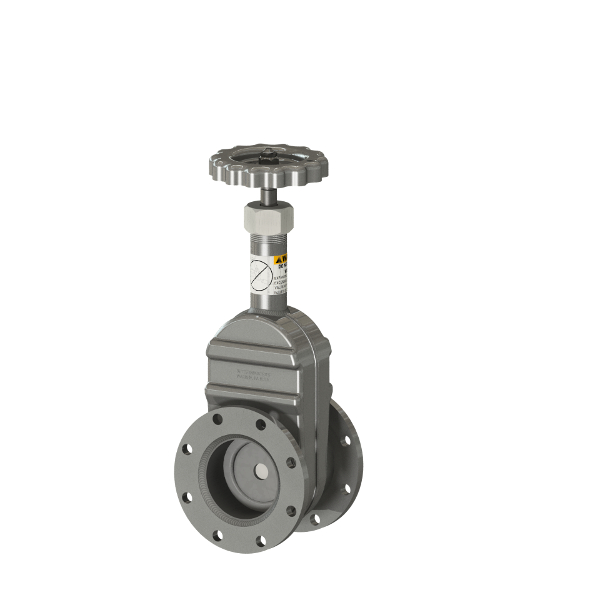
Engineering Insight: 3 Flanged Gate Valve – The Critical Role of Material Selection
In industrial fluid control systems, the 3 flanged gate valve serves as a pivotal component for isolation, particularly in high-pressure and high-temperature environments. While standard off-the-shelf valves may appear cost-effective and readily available, their long-term performance often falls short in demanding applications. The root cause of premature failure frequently lies not in design flaws, but in improper material selection—especially concerning elastomeric components such as seals, gaskets, and seat linings.
Rubber materials used in gate valve construction must endure aggressive media, thermal cycling, mechanical stress, and prolonged static compression. Generic elastomers like standard nitrile (NBR) or natural rubber may suffice in benign conditions, but they degrade rapidly when exposed to oils, ozone, acids, or elevated temperatures. In contrast, engineered compounds such as EPDM, FKM (Viton®), or specialty hydrogenated nitrile (HNBR) offer superior resistance profiles tailored to specific operational challenges. For instance, FKM excels in high-temperature hydrocarbon environments, while EPDM provides outstanding resistance to steam and polar solvents.
Moreover, the flange interface demands precise compatibility between the valve body, gasket material, and pipeline flange. Mismatched thermal expansion coefficients or inadequate compression set resistance can lead to leakage, joint failure, and unplanned downtime. Off-the-shelf valves often utilize one-size-fits-all gasket materials that do not account for system-specific variables such as pH, fluid velocity, or cyclic pressure surges.
At Suzhou Baoshida Trading Co., Ltd., we emphasize application-driven material engineering. Our industrial rubber solutions are developed through rigorous chemical compatibility analysis and accelerated life testing, ensuring that every elastomeric component in a 3 flanged gate valve performs reliably under real-world conditions. Custom compounding allows us to adjust hardness, tensile strength, and fluid resistance to match the exact requirements of the client’s operating environment.
The consequence of neglecting material precision is evident in field failures: extruded seals, cracked diaphragms, or corroded seat linings. These issues not only compromise system integrity but also increase total cost of ownership due to maintenance, replacement, and production loss.
Below is a comparison of common elastomers used in 3 flanged gate valves, highlighting their performance characteristics:
| Material | Temperature Range (°C) | Key Chemical Resistances | Typical Applications |
|---|---|---|---|
| NBR (Nitrile) | -30 to +100 | Aliphatic hydrocarbons, water, hydraulic fluids | General industrial use, low-cost seals |
| HNBR (Hydrogenated Nitrile) | -40 to +150 | Oils, fuels, hot water, some acids | Oil & gas, automotive, high-performance systems |
| EPDM | -50 to +150 | Steam, hot water, alkalis, oxygenated solvents | Power plants, HVAC, chemical processing |
| FKM (Viton®) | -20 to +200 | Aromatic hydrocarbons, fuels, acids, ozone | Petrochemical, aerospace, aggressive media |
| Silicone | -60 to +180 | Heat, UV, ozone, some acids | High-temperature non-critical sealing |
Material selection is not a secondary consideration—it is foundational to valve reliability. By moving beyond generic solutions and adopting engineered rubber compounds, operators can ensure longevity, safety, and operational continuity in critical fluid systems.
Material Specifications
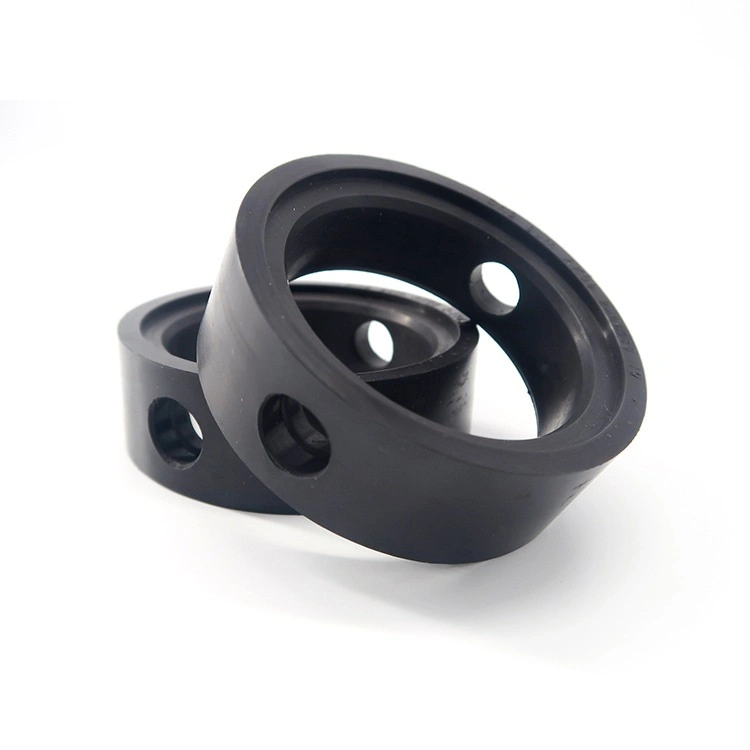
Material Specifications for 3-Flanged Gate Valve Seals
The operational integrity of 3-flanged gate valves in demanding industrial environments hinges critically on elastomer seal selection. At Suzhou Baoshida Trading Co., Ltd., our engineering team prioritizes material performance under pressure, temperature extremes, and chemical exposure. This section details the technical specifications for Viton (FKM), Nitrile (NBR), and Silicone (VMQ) compounds, optimized for gate valve stem and seat sealing applications per ASTM D2000 classification standards. Material choice directly impacts service life, leak prevention, and compliance with API 600 and ISO 5208 leakage criteria.
Viton fluoroelastomers exhibit superior resistance to hydrocarbons, acids, and high-temperature degradation. Our standard FKM formulation (Grade GLT) withstands continuous service from -20°C to +230°C with short-term excursions to 300°C. It maintains sealing force under 150 bar pressure and demonstrates exceptional stability in sour gas (H₂S) environments per NACE MR0175. Swell resistance in crude oil and refined fuels is ≤5% per ASTM D471, making it ideal for upstream oil and gas applications. Shore A hardness is precisely controlled at 75±5 to balance compression set resistance (<20% at 200°C/70h) and low-temperature flexibility.
Nitrile rubber (NBR) provides an optimal cost-performance ratio for moderate-duty service. Our hydrogenated NBR (HNBR) variant operates effectively between -40°C and +135°C, with standard NBR rated to +120°C. It delivers outstanding resistance to aliphatic hydrocarbons, water-glycol hydraulic fluids, and ozone, though limited compatibility with aromatic solvents and chlorinated compounds must be considered. Under 100 bar pressure, NBR maintains sealing integrity with compression set values <30% at 100°C/70h. Shore A hardness ranges from 60 to 90, allowing customization for dynamic stem seals (70±5) or static seat gaskets (80±5).
Silicone rubber (VMQ) excels in extreme temperature applications but requires careful engineering for valve use. Our platinum-cured VMQ formulation functions from -60°C to +200°C, with brief exposure to 230°C. While offering superb flexibility at cryogenic temperatures and resistance to steam sterilization, its tensile strength (8-10 MPa) and abrasion resistance are inferior to FKM/NBR. Swell in petroleum-based media exceeds 100%, restricting use to water, silicone fluids, or food-grade services per FDA 21 CFR 177.2600. Shore A hardness is typically 50±5 for low-compression-force applications.
Material performance is quantified below for direct comparison:
| Property | Viton (FKM) | Nitrile (NBR/HNBR) | Silicone (VMQ) |
|---|---|---|---|
| Temperature Range (°C) | -20 to +230 | -40 to +135 | -60 to +200 |
| Pressure Rating (bar) | 150 | 100 | 70 |
| Compression Set (100h) | <20% @ 200°C | <30% @ 100°C | <25% @ 150°C |
| Oil Swell (ASTM 3) | ≤5% | 15-30% | >100% |
| Typical Hardness (Shore A) | 75±5 | 70±10 | 50±5 |
| Key Application Focus | Sour gas, refining | Water, hydraulics | Cryogenic, food |
Selection must align with specific process media, pressure cycles, and temperature profiles. Suzhou Baoshida’s OEM engineering team conducts application-specific validation testing, including dynamic stem cycling under ISO 5208 Class VI conditions. For critical hydrocarbon services above 150°C, Viton remains the uncompromised solution; NBR serves 80% of general industrial needs cost-effectively; Silicone is reserved for non-petroleum specialty applications where thermal range outweighs mechanical demands. Always consult our technical datasheets for compound-specific certifications prior to specification.
Manufacturing Capabilities
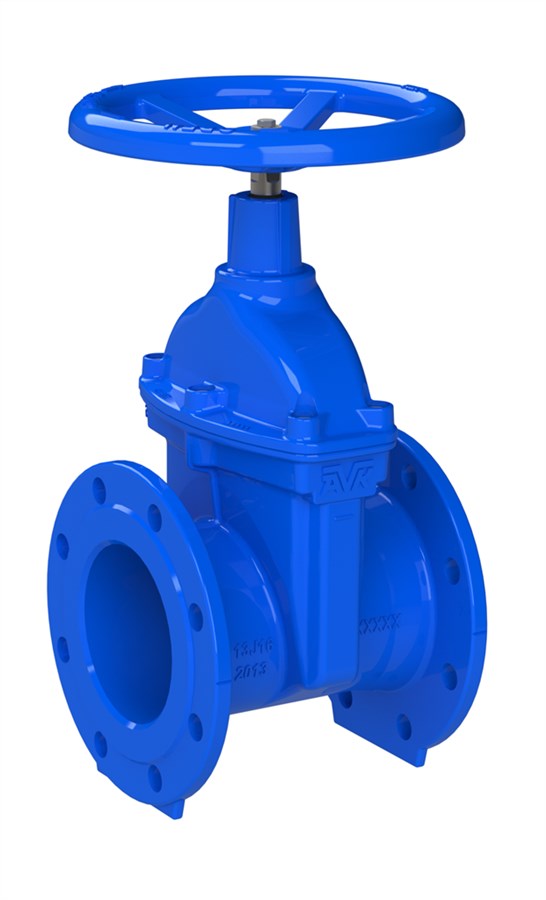
Engineering Capability
At Suzhou Baoshida Trading Co., Ltd., our engineering capability is anchored in deep technical expertise and a disciplined approach to industrial rubber solutions. With a dedicated team of five mould engineers and two specialized rubber formula engineers, we maintain full control over the design, development, and production lifecycle of critical sealing components, including the 3 flanged gate valve. This integrated team structure enables seamless collaboration between material science and precision tooling, ensuring optimal performance, durability, and compliance with international industrial standards.
Our mould engineers bring over a decade of cumulative experience in designing complex rubber moulds for high-pressure and high-temperature applications. Each 3 flanged gate valve mould is developed using advanced CAD/CAM software, with finite element analysis (FEA) employed to simulate stress distribution, flow dynamics, and compression behaviour. This ensures dimensional accuracy, consistent part replication, and extended tool life. We specialize in multi-cavity and hot-runner systems to support scalable OEM production while maintaining tight tolerances (±0.1 mm).
Complementing our tooling expertise, our two in-house rubber formula engineers focus on material optimization tailored to the operational demands of gate valve seals. We formulate custom EPDM, NBR, FKM, and silicone compounds to meet specific requirements for chemical resistance, temperature stability, compression set, and mechanical strength. Every formulation undergoes rigorous testing in simulated service environments, including exposure to steam, hydrocarbons, and acidic media, ensuring long-term sealing integrity in demanding industrial applications.
Our OEM capabilities are built on a foundation of technical agility and customer-centric development. We support clients from initial concept and 3D modelling through prototyping, material validation, and serial production. With in-house mixing, moulding, and testing facilities, we deliver fully customized rubber components with traceability, batch consistency, and full documentation per ISO 9001 standards. This vertical integration reduces lead times and enhances quality control across production runs.
The following table outlines key technical specifications for our 3 flanged gate valve rubber seals:
| Parameter | Specification |
|---|---|
| Material Options | EPDM, NBR, FKM, Silicone, CR |
| Hardness Range (Shore A) | 55–90 ±5 |
| Temperature Range | -40°C to +230°C (depending on compound) |
| Tensile Strength | ≥10 MPa (ASTM D412) |
| Elongation at Break | ≥250% (ASTM D412) |
| Compression Set (70 hrs, 100°C) | ≤25% (ASTM D395) |
| Fluid Resistance | Custom formulation for water, steam, oil, acids |
| Mould Tolerance | ±0.1 mm |
| Production Capacity | Up to 50,000 units/month |
Through precise engineering, material innovation, and scalable OEM support, Suzhou Baoshida delivers reliable, high-performance rubber solutions for the global industrial valve market.
Customization Process
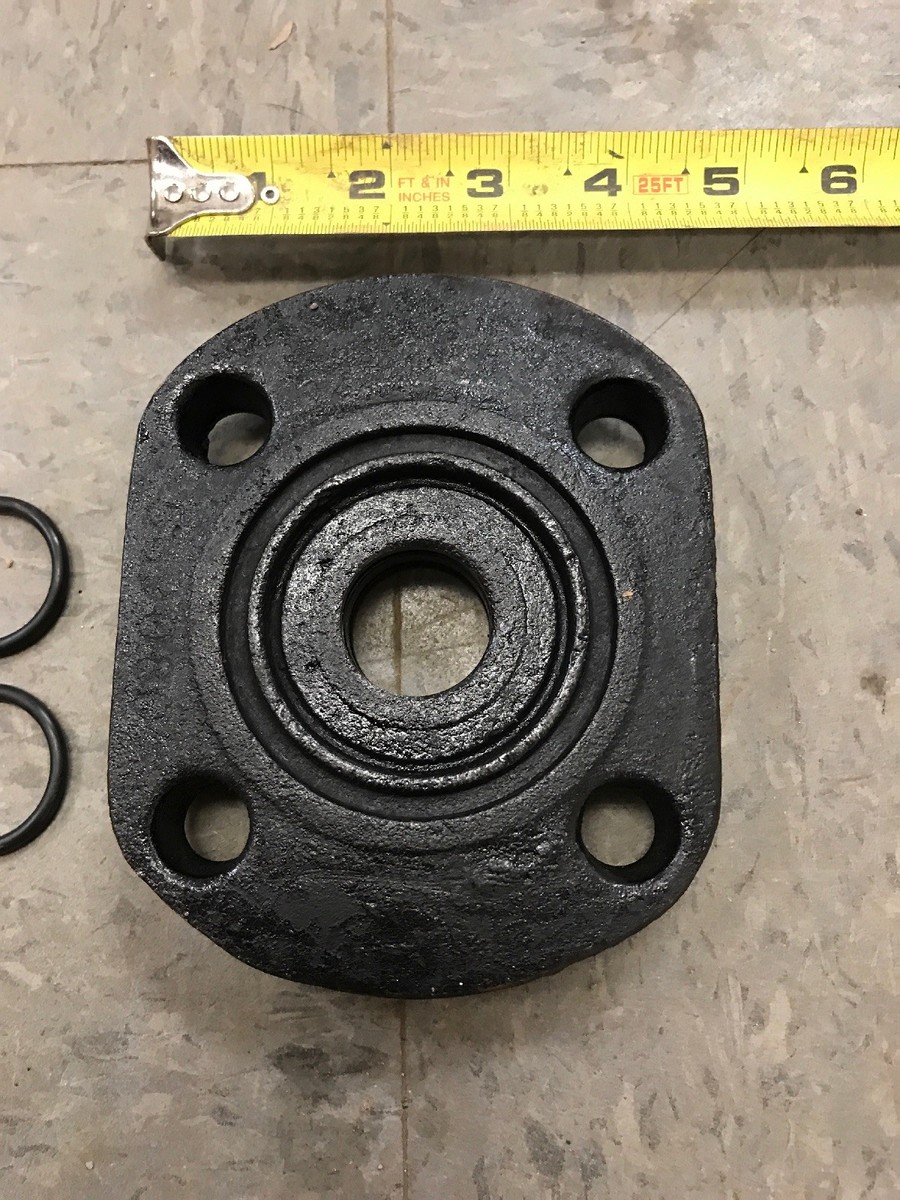
Customization Process for 3 Flanged Gate Valve Sealing Components
Suzhou Baoshida Trading Co., Ltd. implements a rigorous, science-driven customization protocol for rubber sealing elements within 3 flanged gate valves, ensuring optimal performance under specific OEM operational demands. Our process systematically transforms client specifications into validated, production-ready components, minimizing risk and maximizing service life.
Drawing Analysis & Requirement Verification
The foundation lies in meticulous dimensional and functional analysis of the provided valve engineering drawings. We scrutinize critical interface geometries, flange bolt patterns, seat contact surfaces, and stem penetration points. Concurrently, we validate the operational environment parameters: fluid media composition, temperature extremes, pressure cycles, and dynamic movement requirements. This phase identifies potential sealing challenges early, such as extrusion gaps under high pressure or chemical incompatibility risks, forming the essential input for material selection.
Precision Rubber Formulation Development
Based on the verified requirements, our rubber compounding team develops a bespoke elastomer formulation. This is not a generic selection but a targeted engineering solution. Key properties like compression set resistance at operating temperature, tensile strength for installation durability, and specific chemical resistance to the conveyed media are prioritized. We leverage extensive databases and accelerated aging tests to predict long-term behavior. Critical factors include optimizing cure kinetics for the chosen manufacturing process and ensuring low compression set to maintain sealing force over thousands of cycles, directly impacting valve leakage rates and maintenance intervals.
Prototyping & Performance Validation
A limited prototype batch is manufactured using the finalized compound and validated tooling. These prototypes undergo stringent laboratory testing replicating OEM conditions. Tests include:
Hydrostatic pressure testing to maximum rated pressure
Chemical immersion resistance assessment per specified media
Dynamic cycle testing simulating valve operation
Compression set measurement after thermal aging
Dimensional verification against critical tolerances
Client validation of prototype performance within actual valve assemblies is strongly encouraged. Any deviations trigger immediate compound or process refinement, ensuring the solution meets all functional criteria before scale-up.
Controlled Mass Production & Quality Assurance
Upon successful prototype validation, production commences under our certified ISO 9001 quality management system. Each production batch undergoes comprehensive in-process and final inspection. Key parameters monitored include Mooney viscosity, cure characteristics (MDR), physical properties (tensile, elongation, hardness), and 100% dimensional conformance using calibrated CMM equipment. Statistical process control (SPC) tracks critical variables, guaranteeing batch-to-batch consistency essential for reliable valve performance in the field. Full traceability from raw material lot to finished component is maintained.
Key Rubber Compound Selection Guide for Valve Seals
| Compound Type | Temperature Range (°C) | Key Chemical Resistance | Typical Pressure Rating (Bar) | Primary Valve Application |
|---|---|---|---|---|
| EPDM | -50 to +150 | Hot Water, Steam, Alkalis, Oxygenated Fuels | Up to 200 | Water Treatment, Steam Systems |
| NBR (Nitrile) | -30 to +120 | Mineral Oils, Greases, Aliphatic Hydrocarbons | Up to 250 | Oil & Gas, Hydraulic Systems |
| FKM (Viton®) | -20 to +230 | Aromatic Hydrocarbons, Fuels, Acids, Chlorinated Solvents | Up to 300 | Petrochemical, Aggressive Media |
This structured approach, combining deep rubber science expertise with stringent manufacturing controls, ensures Suzhou Baoshida delivers sealing solutions that precisely meet the demanding requirements of 3 flanged gate valves, enhancing OEM product reliability and reducing lifecycle costs.
Contact Engineering Team
For industrial operations requiring reliable fluid control under demanding conditions, the 3 flanged gate valve stands as a critical component in pipeline systems across petrochemical, water treatment, power generation, and manufacturing sectors. At Suzhou Baoshida Trading Co., Ltd., we specialize in delivering high-performance rubber-integrated industrial solutions, including precision-engineered 3 flanged gate valves designed for durability, leak-free operation, and long service life. Our expertise lies at the intersection of material science and mechanical performance, ensuring that every valve we supply meets the rigorous demands of modern industrial environments.
Our 3 flanged gate valves are constructed with reinforced ductile iron or carbon steel bodies, featuring full-bore design for minimal flow resistance and flanged ends that comply with ANSI, DIN, or JIS standards for seamless integration into existing pipeline architectures. The internal sealing mechanism leverages advanced rubber compounds—such as EPDM, NBR, or NR—selected based on media type, temperature, and pressure conditions. This rubber-to-metal seal interface ensures tight shut-off performance, even after prolonged static conditions, preventing leakage and reducing maintenance downtime. Each valve undergoes stringent pressure testing and dimensional verification to guarantee compliance with international quality benchmarks.
We understand that industrial procurement is not solely about product specifications—it’s about partnership, technical support, and supply chain reliability. Suzhou Baoshida Trading Co., Ltd. operates as a trusted OEM manager and technical liaison, connecting global manufacturers with engineered rubber solutions that enhance system performance. Whether you require standard configurations or custom modifications—including special coatings, extended stems, or non-rising stem designs—we provide end-to-end support from material selection to final delivery.
Below are key technical specifications for our standard 3 flanged gate valve offering:
| Parameter | Specification |
|---|---|
| Size Range | DN50 – DN600 (2″ – 24″) |
| Pressure Rating | Class 150, 300 (ANSI B16.34) |
| Body Material | Ductile Iron, Carbon Steel, Stainless Steel |
| Disc & Seat Material | Rubber-lined ductile iron with EPDM/NBR/NR |
| Operating Temperature | -20°C to +130°C (depending on rubber type) |
| Flange Standard | ANSI B16.1, DIN 2501, JIS B2220 |
| Face-to-Face Dimension | ISO 5752, EN 558 |
| Test Standards | API 598, ISO 5208 |
| Operation Type | Handwheel, Gear Operated, Actuated Options |
To ensure optimal integration and performance, we recommend technical consultation prior to procurement. For immediate support, please contact Mr. Boyce, our dedicated OEM and technical inquiry manager, at [email protected]. Mr. Boyce brings over 15 years of experience in industrial rubber applications and valve system integration, offering expert guidance on material compatibility, regulatory compliance, and volume supply logistics. We respond to all technical and commercial inquiries within 24 hours during business days, providing detailed documentation, CAD models, and sample availability upon request.
Partner with Suzhou Baoshida Trading Co., Ltd. for precision-engineered 3 flanged gate valves backed by deep material expertise and industrial reliability. Reach out today to discuss your application requirements and discover how our rubber-integrated solutions can enhance your system’s efficiency and service life.
⚖️ O-Ring Weight Calculator
Estimate rubber O-ring weight (Approx).