
Technical Contents
Engineering Guide: 3D Print Gasket
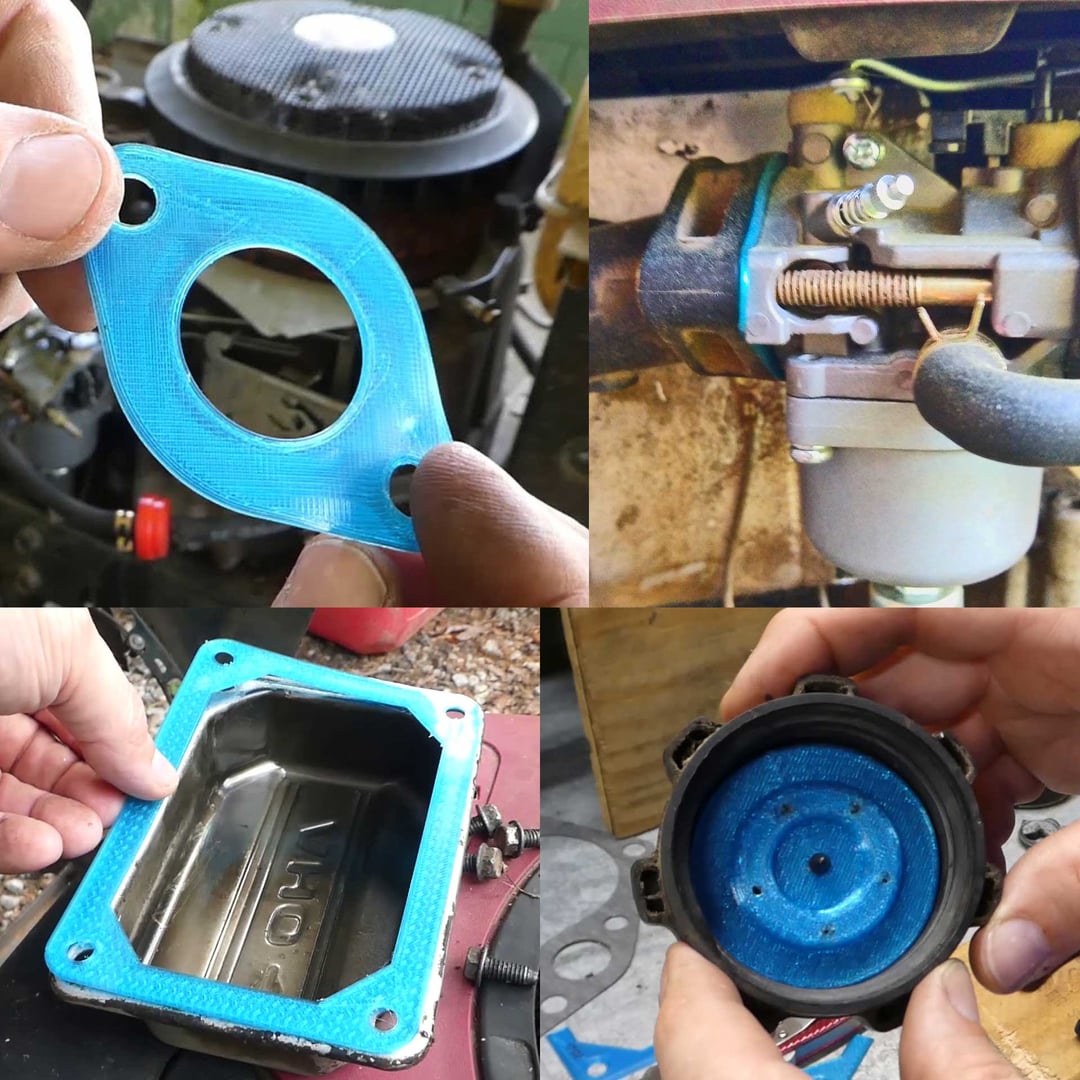
Engineering Insight: 3D Print Gasket – The Critical Role of Material Selection
In the evolving landscape of industrial sealing solutions, 3D printed gaskets are emerging as a compelling alternative to traditional die-cut or molded rubber components. While additive manufacturing offers unprecedented design flexibility and rapid prototyping capabilities, the performance of a 3D printed gasket hinges almost entirely on precise material selection. Off-the-shelf thermoplastic or generic elastomeric filaments often fail to meet the demanding requirements of dynamic sealing environments, leading to premature leakage, compression set, or chemical degradation.
Standard 3D printing materials such as PLA, ABS, or even TPU are not engineered for sustained sealing performance under thermal cycling, fluid exposure, or mechanical load. These materials typically exhibit poor resilience, low compression recovery, and limited resistance to oils, solvents, or elevated temperatures. In contrast, industrial gaskets require elastomers with specific durometer ratings, elongation at break, and long-term aging characteristics. Using non-specialized materials results in dimensional instability, loss of sealing force, and ultimately system failure.
At Suzhou Baoshida Trading Co., Ltd., we emphasize that material selection must begin with a thorough understanding of the application environment. Key parameters include operating temperature range, media compatibility, flange surface finish, and required service life. For example, a gasket exposed to automotive engine oil at 150°C demands a fluorocarbon-based printable elastomer, whereas a food-grade application may require FDA-compliant silicone formulations with NSF certification.
Moreover, the printing process itself influences material behavior. Layer adhesion, anisotropic strength, and surface porosity can all compromise sealing integrity if not addressed through material-specific print profiles and post-processing techniques. Standard filaments often lack the interlayer bonding strength necessary for pressure retention, especially in static or semi-dynamic joints.
To ensure reliability, we recommend engineered compounds such as 3D-printable FKM (fluoroelastomer), HNBR (hydrogenated nitrile), or high-purity silicone variants. These materials are formulated to maintain elasticity, resist extrusion, and sustain sealing force over time—critical attributes that off-the-shelf thermoplastics cannot provide.
The table below outlines key performance characteristics of selected 3D printable elastomers compared to conventional materials.
| Material | Temperature Range (°C) | Durometer (Shore A) | Fluid Resistance | Compression Set (%) | Print Compatibility |
|---|---|---|---|---|---|
| 3D Printable FKM | -20 to 200 | 75–85 | Excellent (oils, fuels) | <20 | Moderate |
| 3D Printable HNBR | -30 to 150 | 70–80 | Very Good (glycols, oils) | <25 | High |
| 3D Printable Silicone | -50 to 180 | 40–60 | Good (water, steam) | <30 | Moderate |
| Standard TPU | -40 to 90 | 85–95 | Fair (limited oils) | >40 | High |
| PLA | 0 to 60 | 80–90 | Poor | N/A | Very High |
Material selection is not a secondary consideration—it is the foundation of functional gasket performance. Generic 3D printing materials may offer convenience, but they compromise reliability in industrial applications. Precision rubber seals demand precision materials, engineered for purpose and validated for performance.
Material Specifications
Material Specifications for 3D Printed Precision Rubber Gaskets
Selecting the optimal elastomer is critical for 3D printed gasket performance in demanding industrial applications. At Suzhou Baoshida Trading Co., Ltd., our engineered formulations for Viton (FKM), Nitrile (NBR), and Silicone (VMQ) are rigorously validated to ensure dimensional stability, seal integrity, and longevity under operational stress. Each material offers distinct chemical, thermal, and mechanical properties tailored to specific environmental challenges. Precision in material selection directly impacts compression set resistance, extrusion tolerance, and service life, particularly in dynamic sealing scenarios where additive manufacturing parameters must align with elastomer rheology.
Viton excels in extreme chemical and thermal environments, resisting fuels, oils, acids, and chlorinated solvents up to 230°C. Its high fluorine content provides unmatched stability in aerospace and semiconductor applications but requires precise thermal management during printing to prevent porosity. Nitrile remains the cost-effective solution for standard hydraulic and lubrication systems, offering robust resistance to petroleum-based fluids and aliphatic hydrocarbons between -40°C and 120°C. Its formulation balance ensures optimal Shore A hardness for extrusion-prone assemblies while maintaining tear strength. Silicone delivers exceptional flexibility across -60°C to 200°C ranges and biocompatibility for food, medical, and high-purity fluidic systems. However, its low surface energy necessitates specialized adhesion promoters during layer deposition to achieve interlayer cohesion. All materials undergo Baoshida’s proprietary pre-compounding process to eliminate voids and ensure uniform particle distribution for micron-level print accuracy.
The comparative analysis below details critical performance metrics for informed material selection:
| Material | Temperature Range (°C) | Key Chemical Resistance | Hardness Range (Shore A) | Compression Set (22h/150°C) | Primary Industrial Applications |
|---|---|---|---|---|---|
| Viton (FKM) | -20 to +230 | Fuels, oils, acids, ketones, chlorinated solvents | 60–90 | ≤ 25% | Aerospace fuel systems, chemical processing, semiconductor manufacturing |
| Nitrile (NBR) | -40 to +120 | Petroleum oils, hydraulic fluids, water, aliphatic hydrocarbons | 50–90 | ≤ 30% | Automotive hydraulics, machinery seals, general industrial fluid handling |
| Silicone (VMQ) | -60 to +200 | Water, steam, ozone, alcohols, mild acids | 30–80 | ≤ 20% | Medical devices, food processing, pharmaceuticals, high-temperature electronics |
Material performance must be evaluated against application-specific stressors including fluid exposure duration, cyclic pressure loads, and dynamic movement. Viton’s superior chemical inertness justifies its premium cost in aggressive media, while NBR provides optimal value for standard oil and fuel exposure. Silicone’s ultra-wide thermal flexibility is indispensable for cryogenic or repeated sterilization cycles but requires careful post-curing validation to achieve full elastomeric properties. Baoshida’s OEM engineering team collaborates with clients to simulate real-world conditions, adjusting durometer, filler content, and cure kinetics to maximize gasket yield and functional reliability. Consistent material homogeneity—achieved through our ISO-certified compounding—is non-negotiable for leak-free 3D printed seals in critical assemblies. Always validate material compatibility with actual service fluids prior to full-scale production deployment.
Manufacturing Capabilities
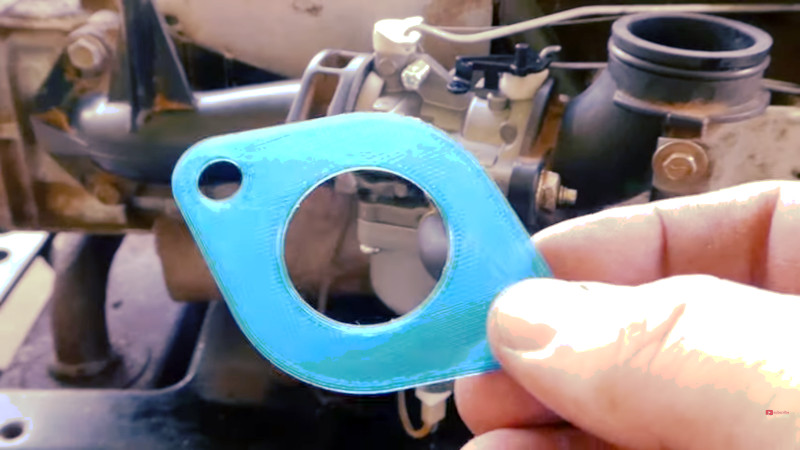
Engineering Capability: Precision Development for 3D Print Gasket Manufacturing
At Suzhou Baoshida Trading Co., Ltd., our engineering capability forms the backbone of our leadership in precision rubber seals, particularly in the specialized domain of 3D print gasket development. With a dedicated team of five experienced mould engineers and two advanced rubber formula engineers, we deliver technically robust, application-specific sealing solutions tailored to the evolving demands of additive manufacturing and industrial 3D printing systems.
Our mould engineering team specializes in designing and fabricating high-tolerance silicone and elastomeric gaskets used in 3D printer heated beds, enclosure systems, and environmental sealing applications. Each engineer brings over a decade of experience in precision tooling, ensuring optimal part geometry, flash control, and dimensional stability across high-volume production runs. Utilizing CAD/CAM software and precision CNC machining, our team develops steel and aluminum moulds with tolerances as tight as ±0.05 mm, enabling consistent replication of complex gasket profiles required for uniform thermal sealing and mechanical fit.
Complementing our tooling expertise, our two in-house rubber formula engineers focus on material science optimization for performance-critical environments. They develop custom silicone, fluorosilicone, and EPDM compounds engineered for high-temperature resilience (up to 300°C), UV resistance, and long-term compression set stability—key factors in ensuring gasket longevity within 3D printing equipment. By controlling the formulation process internally, we eliminate dependency on third-party material suppliers and ensure full traceability, batch consistency, and rapid iteration during prototyping.
Our OEM service model is built on collaborative engineering. We work directly with 3D printer manufacturers to reverse-engineer legacy gaskets, improve sealing performance, and reduce part count through integrated design. Whether supporting desktop FDM systems or industrial SLS platforms, our team provides full documentation, including material certifications (e.g., ROHS, REACH), dimensional reports, and aging test data under simulated operating conditions.
The integration of mould design and compound development enables rapid prototyping cycles—typically delivering functional samples within 10–14 days from initial CAD data. This vertical integration also supports cost-effective scaling from pilot batches to annual volumes exceeding 500,000 units, all produced under ISO 9001-certified processes.
Below is a summary of our core technical capabilities relevant to 3D print gasket manufacturing:
| Parameter | Specification |
|---|---|
| Mould Tolerance | ±0.05 mm |
| Material Types | HTV Silicone, Fluorosilicone, EPDM, NBR |
| Hardness Range (Shore A) | 30–80 |
| Operating Temperature Range | -60°C to +300°C (material-dependent) |
| Compression Set (24h @ 150°C) | <15% (custom formulations) |
| Lead Time (Prototype) | 10–14 days |
| Production Capacity (Annual) | Up to 500,000 units per product line |
| Compliance Standards | ROHS, REACH, ISO 9001 |
Through precise engineering, material mastery, and OEM-centric collaboration, Suzhou Baoshida delivers gasket solutions that enhance reliability, thermal efficiency, and service life in next-generation 3D printing platforms.
Customization Process
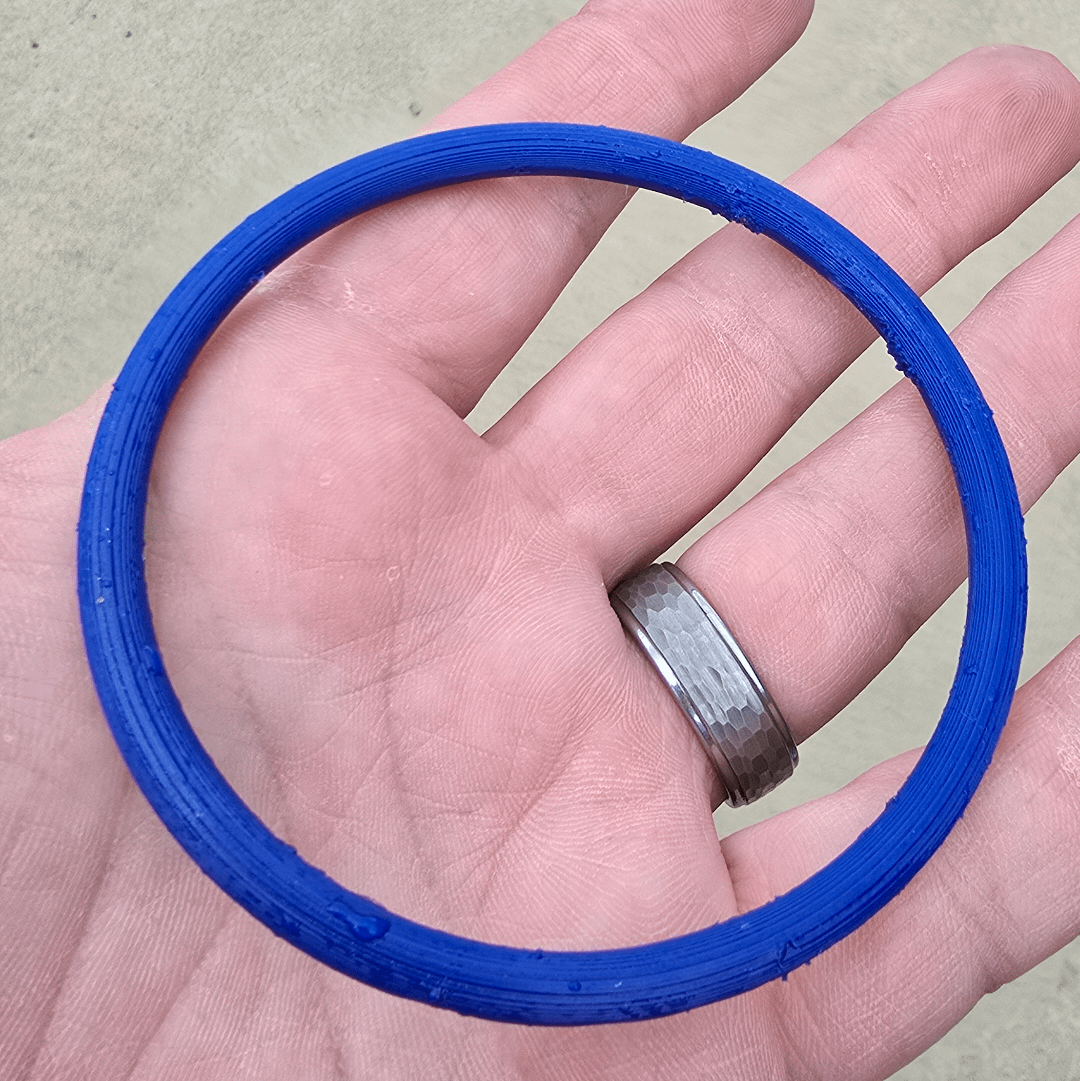
Customization Process for Precision 3D Printed Rubber Gaskets
Suzhou Baoshida Trading Co., Ltd. executes a rigorous, science-driven customization pathway for 3D printed rubber gaskets, ensuring optimal performance in demanding industrial sealing applications. This structured process eliminates guesswork and guarantees material-property alignment with client specifications from initial concept to volume delivery.
Drawing Analysis
The foundation begins with meticulous engineering review of client-provided CAD models or technical drawings. Our team scrutinizes critical dimensional tolerances per ISO 2768-mK standards, surface finish requirements, and geometric complexities inherent to additive manufacturing. We assess feature resolution against layer thickness capabilities of our industrial printers, identifying potential overhangs or thin-wall sections requiring support optimization. Crucially, we evaluate material compatibility with the intended operational environment—factoring in fluid exposure, temperature extremes, and pressure differentials. This phase confirms feasibility and defines precise material property targets before formulation commences.
Formulation Development
Leveraging proprietary elastomer science, our rubber formula engineers develop bespoke material compounds tailored to the gasket’s functional demands. Standard thermoplastic polyurethanes (TPU) or liquid silicone rubbers (LSR) are modified with precision additives to achieve target hardness, compression set resistance, and chemical inertness. Key parameters like Shore A hardness, tensile strength, and elongation at break are calibrated using rheological data and predictive modeling. Formulations undergo virtual simulation for flow behavior during printing and post-cure stability, ensuring the compound meets both printability criteria and end-use performance thresholds defined in the drawing analysis phase.
Prototyping & Validation
Physical validation initiates with printed prototypes using client-approved materials on calibrated industrial systems. Each prototype undergoes dimensional verification via CMM (Coordinate Measuring Machine) to confirm adherence to ±0.1mm tolerances. Functional testing includes compression-deflection analysis per ASTM F36, fluid immersion resistance checks against specified media, and thermal cycling between -40°C to 150°C. Critical sealing performance is validated using leak-rate testing under simulated operational pressures. Client feedback on prototype performance triggers iterative refinements to either geometry or formulation until all KPIs are consistently achieved.
Mass Production Integration
Upon prototype sign-off, Suzhou Baoshida transitions seamlessly to series production. Our automated printing cells operate under strict environmental controls (23±2°C, 50±5% RH) with real-time layer adhesion monitoring. In-process quality checks include periodic durometer testing and visual inspection for voids or delamination. Final gaskets undergo 100% dimensional sampling and batch-level physical property validation per ASTM D2000. Production data is traceable to material lots and machine parameters, ensuring OEM compliance and enabling rapid root-cause analysis if required. Logistics are synchronized with client assembly schedules for JIT delivery of certified gasket batches.
Key Material Performance Specifications for 3D Printed Gaskets
| Property | Standard Range (TPU) | Standard Range (LSR) | Test Method |
|---|---|---|---|
| Shore A Hardness | 70 – 95 | 30 – 70 | ASTM D2240 |
| Tensile Strength (MPa) | 25 – 45 | 5 – 10 | ASTM D412 |
| Elongation at Break (%) | 300 – 550 | 200 – 600 | ASTM D412 |
| Compression Set (%), 22h | ≤ 25 | ≤ 15 | ASTM D395 Method B |
| Continuous Temp Range (°C) | -40 to +100 | -50 to +200 | ISO 188 |
Note: All ranges achievable through customized formulation; client-specific requirements dictate final compound design. Testing conducted per referenced standards on compression-molded plaques or printed test specimens.
Contact Engineering Team
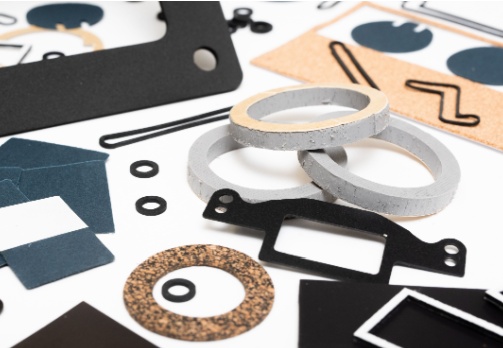
For precision-critical applications in automotive, aerospace, industrial machinery, and advanced manufacturing, the reliability of sealing solutions cannot be overstated. At Suzhou Baoshida Trading Co., Ltd., we specialize in high-performance rubber seals and engineered gasket solutions tailored to meet the evolving demands of modern industry. As a trusted OEM partner, we combine material science expertise with advanced manufacturing capabilities—including support for 3D printed gasket prototyping and production—to deliver custom sealing solutions with exacting dimensional accuracy and environmental resilience.
Our engineering team leverages cutting-edge rubber compounding and additive manufacturing integration to produce gaskets that meet stringent requirements for temperature resistance, chemical exposure, compression set, and long-term sealing integrity. Whether you are transitioning from traditional die-cut gaskets to 3D printed alternatives or require hybrid manufacturing solutions, Suzhou Baoshida provides end-to-end technical support—from material selection and design validation to volume production and quality assurance.
We understand that every application presents unique challenges. That is why we offer direct engineering collaboration with our clients. By working closely with design and R&D teams, we ensure that each gasket solution is optimized for performance, cost-efficiency, and manufacturability. Our facility adheres to ISO 9001 standards, and we maintain rigorous testing protocols using ASTM and DIN-compliant methods to verify material properties and sealing performance under real-world conditions.
Below is a representative specification profile for a typical 3D printable elastomeric material used in gasket fabrication. These values serve as a baseline; actual formulations are customized based on operating environment and OEM requirements.
| Property | Test Method | Typical Value |
|---|---|---|
| Hardness (Shore A) | ASTM D2240 | 50 – 90 |
| Tensile Strength | ASTM D412 | 8 – 15 MPa |
| Elongation at Break | ASTM D412 | 250% – 450% |
| Compression Set (22 hrs, 70°C) | ASTM D395 | ≤ 20% |
| Operating Temperature Range | — | -40°C to +150°C |
| Fluid Resistance | ASTM D471 | Excellent (oil, water, glycol) |
| 3D Print Resolution Compatibility | — | 50 – 100 μm layer height |
Suzhou Baoshida is committed to innovation, precision, and partnership. If your organization is exploring 3D printed gasket technology or requires a reliable source for custom rubber seals, we invite you to contact Mr. Boyce, our dedicated OEM Technical Manager. With over 15 years of experience in rubber formulation and industrial sealing applications, Mr. Boyce provides direct technical consultation to ensure your project’s success.
To initiate a discussion, request material samples, or submit a design for evaluation, please reach out via email at [email protected]. We respond to all technical inquiries within 24 business hours and offer rapid prototyping turnaround for qualified projects. Let Suzhou Baoshida be your strategic partner in advancing sealing performance through precision engineering and advanced manufacturing.
⚖️ O-Ring Weight Calculator
Estimate rubber O-ring weight (Approx).