
Technical Contents
Engineering Guide: 3M Rubber Sheet
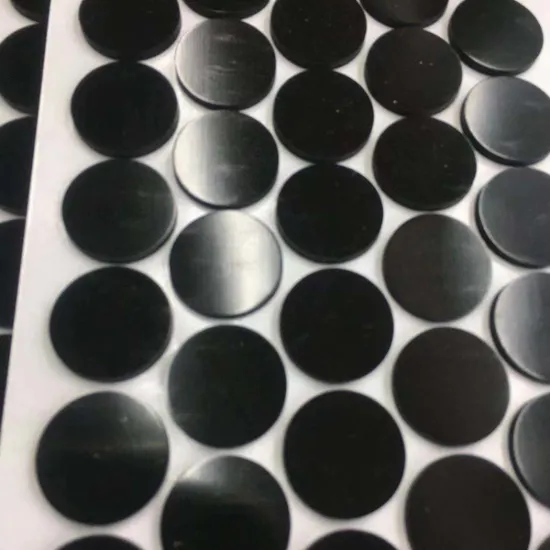
Engineering Insight: Material Selection Criticality in 3m Rubber Sheet Applications
The specification of rubber sheeting, particularly at the substantial 3m width dimension, demands rigorous material science evaluation far beyond dimensional procurement. Generic off-the-shelf rubber sheets frequently fail in demanding industrial environments due to inherent limitations in their formulation and manufacturing process control. These failures manifest as premature compression set, chemical degradation, thermal instability, or mechanical fatigue, leading to costly downtime, safety hazards, and compromised product integrity. The root cause lies in the misalignment between standardized material properties and the specific, often extreme, operational stresses encountered in sealing, vibration isolation, or lining applications. A one-size-fits-all approach ignores critical variables such as dynamic load profiles, fluid exposure chemistry, temperature cycling rates, and required service life. Suzhou Baoshida Trading Co., Ltd. emphasizes that successful 3m sheet implementation begins with a deep diagnostic of the application environment, not merely the sheet’s physical dimensions.
Generic rubber compounds prioritize broad market appeal and cost reduction over performance resilience. They often utilize lower-grade polymers, higher filler loadings, and less optimized cure systems. This results in inconsistent physical properties across the large sheet area and inadequate resistance to specific stressors. For instance, a standard NBR sheet may swell catastrophically in modern bio-based hydraulic fluids, while a generic EPDM might crack under ozone exposure common near electrical equipment. The thick cross-section inherent in many 3m sheet applications exacerbates these issues, as non-uniform curing or inadequate heat dissipation during service can create internal stresses and property gradients unseen in thinner sections. Off-the-shelf solutions rarely account for the complex interplay of simultaneous stresses – mechanical, thermal, and chemical – that define real-world industrial use. The initial cost savings are invariably outweighed by replacement costs, production losses, and potential liability from seal failure.
Performance differentiation is quantifiable through targeted material properties. The table below illustrates the critical gap between generic offerings and engineered compounds designed for reliability in critical 3m sheet applications.
| Property | Generic Sheet (Typical) | Engineered Compound (Baoshida Standard) | Test Standard |
|---|---|---|---|
| Tensile Strength | 12.0 MPa | 18.5 MPa | ASTM D412 |
| Elongation at Break | 250% | 420% | ASTM D412 |
| Compression Set (70h/70°C) | 35% | 15% | ASTM D395 B |
| Hardness (Shore A) | 65 ± 5 | 70 ± 2 | ASTM D2240 |
| Volume Swell (IRMOG 32, 70h/100°C) | +45% | +12% | ASTM D471 |
Suzhou Baoshida Trading Co., Ltd. leverages advanced polymer science and decades of OEM collaboration to formulate bespoke rubber compounds. Our process starts with application diagnostics, defining precise resistance requirements against fluids, temperatures, and mechanical loads. We then select premium base polymers, optimize cure kinetics for uniform cross-linking across the 3m width, and incorporate specialized additives for ozone resistance, flame retardancy, or low-temperature flexibility as needed. This engineering-first approach ensures the rubber sheet performs reliably under its actual service conditions, delivering superior longevity and total cost of ownership compared to generic alternatives. Material selection is not a commodity decision; it is the foundational engineering parameter determining system success. Partner with our technical team to transform your 3m rubber sheet specification from a procurement item into a validated engineering solution.
Material Specifications
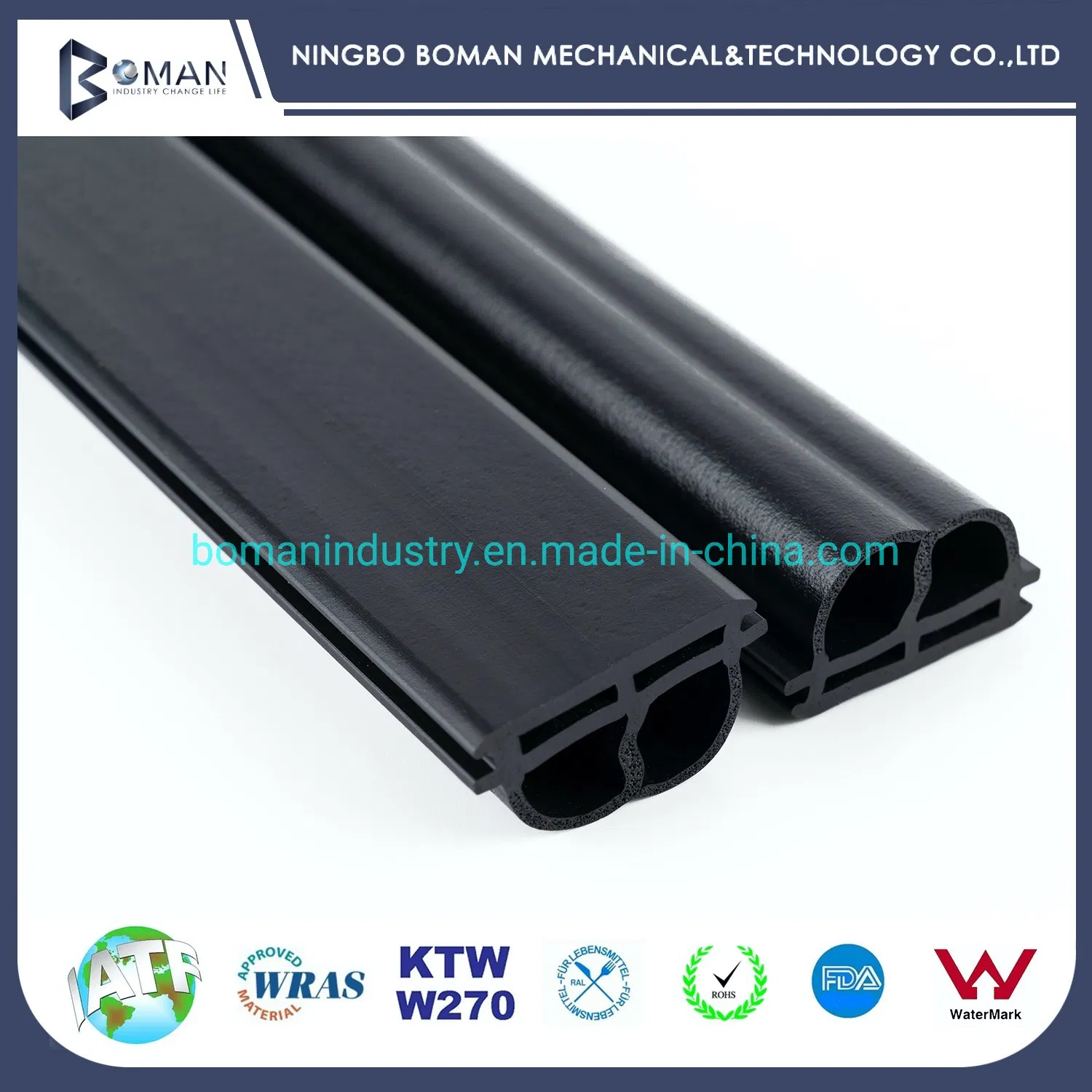
Suzhou Baoshida Trading Co., Ltd. provides high-performance rubber sheet materials engineered for demanding industrial environments. Our 3mm rubber sheets are precision-manufactured to ensure consistent thickness, mechanical integrity, and chemical resistance. Available in Viton (FKM), Nitrile (NBR), and Silicone (VMQ), these materials are selected based on operational requirements such as temperature range, fluid exposure, and mechanical stress. Each compound is formulated to meet international quality standards, ensuring reliability in sealing, gasketing, vibration damping, and insulation applications across automotive, aerospace, petrochemical, and electronics industries.
Viton rubber sheeting offers exceptional resistance to high temperatures, oils, fuels, and a broad spectrum of aggressive chemicals. With continuous service capabilities up to 230°C and intermittent peaks beyond 260°C, Viton is ideal for applications exposed to engine oils, hydraulic fluids, and aromatic hydrocarbons. Its low gas permeability and excellent aging characteristics make it a preferred choice in critical sealing systems where failure is not an option.
Nitrile rubber, known for its superior resistance to petroleum-based oils and fuels, delivers robust mechanical properties including high abrasion resistance and tensile strength. Operating effectively within a temperature range of -30°C to 100°C, NBR is widely used in hydraulic systems, fuel handling equipment, and industrial machinery requiring durable elastomeric performance under dynamic stress. Its cost-efficiency and compatibility with aliphatic hydrocarbons further enhance its utility in mid-range performance applications.
Silicone rubber sheets provide outstanding thermal stability from -60°C to 200°C, with some formulations capable of withstanding short-term exposure up to 250°C. While exhibiting lower tensile strength compared to Viton and Nitrile, silicone excels in electrical insulation, UV resistance, and flexibility at low temperatures. It is commonly specified in electronic enclosures, medical devices, and outdoor sealing applications where long-term weatherability and dielectric performance are critical.
Below is a comparative technical specification table for 3mm rubber sheets in Viton, Nitrile, and Silicone:
| Property | Viton (FKM) | Nitrile (NBR) | Silicone (VMQ) |
|---|---|---|---|
| Thickness | 3.0 mm ±0.2 mm | 3.0 mm ±0.2 mm | 3.0 mm ±0.2 mm |
| Hardness (Shore A) | 70–90 | 60–80 | 40–80 |
| Tensile Strength | ≥12 MPa | ≥10 MPa | ≥6 MPa |
| Elongation at Break | ≥200% | ≥250% | ≥300% |
| Temperature Range (Continuous) | -20°C to 230°C | -30°C to 100°C | -60°C to 200°C |
| Fluid Resistance | Excellent (oils, fuels, acids) | Excellent (aliphatic oils, fuels) | Fair (poor in hydrocarbons) |
| Electrical Insulation | Moderate | Moderate | Excellent |
| Compression Set Resistance | Excellent | Good | Good |
| Weather/Ozone Resistance | Excellent | Fair | Excellent |
All materials are available in custom sheet sizes and durometers upon request. Suzhou Baoshida Trading Co., Ltd. ensures traceability, batch consistency, and compliance with ASTM D2000 and ISO 3302 standards. Selection of the appropriate rubber compound should be based on comprehensive evaluation of service conditions, including chemical exposure, thermal cycling, and mechanical loading.
Manufacturing Capabilities
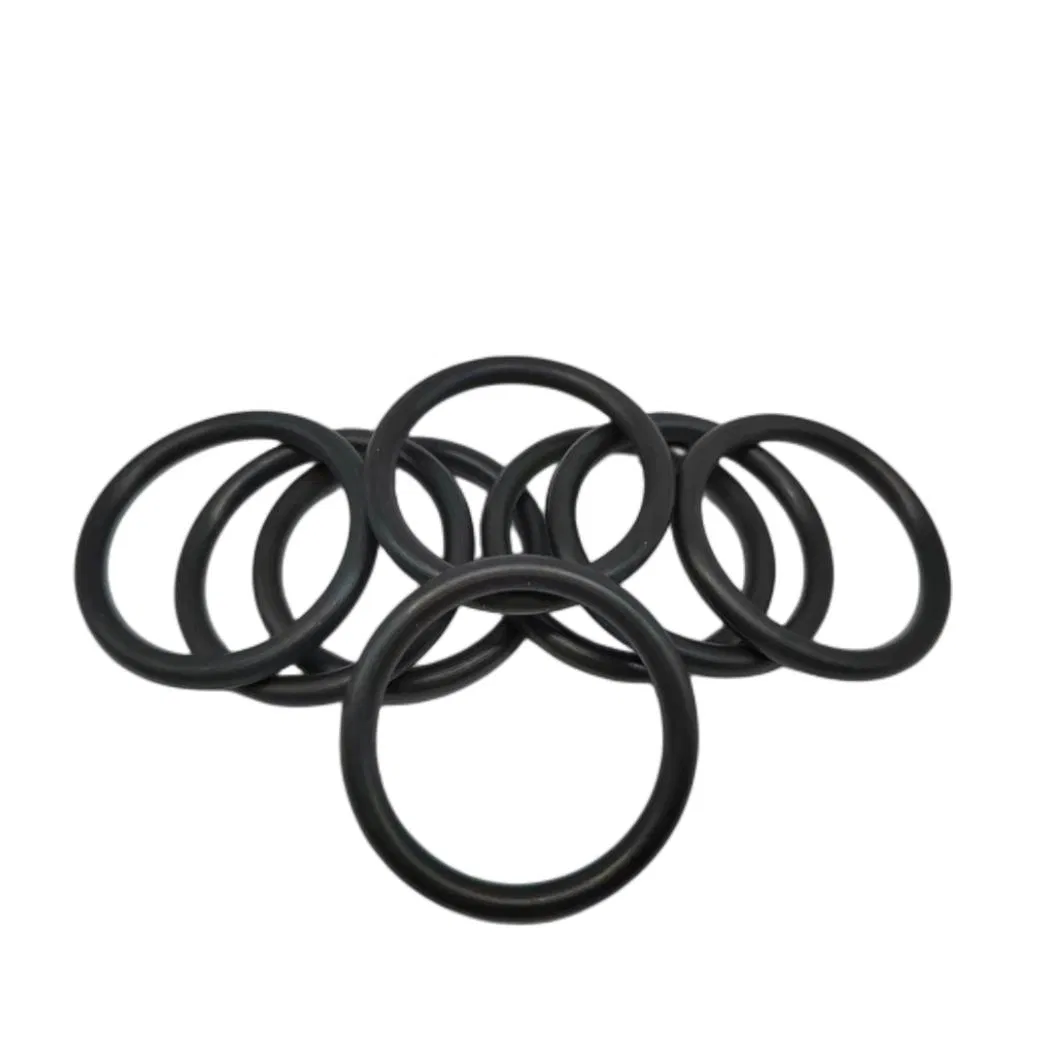
Engineering Excellence in 3M Rubber Sheet Production
At Suzhou Baoshida Trading Co., Ltd., our engineering capability forms the cornerstone of reliable 3M rubber sheet manufacturing for demanding industrial applications. We deploy a dedicated team of five specialized mold engineers and two advanced formula engineers, ensuring end-to-end technical oversight from material science to precision tooling. This integrated approach guarantees solutions that meet stringent OEM performance criteria while optimizing production efficiency and cost-effectiveness.
Our formula engineers possess deep expertise in polymer chemistry and compound development, critical for achieving the exact physical and chemical properties required in 3M rubber sheets. They rigorously design and validate formulations for resilience across extreme temperatures, chemical exposure, and dynamic stress conditions. Each compound undergoes accelerated aging protocols per ASTM D573 and compression set testing per ASTM D395 to ensure longevity in seals, gaskets, and vibration dampeners. Material traceability is maintained through every batch, with full documentation of raw material sourcing and mixing parameters to satisfy automotive and medical industry compliance demands.
The mold engineering team leverages advanced CAD/CAM systems and finite element analysis (FEA) to design tooling that achieves micron-level dimensional accuracy and consistent surface finish. We prioritize mold flow optimization to eliminate knit lines and voids, directly enhancing product integrity. For OEM partners, this translates to reduced scrap rates and accelerated time-to-market. Our facility supports rapid prototyping with 3D-printed molds for initial validation, followed by hardened steel production tools capable of tolerances to ±0.05mm.
OEM collaboration is central to our workflow. We provide full technical stewardship, including DFM (Design for Manufacturability) reviews, material selection guidance, and failure mode analysis. Clients retain exclusive rights to custom formulations and tooling, with secure IP management protocols throughout the project lifecycle. Our integrated quality control system employs real-time in-mold sensors and post-cure metrology to verify critical dimensions and hardness uniformity across large-format sheets.
Key performance metrics for our standard 3M rubber sheet formulations are summarized below:
| Property | Test Method | Typical Value | Application Impact |
|---|---|---|---|
| Hardness (Shore A) | ASTM D2240 | 50–80 ±3 | Sealability vs. compression load |
| Tensile Strength | ASTM D412 | 10–18 MPa | Resistance to tearing in dynamic use |
| Elongation at Break | ASTM D412 | 250–450% | Flexibility in complex assemblies |
| Compression Set (22h/70°C) | ASTM D395 | ≤25% | Long-term sealing force retention |
| Temperature Range | ASTM D573 | -40°C to +120°C | Operational stability in harsh env. |
Suzhou Baoshida delivers more than rubber sheets—we provide precision-engineered material solutions backed by actionable engineering data. Our dual focus on formula science and mold technology ensures OEMs receive components that perform predictably in mission-critical applications, reducing total cost of ownership through enhanced durability and manufacturing yield. Partner with us for technically rigorous, scalable production where material integrity is non-negotiable.
Customization Process

Drawing Analysis
The customization process for 3m rubber sheet solutions begins with a comprehensive drawing analysis, serving as the technical foundation for all subsequent stages. At Suzhou Baoshida Trading Co., Ltd., our engineering team conducts a meticulous review of customer-provided technical drawings, focusing on dimensional accuracy, tolerance specifications, and functional requirements. This includes evaluating thickness uniformity, edge definitions, cutout geometries, and surface finish criteria across the 3-meter sheet span. We assess compliance with international standards such as ISO 3302 for dimensional tolerances and ISO 2768 for general geometric specifications. Any discrepancies or design ambiguities are flagged for immediate consultation, ensuring alignment between the customer’s application needs and manufacturability. This phase also involves material suitability mapping based on operating conditions including temperature range, chemical exposure, compression set, and dynamic loading.
Formulation Development
Following drawing validation, our rubber formula engineers initiate the formulation phase, tailoring compound chemistry to meet the performance demands of the intended application. Utilizing a base polymer selection from NR, SBR, NBR, EPDM, or silicone, we adjust filler systems, vulcanizing agents, plasticizers, and protective additives to achieve target physical properties. Hardness is precisely modulated between 40 and 90 Shore A, while tensile strength, elongation at break, and compression set are optimized per ASTM D412 and ASTM D395 testing protocols. Specialized requirements such as flame resistance (UL 94), low-temperature flexibility (ASTM D746), or fluid resistance are addressed through additive engineering. Each formulation is documented under controlled batch records, ensuring full traceability and repeatability across production cycles.
Prototyping and Validation
A functional prototype is produced using precision calendering or compression molding techniques, replicating the final 3m sheet format under near-production conditions. Prototypes undergo rigorous in-house testing, including dimensional verification, hardness profiling, and environmental exposure trials. Customer feedback is integrated at this stage, allowing for iterative refinements in both geometry and material performance. First Article Inspection Reports (FAIR) and Material Test Reports (MTR) are generated to validate conformance.
Mass Production
Upon prototype approval, the project transitions to mass production. Our facility deploys continuous calendering lines with laser-guided thickness control to maintain ±0.1mm tolerance across 3m widths. All batches are subject to statistical process control (SPC), with real-time monitoring of cure characteristics via moving die rheometry (MDR). Final inspection includes visual grading, dimensional sampling, and certificate of compliance issuance.
Typical Physical Properties of Custom 3m Rubber Sheets
| Property | Test Method | Typical Range |
|---|---|---|
| Hardness (Shore A) | ASTM D2240 | 40–90 |
| Tensile Strength | ASTM D412 | 8–25 MPa |
| Elongation at Break | ASTM D412 | 200–600% |
| Compression Set (22h, 70°C) | ASTM D395 | ≤25% |
| Thickness Tolerance | ISO 3302 | ±0.1 to ±0.5 mm |
| Sheet Dimensions | Custom | Up to 3000 mm × 15000 mm |
Contact Engineering Team
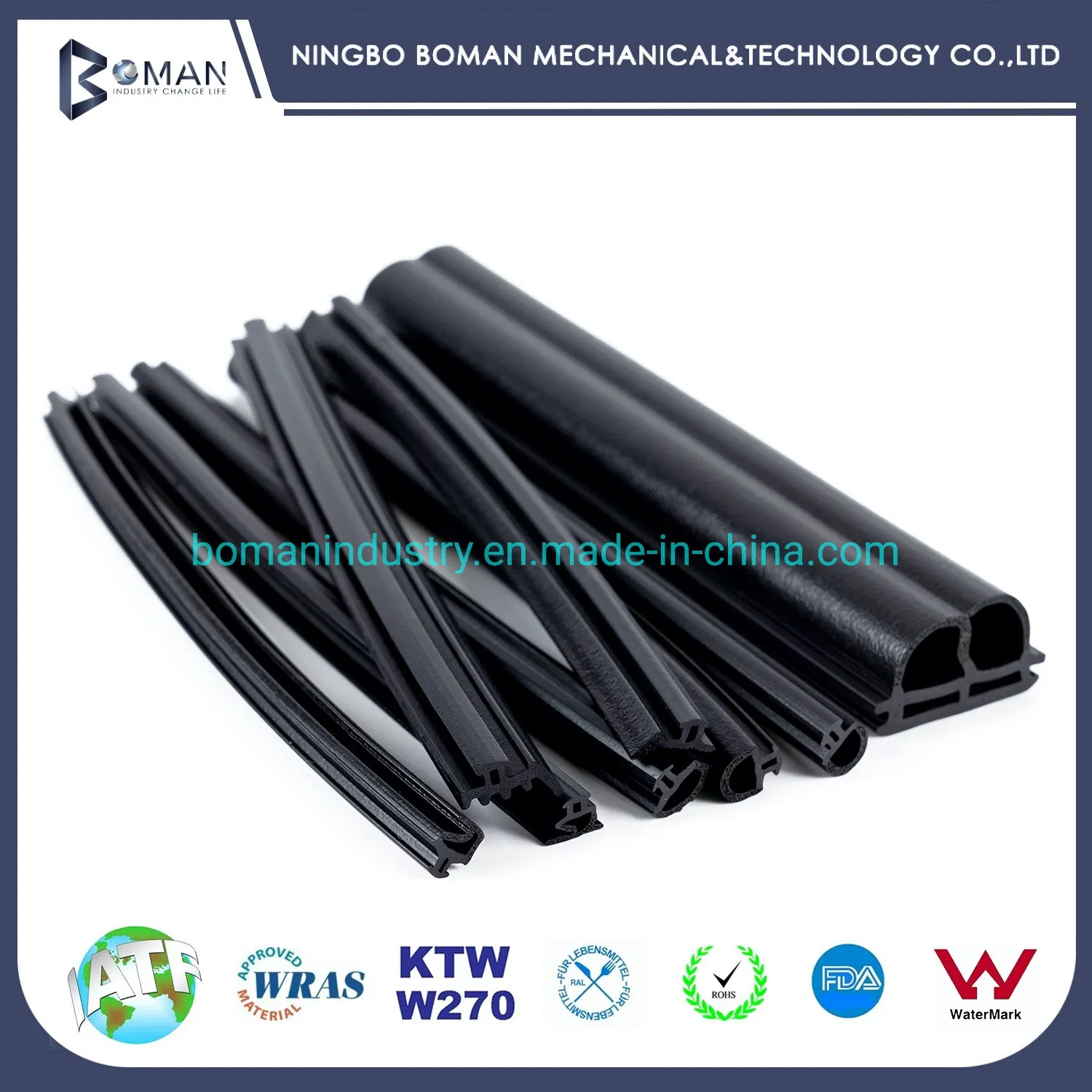
Contact Suzhou Baoshida for Precision 3M Rubber Sheet Solutions
Suzhou Baoshida Trading Co., Ltd. stands as your strategic partner for engineered rubber solutions, specializing in the precise formulation and supply of 3M rubber sheets tailored to demanding industrial applications. Our expertise bridges advanced polymer science with rigorous manufacturing execution, ensuring every sheet meets exacting dimensional, chemical, and performance specifications critical for aerospace, automotive sealing, semiconductor tooling, and heavy machinery. Unlike generic suppliers, we leverage proprietary compounding methodologies and stringent QC protocols to deliver consistency where tolerances are measured in microns and failure is not an option.
Technical validation is paramount in high-stakes environments. The table below outlines core specifications for our standard 3M rubber sheet offerings, reflecting our commitment to data-driven material selection. These values represent baseline capabilities; all formulations are customizable to match your unique operational parameters, including resistance to specific solvents, extreme temperatures, or plasma exposure.
| Property | Standard Range | Test Method | Notes |
|---|---|---|---|
| Hardness (Shore A) | 50 – 90 | ASTM D2240 | Custom grades available |
| Tensile Strength (MPa) | 8.0 – 22.0 | ASTM D412 | Reinforced compounds up to 30 |
| Elongation at Break (%) | 150 – 600 | ASTM D412 | Optimized for flexibility |
| Temperature Range (°C) | -50 to +250 | ISO 188 | Extended range options exist |
| Compression Set (70h/70°C) | ≤ 25% | ASTM D395 | Critical for sealing longevity |
| Specific Gravity | 1.10 – 1.50 | ASTM D297 | Density-controlled batches |
Our engineering team collaborates directly with OEMs to resolve complex material challenges, from mitigating outgassing in vacuum systems to enhancing abrasion resistance in mining equipment. We provide full traceability via batch-certified test reports and support rapid prototyping through our Suzhou-based technical center. As an OEM manager, I emphasize our agility in scaling production from pilot batches to multi-ton annual contracts without compromising on the repeatability demanded by Tier-1 manufacturers.
Initiate your project with a technical consultation to define material requirements against application stressors. Contact Mr. Boyce, our dedicated OEM Solutions Manager, who possesses 14 years of experience in rubber compounding for precision industrial components. He will coordinate a cross-functional review of your engineering drawings, environmental exposure data, and performance targets to propose a validated solution. Provide your project timeline, volume needs, and critical failure modes for immediate analysis.
Direct engagement ensures alignment from specification to delivery. Email Mr. Boyce at [email protected] with subject line “3M Rubber Sheet Technical Inquiry – [Your Company Name]”. Include relevant application details for a targeted response within 24 business hours. For urgent requirements, reference your project code in correspondence to expedite engineering resource allocation. Suzhou Baoshida operates under ISO 9001:2015 certification, guaranteeing documented processes from raw material sourcing to final inspection. Partner with us to transform material specifications into reliable, high-performance outcomes.
⚖️ O-Ring Weight Calculator
Estimate rubber O-ring weight (Approx).