
Technical Contents
Engineering Guide: 4 Inch Rubber Casters
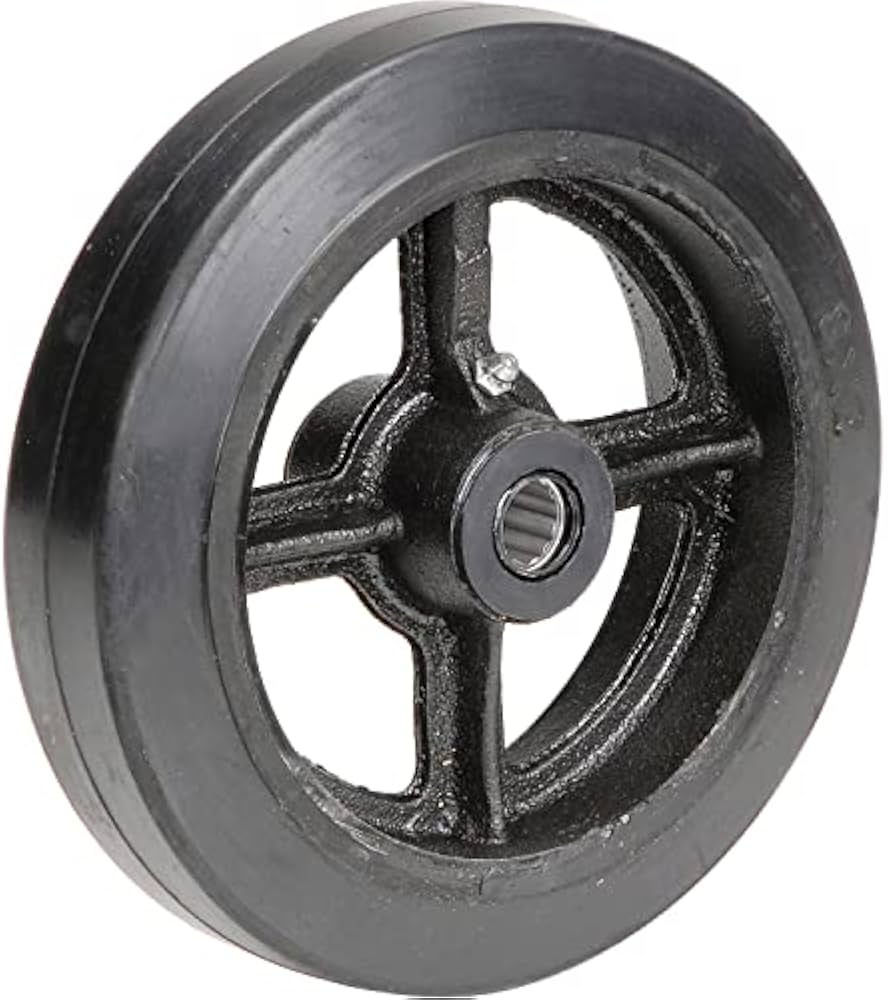
Engineering Insight: 4 Inch Rubber Casters – The Critical Role of Material Selection
In industrial applications, the performance and longevity of 4 inch rubber casters are fundamentally determined by material selection. While off-the-shelf casters may appear cost-effective, they frequently fail to meet the demands of specialized environments due to generic rubber formulations that lack tailored mechanical and chemical resistance properties. At Suzhou Baoshida Trading Co., Ltd., we emphasize engineered rubber solutions designed to align with operational parameters such as load dynamics, floor integrity, temperature exposure, and chemical contact.
Standard rubber casters often utilize natural rubber or low-grade synthetic compounds that degrade rapidly under continuous stress or exposure to oils, UV radiation, or cleaning agents. These materials exhibit poor resistance to abrasion and compression set, leading to premature tread cracking, deformation, and wheel lock-up. In high-traffic logistics or manufacturing zones, such failures result in downtime, safety hazards, and increased replacement costs.
In contrast, precision-formulated rubber compounds—such as polyurethane, nitrile (NBR), or thermoplastic elastomers (TPE)—offer superior performance under targeted conditions. Polyurethane provides exceptional load-bearing capacity and abrasion resistance, making it ideal for heavy-duty material handling on smooth surfaces. Nitrile rubber excels in oil and grease resistance, critical in automotive or machining environments. TPE blends balance elasticity and durability while maintaining chemical inertness, suitable for cleanroom or food-grade applications.
Material hardness, measured in Shore A durometer, further influences caster performance. A 75–85 Shore A compound ensures optimal floor protection and rolling efficiency, whereas harder formulations (>90 Shore A) increase wear on flooring and reduce shock absorption. Conversely, overly soft compounds (<70 Shore A) deform under load, increasing rolling resistance and reducing service life.
Customization extends beyond base polymer selection. Additives such as anti-static agents, UV stabilizers, and reinforcing fillers enhance functionality in niche applications. For example, conductive carbon-loaded rubber prevents electrostatic discharge in electronics assembly lines, while flame-retardant compounds meet safety standards in high-risk facilities.
The failure of generic casters often stems from a one-size-fits-all approach that ignores environmental variables. At Suzhou Baoshida, our engineering team collaborates with OEMs to analyze application profiles and formulate rubber compounds that deliver reliability, efficiency, and compliance.
Below is a comparative overview of common rubber materials used in 4 inch industrial casters:
| Material | Shore A Hardness | Load Capacity (kg) | Key Resistance Properties | Typical Applications |
|---|---|---|---|---|
| Natural Rubber | 60–75 | 200–300 | Abrasion, Impact | Light-duty, indoor transport |
| Polyurethane | 80–95 | 400–600 | Abrasion, Oils, UV | Warehousing, Assembly Lines |
| Nitrile (NBR) | 70–85 | 350–500 | Oil, Grease, Water | Automotive, Machining |
| TPE | 75–90 | 300–450 | Chemicals, Temperature Cycling | Cleanrooms, Food Processing |
| EVA Foam Core | 40–60 (core) | 150–250 | Shock Absorption, Noise Dampening | Sensitive Equipment, Hospitals |
Material selection is not a commodity decision—it is an engineering imperative. Partnering with a technical supplier ensures that 4 inch rubber casters perform reliably under real-world conditions, reducing lifecycle costs and enhancing operational continuity.
Material Specifications
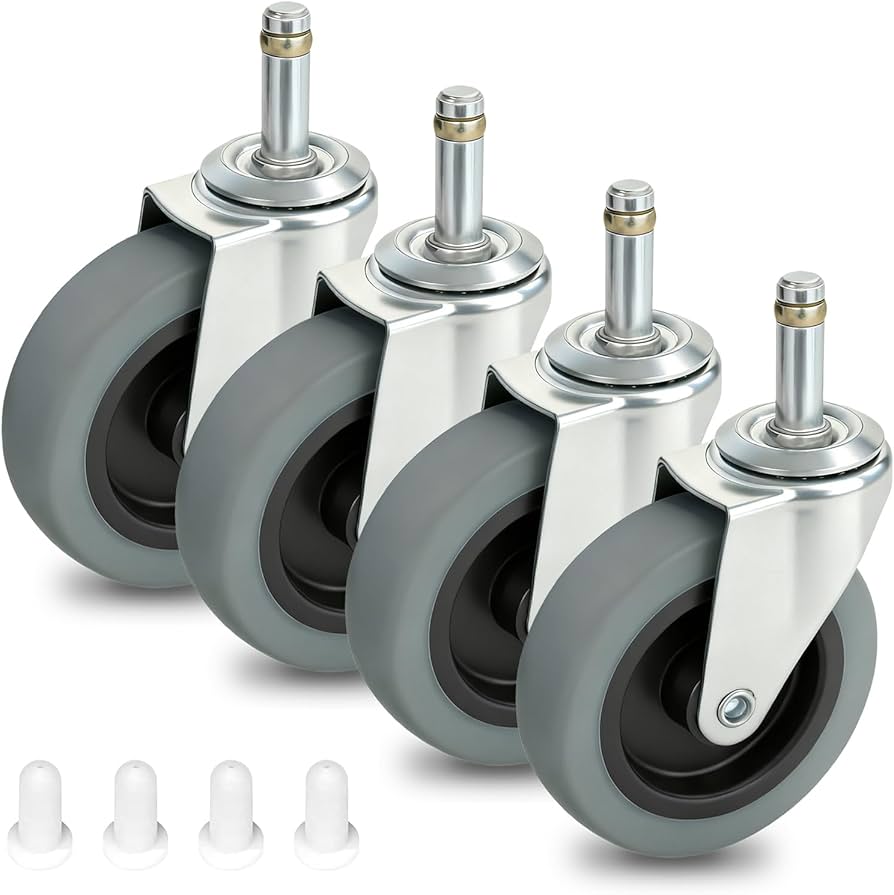
Material Specifications for 4 Inch Industrial Rubber Casters
Selecting the optimal elastomer for 4 inch rubber casters is critical for performance longevity in demanding industrial environments. At Suzhou Baoshida Trading Co., Ltd., we engineer formulations based on rigorous application analysis, prioritizing chemical resistance, thermal stability, load distribution, and floor protection. Our core materials—Viton, Nitrile, and Silicone—each address distinct operational challenges. Material choice directly impacts caster service life, rolling efficiency, and total cost of ownership. Below we detail technical specifications and contextual applications for informed procurement decisions.
Nitrile rubber (NBR) remains the industry standard for general industrial use due to its exceptional balance of oil and fuel resistance coupled with abrasion durability. Our compounded NBR formulations achieve Shore A hardness values between 60–85, providing optimal floor protection while maintaining load capacity up to 1,200 kg per caster. NBR operates reliably within -30°C to +100°C continuous service temperatures. It exhibits strong resistance to aliphatic hydrocarbons, hydraulic fluids, and greases but degrades under prolonged exposure to ozone, strong acids, or aromatic solvents. This material is ideal for warehouse logistics, manufacturing assembly lines, and equipment handling where oil contact is frequent but extreme temperatures are absent.
Silicone rubber (VMQ) excels in extreme temperature applications where thermal stability is non-negotiable. Our silicone casters maintain integrity from -60°C to +230°C continuous operation, with intermittent tolerance up to +260°C. With Shore A hardness ranging from 40–70, silicone offers superior flexibility at low temperatures but lower abrasion resistance compared to NBR. It demonstrates excellent resistance to oxidation, UV exposure, and water/steam, yet shows poor mechanical strength against tearing and limited resistance to concentrated acids or solvents. Silicone is specified for autoclave transport, cleanroom environments, and cryogenic handling where thermal extremes outweigh abrasion concerns.
Viton (FKM) represents the premium solution for severe chemical exposure. Its fluoropolymer backbone delivers unparalleled resistance to aggressive media including aromatic hydrocarbons, chlorinated solvents, jet fuels, and strong acids. Operating effectively from -20°C to +200°C, Viton achieves Shore A 70–80 hardness, providing robust load-bearing capability (up to 1,500 kg per caster) with minimal compression set. While significantly more expensive than alternatives, Viton’s longevity in chemical processing, aerospace, and pharmaceutical settings justifies its cost where failure is unacceptable. Note that Viton exhibits poor low-temperature flexibility and requires specialized processing.
Material Performance Comparison for 4 Inch Casters
| Material | Hardness Range (Shore A) | Temperature Range (°C) | Key Chemical Resistances | Primary Industrial Applications | Load Capacity Impact |
|---|---|---|---|---|---|
| Nitrile (NBR) | 60–85 | -30 to +100 | Oils, greases, aliphatic hydrocarbons | Warehousing, automotive assembly, material handling | High (optimal balance) |
| Silicone (VMQ) | 40–70 | -60 to +230 | Water, steam, oxygen, UV | Cleanrooms, medical equipment, cryogenics | Moderate (lower abrasion resistance) |
| Viton (FKM) | 70–80 | -20 to +200 | Aromatics, acids, solvents, jet fuels | Chemical plants, aerospace, pharma | Very High (superior resilience) |
Material selection must align with specific environmental stressors and lifecycle requirements. Suzhou Baoshida Trading Co., Ltd. conducts ASTM D2000-compliant testing on all formulations to validate performance claims. We recommend comprehensive operational profiling before specification—factors like dynamic load profiles, floor surface chemistry, and exposure duration dictate the optimal elastomer. Our OEM engineering team provides application-specific compound tuning to maximize caster ROI across your operational parameters. Precision material science ensures your mobile equipment performs reliably under real-world industrial demands.
Manufacturing Capabilities
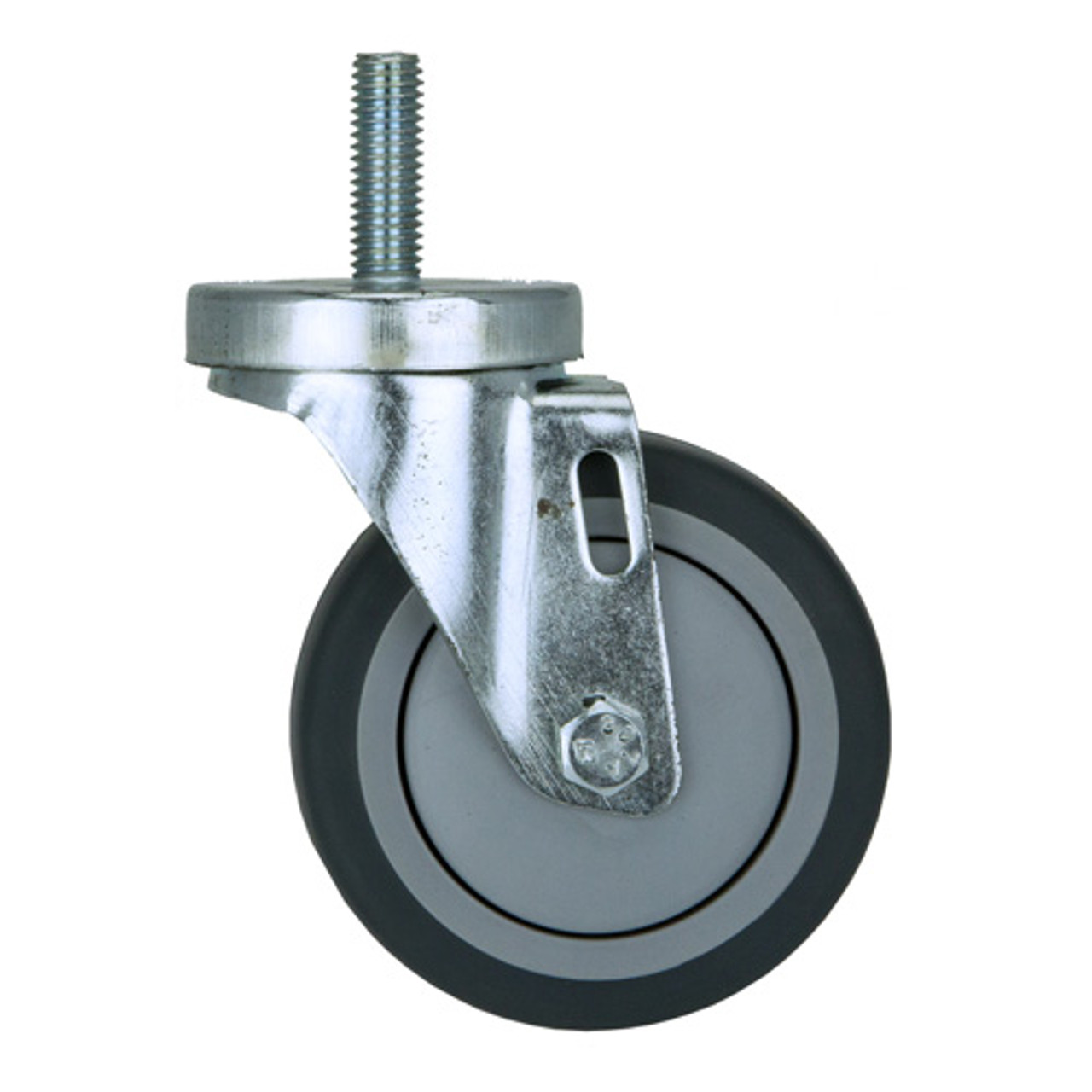
Engineering Excellence in Industrial Rubber Caster Development
At Suzhou Baoshida Trading Co., Ltd., our engineering capability forms the backbone of our industrial rubber solutions, particularly in the design and production of 4 inch rubber casters for demanding B2B applications. With a dedicated team of five mould engineers and two specialized rubber formula engineers, we integrate material science with precision tooling to deliver casters that meet exacting performance, durability, and environmental requirements.
Our formula engineers possess in-depth expertise in polymer chemistry and elastomer compounding. They develop proprietary rubber formulations tailored to specific industrial needs—whether it’s high load-bearing capacity, resistance to oils and chemicals, low rolling resistance, or noise reduction on sensitive flooring. Each formulation is rigorously tested for hardness (Shore A), tensile strength, elongation at break, compression set, and abrasion resistance. This scientific approach ensures that our 4 inch rubber casters perform reliably under continuous operation in factories, warehouses, medical facilities, and logistics centers.
Complementing our material expertise, our five mould engineers specialize in precision tooling design and optimization. They utilize advanced CAD/CAM systems and finite element analysis (FEA) to design moulds that ensure dimensional accuracy, consistent part geometry, and efficient production cycles. Our in-house mould development allows rapid prototyping, faster time-to-market, and full control over quality at every stage of production. This vertical integration is critical in supporting complex OEM requirements where custom tread profiles, hub designs, or mounting configurations are needed.
We offer comprehensive OEM services, from concept and material selection to final validation and mass production. Our engineering team collaborates directly with clients to understand operational conditions, load dynamics, and environmental factors. This consultative approach enables us to co-develop casters that solve real-world challenges—such as minimizing floor damage, enhancing maneuverability, or extending service life under extreme temperatures.
Our production facility supports both small-batch custom runs and high-volume manufacturing, all under strict ISO-compliant quality controls. Every 4 inch rubber caster undergoes performance validation, including dynamic load testing, swivel resistance measurement, and durability cycling, ensuring compliance with international industrial standards.
Below are the standard technical specifications for our 4 inch rubber casters, which can be customized based on OEM requirements:
| Specification | Standard Value | Customization Range |
|---|---|---|
| Wheel Diameter | 4 inch (100 mm) | ±1 mm |
| Tread Width | 32 mm | 25–50 mm |
| Load Capacity per Caster | 300 kg | Up to 500 kg (reinforced design) |
| Hardness (Shore A) | 75±5 | 60–90 |
| Operating Temperature | -20°C to +70°C | Down to -40°C or up to +100°C |
| Material | High-resilience rubber (non-marking) | Oil-resistant, anti-static, conductive variants |
| Bearings | Roller or precision ball bearings | Sealed, stainless steel options |
| Mounting Type | Plate or stem | Custom brackets, specialized fittings |
Through the synergy of advanced rubber formulation and precision engineering, Suzhou Baoshida delivers 4 inch rubber casters that combine performance, longevity, and reliability—engineered to meet the evolving demands of modern industry.
Customization Process
Customization Process for 4 Inch Industrial Rubber Casters
At Suzhou Baoshida Trading Co., Ltd., our customization process for 4 inch rubber casters is engineered to transform client specifications into high-performance, application-specific solutions. This systematic approach ensures optimal functionality, durability, and cost-efficiency, directly addressing the demanding requirements of industrial environments. We strictly adhere to a four-phase methodology: Drawing Analysis, Formulation Development, Prototyping & Validation, and Controlled Mass Production. Each phase incorporates rigorous scientific evaluation and industrial best practices to mitigate risk and guarantee final product integrity.
The process commences with meticulous Drawing Analysis. Our engineering team scrutinizes client-provided CAD models and technical drawings, focusing on dimensional tolerances, load distribution points, axle interface geometry, and mounting configurations. Critical assessment includes verifying material compatibility with anticipated operating conditions such as floor surface type, ambient temperature extremes, and exposure to oils, chemicals, or UV radiation. This phase identifies potential stress concentrations or design conflicts early, preventing costly revisions later. Precise alignment between the mechanical structure and the intended rubber compound properties is paramount.
Subsequently, Formulation Development leverages our deep expertise in polymer science. Based on the validated drawing requirements and operational profile, we engineer a bespoke rubber compound. Key parameters optimized include durometer (Shore A), tensile strength, elongation at break, rebound resilience, and abrasion resistance. We select the appropriate base polymer—typically natural rubber (NR), styrene-butadiene rubber (SBR), or polyurethane (PU)—and precisely calibrate filler systems, plasticizers, vulcanizing agents, and protective additives. This phase ensures the rubber achieves the necessary balance between load-bearing capacity, rolling efficiency, shock absorption, and environmental resistance for the specific 4 inch caster application.
The formulated compound progresses to Prototyping & Validation. We manufacture low-volume prototypes using client-approved tooling. These units undergo exhaustive laboratory and simulated field testing per ASTM and ISO standards. Critical evaluations encompass dynamic load testing, rolling resistance measurement, impact resistance, fatigue life assessment, and chemical exposure trials. Performance data is rigorously compared against the initial specification and drawing requirements. Client feedback on prototype performance is integrated, and compound or minor design refinements are implemented before final sign-off. This validation step is non-negotiable for preventing field failures.
Upon successful prototype approval, Controlled Mass Production initiates under stringent statistical process control (SPC). Raw material batches are certified, and in-line monitoring ensures consistent vulcanization parameters, dimensional accuracy, and compound homogeneity. Every production batch undergoes final quality assurance checks, including visual inspection, hardness verification, and random destructive testing. Traceability is maintained from raw material lot to finished caster, ensuring full accountability and facilitating any necessary root cause analysis. This phase delivers the reliability and uniformity demanded by industrial OEMs.
The following table outlines critical performance specifications achievable through our customization process for 4 inch rubber casters:
| Parameter | Standard Spec Range | Customization Range |
|---|---|---|
| Load Capacity | 100 – 300 kg | 50 – 500 kg |
| Operating Temp | -20°C to +70°C | -40°C to +100°C |
| Shore A Hardness | 65° – 85° | 40° – 95° |
| Rolling Resistance | ≤ 5.0 N/kN | Optimized for specific floor types |
| Chemical Resistance | Basic Oil Resistance | Enhanced for acids, solvents, ozone |
This structured customization pathway, underpinned by advanced material science and disciplined manufacturing protocols, ensures Suzhou Baoshida delivers 4 inch rubber casters that exceed operational expectations and provide measurable value within complex industrial supply chains.
Contact Engineering Team
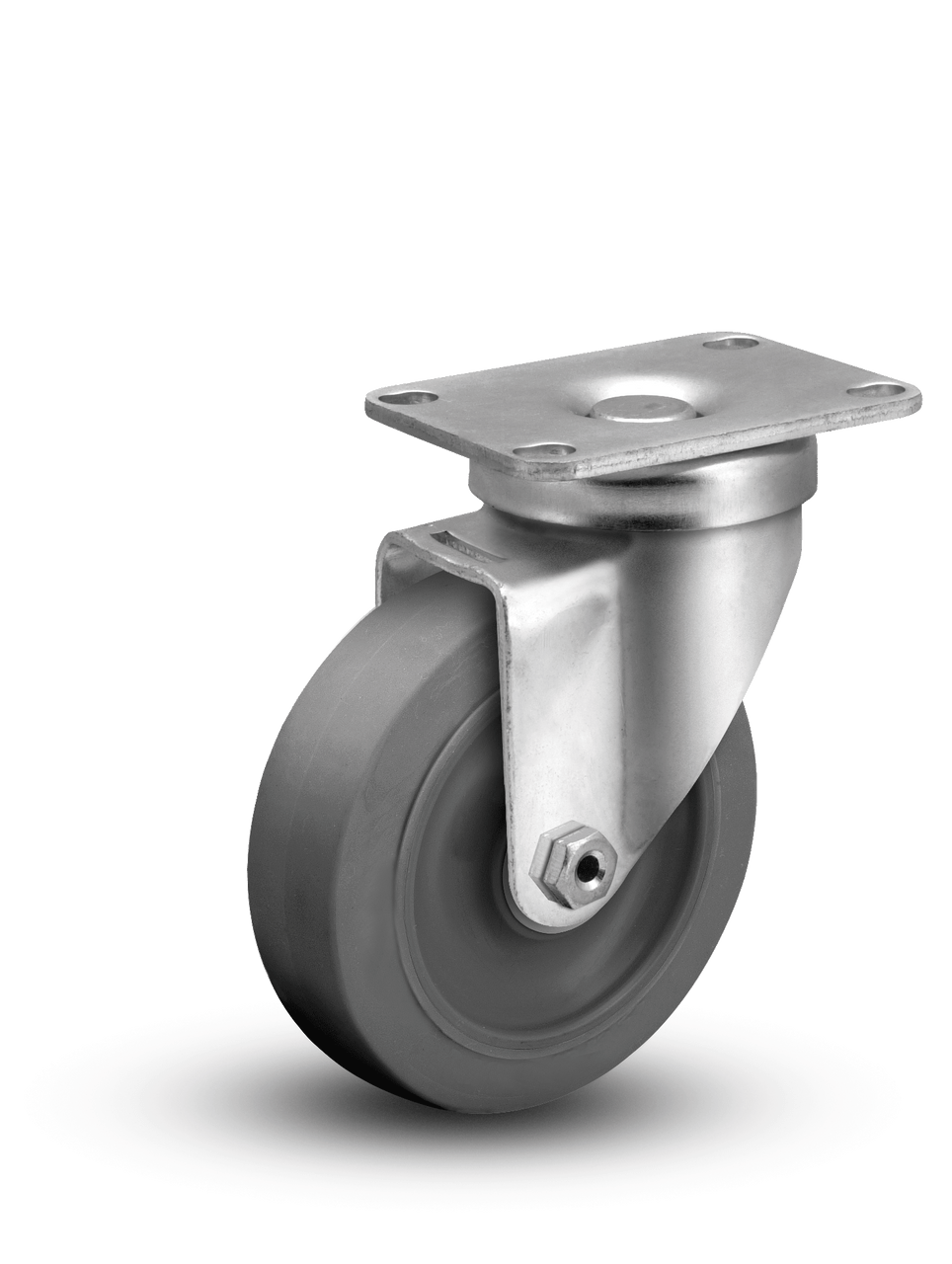
For industrial manufacturers and procurement managers seeking high-performance 4 inch rubber casters, Suzhou Baoshida Trading Co., Ltd. stands as a trusted partner in precision rubber solutions. With years of specialized engineering expertise and a deep understanding of material science, we deliver casters engineered for durability, load integrity, and operational efficiency across demanding environments. Whether your application involves heavy-duty material handling, cleanroom logistics, or high-traffic industrial transport, our 4 inch rubber casters are formulated to meet exacting standards.
Our rubber formulations are developed in-house, allowing full control over hardness, rebound resilience, abrasion resistance, and noise reduction. Each caster is precision-molded to ensure dimensional accuracy and consistent rolling performance. We utilize advanced vulcanization techniques to bond rubber securely to steel or nylon cores, eliminating delamination under stress. The result is a caster that maintains structural integrity over extended service life, even under continuous load and variable floor conditions.
We understand that industrial buyers require not only product reliability but also supply chain consistency and responsive technical support. At Suzhou Baoshida, we combine manufacturing excellence with personalized service. Our engineering team works directly with clients to tailor solutions—adjusting durometer ratings, axle types, mounting configurations, and swivel or rigid designs—based on specific operational demands.
Below are the standard technical specifications for our 4 inch rubber casters, commonly used in industrial trolleys, machinery bases, and transport platforms:
| Specification | Value |
|---|---|
| Wheel Diameter | 4 inches (101.6 mm) |
| Tread Width | 1.25 inches (31.75 mm) |
| Load Capacity per Caster | Up to 800 kg (1,764 lbs) |
| Wheel Hardness (Shore A) | 75 ± 5 |
| Operating Temperature Range | -20°C to +70°C (-4°F to +158°F) |
| Core Material | Press-forged steel or nylon |
| Finish | Smooth, non-marking rubber |
| Mounting Type | Plate or stem (customizable) |
| Swivel Radius | 5.5 inches (139.7 mm) |
| Bearing Type | Precision ball bearing or plain bearing options |
All casters undergo rigorous quality control, including dynamic load testing, rotational torque measurement, and floor compatibility validation. We comply with ISO 9001 standards and support OEM branding, volume production, and just-in-time delivery schedules.
To discuss your specific application requirements or request samples and quotations, contact Mr. Boyce, OEM Manager and Rubber Formula Engineer at Suzhou Baoshida Trading Co., Ltd. He is available to provide technical consultation, material data sheets, and customized formulation recommendations based on your operational environment.
Reach out directly via email at [email protected] to initiate a technical dialogue. We respond to all inquiries within 12 business hours and offer virtual or on-site support for high-volume partnerships. Let Suzhou Baoshida be your engineered solution provider for industrial rubber casters—where material science meets manufacturing precision.
⚖️ O-Ring Weight Calculator
Estimate rubber O-ring weight (Approx).