
Technical Contents
Engineering Guide: 5 Gallon Gas Can Gasket
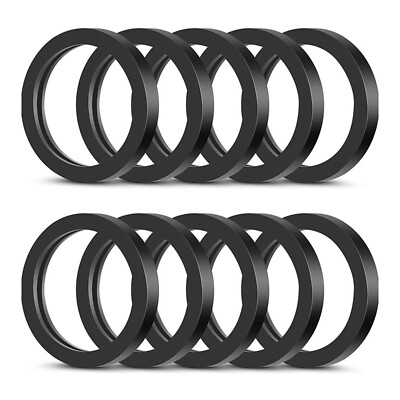
Engineering Insight: 5 Gallon Gas Can Gasket – The Critical Role of Material Selection
In the manufacturing and distribution of 5 gallon gas cans, the gasket functions as a critical sealing interface between the container and its closure. While often overlooked, this small component plays a decisive role in ensuring leak-proof performance, chemical resistance, and long-term durability. A failure in gasket integrity can lead to fuel leakage, vapor emissions, regulatory non-compliance, and even safety hazards. Despite its importance, many manufacturers default to off-the-shelf rubber gaskets without considering the specific chemical, thermal, and mechanical demands of gasoline exposure. This oversight frequently results in premature degradation, swelling, embrittlement, and seal failure.
Gasoline is a complex hydrocarbon mixture containing aromatic compounds, oxygenates, and additives that aggressively attack many elastomers. Standard rubber materials such as natural rubber (NR) or low-grade nitrile (NBR) may initially appear to seal adequately but often degrade rapidly due to fuel permeation and chemical swelling. These materials lack sufficient resistance to aliphatic and aromatic hydrocarbons, leading to volume expansion, loss of tensile strength, and compression set. As the gasket deforms, the sealing force diminishes, creating pathways for fuel leakage and vapor escape.
At Suzhou Baoshida Trading Co., Ltd., we emphasize engineered material selection based on application-specific performance criteria. For 5 gallon gas can gaskets, fluorocarbon rubber (FKM) and high-acrylonitrile NBR (typically >36% ACN) are preferred due to their superior resistance to fuel and oil exposure. FKM offers exceptional performance in high-temperature environments and against a broad spectrum of hydrocarbons, making it ideal for premium applications. However, due to cost constraints, high-ACN NBR remains a practical and effective solution for standard gasoline containment when properly formulated.
Another common failure point stems from inconsistent durometer (hardness) and compression set values in generic gaskets. Off-the-shelf products often use inconsistent compounding practices, leading to variable performance across batches. Precision-molded gaskets manufactured under controlled conditions ensure uniform cross-sectional hardness, dimensional accuracy, and consistent sealing force—critical for automated filling and capping lines.
The following table outlines key material specifications relevant to 5 gallon gas can gaskets:
| Property | High-ACN NBR | FKM (Fluorocarbon) | Standard NBR |
|---|---|---|---|
| Acrylonitrile Content | >36% | N/A | 18–25% |
| Hardness (Shore A) | 60–80 | 65–85 | 50–70 |
| Tensile Strength (MPa) | ≥15 | ≥12 | ≥10 |
| Elongation at Break (%) | ≥250 | ≥150 | ≥200 |
| Compression Set (22 hrs, 100°C) | ≤30% | ≤20% | ≤40% |
| Resistance to Gasoline | Excellent | Outstanding | Poor to Fair |
Material selection must be aligned with regulatory standards such as EPA, CARB, and UL, which govern permeation rates and environmental emissions. Suzhou Baoshida Trading Co., Ltd. provides OEMs with application-tested rubber seals engineered for long-term reliability, ensuring compliance and performance in real-world conditions. Custom compounding, precision molding, and rigorous QC protocols differentiate engineered gaskets from generic alternatives—delivering not just a seal, but a guaranteed performance solution.
Material Specifications
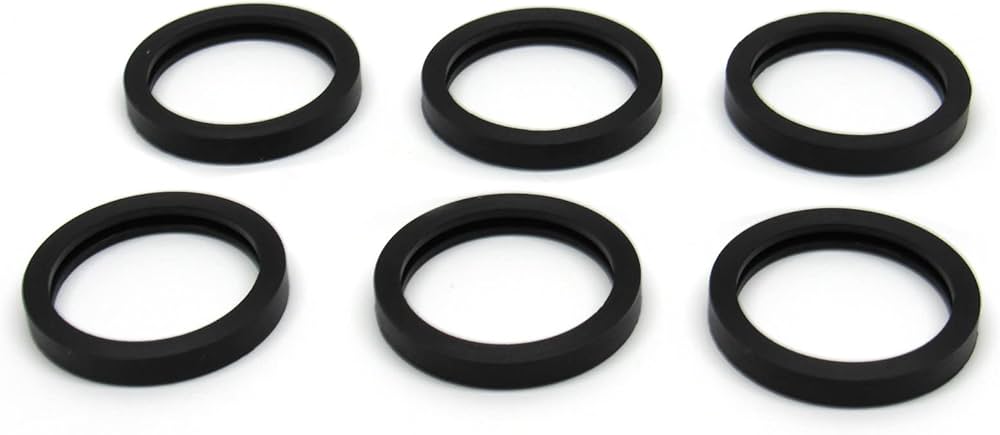
Material Specifications for 5-Gallon Gas Can Gasket Applications
Selection of the optimal elastomer for 5-gallon gas can gaskets is critical for ensuring long-term fuel containment, regulatory compliance, and operational safety. Exposure to hydrocarbon fuels, oxygenated additives (e.g., ethanol blends up to E15), temperature extremes, and mechanical compression demands materials with rigorously defined chemical resistance and physical stability. At Suzhou Baoshida Trading Co., Ltd., we supply precision-engineered gaskets meeting ASTM D2000 and ISO 37 standards, with material formulations validated for sustained performance in demanding fuel-handling environments. Below we detail the technical profiles of Viton (FKM), Nitrile (NBR), and Silicone, the primary elastomers specified for this application.
Viton (FKM) Performance Characteristics
Viton fluorocarbon rubber delivers superior resistance to gasoline, diesel, ethanol blends, and aromatic hydrocarbons, making it the premium choice for modern oxygenated fuels. Its molecular structure provides exceptional thermal stability (-20°C to +200°C continuous service) and low permeability, critical for minimizing evaporative emissions. Standard hardness ranges from 65 to 85 Shore A, with tensile strength exceeding 15 MPa per ASTM D412. Viton exhibits minimal swell in E10-E15 blends (<15% volume change) and maintains sealing force under prolonged compression (compression set <25% per ASTM D395). This material is essential for OEMs requiring compliance with EPA evaporative emission standards but commands a higher cost basis.
Nitrile (NBR) Performance Characteristics
Nitrile rubber offers an optimal balance of fuel resistance, mechanical durability, and cost efficiency for conventional gasoline applications. With acrylonitrile content typically 34-45%, it achieves moderate resistance to aliphatic hydrocarbons and E10 ethanol blends (swell <25% in E10). Service temperature limits range from -30°C to +120°C, with hardness grades spanning 50-90 Shore A. Tensile strength averages 10-18 MPa, and elongation exceeds 250%. While susceptible to degradation in high-ethanol blends (E15+) and ozone exposure, NBR remains the industry standard for cost-sensitive applications where fuel composition is strictly controlled. Compression set values typically fall between 20-35% after 70 hours at 100°C.
Silicone Limitations for Fuel Service
Silicone rubber (VMQ) is not recommended for direct gasoline or ethanol-blend contact despite its wide temperature range (-60°C to +200°C) and flexibility. It exhibits severe swelling (>100% volume change) and loss of mechanical integrity when exposed to hydrocarbons, leading to catastrophic seal failure. Silicone’s primary utility in gas can systems is limited to non-fuel-contact components like handle grommets or vent caps where extreme temperature flexibility is required.
Comparative Material Specifications
| Property | Viton (FKM) | Nitrile (NBR) | Silicone (VMQ) | Test Standard |
|---|---|---|---|---|
| Base Polymer | Fluorocarbon | Acrylonitrile-Butadiene | Polydimethylsiloxane | ASTM D1418 |
| Hardness Range (Shore A) | 65–85 | 50–90 | 30–80 | ASTM D2240 |
| Tensile Strength (MPa) | ≥15 | 10–18 | 5–10 | ASTM D412 |
| Elongation at Break (%) | 150–300 | 250–500 | 200–800 | ASTM D412 |
| Compression Set (%) | <25 | 20–35 | 15–30 | ASTM D395 B |
| Temp Range (°C) | -20 to +200 | -30 to +120 | -60 to +200 | ASTM D2240 |
| E10 Fuel Swell (%) | <15 | 15–25 | >100 | ASTM D471 |
| E15 Fuel Suitability | Excellent | Marginal | Unsuitable | ISO 1817 |
Material selection must align with specific fuel chemistry, regulatory requirements, and lifecycle cost analysis. Suzhou Baoshida provides certified material test reports and OEM validation support to ensure gasket integrity across the operational envelope. Consult our engineering team for application-specific formulation recommendations.
Manufacturing Capabilities
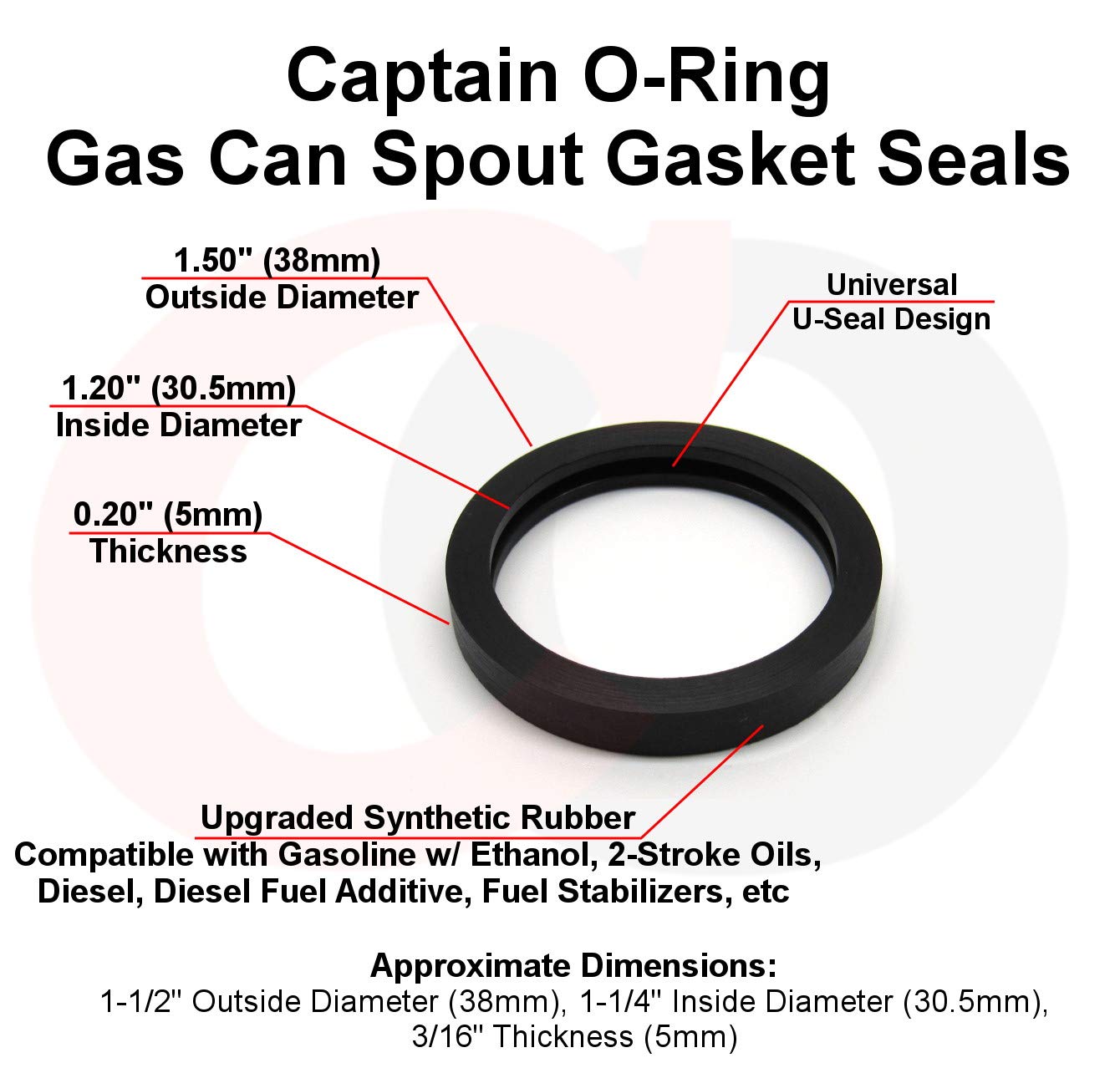
Engineering Capability: Precision Development for 5 Gallon Gas Can Gaskets
At Suzhou Baoshida Trading Co., Ltd., our engineering capability in precision rubber seals is anchored in a dedicated team of technical specialists focused on material science and mold design. We employ five experienced mold engineers and two certified rubber formulation engineers, enabling full in-house control from concept to production. This integrated team structure supports advanced development of 5 gallon gas can gaskets that meet stringent performance requirements for fuel resistance, compression set, and long-term sealing integrity.
Our mold engineers utilize state-of-the-art CAD/CAM software, including SolidWorks and AutoCAD, to design precision tooling with tight tolerances (±0.05 mm). Each mold is optimized for uniform material flow, minimal flash, and extended service life—critical for high-volume OEM production. Finite element analysis (FEA) is applied during the design phase to simulate stress distribution and deformation under operational conditions, ensuring reliable performance across temperature extremes and mechanical load cycles.
Complementing mold design, our two rubber formula engineers specialize in elastomer chemistry for fuel and chemical exposure environments. They develop custom EPDM, NBR, and FKM compounds tailored to the specific vapor barrier, ozone resistance, and low-temperature flexibility demands of gas can applications. Each formulation undergoes rigorous testing for swelling in gasoline (ASTM D471), compression set (ASTM D395), and tensile strength (ASTM D412) to ensure compliance with industry standards. Our lab maintains accelerated aging ovens, durometers, and tensile testers to validate material performance prior to tooling release.
As an OEM partner, we offer complete turnkey solutions—from prototype to mass production. Our engineering team collaborates directly with client design specifications to modify gasket geometry, adjust durometer (40–90 Shore A), or reformulate compounds for regulatory compliance (e.g., EPA, CARB). We support rapid prototyping with 3D-printed molds and short-run silicone tooling, reducing development lead time by up to 40%. All tooling is manufactured in-house or through certified partners under strict quality oversight, with full documentation including DFM reports, material certifications, and PPAP submissions.
Our vertically integrated engineering approach ensures consistency, traceability, and scalability for global supply chains. Whether adapting an existing gasket design or developing a new sealing solution, Suzhou Baoshida provides the technical depth and OEM agility required for high-performance rubber components.
| Specification | Value/Range |
|---|---|
| Material Types | NBR, EPDM, FKM, ACM |
| Durometer Range | 40–90 Shore A |
| Tolerance | ±0.05 mm |
| Temperature Resistance | -40°C to +150°C (FKM) |
| Fuel Swell Resistance | <15% volume change (ASTM D471, 70 hrs @ 70°C) |
| Compression Set (22h, 70°C) | ≤20% (NBR), ≤25% (EPDM) |
| Tooling Lead Time | 15–25 days (prototype) |
| OEM Support | Full DFM, PPAP, IMDS, and CAD data exchange |
Customization Process
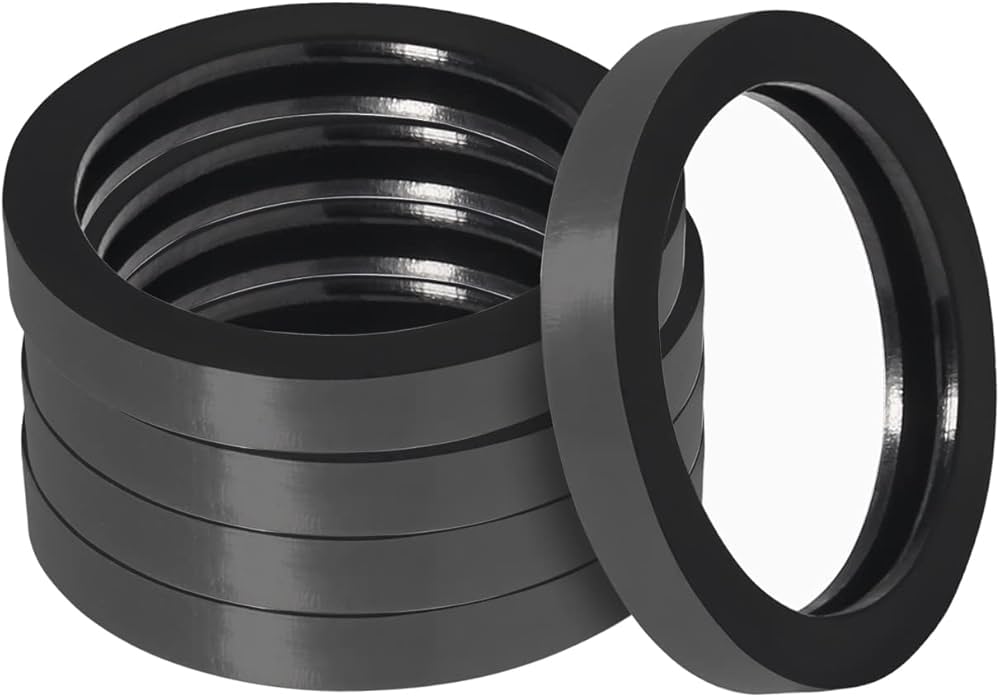
Customization Process for 5 Gallon Gas Can Gaskets
Precision gasket performance in fuel containment systems demands rigorous engineering beyond standard off-the-shelf solutions. At Suzhou Baoshida Trading Co., Ltd., our OEM customization protocol ensures gaskets meet exacting chemical resistance, compression set, and dimensional stability requirements for 5-gallon gas cans. This process eliminates field failures caused by fuel permeation, seal degradation, or assembly inconsistencies.
Drawing Analysis initiates the workflow. Our engineering team deconstructs CAD files or physical samples to verify critical tolerances, groove geometry, and mating surface finish. We assess interference fit, compression percentage (typically 15-25% for fuel applications), and potential stress points under thermal cycling. Material compatibility with gasoline, ethanol blends (up to E10), and environmental exposure is cross-referenced against substrate materials (HDPE, steel) to prevent adhesion failure or chemical attack. Any deviations from optimal sealing parameters are flagged for collaborative redesign with the client.
Formulation Development follows, leveraging our proprietary compound database. Based on the analysis, we select base polymers balancing cost and performance. Nitrile rubber (NBR) offers optimal fuel resistance for standard gasoline, while fluorocarbon (FKM) is mandated for high-ethanol blends or elevated temperature exposure. Critical additives include peroxide curing systems for low compression set, specialized antioxidants for oxidative stability, and fillers to control swell in aromatic hydrocarbons. Each formulation undergoes computational modeling to predict crosslink density and fluid interaction before lab synthesis.
Prototyping & Validation employs rapid tooling for 3D-printed or machined molds. Initial samples undergo accelerated aging per ASTM D471 immersion testing in reference fuels, measuring volume swell (<25% for NBR, <15% for FKM), tensile retention (>75%), and hardness change (<15 Shore A points). Functional validation includes leak testing under pressure decay protocols (SAE J573) and thermal cycling from -40°C to +80°C. Data is compiled into a comprehensive validation report for client sign-off.
Mass Production commences only after prototype approval. We implement statistical process control (SPC) on critical parameters: durometer (±2 Shore A), weight consistency (±0.5g), and visual defect rates (<0.1%). Each production lot undergoes first-article inspection against the approved drawing and full material certification per EPA 40 CFR Part 59 standards. Traceability is maintained via lot-specific material test reports (MTRs) and automated vision inspection during molding.
Key material specifications for common 5-gallon gas can gasket applications are summarized below:
| Material Type | Hardness Range (Shore A) | Temp Range (°C) | Fuel Swell (ASTM D471) | Primary Application |
|---|---|---|---|---|
| NBR (Standard) | 60-75 | -40 to +100 | ≤25% in CEN IX | Regular gasoline (E0-E10) |
| NBR (High Acrylonitrile) | 70-80 | -30 to +120 | ≤18% in CEN IX | Higher ethanol blends |
| FKM (Standard) | 65-80 | -20 to +200 | ≤15% in CEN IX | Premium fuels, high-temp |
| ACM (Specialty) | 60-70 | -30 to +150 | ≤20% in CEN IX | Cost-sensitive E15/E20 |
This structured approach ensures Suzhou Baoshida delivers gaskets that guarantee leak-free operation throughout the product lifecycle, meeting global regulatory requirements while minimizing total cost of ownership for OEM partners. Final validation data and production documentation are provided for seamless integration into client quality management systems.
Contact Engineering Team
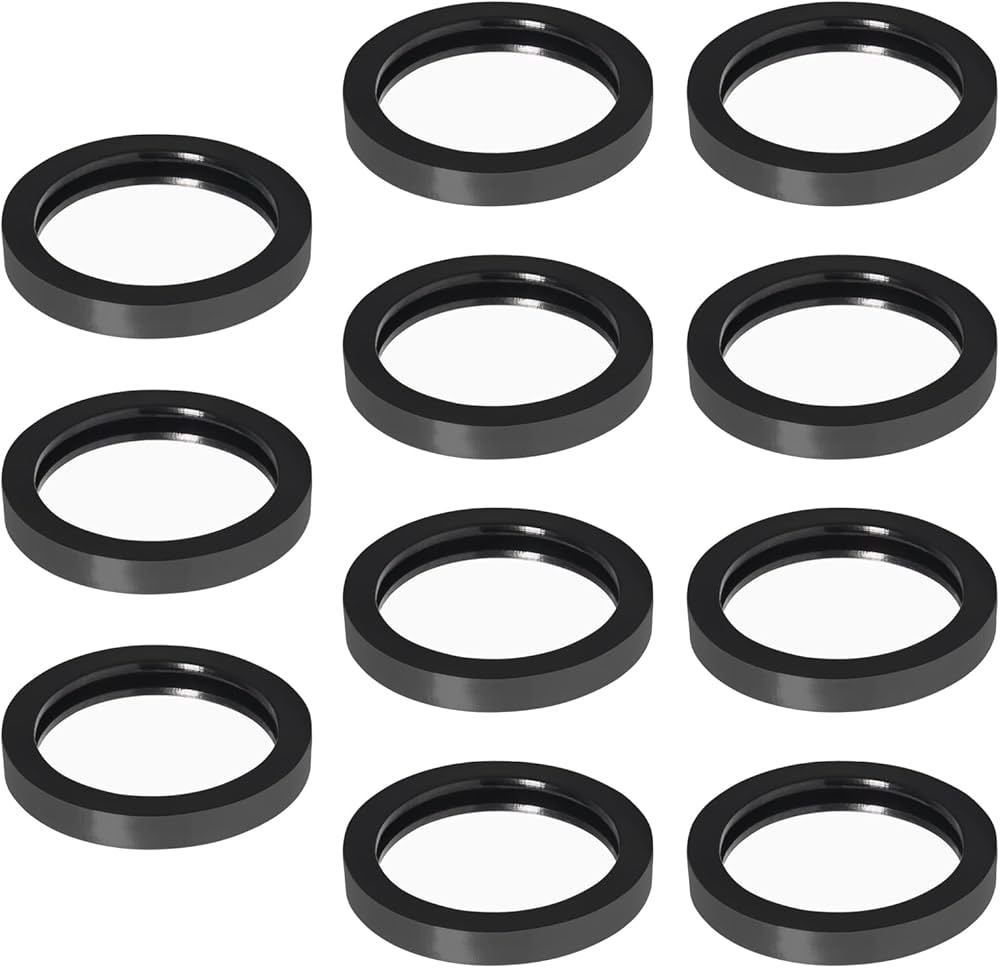
For manufacturers and industrial suppliers seeking high-performance sealing solutions, Suzhou Baoshida Trading Co., Ltd. stands at the forefront of precision rubber engineering. Specializing in custom elastomeric components, we deliver mission-critical gaskets engineered to meet the rigorous demands of fuel containment, chemical resistance, and long-term environmental stability. Our 5 gallon gas can gasket is a prime example of our commitment to material science excellence and dimensional accuracy, designed to ensure leak-proof performance in both consumer and industrial-grade containers.
Each gasket is formulated using advanced Nitrile Butadiene Rubber (NBR) or Fluorocarbon (FKM/Viton®), selected based on compatibility with gasoline, ethanol blends, and other hydrocarbon-based fuels. Our proprietary compounding process enhances resistance to swelling, compression set, and thermal degradation, ensuring reliable sealing performance across a wide temperature range. Whether you are assembling portable fuel containers, OEM equipment, or replacement parts, our gaskets are manufactured to strict tolerances, ensuring consistent fit and function across high-volume production runs.
We understand that performance specifications are only one aspect of a successful supply partnership. At Suzhou Baoshida, we integrate technical support directly into our service model. Our engineering team collaborates with clients to validate material selection, optimize compression load, and ensure compliance with industry standards such as ISO 36, ASTM D2000, and UL 94HB for flammability. With in-house tooling capabilities and automated production lines, we offer rapid prototyping, scalable manufacturing, and batch traceability for full quality assurance.
To ensure seamless integration into your production workflow, we provide detailed technical data sheets, material certifications, and first-article inspection reports. Our quality management system is ISO 9001:2015 certified, and all compounds are RoHS and REACH compliant. With warehousing and logistics support in Jiangsu Province, we offer flexible lead times and global shipping to meet your supply chain requirements.
For immediate technical consultation or to request a sample of our 5 gallon gas can gasket, contact Mr. Boyce at Suzhou Baoshida Trading Co., Ltd. He is available to discuss custom formulations, volume pricing, and OEM-specific design adaptations. Our goal is to become your trusted partner in precision rubber sealing technology—delivering performance, reliability, and technical partnership at every stage.
| Specification | Value |
|---|---|
| Material Options | NBR (Nitrile), FKM (Viton®), EPDM |
| Hardness (Shore A) | 60 ± 5, 70 ± 5, 80 ± 5 (customizable) |
| Temperature Range | -30°C to +120°C (NBR); -20°C to +200°C (FKM) |
| Fuel Resistance | Excellent (gasoline, diesel, ethanol blends up to E85) |
| Compression Set (22 hrs, 100°C) | ≤ 25% (NBR); ≤ 20% (FKM) |
| Dimensional Tolerance | ±0.15 mm (per ISO 3302-1) |
| Compliance | ISO 9001:2015, RoHS, REACH, UL 94HB |
Contact Mr. Boyce directly at [email protected] to initiate technical discussions, request material test reports, or schedule a factory audit. We respond to all inquiries within 24 business hours.
⚖️ O-Ring Weight Calculator
Estimate rubber O-ring weight (Approx).