
Technical Contents
Engineering Guide: 70 Durometer
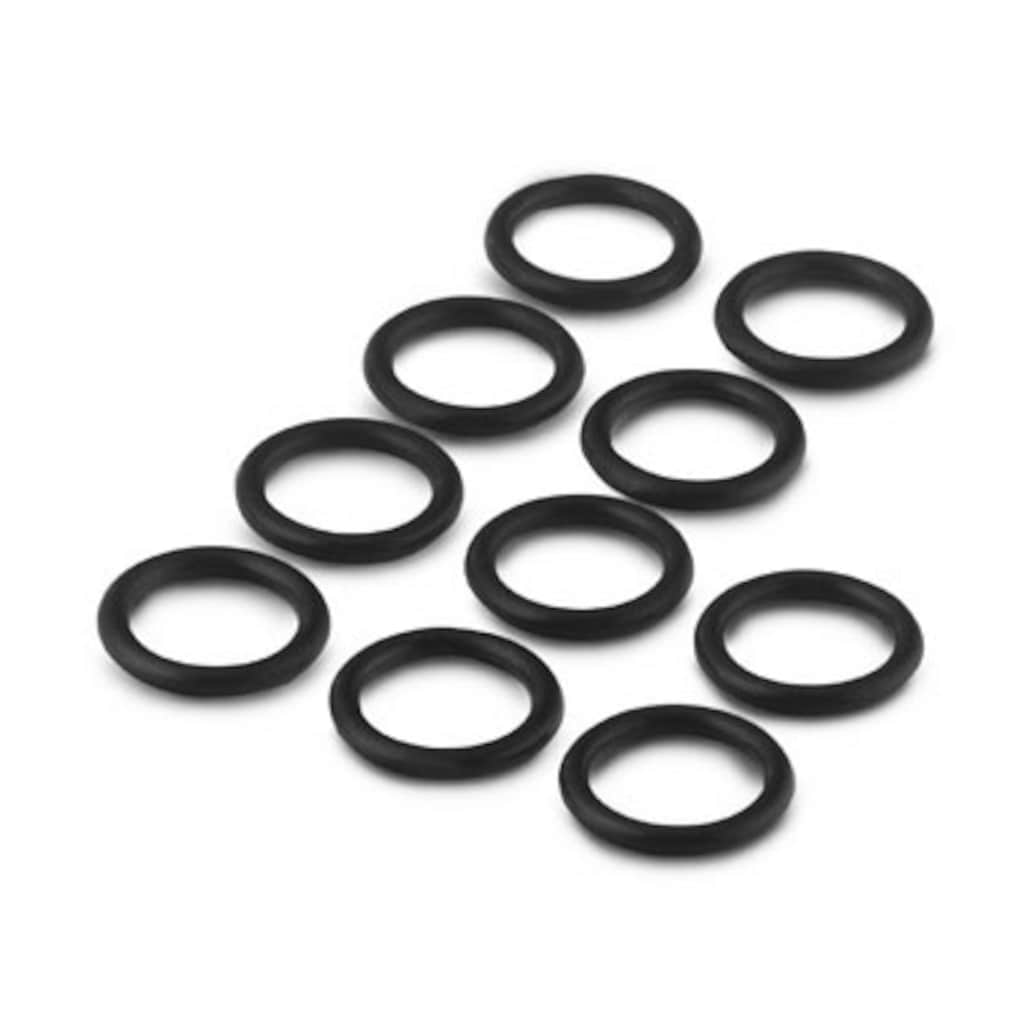
Engineering Insight: Material Selection Imperatives for 70 Durometer Rubber Applications
Specifying rubber components solely by durometer, particularly at the common 70 Shore A hardness, represents a critical engineering oversight with significant operational consequences. While 70 durometer indicates resistance to indentation under a defined spring-loaded indentor per ISO 7619-1, it reveals nothing about the underlying polymer chemistry, filler system, curing kinetics, or additive package. This singular focus on hardness drives procurement towards generic, off-the-shelf compounds, inevitably leading to premature field failures in demanding industrial environments. The fundamental flaw lies in assuming equivalent performance across all materials registering 70 durometer; in reality, formulations vary drastically in essential properties governing longevity and function.
Off-the-shelf 70 durometer compounds typically prioritize low cost and ease of processing over application-specific performance. They frequently utilize high levels of low-cost fillers and minimal specialty additives. This results in inadequate tensile strength and elongation, making seals susceptible to extrusion under pressure or tearing during installation. Poor compression set resistance is a pervasive issue, causing gaskets and seals to lose recovery force after prolonged deflection, leading to leaks in hydraulic systems or static flange joints. Furthermore, insufficient resistance to oils, fuels, ozone, or heat accelerates degradation. A generic 70D nitrile seal might harden and crack in an automotive transmission environment where a properly engineered compound with optimized acrylonitrile content and anti-degradants would maintain integrity. Similarly, inadequate tear strength in a conveyor belt scraper blade compound leads to rapid chunking and downtime.
The performance gap between generic and engineered solutions is quantifiable across key parameters essential for reliable operation:
| Property | Generic 70D Compound | Engineered 70D Compound | Critical Application Impact |
|---|---|---|---|
| Tensile Strength | 10-12 MPa (1450-1740 psi) | 18-22 MPa (2610-3190 psi) | Resistance to extrusion, tearing, mechanical load |
| Elongation at Break | 250-300% | 450-550% | Accommodation of assembly tolerances, impact |
| Compression Set (22h, 70°C) | 35-45% | 15-22% | Long-term sealing force retention, leak prevention |
| Fluid Resistance (IRM 903) | Volume Swell >25% | Volume Swell <15% | Dimensional stability in oil/fuel environments |
Material selection must transcend durometer. A successful 70 durometer solution requires rigorous analysis of the operational profile: dynamic or static loading, fluid exposure types and temperatures, required service life, and environmental factors like ozone or UV. Suzhou Baoshida Trading Co., Ltd. engineers collaborate with OEMs to define these parameters precisely. We then formulate compounds using premium polymers, optimized filler-rubber interactions, and targeted additive systems to meet the exact performance envelope. This approach ensures the 70 durometer specification is merely the starting point, not the endpoint, guaranteeing component reliability, extended service life, and reduced total cost of ownership compared to the false economy of generic alternatives. Precision engineering in rubber formulation is non-negotiable for critical applications.
Material Specifications
The 70 durometer rating represents a medium-hardness level in rubber materials, offering an optimal balance between flexibility and structural integrity. This hardness level is widely adopted across industrial sealing, gasketing, and vibration isolation applications where resistance to compression set, mechanical stress, and environmental exposure is critical. At Suzhou Baoshida Trading Co., Ltd., we specialize in precision-engineered rubber compounds tailored to meet exacting performance standards. Our core materials—Viton (FKM), Nitrile (NBR), and Silicone (VMQ)—are formulated and tested to consistently achieve a 70 Shore A durometer, ensuring compatibility with dynamic and static sealing environments.
Viton, a fluorocarbon-based elastomer, delivers superior performance in extreme temperature ranges and aggressive chemical environments. With continuous service capability up to 230°C and excellent resistance to oils, fuels, and acids, Viton 70 durometer compounds are ideal for aerospace, automotive, and chemical processing industries. Its molecular structure provides low gas permeability and exceptional aging characteristics, making it a preferred choice for high-reliability applications.
Nitrile rubber, or Buna-N, is a cost-effective solution for applications involving petroleum-based fluids and hydraulic systems. At 70 durometer, NBR maintains good abrasion resistance and tensile strength while offering reliable sealing performance in temperatures ranging from -30°C to 100°C. Its compatibility with lubricants, water, and aliphatic hydrocarbons makes it a staple in industrial hydraulic seals, O-rings, and fuel system components. While not as thermally stable as Viton, Nitrile provides excellent value in standard operating conditions.
Silicone rubber at 70 durometer offers outstanding thermal stability from -60°C to 200°C, with brief excursions beyond this range possible. It exhibits excellent resistance to ozone and UV radiation, making it suitable for outdoor and medical applications. While its mechanical strength is lower than Viton or Nitrile, silicone compensates with superior electrical insulation properties and biocompatibility. It is frequently selected for food-grade seals, medical devices, and electronic encapsulation.
Each material is subject to rigorous quality control, including Shore A hardness verification per ASTM D2240, compression set testing (ASTM D395), and fluid resistance evaluation. Custom formulations can be developed to meet specific OEM requirements, including flame retardancy, conductive properties, or FDA compliance.
The following table summarizes key technical specifications for Viton, Nitrile, and Silicone at 70 durometer:
| Property | Viton (FKM) | Nitrile (NBR) | Silicone (VMQ) |
|---|---|---|---|
| Shore A Hardness | 70 ± 5 | 70 ± 5 | 70 ± 5 |
| Temperature Range (°C) | -20 to 230 | -30 to 100 | -60 to 200 |
| Tensile Strength (MPa) | ≥12 | ≥15 | ≥7 |
| Elongation at Break (%) | ≥200 | ≥250 | ≥200 |
| Compression Set (22 hrs, 150°C) | ≤25% | ≤30% | ≤20% |
| Fluid Resistance (Oil/Fuel) | Excellent | Good | Poor |
| Chemical Resistance | Excellent | Moderate | Moderate |
| Electrical Insulation | Good | Moderate | Excellent |
All materials are available in sheet, molded, extruded, and die-cut forms, supporting rapid integration into OEM production lines. Suzhou Baoshida Trading Co., Ltd. ensures full traceability, batch consistency, and compliance with international standards including ISO 9001 and RoHS.
Manufacturing Capabilities
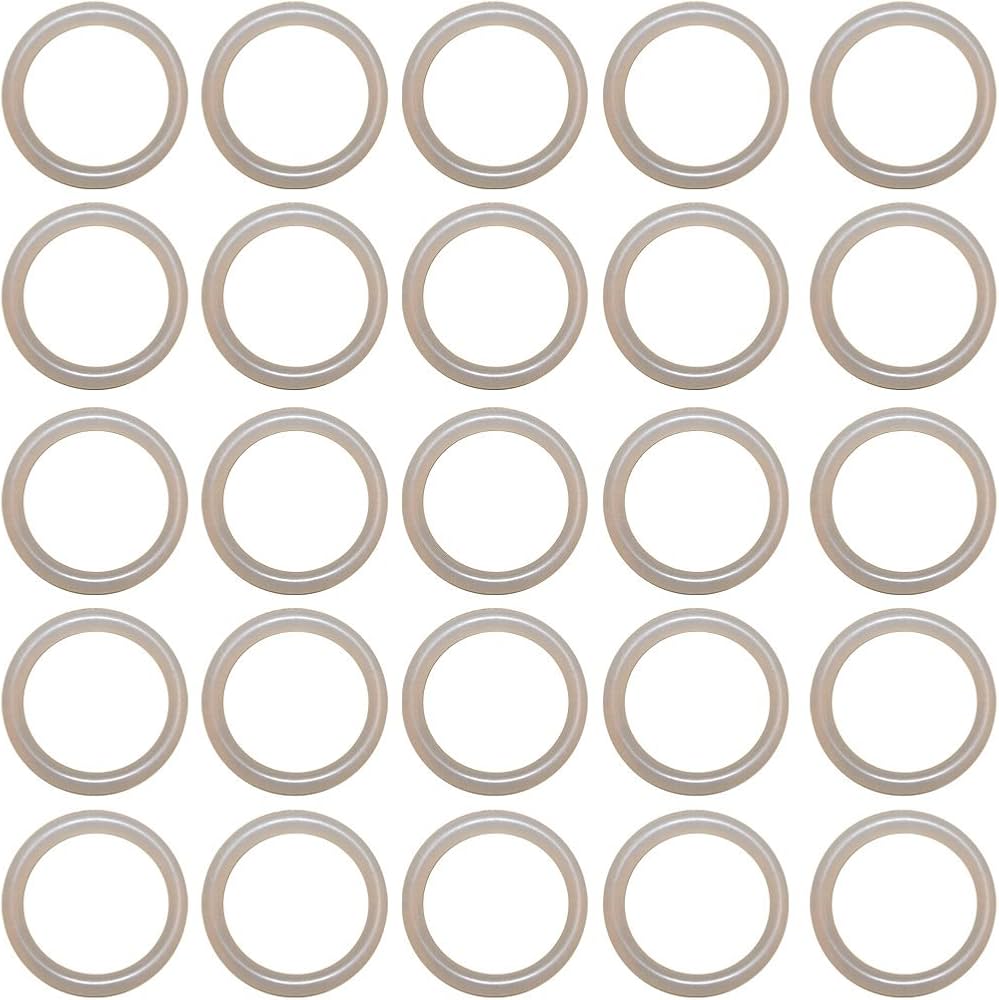
Engineering Precision for 70 Durometer Industrial Rubber Applications
Suzhou Baoshida Trading Co., Ltd. delivers uncompromising precision in 70 durometer (Shore A) rubber formulations, leveraging deep material science expertise to meet exacting industrial demands. Our dual-engineering framework—integrating dedicated Formula and Mould Engineering teams—ensures optimal performance, manufacturability, and lifecycle reliability for mission-critical components. With five specialized Mould Engineers and two advanced Formula Engineers, we execute simultaneous material and tooling optimization, eliminating iterative delays common in conventional supplier workflows. This integrated approach is foundational to our OEM partnership model, where we co-develop solutions from concept through full-scale production.
Our Formula Engineers possess mastery in thermoset polymerization kinetics, filler dispersion science, and additive synergies specific to medium-hardness elastomers. For 70 durometer compounds, this translates to tailored formulations balancing resilience, compression set resistance, and dynamic sealing force—critical for hydraulic seals, automotive bushings, and industrial gaskets. We rigorously characterize raw material interactions using FTIR spectroscopy and rheometry to preempt cure inhomogeneity or thermal degradation. Concurrently, our Mould Engineering team applies mold-flow analysis and thermal profiling to resolve knit lines, sink marks, and flash in complex geometries, ensuring dimensional stability within ±0.15 mm tolerances. This parallel engineering process reduces time-to-prototype by 30% compared to sequential development methodologies.
OEM collaboration is embedded in our operational DNA. We provide end-to-end ownership: material selection, DFM validation, rapid tooling iteration, and PPAP-compliant documentation. Clients receive full traceability of batch-specific cure curves, hardness gradients, and mechanical property datasets—not generic datasheets. Our facility supports low-volume prototyping (100–500 pcs) through high-volume manufacturing (500k+ pcs/month) with zero retooling costs for qualified OEM partners.
Critical 70 Durometer Performance Specifications
| Property | Test Standard | Typical Value | Customizable Range |
|---|---|---|---|
| Hardness (Shore A) | ASTM D2240 | 70 ± 2 | 65–75 |
| Tensile Strength | ASTM D412 | 12.5 MPa | 10–15 MPa |
| Elongation at Break | ASTM D412 | 380% | 320–450% |
| Compression Set (22h/70°C) | ASTM D395 | 18% | 15–25% |
| Tear Strength | ASTM D624 | 35 kN/m | 30–42 kN/m |
| Operating Temperature | ISO 188 | -40°C to +120°C | -50°C to +150°C |
All formulations undergo accelerated aging per ASTM D573 and fluid resistance testing against ISO 1817 protocols. We prioritize sustainability without sacrificing performance, offering bio-based plasticizers and 30% recycled content options validated to ISO 22301 standards. Suzhou Baoshida’s engineering rigor transforms 70 durometer from a nominal hardness value into a precisely engineered performance metric—ensuring your components operate reliably under extreme cyclic stress, chemical exposure, and thermal cycling. Partner with us to convert material specifications into competitive advantage.
Customization Process
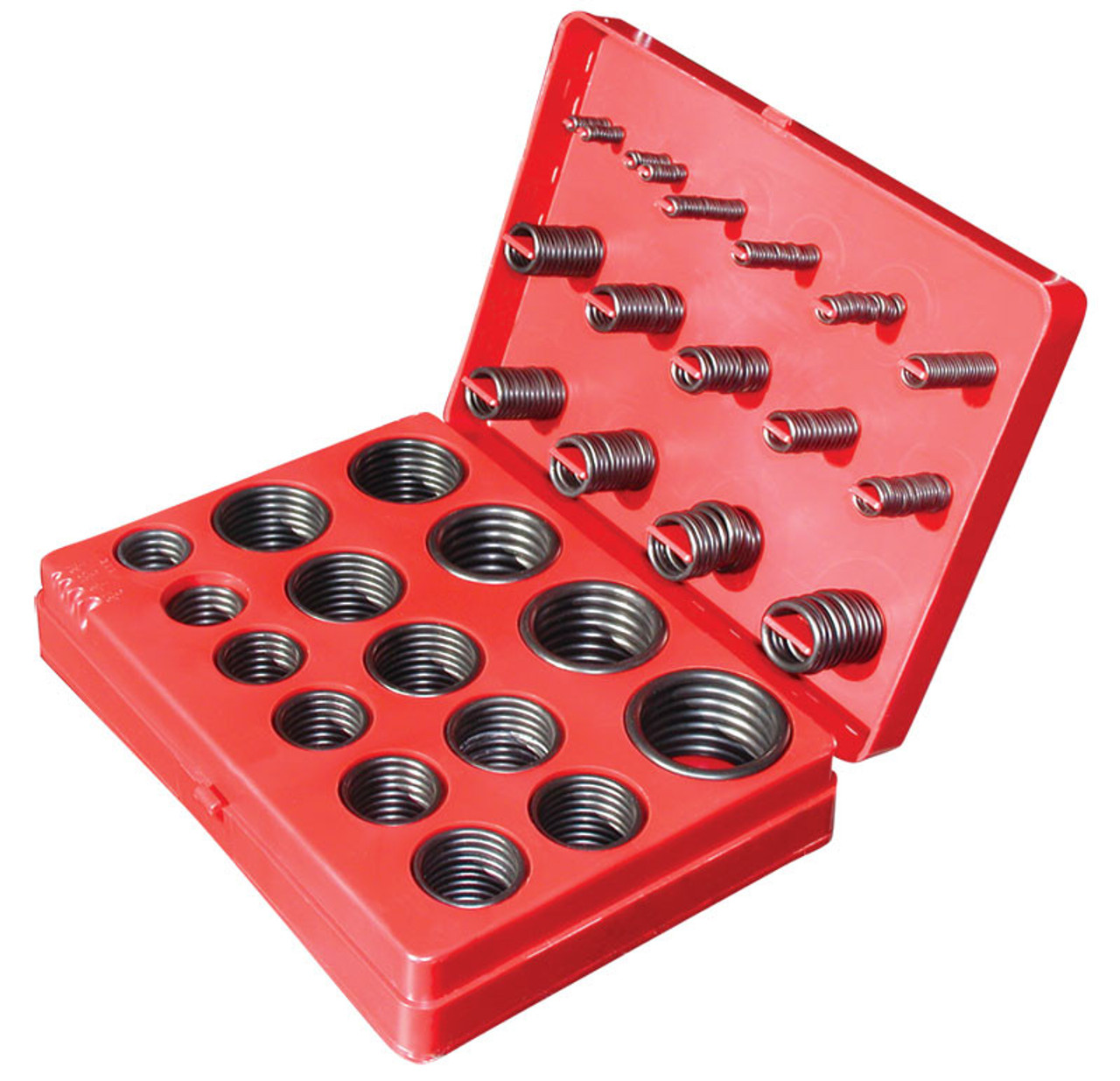
Drawing Analysis: The Foundation of Precision Customization
At Suzhou Baoshida Trading Co., Ltd., every successful rubber component begins with rigorous drawing analysis. This initial phase ensures dimensional accuracy, functional compatibility, and material suitability for the intended application. Our engineering team evaluates technical drawings provided by OEM partners, focusing on critical tolerances, geometric complexity, mating surfaces, and environmental exposure conditions. GD&T (Geometric Dimensioning and Tolerancing) principles are applied to verify manufacturability, while finite element analysis (FEA) may be employed for high-stress applications. This phase also includes a feasibility review to confirm whether the design aligns with the performance expectations of a 70 durometer rubber compound. Any discrepancies or potential failure points are communicated early, allowing for design optimization before material selection proceeds.
Formulation: Engineering the Ideal 70 Durometer Compound
Once the design parameters are validated, our rubber formulation engineers develop a custom compound targeting Shore A 70 hardness with optimized mechanical and environmental properties. The base polymer—typically SBR, NBR, EPDM, or silicone—is selected based on required resistance to oils, ozone, temperature extremes, or abrasion. Reinforcing fillers, plasticizers, vulcanizing agents, and stabilizers are precisely dosed to achieve not only the target durometer but also tensile strength, elongation at break, and compression set performance. Each formulation is documented under strict batch control protocols to ensure repeatability. For regulatory-sensitive industries such as automotive or medical devices, compliance with ASTM D2000, FDA, or ROHS standards is integrated into the formulation design.
Prototyping: Validating Performance Before Scale-Up
Prototyping is conducted using precision compression or transfer molding techniques, replicating production conditions as closely as possible. Small-batch samples are subjected to rigorous in-house testing, including hardness verification, dimensional inspection, and functional trials under simulated service conditions. Feedback from this phase informs any necessary adjustments to the compound or mold design. Our prototyping cycle typically delivers functional samples within 10–15 working days, enabling rapid iteration and client validation.
Mass Production: Consistency at Scale
Upon client approval, we transition to mass production using automated vulcanization lines, CNC-controlled trimming, and 100% visual inspection. Statistical process control (SPC) monitors key parameters such as cure time, temperature, and hardness to maintain consistency across batches. All production runs are traceable through our ERP system, ensuring full documentation for quality audits.
Typical Physical Properties of Custom 70 Durometer Rubber Compounds
| Property | Test Method | Typical Value |
|---|---|---|
| Hardness (Shore A) | ASTM D2240 | 70 ± 5 |
| Tensile Strength | ASTM D412 | ≥12 MPa |
| Elongation at Break | ASTM D412 | ≥250% |
| Compression Set (22 hrs, 70°C) | ASTM D395 | ≤20% |
| Tear Resistance | ASTM D624 | ≥40 kN/m |
| Temperature Range | — | -40°C to +120°C (varies by polymer) |
Through this structured approach, Suzhou Baoshida ensures that every 70 durometer rubber component meets the highest standards of performance, reliability, and industrial precision.
Contact Engineering Team
Technical Engagement for Precision Rubber Solutions
Suzhou Baoshida Trading Co., Ltd. operates at the intersection of polymer science and industrial application engineering, specializing in custom elastomer formulations where dimensional stability, resilience, and environmental resistance are non-negotiable. Our mastery of 70 durometer (Shore A) compounds stems from rigorous material science protocols, ensuring consistent performance across dynamic sealing, vibration damping, and mechanical interface applications. This specific hardness grade represents a critical balance—sufficient firmness to resist extrusion under load while retaining flexibility for effective sealing in high-pressure systems. We recognize that deviations in durometer tolerance directly impact fatigue life and functional integrity; thus, our QC processes adhere to ISO 9001:2015 standards with batch traceability to ±2 durometer units.
The engineering value of a precisely calibrated 70 durometer compound lies in its adaptability to extreme service conditions. Below is a representative technical profile for our NBR-based 70A formulation, validated per ASTM D2000 and ISO 37 standards. This data reflects baseline properties; client-specific adjustments for fluid resistance, thermal stability, or dynamic modulus are achievable through our proprietary additive systems.
| Property | Test Method | Typical Value | Industrial Significance |
|---|---|---|---|
| Durometer (Shore A) | ASTM D2240 | 70 ± 2 | Load-bearing stability without brittleness |
| Tensile Strength | ASTM D412 | 18.5 MPa min | Resistance to mechanical tearing |
| Elongation at Break | ASTM D412 | 350% min | Flexibility under cyclic deformation |
| Compression Set (22h/70°C) | ASTM D395 | ≤ 22% | Long-term sealing force retention |
| Temperature Range | ISO 1817 | -40°C to +100°C | Operational reliability in thermal extremes |
| Fluid Resistance (IRM 903) | ASTM D471 | Volume Swell ≤ 15% | Compatibility with hydraulic/oil systems |
When standard formulations fail to address your application’s unique stressors—whether ozone degradation in outdoor machinery, steam exposure in food processing, or dynamic creep in automotive suspensions—our engineering team initiates a collaborative diagnostic protocol. We analyze failure modes, service environment variables, and lifecycle cost parameters to refine compound architecture. This is not off-the-shelf material supply; it is engineered problem resolution. Mr. Boyce, our OEM Manager with 14 years of elastomer application experience, leads this technical engagement process. He will coordinate material trials, DFM reviews, and PPAP documentation to align our production with your assembly line requirements.
Initiate your project validation by contacting Mr. Boyce directly at [email protected]. Include your target durometer tolerance, fluid/media exposure, temperature profile, and critical performance metrics. Suzhou Baoshida does not sell rubber—we deliver failure-prevented engineering outcomes. Our Shanghai-based R&D facility operates 24/7 for urgent material qualification, with global logistics support for JIT delivery to Tier 1 manufacturing hubs. For applications demanding zero-compromise material performance, the next step is a technical dialogue. Email Mr. Boyce with “70 Durometer Technical Query” in the subject line to receive a preliminary compound assessment within 8 business hours. Precision begins with the correct formulation partner.
⚖️ O-Ring Weight Calculator
Estimate rubber O-ring weight (Approx).