
Technical Contents
Engineering Guide: 9 16 Fuel Hose
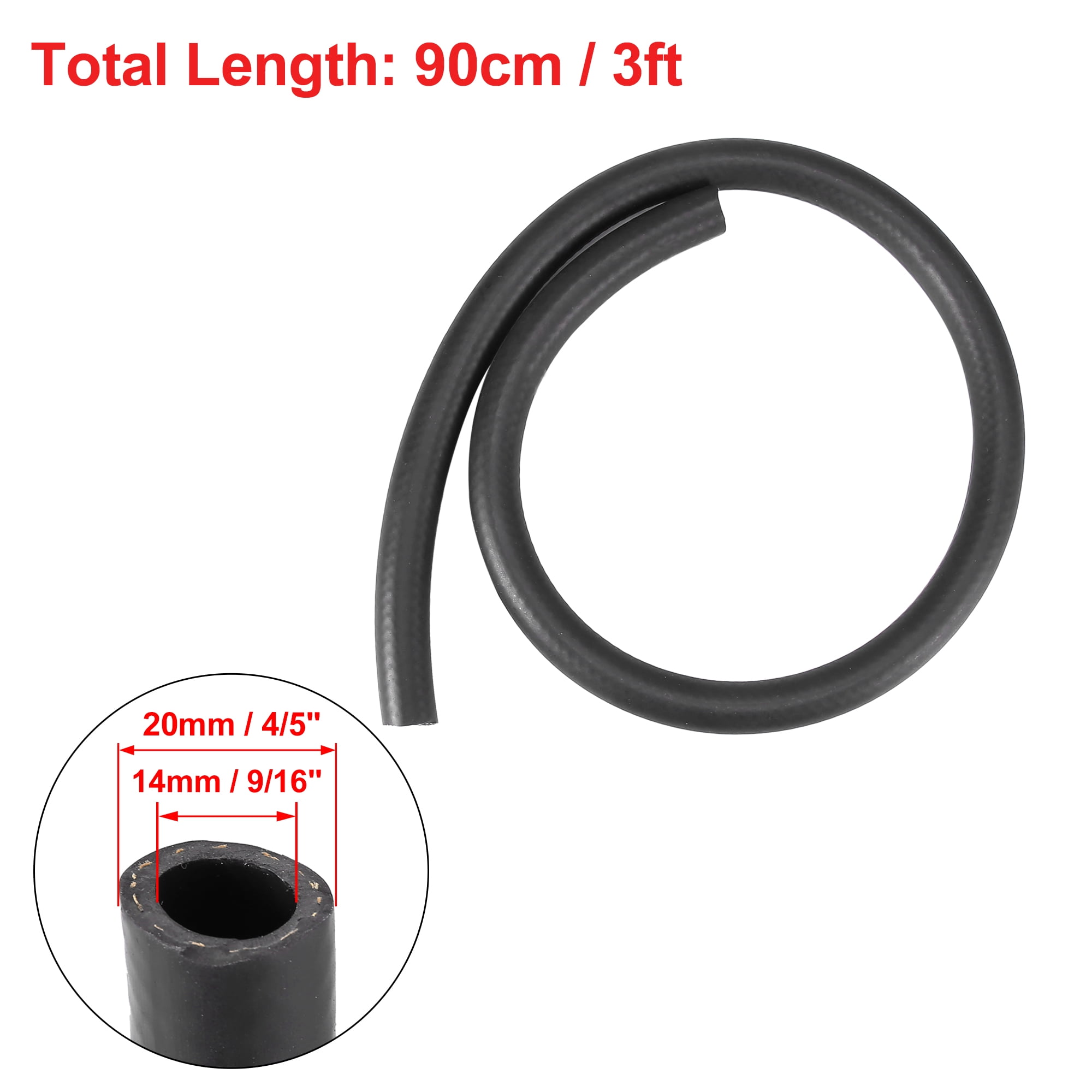
Engineering Insight: 9 16 Fuel Hose – The Critical Role of Material Selection
In the industrial rubber solutions sector, the 9/16 inch fuel hose is a vital component across automotive, marine, and heavy equipment applications. While seemingly standardized, performance inconsistencies often arise not from dimensional inaccuracies but from improper material selection. Off-the-shelf fuel hoses may meet basic size requirements, yet fail under real-world operational stress due to inadequate chemical resistance, thermal instability, or poor reinforcement compatibility.
The core challenge lies in the diversity of fuel compositions and operating environments. Modern fuels, including ethanol blends (E10, E85), biodiesel, and low-sulfur diesel, impose aggressive chemical demands on hose materials. Nitrile rubber (NBR), commonly used in generic fuel lines, offers moderate resistance to petroleum-based fuels but degrades rapidly when exposed to oxygenated additives like ethanol. This degradation manifests as swelling, cracking, and eventual hose failure—posing serious safety and compliance risks.
At Suzhou Baoshida Trading Co., Ltd., we emphasize engineered solutions over commodity replacements. Our 9/16 fuel hoses utilize fluorinated synthetic rubbers (FKM) or chlorinated polyethylene (CM) where appropriate, ensuring long-term integrity in aggressive fuel environments. These materials exhibit superior resistance to oxidation, ozone, and polar solvents, maintaining mechanical properties over extended service cycles. Additionally, the inner tube formulation is optimized for low permeation, reducing fuel vapor emissions and meeting stringent environmental regulations such as EPA and EURO 6 standards.
Reinforcement structure further compounds the importance of material synergy. A high-strength braided polyester or aramid fiber layer must be chemically compatible with the inner liner and outer cover. Incompatible materials can lead to delamination under thermal cycling or pressure surges. Our hoses integrate co-extruded layers and adhesion-promoting primers to ensure interlayer stability, even at continuous operating temperatures up to 125°C.
Below is a comparison of typical material performance characteristics in 9/16 fuel hose applications:
| Property | NBR (Standard) | FKM (Engineered) | CM (Specialty) |
|---|---|---|---|
| Fuel Resistance (E85) | Poor | Excellent | Good |
| Operating Temperature Range (°C) | -30 to +100 | -20 to +150 | -40 to +125 |
| Ozone Resistance | Moderate | Excellent | Excellent |
| Permeation Rate (g·mm/m²·day) | 12–18 | 2–4 | 6–9 |
| Typical Service Life (hrs @ 100°C) | 800–1,200 | 3,000–5,000 | 2,000–3,500 |
Generic fuel hoses often sacrifice material quality to meet price points, leading to premature field failures. In contrast, precision-engineered 9/16 fuel hoses from Suzhou Baoshida are designed for mission-critical reliability. By aligning material chemistry with application-specific stressors, we deliver solutions that outperform off-the-shelf alternatives in durability, safety, and regulatory compliance. Material selection is not a cost center—it is the foundation of functional integrity.
Material Specifications
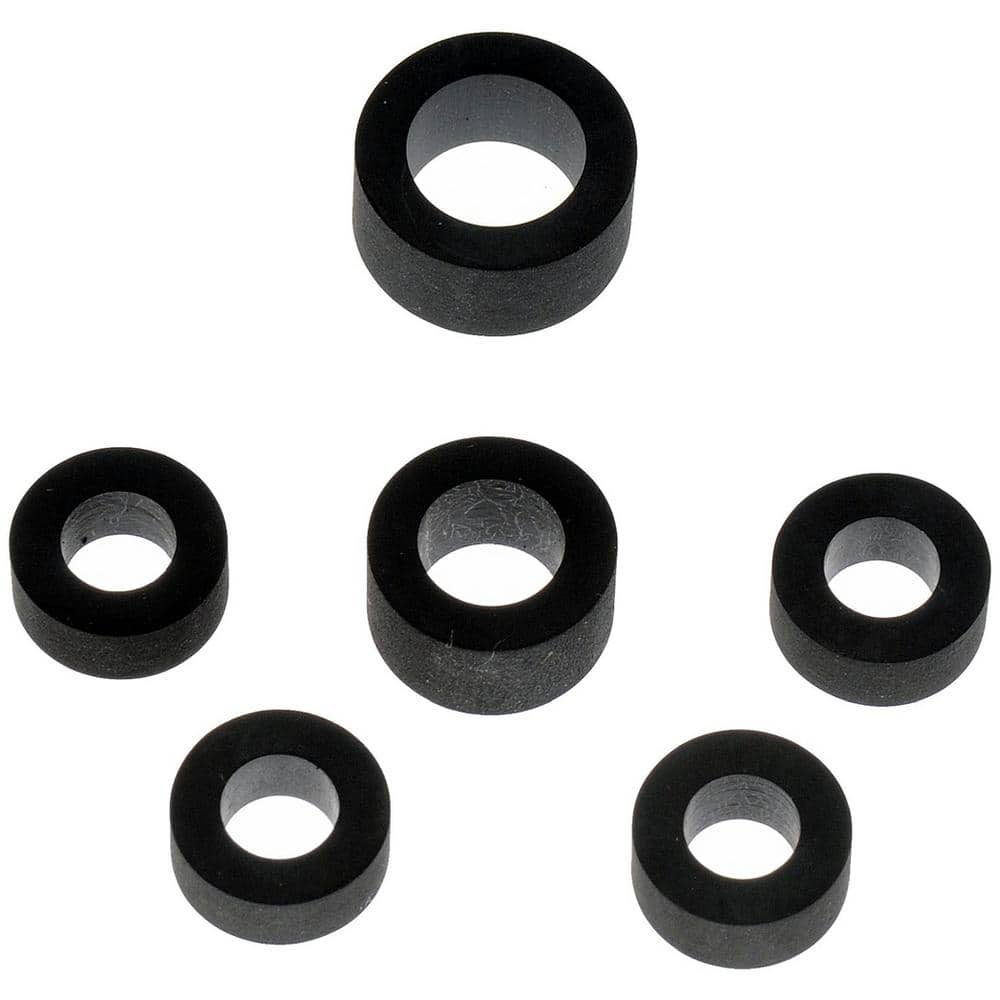
Material Specifications for SAE J30R9 9/16 Fuel Hose
Precise material selection is critical for SAE J30R9 9/16 fuel hose performance in demanding automotive and industrial fuel delivery systems. This specification governs hoses with a 9/16 inch inner diameter, requiring resistance to modern gasoline blends, biofuels, and intermittent exposure to biodiesel. Material compatibility directly impacts service life, safety, and regulatory compliance. Suzhou Baoshida Trading Co., Ltd. rigorously evaluates three primary elastomers for this application: Viton (FKM), Nitrile (NBR), and Silicone. Each polymer exhibits distinct chemical resistance, thermal stability, and cost profiles that must align with operational parameters.
Viton fluoroelastomers deliver superior resistance to oxygenated fuels, ethanol blends up to E85, and aromatic hydrocarbons. With a continuous service temperature range of -20°C to +200°C, Viton maintains integrity under high under-hood temperatures where conventional elastomers degrade. Its low permeability minimizes fuel vapor emissions, meeting stringent EPA and EU Stage V regulations. However, Viton’s formulation complexity results in higher raw material costs and reduced flexibility at sub-zero temperatures compared to alternatives. It is the engineered choice for high-performance engines and alternative fuel systems requiring maximum longevity.
Nitrile rubber (NBR) remains the industry standard for conventional gasoline and diesel applications due to its optimal balance of fuel resistance, flexibility, and cost efficiency. Standard NBR formulations withstand temperatures from -40°C to +120°C and exhibit excellent abrasion resistance. While susceptible to swelling in ethanol-rich blends above E10, hydrogenated NBR (HNBR) variants extend compatibility to E25 with improved thermal stability up to 150°C. NBR’s mechanical robustness and lower compression set make it ideal for standard automotive fuel lines where biofuel exposure is limited.
Silicone rubber is not recommended for fuel hose applications despite its exceptional flexibility (-60°C to +200°C) and thermal stability. Silicone exhibits poor resistance to hydrocarbon fuels, leading to rapid swelling, loss of mechanical strength, and catastrophic failure. Its high permeability also violates evaporative emission standards. Silicone is strictly reserved for coolant or air intake systems within the engine bay.
The following comparative analysis details critical performance metrics for SAE J30R9 9/16 fuel hose materials:
| Property | Viton (FKM) | Nitrile (NBR) | Silicone (VMQ) |
|---|---|---|---|
| Continuous Temp Range | -20°C to +200°C | -40°C to +120°C | -60°C to +200°C |
| Ethanol Blend Resistance | Excellent (E85) | Moderate (E10) | Poor (All Blends) |
| Aromatic Fuel Resistance | Excellent | Good | Very Poor |
| Permeation Rate (g·mm/m²·day) | 0.5–1.0 | 2.0–4.0 | 8.0–12.0 |
| Typical Pressure Rating | 300 psi | 250 psi | 150 psi |
| Relative Cost | High | Medium | Medium-High |
| Recommended Applications | Turbocharged engines, E85 flex-fuel systems | Conventional gasoline/diesel systems | Not suitable for fuel |
Material selection must consider fuel composition, operating temperature extremes, regulatory requirements, and total cost of ownership. Suzhou Baoshida Trading Co., Ltd. provides application-specific formulation support to ensure optimal material pairing for your fuel delivery system. Consult our engineering team for validation testing against your exact fuel matrix and environmental conditions. Final hose construction must also integrate appropriate reinforcement layers and cover compounds to meet SAE J30R9 burst pressure and ozone resistance mandates.
Manufacturing Capabilities
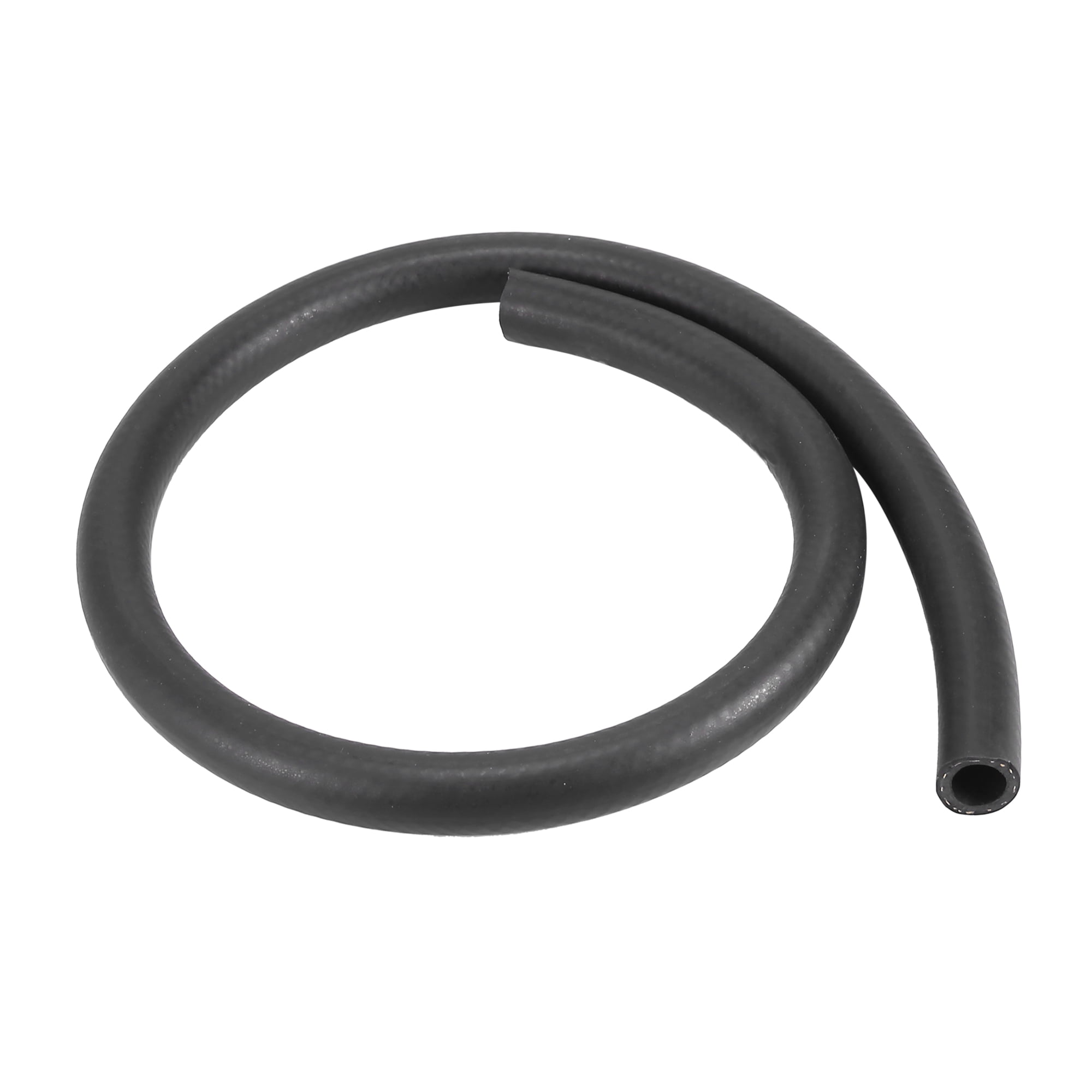
Engineering Capability: Precision-Driven Development for 9 16 Fuel Hose
At Suzhou Baoshida Trading Co., Ltd., our engineering capability forms the backbone of our industrial rubber solutions, particularly in the development and production of the 9 16 fuel hose. With a dedicated team of five experienced mould engineers and two specialized rubber formula engineers, we maintain full in-house control over the design, material formulation, and manufacturing processes. This integrated technical structure enables us to deliver high-performance, application-specific fuel hoses that meet the rigorous demands of modern fuel delivery systems.
Our mould engineering team specializes in precision tooling design and rapid prototyping. Each engineer brings over a decade of experience in rubber component manufacturing, ensuring optimal flow dynamics, dimensional stability, and repeatability during the extrusion and curing stages. Utilizing advanced CAD/CAM software and CNC machining, we develop custom mandrels and curing fixtures tailored to the 9 16 inch outer diameter specification. This ensures tight tolerance control—critical for consistent wall thickness, burst pressure performance, and long-term durability in fuel transmission applications.
Complementing our mould expertise, our two rubber formula engineers are responsible for material science innovation. They formulate EPDM, NBR, and specialty fluororubber compounds engineered to resist gasoline, ethanol blends (up to E85), and biodiesel exposure. Through iterative testing in accelerated aging chambers and dynamic fuel immersion environments, we validate compound stability, ensuring compliance with international standards such as SAE J30 R6 and ISO 7814. Our proprietary formulations balance flexibility, abrasion resistance, and low permeability—key attributes for safe and reliable fuel hose operation.
As an OEM manufacturing partner, Suzhou Baoshida provides end-to-end development support. We collaborate directly with client engineering teams to customize hose construction, including reinforcement layer configuration (braided or spiral-wound), cover hardness, and surface finish (smooth or corrugated). Our technical team conducts DFMEA reviews and supports PPAP documentation, ensuring seamless integration into client assembly lines.
The following table outlines the standard technical specifications for our 9 16 fuel hose, reflecting the synergy between our formulation science and precision engineering:
| Parameter | Specification |
|---|---|
| Inner Diameter | 9/16 inch (14.3 mm) ±0.3 mm |
| Outer Diameter | 19.8 mm ±0.5 mm |
| Material (Tube) | NBR/PVC blend or Fluororubber (custom) |
| Material (Cover) | Weather- and ozone-resistant synthetic rubber |
| Operating Temperature Range | -40°C to +125°C (intermittent to +150°C) |
| Maximum Working Pressure | 350 kPa (50 psi) |
| Burst Pressure (min) | 1400 kPa (200 psi) |
| Fuel Resistance (E85, 60°C) | Volume swell ≤25% after 70 hrs |
| SAE/ISO Compliance | Meets SAE J30 R6, ISO 7814 |
| Reinforcement Layer | High-tensile polyester braid |
Our engineering framework ensures that every 9 16 fuel hose produced is not only dimensionally accurate but also chemically and mechanically optimized for real-world performance. This technical depth positions Suzhou Baoshida as a trusted OEM partner in the global industrial rubber supply chain.
Customization Process
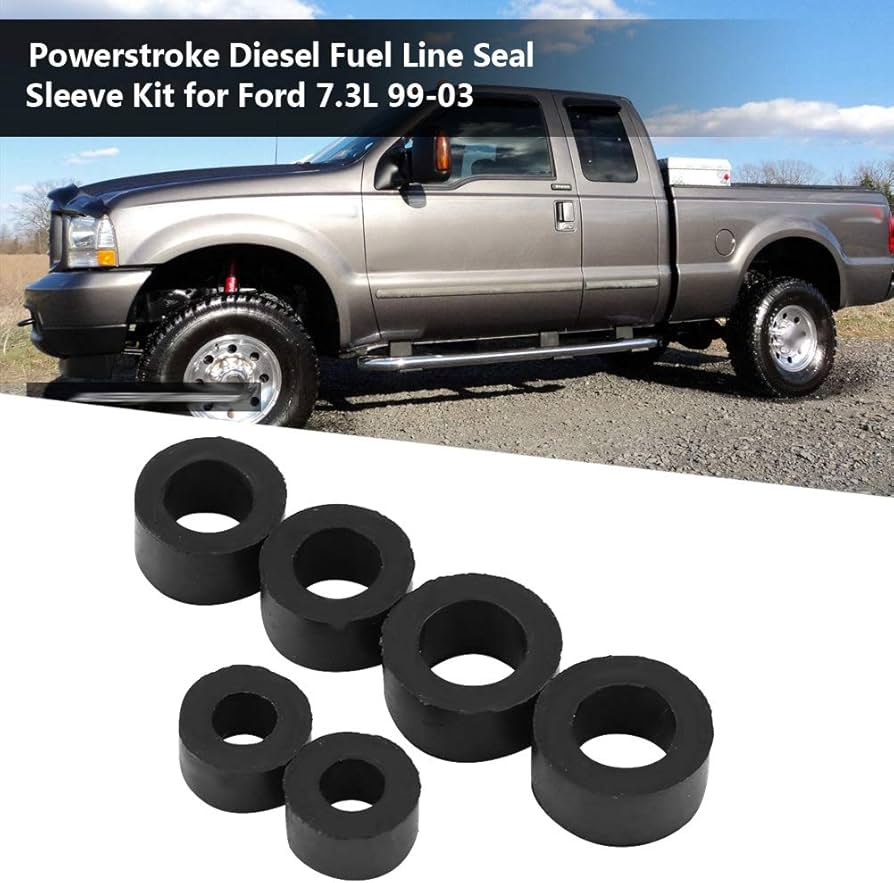
Customization Process for 9/16 Fuel Hose Manufacturing
Precision engineering of 9/16 inch nominal inner diameter fuel delivery hoses requires a rigorously defined customization pathway to ensure optimal performance under demanding automotive and industrial conditions. At Suzhou Baoshida Trading Co., Ltd., our OEM process systematically translates client specifications into validated, high-integrity rubber components through four critical phases, eliminating performance risks inherent in standard catalog products.
Drawing Analysis initiates the project with meticulous technical scrutiny. Our engineering team dissects provided CAD models or ISO 128-compliant drawings, verifying dimensional tolerances per SAE J30R9/R13 standards, flange configurations, and critical interface points. Material compatibility against specified fuel blends (including biofuels up to E85 and ethanol variants) and exposure temperatures is cross-referenced against global fluid resistance databases. Any ambiguities in reinforcement layer count, cover thickness, or bend radius requirements trigger immediate client consultation to prevent downstream rework.
Formulation development leverages our proprietary compound library and accelerated aging protocols. Based on the validated operational parameters, our rubber chemists design a custom NBR/HNBR or FKM-based elastomer system. Key variables optimized include polymer saturation level for ozone resistance, filler dispersion for tensile strength, and plasticizer selection to prevent extraction by modern gasoline formulations. Each formulation undergoes dynamic mechanical analysis (DMA) to confirm glass transition temperature (Tg) remains below -40°C and heat resistance exceeds 125°C continuous service.
Prototyping executes low-volume production under controlled cleanroom conditions. Three prototype batches are manufactured using client-specified tooling or our precision mandrels. Every hose undergoes destructive and non-destructive validation per ISO 10672: hydrostatic burst testing at 4x working pressure, volumetric fuel permeation measurement, and mandrel bend fatigue cycles. Results are compiled into a comprehensive test report with traceable material certificates for client sign-off prior to scale-up.
Mass Production deployment implements full statistical process control (SPC) across extrusion, vulcanization, and assembly lines. Real-time monitoring of cure state via rheometer-linked sensors ensures consistent crosslink density. Each production run includes in-line pressure testing at 1.5x working pressure and end-of-line visual inspection per ASME B31.3. Batch traceability is maintained through laser-etched serial numbers, with full material test reports (MTRs) provided for every shipment to support client quality documentation.
The following table summarizes critical performance specifications achievable through this process for standard 9/16 fuel hose configurations:
| Parameter | Standard Requirement | Baoshida Customization Range | Test Standard |
|---|---|---|---|
| Inner Diameter (ID) | 9.5 mm ±0.3 mm | 8.0–10.5 mm ±0.2 mm | ISO 1307 |
| Working Pressure | 1.0 MPa @ 100°C | 0.7–1.5 MPa @ 125°C | SAE J30 |
| Burst Pressure | ≥ 4.0 MPa | ≥ 6.0 MPa | ISO 1402 |
| Temperature Range | -40°C to +125°C | -50°C to +140°C | ISO 1817 |
| Fuel Resistance (E10) | Volume swell ≤25% | Volume swell ≤15% | ASTM D471 |
| Ozone Resistance | 50 pphm, 20% strain | Pass 100 pphm, 40% strain | ISO 1431-1 |
This structured methodology guarantees that every 9/16 fuel hose shipment meets exacting OEM performance criteria while minimizing time-to-market. Suzhou Baoshida’s integration of materials science with industrial-scale manufacturing provides clients with a seamless transition from engineering concept to certified production.
Contact Engineering Team
For industrial manufacturers and OEMs seeking high-performance fuel delivery solutions, Suzhou Baoshida Trading Co., Ltd. stands as a trusted partner in advanced rubber formulation and precision hose manufacturing. Our 9 16 fuel hose is engineered to meet the rigorous demands of modern fuel systems, combining chemical resistance, pressure integrity, and long-term durability in diverse operational environments. As a leader in industrial rubber solutions, we specialize in custom compound development and scalable production to support global supply chains with consistent quality and technical compliance.
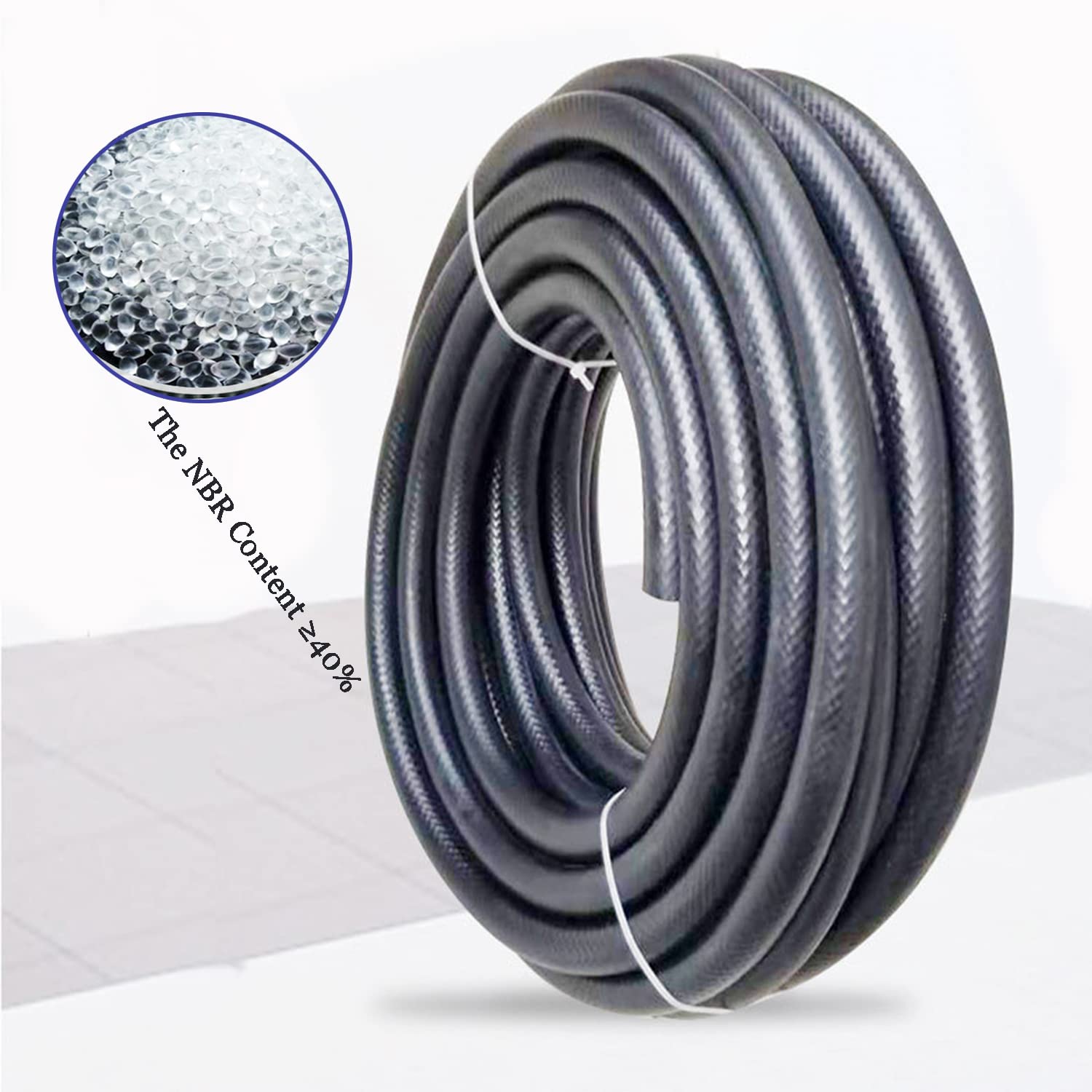
The 9 16 fuel hose is designed for compatibility with a broad spectrum of hydrocarbon-based fuels, including gasoline, diesel, and ethanol blends. Constructed with a seamless inner tube of nitrile rubber (NBR), the hose delivers superior resistance to fuel permeation and swelling. The reinforcement layer consists of high-tensile braided polyester yarn, ensuring dimensional stability under dynamic pressure cycles. An outer cover formulated from chlorinated polyethylene (CPE) provides excellent resistance to ozone, UV radiation, and abrasion—critical for underhood and industrial equipment applications.
We understand that performance specifications must align precisely with application requirements. Below are the key technical parameters of our standard 9 16 fuel hose configuration.
| Parameter | Specification |
|---|---|
| Inner Diameter | 9/16 in (14.3 mm) |
| Outer Diameter | 18.5 ± 0.5 mm |
| Working Pressure | 300 psi (20.7 bar) at 100°C |
| Burst Pressure | ≥ 900 psi (62 bar) |
| Temperature Range | -40°C to +125°C (intermittent up to +150°C) |
| Fuel Resistance | Excellent against gasoline, diesel, E10–E85 ethanol blends |
| SAE Standard Compliance | SAE J30 R6 |
| Permeation Rate | < 15 g/m²/day (measured per ISO 1817) |
| Bend Radius | 75 mm minimum |
All hoses are manufactured under ISO 9001-certified processes, with full traceability and batch testing to ensure compliance with international safety and performance benchmarks. Suzhou Baoshida offers customization options including length cutting, end-fitting integration, color coding, and special packaging for automated assembly lines.
To discuss your specific fuel hose requirements or request technical documentation, contact Mr. Boyce directly. As our OEM Manager and lead Rubber Formula Engineer, Mr. Boyce brings over 15 years of experience in elastomer science and fluid system design. He leads technical consultations, material validation, and joint development projects with partner manufacturers.
Reach out via email at [email protected] to initiate a technical dialogue. Include your application context, volume needs, and any regulatory standards (e.g., EPA, CE, RoHS) relevant to your market. We respond to all inquiries within 12 business hours and provide sample kits, material data sheets (MDS), and test reports upon request.
Suzhou Baoshida Trading Co., Ltd. is committed to engineering excellence and responsive client support. Partner with us to ensure your fuel delivery systems meet the highest standards of reliability and performance.
⚖️ O-Ring Weight Calculator
Estimate rubber O-ring weight (Approx).