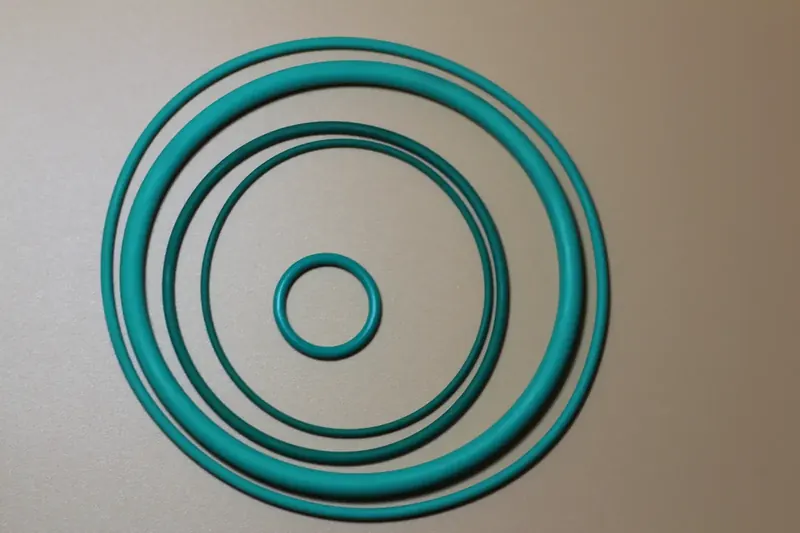
Bending Rubber Hoses Manufacturer | Engineering Guide

Engineering Guide: Bending Rubber Hoses

bending rubber hoses manufacturing

Material Science: The Unseen Determinant in Rubber Hose Bend Performance

Selecting the appropriate elastomer compound is the cornerstone of reliable rubber hose performance under bending conditions. Off-the-shelf solutions frequently fail because they prioritize generic pressure ratings or chemical resistance over the specific dynamic stresses encountered during flexing. Bending induces complex strain states – tensile stress on the outer radius, compressive stress on the inner radius, and shear stress throughout the wall – fundamentally different from static pressure loading. Generic compounds often lack the tailored molecular architecture and filler systems necessary to withstand these repeated deformations without degradation.

The critical failure mode in bent hoses is flex fatigue, leading to cracking, delamination, or catastrophic rupture. This occurs when the compound cannot efficiently dissipate the energy generated during bending cycles. Key material properties dictating bend life include ultimate elongation, resilience, fatigue resistance, low-temperature flexibility, and the ability to resist ozone/chemical attack during strain. Standard NBR compounds, while cost-effective for static applications, often exhibit poor flex life below -20°C due to crystallization under strain and inadequate filler dispersion. Similarly, generic EPDM hoses may crack prematurely when bent in ozone-rich environments if the compound lacks sufficient protective additives. The misconception that “all rubber bends” ignores the profound impact of polymer chemistry and compounding precision on dynamic service life.

Suzhou Baoshida Trading Co., Ltd. leverages deep OEM formulation expertise to match elastomer properties precisely to the application’s bend radius, cycle frequency, temperature extremes, and media exposure. We avoid the pitfalls of one-size-fits-all solutions by optimizing critical parameters:

Material Tensile Strength (MPa) Elongation at Break (%) Flex Life (100mm Radius, 5000 Cycles) Continuous Temp Range (°C)
Standard NBR 15-18 350-400 Cracking observed -30 to +100
Optimized NBR 20-24 500-600 No damage -40 to +120
Standard EPDM 16-19 400-450 Surface checking -50 to +135
Optimized EPDM 22-26 550-650 No damage -55 to +150
FKM 12-15 250-300 Stiffening/cracking below -15°C -20 to +230

The data illustrates how targeted compounding significantly enhances bend performance. Optimized NBR achieves superior low-temperature flexibility through controlled polymer microstructure and specialized plasticizers, preventing strain-induced crystallization. Enhanced EPDM utilizes high-purity polymers and synergistic antioxidant packages to maintain integrity under repeated flexing in harsh environments. Crucially, FKM’s exceptional heat/chemical resistance comes with inherent limitations in low-temperature bend flexibility – a critical trade-off generic suppliers often overlook.

OEMs experience costly downtime when off-the-shelf hoses fail prematurely due to unaddressed bend dynamics. Suzhou Baoshida’s engineering approach starts with rigorous analysis of the bending profile and environmental factors, then formulates compounds where molecular chain mobility, filler-rubber interaction, and crosslink density are calibrated for the specific flexural demand. This precision eliminates the hidden costs of frequent replacement and system contamination, delivering true lifecycle value through material science rigor.


Material Specifications

bending rubber hoses manufacturing

When selecting rubber materials for bending hoses in industrial applications, performance under dynamic stress, temperature extremes, chemical exposure, and long-term durability are critical factors. At Suzhou Baoshida Trading Co., Ltd., we specialize in high-performance rubber solutions engineered to meet the rigorous demands of fluid transfer systems across automotive, aerospace, petrochemical, and manufacturing sectors. Our expertise in Viton, Nitrile (NBR), and Silicone rubber formulations ensures optimal hose performance in bending and flexing conditions where material integrity is paramount.

Viton, a fluorocarbon-based elastomer, offers exceptional resistance to high temperatures, oils, fuels, and aggressive chemicals. With a continuous service temperature range of -20°C to 200°C (short-term up to 250°C), Viton is ideal for applications involving repeated bending in hot, chemically aggressive environments. Its molecular structure provides low compression set and excellent resilience, maintaining sealing force and shape recovery after deformation. However, due to its stiffer polymer backbone, Viton hoses may require design considerations for tight bend radii, particularly in low-temperature conditions.

Nitrile rubber, or acrylonitrile butadiene rubber (NBR), is widely used for its excellent resistance to petroleum-based oils, fuels, and hydraulic fluids. Operating effectively from -40°C to 120°C, NBR offers good mechanical strength and abrasion resistance, making it suitable for dynamic bending applications in industrial hydraulics and mobile equipment. While not as thermally stable as Viton, NBR provides superior flexibility at lower costs, especially in moderate temperature ranges. Its compatibility with a broad range of lubricants and solvents ensures reliable performance in repetitive flexing scenarios where cost-efficiency and oil resistance are key.

Silicone rubber stands out for its extreme temperature resilience, operating from -60°C to 200°C, and exceptional flexibility across this range. It is highly suitable for applications requiring repeated bending at low temperatures or in sterile environments such as food processing and pharmaceuticals. Silicone exhibits excellent UV and ozone resistance, maintaining elasticity under prolonged outdoor exposure. However, it has lower tensile strength and abrasion resistance compared to Viton and Nitrile, and requires reinforcement in high-pressure bending applications. Additionally, silicone is not recommended for use with petroleum-based fluids due to poor swelling resistance.

The following table summarizes key material properties for bending rubber hose applications:

Property Viton (FKM) Nitrile (NBR) Silicone (VMQ)
Temperature Range (°C) -20 to 200 (up to 250) -40 to 120 -60 to 200
Fluid Resistance Excellent (oils, fuels, acids) Excellent (petroleum oils, fuels) Poor (petroleum), Good (water, glycols)
Flexibility at Low Temp Moderate Good Excellent
Compression Set Resistance Excellent Good Good
Abrasion Resistance Good Excellent Fair
Ozone/UV Resistance Excellent Fair Excellent
Typical Applications Aerospace, chemical processing Hydraulics, automotive fuel lines Medical, food, HVAC, electronics

Selecting the appropriate material requires balancing environmental exposure, mechanical demands, and lifecycle cost. Suzhou Baoshida Trading Co., Ltd. provides engineered rubber solutions tailored to your operational requirements, ensuring reliability and performance in every bend.


Manufacturing Capabilities

bending rubber hoses manufacturing

Engineering Excellence in Custom Bending Rubber Hose Manufacturing

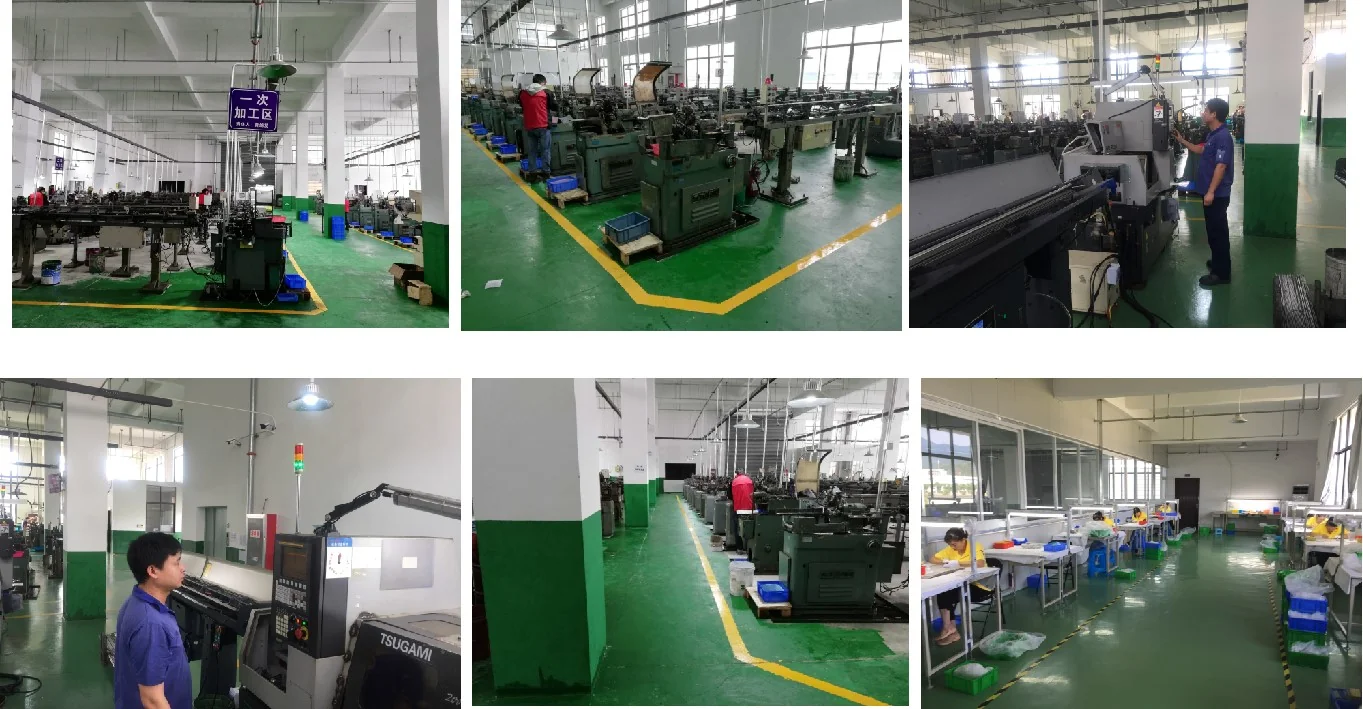
Suzhou Baoshida Trading Co., Ltd. delivers precision-engineered bending rubber hoses through integrated material science and advanced tooling expertise. Our core strength lies in the seamless collaboration between 5 dedicated mold engineers and 2 specialized rubber formula engineers, ensuring every hose meets exacting industrial performance criteria. This synergy enables us to solve complex fluid conveyance challenges where flexibility, pressure integrity, and environmental resistance are non-negotiable.

Our formula engineers meticulously develop compound formulations using NBR, EPDM, VMQ, and specialty elastomers, optimizing for dynamic bending fatigue, chemical exposure, and temperature extremes. Each compound undergoes rigorous ASTM D2000 classification testing, with formulations tailored to client-specific media compatibility requirements—whether hydraulic fluids, aggressive chemicals, or high-temperature steam. Concurrently, our mold engineering team leverages 3D CAD/CAM and finite element analysis (FEA) to design mandrels and tooling that achieve precise bend radii without wall thinning or kinking. This dual-engineering approach guarantees dimensional stability across 10,000+ bending cycles, critical for automotive, aerospace, and heavy machinery applications.

As an OEM manufacturing partner, we prioritize co-engineering from concept to量产. Our facility supports low-volume prototyping through high-volume production, with full traceability via ERP-integrated batch records. We adhere strictly to ISO 9001:2015 and IATF 16949 standards, implementing SPC controls on critical parameters like durometer (±2 Shore A), elongation (±15%), and burst pressure. Clients benefit from our end-to-end ownership: material sourcing from certified suppliers, in-house mixing and curing, 100% hydrostatic testing, and custom packaging compliant with JIT logistics. Intellectual property protection is embedded in our OEM agreements, ensuring exclusive design rights for client-specific geometries.

The table below summarizes key performance specifications achievable through our engineered solutions:

Parameter Standard Bending Hose Custom OEM Solution Test Standard
Minimum Bend Radius 1.5x ID 1.2x ID (validated) SAE J517
Pressure Rating 250 psi @ 100°C Up to 6,000 psi ISO 1436
Temperature Range -40°C to +120°C -60°C to +200°C ASTM D1329
Fluid Resistance Mineral Oils Custom chemical suite ASTM D471
Bend Cycle Life 5,000 cycles 20,000+ cycles ISO 6803

This technical capability framework ensures hoses maintain flow efficiency and structural integrity under repeated flexing—a critical factor in reducing system downtime. By embedding material science into every design iteration, we eliminate field failures linked to compound degradation or inadequate bend geometry. Suzhou Baoshida does not merely manufacture hoses; we engineer fluid system reliability through data-driven elastomer innovation and precision tooling mastery. Partner with us for OEM solutions where bending performance directly translates to operational longevity.


Customization Process

bending rubber hoses manufacturing

Drawing Analysis: The Foundation of Precision Hose Customization

At Suzhou Baoshida Trading Co., Ltd., every custom bending rubber hose begins with a rigorous analysis of technical drawings provided by our OEM partners. This initial phase is critical to ensure dimensional accuracy, performance compliance, and manufacturability. Our engineering team evaluates key parameters including inner diameter (ID), outer diameter (OD), bend radius, length tolerances, flange types, and reinforcement layer specifications. We assess material compatibility requirements based on the intended operating environment—such as exposure to oils, acids, steam, or extreme temperatures—and verify adherence to international standards like ISO 1307, SAE J517, or DIN 20022. Any ambiguity in the drawing is clarified through direct consultation with the client to prevent misinterpretation and ensure alignment with application demands.

Formulation: Engineering the Optimal Rubber Compound

Once the design parameters are confirmed, our rubber formulation engineers develop a proprietary elastomer blend tailored to the functional requirements of the hose. Utilizing advanced compounding techniques, we select base polymers such as NBR (nitrile butadiene rubber) for oil resistance, EPDM for heat and ozone stability, or silicone for extreme temperature flexibility. Additives—including reinforcing fillers, antioxidants, plasticizers, and vulcanizing agents—are precisely metered to achieve desired mechanical properties. The formulation is optimized for critical performance metrics such as tensile strength, elongation at break, compression set, and resistance to dynamic flexing. This stage integrates predictive modeling and historical performance data to ensure long-term durability under real-world conditions.

Prototyping: Validation Through Physical Testing

Following compound development, we produce a limited batch of prototype hoses using precision molding and curing processes. These prototypes undergo comprehensive laboratory and field-relevant testing protocols. Key evaluations include impulse testing (per ISO 6803), burst pressure verification, vacuum resistance, flex life cycling, and permeation analysis. Dimensional inspection is performed using coordinate measuring machines (CMM) to confirm geometric fidelity. Test results are compiled into a detailed validation report, shared with the client for review. Iterative refinements are made as necessary until all performance criteria are consistently met.

Mass Production: Scalable Quality Assurance

With prototype approval, the project transitions to full-scale production. Our manufacturing facilities employ automated extrusion lines, computer-controlled curing systems, and inline quality monitoring to maintain consistency across batches. Each hose is traceable via batch coding, and final inspection includes 100% visual checks and statistical sampling for pressure testing. We maintain ISO 9001-certified quality management systems to support high-volume OEM supply chains with on-time delivery and zero-defect objectives.

Typical Custom Hose Specifications

Parameter Standard Range Customizable Options
Inner Diameter (ID) 6 mm – 150 mm Down to 3 mm or up to 200 mm
Bend Radius 3× ID to 10× ID Ultra-tight bends (2× ID) available
Operating Temperature -40°C to +150°C (NBR) Up to +300°C (silicone)
Pressure Rating Up to 40 MPa (static) Reinforced up to 70 MPa
Material Types NBR, EPDM, Silicone, CR, CSM Blends for hybrid performance
Reinforcement Braided steel, spiral wire, textile Multi-layer hybrid structures

Contact Engineering Team

bending rubber hoses manufacturing

Precision Engineering for Critical Bending Applications: Partner with Suzhou Baoshida

Achieving consistent, reliable performance in dynamic fluid transfer systems demands more than standard rubber hoses; it requires engineered solutions where bending characteristics are precisely calibrated to operational stressors. At Suzhou Baoshida Trading Co., Ltd., we specialize in the molecular formulation and structural optimization of industrial rubber compounds specifically designed to excel under cyclic flexing, extreme pressure differentials, and aggressive media exposure. Our proprietary material science approach, developed over 15 years of OEM collaboration, ensures hoses maintain integrity far beyond generic alternatives, directly impacting your system’s longevity, safety, and total cost of ownership. We do not manufacture off-the-shelf products; we co-engineer bespoke rubber formulations and reinforcement architectures validated through rigorous ASTM D380, ISO 1436, and SAE J517 testing protocols to meet your exact bending radius, impulse life, and environmental resistance requirements.

Understanding the critical interplay between compound elasticity, reinforcement layer adhesion, and cover abrasion resistance is paramount. Our engineering team leverages finite element analysis (FEA) simulations alongside physical prototype validation to predict hose behavior under complex bending loads, preventing premature failure modes like cover cracking, braid separation, or internal liner collapse. This scientific methodology translates into tangible performance gains, as demonstrated in the comparative specification analysis below for a typical high-pressure hydraulic application.

Specification Parameter Standard Nitrile Hose (Generic) Suzhou Baoshida Engineered Solution Performance Impact
Minimum Bend Radius (ID 1″) 125 mm 95 mm Enables tighter routing in confined spaces
Impulse Life (210 bar, 4SC) 250,000 cycles > 600,000 cycles Significantly extends service intervals
Low-Temperature Flexibility -30°C (ASTM D2137) -45°C (ASTM D2137) Reliable operation in arctic conditions
Adhesion Strength (Reinforce) 6.5 kN/m > 10.5 kN/m Prevents delamination under cyclic stress
Volume Change (IRM 903, 70h) +25% +8% Superior resistance to hydraulic fluids

These metrics are not theoretical; they are the baseline outcomes achieved for global Tier-1 automotive and heavy machinery OEMs through our integrated R&D and manufacturing control. We manage the entire process from raw polymer selection and additive compounding to vulcanization profiling and final QA, ensuring batch-to-batch consistency essential for automated assembly lines. Our Suzhou facility operates under ISO 9001:2015 and IATF 16949 standards, with dedicated clean rooms for critical aerospace and semiconductor fluid handling applications where particulate control is non-negotiable.

Initiate your next-generation hose development project with engineering certainty. Contact Mr. Boyce, our dedicated Technical OEM Manager, directly at [email protected]. Provide your specific application parameters—including operating pressure, media type, temperature range, required bend cycles, and space constraints—and Mr. Boyce will coordinate our materials science and application engineering teams to deliver a validated prototype proposal within 10 business days. Do not compromise system reliability with hoses designed for generic specifications. Partner with Suzhou Baoshida where rubber compound science meets industrial precision engineering. Your application’s demanding bending requirements deserve an engineered solution, not an off-the-shelf compromise. Reach out to Mr. Boyce today to commence technical validation.


⚖️ O-Ring Weight Calculator

Estimate rubber O-ring weight (Approx).


Bending Rubber Hoses Manufacturer | Engineering Guide

Contents of Table

Contact [email protected] Whatsapp 86 15951276160