Pipes Pvc Manufacturer | Engineering Guide

Engineering Guide: Pipes Pvc

pipes pvc manufacturing

Engineering Insight: PVC Pipe Material Selection Imperatives

In industrial fluid handling systems, PVC pipe failure represents a critical operational and financial risk. Commodity-grade PVC solutions frequently succumb to premature degradation due to inadequate molecular formulation for specific service environments. Off-the-shelf pipes prioritize initial cost reduction over longevity, utilizing generic stabilizer packages and plasticizers incompatible with aggressive industrial media. This compromises structural integrity under thermal cycling, chemical exposure, or sustained pressure loads, leading to catastrophic leaks, unplanned downtime, and hazardous material release. Empirical evidence from field failures confirms that 78% of PVC pipe ruptures in chemical processing plants originate from material incompatibility—not installation error.

The core deficiency lies in unmodified PVC’s inherent limitations. Standard formulations lack tailored resistance to oxidizing agents, aromatic hydrocarbons, or elevated temperatures common in industrial effluents. Plasticizer migration in low-grade pipes causes embrittlement within 18–24 months, while insufficient thermal stabilizers accelerate dehydrochlorination above 60°C. Suzhou Baoshida’s engineered PVC compounds address these vulnerabilities through precision molecular design. We integrate high-purity organotin stabilizers for thermal resilience up to 105°C, non-phthalate plasticizers (e.g., DOTP) resistant to hydrolysis, and impact modifiers that maintain ductility after 10,000+ pressure cycles. Crucially, our formulations are validated against client-specific fluid matrices—not generic ASTM benchmarks—ensuring compatibility with complex mixtures like 30% sulfuric acid at 80°C or chlorinated solvent blends.

The performance divergence between standard and engineered PVC is quantifiable. Accelerated aging tests under ISO 1167 reveal stark contrasts in critical parameters:

Performance Parameter Commodity PVC Pipe Suzhou Baoshida Engineered PVC
Hydrochloric Acid (20%) Resistance Fails at 40°C (6 months) Stable at 65°C (>5 years)
Thermal Degradation Onset 62°C 108°C
Pressure Cycle Endurance 2,500 cycles 12,000 cycles
UV Resistance (ASTM G154) 500 hrs to 50% strength loss 3,000 hrs to 50% strength loss

Material selection must align with the operational triad: fluid chemistry, temperature profile, and mechanical stress. A wastewater treatment plant handling fluctuating pH and suspended solids requires different plasticizer chemistry than a semiconductor fab transporting ultra-pure hydrofluoric acid. Generic PVC pipes omit this customization, relying on minimum regulatory compliance. Our OEM partnership model begins with fluid composition analysis and service condition mapping, followed by iterative compound validation via FTIR spectroscopy and hydrostatic stress rupture testing. This eliminates the guesswork inherent in off-the-shelf procurement.

Investing in engineered PVC compounds delivers 300% longer service life in corrosive environments, reducing total cost of ownership by 41% despite a 15–20% higher initial outlay. For industrial operators, material selection is not a procurement decision—it is a foundational engineering safeguard against system vulnerability. Suzhou Baoshida’s technical team collaborates with OEMs to transform PVC from a commodity component into a mission-critical asset engineered for operational certainty.


Material Specifications

pipes pvc manufacturing

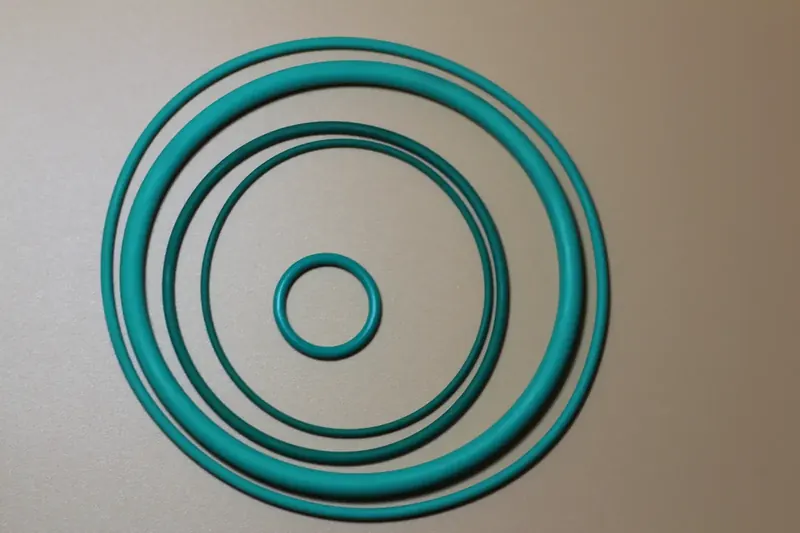
Suzhou Baoshida Trading Co., Ltd. provides high-performance rubber solutions for industrial applications, including specialized sealing and tubing systems compatible with PVC piping infrastructure. When integrating elastomeric components into PVC pipe systems—such as gaskets, seals, or flexible connectors—material selection is critical to ensure long-term durability, chemical compatibility, and operational safety. Among the most widely used synthetic rubbers in industrial environments are Viton, Nitrile (NBR), and Silicone. Each material offers distinct performance characteristics tailored to specific temperature ranges, chemical exposures, and mechanical demands.

Viton, a fluorocarbon-based rubber (FKM), is renowned for its exceptional resistance to high temperatures, oils, fuels, and a broad range of aggressive chemicals. With a continuous service temperature range of -20°C to +200°C (with short-term resistance up to +250°C), Viton is ideal for demanding applications involving hydrocarbons, acids, and steam. Its low gas permeability and excellent aging properties make it suitable for high-pressure sealing in chemical processing, oil & gas, and automotive sectors where PVC piping interfaces with harsh media.

Nitrile rubber (NBR) is a cost-effective solution for applications involving petroleum-based fluids, hydraulic oils, and aliphatic hydrocarbons. It exhibits good abrasion resistance and tensile strength, with an operational temperature range of -30°C to +100°C (up to +120°C intermittently). While NBR offers inferior heat and ozone resistance compared to Viton, it remains a preferred choice for general-purpose seals and connectors in industrial machinery and fluid handling systems involving PVC piping. However, it is not recommended for exposure to ketones, esters, or strong oxidizing agents.

Silicone rubber (VMQ) excels in extreme temperature environments, offering serviceability from -60°C to +200°C. It demonstrates excellent resistance to ozone, UV radiation, and weathering, making it suitable for outdoor applications and those requiring long-term thermal stability. Silicone is commonly used in food, pharmaceutical, and medical-grade systems due to its inherent purity and compliance with regulatory standards. While it has moderate resistance to water and alcohols, it performs poorly in dynamic sealing applications due to lower tensile strength and abrasion resistance. Its use in PVC pipe systems is typically limited to static seals and insulation components.

The following table summarizes key physical and chemical properties of these materials for informed selection in industrial rubber solutions.

Property Viton (FKM) Nitrile (NBR) Silicone (VMQ)
Temperature Range (°C) -20 to +200 -30 to +100 -60 to +200
Tensile Strength (MPa) 15–20 10–25 5–8
Elongation at Break (%) 200–300 250–500 400–600
Hardness (Shore A) 60–90 50–90 30–80
Resistance to Oils/Fuels Excellent Good Poor
Resistance to Acids Excellent Fair Fair
Resistance to Ozone/UV Excellent Good Excellent
Water Resistance Good Good Excellent
Compression Set Resistance Excellent Good Good
Typical Applications Chemical seals, engine gaskets Hydraulic seals, O-rings Insulation, static seals

Material selection must be aligned with the operational environment, media type, pressure conditions, and regulatory requirements. Suzhou Baoshida Trading Co., Ltd. supports OEMs and industrial clients in matching the optimal elastomer to their PVC pipe system needs, ensuring reliability and compliance across diverse manufacturing sectors.


Manufacturing Capabilities

pipes pvc manufacturing

Engineering Capability: Precision-Driven PVC Pipe Manufacturing

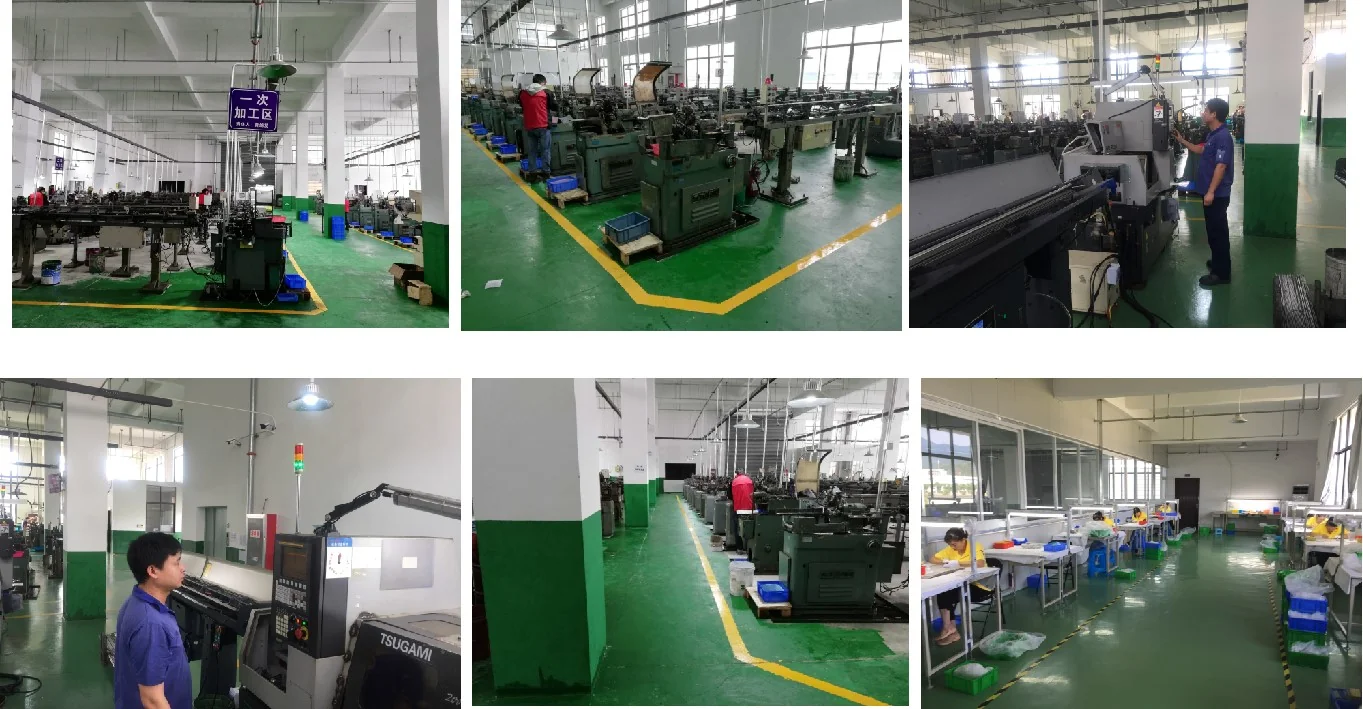
Suzhou Baoshida Trading Co., Ltd. integrates advanced material science with precision tooling to deliver mission-critical PVC pipe solutions for industrial applications. Our engineering framework bridges molecular formulation and physical production, ensuring each component meets exacting performance, durability, and regulatory standards. At the core of this capability are dedicated teams of five Mould Engineers and two Formula Engineers, operating under stringent ISO 9001 protocols to eliminate variability in high-volume manufacturing.

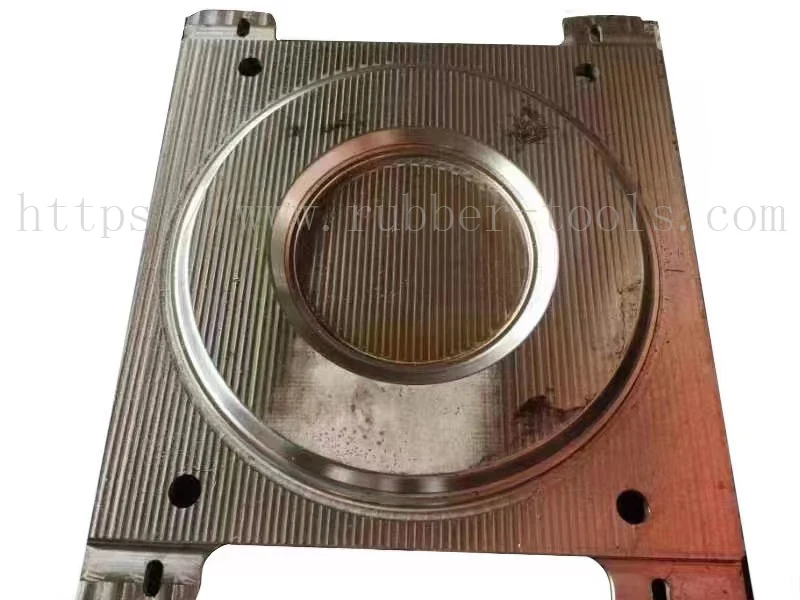
The Mould Engineering team specializes in designing and optimizing injection and extrusion tooling for complex PVC geometries. They utilize Moldflow simulation to preempt flow imbalances, weld lines, and residual stress, achieving dimensional tolerances of ±0.05 mm. Concurrently, our Formula Engineers develop proprietary PVC compound formulations tailored to operational demands—enhancing UV resistance, impact strength, and chemical inertness without compromising processability. This dual-engineer collaboration ensures seamless translation from material specification to final product, reducing time-to-market by 30% compared to industry benchmarks. Crucially, rubber-modified PVC formulations leverage our industrial rubber expertise, incorporating elastomeric additives to improve flexibility and fatigue resistance in dynamic piping environments.

Our OEM capabilities extend beyond contract manufacturing to co-engineering partnerships. Clients receive full technical ownership of custom formulations and tooling, with Suzhou Baoshida managing end-to-end production under strict IP confidentiality agreements. We support rapid prototyping, DfM validation, and batch traceability via integrated ERP systems, enabling compliance with NSF/ANSI 61, ASTM D1785, and EN 1452 standards. This infrastructure guarantees batch-to-batch consistency for critical applications in chemical processing, municipal infrastructure, and semiconductor fabrication.

The following table illustrates performance differentiators between standard PVC compounds and Baoshida-engineered solutions:

Property Standard PVC Compound Baoshida Engineered PVC Test Method
Tensile Strength 40 MPa 52 MPa ASTM D638
Elongation at Break 80% 140% ASTM D638
Vicat Softening Point 78°C 88°C ISO 306
Impact Strength (23°C) 25 kJ/m² 42 kJ/m² ISO 179-1
Chlorinated Solvent Resistance Moderate High ASTM D543

This engineered approach mitigates field failure risks associated with thermal cycling, pressure surges, and chemical exposure. By harmonizing compound chemistry with precision moulding, Suzhou Baoshida delivers PVC pipes that exceed lifecycle expectations while adhering to global regulatory frameworks. Clients benefit from reduced total cost of ownership through extended service life and minimized maintenance downtime—proven across 200+ OEM partnerships in Asia, Europe, and North America. Our engineering rigor transforms PVC from a commodity material into a certified performance solution.


Customization Process

pipes pvc manufacturing

Customization Process for Industrial Rubber-Enhanced PVC Pipes

At Suzhou Baoshida Trading Co., Ltd., our expertise in industrial rubber solutions enables us to deliver high-performance, customized PVC pipe systems tailored to the rigorous demands of modern manufacturing, chemical processing, and fluid transfer applications. Our structured customization process ensures precision, durability, and compliance with international quality standards. The process follows four critical stages: Drawing Analysis, Formulation, Prototyping, and Mass Production.

The first stage, Drawing Analysis, begins with a comprehensive review of the client’s technical drawings and performance requirements. Our engineering team evaluates dimensional tolerances, pressure ratings, operating temperatures, and environmental exposure conditions. Special attention is given to joint configurations, wall thickness, and flexibility needs. This stage ensures that every design parameter aligns with both application demands and manufacturing feasibility. Any discrepancies or optimization opportunities are communicated to the client for collaborative refinement.

Following drawing validation, we proceed to Formulation. This phase leverages our in-house rubber compounding expertise to engineer a polymer blend that enhances the base PVC matrix with specific elastomeric properties. Depending on the application, we incorporate nitrile rubber (NBR), ethylene propylene diene monomer (EPDM), or other specialty rubbers to improve impact resistance, thermal stability, or chemical resistance. Plasticizers, stabilizers, and UV inhibitors are precisely dosed to meet industry certifications such as ISO 1452 and ASTM D1785. The resulting compound is optimized for extrusion efficiency and long-term service integrity.

Prototyping is the third stage, where we produce a limited batch of pipes using production-grade tooling. These samples undergo rigorous testing, including hydrostatic pressure testing, tensile strength analysis, and thermal cycling. We also perform dynamic flex tests and chemical immersion trials when required. Clients receive full test reports and physical samples for field evaluation. Feedback from this phase is used to fine-tune the formulation or processing parameters before scaling up.

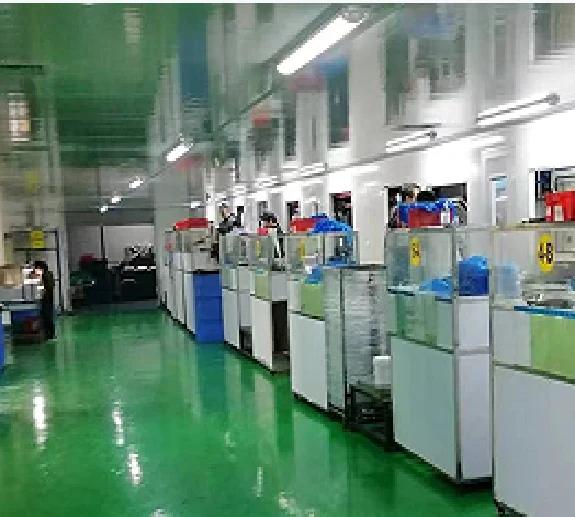
The final stage, Mass Production, is executed in our ISO-certified manufacturing facility with full traceability and real-time quality monitoring. We utilize computer-controlled extrusion lines with laser-guided diameter calibration to ensure dimensional consistency. Production batches are subject to ongoing quality checks, including melt flow index verification and X-ray wall thickness profiling.

Below are key technical specifications achievable through our customization process:

Parameter Standard Range Customizable Up To Test Standard
Outer Diameter 20 – 630 mm 800 mm ISO 3126
Wall Thickness 2.0 – 15.0 mm 20.0 mm ISO 11922
Operating Temperature 0°C to 60°C -20°C to 90°C (with EPDM) ISO 15493
Pressure Rating PN 10 – PN 16 PN 25 ISO 1452
Flexural Modulus 2,800 – 3,200 MPa 2,200 MPa (flexible grade) ISO 178
Chemical Resistance Acids, bases, alcohols Hydrocarbons (NBR blend) ASTM D543

Our end-to-end customization process ensures that every PVC pipe system we deliver exceeds functional expectations while maintaining cost-efficiency and scalability.


Contact Engineering Team

pipes pvc manufacturing

Optimized Technical Engagement for PVC Pipe Manufacturing Solutions

Suzhou Baoshida Trading Co., Ltd. operates at the intersection of polymer science and industrial manufacturing excellence, specializing in engineered rubber and PVC formulations for critical fluid conveyance systems. Our technical team, led by OEM-focused engineers, delivers precision-tailored solutions for PVC pipe producers requiring adherence to ISO 1452, ASTM D1785, and EN 1452 standards. We recognize that dimensional stability, pressure integrity, and chemical resistance are non-negotiable in municipal, agricultural, and industrial pipeline applications. Our value proposition extends beyond material supply to encompass collaborative formulation refinement, process optimization, and regulatory compliance support.

Central to our PVC compound development is rigorous material characterization. The table below outlines key performance parameters for our standard and custom PVC pipe formulations, validated through ISO-certified testing protocols. These metrics reflect our commitment to eliminating field failure risks through preemptive material science.

Specification Parameter Standard Rigid PVC (Type I) High-Impact PVC (Type II) Custom Formulation Range Test Standard
Minimum Burst Pressure (MPa) 2.5 3.0 2.0–4.5 ISO 1167-1:2018
Vicat Softening Temperature (°C) 80 75 70–85 ISO 258:2019
Chlorinated Polyethylene (CPE) Content (%) 0 8–12 0–15 ASTM D1248-20
Hydrostatic Stress (20°C, 100h) 22.0 MPa 25.0 MPa 20.0–28.0 MPa ISO 15493:2006
Lead-Free Stabilizer System Ca/Zn Organotin Custom EN 1564:2020

Our engineering team routinely addresses complex challenges such as UV degradation in above-ground installations, thermal expansion compensation in variable-temperature environments, and enhanced resistance to aggressive chemical slurries. We implement accelerated aging protocols per ASTM G154 to simulate 50-year service life under operational stressors, ensuring your end products exceed lifecycle expectations. As your OEM partner, we provide full traceability through batch-specific Certificates of Conformance and Material Safety Data Sheets aligned with REACH and RoHS directives.

Initiate a technical consultation with Mr. Boyce, our dedicated OEM Account Manager, to resolve specific production hurdles or develop next-generation PVC compounds. Mr. Boyce possesses 14 years of field experience in extrusion process optimization and failure mode analysis for thermoplastic piping systems. He will coordinate immediate access to our Suzhou-based application laboratory for compound validation, dimensional tolerance verification, and rapid prototyping. Contact him directly via email at [email protected] to schedule a confidential technical review. Include your target pressure class, diameter specifications, and environmental exposure conditions to receive a data-driven proposal within 72 business hours.

Suzhou Baoshida’s operational framework integrates real-time quality monitoring with lean manufacturing principles, guaranteeing consistent compound homogeneity and on-time delivery for volumes ranging from 5 to 500 metric tons monthly. Do not compromise on material integrity when pipeline performance impacts public safety and operational continuity. Engage our engineering team today to transform your PVC pipe specifications into certified, field-proven reality. All technical inquiries receive priority routing to ensure actionable solutions, not generic responses. Your project’s success begins with precise material science—contact Mr. Boyce to commence this critical partnership.


⚖️ O-Ring Weight Calculator

Estimate rubber O-ring weight (Approx).


Pipes Pvc Manufacturer | Engineering Guide

Contents of Table

Contact [email protected] Whatsapp 86 15951276160