Technical Contents
Engineering Guide: White Silicone Gasket
Engineering Insight: The Critical Role of Material Selection in White Silicone Gaskets
In precision rubber sealing applications, the selection of base elastomer is not a secondary consideration—it is the foundational determinant of gasket performance, longevity, and system reliability. White silicone gaskets, while often perceived as generic components, are in fact highly engineered products where material formulation directly influences resistance to thermal extremes, chemical exposure, compression set, and electrical properties. Off-the-shelf solutions frequently underperform because they prioritize cost and availability over application-specific engineering.
Silicone rubber, chemically known as polydimethylsiloxane (PDMS), offers a unique balance of flexibility and thermal stability, with operational ranges typically spanning from -60°C to +200°C. However, not all silicone formulations are created equal. Commercial-grade white silicone often uses lower-purity fillers and minimal reinforcing agents, resulting in reduced tensile strength, higher compression set, and susceptibility to fluid swelling. In contrast, high-performance formulations incorporate treated fumed silica, platinum-cure systems, and specialty additives to enhance durability under dynamic stress or prolonged thermal cycling.
A critical failure point in generic gaskets is premature compression set. When a gasket loses its ability to rebound after prolonged compression—common in flange or enclosure sealing—it creates micro-leak paths that compromise environmental sealing. Precision-engineered white silicone maintains elastic recovery due to optimized crosslink density and cure kinetics, a feature absent in mass-produced alternatives.
Additionally, color adds complexity. Achieving a stable, consistent white hue in silicone requires careful pigment selection. Titanium dioxide (TiO₂) is commonly used, but improper dispersion or incompatible grades can interfere with the polymer matrix, reducing mechanical integrity and UV resistance. OEM-grade white silicone gaskets use surface-treated pigments and dispersion techniques that preserve the elastomer’s intrinsic properties.
Chemical compatibility is another area where off-the-shelf gaskets fall short. While silicone exhibits good resistance to ozone, UV, and many polar solvents, exposure to low-molecular-weight siloxanes, concentrated acids, or certain fuels can cause degradation. Without precise formulation adjustments—such as phenyl or fluorosilicone modification—standard white silicone cannot perform reliably in aggressive media.
At Suzhou Baoshida Trading Co., Ltd., we emphasize application-driven material engineering. Each white silicone gasket is formulated based on end-use conditions, including temperature profile, media exposure, sealing force, and regulatory requirements (e.g., FDA, RoHS). This approach ensures dimensional stability, long-term resiliency, and compliance with industry-specific standards.
Below is a comparative specification table highlighting key differences between commercial-grade and engineered white silicone gaskets.
| Property | Commercial-Grade White Silicone | Engineered White Silicone (OEM) |
|---|---|---|
| Hardness (Shore A) | 50 ±5 | 40–70 (customizable) |
| Tensile Strength (MPa) | 5.0 | 8.0–10.0 |
| Elongation at Break (%) | 250 | 400–600 |
| Compression Set (22h, 150°C) | 35% | ≤15% |
| Operating Temperature Range | -50°C to +180°C | -60°C to +230°C |
| Cure System | Peroxide | Platinum (addition cure) |
| Fluid Resistance (IRM 903, 70°C) | Moderate swelling | Low swelling |
| Pigment Stability (UV Exposure) | Moderate (yellowing possible) | High (UV-stable TiO₂) |
Material selection is not a commodity decision. For critical sealing applications, engineered white silicone gaskets provide measurable performance advantages that justify their specification over generic alternatives.
Material Specifications
Material Specifications for Precision White Silicone Gaskets
Selecting the optimal elastomer for white silicone gaskets requires rigorous evaluation of chemical compatibility, thermal stability, and mechanical performance under operational stress. At Suzhou Baoshida Trading Co., Ltd., we engineer gaskets to meet stringent OEM requirements across aerospace, medical, and semiconductor applications where purity and sealing integrity are non-negotiable. White pigmentation introduces additional constraints, necessitating ultra-pure fillers and catalysts to prevent extractables or discoloration in critical environments. Our formulations adhere to ISO 13485 and FDA 21 CFR 177.2600 standards, ensuring biocompatibility and resistance to sterilization protocols. Key material properties must align with fluid exposure, pressure differentials, and lifecycle expectations to avoid premature failure.
Silicone rubber (VMQ) remains the benchmark for white gaskets demanding extreme temperature resilience and biocompatibility. Our platinum-cured medical-grade silicone achieves continuous service from -60°C to +230°C, with short-term peaks at 300°C. It exhibits exceptional resistance to ozone, UV, and ionizing radiation while maintaining low compression set (≤20% per ASTM D395). Critical for white variants, our formulations utilize precipitated silica with controlled particle size distribution to minimize haze and ensure optical clarity without compromising tensile strength (5.5–8.0 MPa per ASTM D412). Nitrile rubber (NBR) offers cost-effective resistance to oils and fuels but is limited to -30°C to +120°C operation. Its acrylonitrile content (33–50%) directly impacts fuel resistance yet reduces low-temperature flexibility, making it unsuitable for cryogenic or high-purity white gasket applications. Viton (FKM fluoroelastomer) provides superior chemical inertness against aggressive solvents and acids at 200°C+, but its black carbon-black-reinforced base complicates achieving consistent white pigmentation without sacrificing mechanical properties.
Material selection must balance performance trade-offs against total cost of ownership. Below is a comparative analysis of critical parameters for white gasket applications:
| Property | Silicone (VMQ) | Nitrile (NBR) | Viton (FKM) |
|---|---|---|---|
| Temperature Range (°C) | -60 to +230 | -30 to +120 | -20 to +200 |
| Tensile Strength (MPa) | 5.5–8.0 | 15–25 | 8–15 |
| Compression Set (%) | ≤20 (22h, 150°C) | ≤30 (70h, 100°C) | ≤25 (70h, 200°C) |
| Key Chemical Resistance | Water, Steam, Ozone | Oil, Fuel, Aliphatics | Acids, Aromatics, Ketones |
| Primary Limitation | Low tear strength | Poor heat/ozone resistance | High cost, difficult white pigmentation |
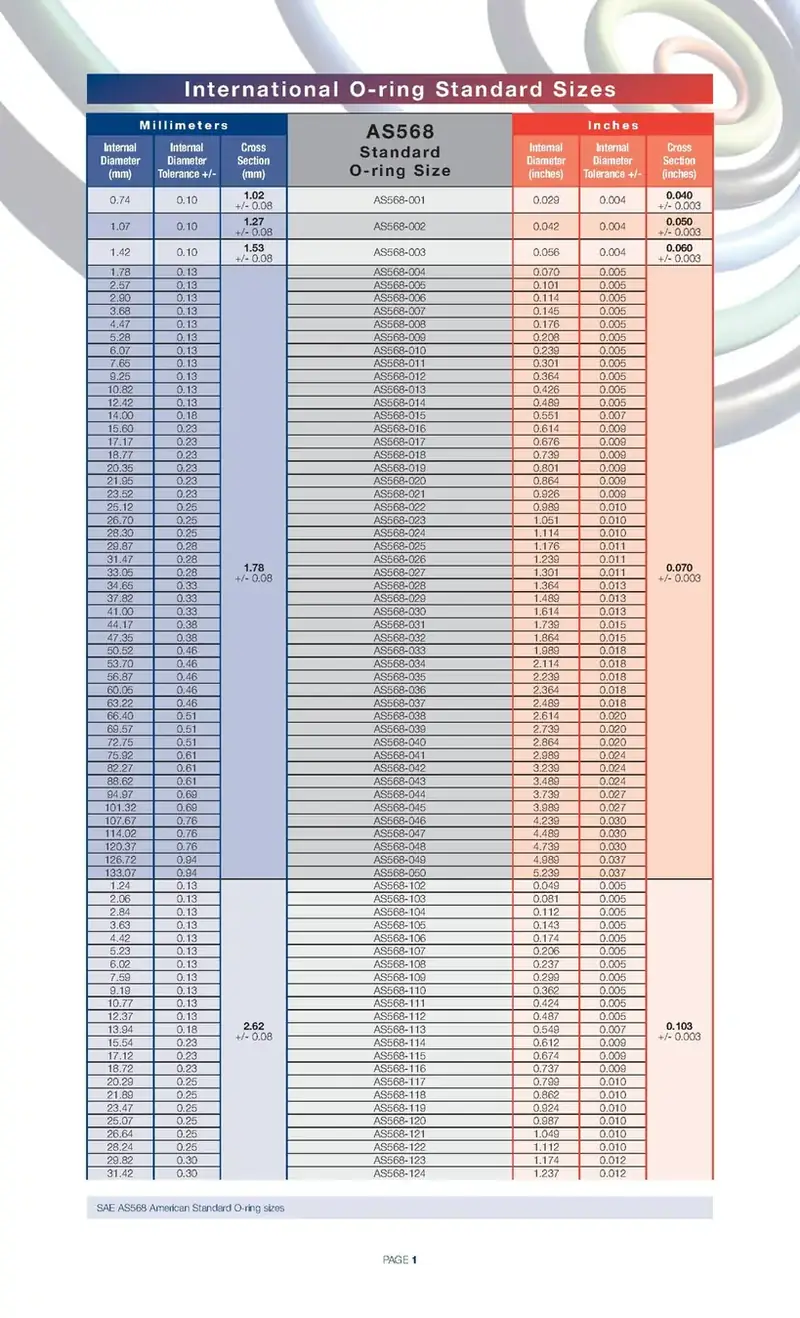
OEMs must validate material suitability against specific fluid immersion tests per ASTM D471 and dynamic sealing simulations. For white silicone gaskets in semiconductor tooling, we recommend high-purity VMQ with 40–50 Shore A hardness to mitigate particle generation during installation. NBR remains viable for non-critical hydraulic seals where color stability is secondary, while FKM white variants require custom peroxide curing to avoid platinum inhibitor interference. Suzhou Baoshida provides full material traceability and batch-certified test reports to ensure compliance with AS568 and ISO 3601 dimensional standards. Partner with our engineering team to optimize compound selection against your operational envelope—never compromise on validation for critical sealing interfaces.
Manufacturing Capabilities
Engineering Capability: Precision Development for White Silicone Gaskets
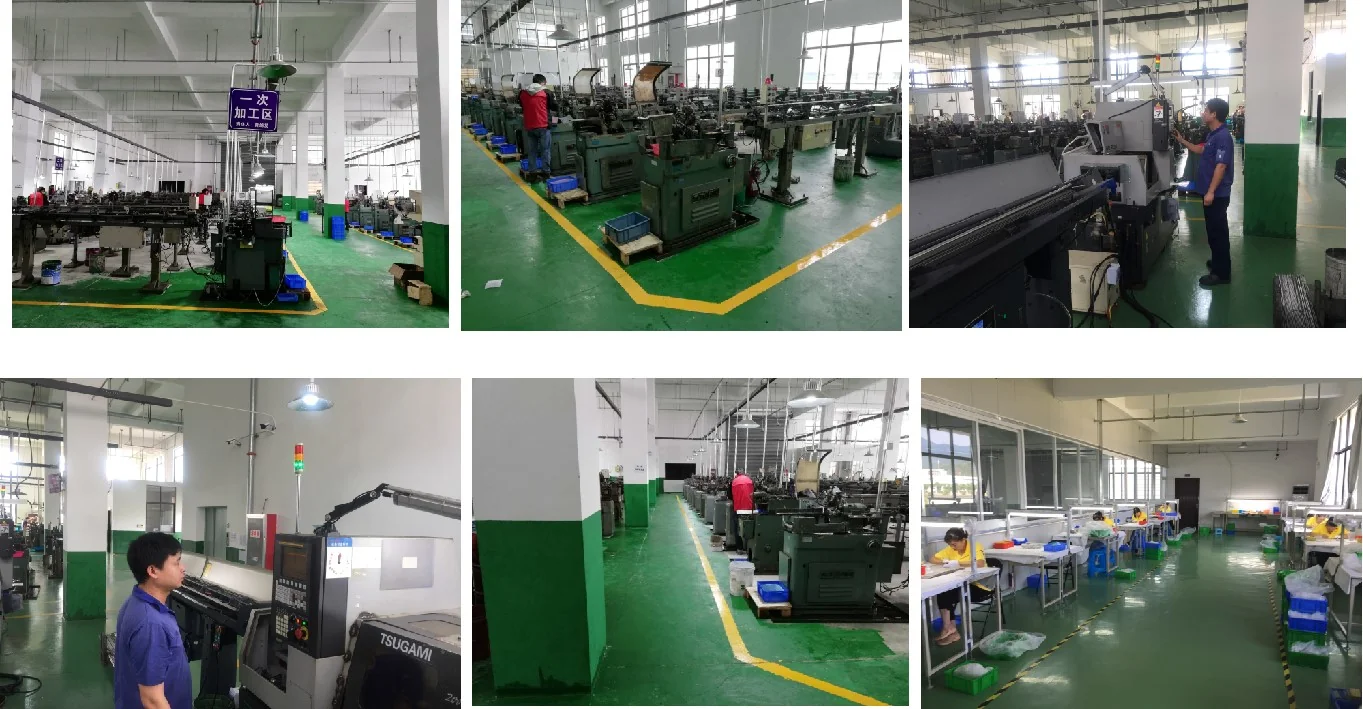
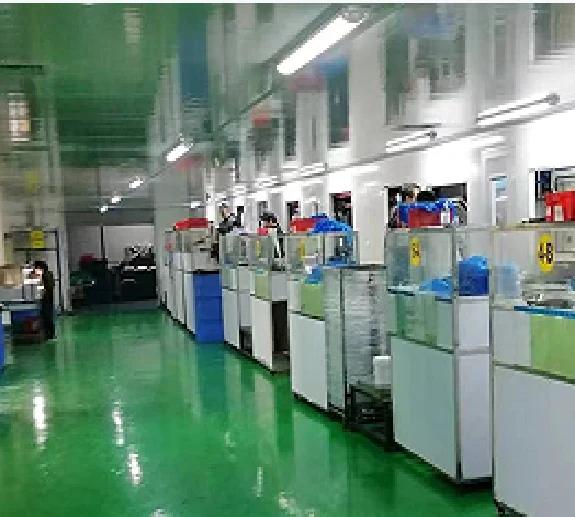
At Suzhou Baoshida Trading Co., Ltd., our engineering capability forms the backbone of our reputation in the precision rubber seals industry. With a dedicated team of five certified mould engineers and two specialized rubber formulation engineers, we deliver technically advanced white silicone gaskets tailored to the exact performance requirements of industrial OEMs. Our integrated engineering approach ensures seamless coordination between material science and tooling design, resulting in gaskets that meet stringent functional, environmental, and dimensional specifications.
Our formulation engineers possess deep expertise in silicone polymer chemistry, focusing exclusively on high-purity, platinum-cured silicone systems suitable for medical, food-grade, and high-temperature industrial applications. They develop custom formulations for white silicone compounds that balance compression set resistance, thermal stability, and mechanical integrity across operating ranges from -60°C to +230°C. Each formulation is optimized for specific OEM use cases, including resistance to ozone, UV exposure, and repeated sterilization cycles. Rigorous in-house testing ensures compliance with ASTM D2000, FDA 21 CFR 177.2600, and USP Class VI standards where required.
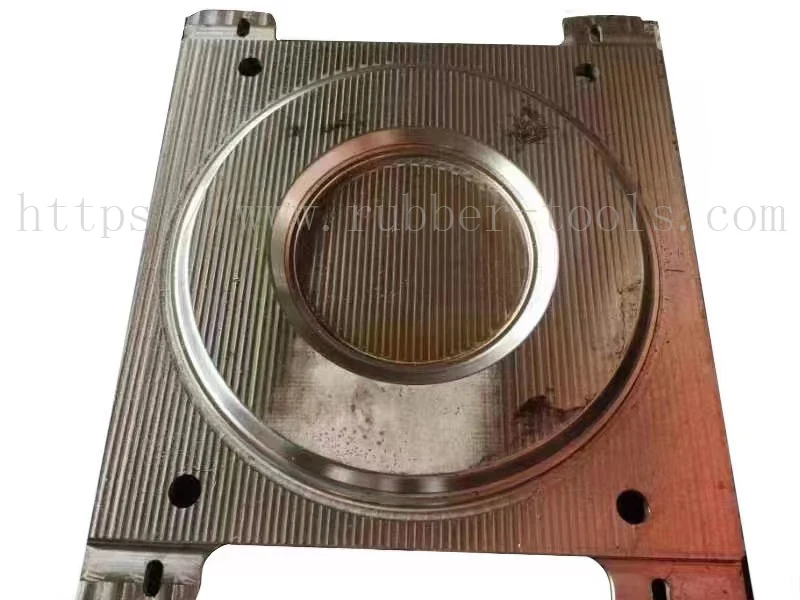
Complementing our material development is a team of five precision mould engineers with over 70 combined years of experience in rubber compression, transfer, and injection moulding. They utilize advanced CAD/CAM software (SolidWorks, AutoCAD, and MoldFlow) to design and validate moulds that achieve tight tolerances down to ±0.1 mm. Our engineers specialize in multi-cavity, family, and insert moulds, enabling cost-effective production of complex gasket geometries. Finite element analysis (FEA) is routinely applied to predict flow behavior, cure uniformity, and potential flash formation, minimizing trial-and-error during tool validation.
We support full OEM integration through design-for-manufacturability (DFM) reviews, rapid prototyping with in-house 3D printing and small-batch curing, and full traceability from raw material lot to finished part. Our engineering team collaborates directly with client R&D departments to refine sealing solutions, reduce assembly friction, and extend service life under dynamic compression loads.
The following table summarizes key engineering and material specifications for our standard white silicone gasket offerings:
| Parameter | Specification |
|---|---|
| Material Type | High-purity, platinum-cured silicone rubber |
| Color | Pure white (custom shades available) |
| Hardness Range (Shore A) | 30 to 80 ±5 |
| Tensile Strength | ≥8.0 MPa (ASTM D412) |
| Elongation at Break | ≥400% |
| Compression Set (22 hrs, 175°C) | ≤20% (ASTM D395B) |
| Operating Temperature | -60°C to +230°C |
| Curing Process | Injection, Transfer, or Compression Moulding |
| Tolerance Capability | ±0.1 mm (critical dimensions) |
| Regulatory Compliance | FDA, USP Class VI, RoHS, REACH |
Through synchronized expertise in rubber formulation and precision mould engineering, Suzhou Baoshida delivers white silicone gaskets that perform reliably in demanding OEM environments. Our engineering team is available for technical consultation at every stage of product development.
Customization Process
Customization Process for Precision White Silicone Gaskets
Suzhou Baoshida Trading Co., Ltd. employs a rigorous, science-driven methodology to transform client specifications into high-performance white silicone gaskets. This process ensures dimensional accuracy, material integrity, and functional reliability for demanding industrial applications. The sequence begins with meticulous Drawing Analysis. Our engineering team conducts a comprehensive review of client-provided CAD files or technical drawings, focusing on critical dimensions, geometric tolerances (GD&T), surface finish requirements, and functional interface points. We verify feasibility against silicone’s inherent material properties, identifying potential challenges such as thin cross-sections prone to tear, complex undercuts affecting mold release, or tolerance stacks exceeding typical silicone molding capabilities. This stage involves direct consultation with the client to resolve ambiguities and optimize the design for manufacturability without compromising sealing performance.
Subsequent to design validation, Formulation development commences. Our rubber chemists select the optimal silicone compound (VMQ) base, prioritizing purity for the required white color while meeting application-specific demands. Key factors include temperature resistance range, fluid compatibility, compression set performance, and regulatory compliance (e.g., FDA, USP <381>, UL). Critical formulation parameters are precisely controlled, as summarized below.
| Property | Standard Platinum Cure | High-Temp Variant | Low Compression Set |
|---|---|---|---|
| Durometer Range (Shore A) | 30 – 80 | 40 – 70 | 40 – 60 |
| Continuous Temp Range (°C) | -60 to +200 | -50 to +230 | -60 to +200 |
| Compression Set (22h/70°C) | ≤ 25% | ≤ 30% | ≤ 15% |
| Key Additives | Standard Inhibitors | Special Stabilizers | Enhanced Fillers |
Prototyping follows formulation finalization. Utilizing precision CNC-machined aluminum molds or rapid tooling, we produce functional samples from the approved compound. These prototypes undergo stringent first-article inspection against all drawing dimensions using calibrated CMM equipment. Simultaneously, critical material properties are verified through in-house testing: tensile strength, elongation, hardness, and crucially, compression set per ASTM D395 Method B. Client feedback on prototype fit, form, and function within their assembly is integrated before final sign-off.
Upon prototype approval, transition to Mass Production occurs under strict ISO 9001:2015 quality management protocols. Production utilizes hardened steel molds for longevity and consistency, operating on fully documented and validated molding processes (compression, transfer, or injection). Real-time process monitoring tracks key parameters like temperature, pressure, and cure time. Every production lot undergoes rigorous first-piece and in-process inspection, with full material certification and traceability from raw compound batch to finished gasket. Final inspection employs AQL sampling plans per client specifications, ensuring dimensional conformity and freedom from defects like flash, voids, or surface imperfections. This integrated approach guarantees that every white silicone gasket delivered meets the exacting standards required for precision sealing in aerospace, medical devices, and semiconductor manufacturing.
Contact Engineering Team
Contact Suzhou Baoshida for High-Performance White Silicone Gaskets
When precision, reliability, and material integrity are non-negotiable in sealing applications, Suzhou Baoshida Trading Co., Ltd. stands as a trusted partner in the global supply of engineered rubber components. Specializing in high-purity white silicone gaskets, our manufacturing expertise ensures compliance with stringent industrial, medical, and food-grade standards. Whether your application demands resistance to extreme temperatures, chemical exposure, or microbial growth, our formulations are rigorously tested to deliver consistent performance under operational stress.
Our white silicone gaskets are manufactured using platinum-cured silicone rubber, ensuring excellent thermal stability, low compression set, and compliance with FDA 21 CFR 177.2600 and USP Class VI requirements. These properties make them ideal for use in pharmaceutical processing, semiconductor manufacturing, cleanroom environments, and high-end consumer electronics. Every gasket is produced under ISO 9001-certified quality management protocols, with full traceability and batch documentation available upon request.
We understand that OEMs and industrial integrators require more than off-the-shelf components — they demand technical collaboration. Our engineering team works closely with clients to optimize gasket design, durometer, and dimensional tolerances to meet exact functional requirements. From prototype development to high-volume production, Suzhou Baoshida provides scalable solutions with rapid turnaround and global logistics support.
To ensure compatibility and long-term reliability, we offer comprehensive material testing data, including tensile strength, elongation at break, hardness (Shore A), and thermal resistance profiles. Below is a representative specification table for our standard white silicone gasket material:
| Property | Test Method | Value |
|---|---|---|
| Color | Visual | White |
| Hardness (Shore A) | ASTM D2240 | 40 ± 5 |
| Tensile Strength | ASTM D412 | ≥ 8.0 MPa |
| Elongation at Break | ASTM D412 | ≥ 450% |
| Compression Set (22 hrs at 177°C) | ASTM D395 | ≤ 20% |
| Operating Temperature Range | — | -60°C to +230°C |
| Specific Gravity | ASTM D792 | 1.18 ± 0.02 |
| Durometer Tolerance | ISO 3302 | ±5 Shore A |
| Regulatory Compliance | FDA, USP Class VI, ROHS | Yes |
For custom geometries, multi-cavity molding, or co-extrusion requirements, our technical team is equipped to support design for manufacturability (DFM) reviews and tooling development. We maintain an extensive portfolio of mold standards and can accommodate tight tolerances down to ±0.1 mm for critical sealing interfaces.
To discuss your specific application needs or request a quote, contact Mr. Boyce, OEM Business Manager, directly at [email protected]. We respond to all technical inquiries within 12 business hours and provide sample kits upon request. Partner with Suzhou Baoshida Trading Co., Ltd. — where precision sealing meets industrial excellence.
⚖️ O-Ring Weight Calculator
Estimate rubber O-ring weight (Approx).