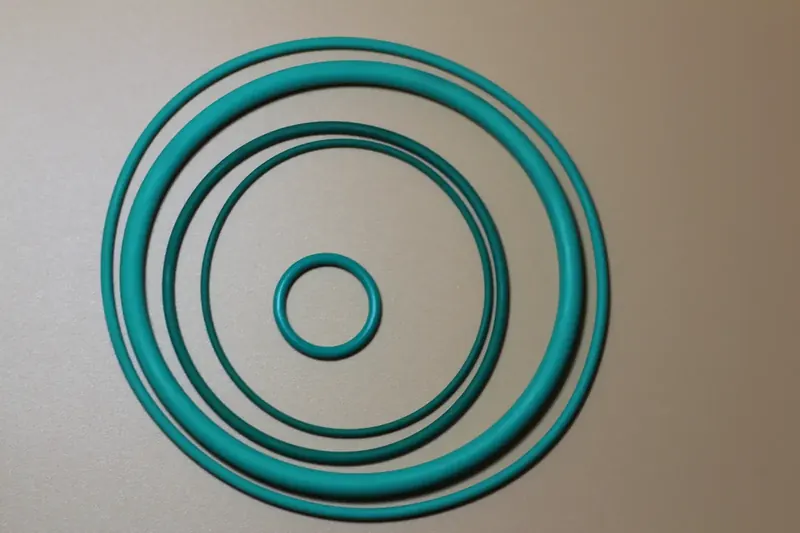
Cryogenic O’Ring Manufacturer | Engineering Guide

Engineering Guide: Cryogenic O’Ring

cryogenic o'ring manufacturing

Engineering Insight: Material Science Imperatives for Cryogenic O-Ring Performance

Cryogenic sealing environments present extreme challenges where conventional elastomer compounds catastrophically fail. Standard off-the-shelf O-rings, formulated for ambient or moderately low-temperature applications, lack the molecular resilience required below -100°C. The primary failure mechanism stems from exceeding the material’s glass transition temperature (Tg), where the polymer matrix transitions from a flexible elastomeric state to a rigid, brittle glassy state. Below Tg, thermal contraction rates between the elastomer and its metallic housing diverge significantly. Standard nitrile rubber (NBR) or ethylene propylene diene monomer (EPDM) exhibit thermal contraction coefficients 3-5 times greater than stainless steel. This mismatch generates immense tensile stress within the seal during cooldown, leading to cracking, shattering, or permanent loss of sealing force due to excessive compression set. Furthermore, cryogenic fluids like liquid nitrogen (-196°C) or liquefied natural gas (LNG) can permeate and plasticize inferior compounds, accelerating degradation and compromising structural integrity.

Material selection is not merely a specification checkbox; it is a fundamental engineering requirement dictated by thermodynamics and polymer physics. Off-the-shelf solutions often utilize generic formulations optimized for cost and room-temperature compression set, ignoring critical cryogenic parameters. These compounds typically possess Tg values too high (e.g., -40°C for standard NBR), ensuring embrittlement occurs well above operational temperatures. The resulting seal failure manifests as sudden leakage, system contamination, or catastrophic equipment damage during thermal cycling. Consistent performance demands elastomers engineered with exceptionally low Tg, high resilience at target temperatures, and compatibility with specific cryogens to prevent swelling or extraction of critical additives.

The following table illustrates critical material properties differentiating standard compounds from cryogenically engineered solutions:

Material Class Glass Transition Temp (Tg) Compression Set @ -196°C (ASTM D395) Thermal Contraction Coefficient (20°C to -196°C) Cryogenic Suitability
Standard NBR (70 Shore A) -40°C >95% (Failed) 4.2 x 10⁻⁴ /°C Unsuitable
Standard FFKM (75 Shore A) -20°C 85% 2.8 x 10⁻⁴ /°C Marginal
Optimized Perfluoroelastomer (70 Shore A) -65°C <25% 1.9 x 10⁻⁴ /°C Suitable

The consequences of inadequate material selection extend beyond immediate seal failure. System downtime for emergency repairs in cryogenic infrastructure—such as LNG transfer lines, superconducting magnets, or aerospace propulsion—incurs substantial operational and financial penalties. A single seal rupture can contaminate sensitive processes, necessitate complex recommissioning, and jeopardize safety protocols. Suzhou Baoshida Trading Co., Ltd. emphasizes that viable cryogenic O-rings require bespoke polymer formulations. Our engineered compounds utilize specialized perfluoroelastomer (FFKM) bases with modified cure systems and cryo-stable fillers, ensuring molecular flexibility down to -269°C (liquid helium). This precision formulation achieves near-matched thermal contraction with common housing materials and maintains elastic recovery under extreme thermal shock. Material validation through rigorous ASTM F1387 testing for low-temperature sealing performance is non-negotiable. Trusting generic solutions risks system integrity; engineered elastomer science guarantees it.


Material Specifications

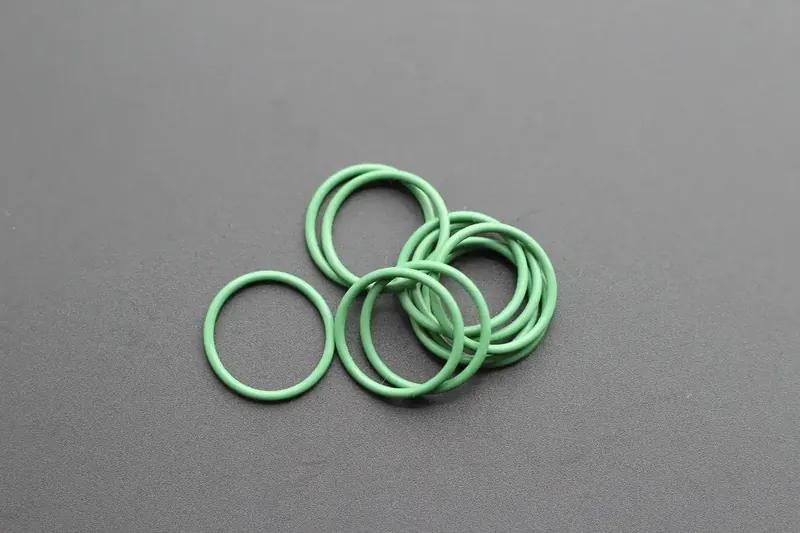
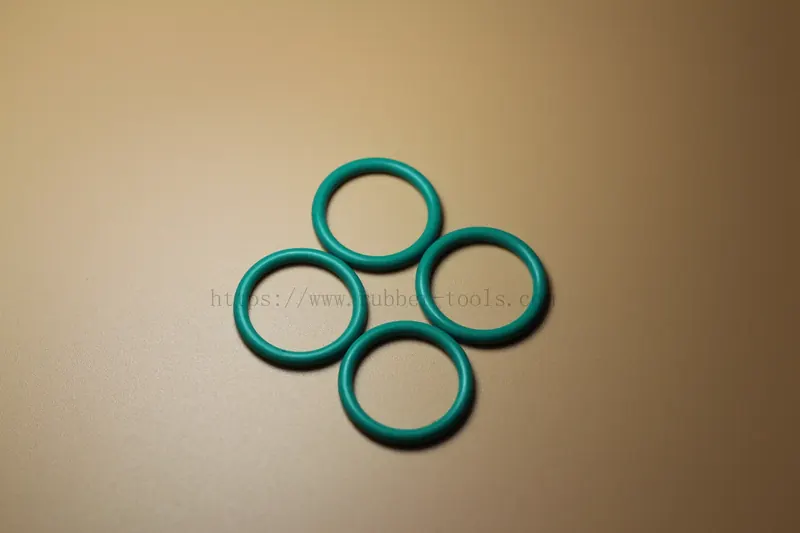
Cryogenic O-rings are critical sealing components in applications exposed to extremely low temperatures, typically ranging from -196°C (liquid nitrogen) to -269°C (liquid helium). At Suzhou Baoshida Trading Co., Ltd., we specialize in precision rubber seals engineered to maintain elasticity, compression resistance, and sealing integrity under such extreme thermal stress. Selecting the appropriate elastomer is paramount to ensure reliability, longevity, and safety in cryogenic systems such as LNG transfer lines, aerospace fuel systems, and superconducting equipment.

Viton (FKM), a fluorocarbon-based rubber, offers excellent resistance to a wide range of chemicals and high temperatures. However, its performance in cryogenic environments is limited due to stiffening below -20°C. While standard Viton formulations are not recommended for sustained cryogenic use, certain specialty grades with modified polymer structures exhibit improved low-temperature flexibility down to -40°C. These are best suited for applications where intermittent cryogenic exposure occurs alongside high-temperature or aggressive chemical environments.

Nitrile rubber (NBR), widely used for its oil and fuel resistance, performs inadequately in deep cryogenic conditions. Its glass transition temperature typically ranges from -40°C to -50°C, beyond which the material rapidly loses elasticity and becomes brittle. This makes standard NBR unsuitable for continuous service below liquid nitrogen temperatures. While cost-effective for general-purpose sealing, NBR is not recommended for primary cryogenic sealing applications unless specifically compounded for low-temperature performance, which is uncommon and less reliable.

Silicone rubber (VMQ) demonstrates superior low-temperature characteristics, with some formulations remaining flexible down to -100°C. Its molecular structure allows for high chain mobility at cryogenic temperatures, preserving sealing force and resilience. However, silicone exhibits poor resistance to tearing and abrasion, and its permeability to gases is relatively high. Additionally, silicone is not recommended for dynamic sealing applications or environments involving exposure to hydrocarbons. Despite these limitations, it is a viable option for static, low-stress cryogenic seals where flexibility at ultra-low temperatures is the primary requirement.

For optimal performance in cryogenic environments, perfluoroelastomers (FFKM) or specially formulated ethylene propylene diene monomer (EPDM) are often preferred, though not covered in this comparison. At Suzhou Baoshida, we recommend thorough application analysis to match material properties with operational demands.

The following table summarizes the key material properties relevant to cryogenic O-ring performance:

Material Base Polymer Low-Temperature Limit (°C) High-Temperature Limit (°C) Chemical Resistance Compression Set Resistance Recommended for Cryogenics
Viton (FKM) Fluorocarbon -20 to -40 200 to 230 Excellent Very Good Limited / Conditional
Nitrile (NBR) Nitrile Butadiene -40 to -50 100 to 120 Good (oils/fuels) Good No
Silicone (VMQ) Silicone -100 150 to 180 Fair Moderate Yes (static only)

Manufacturing Capabilities

cryogenic o'ring manufacturing

Engineering Capability: Precision Cryogenic O-Ring Development at Suzhou Baoshida

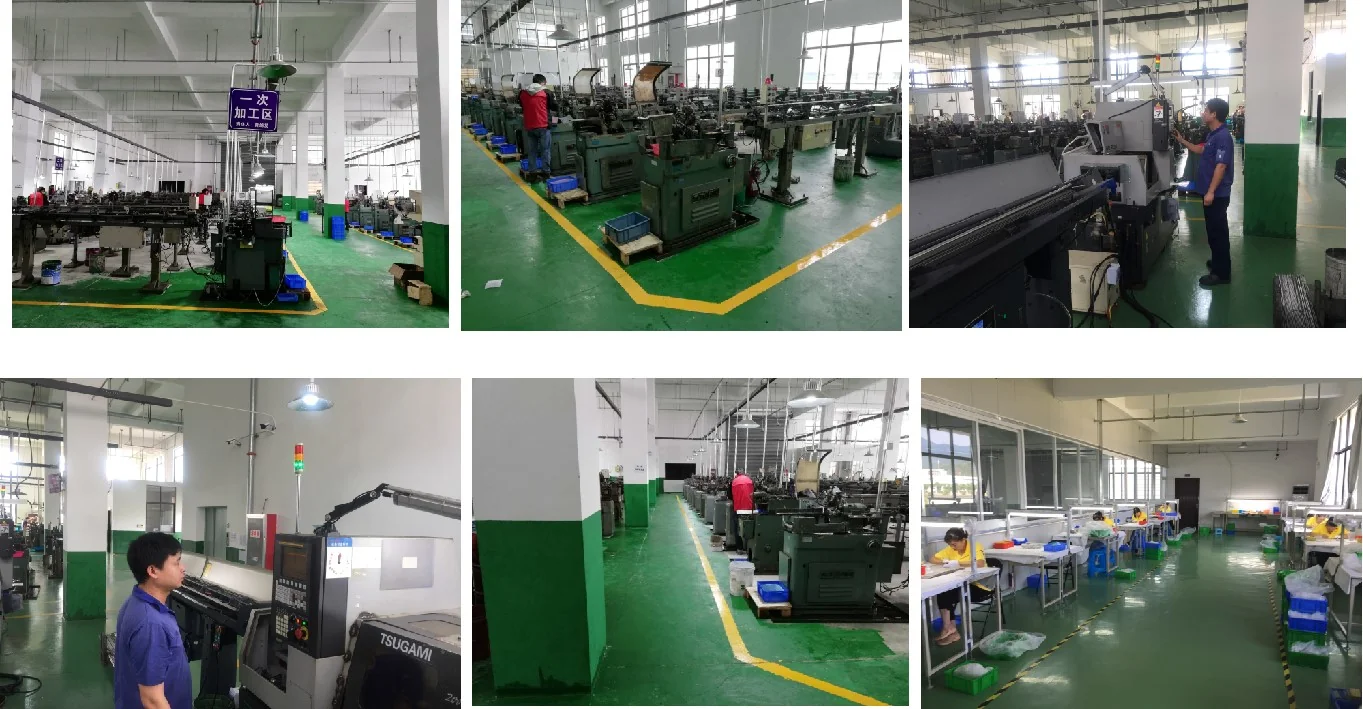
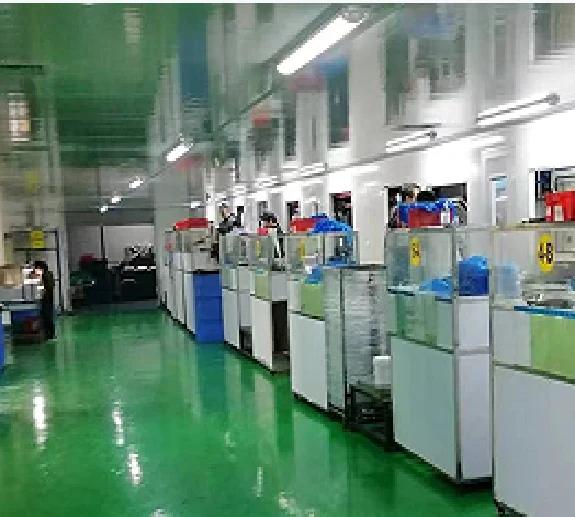
Suzhou Baoshida Trading Co., Ltd. delivers mission-critical cryogenic O-ring solutions through a dedicated engineering backbone. Our core strength resides in the integrated expertise of five specialized Mould Engineers and two advanced Rubber Formula Engineers, operating within a unified precision manufacturing framework. This structure ensures seamless translation of demanding cryogenic sealing requirements—from aerospace liquid oxygen systems to LNG infrastructure—into reliable, high-performance elastomeric components. Cryogenic sealing demands transcend standard elastomer applications, requiring materials that resist embrittlement, maintain resilience near absolute zero, and prevent seal extrusion under thermal shock. Our Formula Engineers possess deep expertise in fluorocarbon (FKM), perfluoroelastomer (FFKM), and specialized ethylene propylene diene monomer (EPDM) formulations. They systematically modify polymer chains, optimize filler systems, and select ultra-pure curatives to achieve the essential balance: low glass transition temperature (Tg), exceptional compression set resistance at -196°C, and minimal outgassing. Every compound undergoes rigorous validation against ASTM D2000 and customer-specific protocols, including dynamic mechanical analysis (DMA) to confirm modulus stability across thermal cycles.

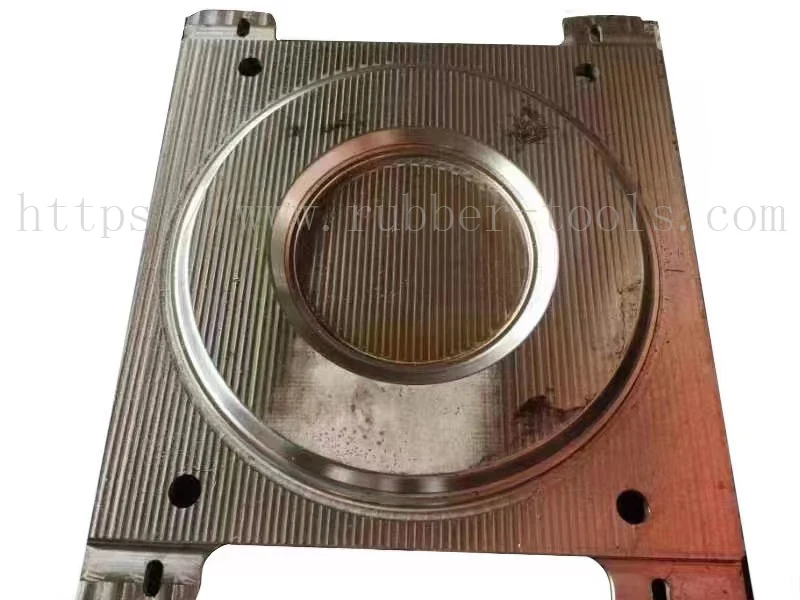
This material science rigor is intrinsically linked to our Mould Engineering proficiency. Our five engineers utilize advanced CAD/CAM systems and mold flow simulation software to design and manufacture precision tooling that eliminates knit lines, ensures uniform cavity filling at low injection temperatures, and achieves micron-level dimensional control. Critical features like cross-section consistency, surface finish (Ra ≤ 0.8 µm), and precise parting line definition are engineered to mitigate common cryogenic failure modes such as spiral twist or seal bite. The direct collaboration between formula and mold teams eliminates siloed development; material behavior data directly informs gating strategies and thermal management within the mold, guaranteeing the final part fully expresses the intended compound properties.

As a certified OEM partner, Suzhou Baoshida provides comprehensive turnkey solutions. We reverse-engineer legacy seals from physical samples or CAD data, develop custom compounds meeting unique chemical exposure or temperature profiles, and manage full production under strict AS9100 or ISO 13485 quality systems. Our process includes iterative prototype validation with thermal cycling tests, helium leak checks, and final certification dossiers. This end-to-end ownership—from raw material selection through final inspection—ensures consistent performance and traceability for the most demanding low-temperature applications.

The following table summarizes our standard cryogenic O-ring capabilities and bespoke engineering extensions:

Parameter Standard Capability Custom Solution Range
Temperature Range -73°C to +204°C (FKM) -269°C to +327°C (FFKM/EPDM)
Base Materials Standard FKM Grades Custom FFKM, Cryo-Optimized EPDM
Hardness (Shore A) 70 ± 5 50 to 90 ± 3
Dimensional Tolerance ISO 3601 F3 (Standard) ISO 3601 F1/F2 (Tight Tolerance)
Key Validation Tests Compression Set @ -54°C Compression Set @ -196°C, Helium Leak Rate < 1×10⁻⁹ std cc/sec

Suzhou Baoshida’s engineering synergy delivers not just components, but validated sealing assurance for cryogenic systems where failure is not an option. Partner with us to solve your most extreme low-temperature sealing challenges through science-driven precision.


Customization Process

Drawing Analysis

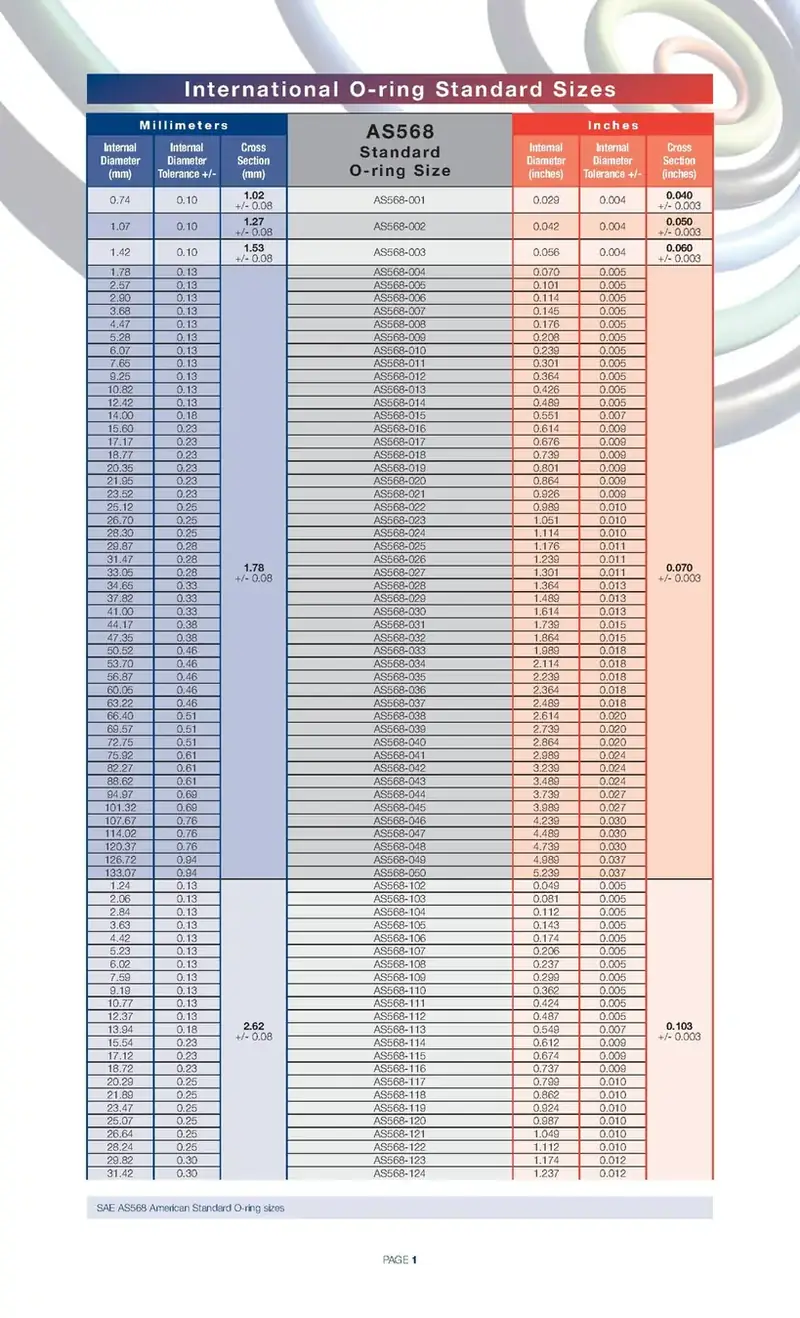
The customization process for cryogenic O-rings begins with a comprehensive drawing analysis, where engineering blueprints provided by the client are evaluated for dimensional accuracy, tolerance compliance, and application-specific requirements. At Suzhou Baoshida Trading Co., Ltd., our technical team conducts a detailed review of critical parameters such as inner diameter, cross-section, groove dimensions, and surface finish specifications. This stage ensures compatibility with mating hardware and adherence to international standards including ISO 3601, AS568, and JIS B 2401. Special attention is given to thermal contraction behavior at cryogenic temperatures, typically ranging from -196°C (liquid nitrogen) to as low as -269°C (liquid helium). Finite element analysis (FEA) may be employed to simulate compression set and stress relaxation under extreme cold, allowing preemptive optimization of seal geometry.

Formulation Development

Following geometric validation, the formulation phase focuses on selecting and compounding elastomeric materials capable of maintaining elasticity, resilience, and sealing force at ultra-low temperatures. Standard elastomers such as NBR or EPDM are unsuitable for cryogenic service due to glass transition limitations. Instead, our engineers formulate advanced perfluoroelastomers (FFKM), fluorosilicones (FVMQ), or specially modified PCTFE-based compounds tailored to resist embrittlement and cracking. Additive packages are optimized to enhance low-temperature flexibility, outgas resistance, and compatibility with cryogenic fluids like LOX (liquid oxygen), LNG (liquefied natural gas), and liquid hydrogen. Each compound is batch-tracked and subjected to rigorous analytical testing via DSC (Differential Scanning Calorimetry) to confirm glass transition temperature (Tg) and DMA (Dynamic Mechanical Analysis) for viscoelastic performance.

Prototyping and Validation

Once the material is finalized, precision molding techniques are employed to produce prototype O-rings under controlled cleanroom conditions. These samples undergo a full suite of qualification tests, including low-temperature compression set (per ASTM D1414), leak rate measurement in cryogenic test rigs, and thermal cycling between ambient and target cryogenic temperatures. Dimensional inspection is repeated post-exposure to verify stability. Client feedback is integrated at this stage, with iterative adjustments made to formulation or geometry if necessary. Performance data is compiled into a technical dossier for customer approval prior to scale-up.

Mass Production and Quality Assurance

Approved designs transition to automated mass production using CNC-controlled molding and curing systems, ensuring batch consistency and tight tolerance control. Every production lot undergoes 100% visual inspection and statistical dimensional sampling. Material traceability is maintained via QR-coded batch logs, and final products are vacuum-packaged to prevent moisture absorption. Suzhou Baoshida implements ISO 9001-certified quality protocols throughout the process, guaranteeing reliability in critical aerospace, semiconductor, and energy applications.

Property Test Method Typical Value (FFKM-based)
Glass Transition Temperature (Tg) DSC -25°C to -15°C
Low-Temp Compression Set (-196°C, 22h) ASTM D1414 ≤20%
Tensile Strength ASTM D412 ≥8 MPa
Elongation at Break ASTM D412 ≥150%
Hardness (Shore A) ASTM D2240 70–80
Helium Leak Rate Mass Spectrometer Test ≤1×10⁻⁹ atm·cm³/s

Contact Engineering Team

cryogenic o'ring manufacturing

Technical Engagement for Cryogenic O-Ring Solutions

When standard elastomers become brittle and fail catastrophically at sub-200°C temperatures, the integrity of your cryogenic systems is compromised. Suzhou Baoshida Trading Co., Ltd. engineers precision rubber seals specifically formulated for extreme low-temperature applications, where material science dictates operational success. Our proprietary fluorocarbon (FKM) and perfluoroelastomer (FFKM) compounds undergo rigorous ISO 17025-certified testing to ensure performance consistency in liquid nitrogen, helium, and hydrogen environments. Unlike generic seals, our cryogenic O-rings maintain elastic recovery, compression set resistance, and dimensional stability under thermal shock—critical for aerospace fuel systems, superconducting magnets, and LNG infrastructure.

The table below summarizes key performance metrics of our flagship cryogenic compounds versus industry-standard materials. Data reflects ASTM D2000 testing protocols at -196°C after 72 hours of continuous exposure:

Material Type Temperature Range (°C) Tensile Strength Retention (%) Compression Set (ASTM D395, 22h @ -196°C) Primary Applications
Standard EPDM -50 to +150 <15 >95% Non-cryogenic industrial seals
Baoshida Cryo-FKM-80 -269 to +230 82 18% Liquid hydrogen valves, MRI systems
Baoshida Cryo-FFKM-100 -273 to +327 95 8% Spacecraft propulsion, quantum tech

These results are not theoretical. Each compound is validated in our Suzhou-based R&D facility using LN₂ immersion testing and dynamic thermal cycling rigs traceable to NIST standards. We prioritize molecular crosslink density optimization to prevent crystallization—a common failure mode in cryogenic elastomers—while ensuring compliance with AS568A dimensional tolerances. For OEMs, this translates to reduced leakage rates, extended service life, and elimination of costly system downtime during thermal transitions.

Your engineering team requires more than a catalog part number. It demands a technical partnership where material formulation parameters—filler dispersion, cure system chemistry, and low-temperature flex modifiers—are collaboratively optimized for your specific pressure cycles, media exposure, and lifecycle requirements. Mr. Boyce, our Lead Rubber Formulation Engineer with 18 years of cryogenic sealing experience, specializes in translating application challenges into validated elastomer solutions. He will review your thermal profiles, conduct failure mode analysis of existing seals, and provide test data from our accelerated aging chambers before prototype approval.

Initiate a technical dialogue to resolve your cryogenic sealing vulnerabilities. Contact Mr. Boyce directly at [email protected] with your application parameters, including: operating temperature range, fluid media, cycle frequency, and dimensional specifications. Include any historical failure data for rapid root-cause assessment. Suzhou Baoshida operates under IATF 16949 quality management systems, with dedicated cleanroom production lines for critical aerospace and semiconductor tooling. We respond to technical inquiries within 4 business hours and provide material certification packages compliant with EN 10204 3.1 standards. Do not compromise system reliability with off-the-shelf elastomers—engineer certainty with Baoshida’s cryogenic precision seals.


⚖️ O-Ring Weight Calculator

Estimate rubber O-ring weight (Approx).


Cryogenic O’Ring Manufacturer | Engineering Guide

Contents of Table

Contact [email protected] Whatsapp 86 15951276160