Technical Contents
Engineering Guide: Rubberised Cable

Engineering Insight: The Critical Role of Material Selection in Rubberised Cable Performance
In industrial environments, rubberised cables are subjected to extreme mechanical stress, temperature fluctuations, chemical exposure, and dynamic operational conditions. Despite their ubiquity, many failures in cable performance can be traced back to inadequate material selection during design and procurement. Off-the-shelf rubberised cables, while cost-effective and readily available, often fail to meet the specific demands of high-performance applications. This stems from a one-size-fits-all approach to elastomer formulation, which neglects the nuanced requirements of real-world operating conditions.
The core issue lies in the variability of polymer chemistry. Natural rubber (NR), ethylene propylene diene monomer (EPDM), neoprene (CR), nitrile butadiene rubber (NBR), and silicone rubber (VMQ) each exhibit distinct physical and chemical properties. For instance, NR offers excellent tensile strength and elasticity but performs poorly under ozone and UV exposure. EPDM provides superior resistance to heat, steam, and weathering, making it ideal for outdoor or high-temperature environments. NBR excels in oil and fuel resistance but lacks flexibility at low temperatures. Selecting the wrong base polymer can lead to premature cracking, insulation breakdown, or loss of mechanical integrity.
Moreover, off-the-shelf cables often use recycled or lower-grade compounds to reduce costs. These materials may meet minimum industry standards but lack the consistency, purity, and reinforcement required for mission-critical applications. Additives such as plasticizers, antioxidants, and flame retardants are frequently under-optimized, accelerating degradation under thermal cycling or chemical exposure. In dynamic applications—such as robotics, automated machinery, or mobile equipment—flex fatigue resistance becomes paramount. Standard cables may not incorporate high-tensile fillers or optimized cross-linking densities, leading to sheath splitting or conductor breakage over time.
Custom-engineered rubberised cables address these shortcomings through application-specific compound design. At Suzhou Baoshida Trading Co., Ltd., we focus on tailoring elastomer formulations to match operational parameters, including temperature range, chemical exposure, mechanical load, and installation method. This precision engineering ensures extended service life, reduced downtime, and compliance with international standards such as UL, CE, and RoHS.
The following table outlines key rubber compounds used in industrial cable applications, highlighting their performance characteristics:
| Material | Temperature Range (°C) | Oil Resistance | Ozone Resistance | Flexibility | Typical Applications |
|---|---|---|---|---|---|
| NR | -50 to +70 | Low | Poor | Excellent | General-purpose, low-stress environments |
| EPDM | -50 to +150 | Moderate | Excellent | Good | Outdoor cabling, HVAC, power distribution |
| NBR | -30 to +105 | Excellent | Moderate | Fair | Oilfield equipment, automotive systems |
| CR | -40 to +120 | Good | Good | Good | Marine, industrial control systems |
| VMQ | -60 to +200 | Moderate | Excellent | Excellent | Aerospace, high-temperature sensors |
Material selection is not a commodity decision—it is an engineering imperative. Partnering with a technical supplier enables access to compound expertise, rigorous testing, and performance validation, ensuring rubberised cables deliver reliability under actual operating conditions.
Material Specifications

Material Specifications for Rubberised Cable Applications
Material selection critically determines the operational lifespan and safety compliance of rubberised cables in demanding industrial environments. At Suzhou Baoshida Trading Co., Ltd., our engineered elastomer compounds undergo rigorous validation to meet OEM performance thresholds. This section details three core materials—Viton fluoroelastomers, Nitrile butadiene rubber, and Silicone rubber—with specifications aligned to ASTM D2000 and ISO 188 standards for cable jacketing and insulation. Each compound balances chemical resistance, thermal stability, and mechanical integrity for targeted use cases.
Viton Fluoroelastomers
Viton (FKM) delivers exceptional resistance to high-temperature hydrocarbons, acids, and ozone, making it indispensable for aerospace, automotive fuel systems, and chemical processing cables. Continuous service temperatures range from -20°C to +200°C, with short-term peaks at 250°C. Its fluorine content provides superior dielectric strength (≥18 kV/mm) and tensile properties (15–20 MPa), though elongation at break (150–250%) is lower than alternatives. Viton formulations minimize fluid absorption in jet fuels and hydraulic fluids, critical for MIL-spec cable assemblies.
Nitrile Butadiene Rubber
Nitrile (NBR) remains the cost-effective solution for general industrial cables requiring robust oil and fuel resistance. Operating effectively between -40°C and +120°C, NBR compounds achieve tensile strengths of 10–18 MPa and elongation of 200–400%. Acrylonitrile content (33–45%) directly correlates with resistance to aliphatic hydrocarbons but reduces low-temperature flexibility. Shore A hardness typically spans 50–90, accommodating applications from mining equipment cables to hydraulic machinery where abrasion resistance and moderate heat stability are prioritized.
Silicone Rubber
Silicone (VMQ) excels in extreme temperature scenarios, functioning from -60°C to +180°C continuously, with brief exposure up to 230°C. Its inherent flexibility at cryogenic temperatures and flame resistance (UL 94 V-0 rated) suit medical, semiconductor, and railway signaling cables. Tensile strength ranges 6–10 MPa with elongation exceeding 300%, though mechanical durability in high-abrasion settings requires reinforcement. Silicone’s hydrophobic nature ensures stable dielectric properties in humid conditions but limits resistance to concentrated acids and solvents.
Comparative Specifications
| Material | Temperature Range (°C) | Tensile Strength (MPa) | Elongation at Break (%) | Hardness (Shore A) | Key Resistance Properties |
|---|---|---|---|---|---|
| Viton (FKM) | -20 to +200 | 15–20 | 150–250 | 60–80 | Jet fuels, acids, ozone, high-temp oils |
| Nitrile (NBR) | -40 to +120 | 10–18 | 200–400 | 50–90 | Aliphatic hydrocarbons, hydraulic fluids |
| Silicone (VMQ) | -60 to +180 | 6–10 | 300–500 | 40–70 | Extreme temps, moisture, radiation, flame |
Suzhou Baoshida’s material recommendations derive from application-specific testing protocols. For offshore energy cables exposed to seawater and crude oil, Viton’s chemical inertness is non-negotiable. NBR dominates cost-sensitive automotive harnesses requiring fuel resistance below 120°C. Silicone is specified where thermal cycling or flame safety governs design, such as EV battery interconnects. All compounds undergo 72-hour fluid immersion tests per ASTM D471 and thermal aging at 150°C for 7 days to validate shelf life. Partner with our engineering team to optimize formulations for your cable’s voltage class, regulatory scope, and environmental stressors—ensuring compliance with IEC 60811 and UL 62 standards.
Manufacturing Capabilities

Engineering Excellence in Rubberised Cable Manufacturing
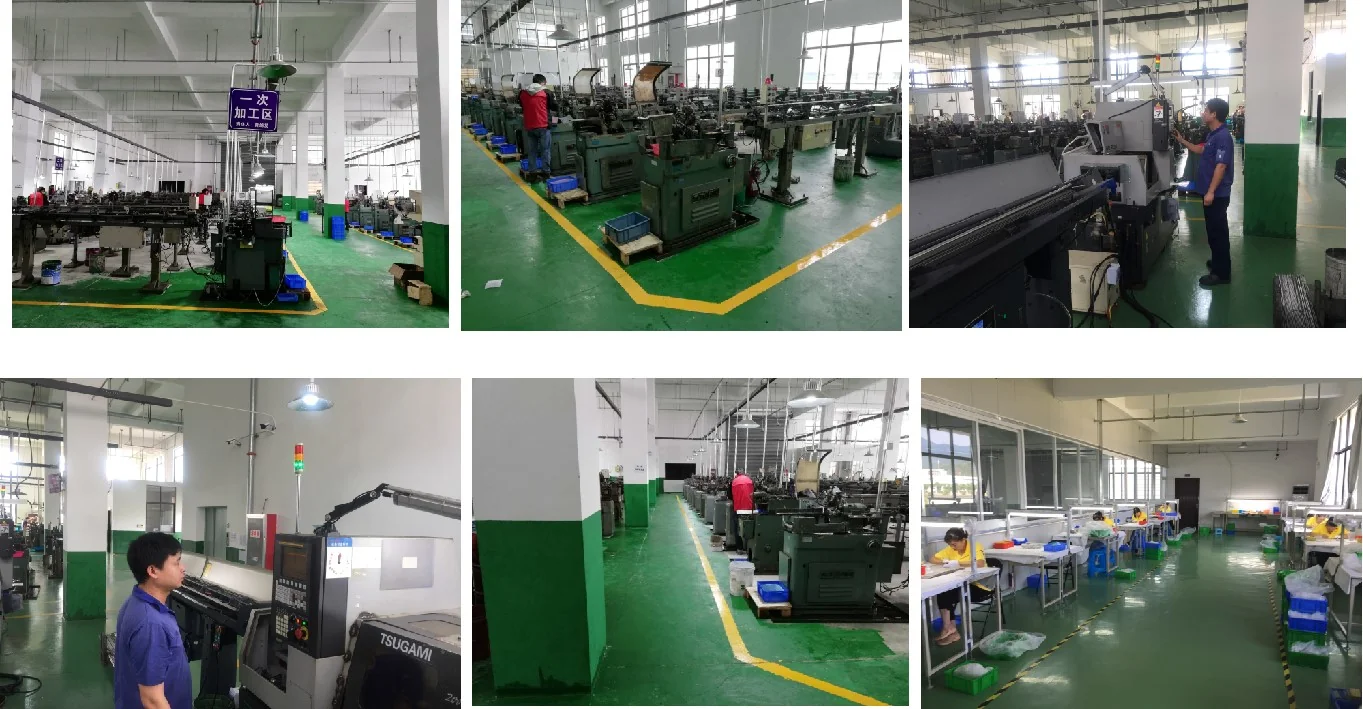
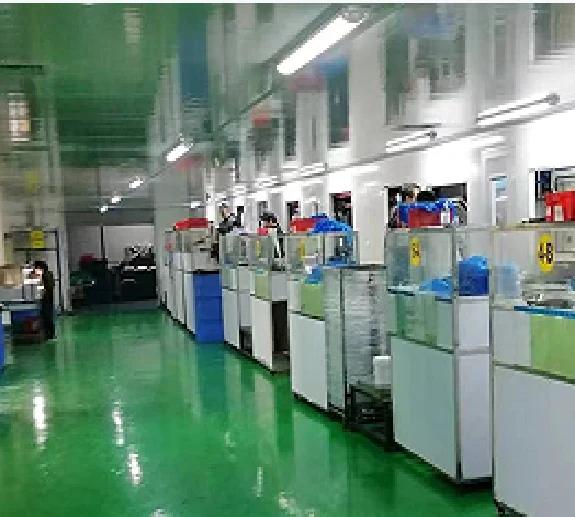
At Suzhou Baoshada Trading Co., Ltd., our Engineering Capability division forms the backbone of our industrial rubber solutions, particularly in the design and production of high-performance rubberised cables. With a dedicated team of five certified mould engineers and two advanced formula engineers, we integrate material science with precision engineering to deliver customised, durable, and application-specific cable protection systems. Our in-house technical expertise ensures complete control over the development lifecycle—from concept and compound formulation to mould design and final product validation.
Our formula engineers specialise in polymer chemistry, focusing on elastomer systems such as neoprene, EPDM, silicone, and nitrile rubber. These specialists develop custom rubber compounds tailored to meet specific mechanical, thermal, and environmental demands, including resistance to oil, UV radiation, extreme temperatures (-50°C to +180°C), and abrasion. Each formulation is rigorously tested for tensile strength, elongation at break, compression set, and dielectric properties to ensure compliance with international standards such as IEC 60811, UL, and RoHS.
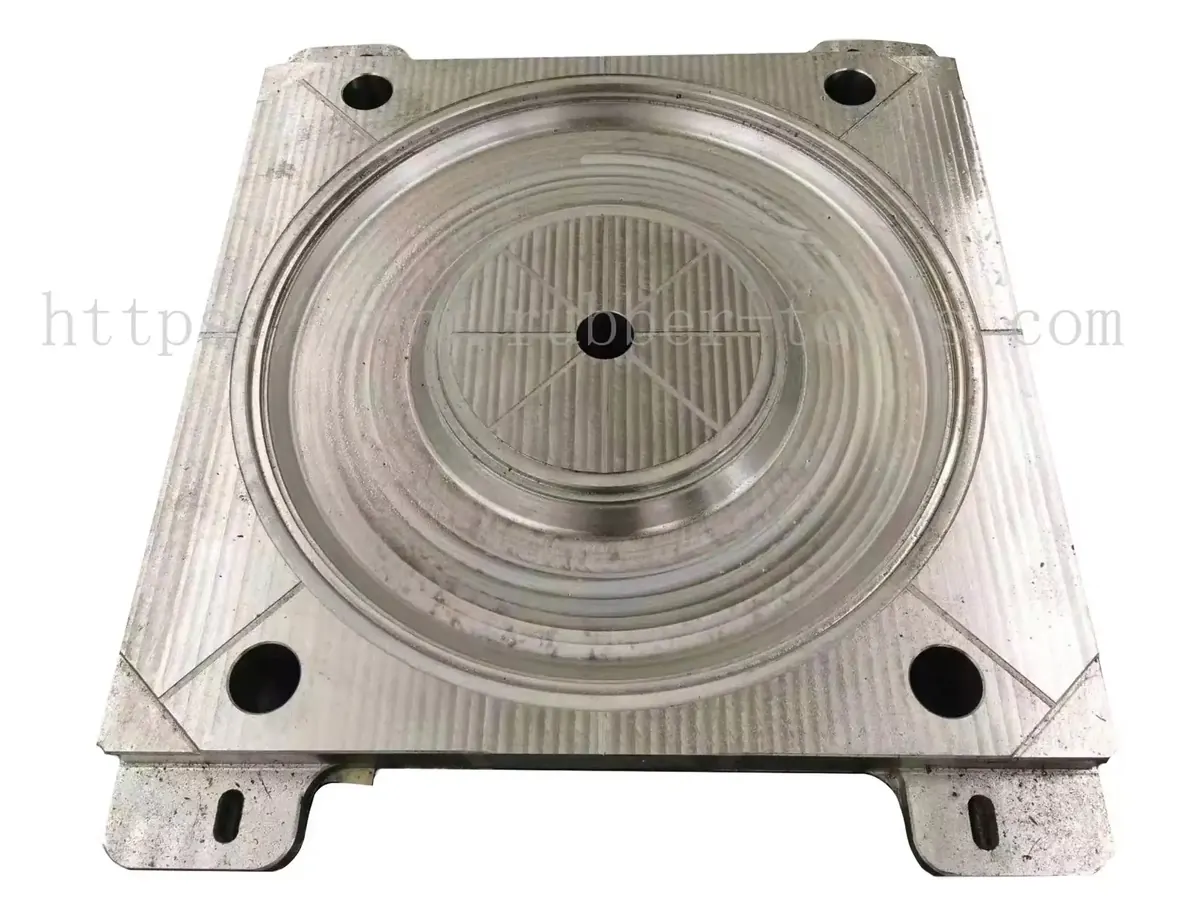
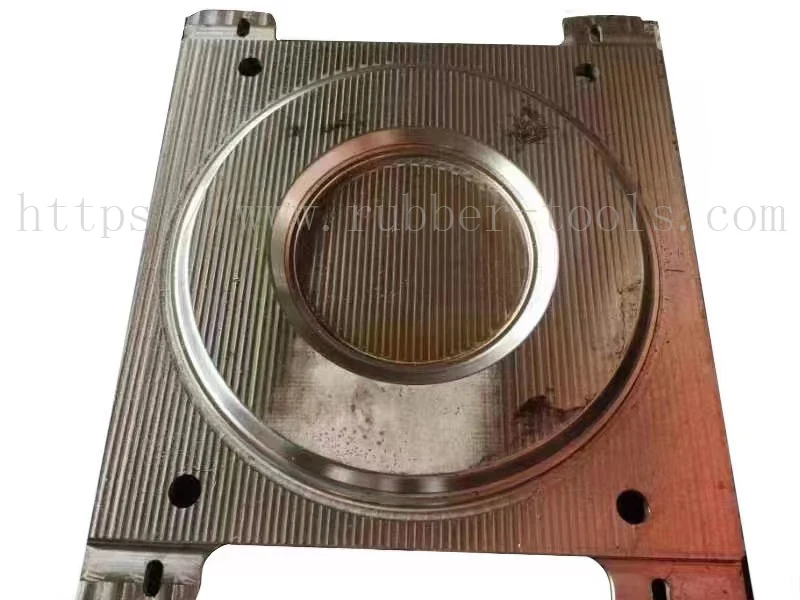
Complementing our material expertise, our five mould engineers utilise advanced CAD/CAM software—SolidWorks, AutoCAD, and Moldflow—to design and optimise precision tooling for extrusion and overmoulding processes. This enables seamless integration of rubber insulation and jacketing onto conductor cores, ensuring uniform thickness, excellent adhesion, and long-term reliability. Our team routinely develops multi-cavity and family moulds to support high-volume OEM production while maintaining tight tolerances (±0.1 mm).
We offer full OEM/ODM services, supporting clients from prototype development to mass production. Our engineering team collaborates directly with clients to interpret technical drawings, perform DFM (Design for Manufacturability) analysis, and deliver samples within 15–20 working days. With in-house tooling, compound mixing, and testing facilities, we reduce lead times and maintain strict quality control throughout the manufacturing process.
Our commitment to engineering precision and material innovation positions Suzhou Baoshida as a trusted partner in industrial cable protection. Whether for automation equipment, construction machinery, or outdoor power systems, our rubberised cables deliver superior performance under demanding operational conditions.
Typical Rubberised Cable Material Properties
| Property | Neoprene | EPDM | Silicone | Nitrile (NBR) |
|---|---|---|---|---|
| Temperature Range (°C) | -40 to +105 | -50 to +150 | -50 to +180 | -30 to +105 |
| Tensile Strength (MPa) | 10–15 | 12–16 | 6–9 | 14–18 |
| Elongation at Break (%) | 300–500 | 350–550 | 200–400 | 300–450 |
| Dielectric Strength (kV/mm) | 18–22 | 20–24 | 15–20 | 16–20 |
| Resistance to Oil | Moderate | Low | Low | Excellent |
| UV/Ozone Resistance | Excellent | Excellent | Excellent | Moderate |
Customization Process

Customization Process for Industrial Rubberised Cable Manufacturing
Suzhou Baoshida Trading Co., Ltd. executes a rigorously defined customization workflow for rubberised cable production, ensuring alignment with OEM technical specifications and operational demands. This process eliminates design ambiguities and material-performance mismatches through sequential engineering validation.
Drawing Analysis Phase
Engineering review begins with comprehensive scrutiny of client-provided technical drawings. Critical parameters including conductor cross-section, insulation thickness, jacket dimensional tolerances, and bend radius requirements undergo dimensional validation against ISO 10439 and IEC 60502 standards. We identify geometric conflicts—such as inadequate wall thickness for high-voltage applications—and cross-verify environmental exposure markers (e.g., UV resistance symbols, chemical resistance codes). Non-conformities are documented in an Engineering Change Request (ECR) for immediate client consultation, preventing downstream rework.
Material Formulation Development
Based on validated drawings, our rubber compounding team engineers bespoke polymer matrices. Key considerations include operating temperature range, dielectric strength, flame retardancy (per UL 94 V-0), and chemical resistance. For instance, offshore oilfield cables demand EPDM formulations with 150°C continuous service temperature and H₂S resistance, while mining applications require NBR compounds with 450% tensile elongation to withstand mechanical vibration. The table below summarizes critical formulation-performance relationships:
| Performance Requirement | Primary Polymer | Key Additives | Target Value | Test Standard |
|---|---|---|---|---|
| Extreme Low-Temp Flexibility | Silicone Rubber | Plasticizer System | -60°C Brittleness Point | ASTM D746 |
| Hydrocarbon Resistance | Hydrogenated NBR | Reinforcing Silica | <15% Volume Swell (ASTM #3) | ISO 1817 |
| High Abrasion Resistance | Polychloroprene | Carbon Black N330 | 80 mm³ Max Abrasion Loss | ISO 4649 |
| Flame Retardancy | EVM | Magnesium Hydroxide | 70% LOI | ASTM D2863 |
Prototyping and Validation
Three functional prototypes are produced using calibrated extrusion lines. Each unit undergoes accelerated life testing: 72-hour thermal aging at 135°C (per ASTM D573), 10,000-cycle flex testing, and dielectric withstand verification at 5 kV AC. Dimensional consistency is confirmed via laser micrometry, with results mapped against drawing tolerances. Client approval requires ≤0.1 mm deviation in critical diameters and zero insulation defects under 100x magnification.
Mass Production Transition
Upon prototype sign-off, production shifts to our ISO 9001-certified facility with full traceability. Each batch includes:
Raw material lot tracking via blockchain-enabled logs
In-process checks every 30 minutes for Shore A hardness and cure state (MDR)
Final 100% spark testing and dimensional scanning
Statistical process control (SPC) charts monitoring extrusion pressure and line speed variance.
This phased methodology ensures rubberised cables meet exacting industrial requirements while minimizing time-to-market. Suzhou Baoshida’s integration of formulation science and precision manufacturing delivers failure-resistant solutions for energy, transportation, and heavy machinery sectors.
Contact Engineering Team

For industrial manufacturers and OEMs seeking high-performance rubberised cable solutions, Suzhou Baoshida Trading Co., Ltd. stands as a trusted partner in the field of advanced industrial rubber materials. With years of engineering expertise and a deep understanding of application-specific requirements, we deliver customised rubberised cable products that meet rigorous standards for durability, flexibility, and environmental resistance. Whether you are developing power transmission systems, industrial machinery, or outdoor-rated electrical infrastructure, our technical team is equipped to support your project from concept to production.
Our rubberised cable formulations are engineered using premium-grade synthetic and natural rubber compounds, ensuring superior insulation properties, abrasion resistance, and long-term reliability under extreme thermal and mechanical stress. Every cable is designed to perform in demanding environments, including exposure to oil, UV radiation, ozone, and fluctuating temperatures. At Suzhou Baoshida, we prioritise material integrity and process control, enabling consistent output that aligns with international quality benchmarks such as ISO 9001 and ROHS compliance.
To ensure optimal performance, we offer comprehensive technical consultation during the selection and customisation phase. Our engineers work closely with clients to determine the ideal durometer, tensile strength, elongation at break, and flame resistance characteristics for their specific use case. This collaborative approach minimises prototyping cycles and accelerates time-to-market for new industrial products.
Below are typical technical specifications for our standard rubberised cable offerings. Custom parameters are available upon request.
| Property | Typical Value | Test Method |
|---|---|---|
| Insulation Material | CR, EPDM, or NR-based compound | ASTM D412 |
| Hardness (Shore A) | 60–75 | ASTM D2240 |
| Tensile Strength | ≥10 MPa | ASTM D412 |
| Elongation at Break | ≥300% | ASTM D412 |
| Operating Temperature Range | -40°C to +90°C | IEC 60204-1 |
| Flame Resistance | Self-extinguishing (VW-1) | UL 1581 |
| Electrical Resistance | >10^12 Ω·cm | ASTM D257 |
| Oil Resistance (Volume Swell) | ≤30% after 7 days at 100°C | ASTM D471 |
For immediate technical support or to initiate a quotation request, contact Mr. Boyce, our dedicated OEM and Engineering Manager. With extensive experience in rubber compound development and industrial supply chain coordination, Mr. Boyce ensures seamless communication between your engineering team and our production unit. We support low-volume prototyping as well as high-volume manufacturing with reliable lead times and rigorous quality assurance.
Reach out today via email at [email protected] to discuss your rubberised cable requirements. Include details such as operating environment, voltage rating, flexibility needs, and expected service life to enable a precise technical response. At Suzhou Baoshida Trading Co., Ltd., we are committed to delivering engineered rubber solutions that enhance the performance and longevity of your industrial systems. Partner with us to achieve superior material performance in every cable deployment.
⚖️ O-Ring Weight Calculator
Estimate rubber O-ring weight (Approx).