Technical Contents
Engineering Guide: Non Slippery Fabric

Engineering Insight: The Critical Role of Material Selection in Non-Slippery Fabric Performance
In industrial environments where safety, durability, and reliability are paramount, non-slippery fabric is more than a surface treatment—it is a precision-engineered solution designed to meet exacting mechanical and environmental demands. At Suzhou Baoshida Trading Co., Ltd., we emphasize that off-the-shelf non-slip fabrics frequently fail under real-world operational stress due to inadequate material selection, poor substrate compatibility, and insufficient performance validation. Understanding the engineering principles behind material choice is essential to ensuring long-term effectiveness in demanding applications such as conveyor systems, protective gear, flooring, and industrial matting.
Standard commercial-grade non-slip fabrics often utilize generic polymers or surface coatings that degrade rapidly when exposed to oils, elevated temperatures, or continuous mechanical abrasion. These materials are typically formulated for aesthetic or light-duty use, lacking the structural integrity required in heavy industrial settings. In contrast, engineered rubber-based non-slip fabrics incorporate specialized elastomers—such as nitrile butadiene rubber (NBR), ethylene propylene diene monomer (EPDM), or chloroprene—that are selected based on chemical resistance, coefficient of friction (COF), and adhesion properties. The performance of these materials is not incidental; it is the result of rigorous formulation and testing protocols.
Material selection directly influences key performance metrics including wear resistance, slip resistance under wet or greasy conditions, and thermal stability. For instance, NBR is preferred in oil-rich environments due to its superior resistance to hydrocarbons, while EPDM excels in outdoor applications where UV and ozone exposure are concerns. The fabric substrate—typically polyester, nylon, or aramid—must also be matched to the operational load and flexibility requirements. A mismatch in elongation properties between the rubber coating and the textile backing can lead to delamination, cracking, or premature failure.
Furthermore, the method of rubber-to-fabric adhesion plays a decisive role. Off-the-shelf products often rely on low-bond-strength adhesives or insufficient calendering processes, resulting in poor interfacial durability. In contrast, industrial-grade solutions employ chemically primed bonding layers and high-pressure vulcanization to ensure cohesive integration between the rubber and fabric matrix.
The following table outlines key specifications that differentiate industrial non-slippery fabric from standard alternatives:
| Property | Industrial-Grade Rubber Fabric | Commercial-Grade Non-Slip Fabric |
|---|---|---|
| Base Elastomer | NBR, EPDM, or CR | PVC, EVA, or low-grade rubber |
| Coefficient of Friction (wet) | ≥ 0.75 | 0.40–0.55 |
| Abrasion Resistance (DIN 53516) | ≤ 80 mm³ loss | ≥ 120 mm³ loss |
| Operating Temperature Range | -30°C to +120°C | -10°C to +60°C |
| Oil Resistance | Excellent (swell <15%) | Poor to moderate (swell >30%) |
| Adhesion Strength (peel test) | ≥ 80 N/5cm | ≤ 40 N/5cm |
In conclusion, successful implementation of non-slippery fabric in industrial applications hinges on a systematic approach to material science. Off-the-shelf solutions fail not because the concept is flawed, but because they are engineered for cost, not performance. At Suzhou Baoshida, we apply OEM-level material analysis to deliver rubber fabric systems that perform reliably under stress, ensuring safety, efficiency, and longevity in mission-critical environments.
Material Specifications

Material Specifications for Non-Slippery Rubber-Coated Fabrics
Suzhou Baoshida Trading Co., Ltd. defines non-slippery rubber-coated fabrics as engineered composites where elastomeric compounds are precision-bonded to textile substrates to deliver controlled surface friction and grip. These materials are critical in industrial applications requiring secure handling, vibration damping, or safety-critical traction under dynamic loads. The rubber formulation—not the fabric alone—determines anti-slip performance, chemical resilience, and operational longevity. We specialize in three primary elastomer systems: Viton (FKM), Nitrile (NBR), and Silicone (VMQ), each optimized for distinct environmental and mechanical demands.
Viton fluoroelastomers provide exceptional resistance to aggressive chemicals, fuels, and high temperatures, making them ideal for aerospace, automotive fuel systems, and chemical processing equipment. Their molecular structure maintains integrity between -20°C and +250°C continuous service, with short-term excursions to 300°C. Viton’s inherent low surface energy, when compounded with controlled filler dispersion, creates micro-textured surfaces that enhance grip on oily or chemically exposed substrates without swelling or degradation. This material excels where hydrocarbon exposure would compromise lesser elastomers.
Nitrile rubber remains the industry standard for cost-effective oil and fuel resistance, particularly in hydraulic seals, gaskets, and industrial conveyor belting. High-acrylonitrile grades (45-50% ACN) offer optimal balance between oil resistance and low-temperature flexibility down to -30°C. Nitrile’s polar nitrile groups bond strongly with fabric reinforcements, while proprietary anti-slip additives generate consistent coefficient-of-friction values (0.45–0.65 on dry steel) even after prolonged exposure to mineral oils. Its rapid cure kinetics also support high-volume OEM production cycles.
Silicone rubber delivers unmatched thermal stability (-60°C to +230°C) and biocompatibility, serving medical device handling, food processing conveyors, and extreme-temperature sealing. Platinum-cured VMQ formulations achieve USP Class VI and FDA compliance, with surface-modified variants incorporating silica or polymer blends to elevate static friction coefficients to 0.70+ on smooth surfaces. Silicone’s inert nature prevents adhesion failure in sterile or high-purity environments where organic contaminants could compromise grip.
The following comparative table details critical specifications for non-slippery fabric applications:
| Material | Temperature Range (°C) | Key Properties | Slip Resistance Mechanism | Primary Applications |
|---|---|---|---|---|
| Viton (FKM) | -20 to +250 | Exceptional chemical/fuel resistance; low gas permeability | Micro-textured surface via controlled filler dispersion; maintains friction under oil immersion | Aerospace seals, chemical drum liners, fuel-handling equipment |
| Nitrile (NBR) | -30 to +120 | High oil/fuel resistance; cost-effective; good abrasion resistance | Polar nitrile groups enhance substrate adhesion; additive-modified surface texture | Hydraulic seals, automotive gaskets, industrial conveyor belts |
| Silicone (VMQ) | -60 to +230 | Extreme thermal stability; biocompatible; electrically insulating | Surface-modified silica/polymer blends; high static friction on clean substrates | Medical device handling, food processing belts, high-temp seals |
Selection hinges on operational parameters: Viton for chemical aggression, Nitrile for oil exposure with budget constraints, and Silicone for thermal extremes or regulatory compliance. At Suzhou Baoshida, all compounds undergo rigorous ASTM D1894 coefficient-of-friction testing and substrate adhesion validation per ISO 1421. Our OEM partnerships leverage custom additive packages to fine-tune slip thresholds for client-specific machinery interfaces, ensuring safety and performance consistency across global manufacturing environments. Precision in material science translates directly to operational reliability in non-slippery fabric applications.
Manufacturing Capabilities

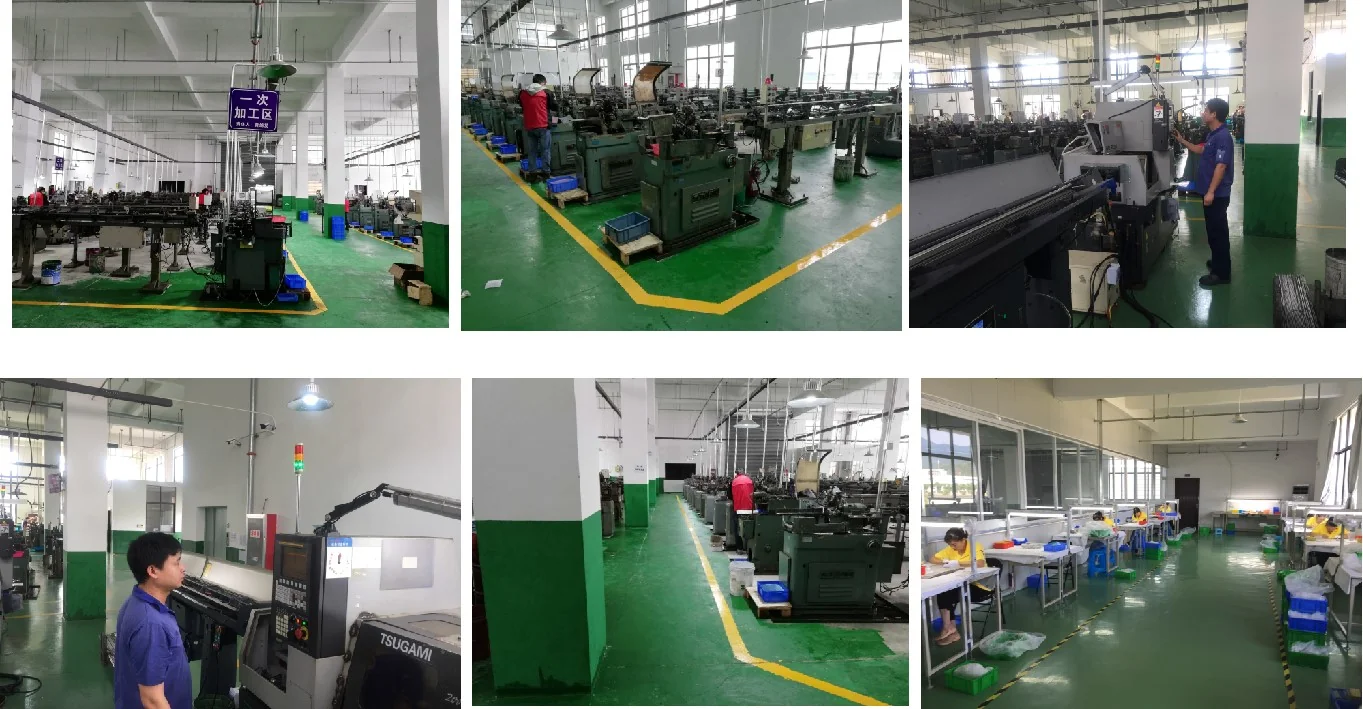
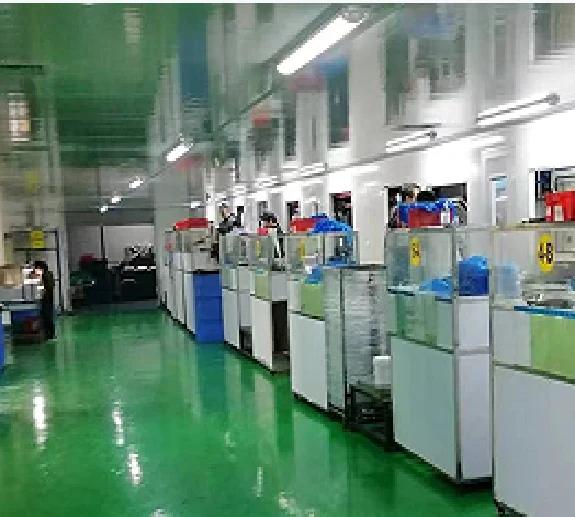
Suzhou Baoshida Trading Co., Ltd. maintains a specialized engineering team dedicated to the development and production of high-performance rubber components, including engineered solutions for non-slippery fabric applications. Our in-house technical capability is anchored by five experienced mould engineers and two dedicated rubber formula engineers, enabling full-cycle product development from concept to mass production. This integrated engineering structure ensures precision, repeatability, and material performance tailored to the functional demands of industrial clients.
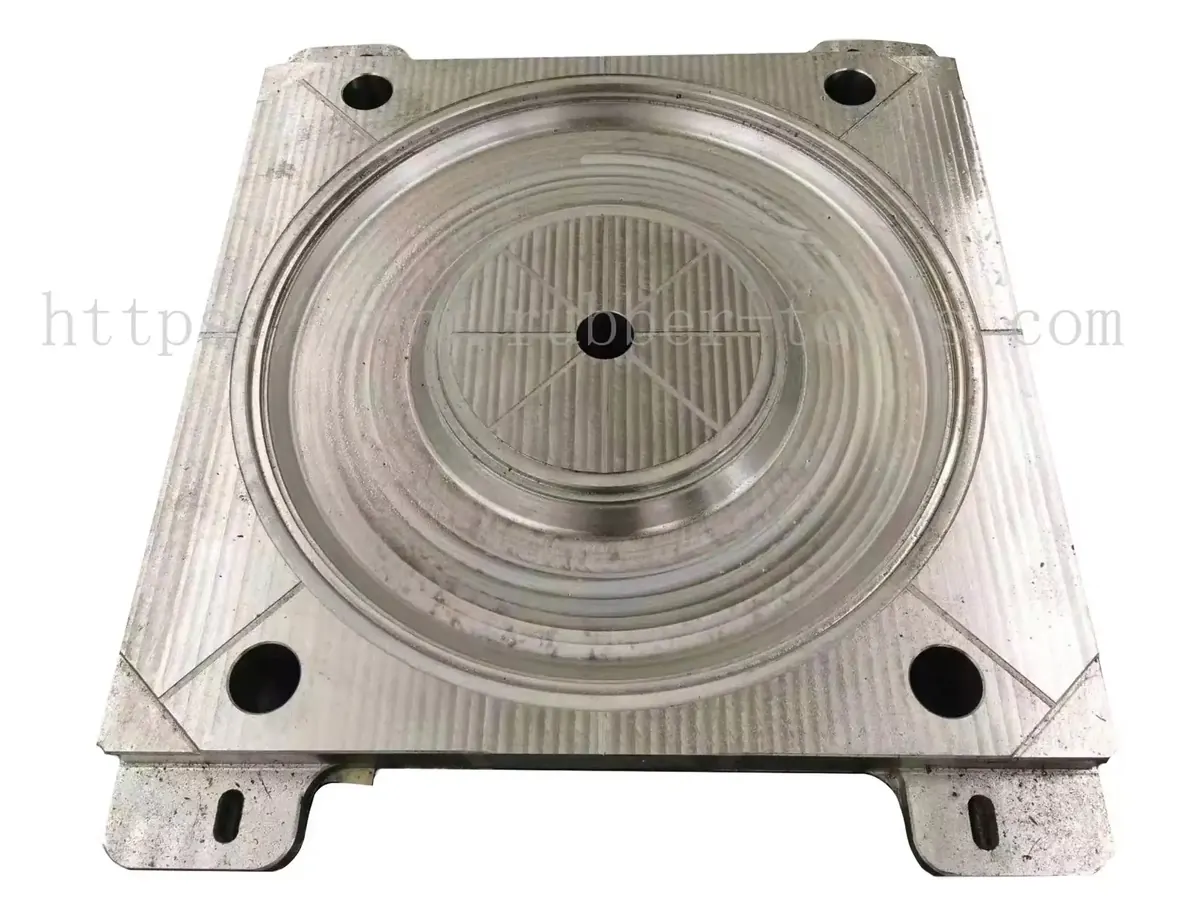
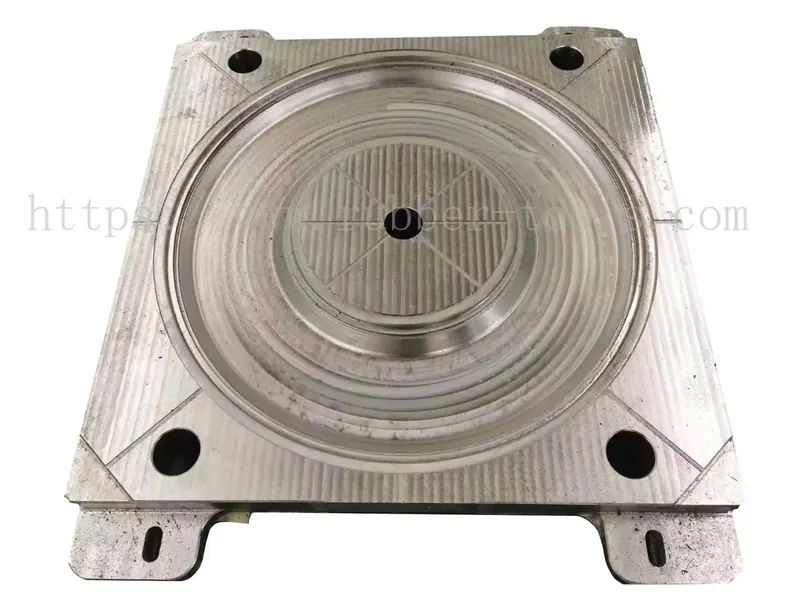
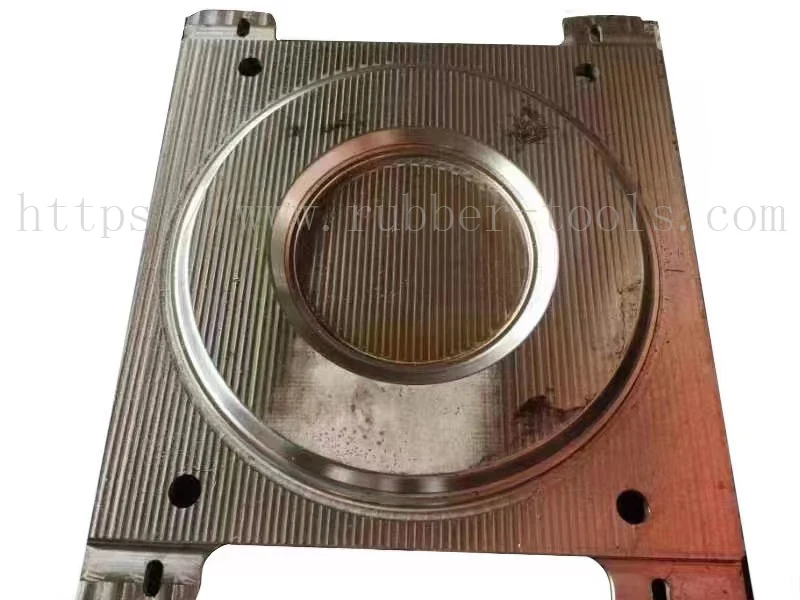
Our mould engineering team specializes in designing and optimizing precision rubber molding tools for compression, transfer, and injection processes. With extensive experience in tool flow analysis, cavity balancing, and thermal management, they ensure consistent part quality and dimensional stability. Each mould is developed using advanced CAD/CAM software and rigorously tested for cycle life and performance under real-world production conditions. This technical depth allows us to support complex geometries and tight-tolerance components critical in industrial applications where non-slip properties must be maintained across variable environmental conditions.
Complementing the mould team, our two rubber formula engineers focus on elastomer compound development, specifically targeting friction coefficient control, abrasion resistance, and substrate adhesion. For non-slippery fabric applications, surface tack, dynamic grip, and long-term durability are paramount. Our formula engineers formulate custom rubber compounds—primarily based on NBR, EPDM, SBR, and silicone systems—engineered to bond effectively with textile substrates while maintaining consistent non-slip performance under moisture, temperature fluctuation, and mechanical stress. Through iterative lab testing and real-time feedback from production runs, we fine-tune formulations to meet exact customer specifications.
As an OEM manufacturer, Suzhou Baoshida offers complete private-label production services. We manage tooling, material sourcing, compound mixing, molding, post-curing, and quality inspection under one roof. Our facility supports batch traceability, process validation, and compliance with international quality standards, making us a reliable partner for long-term supply contracts. Clients benefit from reduced development lead times, IP protection, and scalable production capacity.
The following table outlines key technical parameters supported in our non-slip rubber fabric manufacturing:
| Parameter | Specification |
|---|---|
| Rubber Hardness Range (Shore A) | 40–80 |
| Operating Temperature Range | -40°C to +150°C (depending on compound) |
| Friction Coefficient (on dry steel) | 0.8–1.4 (adjustable via surface texture/formulation) |
| Adhesion Strength to Fabric | ≥ 8 kN/m (peel test, 90°) |
| Molding Process Types | Compression, Transfer, Injection |
| Standard Rubber Materials | NBR, EPDM, SBR, Silicone, CR |
| Lead Time for Mould Development | 15–25 days (depending on complexity) |
| OEM Minimum Order Quantity (MOQ) | 500–1,000 units (scalable) |
This combination of engineering expertise, material science capability, and OEM agility positions Suzhou Baoshida as a strategic partner for industrial clients requiring technically robust, custom non-slip fabric solutions.
Customization Process

Customization Process for Non-Slip Rubber-Coated Fabrics
At Suzhou Baoshida Trading Co., Ltd., our engineering-driven customization process ensures non-slip rubber-coated fabrics meet exact industrial performance criteria. This begins with rigorous Drawing Analysis, where client technical schematics undergo dimensional validation and substrate compatibility assessment. We verify fabric weave density, tensile strength, and environmental exposure requirements against ISO 139 standards for textile substrates. Critical tolerances for coating thickness and edge sealing are cross-referenced with application-specific demands, such as conveyor belt shear resistance or marine deck traction. Any deviations from manufacturable parameters are resolved through collaborative engineering reviews prior to formulation.
Following Drawing Analysis, our Rubber Formula Engineering team develops bespoke elastomer compounds. Key variables include polymer matrix selection (e.g., SBR, NBR, or EPDM), filler ratios for controlled surface micro-roughness, and anti-slip additives like silica or ceramic particles. The formulation targets precise coefficients of friction while maintaining fabric flexibility and chemical resistance. Below are core specification targets for industrial non-slip applications.
| Technical Parameter | Target Range | Measurement Standard |
|---|---|---|
| Coefficient of Friction (Wet) | ≥ 0.80 | ISO 8295 |
| Shore A Hardness | 55–70 | ASTM D2240 |
| Adhesion Strength | ≥ 8.0 kN/m | ASTM D413 |
| Abrasion Resistance | ≤ 120 mm³ loss | DIN 53507 |
Prototyping executes the validated formula under controlled conditions. We produce 3–5 sample batches using client-specified fabric substrates, applying rubber via calendar coating or dip-molding. Each prototype undergoes accelerated lifecycle testing: dynamic slip resistance evaluation on inclined wet surfaces, peel adhesion checks, and ozone/UV aging per ASTM D1149. Data from these trials refines compound viscosity and curing profiles. Clients receive detailed test reports with spectral analysis of surface morphology to confirm micro-texture efficacy before approval.
Mass Production integrates stringent process controls. Raw materials are traceable via batch-coded RFID tags, with real-time monitoring of vulcanization temperature (±2°C accuracy) and line speed. In-line spectrophotometers verify color consistency, while automated tensile testers sample every 50 linear meters for adhesion integrity. Final rolls undergo 100% visual inspection for coating uniformity and edge defects. All shipments include ISO/TS 16949-compliant documentation, including lot-specific friction coefficients and accelerated aging data. This closed-loop system guarantees zero deviation from prototyped performance across volumes from 500 to 50,000 meters.
Suzhou Baoshida’s end-to-end oversight—from substrate analysis to certified mass production—delivers non-slip fabrics engineered for predictable safety and durability in demanding industrial environments.
Contact Engineering Team

For industrial manufacturers seeking advanced rubber-coated fabric solutions with superior traction and durability, Suzhou Baoshida Trading Co., Ltd. stands at the forefront of innovation and precision engineering. Our specialty in non-slippery fabric development ensures optimal performance in high-risk environments such as conveyor systems, industrial flooring, protective gear, and automotive applications. Engineered with a proprietary rubber formulation, our non-slip fabrics deliver consistent grip under wet, oily, or high-vibration conditions, significantly enhancing operational safety and equipment reliability.
At Suzhou Baoshida, we combine material science with real-world industrial demands. Our rubber-coated textiles are manufactured using high-strength base fabrics—such as polyester, nylon, or aramid—combined with customized rubber compounds tailored to specific hardness, temperature resistance, and abrasion performance. Whether you require resistance to hydrocarbons, extreme temperatures (-30°C to +150°C), or prolonged mechanical stress, our formulations are designed to exceed industry benchmarks.
We invite technical teams, procurement managers, and R&D engineers to engage directly with our OEM division for custom development and volume manufacturing. Mr. Boyce, our lead Rubber Formula Engineer and OEM Manager, oversees all client-specific projects with a focus on material optimization, compliance, and scalable production. With full in-house testing capabilities—including DIN 51130 slip resistance testing, Shore A hardness measurement, and peel adhesion analysis—we ensure every batch meets exact performance criteria.
To initiate a technical consultation or request sample validation, contact Mr. Boyce at [email protected]. Include your application environment, performance requirements, and target volume for a tailored response within 24 business hours. We support global supply with ISO-certified production partners and offer full documentation packages, including material safety data sheets (MSDS), RoHS compliance, and aging test reports.
Below are key technical specifications representative of our standard non-slip rubber fabric series. Custom modifications are available upon request.
| Property | Test Method | Value |
|---|---|---|
| Base Fabric | Visual Inspection | Polyester Woven (200–800 g/m²) |
| Coating Thickness | ISO 2286-2 | 0.5 mm – 2.0 mm |
| Hardness (Shore A) | ISO 7619-1 | 55 ± 5 |
| Tensile Strength | ISO 37 | ≥12 MPa |
| Elongation at Break | ISO 37 | ≥250% |
| Slip Resistance (R Value) | DIN 51130 (R9–R13) | R11 |
| Operating Temperature | ASTM D1329 | -30°C to +150°C |
| Abrasion Resistance | ISO 4649 | ≤120 mm³ loss (Taber Wheel) |
| Oil Resistance (IRMO 7) | ISO 1817 | Volume Change ≤15% after 70h @ 100°C |
| Adhesion Strength (Peel) | ASTM D413 | ≥4.5 kN/m |
Partnering with Suzhou Baoshida means access to a fully integrated development pipeline—from concept and compounding to pilot runs and mass production. We prioritize technical transparency, supply chain resilience, and performance accountability in every project.
Contact Mr. Boyce directly at [email protected] to begin your customized solution.
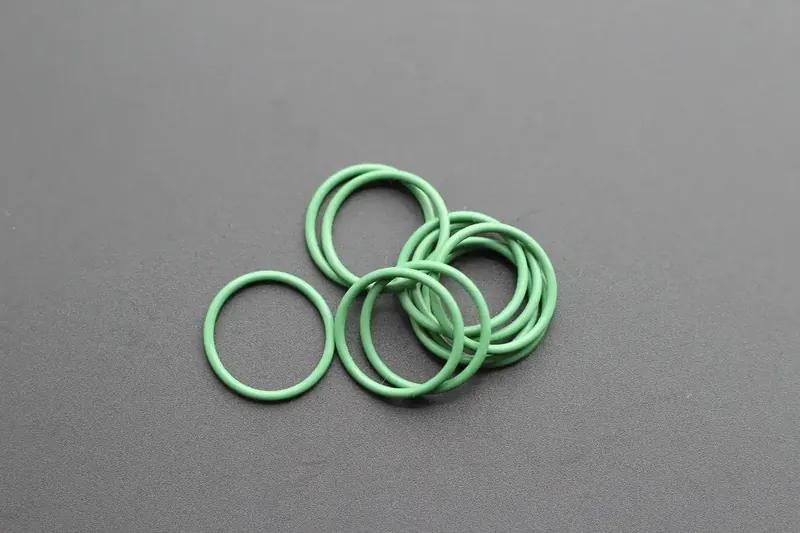
⚖️ O-Ring Weight Calculator
Estimate rubber O-ring weight (Approx).