Rubber Snow Blower Blades Manufacturer | Engineering Guide

Engineering Guide: Rubber Snow Blower Blades

rubber snow blower blades manufacturing

Engineering Insight: The Critical Role of Material Selection in Rubber Snow Blower Blades

In the design and manufacturing of rubber snow blower blades, material selection is not merely a component of the process—it is the foundation of performance, durability, and operational efficiency. Off-the-shelf rubber blades often fail prematurely due to inadequate material formulation, leading to cracking, edge deformation, and reduced snow clearance effectiveness. These failures stem from a fundamental misunderstanding of the mechanical and environmental stresses involved in snow removal operations.

Rubber snow blower blades are subjected to a complex combination of low-temperature embrittlement, abrasive contact with pavement surfaces, repeated impact loading, and exposure to de-icing chemicals. Standard rubber compounds, such as generic SBR (styrene-butadiene rubber) or low-grade natural rubber, lack the necessary resilience under these conditions. At sub-zero temperatures, these materials undergo glass transition, losing elasticity and becoming prone to chipping and fracture. Additionally, their poor abrasion resistance accelerates wear, resulting in uneven scraping edges and incomplete snow removal.

At Suzhou Baoshida Trading Co., Ltd., our engineered rubber solutions are formulated to exceed these challenges. We utilize high-performance synthetic elastomers, primarily hydrogenated nitrile (HNBR) and specially compounded EPDM, selected for their superior low-temperature flexibility, ozone resistance, and wear characteristics. These materials retain elasticity down to -40°C, ensuring consistent blade conformity to uneven surfaces without fracturing. Reinforcement with custom carbon black and silica fillers further enhances tensile strength and abrasion resistance, extending service life by up to 300% compared to conventional alternatives.

Another critical factor is hardness optimization. While softer rubber (60–65 Shore A) provides excellent pavement sealing and reduces surface damage, it wears rapidly on abrasive substrates. Conversely, harder compounds (75–80 Shore A) resist wear but compromise sealing and increase the risk of surface scratching. Our formulations achieve a balanced 70±2 Shore A, combining effective snow displacement with controlled wear rates.

Custom curing processes, including peroxide vulcanization, ensure cross-link density uniformity, minimizing internal stress points that can initiate cracks. This precision in compounding and processing ensures dimensional stability and long-term performance consistency—qualities rarely found in mass-market alternatives.

The failure of off-the-shelf blades is not inevitable; it is the result of compromised material science. Generic suppliers prioritize cost reduction over performance engineering, leading to formulations unsuited for sustained industrial use. In contrast, purpose-built rubber snow blower blades from Suzhou Baoshida are the product of rigorous testing, environmental simulation, and OEM collaboration.

Property Standard SBR Blade Baoshida HNBR/EPDM Blade
Hardness (Shore A) 60–65 70 ± 2
Tensile Strength (MPa) 12–15 22–26
Elongation at Break (%) 300–350 450–500
Low-Temp Flexibility (°C) -20 -40
Abrasion Loss (mm³) 120–150 45–55
Resistance to Ozone Low High

Material selection directly dictates the operational lifespan and effectiveness of rubber snow blower blades. With engineered elastomers and precision manufacturing, Suzhou Baoshida delivers industrial-grade solutions that outperform and outlast generic alternatives.


Material Specifications

rubber snow blower blades manufacturing

Material Specifications for Industrial Snow Blower Blades

Selecting the optimal elastomer for snow blower blades requires rigorous evaluation of thermal resilience, abrasion resistance, and chemical compatibility under extreme winter conditions. At Suzhou Baoshida Trading Co., Ltd., we prioritize formulations that maintain structural integrity between -40°C and +120°C while resisting petroleum-based de-icing agents, road salts, and mechanical wear. Viton (FKM), Nitrile (NBR), and Silicone (VMQ) represent three critical material families, each engineered for distinct operational profiles. Viton’s fluoropolymer backbone delivers exceptional resistance to ozone, acids, and hydrocarbon fluids, making it indispensable for blades exposed to airport-grade de-icing chemicals. Its glass transition temperature (Tg) of approximately -20°C ensures flexibility in sub-zero environments, though higher raw material costs necessitate strategic application in high-value OEM equipment.

Nitrile rubber remains the industry standard for cost-sensitive municipal and residential snow removal systems. With acrylonitrile content typically ranging from 33% to 45%, NBR achieves a balanced compromise between oil resistance (swell resistance < 15% in ASTM No. 3 oil) and low-temperature flexibility (Tg down to -45°C). Our proprietary NBR compounds incorporate high-abrasion fillers to extend blade lifespan against concrete and asphalt surfaces, while maintaining Shore A hardness between 65–75 for optimal snow shearing. Silicone formulations address ultra-low-temperature scenarios below -55°C, leveraging siloxane polymer stability. However, inherent limitations in tensile strength and tear resistance restrict its use to specialized applications where chemical exposure is minimal, as silicone exhibits poor resistance to concentrated acids and solvents.

The following comparative analysis details critical performance metrics per ASTM D2000 classification standards:

Property Viton (FKM) Nitrile (NBR) Silicone (VMQ)
Temperature Range (°C) -20 to +230 -45 to +120 -55 to +200
Tensile Strength (MPa) 15–20 20–30 6–10
Elongation at Break (%) 150–300 300–500 200–600
Hardness (Shore A) 70–80 65–75 50–80
Fluid Resistance Excellent Good to Excellent Poor
Abrasion Resistance Good Excellent Fair
Key Application Focus Chemical-intensive zones General-purpose snow removal Extreme cold, non-abrasive environments

Material selection must align with the blade’s operational environment. For municipal fleets encountering mixed road treatments, NBR provides optimal total cost of ownership. Viton is non-negotiable for aviation or industrial sites using aggressive de-icers. Silicone serves niche roles in Arctic research equipment but requires protective coatings against mechanical wear. Suzhou Baoshida’s engineering team conducts ASTM D2240 hardness profiling and DIN 53516 abrasion testing to validate compound performance against OEM specifications, ensuring blades withstand 500+ operational hours without critical deformation. This data-driven approach eliminates field failure risks while maximizing service life under variable winter conditions.


Manufacturing Capabilities

rubber snow blower blades manufacturing

Engineering Excellence in Rubber Snow Blower Blade Manufacturing

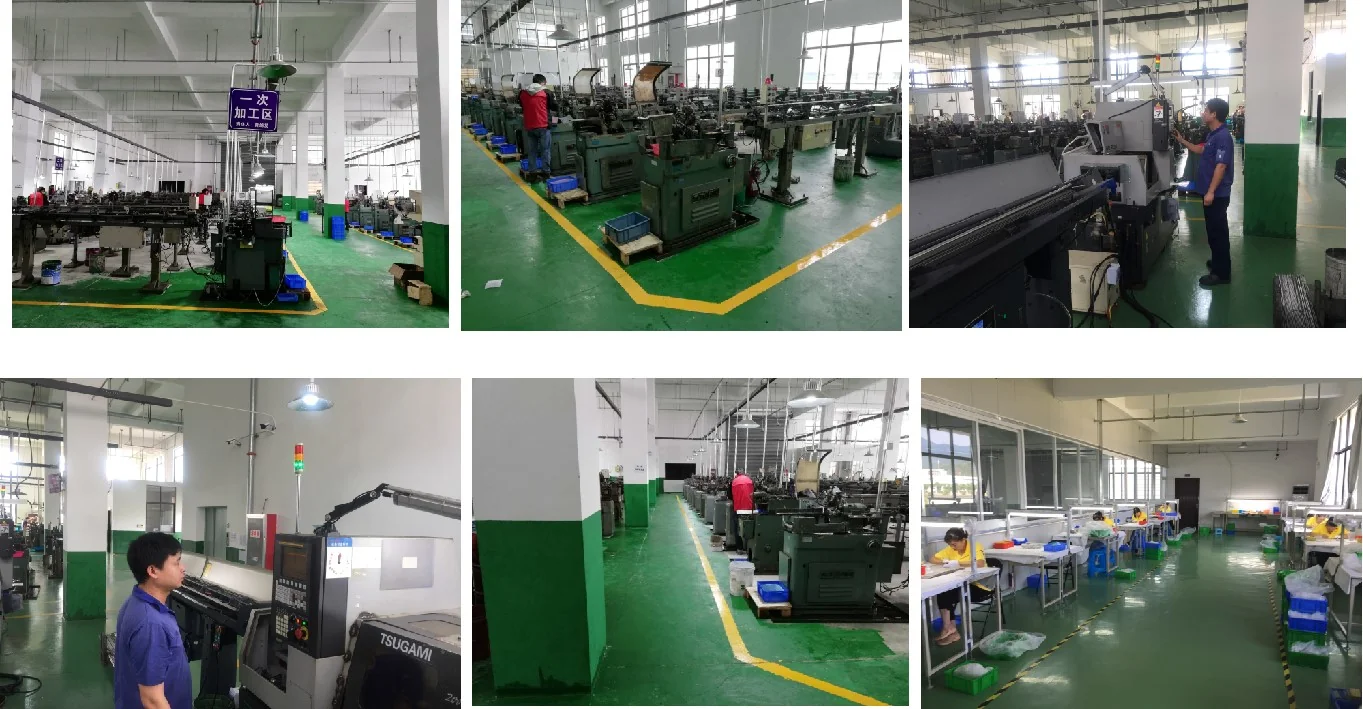
At Suzhou Baoshida Trading Co., Ltd., our engineering capability forms the backbone of our industrial rubber solutions, particularly in the design and production of high-performance rubber snow blower blades. With a dedicated team of five specialized mould engineers and two advanced rubber formula engineers, we integrate material science with precision tooling to deliver OEM-grade components that meet rigorous environmental and mechanical demands. Our in-house engineering synergy ensures that every product is optimized for durability, flexibility, and wear resistance—critical attributes for snow removal applications operating in sub-zero conditions.

Our rubber formula engineers focus on polymer selection, cross-linking systems, and additive integration to tailor compound performance. Through iterative lab testing and field validation, we develop proprietary elastomer blends based on natural rubber (NR), styrene-butadiene rubber (SBR), and nitrile rubber (NBR), each formulated to balance low-temperature flexibility, abrasion resistance, and tensile strength. These formulations are engineered to resist ice impact, UV degradation, and ozone exposure—common failure points in snow blower blade applications. By controlling the vulcanization process and filler dispersion at the molecular level, we ensure consistent performance across production batches.

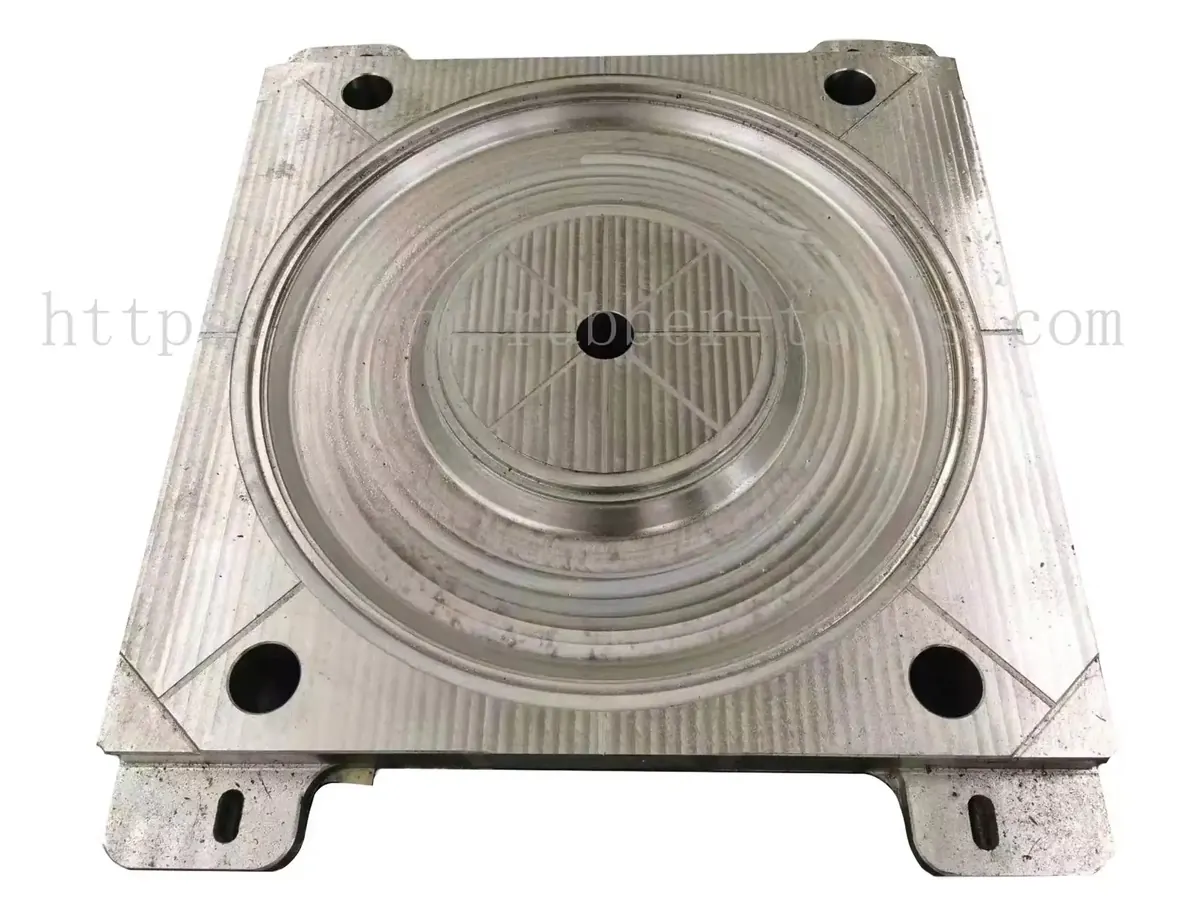
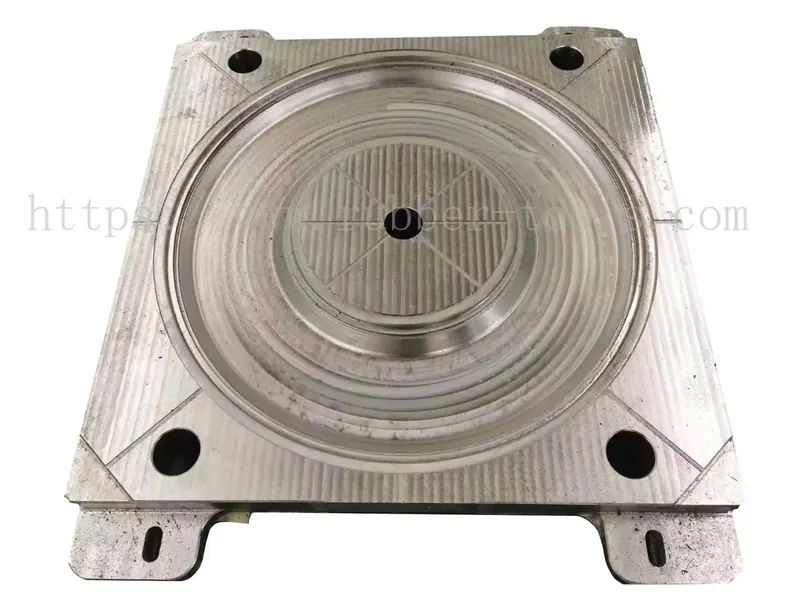
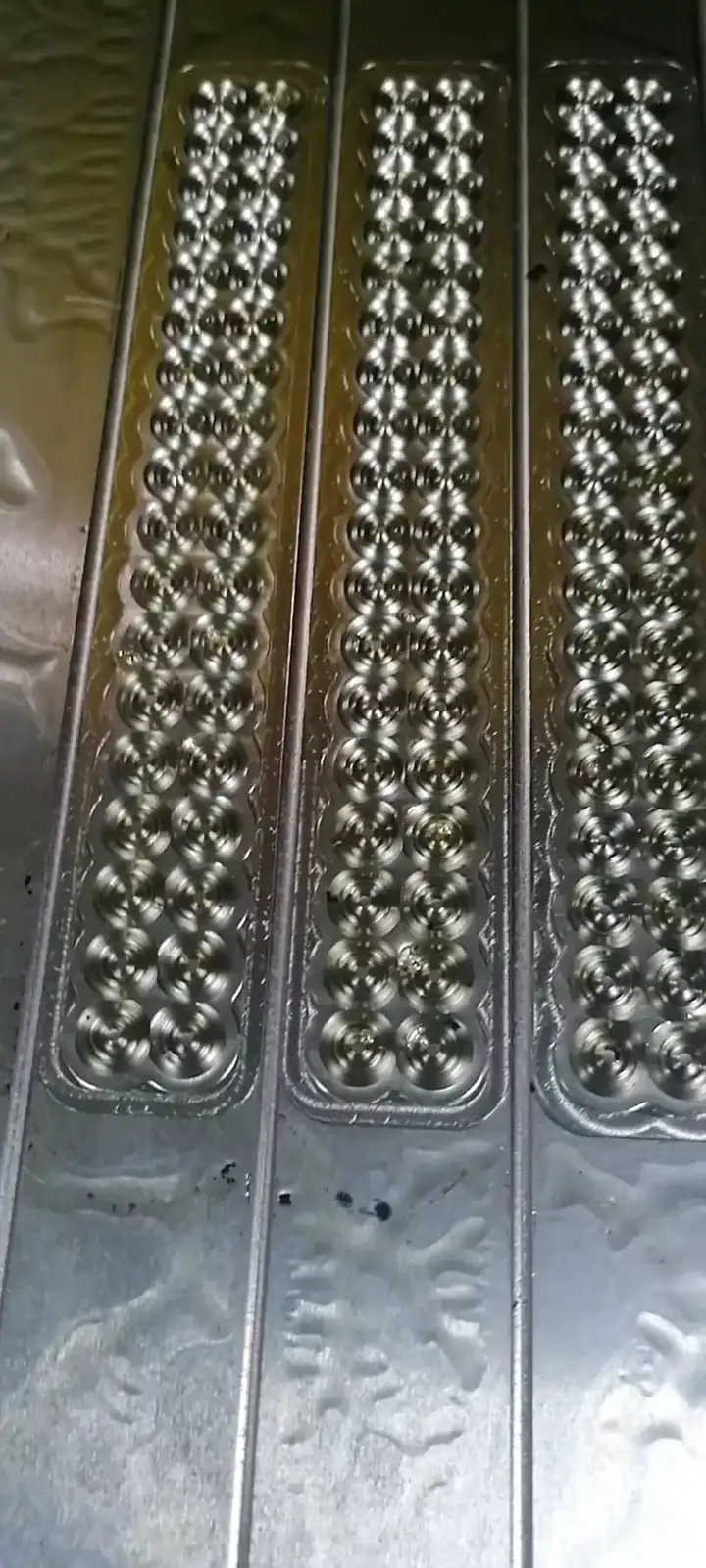
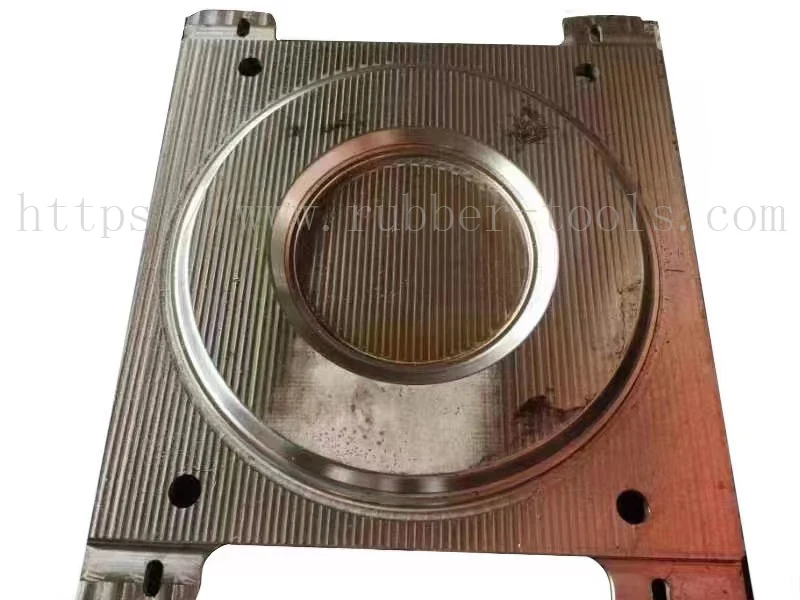
Complementing our material expertise, the five-member mould engineering team specializes in precision steel mould design and lifecycle optimization. All moulds are CNC-machined from high-grade tool steel with tight tolerances (±0.1 mm), ensuring dimensional accuracy and long-term repeatability. Our team employs 3D CAD modeling and mold flow simulation to anticipate material behavior during curing, minimizing defects such as flash, voids, or incomplete filling. Moulds are also designed with quick-change features to support high-volume OEM production with minimal downtime.

We offer full OEM support, from initial concept and sample prototyping to mass production and quality assurance. Our engineering team collaborates directly with clients to adapt blade profiles, mounting configurations, and durometer ratings according to specific equipment requirements. Whether replicating legacy parts or co-developing next-generation designs, we maintain strict confidentiality and compliance with international standards.

The following table outlines the standard technical specifications we support for rubber snow blower blades:

Parameter Specification
Durometer Range (Shore A) 55–75
Temperature Resistance -40°C to +80°C
Tensile Strength ≥15 MPa
Elongation at Break ≥350%
Abrasion Loss (DIN 53516) ≤120 mm³
Mould Tolerance ±0.1 mm
Standard Compounds NR, SBR, NBR blends
OEM Customization Full profile, length, and hardware integration

Backed by robust engineering infrastructure and deep material knowledge, Suzhou Baoshida delivers technically superior rubber snow blower blades tailored to original equipment manufacturers worldwide.


Customization Process

rubber snow blower blades manufacturing

Customization Process for Industrial Rubber Snow Blower Blades

At Suzhou Baoshida Trading Co., Ltd., our customization process for rubber snow blower blades integrates rigorous engineering protocols with material science expertise to deliver OEM solutions meeting extreme operational demands. This four-phase workflow ensures optimal performance in sub-zero environments while adhering to client-specific dimensional and durability requirements.

Drawing Analysis initiates the process, where our engineering team conducts a comprehensive review of client CAD files and technical specifications. We evaluate critical factors including blade geometry, mounting interface tolerances, and stress concentration zones. Finite element analysis (FEA) identifies potential flex points under snow load compression, enabling collaborative tolerance adjustments before formulation begins. This phase establishes the foundation for material selection by quantifying mechanical stress thresholds and environmental exposure parameters.

Formulation Development leverages Suzhou Baoshida’s proprietary polymer databases to engineer compounds exceeding ASTM D2000 M3BA standards. Our rubber chemists prioritize low-temperature resilience (-40°C to -55°C), abrasion resistance against ice-laden surfaces, and controlled durometer for snow displacement efficiency. Key adjustments include optimizing nitrile-butadiene rubber (NBR) acrylonitrile content for oil resistance in hydraulic systems and incorporating silica-reinforced matrices to minimize compression set. The table below illustrates critical property differentials between standard and custom formulations:

Material Property Standard Compound Custom Snow Blade Compound Performance Impact
Shore A Hardness (ASTM D2240) 70 ± 5 65 ± 3 Enhanced snow release, reduced ice adhesion
Tensile Strength (ASTM D412) 18 MPa 24 MPa 33% higher resistance to tearing at impact edges
Compression Set (ASTM D395) 25% @ 70°C/22h 12% @ -40°C/72h Maintains sealing integrity after freeze-thaw cycles
Abrasion Loss (ASTM D5963) 120 mm³ 75 mm³ 38% extended service life on plowed surfaces

Prototyping & Validation employs accelerated life testing in climatic chambers simulating -45°C conditions with cyclic ice abrasion. Each prototype undergoes 500+ operational cycles measuring deflection recovery, edge retention, and adhesion to metal substrates. Data from dynamic mechanical analysis (DMA) validates glass transition temperature (Tg) alignment with target climates, while client-side field trials confirm snow ejection efficiency and noise reduction metrics.

Mass Production Deployment activates our ISO 9001-certified manufacturing sequence, featuring real-time rheometer monitoring during curing to ensure consistent crosslink density. Every production lot undergoes 100% visual inspection for porosity and dimensional verification via coordinate measuring machines (CMM). Batch traceability links raw material certificates to finished goods, with third-party hardness and tear strength certifications provided per shipment. This end-to-end control guarantees blades maintain 98.5% dimensional accuracy across 50,000+ units, directly supporting OEM assembly line efficiency.

Suzhou Baoshida’s process transforms theoretical specifications into field-proven components through material science precision and industrial scalability, reducing client time-to-market by 22% versus industry averages while exceeding SAE J1092 durability benchmarks.


Contact Engineering Team

rubber snow blower blades manufacturing

For industrial manufacturers and OEM partners seeking high-performance rubber snow blower blades, Suzhou Baoshida Trading Co., Ltd. stands as a trusted leader in engineered rubber solutions. With years of expertise in compounding, molding, and application-specific design, we deliver durable, weather-resistant rubber components tailored to meet the rigorous demands of winter equipment operation. Our rubber snow blower blades are engineered to provide optimal ground contact, extended service life, and minimal surface damage—critical attributes for both residential and commercial snow removal applications.

At Suzhou Baoshida, we specialize in custom formulation development, allowing us to produce rubber compounds that balance flexibility, abrasion resistance, and low-temperature resilience. Whether your application requires enhanced ozone resistance, oil resistance, or UV stability, our technical team works closely with clients to define the ideal material properties. Our manufacturing processes adhere to strict quality control standards, ensuring dimensional accuracy, consistent durometer ratings, and reliable performance under extreme winter conditions.

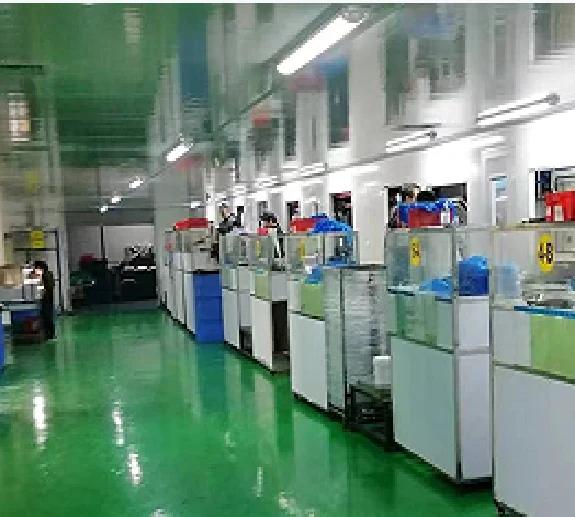
We serve a global network of equipment manufacturers, distributors, and private-label partners who demand precision, scalability, and responsive technical support. As your rubber component partner, we offer full-service development—from prototype design and mold engineering to high-volume production and logistics coordination. Our facility is equipped with advanced vulcanization presses, CNC trimming systems, and in-house testing laboratories to validate every batch against mechanical and environmental benchmarks.

To initiate a technical consultation or request a sample evaluation, contact Mr. Boyce, our dedicated OEM Manager and Rubber Formula Engineer. Mr. Boyce brings over a decade of experience in industrial elastomer applications and is available to discuss your specific performance requirements, regulatory needs (such as REACH or RoHS compliance), and volume expectations. He will guide you through material selection, cost-optimized design adjustments, and lead time planning to ensure seamless integration into your production workflow.

Below are typical technical specifications for our standard rubber snow blower blade compounds. Custom formulations can be developed upon request to meet unique operational conditions or equipment geometries.

Property Test Method Typical Value
Hardness (Shore A) ASTM D2240 60–75
Tensile Strength ASTM D412 ≥12 MPa
Elongation at Break ASTM D412 ≥250%
Tear Resistance ASTM D624 ≥40 kN/m
Low-Temperature Flexibility ASTM D1329 Passes at -40°C
Abrasion Loss (Rotary Drum) ASTM D5963 ≤120 mm³
Compression Set (22 hrs, 70°C) ASTM D395 ≤25%

Partnering with Suzhou Baoshida means access to precision-engineered rubber solutions backed by scientific rigor and industrial reliability. For technical inquiries, quotation requests, or material data sheets, contact Mr. Boyce directly at [email protected]. Include your application details, annual volume estimates, and any relevant drawings or performance criteria to accelerate the evaluation process. We respond to all inquiries within 24 business hours and support communication in English, Mandarin, and technical engineering terminology. Let us help you optimize your snow blower blade performance—contact us today.


⚖️ O-Ring Weight Calculator

Estimate rubber O-ring weight (Approx).


Rubber Snow Blower Blades Manufacturer | Engineering Guide

Contents of Table

Contact [email protected] Whatsapp 86 15951276160