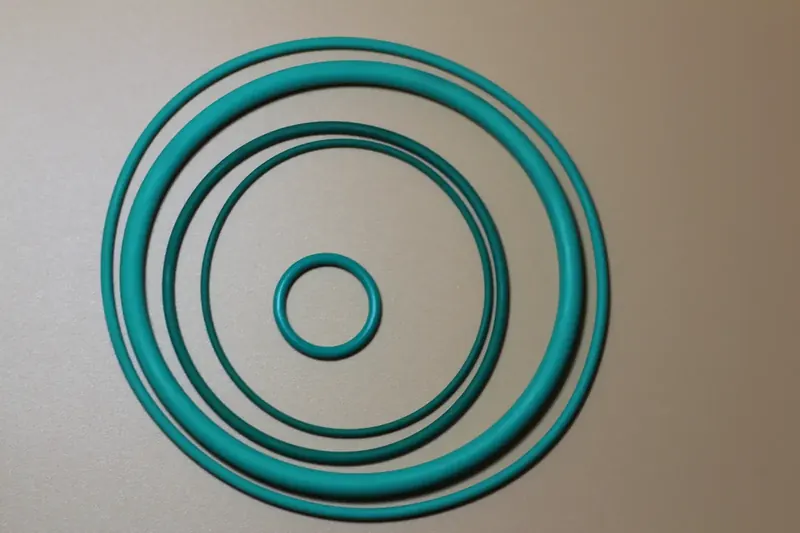
Vacuum Seal Chamber Manufacturer | Engineering Guide

Engineering Guide: Vacuum Seal Chamber

Engineering Insight: Vacuum Seal Chamber Material Selection Imperatives

Vacuum integrity in industrial chambers demands absolute sealing performance where conventional rubber compounds catastrophically underperform. Standard off-the-shelf elastomers fail due to fundamental material limitations incompatible with high-vacuum physics. Outgassing—the release of absorbed volatiles under vacuum—is the primary failure mechanism. Generic nitrile (NBR) or EPDM seals exhibit outgassing rates exceeding 50 mg/m²/hr, contaminating chamber surfaces and elevating base pressure. This compromises semiconductor deposition processes or analytical instrumentation requiring 10⁻⁶ mbar stability. Simultaneously, inherent polymer permeability allows helium diffusion at rates >10⁻¹² m³·m/m²·s·Pa, causing unacceptable pressure rise in ultra-high-vacuum (UHV) systems. Thermal cycling further degrades standard seals; repeated exposure to 200°C bake-outs induces compression set >30% in NBR, permanently losing sealing force.

Material science must address three vacuum-specific failure vectors: volatile content, gas permeation, and thermal resilience. Commercial seals prioritize cost and general fluid resistance, ignoring vacuum compatibility. Their plasticizers, sulfur accelerators, and filler residues vaporize under vacuum, creating virtual leaks. Even “low-outgassing” industrial grades lack the molecular stability required for UHV. Critical applications demand perfluoroelastomers (FFKM) or specialty hydrogenated nitrile (HNBR) with >99.9% fluorine saturation. These compounds undergo rigorous extractive purification to reduce volatile content to <0.1% by weight and feature crosslink architectures resisting thermal decomposition. Suzhou Baoshida’s engineered solutions incorporate vacuum-optimized fillers like micronized PTFE to minimize permeation paths while maintaining elastic recovery after 500+ thermal cycles.

The performance gap between generic and vacuum-engineered seals is quantifiable. Our OEM-tailored compounds undergo ISO 527 tensile testing, ASTM E595 outgassing validation, and helium leak rate certification at 10⁻⁹ mbar·L/s sensitivity. This precision compounding ensures dimensional stability under 10⁻⁹ mbar operation—where off-the-shelf alternatives introduce 10⁻⁷ mbar pressure spikes within hours.

Property Off-the-Shelf Seal (NBR) Vacuum-Grade Seal (Baoshida FFKM) Performance Impact in Vacuum Chamber
Outgassing Rate (ASTM E595) 50-100 mg/m²/hr <0.5 mg/m²/hr Prevents chamber contamination; maintains 10⁻⁶ mbar base pressure
Helium Permeability 1.2×10⁻¹¹ m³·m/m²·s·Pa 8.5×10⁻¹³ m³·m/m²·s·Pa Eliminates pressure rise in UHV applications
Compression Set (200°C, 72h) 35-45% <8% Sustains sealing force after thermal cycling
Volatile Content 1.5-2.5% by weight <0.05% by weight Avoids virtual leaks from absorbed gases

Suzhou Baoshida’s OEM partnership model addresses these physics-driven requirements through compound-specific engineering. We reject one-size-fits-all approaches, instead tailoring fluoropolymer formulations to chamber pressure profiles, bake-out protocols, and chemical exposure. Our vacuum seals undergo batch-specific outgassing certification—ensuring material consistency where generic suppliers offer only nominal compliance. In vacuum technology, the seal is not a commodity component but a critical system enabler; its material composition directly dictates process yield and equipment uptime. Partner with engineered precision, not off-the-shelf compromise.


Material Specifications

Material selection for vacuum seal chambers is a critical engineering decision that directly impacts performance, longevity, and reliability under demanding operational conditions. At Suzhou Baoshida Trading Co., Ltd., we specialize in precision rubber seals engineered to meet stringent industrial requirements. Our expertise in elastomer formulation ensures optimal performance in vacuum environments where sealing integrity, chemical resistance, and thermal stability are paramount. The three primary materials used in vacuum seal applications—Viton (FKM), Nitrile (NBR), and Silicone (VMQ)—each offer distinct advantages depending on the operational parameters.

Viton is a fluorocarbon-based elastomer known for its exceptional resistance to high temperatures, aggressive chemicals, and hydrocarbons. With a continuous service temperature range up to 230°C, Viton is ideal for high-vacuum systems exposed to elevated thermal loads or chemical sterilization processes. Its low outgassing characteristics make it suitable for ultra-high vacuum (UHV) applications, where minimal volatile emission is required to maintain chamber purity. Additionally, Viton exhibits excellent resistance to aging and ozone, ensuring long-term sealing performance in static and dynamic applications.

Nitrile rubber, or Buna-N, is widely used due to its excellent mechanical strength and resistance to oils, fuels, and aliphatic hydrocarbons. It performs reliably in vacuum environments where exposure to lubricants or hydraulic fluids is common. Nitrile offers good compression set resistance and is cost-effective for general-purpose vacuum sealing. However, its upper temperature limit is typically around 120°C, and it exhibits lower resistance to ozone and weathering compared to Viton. Nitrile is best suited for medium-vacuum applications with moderate thermal demands.

Silicone rubber provides outstanding flexibility across a wide temperature range, from -60°C to 200°C, and is particularly valued for its low-temperature performance. It demonstrates good resistance to UV and ozone and maintains elastic properties even under thermal cycling. While silicone has higher gas permeability and lower tensile strength compared to Viton and Nitrile, it is frequently selected for applications requiring extreme flexibility and repeated compression, such as in gasketing and low-stress sealing interfaces. Its biocompatibility and low toxicity also make it suitable for pharmaceutical and food-grade vacuum systems.

The following table summarizes key material properties for vacuum seal chamber applications:

Property Viton (FKM) Nitrile (NBR) Silicone (VMQ)
Temperature Range (°C) -20 to 230 -30 to 120 -60 to 200
Tensile Strength (MPa) 15–20 10–25 5–8
Elongation at Break (%) 200–300 250–400 400–600
Hardness (Shore A) 70–90 60–80 40–80
Compression Set (22h, 150°C) ≤20% ≤30% ≤25%
Gas Permeability (Low/Med/High) Low Medium High
Chemical Resistance Excellent Good (oils, fuels) Fair
Outgassing Performance Very Low Low Moderate

Selection of the appropriate elastomer must consider the full scope of operational conditions, including temperature extremes, chemical exposure, mechanical loading, and vacuum level. Our engineering team at Suzhou Baoshida Trading Co., Ltd. supports OEM clients in material validation and custom formulation to ensure optimal sealing performance in precision vacuum systems.


Manufacturing Capabilities

Engineering Capabilities for Vacuum Seal Chambers

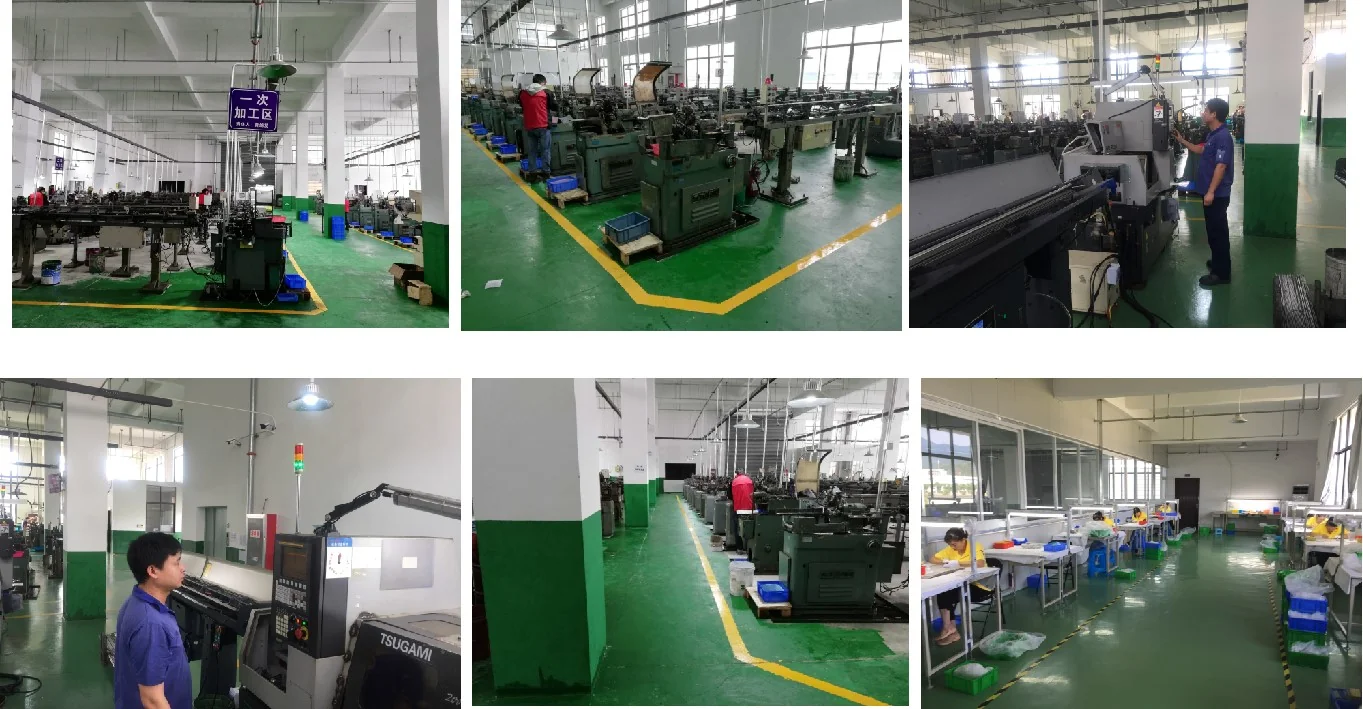
Suzhou Baoshida Trading Co., Ltd. leverages deep technical expertise in precision rubber formulation and mold engineering to deliver vacuum seal chambers meeting stringent industrial and scientific requirements. Our dedicated team comprises five specialized mold engineers and two advanced rubber formula engineers, ensuring end-to-end control from material science to production tooling. This integrated capability allows us to address the unique challenges of vacuum environments, where seal integrity directly impacts system performance, longevity, and safety.

Our formula engineers focus on optimizing elastomer compounds for critical vacuum-specific properties. Through precise manipulation of polymer base selection, filler dispersion, and crosslink density, we achieve ultra-low outgassing, exceptional compression set resistance, and thermal stability across extreme temperature ranges (-70°C to +250°C). Each compound is rigorously validated against ASTM E595 outgassing standards and ISO 3601 flange specifications, ensuring compatibility with high-vacuum and ultra-high-vacuum (UHV) applications. Material formulations are tailored to resist permeation, maintain elasticity under prolonged vacuum stress, and prevent particle generation—key failure modes in semiconductor, aerospace, and analytical instrumentation chambers.

Mold engineering excellence complements our material science proficiency. Our five engineers utilize 3D CAD/CAM simulation (SolidWorks, Moldflow) to optimize cavity design, runner systems, and venting for zero flash and consistent dimensional accuracy (±0.05mm tolerance). This precision minimizes post-molding finishing and ensures repeatable seal geometry critical for uniform clamping force distribution in vacuum flanges. We specialize in complex multi-cavity tooling for high-volume OEM production, with integrated cooling channels to reduce cycle times by 18-22% without compromising part integrity.

Key performance metrics for our vacuum seal compounds are summarized below:

Property Test Method Performance Target Application
Compression Set (70h/100°C) ASTM D395 ≤12% Static vacuum flanges
Outgassing (TML) ASTM E595 ≤0.5% UHV chambers (>10⁻⁹ mbar)
Tensile Strength ASTM D412 ≥10.5 MPa High-stress assemblies
Hardness Range ASTM D2240 60–90 Shore A Customizable per OEM spec
Thermal Stability ISO 188 No cracking to 250°C Thermal cycling systems

As an OEM partner, we provide full technical collaboration from concept to量产. Our engineers co-develop solutions with clients, offering material certification (including full traceability per EN 9100), DFM analysis, and production tooling validation under cleanroom conditions (ISO Class 8). We maintain a 98.7% first-pass yield rate on complex vacuum seal geometries and support rapid prototyping with 15-day turnaround for critical path validation. Suzhou Baoshida’s integrated engineering framework ensures vacuum seal chambers achieve leak rates below 1×10⁻⁹ atm·cc/sec helium—delivering the reliability demanded by advanced manufacturing and research infrastructure.


Customization Process

Customization Process for Vacuum Seal Chambers – Precision Rubber Seals by Suzhou Baoshida Trading Co., Ltd.

At Suzhou Baoshida Trading Co., Ltd., our engineering-driven approach to custom vacuum seal chambers begins with a rigorous analysis of technical drawings and application requirements. This initial phase ensures that every component is designed to meet the exact mechanical, thermal, and chemical demands of the operating environment. Our team of rubber formula engineers evaluates critical parameters such as compression set, sealing force, mating surface geometry, and dimensional tolerances. We assess client-provided CAD models or 2D technical drawings to identify potential stress points, sealing interfaces, and material compatibility needs. This precision-focused drawing analysis forms the foundation for all subsequent development stages.

Following design validation, we proceed to rubber formulation development. Our in-house material science laboratory tailors elastomer compounds based on the specific performance criteria of the vacuum application. Factors such as outgassing rates, temperature range, resistance to sterilization cycles, and exposure to aggressive media (e.g., solvents, plasma) are systematically addressed. Common base polymers include FKM (Viton®), EPDM, silicone (VMQ), and peroxide-cured FVMQ, selected for their low volatility and high integrity under vacuum. Additives are optimized to minimize particle generation and ensure long-term resilience. Each formulation is documented and archived for full traceability, supporting compliance with ISO 13485 and other industrial standards.

Once the material is finalized, we initiate the prototyping phase using precision molding techniques such as compression, transfer, or injection molding. Prototypes are manufactured under controlled conditions that simulate mass production environments, ensuring scalability and consistency. These samples undergo a battery of tests including dimensional inspection, compression deflection analysis, leak rate measurement under vacuum (down to 10⁻⁶ mbar), and accelerated aging. Client feedback is integrated at this stage to refine geometry or material performance before tooling sign-off.

Upon approval, we transition to mass production using automated molding lines and statistical process control (SPC) protocols. Every batch is subject to 100% visual inspection and random sampling for physical and chemical verification. Our lean manufacturing system ensures on-time delivery without compromising quality.

The table below outlines typical material options and their key performance characteristics for vacuum seal chambers:

Material Temperature Range (°C) Hardness (Shore A) Vacuum Outgassing (TML <1%, 24h @ 125°C) Key Applications
FKM (Viton®) -20 to +250 70–90 Yes Semiconductor, HVAC, High-temp vacuum
EPDM -50 to +150 60–80 Moderate General industrial, Water-resistant seals
Silicone (VMQ) -60 to +200 40–80 Yes (peroxide-cured) Medical, Food-grade, Low-temp vacuum
FVMQ -20 to +200 60–75 Yes Aerospace, Plasma-resistant environments

All customization stages are supported by direct engineering collaboration, ensuring seamless integration into the client’s assembly and operational lifecycle.


Contact Engineering Team

Direct Engineering Collaboration for Vacuum Seal Chamber Applications

Suzhou Baoshida Trading Co., Ltd. operates at the intersection of advanced polymer science and industrial sealing solutions, specifically engineered for the uncompromising demands of vacuum environments. Our vacuum seal chambers require elastomeric components that maintain integrity under extreme pressure differentials, thermal cycling, and prolonged exposure to inert or reactive gases. Standard sealing materials often fail due to outgassing, compression set, or permeation—defects that directly compromise vacuum integrity and process yield. We address these challenges through proprietary rubber formulations developed in-house by our materials engineering team, leveraging decades of OEM collaboration with semiconductor, aerospace, and R&D equipment manufacturers.

Our technical approach begins with molecular-level customization of fluorocarbon (FKM), perfluoroelastomer (FFKM), and specialty silicone compounds. Each formulation undergoes rigorous validation per ASTM E595 for total mass loss (TML) and collected volatile condensable materials (CVCM), ensuring outgassing rates remain below 0.1% TML and 0.01% CVCM—critical thresholds for high-vacuum (<10⁻⁶ mbar) and ultra-high-vacuum (<10⁻⁹ mbar) systems. We prioritize low compression set (≤15% per ASTM D395 after 70 hours at 200°C) and thermal stability up to 325°C to prevent seal relaxation during repeated thermal cycles. Additionally, our compounds exhibit Shore A hardness tolerances of ±2 points and tensile strength retention >85% after 1,000 hours of aging, guaranteeing dimensional stability under sustained load.

The following table summarizes key performance specifications for our vacuum-optimized sealing materials:

Parameter Test Standard FFKM Performance FKM Performance Silicone Performance
Total Mass Loss (TML) ASTM E595 ≤0.05% ≤0.08% ≤0.10%
CVCM ASTM E595 ≤0.005% ≤0.010% ≤0.015%
Compression Set (200°C/70h) ASTM D395 ≤12% ≤15% ≤25%
Max Continuous Temp ISO 188 325°C 250°C 230°C
Vacuum Permeation (He) ASTM F2614 0.5 × 10⁻¹² 1.2 × 10⁻¹² 5.0 × 10⁻¹²

These metrics are not theoretical benchmarks but validated outcomes from our ISO 17025-accredited laboratory, where every batch undergoes spectrometric, thermal gravimetric, and vacuum decay testing prior to shipment. We further support clients through finite element analysis (FEA) for seal geometry optimization and accelerated life testing protocols tailored to specific chamber configurations.

For immediate technical engagement, contact Mr. Boyce, our dedicated OEM Solutions Manager, at [email protected]. Mr. Boyce holds a Master’s in Polymer Engineering and directs Suzhou Baoshida’s custom compounding pipeline, having resolved over 200 vacuum seal failure cases across semiconductor lithography and fusion research projects. When initiating contact, reference your chamber’s operating parameters—base pressure, temperature profile, gas exposure, and cycle frequency—to enable our team to deploy targeted material recommendations within 24 business hours. Include dimensional schematics or failure analysis reports for expedited prototyping.

Suzhou Baoshida does not supply generic seals; we deliver engineered vacuum integrity. Partner with us to eliminate outgassing-related contamination, extend maintenance intervals, and achieve repeatable chamber performance. Initiate your technical consultation today to receive a formulation datasheet and vacuum compatibility assessment specific to your application. Your vacuum system’s reliability begins with a single engineered elastomer—contact Mr. Boyce to define its specifications.


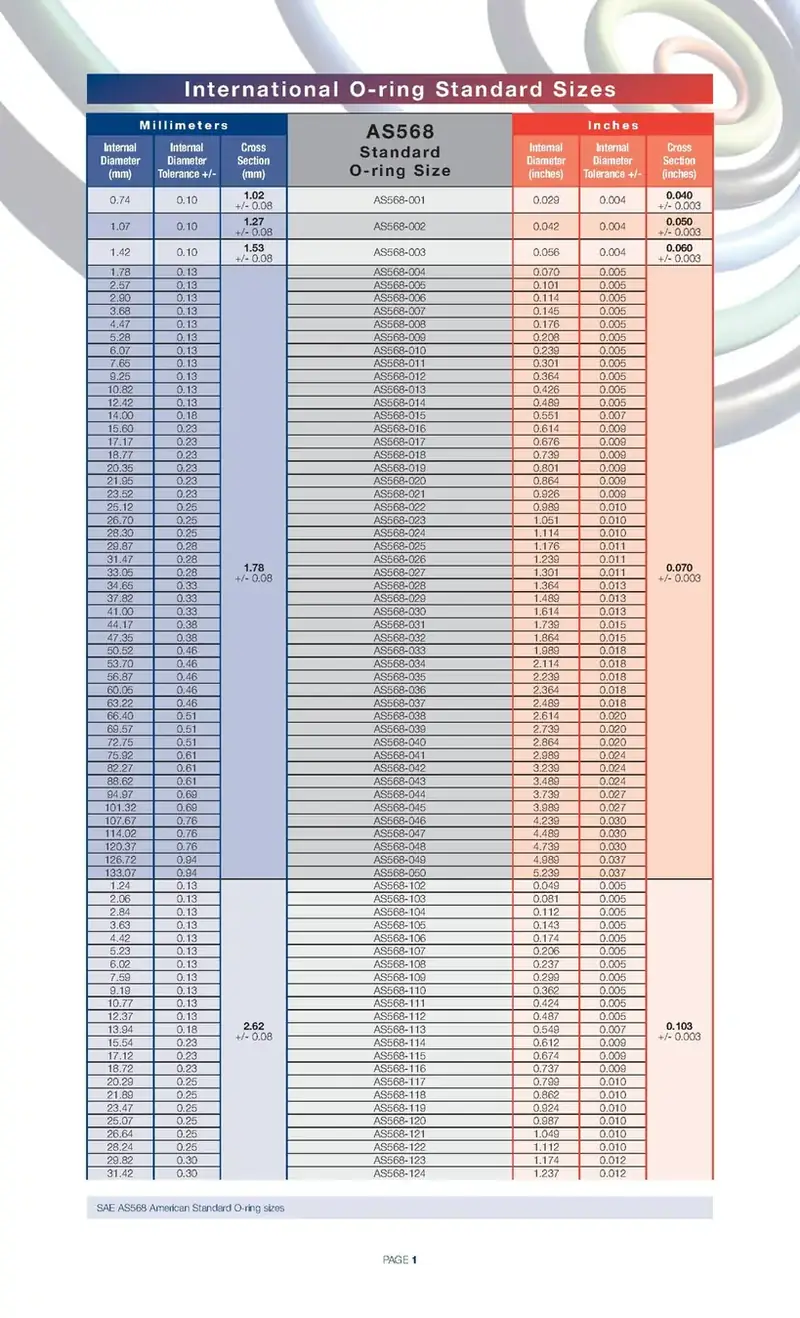
⚖️ O-Ring Weight Calculator

Estimate rubber O-ring weight (Approx).


Vacuum Seal Chamber Manufacturer | Engineering Guide

Contents of Table

Contact [email protected] Whatsapp 86 15951276160