Technical Contents
Engineering Guide: Pvc Inflatable Boat Fabric
Engineering Insight: PVC Inflatable Boat Fabric Material Selection Criticality
Material selection for PVC inflatable boat fabric transcends basic cost considerations; it is a foundational engineering decision dictating product longevity, safety, and compliance in harsh marine environments. Off-the-shelf PVC solutions, often sourced from generic industrial suppliers, consistently fail under operational stresses due to inherent formulation compromises. These standard materials prioritize broad applicability and low production costs over the specific physicochemical demands of prolonged water exposure, UV radiation, temperature extremes, and dynamic mechanical loading. Consequently, manufacturers opting for non-specialized fabrics face premature degradation, seam delamination, and catastrophic field failures—resulting in warranty liabilities, reputational damage, and safety hazards.
The core failure mechanism lies in inadequate polymer stabilization. Generic PVC formulations lack sufficient hydrolysis-resistant plasticizers and UV absorbers tailored for saltwater immersion. Standard plasticizers migrate or leach out within months, causing embrittlement and crack propagation at stress points like valves or inflation chambers. Simultaneously, insufficient UV stabilizers permit photo-oxidative chain scission, reducing tensile strength by 40–60% within two seasons. Crucially, off-the-shelf fabrics omit critical adhesion promoters between the PVC coating and polyester scrim, leading to interfacial failure under cyclic flexing. Industrial-grade laminates may meet basic air retention specs but ignore marine-specific standards like ISO 6185 for inflatable boats, which mandates rigorous testing for cold flexibility down to -30°C and resistance to biodiesel contamination.
Suzhou Baoshida Trading Co., Ltd. addresses these gaps through OEM-engineered formulations. Our marine-specific PVC compound integrates high-molecular-weight ester-based plasticizers resistant to hydrolysis, synergistic HALS (Hindered Amine Light Stabilizers) for 2,000+ hours of accelerated UV aging, and proprietary cross-linking agents enhancing peel strength. The table below quantifies critical performance differentials:
| Property | Standard Industrial PVC | Baoshida Marine-Grade PVC | Test Standard |
|---|---|---|---|
| Peel Strength ( scrim/coating ) | 15–25 N/50mm | ≥45 N/50mm | DIN 53357 |
| Hydrolysis Resistance | Fails at 500 hrs | Passes 2,000 hrs | ISO 14125 |
| UV Aging (2,000 hrs QUV) | Tensile loss: 55% | Tensile loss: ≤18% | ASTM G154 |
| Low-Temp Flexibility | Brittle at -15°C | Flexible at -35°C | ISO 1431-1 |
| Plasticizer Retention | 65% after 1,000 hrs | 92% after 1,000 hrs | ISO 175 |
This precision engineering ensures fabrics maintain structural integrity across 500+ inflation cycles and 10-year service life under OEM specifications. We collaborate directly with boat manufacturers to calibrate formulations for regional operational profiles—whether Arctic expeditions requiring extreme cold flexibility or tropical deployments demanding superior algae resistance. Generic solutions cannot replicate this tailored approach, as their production lines lack the analytical feedback loops for marine polymer science. Material selection is not a procurement decision; it is a risk-mitigation imperative. Suzhou Baoshida’s OEM partnership model guarantees fabrics engineered as integral safety components, not disposable commodities.
Material Specifications
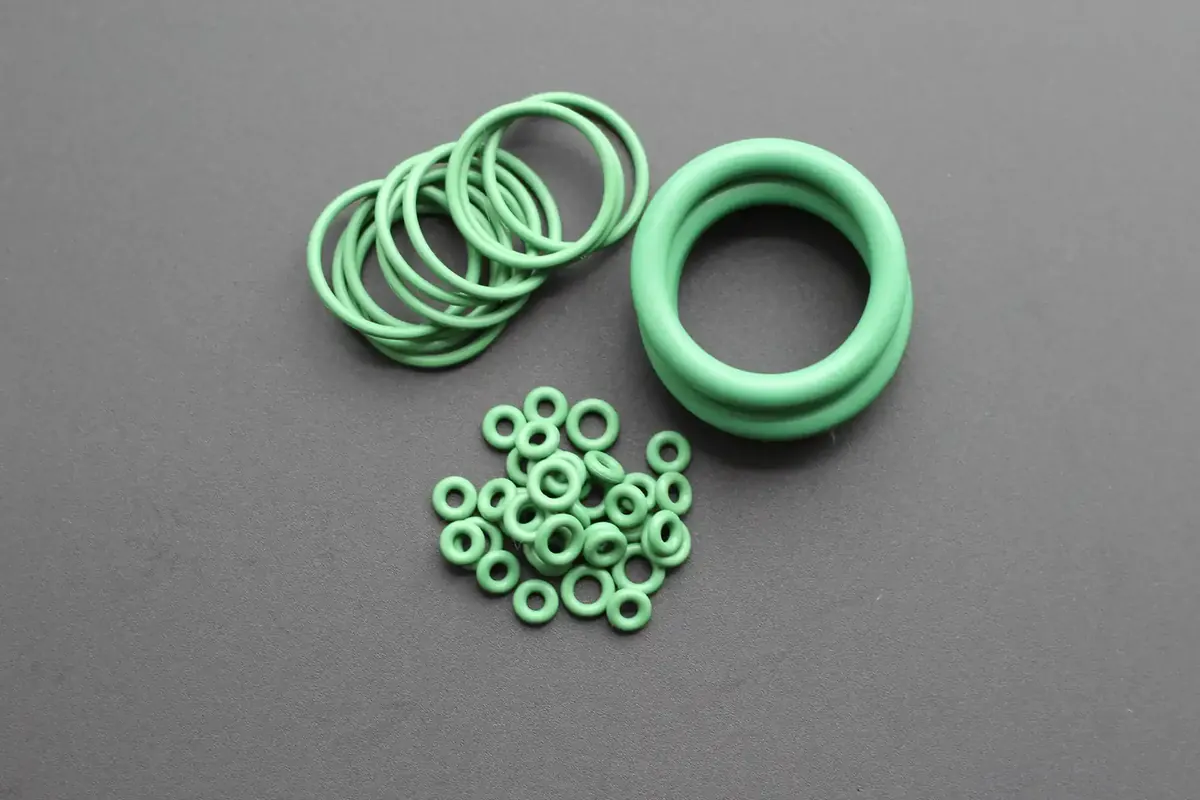
Suzhou Baoshida Trading Co., Ltd. provides advanced industrial rubber solutions tailored for high-performance applications, including the manufacturing of PVC inflatable boat fabrics. The selection of sealing and coating materials is critical to ensuring durability, chemical resistance, and operational reliability in marine environments. Among the most effective elastomers for such demanding conditions are Viton, Nitrile (NBR), and Silicone. Each material offers distinct mechanical and chemical properties, making them suitable for specific use cases within the inflatable marine structure ecosystem.
Viton, a fluorocarbon-based rubber, delivers exceptional resistance to a broad range of chemicals, including hydrocarbons, oils, and solvents, which are commonly encountered in marine propulsion and fuel systems. It maintains structural integrity at elevated temperatures, with continuous service capability up to 230°C. This thermal stability, combined with low gas permeability, makes Viton an ideal candidate for high-pressure sealing applications and fuel-resistant coatings in premium-grade inflatable boats. Its performance in harsh UV and ozone environments further supports long-term deployment in open-sea conditions.
Nitrile rubber, or acrylonitrile butadiene rubber (NBR), is widely used due to its excellent resistance to petroleum-based oils and fuels. It offers good abrasion resistance and mechanical strength, making it suitable for structural gaskets, valve seals, and reinforcement layers in PVC laminates. While Nitrile performs well at moderate temperatures (up to 120°C), its performance degrades under prolonged exposure to ozone and UV radiation. However, with proper formulation and protective topcoats, NBR remains a cost-effective and reliable option for many marine inflatable systems.
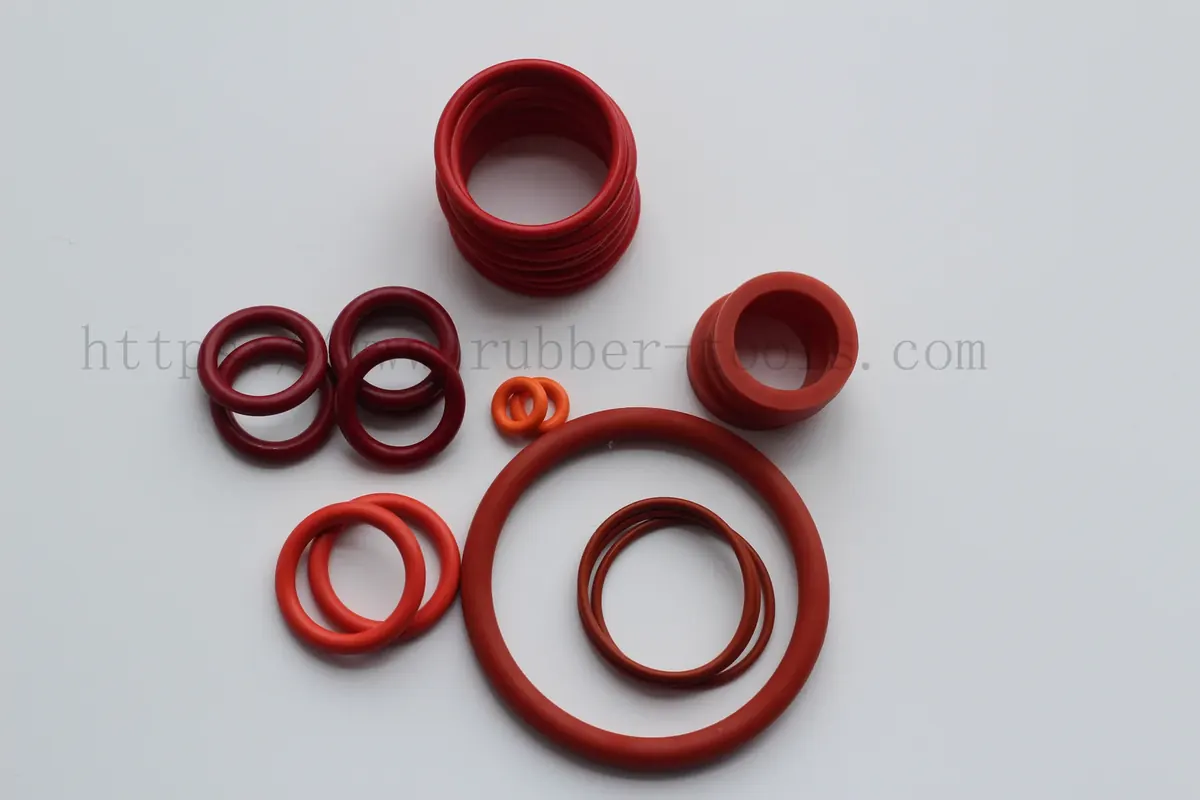
Silicone rubber excels in extreme temperature applications, functioning reliably from -60°C to 200°C. It demonstrates superior flexibility at low temperatures and retains elasticity under cyclic stress. While it exhibits poor resistance to hydrocarbon fuels and oils, silicone offers excellent resistance to UV radiation, ozone, and weathering. This makes it particularly effective in non-fuel-contact exterior components such as inflatable collars, transparent view panels, and environmental seals exposed to sunlight and salt spray.
The following table summarizes key physical and chemical properties of these materials for informed selection in PVC inflatable boat fabrication.
| Property | Viton (FKM) | Nitrile (NBR) | Silicone (VMQ) |
|---|---|---|---|
| Temperature Range (°C) | -20 to 230 | -30 to 120 | -60 to 200 |
| Tensile Strength (MPa) | 15–20 | 10–25 | 5–10 |
| Elongation at Break (%) | 200–300 | 250–500 | 200–600 |
| Hardness (Shore A, 70–80) | 70–90 | 60–80 | 40–80 |
| Resistance to Oils & Fuels | Excellent | Excellent | Poor |
| Resistance to Ozone/UV | Excellent | Fair | Excellent |
| Gas Permeability | Low | Moderate | High |
| Water Resistance | Excellent | Good | Excellent |
| Typical Applications | Fuel seals, high-temp gaskets | Hose linings, structural seals | Exterior seals, low-temp joints |
Material selection must align with operational parameters, including exposure to fuel, temperature extremes, and mechanical stress. Suzhou Baoshida Trading Co., Ltd. supports OEMs with formulation guidance and material sourcing to optimize performance and longevity in inflatable marine systems.
Manufacturing Capabilities
Engineering Excellence in PVC Inflatable Boat Fabric Manufacturing
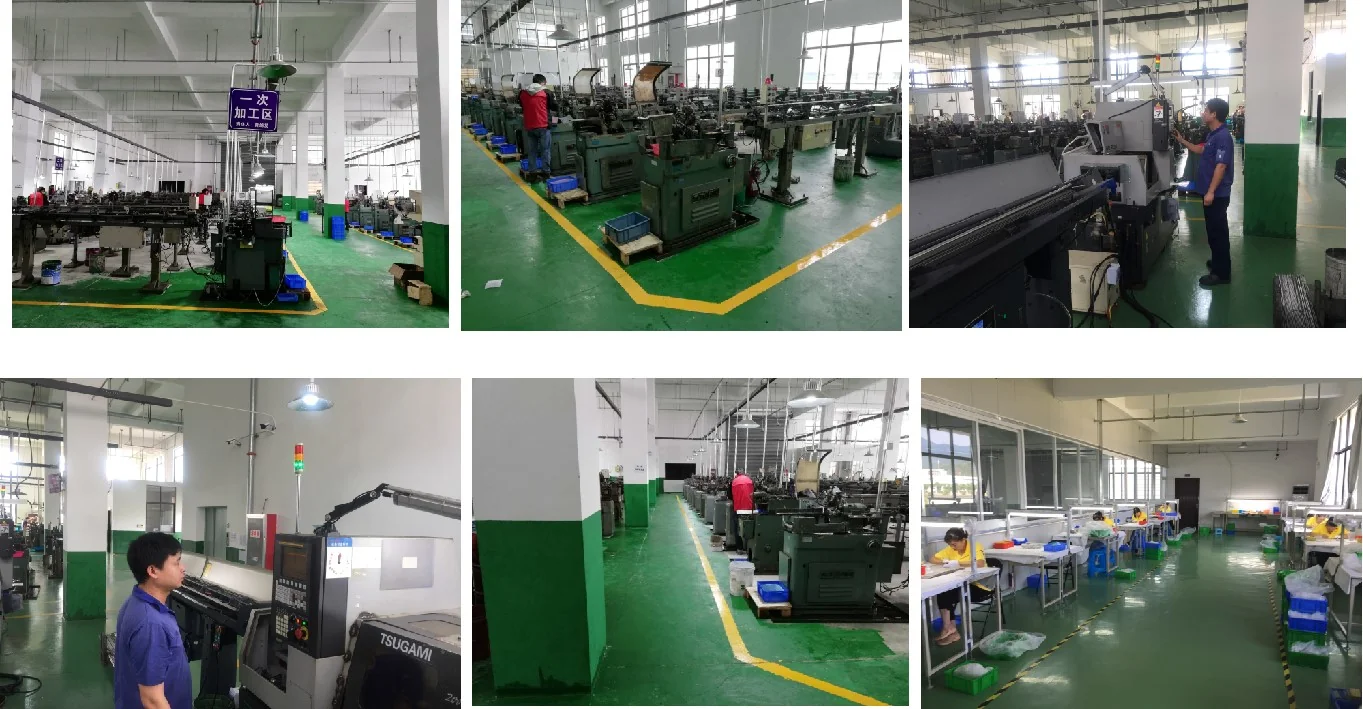
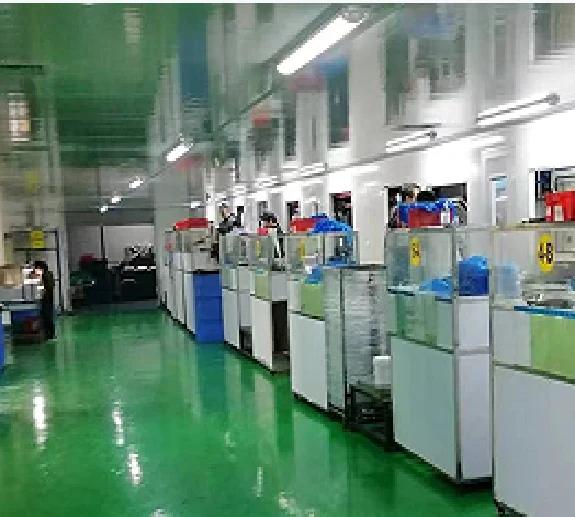
Precision engineering forms the backbone of Suzhou Baoshida Trading Co., Ltd.’s industrial rubber solutions, specifically for high-performance PVC inflatable boat fabric. Our dedicated technical team, comprising five specialized Mould Engineers and two advanced Formula Engineers, operates at the intersection of material science and manufacturing pragmatism to deliver consistent, mission-critical performance. This integrated expertise ensures every meter of fabric meets the stringent demands of marine environments, where failure is not an option.
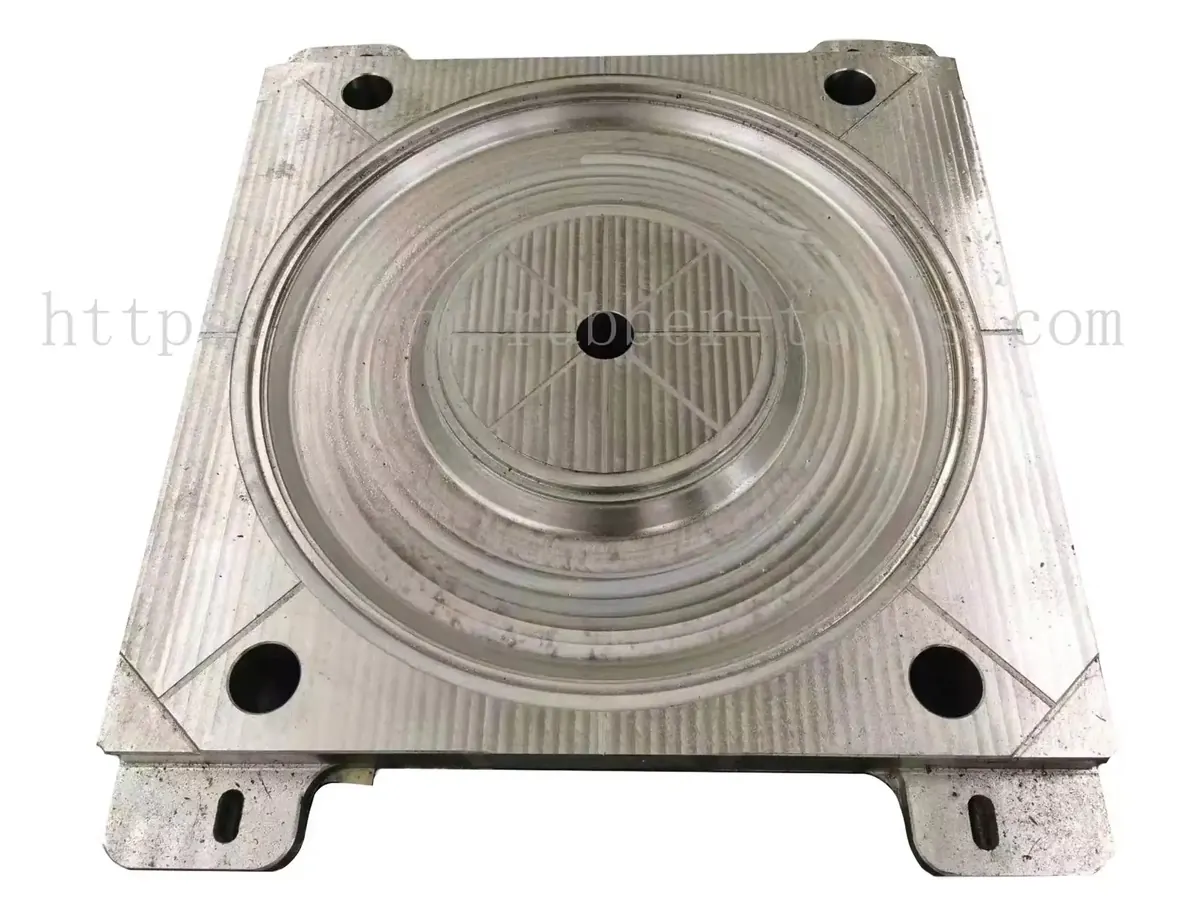
Our Formula Engineers possess deep mastery of PVC polymer chemistry, plasticizer systems, and additive synergies. They meticulously develop and refine proprietary compound formulations, optimizing critical properties such as hydrolysis resistance, UV stability, low-temperature flexibility, and flame retardancy to exact OEM specifications. Concurrently, our five Mould Engineers focus on the intricate physics of calendering and coating processes. They design and validate production tooling, precisely control calendaring nip pressures and temperatures, and optimize fabric layflat characteristics to achieve uniform thickness, perfect weldability, and exceptional dimensional stability – eliminating common field failures like delamination or inconsistent seam integrity. This seamless collaboration between formulation science and process engineering guarantees that theoretical material properties translate flawlessly into real-world fabric performance.
Suzhou Baoshida excels as a strategic OEM partner, offering full vertical integration from raw material selection through final quality validation. We leverage our engineering depth to provide unparalleled customization, adapting fabric weight, color, coating weight, and reinforcement scrim configuration to match specific vessel design requirements and target operational profiles. Our OEM capabilities extend beyond production; we implement rigorous in-line and final inspection protocols, including ASTM D751 for coated fabric testing and ISO 13934-1 for tensile strength verification, ensuring batch-to-batch consistency that supports our clients’ lean manufacturing and quality assurance systems. This commitment to engineering-led manufacturing minimizes client risk and accelerates time-to-market for new inflatable vessel platforms.
Critical performance parameters for our standard marine-grade PVC inflatable boat fabric are rigorously controlled and validated as shown below.
| Property | Standard Value | Test Method | Significance for Inflatable Boats |
|---|---|---|---|
| Thickness (Coated Fabric) | 0.90 ± 0.05 mm | ASTM D5947 | Structural integrity, air retention |
| Tensile Strength (Warp) | ≥ 450 N/50mm | ISO 13934-1 | Resistance to puncture and tearing under load |
| Elongation at Break (Warp) | 25% – 35% | ISO 13934-1 | Flexibility and impact absorption |
| Peel Adhesion (Scrim/Film) | ≥ 80 N/50mm | ASTM D903 | Prevents delamination during inflation cycles |
| Hydrostatic Pressure Rating | ≥ 100 kPa | ISO 139 | Ensures water tightness under immersion |
| Low Temp Flexibility (-30°C) | Pass | ASTM D2137 | Maintains pliability in cold marine conditions |
| Accelerated Weathering (1000h) | ΔE < 3.0 | ASTM G154 | Long-term UV resistance for deck exposure |
This engineering rigor, combining advanced material formulation with precision process control, positions Suzhou Baoshida as the trusted partner for OEMs demanding uncompromising reliability and performance in PVC inflatable boat fabric. We transform complex material requirements into manufacturable, high-yield solutions.
Customization Process
Drawing Analysis
The customization process for PVC inflatable boat fabric begins with a comprehensive drawing analysis. At Suzhou Baoshida Trading Co., Ltd., we review technical blueprints provided by OEM partners to extract critical dimensional, structural, and performance parameters. This includes evaluating seam placement, weld strength requirements, load distribution zones, and environmental exposure conditions. Our engineering team collaborates directly with client design departments to validate tolerances, identify potential stress points, and confirm material compatibility with intended marine applications. Accurate interpretation of these drawings ensures that downstream formulation and manufacturing stages align precisely with functional expectations.
Formulation Development
Following drawing validation, our rubber formula engineers develop a tailored PVC compound optimized for inflatable boat performance. The base formulation integrates high-tensile PVC resin with specialized additives including UV stabilizers, hydrolysis-resistant plasticizers, anti-fungal agents, and flame retardants compliant with ISO 6185 and EN 1509 standards. Reinforcement is achieved through embedded polyester scrim fabric, typically arranged in a cross-laminated configuration to enhance burst strength and dimensional stability. We adjust plasticizer content based on operating temperature ranges, ensuring flexibility at -30°C and resistance to softening up to +70°C. Each formulation is documented under controlled batch protocols to ensure traceability and consistency across production cycles.
Prototyping and Validation
A functional prototype is produced using high-frequency welding and radio-frequency sealing techniques that simulate final production methods. This stage validates seam integrity, air retention, and material drape characteristics. Prototypes undergo rigorous testing, including hydrostatic pressure tests (up to 800 mbar overpressure), accelerated aging cycles, and abrasion resistance assessments using Taber testers. Feedback from prototype evaluation is integrated into final design refinements before release to mass production. Clients receive full test reports and physical samples for independent verification.
Mass Production Execution
Once approved, the project transitions to automated mass production. Our facility employs continuous calendaring lines for uniform sheet extrusion, followed by precision cutting via CNC gantry systems. All laminated sheets are inspected for thickness variation, with tolerances maintained within ±0.05 mm. Final products are packaged with humidity control and shipped under strict logistics protocols to prevent field degradation.
Key technical specifications of our standard marine-grade PVC inflatable boat fabric are summarized below:
| Property | Specification | Test Standard |
|---|---|---|
| Thickness | 0.9 mm – 1.2 mm | ISO 2286-1 |
| Tensile Strength (Warp) | ≥ 2,400 N/5cm | ISO 1421 |
| Tear Resistance | ≥ 180 N | ISO 4674-1 |
| Hydrostatic Pressure Resistance | ≥ 800 mbar | ISO 139 |
| Water Vapor Permeability | ≤ 25 g/m²·24h | ISO 2528 |
| Operating Temperature Range | -30°C to +70°C | Internal Protocol |
| Flame Resistance | Self-extinguishing | ISO 6941 |
This systematic approach ensures that every customized PVC inflatable boat fabric meets exacting industrial and safety standards while supporting scalable OEM integration.
Contact Engineering Team
Engineering Partnership for High-Performance Inflatable Solutions
Precision-engineered PVC laminates demand exacting material science and manufacturing control to meet the rigorous demands of marine environments. Suzhou Baoshida Trading Co., Ltd. operates at the intersection of polymer chemistry and industrial scalability, delivering OEM-grade inflatable boat fabrics that consistently exceed ASTM D751 and ISO 18899 standards. Our in-house R&D team specializes in customizing formulations for hydrolysis resistance, UV stability, and dynamic flex endurance—critical factors where generic suppliers fail. We understand that a 5% variance in Shore A hardness or tensile modulus directly impacts seam integrity during high-pressure inflation cycles, leading to costly field failures. Partnering with our technical OEM division ensures your production line receives not just material, but a validated solution engineered for your specific extrusion, welding, and end-use parameters.
The table below summarizes core performance metrics achievable through our proprietary plasticizer systems and reinforcement architectures. These values represent baseline capabilities; all formulations are adjustable to meet your exact marine certification requirements.
| Property | Specification | Test Standard |
|---|---|---|
| Tensile Strength | 400–500 N/mm² | ASTM D412 |
| Elongation at Break | 350–450% | ASTM D412 |
| Tear Resistance | 180–220 N | ASTM D2268 |
| Hydrostatic Resistance | >1.5 MPa | ISO 13938-1 |
| Low-Temperature Flex | -35°C (no cracking) | ISO 4649 |
| Accelerated UV Aging | 500+ hrs (ΔE<3.0) | ASTM G154 |
Transitioning from prototype to volume production requires more than material supply—it demands collaborative engineering. Our OEM management protocol integrates directly with your NPI workflow, providing full traceability from polymer batch codes to final roll certification. We eliminate guesswork through pre-production validation runs on your specified welding equipment, ensuring compatibility with radiofrequency, hot-air, or solvent bonding methods. This proactive approach reduces scrap rates by up to 22% and accelerates time-to-market by synchronizing our QC checkpoints with your assembly milestones.
Initiate your technical collaboration by contacting Mr. Boyce, our dedicated OEM Solutions Manager. With 14 years of experience optimizing PVC compounding for marine applications, he will conduct a confidential assessment of your current material challenges and production constraints. Specify your target inflation pressure, environmental exposure class, and throughput requirements in your initial communication to expedite a tailored formulation proposal. Do not rely on off-the-shelf fabrics that compromise durability for cost.
Contact Mr. Boyce immediately to secure engineering support for your next-generation inflatable platform
Email: [email protected]
Subject Line Requirement: PVC Inflatable OEM Request – [Your Company Name]
Response Protocol: Technical consultation scheduled within 4 business hours of verified inquiry. Include your target launch timeline and annual volume commitment for priority scheduling.
Suzhou Baoshida Trading Co., Ltd. operates under ISO 9001:2015 certification with dedicated clean-room blending facilities in Jiangsu Province. All formulations undergo third-party validation at SGS Shanghai prior to shipment. Your marine safety specifications are non-negotiable—we treat them as our engineering mandate.
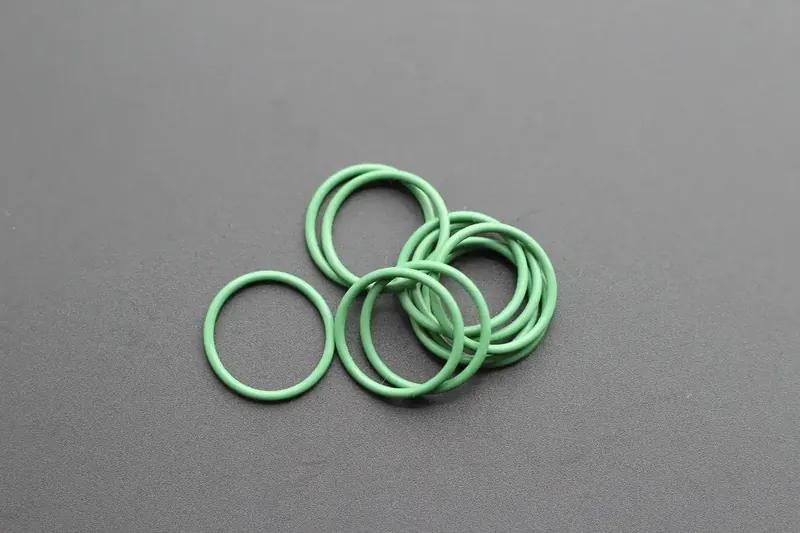
⚖️ O-Ring Weight Calculator
Estimate rubber O-ring weight (Approx).