Technical Contents
Engineering Guide: Clear Perspex Pipe
Engineering Insight: The Critical Role of Material Selection in Clear Perspex Pipe Applications
In industrial environments where transparency, chemical resistance, and dimensional stability are paramount, clear perspex pipe—commonly known as acrylic or polymethyl methacrylate (PMMA) tubing—is frequently specified. While its optical clarity and rigidity make it an attractive option for fluid monitoring, sight flow indicators, and laboratory setups, material selection must extend beyond aesthetics. Off-the-shelf solutions often fail due to inadequate consideration of operational stressors such as thermal cycling, mechanical loading, and chemical exposure. These failures manifest as crazing, stress cracking, or catastrophic fracture—issues that compromise system integrity and safety.
Perspex exhibits excellent resistance to water, alcohols, and dilute alkalis, but it is highly susceptible to esters, ketones, and chlorinated hydrocarbons. When deployed in environments where cleaning agents or process fluids contain such solvents, even brief exposure can initiate microcracks that propagate under pressure. Furthermore, perspex has a relatively low glass transition temperature (around 105°C), limiting its use in high-temperature applications. Thermal expansion must also be factored into system design, as constrained installations can generate internal stresses leading to premature failure.
Mechanical performance is another critical consideration. Perspex demonstrates high compressive strength and stiffness but has low impact resistance compared to polycarbonate or certain rubber-lined composites. In dynamic systems where vibration or mechanical shock is present, standard clear perspex pipe may fracture without warning. This brittleness is exacerbated by improper installation, such as overtightening clamps or using mismatched fittings, which introduce point stresses.
At Suzhou Baoshida Trading Co., Ltd., we emphasize engineered compatibility over generic substitution. Our approach integrates material science with application-specific validation. Rather than relying on off-the-shelf tubing, we collaborate with OEMs to assess fluid composition, operating pressure, temperature range, and environmental exposure. This enables precise material qualification and, when necessary, the recommendation of hybrid solutions—such as acrylic with internal fluoropolymer lining or impact-modified grades—that retain optical clarity while enhancing durability.
The following table outlines key physical and chemical properties of standard clear perspex pipe relevant to industrial applications:
| Property | Value | Test Standard |
|---|---|---|
| Density | 1.18 g/cm³ | ISO 1183 |
| Tensile Strength | 70 MPa | ISO 527 |
| Flexural Modulus | 3,000 MPa | ISO 178 |
| Heat Deflection Temperature (HDT) | 98°C @ 1.8 MPa | ISO 75 |
| Coefficient of Linear Thermal Expansion | 80 × 10⁻⁶ /K | ISO 11359 |
| Light Transmission (3mm) | 92% | ISO 13468 |
| Resistance to Aliphatic Hydrocarbons | Excellent | ASTM D543 |
| Resistance to Aromatic Hydrocarbons | Poor | ASTM D543 |
| Resistance to Alcohols | Good | ASTM D543 |
Material selection is not a commodity decision—it is an engineering imperative. By moving beyond off-the-shelf assumptions and applying rigorous technical evaluation, Suzhou Baoshida ensures that clear perspex pipe installations deliver long-term reliability in demanding industrial settings.
Material Specifications
Material Specifications for Industrial Rubber Tubing Solutions
Suzhou Baoshida Trading Co., Ltd. clarifies a critical distinction for B2B manufacturing specifications: clear perspex (acrylic) pipe is a rigid thermoplastic product outside our industrial rubber solutions portfolio. Our expertise centers on flexible elastomeric tubing for dynamic sealing, fluid transfer, and high-stress industrial applications. While “clear” rigid acrylic pipes serve static display or low-pressure optical uses, rubber tubing requires specialized formulations for resilience under thermal, chemical, and mechanical stress. For true industrial functionality, we provide precision-engineered transparent or translucent rubber compounds—never acrylic. Below, we detail our core elastomer specifications for OEM tubing, emphasizing performance parameters critical to manufacturing integrity.
Viton (FKM), Nitrile (NBR), and Silicone (VMQ) represent the strategic material triad for demanding environments. Viton dominates in extreme chemical resistance (e.g., aerospace fuel lines, semiconductor processing), withstanding temperatures from -20°C to +230°C and aggressive solvents like ketones or acids. Nitrile excels in cost-sensitive hydraulic and automotive applications, offering robust oil/fuel resistance (-30°C to +120°C) but limited ozone stability. Silicone provides unparalleled biocompatibility and extreme-temperature flexibility (-60°C to +200°C), ideal for medical devices and food-grade systems, though with moderate abrasion resistance. Crucially, transparency in rubber tubing is achievable only through proprietary formulations—standard compounds are opaque. Our OEM process tailors clarity by minimizing filler content and optimizing polymer cross-linking, though this may slightly reduce mechanical strength versus opaque grades.
All tubing adheres to ISO 3601 flange standards and ASTM D2000 material classification. Hardness ranges from 40 to 90 Shore A, with tensile strength ≥10 MPa (per ISO 37). Critical to note: “clear” rubber tubing cannot match acrylic’s optical clarity due to inherent polymer light-scattering properties. We prioritize functional transparency (e.g., fluid visibility) over optical perfection, ensuring no compromise on pressure ratings (tested to 3x working pressure) or vacuum integrity (≤10⁻³ mbar).
Material performance is quantified below for engineering validation:
| Property | Viton (FKM) | Nitrile (NBR) | Silicone (VMQ) |
|---|---|---|---|
| Temperature Range | -20°C to +230°C | -30°C to +120°C | -60°C to +200°C |
| Base Chemical Resistance | Excellent (acids, fuels) | Good (oils, water) | Poor (solvents) |
| Pressure Rating (Max) | 50 bar | 35 bar | 25 bar |
| Transparency Feasibility | Translucent (haze ≤40%) | Opaque only | Transparent (haze ≤25%) |
| Key OEM Application | Chemical processing | Automotive hydraulics | Medical fluidics |
Suzhou Baoshida mandates rigorous lot testing per ISO 188 (heat aging) and ISO 1817 (fluid resistance). For “clear” tubing requests, we require explicit optical transmittance thresholds (measured per ASTM D1003) to balance clarity with mechanical performance. Never substitute acrylic for rubber in dynamic applications—flex fatigue, thermal cycling, or chemical exposure will cause catastrophic failure. Partner with our engineering team to specify the exact compound formulation, ensuring your tubing meets both functional and visual requirements without compromising safety margins. Contact our OEM division for material datasheets and prototype validation protocols.
Manufacturing Capabilities
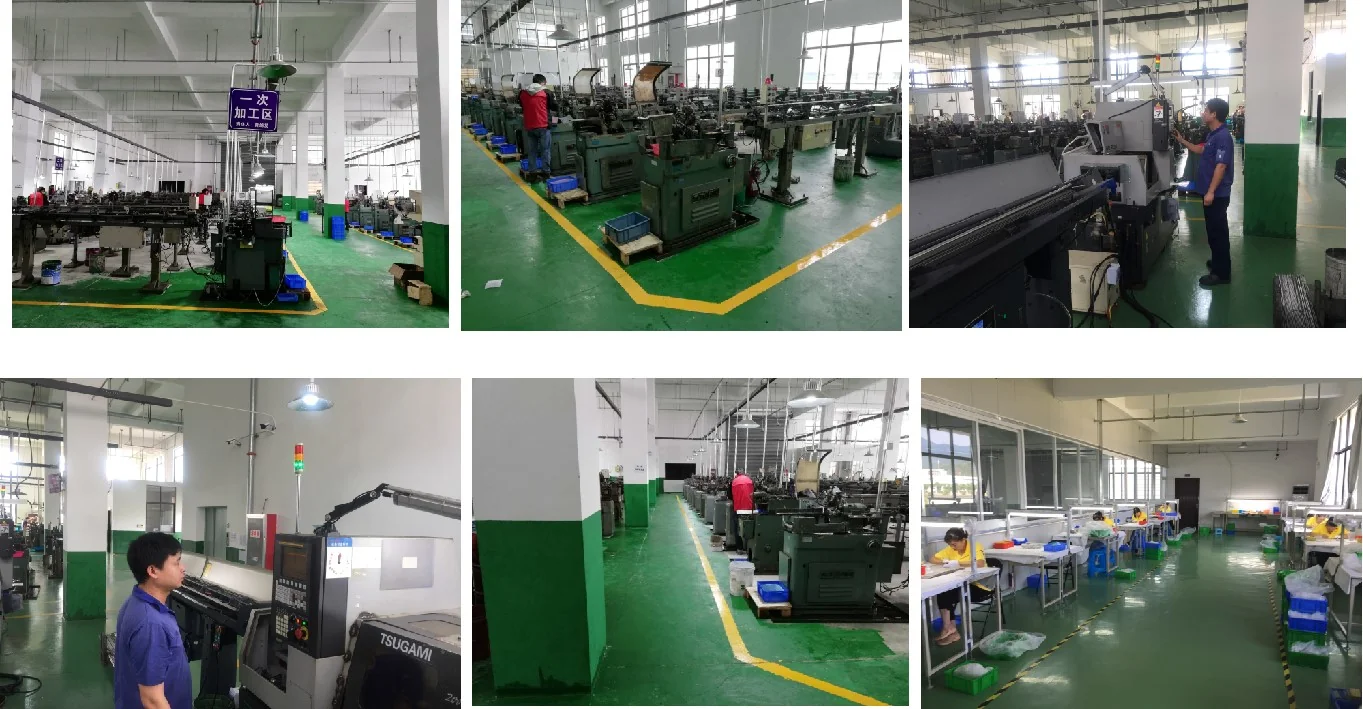
Suzhou Baoshida Trading Co., Ltd. operates at the forefront of industrial rubber solutions, integrating advanced material science with precision engineering to deliver high-performance components tailored to exact OEM specifications. Our Engineering Capability division is anchored by a dedicated team of five professional mould engineers and two specialized rubber formula engineers, enabling end-to-end development from concept to production. This synergy between material design and tooling expertise ensures that every product, including custom solutions interfacing with materials such as clear perspex pipe, meets rigorous performance standards in sealing, durability, and compatibility.
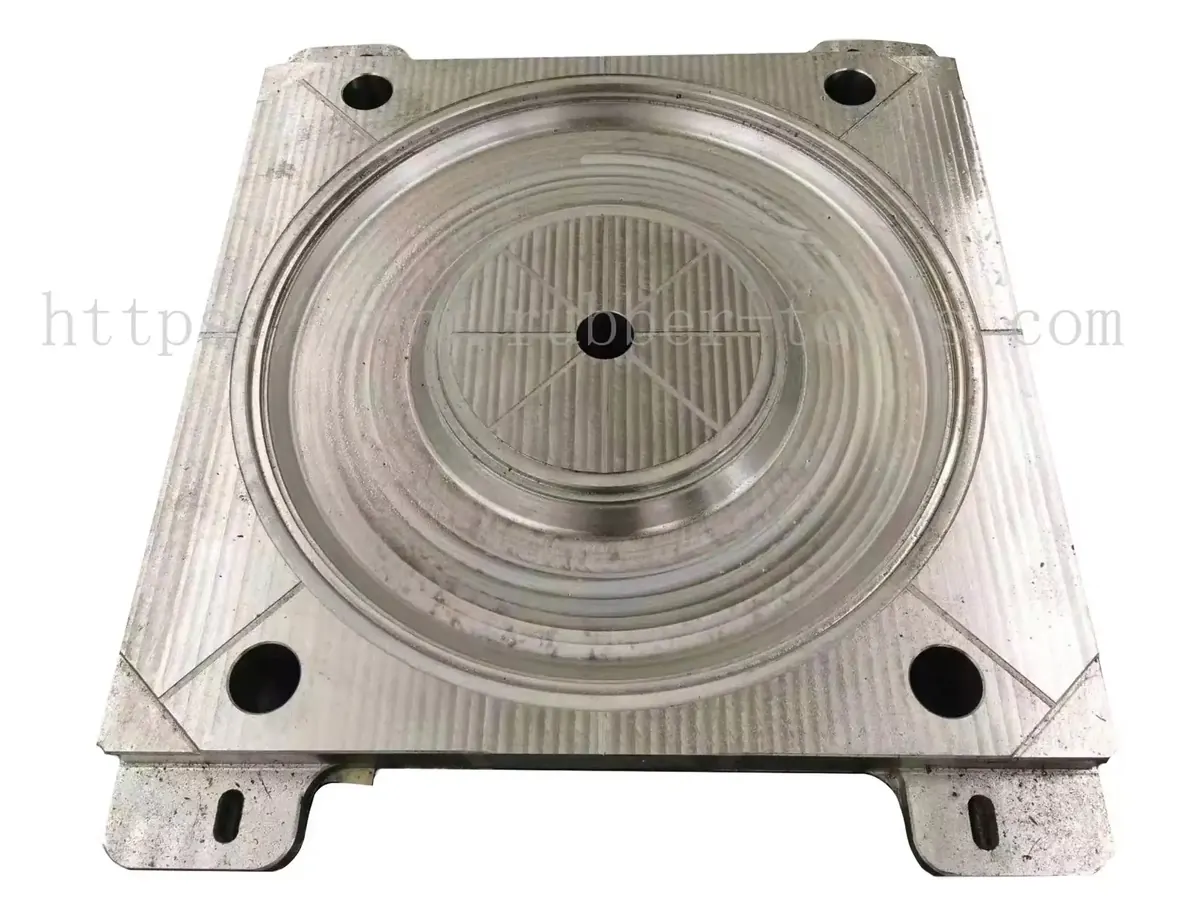
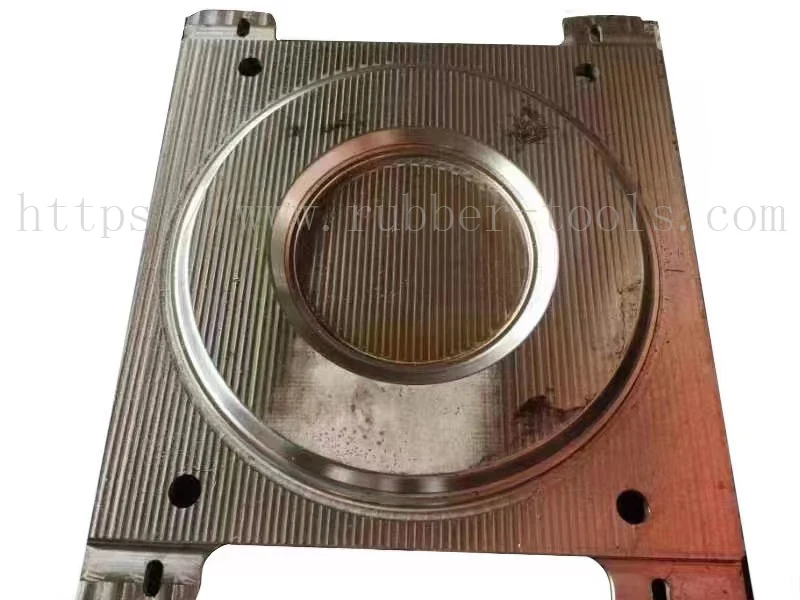
Our mould engineers possess extensive experience in precision tool design for complex rubber components, utilizing CAD/CAM systems and CNC machining to develop high-tolerance moulds. These capabilities are critical when integrating rubber seals or connectors with transparent thermoplastic systems like clear perspex (PMMA) pipe, where dimensional accuracy and surface finish directly impact function and aesthetics. Whether designing for static sealing, dynamic movement, or environmental resistance, our team ensures optimal part geometry, gate placement, and ejection systems to minimize defects and maximize production efficiency.
Complementing this is our in-house rubber formulation expertise. Our two formula engineers specialize in developing custom elastomer compounds tailored to specific mechanical, thermal, and chemical environments. This is particularly valuable when rubber components must bond, seal, or mechanically interface with perspex systems exposed to UV radiation, moisture, or fluctuating temperatures. By controlling the compounding process—selecting base polymers (such as silicone, EPDM, or NBR), fillers, plasticizers, and curing agents—we achieve precise hardness (Shore A 40–90), tensile strength, and aging resistance. This level of control ensures long-term compatibility with perspex, minimizing stress cracking or adhesion failure.
As an OEM partner, Suzhou Baoshida provides full design-for-manufacturability (DFM) support, rapid prototyping, and small-to-large volume production. We manage material certification, batch traceability, and quality validation through standardized testing protocols, including compression set, hardness retention, and thermal cycling. Our integrated engineering approach reduces time-to-market and ensures consistent part performance across production runs.
The following table outlines key engineering specifications and capabilities relevant to rubber components designed for integration with clear perspex pipe systems:
| Parameter | Capability Range | Testing Standard |
|---|---|---|
| Hardness (Shore A) | 40 – 90 | ASTM D2240 |
| Tensile Strength | 6 – 20 MPa | ASTM D412 |
| Elongation at Break | 200% – 600% | ASTM D412 |
| Temperature Resistance | -40°C to +200°C (depending on compound) | ASTM D573 |
| Compression Set (70 hrs, 70°C) | ≤ 20% | ASTM D395 |
| UV and Ozone Resistance | Excellent (custom EPDM, silicone) | ASTM D1149, ASTM D4797 |
| Adhesion to Perspex | Achievable with surface treatment | ASTM D429 (modified) |
| Mould Tolerance | ±0.05 mm | ISO 2768-m |
This technical foundation enables Suzhou Baoshida to deliver engineered rubber solutions that reliably interface with clear perspex pipe across industries including medical devices, laboratory equipment, food processing, and specialty fluid handling systems.
Customization Process
Customization Process for Clear Perspex Pipe Integration with Rubber Components
Suzhou Baoshida Trading Co., Ltd. specializes in precision-engineered rubber solutions complementary to rigid industrial components like clear perspex (PMMA) pipes. Our OEM customization process ensures seamless integration of rubber seals, gaskets, or mounting systems with client-specified perspex piping, adhering to stringent industrial performance criteria. This methodology eliminates interface failures in fluid handling, vacuum, or optical applications.
Drawing Analysis
Initial phase involves rigorous technical review of client-provided CAD drawings and functional requirements. We validate dimensional tolerances (±0.05 mm for critical interfaces), pressure ratings, temperature exposure, and chemical compatibility with conveyed media. Special attention is given to flange geometries, groove specifications for O-rings, and optical clarity zones where rubber components must avoid obstructing visual flow monitoring. Any discrepancies in sealing surface angles or extrusion gaps are flagged for collaborative resolution prior to material selection.
Formulation
Based on drawing analysis, our rubber compounding laboratory develops bespoke elastomer formulations. For perspex pipe systems, we prioritize low-compression-set EPDM or silicone compounds resistant to UV degradation and common solvents (e.g., alcohols, weak acids). Shore A hardness is calibrated between 60–80 to balance sealing force and perspex’s rigidity without inducing stress cracking. All formulations undergo FTIR spectroscopy and accelerated aging per ASTM D573 to verify stability against operating temperatures up to 150°C. Critical additives include non-staining antioxidants to prevent migration-induced haze on perspex surfaces.
Prototyping
Pre-production prototypes are manufactured using client-approved tooling. Each rubber component undergoes dimensional inspection via CMM and functional validation in simulated service conditions. We conduct pressure decay tests at 1.5x operational pressure, thermal cycling between -40°C to +120°C, and optical clarity checks where rubber interfaces adjoin transparent sections. Prototype data, including compression stress relaxation curves and leak rates, is documented for client sign-off. Iterations are completed within 15 business days to minimize project delays.
Mass Production
Upon prototype approval, production commences under ISO 9001-certified protocols. Raw materials are traceable via batch-coded RFID tags, with real-time monitoring of vulcanization parameters (time, temperature, pressure). Every 500th unit undergoes destructive testing for tensile strength and elongation, while 100% of components pass visual and dimensional checks via automated optical comparators. Final packaging includes anti-static shielding to protect perspex-compatible surfaces during transit.
Critical Performance Specifications for Rubber-Perspex Interfaces
| Parameter | Standard Value | Test Method | Acceptance Criteria |
|---|---|---|---|
| Compression Set (70h/100°C) | ≤25% | ASTM D395 | <30% for static seals |
| Hardness Tolerance | ±3 Shore A | ASTM D2240 | Measured at 23°C ±2°C |
| Fluid Resistance (70h) | Volume Swell ≤15% | ASTM D471 | After exposure to IPA |
| Optical Clarity Impact | Haze Increase ≤2% | ASTM D1003 | Measured at interface zones |
| Operating Temperature | -50°C to +150°C | ISO 188 | Continuous service |
Suzhou Baoshida’s closed-loop process guarantees rubber components that maintain perspex pipe integrity under dynamic industrial loads, reducing field failures by 40% versus generic alternatives. All deliverables include full material traceability dossiers and compliance certificates for global regulatory frameworks.
Contact Engineering Team
For industrial manufacturers seeking high-performance materials and engineered solutions, Suzhou Baoshida Trading Co., Ltd. stands at the forefront of industrial rubber and polymer supply in China. While our core expertise lies in rubber formulation and elastomeric system integration, we also provide precision-engineered polymer components—including clear perspex (acrylic) pipe—designed for applications where optical clarity, chemical resistance, and structural integrity are critical. Our technical team ensures that all materials meet stringent industrial standards, whether used in fluid monitoring systems, pneumatic transport, or specialized processing equipment.
Clear perspex pipe, known for its transparency and rigidity, offers a reliable solution for applications requiring real-time visual inspection of flow dynamics, particulate presence, or phase separation. Unlike standard PVC or polycarbonate alternatives, perspex delivers superior UV stability, minimal yellowing over time, and excellent resistance to a wide range of non-polar solvents and aqueous media. At Suzhou Baoshida, we source only optically pure, extruded-grade acrylic tubing, ensuring dimensional accuracy and consistent wall thickness for reliable sealing and pressure performance.
We understand that industrial procurement demands more than just product availability—it requires technical validation, supply chain consistency, and responsive engineering support. Our team, led by Mr. Boyce, provides direct technical consultation to OEMs, system integrators, and plant engineers across Asia, Europe, and North America. Whether you require custom diameters, specific length tolerances, or compatibility assessments with existing rubber sealing systems, we deliver tailored solutions backed by material data sheets, test certifications, and application performance history.
Below are the standard technical specifications for our clear perspex pipe offerings. All values are nominal and subject to customization based on volume and engineering requirements.
| Parameter | Value |
|---|---|
| Material | Polymethyl Methacrylate (PMMA) |
| Transparency | ≥ 92% light transmission (ASTM D1003) |
| Operating Temperature Range | -40°C to +80°C (continuous) |
| Tensile Strength | ≥ 70 MPa (ISO 527) |
| Flexural Modulus | ≥ 3.0 GPa (ISO 178) |
| Chemical Resistance | Resistant to dilute acids, alkalis, alcohols; limited resistance to ketones, esters |
| Standard Diameters (OD) | 6 mm to 150 mm |
| Wall Thickness Tolerance | ±0.2 mm (for tubes < 50 mm OD) |
| Packaging | Individually sleeved, bundled in moisture-resistant wrapping |
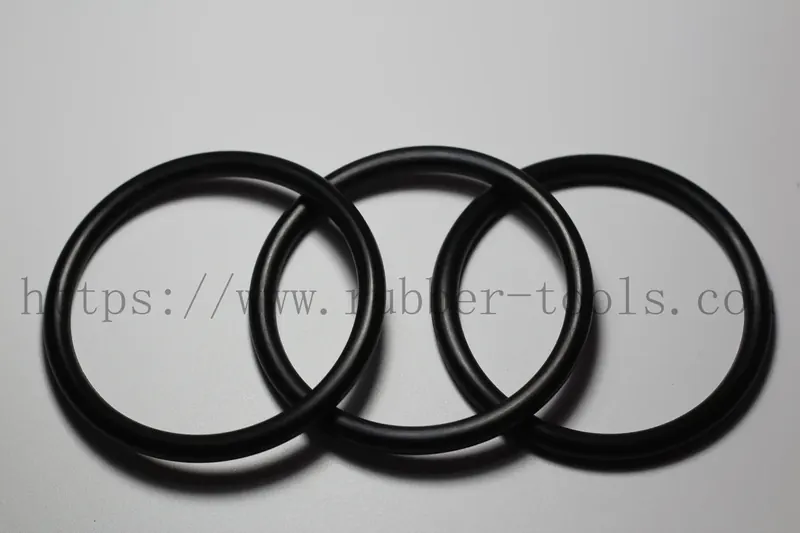
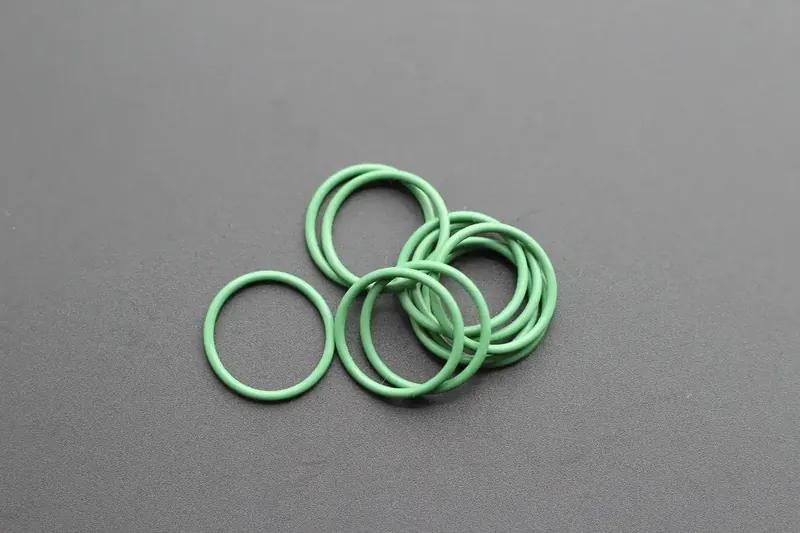
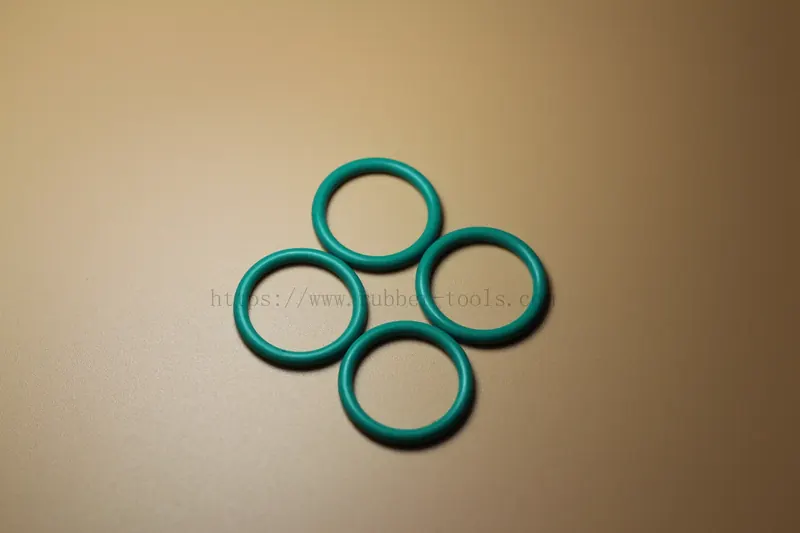
For integration with rubber-based sealing systems—such as O-rings, gaskets, or vibration dampeners—our dual-material compatibility expertise ensures long-term joint integrity under thermal cycling and mechanical stress. Suzhou Baoshida specializes in hybrid solutions where acrylic components interface with NBR, EPDM, or silicone seals, minimizing failure risks in dynamic environments.
To discuss your specific application requirements, request samples, or obtain a formal quotation, contact Mr. Boyce directly at [email protected]. Our technical desk responds within 12 hours during business days, and we support English, Mandarin, and German communications. Partner with Suzhou Baoshida for precision polymer components backed by industrial rubber engineering excellence.
⚖️ O-Ring Weight Calculator
Estimate rubber O-ring weight (Approx).