Boat Fender Bumper Manufacturer | Engineering Guide

Engineering Guide: Boat Fender Bumper

boat fender bumper manufacturing

Engineering Insight: The Critical Role of Material Selection in Boat Fender Bumpers

In marine environments, boat fender bumpers serve as the first line of defense against impact, abrasion, and environmental degradation. While off-the-shelf rubber bumpers are widely available and often marketed as universal solutions, their performance in real-world maritime applications frequently falls short. The root cause lies in improper material selection—a factor that directly influences durability, energy absorption, and long-term cost efficiency. At Suzhou Baoshida Trading Co., Ltd., we emphasize engineered rubber solutions tailored to specific operational demands, ensuring optimal performance under dynamic marine conditions.

Standard commercial fenders are typically manufactured from generic synthetic rubber compounds such as SBR (Styrene-Butadiene Rubber) or low-grade EPDM. These materials offer limited resistance to UV radiation, ozone, and saltwater exposure, leading to premature cracking, hardening, and loss of elasticity. In high-impact docking scenarios, such degradation compromises energy absorption, increasing the risk of hull and infrastructure damage. Furthermore, inconsistent Shore hardness and poor tensile strength in generic compounds reduce service life, necessitating frequent replacements and increasing total cost of ownership.

In contrast, engineered fender systems utilize high-performance elastomers such as premium-grade EPDM, neoprene (CR), or chlorinated polyethylene (CM). These materials are selected based on rigorous environmental and mechanical criteria. For example, marine-grade EPDM exhibits exceptional resistance to weathering, ozone, and thermal cycling, maintaining elasticity across a wide temperature range (-40°C to +120°C). Neoprene provides superior flame resistance and oil tolerance, making it ideal for industrial ports or fuel-handling facilities. Each compound is compounded with reinforcing fillers, anti-degradants, and processing aids to enhance resilience and longevity.

Beyond material chemistry, physical properties must align with application-specific requirements. A fender intended for a high-energy harbor docking system demands higher hardness and compression set resistance than one used in a calm marina. Off-the-shelf products often fail to account for these nuances, resulting in mismatched performance.

The following table outlines key material specifications for industrial-grade boat fender bumpers:

Property EPDM (Marine Grade) Neoprene (CR) SBR (Standard Grade)
Shore A Hardness 50–70 55–75 40–60
Tensile Strength (MPa) ≥15 ≥18 ≥10
Elongation at Break (%) ≥400 ≥350 ≥300
Heat Aging Resistance (100°C, 72h) Minimal hardening Moderate resistance Significant hardening
Ozone Resistance Excellent Good Poor
Water & Salt Spray Resistance Excellent Very Good Fair
Service Temperature Range -40°C to +120°C -30°C to +100°C -20°C to +70°C

At Suzhou Baoshida Trading Co., Ltd., we prioritize material science in every fender design. By moving beyond generic solutions and applying precise compound engineering, we deliver fender bumpers that perform reliably under extreme marine conditions, reduce maintenance cycles, and protect critical assets. Custom formulation is not a luxury—it is a necessity in industrial marine protection.


Material Specifications

boat fender bumper manufacturing

Material Specifications for Marine Fender Bumpers

Boat fender bumpers operate under extreme marine conditions, demanding rubber compounds that resist saltwater degradation, UV exposure, ozone attack, repeated impact, and temperature fluctuations. At Suzhou Baoshida Trading Co., Ltd., we prioritize material integrity to ensure fender longevity and safety compliance. Our engineering team rigorously evaluates elastomers for tensile strength, hardness retention, compression set, and chemical compatibility. The following specifications detail three critical materials for high-performance fender applications: Viton (FKM), Nitrile (NBR), and Silicone (VMQ). Each compound addresses distinct operational challenges in marine environments, from fuel-exposed dock infrastructure to arctic shipping lanes.

Viton (FKM) excels in applications requiring resistance to hydrocarbon derivatives, including marine fuels, lubricants, and hydraulic fluids. Its fluoropolymer structure provides exceptional thermal stability up to 250°C and maintains integrity in continuous saltwater immersion. Viton fenders are ideal for tanker terminals or vessel berths with high chemical exposure, though its higher cost necessitates strategic deployment. Tensile strength ranges from 15–20 MPa (ASTM D412), with hardness typically specified between 70–85 Shore A to balance impact absorption and structural resilience.

Nitrile (NBR) remains the industry standard for general-purpose marine fenders due to its optimal balance of abrasion resistance, cost efficiency, and oil/fuel tolerance. Engineered with acrylonitrile content between 33–45%, it achieves superior resistance to aliphatic hydrocarbons while maintaining flexibility at low temperatures. NBR formulations withstand prolonged seawater exposure without significant swelling, with hardness calibrated to 60–75 Shore A for optimal energy dissipation during vessel impact. Its operational temperature range of -30°C to +100°C (intermittent up to +120°C) suits temperate and tropical maritime zones.

Silicone (VMQ) is selected for extreme-temperature environments where conventional elastomers fail. Its silicone-oxygen backbone ensures stability from -60°C to +230°C, making it indispensable for polar shipping routes or regions with severe thermal cycling. While silicone offers excellent UV and ozone resistance, its lower tensile strength and abrasion resistance limit primary use to non-impact seals or auxiliary components. Shore A hardness is typically 40–60 to maximize flexibility, though reinforcement additives may elevate this for specific fender profiles.

The comparative analysis below summarizes critical performance metrics per ASTM International standards:

Material Tensile Strength (MPa) Hardness (Shore A) Temperature Range (°C) Key Fluid Resistances Primary Marine Applications
Viton (FKM) 15–20 70–85 -20 to +250 Fuels, oils, acids, seawater Oil terminals, chemical tankers, high-exposure berths
Nitrile (NBR) 10–18 60–75 -30 to +100 (+120 intermittent) Aliphatic hydrocarbons, seawater, hydraulic fluids Commercial ports, ferry terminals, general vessel fenders
Silicone (VMQ) 5–10 40–60 -60 to +230 Seawater, oxygenated fuels, mild chemicals Arctic operations, auxiliary seals, temperature-critical zones

Material selection must prioritize the operational environment’s dominant stressors. Nitrile offers the broadest applicability for standard marine conditions, while Viton is non-negotiable for hydrocarbon-intensive settings. Silicone serves niche roles where thermal extremes override mechanical demands. All compounds undergo accelerated aging tests per ISO 188 and salt spray validation (ASTM B117) to guarantee 15+ years of service life. Suzhou Baoshida provides OEM-specific formulation adjustments to meet exacting project specifications, ensuring fenders perform reliably under global maritime conditions.


Manufacturing Capabilities

boat fender bumper manufacturing

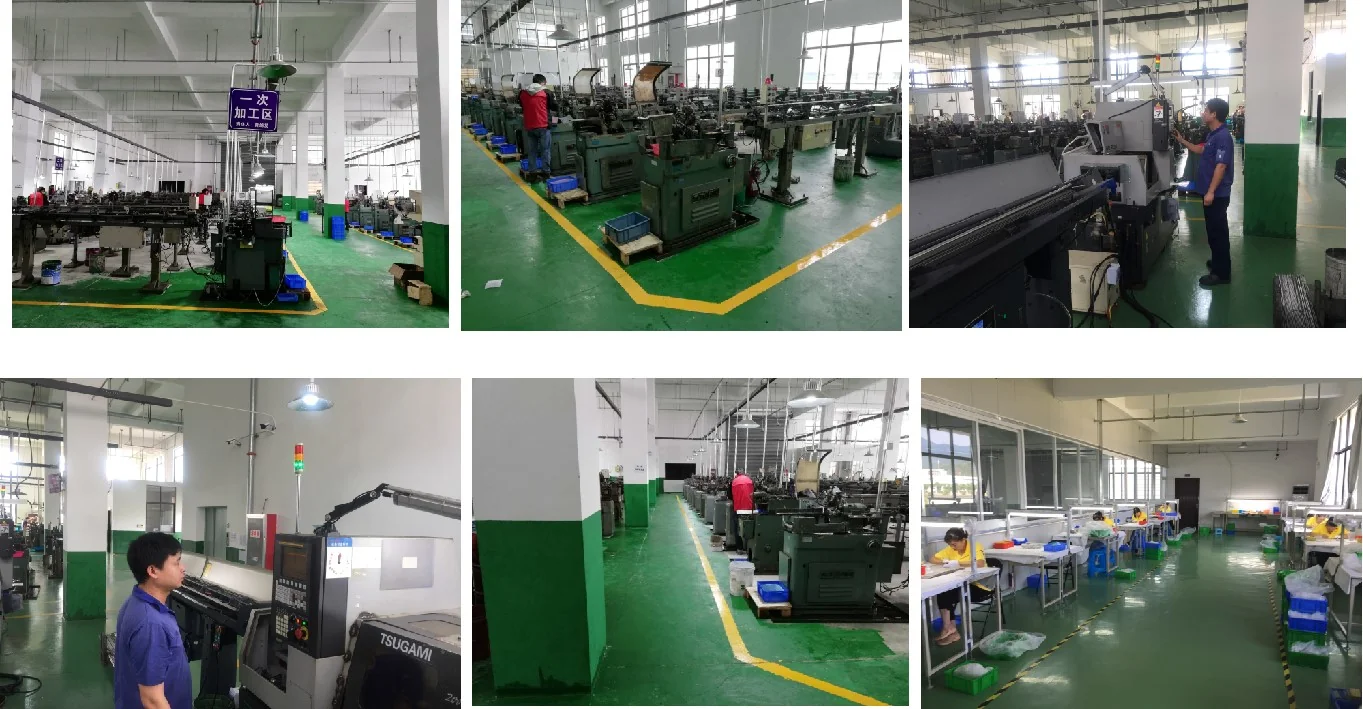
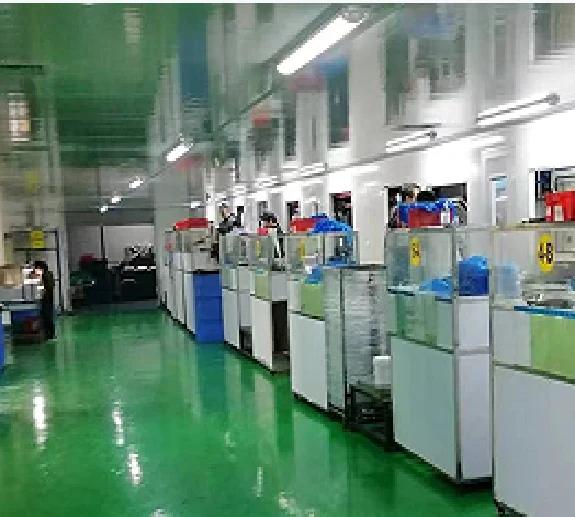
Suzhou Baoshida Trading Co., Ltd. operates at the forefront of industrial rubber solutions, delivering engineered performance to global marine infrastructure and vessel protection systems. Our Engineering Capability division is built on deep material science expertise and precision tooling design, enabling us to produce high-performance boat fender bumpers that meet exact OEM and operational requirements. With a dedicated team of five certified mould engineers and two specialized rubber formula engineers, we maintain full control over the design-to-production lifecycle, ensuring consistency, durability, and compliance across all manufactured components.

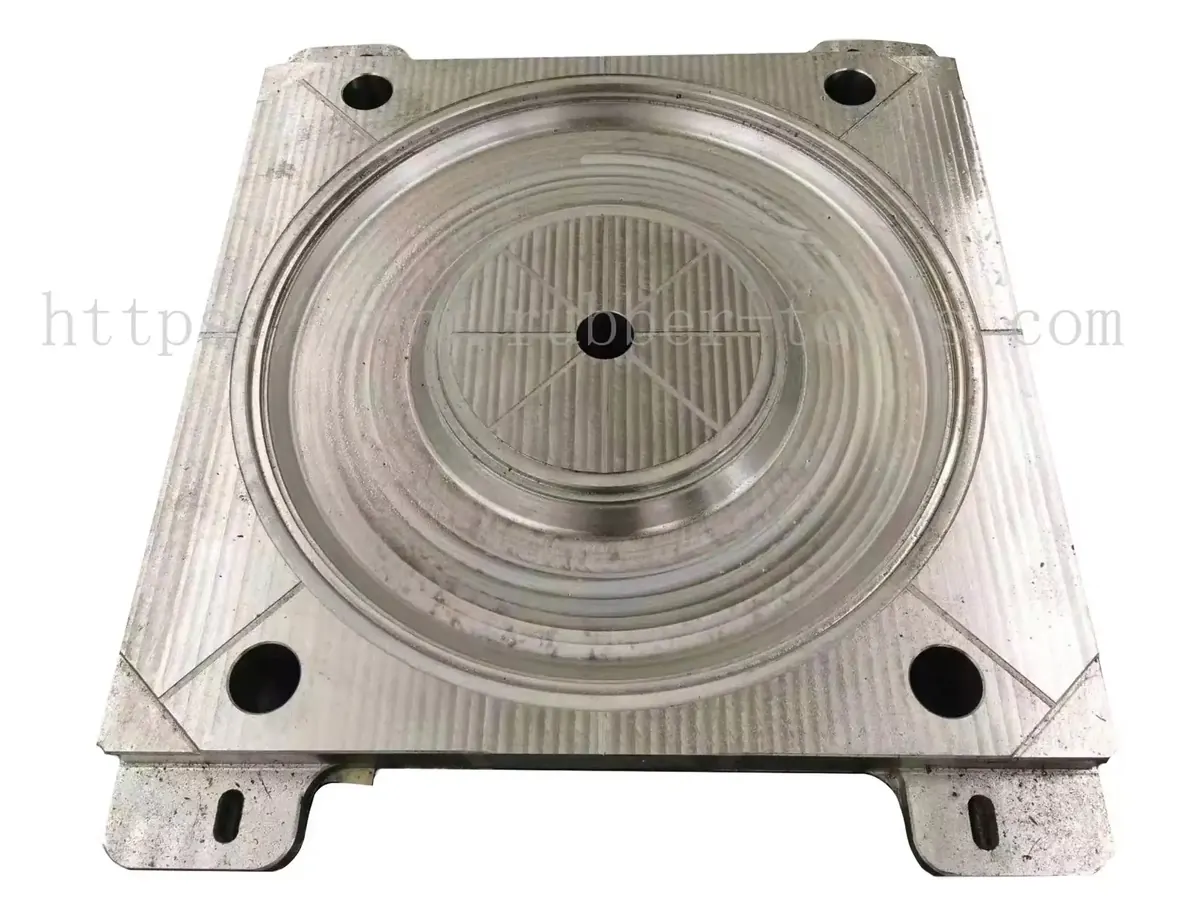
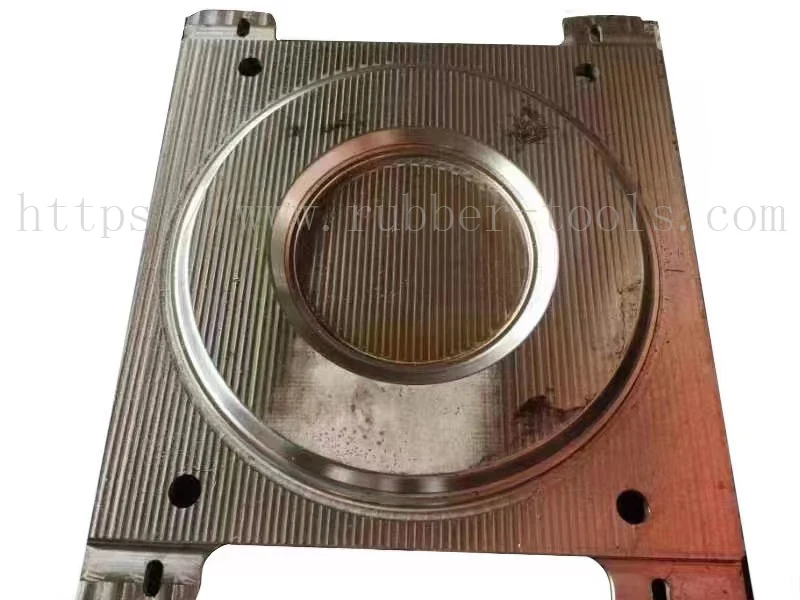
Our mould engineering team leverages advanced CAD/CAM software and finite element analysis (FEA) to develop optimized mould geometries that accommodate complex fender profiles and demanding production cycles. Each design undergoes rigorous simulation for flow dynamics, thermal distribution, and ejection efficiency, minimizing defects and maximizing production uptime. These capabilities allow us to support both standard and custom fender configurations, including cylindrical, D-type, and cone-shaped variants, tailored to specific vessel tonnage, docking conditions, and energy absorption requirements.

Complementing our tooling expertise is our in-house rubber formulation laboratory, where our two senior formula engineers develop proprietary elastomer compounds designed for extreme marine environments. We engineer EPDM, neoprene, and natural rubber blends with enhanced resistance to UV degradation, ozone, saltwater corrosion, and abrasion. By controlling the vulcanization system, filler dispersion, and polymer cross-linking density, we achieve precise Shore A hardness ratings and elongation properties that directly influence energy absorption and rebound resilience. This scientific approach ensures that every boat fender bumper delivers consistent performance under repeated impact loads.

Our OEM capabilities are rooted in collaborative development and strict process control. We work directly with shipbuilders, port operators, and marine equipment manufacturers to reverse-engineer legacy components or co-develop next-generation fenders. From initial concept and 3D prototyping to DVP (Design Verification Plan) testing and batch validation, our engineering team ensures full traceability and compliance with international standards such as ISO 17357 and IACS recommendations.

The following table outlines key technical specifications achievable through our engineering and manufacturing platform:

Parameter Standard Range Custom Capability
Shore A Hardness 45–70 35–80 (adjustable in 5-point increments)
Tensile Strength ≥12 MPa (EPDM) Up to 18 MPa with reinforced compounds
Elongation at Break ≥300% Up to 550% with high-elasticity blends
Operating Temperature -40°C to +100°C Extended to +120°C (neoprene variants)
Compression Set (70°C, 24h) ≤25% ≤15% with optimized cure systems
Mould Tolerances ±0.3 mm ±0.1 mm (precision machining)

This integration of formulation science and precision mould engineering enables Suzhou Baoshida to deliver boat fender bumpers that exceed functional expectations while maintaining cost efficiency and scalability. Our engineering team stands ready to support OEM partners with technical data packages, material certifications, and performance validation reports for seamless integration into global marine systems.


Customization Process

boat fender bumper manufacturing

Precision Customization Process for Marine Fender Bumpers

At Suzhou Baoshida Trading Co., Ltd., our boat fender bumper customization follows a rigorously defined engineering pathway to ensure optimal performance in demanding marine environments. This process transforms client specifications into high-integrity rubber components through four critical phases, eliminating design ambiguities and material vulnerabilities before volume production.

Drawing Analysis initiates the workflow. Our engineering team conducts a granular review of client-provided CAD drawings and technical schematics, focusing on dimensional tolerances, load distribution zones, and interface geometries. We validate critical parameters such as compression-deflection curves, wall thickness gradients, and mounting interface integrity against ISO 17357 marine fender standards. Any deviations from manufacturable tolerances or stress concentration risks are flagged for collaborative resolution, ensuring the design aligns with both functional requirements and rubber processing physics.

Formulation Development leverages Suzhou Baoshida’s proprietary material science database. Based on the analysis phase, our rubber chemists select base polymers—typically EPDM for ozone resistance or specialized polyurethanes for abrasion-heavy applications—and engineer compound formulations. Key considerations include seawater immersion stability, UV degradation resistance, and Shore A hardness targets (typically 50–70 for marine bumpers). Additives are precisely dosed to achieve hydrolysis resistance, flame retardancy (per IMO FTP Code), and low-temperature flexibility down to -40°C. Every formulation undergoes computational simulation for compression set behavior before lab-scale mixing.

Prototyping & Validation employs CNC-machined molds for initial samples. Prototypes undergo accelerated aging tests per ASTM D2023 (seawater exposure), dynamic compression cycling, and tensile/tear strength verification. Critical metrics like energy absorption efficiency and recovery rate are quantified against client load specifications. Client feedback on physical samples triggers iterative refinements, with material adjustments documented in our traceability system. Only after passing all validation protocols does the design advance.

Mass Production Transition activates our ISO 9001-certified manufacturing line. Real-time rheometer monitoring ensures batch-to-batch compound consistency, while automated vulcanization presses maintain ±1.5°C temperature control. Each production run includes in-process checks for density, hardness, and visual defects per AQL 1.0 standards. Final inspection validates dimensional conformity via CMM and certifies compliance with marine regulatory frameworks. This phased approach guarantees seamless scalability from prototype to 50,000+ units annually.

Material performance specifications for our standard marine fender compounds are summarized below:

Property Test Standard Typical Value Significance for Marine Use
Shore A Hardness ASTM D2240 60 ± 5 Balances impact absorption & structural stability
Tensile Strength ASTM D412 ≥15 MPa Resists tearing under dynamic loads
Elongation at Break ASTM D412 ≥350% Accommodates hull deformation without fracture
Oil Resistance (Δ vol%) ASTM D471 ≤15% (after 72h) Prevents swelling in fuel/oil-contaminated water
Ozone Resistance ASTM D1149 No cracks (50pphm) Critical for long-term UV/ozone exposure

This systematic engineering protocol ensures Suzhou Baoshida delivers fender bumpers that exceed operational lifespans in port infrastructure, vessel berthing, and offshore applications while minimizing total cost of ownership for OEM partners.


Contact Engineering Team

boat fender bumper manufacturing

Contact Suzhou Baoshida for Premium Boat Fender Bumper Solutions

At Suzhou Baoshida Trading Co., Ltd., we specialize in delivering high-performance industrial rubber solutions tailored to the marine sector, with a focus on boat fender bumpers that meet rigorous international standards. Our expertise in rubber compounding, precision molding, and OEM manufacturing ensures that every fender bumper we supply offers exceptional durability, impact resistance, and seawater corrosion protection. Whether you are a shipbuilder, port operator, marina developer, or marine equipment distributor, our engineered rubber products are designed to extend service life and reduce maintenance costs in demanding maritime environments.

Our boat fender bumpers are manufactured using advanced EPDM, neoprene, and SBR rubber formulations, selected based on operational requirements such as UV resistance, ozone stability, and temperature range. Each product undergoes strict quality control, including tensile strength testing, Shore A hardness verification, and compression set analysis, to guarantee consistent performance under continuous load and dynamic impact. We support custom dimensions, durometer ratings, mounting configurations, and color coding to align with your technical drawings or application needs.

To ensure seamless integration into global supply chains, Suzhou Baoshida adheres to ISO 9001 quality management protocols and provides full material traceability documentation. Our in-house tooling department enables rapid prototyping and low minimum order quantities, making us a preferred partner for both large-scale projects and specialized marine applications.

For technical consultation, sample requests, or volume pricing, we invite you to contact Mr. Boyce, our dedicated OEM Manager and Rubber Formula Engineer. Mr. Boyce leads our technical engagement team and brings over 12 years of experience in rubber material science and marine product development. He is available to review your specifications, recommend optimal rubber compounds, and support design-for-manufacturability improvements.

Below are standard technical specifications for our most commonly supplied boat fender bumpers. Custom parameters can be developed upon request.

Property Standard Value Test Method
Material EPDM or Neoprene ASTM D412
Hardness (Shore A) 50–70 ±5 ASTM D2240
Tensile Strength ≥12 MPa ASTM D412
Elongation at Break ≥300% ASTM D412
Compression Set (22h, 70°C) ≤25% ASTM D395
Operating Temperature -40°C to +100°C Internal
Water Absorption (24h) ≤1.0% ASTM D471
Ozone Resistance Excellent (No cracking at 50 pphm) ASTM D1149

Partner with Suzhou Baoshida to source boat fender bumpers that combine scientific precision with industrial reliability. Contact Mr. Boyce directly at [email protected] to initiate a technical discussion or request a project quotation. We respond to all inquiries within 12 business hours and support English, Mandarin, and technical drawing communications. Let us help you engineer a smarter rubber solution for your marine protection needs.


⚖️ O-Ring Weight Calculator

Estimate rubber O-ring weight (Approx).


Boat Fender Bumper Manufacturer | Engineering Guide

Contents of Table

Contact [email protected] Whatsapp 86 15951276160