Technical Contents
Engineering Guide: Push Bumper Rubber
Engineering Insight: Material Selection Criticality in Push Bumper Rubber Applications
Push bumper rubber components serve as the primary mechanical interface between industrial vehicles and unpredictable impact scenarios. Standardized rubber compounds frequently fail in these demanding roles due to fundamental mismatches between generic material properties and the specific dynamic loading, environmental exposure, and longevity requirements inherent to heavy equipment operation. Off-the-shelf solutions, often formulated for cost-driven consumer applications, lack the engineered resilience to withstand the complex stress profiles experienced during repeated low-speed collisions, constant compression during storage, and prolonged exposure to ozone, UV radiation, hydraulic fluids, and abrasive particulates. This results in premature degradation modes including catastrophic compression set, surface cracking, loss of energy absorption capacity, and ultimately, structural detachment – posing significant safety hazards and escalating total cost of ownership through unplanned downtime and replacement cycles.
The core failure mechanism stems from inadequate rebound resilience and excessive compression set in generic compounds. Optimal push bumper performance demands a precise balance: sufficient elasticity to rapidly dissipate impact energy without permanent deformation, coupled with high resistance to permanent set under sustained load. Generic SBR or low-grade EPDM formulations typically exhibit rebound resilience below 45% and compression set values exceeding 35% after 22 hours at 70°C (ASTM D395 Method B). This translates directly to reduced energy return efficiency and irreversible shape loss during storage, critically diminishing the bumper’s ability to function correctly upon impact. Furthermore, insufficient ozone resistance in non-formulated compounds leads to rapid surface checking under atmospheric exposure, while inadequate abrasion resistance accelerates wear from contact with debris and mounting hardware. Material selection must prioritize dynamic mechanical properties validated through application-specific testing protocols, not merely static durometer hardness.
Suzhou Baoshida Trading Co., Ltd. addresses these challenges through OEM-engineered formulations where polymer backbone architecture, crosslink density, and specialty additive packages are meticulously calibrated. Critical performance differentiators are quantifiable through standardized testing, as demonstrated below:
| Property | Custom Push Bumper Formulation | Generic Rubber Compound | Performance Gap Consequence |
|---|---|---|---|
| Rebound Resilience (%) | 60-65 (ASTM D2632) | 35-45 | 30% faster energy dissipation, reduced rebound damage |
| Compression Set (%) | 15-20 (70°C/22h, ASTM D395B) | 30-40 | Minimal permanent deformation, maintains seal integrity |
| Abrasion Loss (mg) | 80-100 (ASTM D5963) | 180-250 | 2.5x longer service life in abrasive environments |
| Ozone Resistance (hrs) | >200 (50 pphm, 40°C, 20% strain) | <50 | Eliminates surface cracking in outdoor storage |
Material selection is not a cost variable but a foundational engineering requirement. Suzhou Baoshida’s approach integrates OEM vehicle dynamics data with rigorous compound validation, ensuring push bumpers maintain structural integrity and functional performance across 10,000+ impact cycles and 10+ year service lives under industrial conditions. Generic solutions compromise safety margins; precision-engineered rubber delivers operational reliability.
Material Specifications
Material selection is a critical determinant in the performance and longevity of push bumper rubber components used in industrial and automotive applications. At Suzhou Baoshida Trading Co., Ltd., we engineer rubber solutions to meet rigorous environmental and mechanical demands. Our push bumpers are commonly fabricated from three high-performance elastomers: Viton (FKM), Nitrile (NBR), and Silicone (VMQ). Each material offers distinct advantages depending on operating conditions such as temperature range, chemical exposure, compression set resistance, and mechanical durability.
Viton is a fluorocarbon-based synthetic rubber renowned for its exceptional resistance to high temperatures, oils, fuels, and a broad range of aggressive chemicals. With continuous service capabilities up to 230°C and intermittent peaks exceeding 260°C, Viton is the preferred choice for extreme environments, particularly in automotive engine compartments and industrial sealing applications where exposure to hydrocarbons and ozone is prevalent. Its low gas permeability and excellent aging characteristics further enhance reliability under sustained stress.
Nitrile rubber, or Buna-N, is a cost-effective solution for applications involving petroleum-based fluids, hydraulic oils, and greases. It exhibits strong abrasion resistance and maintains good mechanical properties across a moderate temperature range of -30°C to 120°C. While not as thermally stable as Viton, Nitrile offers superior tensile strength and resilience, making it suitable for dynamic sealing and impact-absorbing push bumpers in commercial vehicles and machinery operating in temperate conditions.
Silicone rubber provides unmatched flexibility and thermal stability from -60°C to 200°C, with short-term resistance up to 230°C. It is highly resistant to UV radiation, ozone, and weathering, making it ideal for exterior applications exposed to sunlight and atmospheric elements. However, silicone exhibits lower mechanical strength and abrasion resistance compared to Viton and Nitrile. It is best suited for static or low-stress bumpers where thermal cycling and environmental durability are primary concerns.
Below is a comparative overview of the three materials based on key performance metrics relevant to push bumper applications.
| Property | Viton (FKM) | Nitrile (NBR) | Silicone (VMQ) |
|---|---|---|---|
| Temperature Range (°C) | -20 to 230 | -30 to 120 | -60 to 200 |
| Tensile Strength (MPa) | 15–20 | 10–25 | 5–8 |
| Elongation at Break (%) | 200–300 | 250–450 | 200–400 |
| Hardness (Shore A, 70–80) | 70–90 | 60–80 | 40–80 |
| Compression Set Resistance | Excellent | Good | Moderate |
| Fuel & Oil Resistance | Excellent | Excellent | Poor |
| Ozone & UV Resistance | Excellent | Moderate | Excellent |
| Abrasion Resistance | Good | Excellent | Fair |
| Typical Applications | High-temp engines, chemical exposure | Hydraulic systems, fuel contact | Outdoor seals, low-stress bumpers |
Understanding these material characteristics enables optimal selection based on functional requirements. Suzhou Baoshida Trading Co., Ltd. provides customized formulation and molding services to ensure each push bumper meets exact OEM specifications and performance benchmarks.
Manufacturing Capabilities
Engineering Capability: Precision Rubber Solutions for Push Bumper Applications
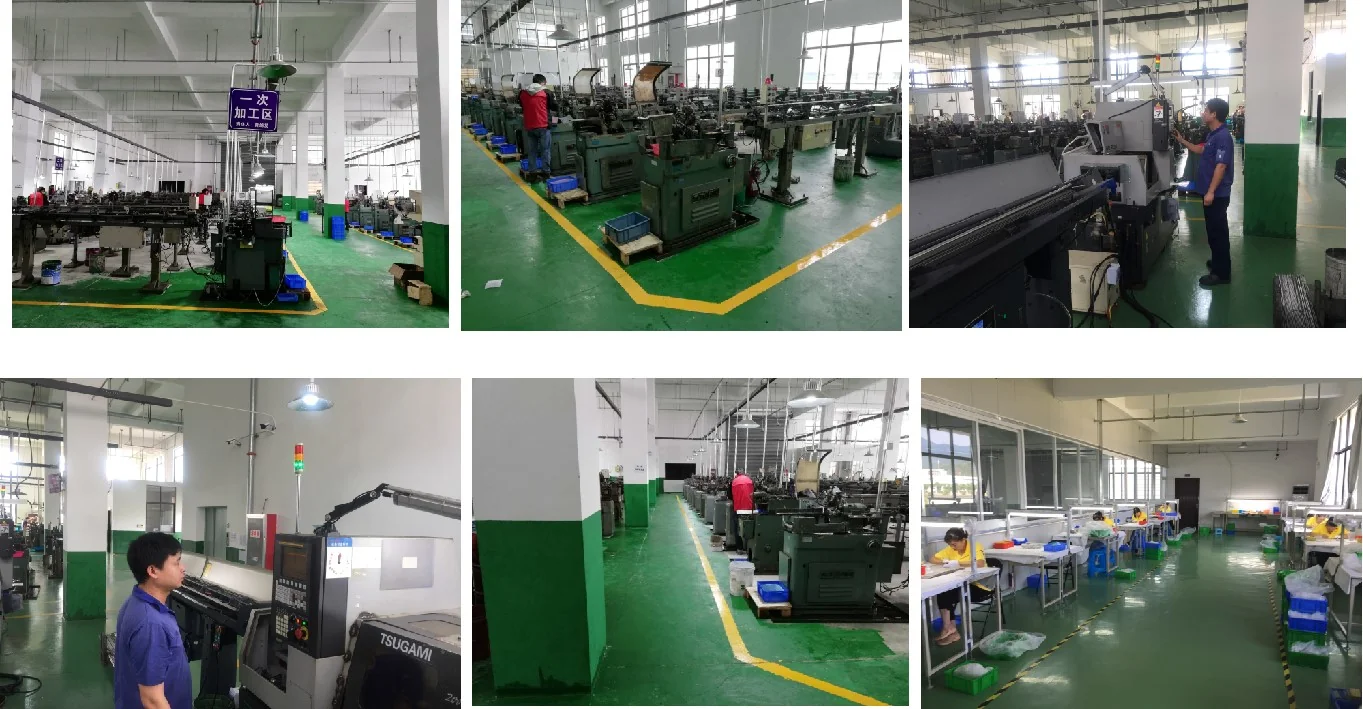
Suzhou Baoshida Trading Co., Ltd. leverages deep technical expertise in industrial rubber formulation and precision moulding to deliver mission-critical push bumper components. Our dedicated engineering team comprises five specialized Mould Engineers and two advanced Formula Engineers, ensuring end-to-end control from material science to finished part validation. This integrated structure eliminates cross-functional gaps, directly translating OEM performance requirements into robust, production-ready solutions.
Our Formula Engineers specialize in custom elastomer development for demanding push bumper environments. Utilizing accelerated aging protocols, dynamic mechanical analysis (DMA), and finite element method (FEM) simulation, we optimize crosslink density, filler dispersion, and polymer architecture to achieve precise rebound resilience, low-temperature flexibility, and abrasion resistance. Each compound undergoes rigorous validation against ISO 37 tensile testing, ASTM D2240 hardness profiling, and DIN 53516 abrasion metrics before release. This scientific approach ensures consistent performance under extreme compression cycles, UV exposure, and chemical contact—critical for vehicle safety and longevity.
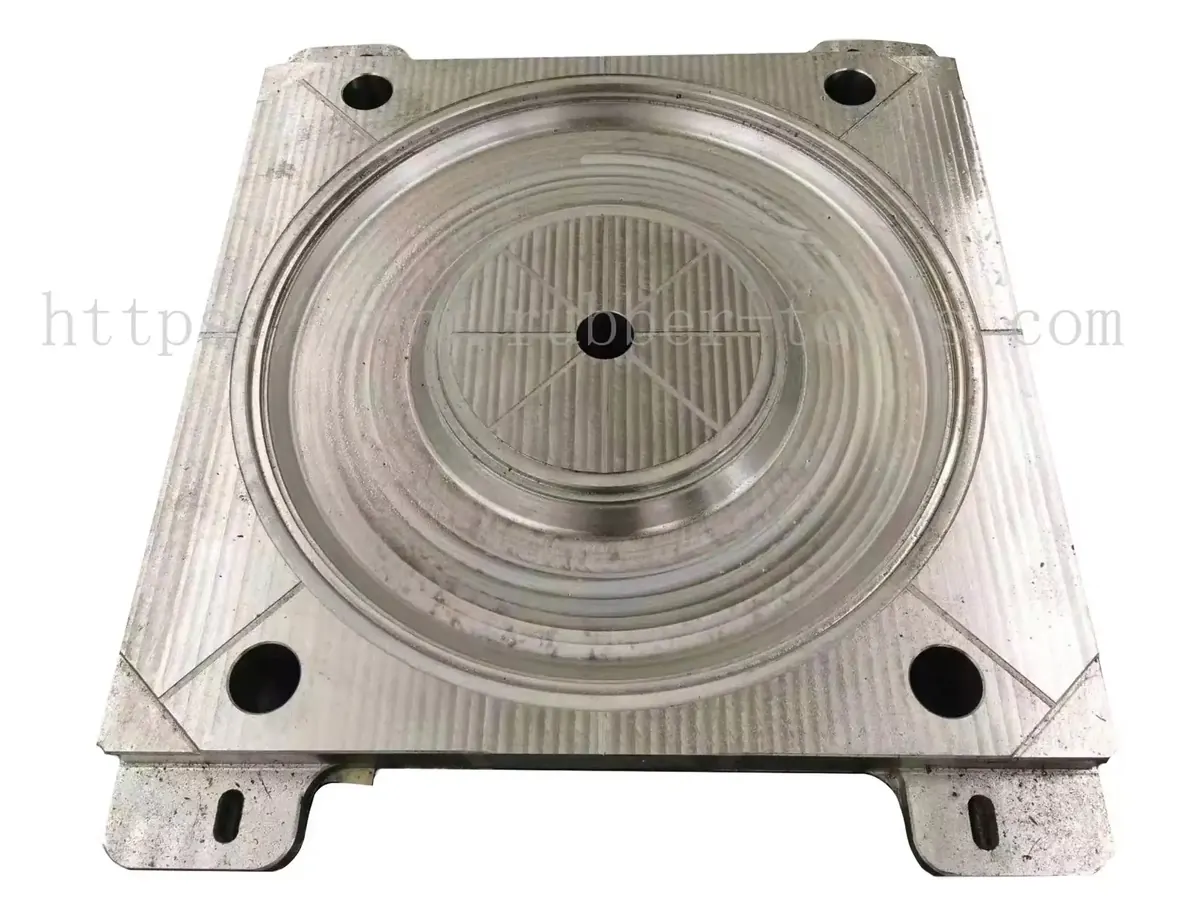
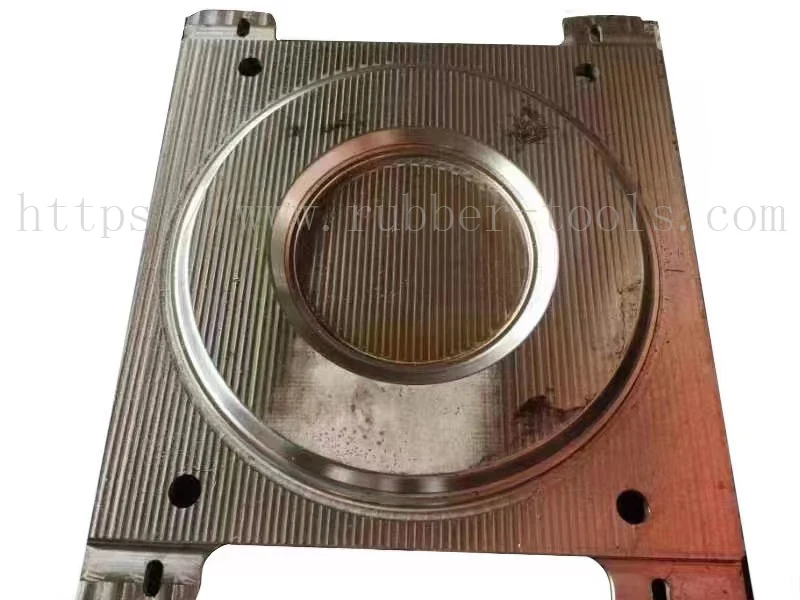
Complementing this, our Mould Engineering team applies advanced cavity pressure monitoring and thermal analysis to refine tool design. We implement Design for Manufacturability (DFM) principles early in the CAD phase, optimizing gate locations, venting, and cooling channels to eliminate knit lines, sink marks, and cure inconsistencies. This precision reduces scrap rates by up to 18% and accelerates time-to-market through first-article success. All tooling adheres to ISO 13001 standards, with in-house CNC machining capabilities for rapid iterations.
As a certified OEM partner, we execute seamless co-development cycles from concept to PPAP submission. Our process integrates client CAD data, material specifications, and durability targets into a structured workflow: feasibility analysis → prototype compounding → DFM validation → pilot production → full-scale manufacturing. Stringent IP protection protocols and real-time production data sharing via secure cloud platforms ensure transparency without compromising confidentiality.
Critical Push Bumper Material Specifications
| Property | Test Standard | Performance Range | Industrial Significance |
|---|---|---|---|
| Hardness (Shore A) | ASTM D2240 | 60–70 | Optimal impact absorption |
| Tensile Strength | ISO 37 | ≥12 MPa | Structural integrity under load |
| Elongation at Break | ISO 37 | ≥300% | Flexibility in collision events |
| Compression Set (70°C) | ASTM D395 | ≤25% (22h) | Long-term shape retention |
| Abrasion Loss | DIN 53516 | ≤120 mm³ | Road debris/wear resistance |
This engineering synergy—combining molecular-level material control with precision tooling science—enables Suzhou Baoshida to consistently exceed OEM durability and dimensional tolerance demands. We transform complex operational requirements into reliable, high-yield rubber solutions, backed by full production traceability and ISO/TS 16949-compliant quality systems. Partner with us to mitigate field failure risks and accelerate your push bumper deployment timelines.
Customization Process
Technical B2B Manufacturing Guide: Customization Process for Push Bumper Rubber
At Suzhou Baoshida Trading Co., Ltd., our approach to manufacturing push bumper rubber components is rooted in precision engineering and material science. We specialize in delivering high-performance industrial rubber solutions tailored to the exact mechanical and environmental demands of heavy-duty vehicle systems. Our four-stage customization process—Drawing Analysis, Formulation, Prototyping, and Mass Production—ensures optimal functionality, durability, and consistency across all batches.
The process begins with Drawing Analysis, where our engineering team conducts a comprehensive review of customer-provided technical drawings and 3D models. We assess critical dimensions, tolerance specifications, mounting configurations, and load-bearing requirements. This stage includes finite element analysis (FEA) when necessary to predict stress distribution and deformation under operational conditions. Our engineers also evaluate compliance with OEM standards and international certifications such as ISO 1817 and ASTM D412, ensuring the design aligns with both performance and regulatory expectations.
Following drawing validation, we proceed to Formulation Development. Our rubber compounding laboratory formulates elastomer blends based on application-specific parameters such as impact resistance, temperature range, UV exposure, and chemical resistance. Common base polymers include EPDM, NR, and SBR, selected for their resilience and aging characteristics. Additives such as reinforcing fillers, antioxidants, and vulcanizing agents are precisely metered to achieve target hardness (Shore A), tensile strength, and elongation at break. Each formulation is documented and archived for full traceability.
Once the compound is finalized, we move into Prototyping. Using precision molds fabricated in-house, we produce small-batch prototypes for functional testing. These samples undergo rigorous evaluation, including compression set testing, dynamic impact simulation, and environmental aging cycles. Prototype performance data is compared against design specifications, and adjustments are made if necessary. Customer feedback is integrated at this stage to ensure alignment with real-world operational needs.
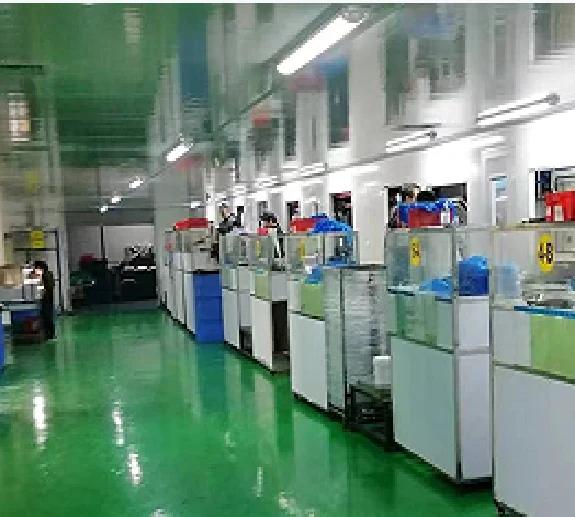
Upon approval, the project transitions to Mass Production. Our fully automated production lines utilize hydraulic curing presses with tight temperature and pressure controls, ensuring uniform cross-linking and dimensional stability. Every batch is subject to in-process quality checks and final inspection per AQL 1.0 standards. Components are serialized and packaged according to logistics requirements, with full documentation provided, including material test reports and certificate of conformance.
Below are typical technical specifications achievable through our customization process:
| Property | Test Standard | Typical Value |
|---|---|---|
| Hardness (Shore A) | ASTM D2240 | 50–80 ±5 |
| Tensile Strength | ASTM D412 | ≥12 MPa |
| Elongation at Break | ASTM D412 | ≥250% |
| Compression Set (24h @ 70°C) | ASTM D395 | ≤25% |
| Temperature Range | — | -40°C to +120°C |
| Specific Gravity | ASTM D297 | 1.15 ±0.05 |
This structured, science-driven process enables Suzhou Baoshida to deliver push bumper rubber solutions that meet the highest standards of industrial performance and reliability.
Contact Engineering Team
Contact Suzhou Baoshida for Precision Push Bumper Rubber Solutions
Suzhou Baoshida Trading Co., Ltd. stands as your definitive partner for engineered push bumper rubber components, delivering uncompromising performance for demanding industrial and heavy-duty vehicle applications. Our technical team, led by specialized rubber formulation engineers, possesses deep expertise in material science and OEM integration challenges. We do not merely supply rubber; we solve critical operational problems through bespoke compound development, rigorous validation testing, and seamless manufacturing scalability. When standard off-the-shelf solutions fail to meet your impact absorption, abrasion resistance, or environmental stability requirements, our collaborative engineering approach ensures your push bumper system achieves peak durability and functional longevity under extreme operational stresses.
Understanding the precise interplay between material properties and real-world performance is non-negotiable. Our formulations are meticulously engineered to balance Shore hardness, tensile strength, and resilience while resisting degradation from oils, ozone, UV exposure, and temperature extremes. Below outlines the core technical specifications achievable through our advanced material platforms, validated per international standards:
| Parameter | Standard Value Range | Testing Method |
|---|---|---|
| Hardness (Shore A) | 60 – 85 ± 3 | ASTM D2240 |
| Tensile Strength | ≥ 15 MPa | ASTM D412 |
| Elongation at Break | ≥ 300% | ASTM D412 |
| Compression Set (70°C, 24h) | ≤ 25% | ASTM D395 |
| Abrasion Resistance | ≤ 120 mm³ loss | DIN 53516 |
| Temperature Range | -40°C to +120°C | Custom Validation |
| Oil Resistance (IRMOG) | Volume Swell ≤ 25% | ASTM D471 |
These specifications represent baseline capabilities; our true value lies in tailoring formulations to your exact operational profile. Whether your application demands enhanced cold-flex performance for Arctic mining equipment, superior cut-growth resistance for refuse haulers, or chemical resistance for specialized industrial fleets, our R&D laboratory utilizes accelerated aging protocols and finite element analysis (FEA) support to de-risk material selection. We prioritize seamless OEM integration, providing comprehensive technical documentation, batch traceability, and on-site process optimization support to eliminate production bottlenecks.
Initiate a technical dialogue with Mr. Boyce, our dedicated OEM Manager, to transform your push bumper performance requirements into a validated manufacturing solution. Mr. Boyce possesses direct oversight of global supply chain coordination and technical resource allocation, ensuring your project receives prioritized engineering attention from initial concept through volume production. Contact him immediately to discuss material validation protocols, prototype timelines, or cost-optimized production strategies. Specify your application’s critical failure modes, environmental exposures, and dimensional constraints to receive a targeted compound proposal within 48 business hours. Do not settle for generic rubber; leverage Suzhou Baoshida’s formulation precision to enhance vehicle safety, reduce lifecycle costs, and exceed industry reliability benchmarks.
Contact Mr. Boyce directly at [email protected] to commence technical evaluation. Provide your target specifications and volume requirements for immediate engineering assessment.
⚖️ O-Ring Weight Calculator
Estimate rubber O-ring weight (Approx).