Technical Contents
Engineering Guide: Outdoor Tiles Balcony

Engineering Insight: Material Selection for Outdoor Tiles Balcony Applications
In the design and manufacturing of outdoor tiles for balcony installations, material selection is not merely a cost-driven decision—it is a fundamental engineering imperative. Balcony environments present a unique combination of mechanical stress, thermal cycling, moisture exposure, and UV radiation, all of which demand materials engineered for long-term durability. Standard off-the-shelf solutions, often formulated for indoor or low-exposure applications, consistently underperform in these conditions due to inadequate polymer architecture and filler systems.
Commonly available balcony tiles utilize generic thermoplastics or low-grade rubber compounds that lack resistance to hydrolytic degradation and UV embrittlement. These materials may appear cost-effective initially but fail prematurely due to surface cracking, delamination, and loss of tensile integrity. The root cause lies in insufficient cross-link density and absence of stabilizing additives such as HALS (hindered amine light stabilizers) and anti-oxidants. In contrast, industrial-grade rubber formulations—specifically EPDM (ethylene propylene diene monomer) and thermoplastic polyolefin (TPO) blends—offer superior performance due to their saturated backbone, which resists ozone and UV attack.
At Suzhou Baoshida Trading Co., Ltd., we engineer rubber compounds with tailored Shore A hardness (65–75), optimized for both pedestrian comfort and structural resilience. Our formulations incorporate nano-silica and carbon black reinforcement to enhance abrasion resistance while maintaining flexibility across a wide temperature range (–40°C to +90°C). Additionally, closed-cell microstructure design prevents water ingress, a critical factor in freeze-thaw cycles common in temperate climates.
Another overlooked failure point in generic balcony tile systems is dimensional instability. Poorly formulated materials exhibit high coefficients of thermal expansion, leading to warping, buckling, or joint separation over time. Precision extrusion and post-cure stabilization processes ensure our products maintain dimensional accuracy, even after years of thermal cycling.
Adhesion to subflooring is equally critical. Many failures stem from inadequate bonding between the tile backing and concrete or metal substrates. Our proprietary primers and co-extruded adhesive layers are designed to form covalent bonds with both inorganic and organic substrates, significantly reducing delamination risks.
The following table outlines the performance specifications of standard off-the-shelf tiles versus our engineered industrial rubber solution:
| Property | Off-the-Shelf Tile (Typical) | Baoshida Engineered Rubber Tile |
|---|---|---|
| Material Type | Recycled PVC/TPR | EPDM/TPO Co-continuous Blend |
| Shore A Hardness | 55–60 | 70 ± 3 |
| Tensile Strength (MPa) | 6.5 | 12.8 |
| Elongation at Break (%) | 220 | 410 |
| UV Resistance (ASTM G154) | 500 hrs, severe cracking | 3,000 hrs, no degradation |
| Water Absorption (24 hrs, %) | 1.8 | 0.2 |
| Operating Temperature Range | –10°C to +60°C | –40°C to +90°C |
| Coefficient of Thermal Expansion | 180 µm/m·°C | 95 µm/m·°C |
Material selection directly dictates service life, safety, and lifecycle cost. Generic solutions compromise structural and chemical integrity, while engineered rubber systems deliver predictable, long-term performance. For OEMs and specifiers, the choice is not between cost and quality—it is between failure and engineered reliability.
Material Specifications
Material Specifications for Outdoor Balcony Tile Sealing Systems
Suzhou Baoshida Trading Co., Ltd. provides engineered rubber compounds critical for balcony tile installation integrity under harsh environmental exposure. Our formulations address UV degradation, thermal cycling, chemical resistance, and long-term compression recovery—factors directly impacting tile system lifespan. Below we detail three premium elastomers validated for outdoor tile gaskets, edge seals, and expansion joints per ASTM D2000 classification standards. Each compound undergoes rigorous OEM testing for adhesion stability, Shore A hardness retention (60–80 durometer range), and resistance to pedestrian traffic abrasion (ASTM D5963).
Viton (FKM) fluorocarbon rubber delivers unparalleled chemical and thermal resistance for premium installations. It withstands continuous exposure to ozone, UV radiation, and aggressive cleaning agents (including chlorine-based solutions) at temperatures from -20°C to +250°C. Its low compression set (≤15% per ASTM D395) ensures seal integrity after 10,000+ thermal cycles. However, Viton’s high fluorine content elevates raw material costs and limits flexibility below -15°C, making it optimal for coastal or chemically intensive environments where longevity justifies investment.
Nitrile (NBR) butadiene rubber offers balanced performance for cost-sensitive projects. With strong resistance to aliphatic hydrocarbons, oils, and moderate UV exposure, it operates reliably between -30°C and +120°C. Its abrasion resistance exceeds silicone and viton, crucial for high-traffic balcony surfaces. Compression set remains acceptable (≤25%) below 100°C, but ozone cracking necessitates UV stabilizers for outdoor use. NBR is ideal for urban residential applications where chemical exposure is minimal and budget constraints exist.
Silicone (VMQ) excels in extreme temperature flexibility (-60°C to +200°C) and UV/ozone stability without additives. Its hydrophobic nature prevents moisture ingress, reducing freeze-thaw damage risks. However, silicone exhibits poor tear strength and susceptibility to compression set (≤30%) above 150°C, requiring precise durometer control (70–80A) for structural support. Solvent resistance is limited, restricting use in areas with frequent hydrocarbon contact. Best suited for cold-climate installations prioritizing thermal shock resistance.
The comparative analysis below synthesizes key performance metrics under standardized OEM validation protocols:
| Material | Key Properties | Limitations | Primary Applications |
|---|---|---|---|
| Viton (FKM) | Temp range: -20°C to +250°C Compression set: ≤15% Exceptional ozone/chemical resistance Low gas permeability |
High cost Reduced low-temp flexibility Complex processing |
Coastal resorts, pool decks, chemical-exposed commercial balconies |
| Nitrile (NBR) | Temp range: -30°C to +120°C Superior abrasion resistance Moderate oil/fuel resistance Cost-effective |
Ozone degradation without stabilizers Limited high-temp stability |
Urban residential complexes, budget commercial projects |
| Silicone (VMQ) | Temp range: -60°C to +200°C Excellent UV/ozone stability Hydrophobic surface |
High compression set at elevated temps Poor tear strength Low solvent resistance |
High-latitude residential, cold-weather infrastructure |
Testing per ASTM D2000 M2BA714, D395 Method B (70°C/22h), and ISO 188 accelerated aging. Compression set values reflect 50% deflection under load.
Material selection must align with site-specific stressors: Viton for maximum chemical resilience, NBR for economic durability in temperate zones, and silicone for extreme cold adaptation. Suzhou Baoshida’s OEM team collaborates with manufacturers to customize durometer, filler content, and additive packages—ensuring balcony tile systems exceed 15-year service life under ISO 9001-certified production. Contact our engineering division for application-specific validation data and sample testing protocols.
Manufacturing Capabilities

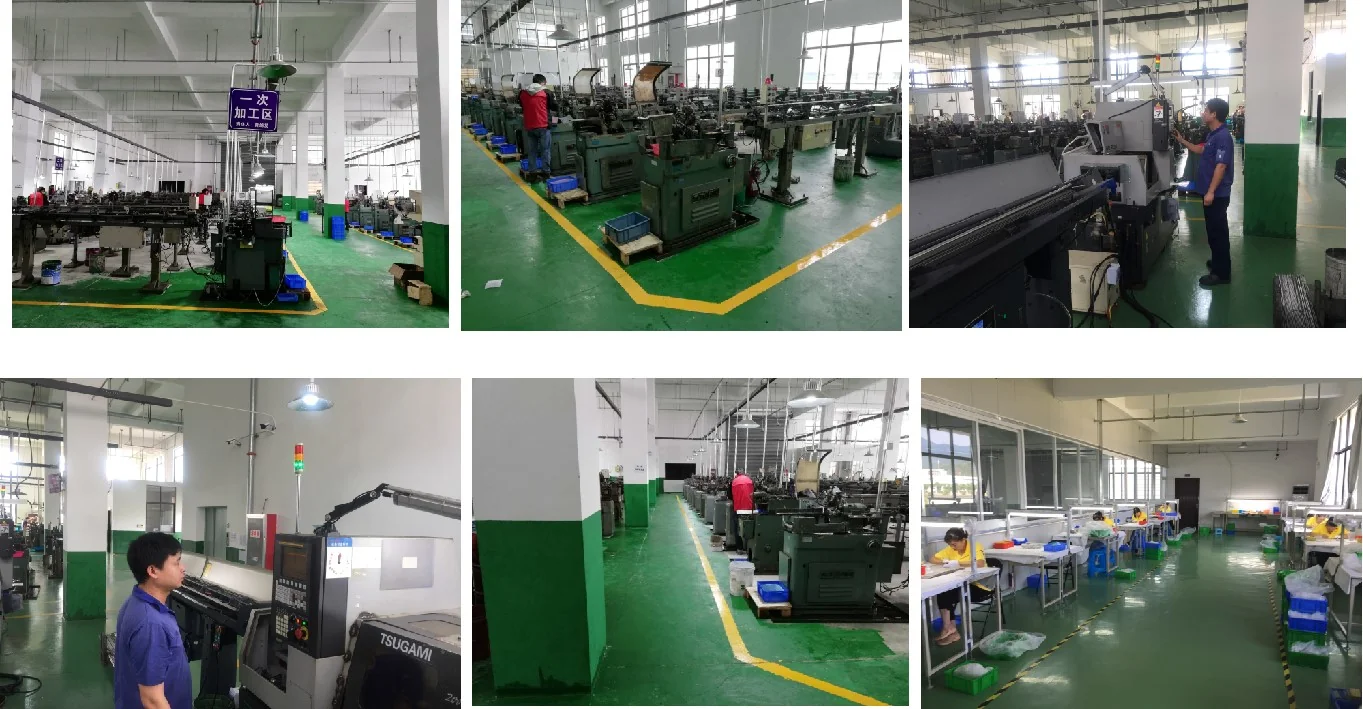
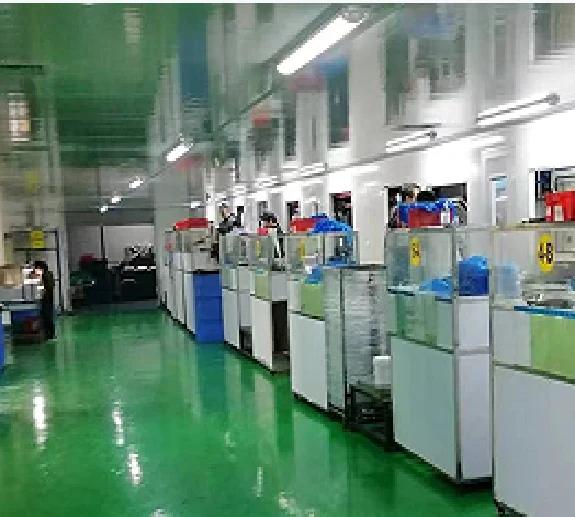
Suzhou Baoshida Trading Co., Ltd. operates at the forefront of industrial rubber solutions, delivering precision-engineered products tailored for demanding outdoor applications such as balcony tiles. Our engineering capability is anchored in a dedicated team of highly skilled professionals, including five specialized mould engineers and two advanced formula development engineers. This technical foundation enables us to provide fully integrated OEM services, from concept and material formulation to mould design and high-volume production.
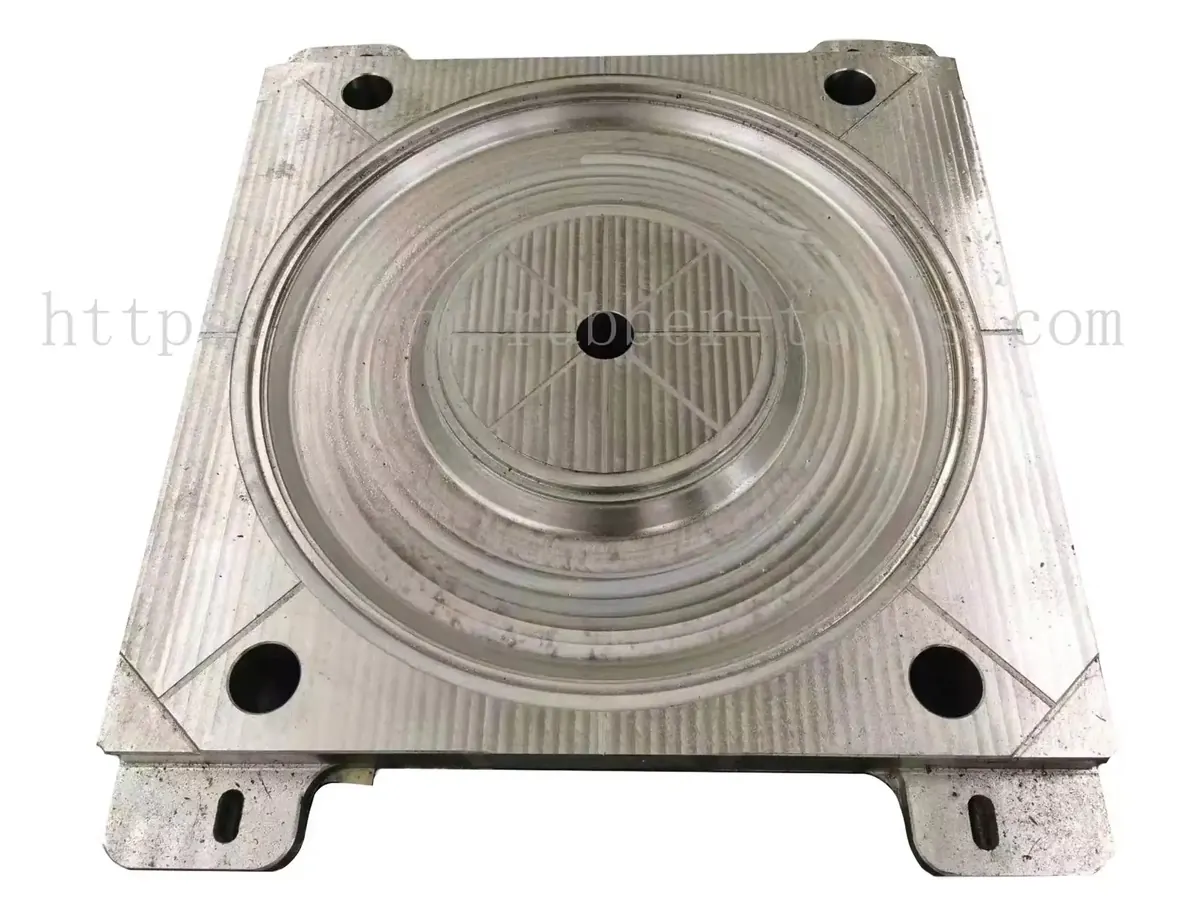
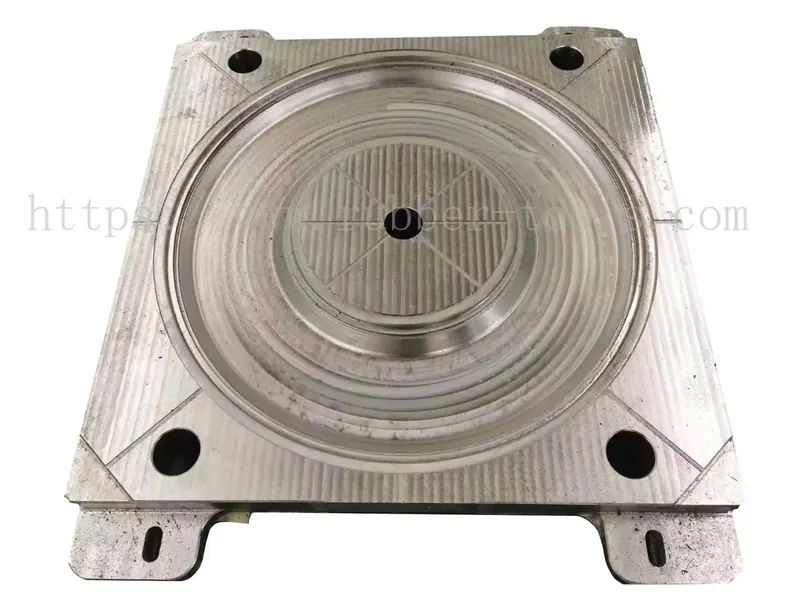
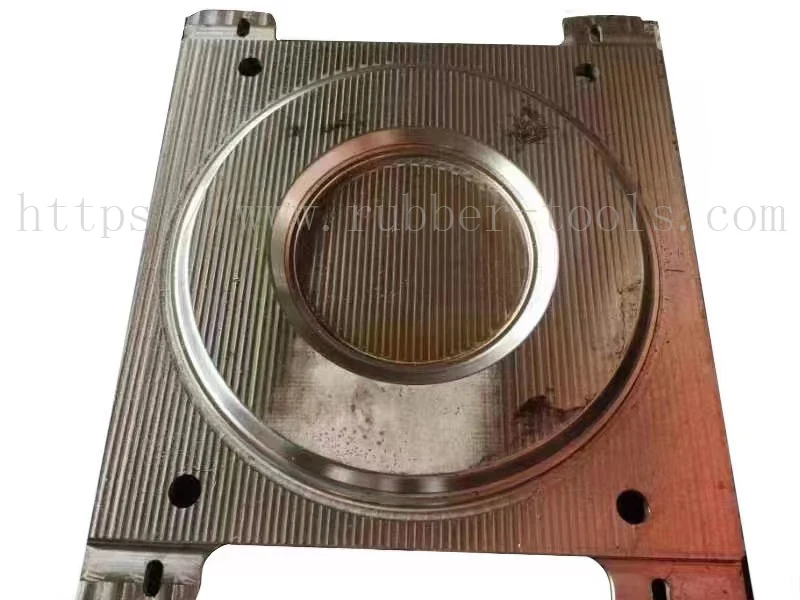
Our mould engineers possess extensive experience in precision tooling for rubber and elastomeric components. Each engineer applies advanced CAD/CAM software—such as SolidWorks, AutoCAD, and UG NX—to develop robust, high-tolerance moulds optimized for performance, durability, and cycle efficiency. These designs are rigorously tested through finite element analysis (FEA) to predict stress distribution, deformation, and thermal behavior under real-world conditions. This ensures that every mould meets the exact mechanical and environmental demands of outdoor tile applications, including resistance to thermal cycling, UV exposure, and mechanical wear.
Complementing our tooling expertise, our two rubber formula engineers lead material innovation at the molecular level. They formulate custom elastomeric compounds tailored to specific performance criteria, including enhanced weather resistance, anti-slip properties, compression set resistance, and long-term elasticity retention. Using advanced polymer chemistry and filler systems, they optimize formulations based on EPDM, SBR, or TPE platforms, depending on the application’s environmental and mechanical requirements. These formulations are validated through accelerated aging tests, Shore hardness profiling, tensile strength analysis, and dynamic mechanical analysis (DMA) to ensure consistency and reliability.
Our OEM capabilities are designed to support global partners seeking high-performance rubber components for outdoor flooring systems. We provide end-to-end development services, including 3D prototyping, material certification, tooling validation, and batch traceability. With in-house testing facilities compliant with ISO 1817, ISO 48, and ASTM D412 standards, we ensure every product meets international quality benchmarks.
The following table outlines key technical specifications achievable through our engineering and formulation expertise for outdoor rubber balcony tiles:
| Property | Test Standard | Typical Value |
|---|---|---|
| Hardness (Shore A) | ISO 48 | 50–80 ±5 |
| Tensile Strength | ASTM D412 | ≥8 MPa |
| Elongation at Break | ASTM D412 | ≥200% |
| Compression Set (22h, 70°C) | ISO 815 | ≤25% |
| Abrasion Resistance | DIN 53516 | ≤120 mm³ loss |
| Operating Temperature Range | — | -40°C to +80°C |
| UV and Ozone Resistance | ISO 1431 | Passed (150 pphm, 100h) |
With a disciplined approach to material science and precision manufacturing, Suzhou Baoshida delivers OEM solutions that combine functional durability with environmental resilience. Our engineering team ensures every product is not only built to specification but engineered for real-world performance in outdoor environments.
Customization Process

Customization Process for Industrial-Grade Outdoor Balcony Tiles
Precision customization begins with rigorous Drawing Analysis to transform client specifications into manufacturable designs. Our engineering team dissects CAD files and technical schematics, focusing on critical parameters such as interlocking geometry, drainage channel dimensions, and load-bearing contours. We validate compliance with ISO 13006 standards for tile tolerances while assessing real-world stress points like edge chipping risks under thermal cycling. This phase includes finite element analysis (FEA) simulations to predict deformation under 5,000+ kg/m² static loads, ensuring structural integrity before material selection.
Formulation engineering follows, where our rubber chemists optimize the thermoset elastomer matrix for extreme outdoor exposure. Key performance targets include UV stability, slip resistance, and thermal contraction control. The table below details mandatory specifications for all balcony tile compounds:
| Spec Name | Target Value | Test Standard | Tolerance |
|---|---|---|---|
| Shore A Hardness | 65 ± 5 | ASTM D2240 | ±2 points |
| Tensile Strength | ≥12 MPa | ISO 37 | +0.5 MPa |
| UV Resistance | ΔE < 3 after 2,000h | ISO 4892-2 | No cracking |
| Slip Coefficient | ≥0.6 (wet) | DIN 51130 | R11 rating |
| Compression Set | ≤25% (70°C/22h) | ASTM D395 | ±3% |
Prototyping executes rapid validation using CNC-machined molds from the approved formulation. Each prototype undergoes accelerated weathering testing per SAE J2527 (3,000-hour xenon arc exposure) and dynamic slip testing on wet ceramic surfaces. We measure dimensional stability after 50 thermal cycles (-30°C to +70°C) and verify drainage efficiency through calibrated rainfall simulations. Client feedback on texture, color fastness, and installation ergonomics triggers iterative refinements until all KPIs are met within 15 working days.
Mass Production initiates only after formal sign-off on the qualified prototype. Our automated mixing lines deploy Banbury systems with ±0.5°C temperature control during polymerization, while inline spectrophotometers ensure color consistency within ΔE<1.5. Every production batch undergoes real-time statistical process control (SPC), with 100% dimensional verification via laser scanning against the original CAD model. Finished tiles are packaged with anti-UV barrier films and shipped with traceable material certificates documenting raw batch numbers, cure profiles, and third-party test reports from SGS laboratories. This closed-loop process guarantees zero deviation from the engineered specification across volumes exceeding 50,000 m² per order.
Suzhou Baoshida’s methodology eliminates field failure risks through embedded quality gates, converting complex balcony tile requirements into durable, code-compliant industrial solutions.
Contact Engineering Team

Contact Suzhou Baoshida for Advanced Rubber Solutions in Outdoor Tile and Balcony Applications
When sourcing high-performance industrial rubber components for outdoor tile and balcony systems, precision, durability, and environmental resistance are non-negotiable. At Suzhou Baoshida Trading Co., Ltd., we specialize in engineered rubber solutions tailored for demanding architectural and construction environments. Our expertise spans custom sealing profiles, anti-vibration pads, expansion joints, and weather-resistant gaskets designed specifically for outdoor tile installations and balcony structures exposed to thermal cycling, UV radiation, moisture, and mechanical stress.
Our rubber compounds are formulated to meet international standards for tensile strength, elongation, compression set, and aging resistance. Whether you require EPDM, silicone, neoprene, or specialty blends, our formulations are optimized for long-term performance under real-world conditions. We work closely with OEMs, construction material manufacturers, and architectural hardware suppliers to deliver components that enhance structural integrity, reduce noise transmission, and prevent water ingress in outdoor flooring systems.
To ensure seamless integration into your production process, we offer full technical support—from material selection and prototype development to volume manufacturing and quality assurance. Our in-house testing laboratory validates every batch against key performance indicators, including Shore A hardness, thermal stability (-40°C to +150°C), and resistance to ozone and UV degradation.
For outdoor tile and balcony applications, proper sealing and isolation are critical to preventing substrate damage and ensuring compliance with building codes. Our rubber profiles are designed to accommodate dimensional tolerances, absorb dynamic loads, and maintain seal integrity over thousands of thermal cycles. We supply both standard and custom cross-sections, with options for adhesive backing, co-extruded fabrics, or embedded metal inserts for enhanced mechanical retention.
Below are representative specifications for our most commonly specified rubber profiles in outdoor tile and balcony systems:
| Property | Test Method | Value |
|---|---|---|
| Material | – | EPDM 70 Shore A |
| Tensile Strength | ASTM D412 | ≥14 MPa |
| Elongation at Break | ASTM D412 | ≥450% |
| Compression Set (22h, 70°C) | ASTM D395 | ≤20% |
| Operating Temperature | – | -40°C to +135°C |
| Hardness | ASTM D2240 | 70 ± 5 Shore A |
| UV Resistance | ASTM G154 | Pass (5000h) |
| Ozone Resistance | ASTM D1149 | No cracking (100 pphm, 40°C) |
Partnering with Suzhou Baoshida means gaining access to a vertically integrated supply chain, stringent quality control protocols, and a team of rubber formulation engineers with over 15 years of experience in construction-related applications. We support global clients with export-ready packaging, documentation, and logistics coordination.
For technical inquiries, material samples, or custom design consultation, contact Mr. Boyce directly at [email protected]. We respond to all inquiries within 4 business hours and provide detailed technical data sheets, compliance certifications, and application-specific recommendations upon request. Let Suzhou Baoshida be your trusted partner in delivering reliable, high-performance rubber components for outdoor tile and balcony systems.
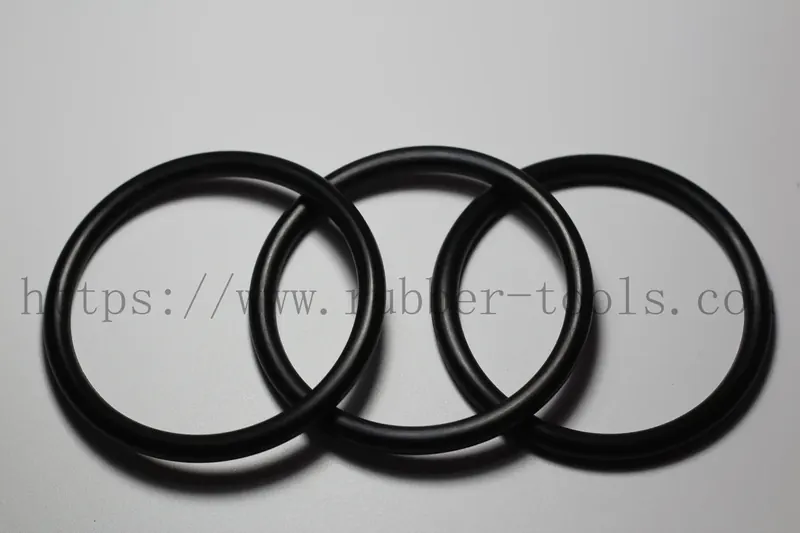
⚖️ O-Ring Weight Calculator
Estimate rubber O-ring weight (Approx).