Suction Cup Company Manufacturer | Engineering Guide

Engineering Guide: Suction Cup Company

suction cup company manufacturing

Engineering Insight: Material Science as the Foundation of Suction Cup Performance

In industrial automation, suction cups represent a critical interface between robotic systems and workpieces. Their failure directly impacts line uptime, product quality, and operational costs. A fundamental yet frequently underestimated factor in suction cup reliability is precise material selection. Off-the-shelf rubber compounds, often chosen for immediate cost savings or availability, consistently underperform in demanding applications due to a critical oversight: the mismatch between generic material properties and the specific physicochemical demands of the operational environment. This mismatch manifests as premature wear, seal leakage, loss of vacuum integrity, and catastrophic adhesion failure.

Generic suction cups typically utilize standard Nitrile Butadiene Rubber (NBR) formulations optimized for broad compatibility rather than targeted performance. These compounds fail when confronted with application-specific variables such as surface micro-texture, thermal cycling, exposure to process chemicals (oils, solvents, cleaners), dynamic stress frequencies, or required service life cycles. For instance, a standard NBR cup may exhibit acceptable initial adhesion on smooth glass but rapidly degrade when handling oily automotive components due to insufficient oil resistance, leading to swelling and loss of structural integrity. Similarly, a cup operating near oven exits may harden and crack if the base polymer lacks adequate thermal stability, while one exposed to aggressive disinfectants in food processing may experience surface degradation and particle shedding if chemical resistance is inadequate. The core issue lies in the complex interplay of viscoelastic hysteresis, surface energy compatibility, compression set resistance, and molecular crosslink density – properties meticulously engineered in OEM-grade compounds but absent in commoditized solutions.

True engineering value emerges through application-specific compounding. At Suzhou Baoshida, we initiate every suction cup project with a rigorous analysis of the operational profile: substrate material, temperature range, chemical exposure, cycle rate, load requirements, and expected lifespan. This data drives the formulation of custom elastomer matrices. Critical parameters include Shore A hardness tuned for optimal seal conformity without excessive deformation, ultra-low compression set for sustained vacuum retention, and tailored polymer chemistry for environmental resistance. The table below illustrates how key material properties must align with application demands, demonstrating why a one-size-fits-all approach is fundamentally flawed.

Material Type Typical Hardness Range (Shore A) Continuous Temp Range (°C) Compression Set (70h @ 70°C) Key Chemical Resistance
Standard NBR 60-70 -30 to +100 25-35% Limited oils, water
Custom NBR 45-80 (Application Specific) -40 to +120 <15% Engineered for specific oils/solvents
VMQ (Silicone) 50-80 -60 to +200 10-20% Ozone, water, some acids/bases
EPDM 50-75 -50 to +150 15-25% Steam, water, alkalis, brake fluids

Selecting a suction cup based solely on dimensional compatibility ignores the material science governing its functional lifespan. The cost of unplanned downtime, scrap, and maintenance caused by incompatible elastomers vastly exceeds the initial premium of an engineered solution. Suzhou Baoshida Trading Co., Ltd. leverages deep rubber formulation expertise to transform suction cups from passive components into reliable, high-performance system elements. We engineer the molecular foundation – ensuring every cup delivers consistent adhesion, longevity, and operational security under your exact conditions. Precision material science is not an optional upgrade; it is the non-negotiable core of industrial suction cup reliability.


Material Specifications

suction cup company manufacturing

Suzhou Baoshida Trading Co., Ltd. provides high-performance industrial rubber solutions engineered for reliability, durability, and precision in demanding environments. Our expertise in elastomer formulation ensures that each suction cup component meets stringent operational requirements across automotive, semiconductor, food processing, and automation industries. The selection of base material is critical in determining performance characteristics such as temperature resistance, chemical compatibility, mechanical strength, and sealing efficiency. Among the most widely used elastomers in industrial suction applications are Viton (FKM), Nitrile (NBR), and Silicone (VMQ), each offering distinct advantages based on application parameters.

Viton exhibits exceptional resistance to high temperatures, oils, fuels, and aggressive chemicals, making it ideal for harsh industrial environments. With continuous service capabilities up to 230°C and outstanding performance in ozone and UV exposure, Viton is frequently specified in semiconductor handling, chemical processing, and high-temperature automation systems. Its low gas permeability and excellent aging properties further enhance reliability in critical vacuum applications.

Nitrile rubber is a cost-effective solution for applications involving oil and grease exposure. It demonstrates strong abrasion resistance and tensile strength, making it suitable for mechanical handling systems where durability under repeated stress is essential. While its thermal range is more limited compared to Viton, NBR performs reliably between -30°C and 100°C, with short-term excursions up to 120°C. It is commonly used in pneumatic systems, packaging machinery, and automotive assembly lines.

Silicone rubber offers the widest operational temperature range, functioning effectively from -60°C to 200°C, and maintains flexibility at cryogenic conditions. It is inherently resistant to UV and ozone degradation and meets FDA compliance for food-grade applications. However, silicone has lower mechanical strength and wear resistance compared to Viton and Nitrile, which must be considered in high-friction environments. Its biocompatibility and non-toxic combustion byproducts make it ideal for medical, pharmaceutical, and food processing suction systems.

The following table summarizes key physical and chemical properties of these materials to guide optimal selection for industrial suction cup applications.

Property Viton (FKM) Nitrile (NBR) Silicone (VMQ)
Temperature Range (°C) -20 to 230 -30 to 100 -60 to 200
Tensile Strength (MPa) 15–20 10–25 5–10
Elongation at Break (%) 200–300 250–450 300–700
Hardness (Shore A) 60–90 50–90 30–80
Compression Set (22 hrs, 150°C) 15–25% 20–40% 20–35%
Resistance to Oils & Fuels Excellent Good to Excellent Poor
Resistance to Ozone/UV Excellent Fair Excellent
FDA Compliance Limited grades No Yes (platinum-cured)
Electrical Insulation Good Fair Excellent

Material selection must balance environmental exposure, mechanical demands, and regulatory requirements. Suzhou Baoshida Trading Co., Ltd. supports OEMs with customized compound development and rigorous quality control to ensure optimal performance in every suction cup application.


Manufacturing Capabilities

suction cup company manufacturing

Engineering Capability: Precision Rubber Solutions for Demanding Suction Applications

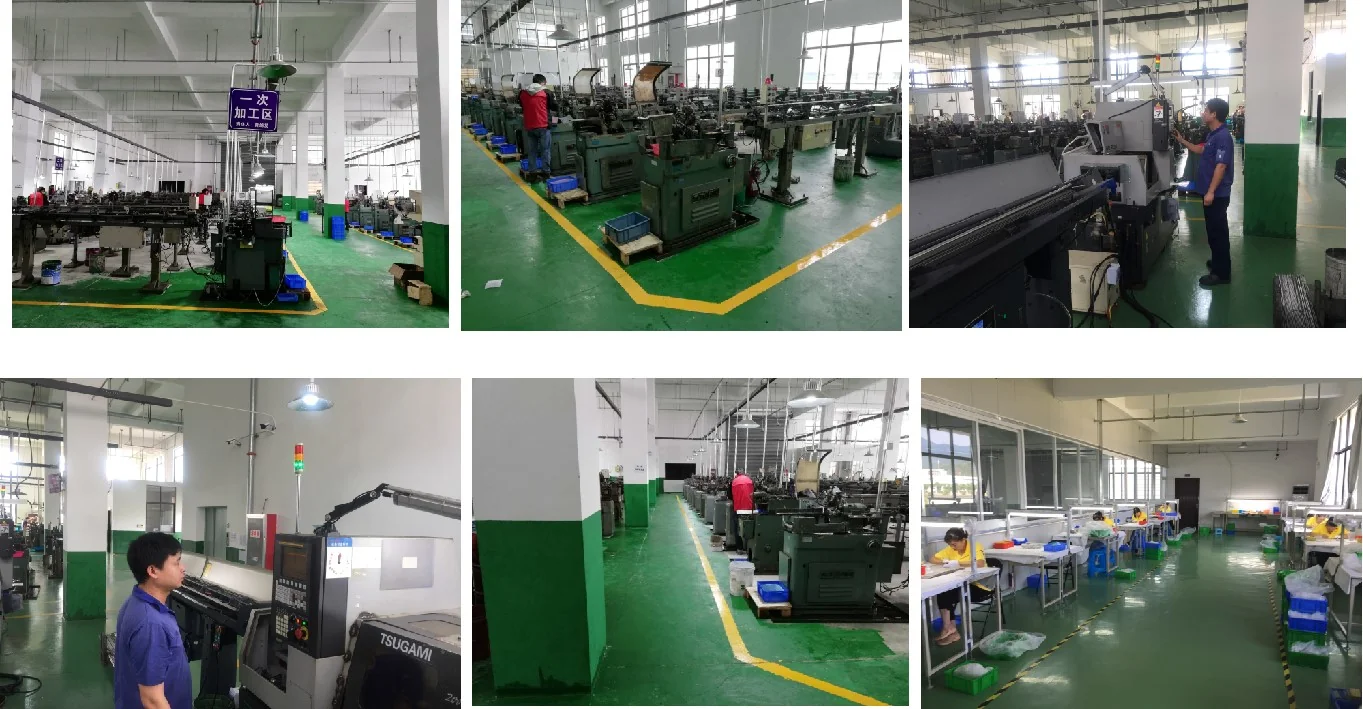
Suzhou Baoshida Trading Co., Ltd. leverages a dedicated engineering cohort comprising five specialized mould engineers and two advanced rubber formula engineers to deliver mission-critical suction cup components. This integrated team operates at the intersection of material science and precision manufacturing, ensuring every product meets stringent industrial performance benchmarks. Our formula engineers possess deep expertise in polymer chemistry, systematically optimizing compound formulations for adhesion, durability, and environmental resistance—critical factors in suction cup functionality under vacuum stress, dynamic loads, and exposure to oils, chemicals, or extreme temperatures. Concurrently, our mould engineering team employs advanced CAD/CAM and finite element analysis (FEA) to eliminate flow inconsistencies, minimize flash, and achieve micron-level dimensional accuracy in complex geometries. This dual-engineering approach guarantees consistent part replication across high-volume production runs while mitigating common failure modes like seal leakage or premature wear.

Material selection is foundational to suction cup efficacy. Our formula engineers rigorously qualify compounds against application-specific stressors, balancing hardness, tensile strength, and elongation to maximize grip retention and cycle life. Below is a representative comparison of standard compounds we engineer for industrial suction systems:

Material Hardness (Shore A) Tensile Strength (MPa) Elongation at Break (%) Operating Temperature Range (°C)
NBR 50–90 15–25 250–450 -30 to +100
EPDM 40–80 10–20 300–500 -50 to +150
Silicone 30–80 6–12 400–800 -60 to +230
FKM 60–90 12–20 150–300 -20 to +200

Our OEM capabilities transform client specifications into production-ready solutions through a structured, collaborative workflow. Starting with 3D model validation and tolerance analysis, we initiate iterative prototyping using rapid tooling to verify seal integrity and vacuum decay rates under real-world conditions. The formula engineering team then tailors material batches to address unique requirements—such as food-grade compliance (FDA 21 CFR 177.2600) or enhanced ozone resistance—while our mould engineers refine gating systems to eliminate knit lines at critical sealing surfaces. Throughout serial production, statistical process control (SPC) monitors key parameters like durometer consistency and dimensional stability, with full traceability from raw material lot to finished part. This end-to-end ownership ensures seamless scalability from pilot batches to annual volumes exceeding 5 million units, all while adhering to ISO 9001:2015 quality protocols.

By unifying formula science with precision moulding expertise, Suzhou Baoshida delivers suction cup solutions that achieve >99.5% first-pass yield rates and extend operational lifespans by 30–50% versus industry averages. We engineer not just components, but reliability under vacuum.


Customization Process

suction cup company manufacturing

Customization Process for Industrial Rubber Suction Cups at Suzhou Baoshida Trading Co., Ltd.

At Suzhou Baoshida Trading Co., Ltd., we specialize in delivering high-performance industrial rubber suction cups tailored to the precise operational demands of modern manufacturing environments. Our customization process is structured to ensure technical accuracy, material integrity, and functional reliability from concept to mass production. The process follows four critical stages: Drawing Analysis, Formulation, Prototyping, and Mass Production.

The first stage, Drawing Analysis, involves a comprehensive technical review of customer-provided CAD drawings or engineering specifications. Our engineering team evaluates dimensional tolerances, sealing surface geometry, mounting interface design, and operating environment parameters such as temperature, pressure, and contact media. This step ensures that the proposed design is manufacturable and functionally optimized for its intended application, whether in automated pick-and-place systems, glass handling, or precision assembly lines.

Following drawing validation, we proceed to Formulation. Our rubber chemists select and compound elastomeric materials based on performance requirements. Common base polymers include Nitrile (NBR), Silicone (VMQ), EPDM, and Neoprene (CR), each offering distinct advantages in oil resistance, temperature stability, ozone resistance, or mechanical durability. Hardness is adjusted within the 40 to 90 Shore A range, and additives are incorporated to enhance wear resistance, static dissipation, or UV stability as needed. This stage is critical for ensuring long service life under dynamic mechanical stress and variable environmental conditions.

Once the material formulation is finalized, we initiate the Prototyping phase. Using precision CNC-machined molds or 3D-printed tooling for rapid iteration, we produce functional prototypes for customer evaluation. These prototypes undergo in-house performance testing, including vacuum retention, compression set, and adhesion strength on target substrates such as metal, glass, or plastic. Feedback from the customer is integrated into final design refinements before approval for production.

The final stage, Mass Production, leverages our automated rubber molding lines and strict quality control protocols. Each batch is subject to dimensional inspection, visual grading, and抽样 physical testing per ISO 3302 and ISO 2768 standards. Production scalability ranges from small-batch specialty runs to high-volume OEM supply, with lead times optimized through lean manufacturing practices.

The following table outlines typical material options and their key performance characteristics:

Material Temperature Range (°C) Hardness (Shore A) Key Properties
NBR -30 to +100 50–70 Excellent oil and abrasion resistance
VMQ -60 to +200 40–80 High thermal stability, good flexibility
EPDM -50 to +150 50–80 Superior ozone and weather resistance
CR -30 to +120 55–75 Good flame resistance and toughness

Our systematic approach ensures that every custom suction cup meets the exact functional, environmental, and durability requirements of the application, reinforcing Suzhou Baoshida’s position as a trusted partner in industrial rubber solutions.


Contact Engineering Team

suction cup company manufacturing

Contact Suzhou Baoshida for Precision Rubber Solutions in Suction Cup Manufacturing

Suzhou Baoshida Trading Co., Ltd. stands at the forefront of industrial rubber formulation, delivering engineered elastomer compounds specifically optimized for high-performance suction cup applications. Our technical expertise ensures materials meet rigorous demands for vacuum integrity, cycle life, and environmental resilience across automotive assembly, robotics, and semiconductor handling systems. As your dedicated OEM partner, we prioritize material science precision over generic supply, translating your functional requirements into custom rubber formulations that enhance adhesion, reduce downtime, and extend product service life.

Our proprietary rubber compounds undergo stringent validation against industry-critical parameters. The table below outlines baseline specifications for our standard suction cup elastomer series, all of which are adjustable to meet your exact application thresholds. Each formulation is developed under ISO 9001 protocols, with traceable batch documentation and accelerated lifecycle testing data provided upon request.

Property Standard Range Test Method Industrial Relevance
Hardness (Shore A) 40–80 ±3 ASTM D2240 Balances seal conformity and structural stability
Tensile Strength (MPa) ≥12.0 ASTM D412 Resists tearing during rapid vacuum cycles
Elongation at Break (%) ≥400 ASTM D412 Accommodates dynamic surface variations
Compression Set (70°C/22h) ≤25% ASTM D395 Ensures long-term seal recovery
Temperature Range (°C) -40 to +150 ISO 188 Sustains performance in extreme environments
Custom Lead Time 15–25 days Accelerated prototyping for OEM integration

Mr. Boyce, our Technical OEM Manager, serves as your single point of accountability for end-to-end material development. With 14 years of specialization in vacuum elastomers, he directly oversees the transition from your performance specifications to production-ready compounds. His team conducts joint failure mode analysis to preempt adhesion decay in humid, oily, or high-vibration settings—common pain points in automated handling systems. Unlike commodity suppliers, we mandate material datasheets include dynamic coefficient of friction values against glass, metal, and composite substrates, ensuring your suction cups perform predictably under real-world conditions.

Initiate your technical collaboration by specifying your target vacuum hold force, cycle count, and substrate conditions to Mr. Boyce. Include any existing material failure data for our engineering team to diagnose root causes. We require no NDA for initial technical scoping, enabling rapid feasibility assessment. For urgent OEM projects, Mr. Boyce allocates dedicated lab resources to compress development timelines without compromising validation rigor.

Contact Mr. Boyce directly at [email protected] with subject line “Suction Cup Material Inquiry – [Your Company Name]” to receive a tailored formulation proposal within 48 business hours. Attach your technical requirements document for immediate priority processing. Suzhou Baoshida commits to resolving material performance gaps—not merely fulfilling purchase orders—making us the strategic partner for suction cup manufacturers demanding scientific precision in every compound iteration.


⚖️ O-Ring Weight Calculator

Estimate rubber O-ring weight (Approx).


Suction Cup Company Manufacturer | Engineering Guide

Contents of Table

Contact [email protected] Whatsapp 86 15951276160