History Of Tires Manufacturer | Engineering Guide

Engineering Guide: History Of Tires

history of tires manufacturing

Engineering Insight: The History of Tires and the Critical Role of Material Selection

The evolution of the tire is a testament to the symbiotic relationship between material science and industrial engineering. From the earliest solid rubber bands wrapped around wooden wheels to today’s high-performance radial composites, tires have undergone a transformation driven not by design alone, but by the strategic selection of elastomeric materials. At Suzhou Baoshida Trading Co., Ltd., our expertise in industrial rubber solutions underscores a fundamental truth: material selection is not a secondary consideration—it is the cornerstone of tire durability, performance, and safety.

In the late 19th century, the advent of vulcanized natural rubber revolutionized tire development. Charles Goodyear’s discovery allowed rubber to resist heat and deformation, making it viable for early pneumatic tires. However, natural rubber alone proved insufficient under extreme loads, temperatures, and dynamic stresses. The 20th century introduced synthetic elastomers such as styrene-butadiene rubber (SBR) and butyl rubber, offering improved abrasion resistance, air retention, and thermal stability. These materials enabled tires to meet the growing demands of automotive and industrial applications.

Despite these advancements, off-the-shelf rubber compounds frequently fail in specialized industrial environments. Standard formulations are optimized for mass-market vehicles, not for the unique operational profiles of forklifts, mining equipment, or high-speed manufacturing conveyors. These applications impose non-uniform stress distributions, exposure to oils and chemicals, and extreme temperature fluctuations—conditions that generic compounds are not engineered to withstand.

Material failure in such contexts manifests as premature cracking, excessive heat buildup, or rapid tread degradation. These are not design flaws but material incompatibilities. For example, a tire operating in a steel mill may face radiant heat exceeding 150°C, causing conventional SBR compounds to soften and lose structural integrity. Similarly, exposure to hydraulic fluids can cause swelling in non-resistant elastomers, leading to dimensional instability and seal failure.

Custom material engineering mitigates these risks. By tailoring polymer blends, reinforcing fillers, and curing systems, we develop compounds that align with specific mechanical and environmental demands. At Baoshida, we prioritize application-specific formulations—balancing hardness, tensile strength, elongation, and chemical resistance to ensure operational longevity.

The following table illustrates key material properties relevant to industrial tire performance:

Material Hardness (Shore A) Tensile Strength (MPa) Elongation at Break (%) Key Advantages Common Industrial Use
Natural Rubber (NR) 40–80 15–30 300–700 High elasticity, low heat build-up Light-duty conveyors
Styrene-Butadiene (SBR) 50–75 15–25 400–600 Good abrasion resistance Warehouse forklifts
Nitrile Rubber (NBR) 60–90 10–20 200–400 Oil and fuel resistance Industrial machinery
Ethylene Propylene (EPDM) 50–80 10–18 300–500 Ozone and heat resistance Outdoor heavy equipment
Polyurethane (PU) 80–95 30–50 300–500 High load-bearing, cut resistance Precision rollers, AGVs

Material selection is not a one-size-fits-all endeavor. It requires deep understanding of operational stressors and material behavior. At Suzhou Baoshida Trading Co., Ltd., we engineer rubber solutions where performance is non-negotiable.


Material Specifications

history of tires manufacturing

Material Specifications in Modern Tire Manufacturing Evolution

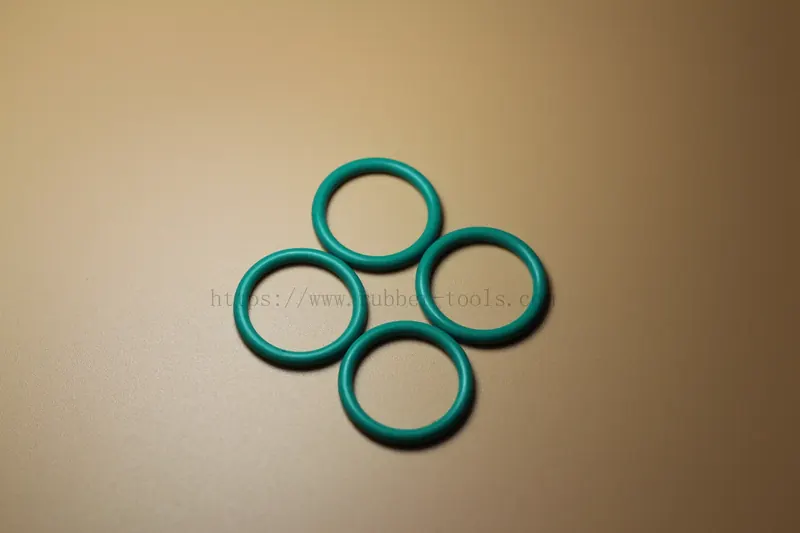
The historical progression of tire technology reflects critical advancements in elastomer science, directly influencing performance parameters for industrial applications. Early pneumatic tires relied on natural rubber compounds, but modern industrial demands necessitate engineered materials capable of withstanding extreme thermal, chemical, and mechanical stress. Suzhou Baoshida Trading Co., Ltd. leverages decades of OEM partnership experience to specify materials meeting rigorous operational thresholds. Viton, Nitrile, and Silicone represent three cornerstone elastomers selected for specialized tire components where conventional rubber fails. Viton fluoroelastomers excel in high-temperature sealing applications, such as aircraft tire valve stems, resisting jet fuels and synthetic lubricants up to 230°C continuous exposure. Nitrile butadiene rubber (NBR) remains the industry standard for hydraulic and pneumatic systems in construction tire assemblies due to its cost-effective balance of oil resistance and abrasion tolerance within -40°C to 120°C ranges. Silicone rubber addresses ultra-low-temperature requirements in specialty transport tires, maintaining flexibility down to -60°C while meeting FDA compliance for food-grade conveyor tire applications. Material selection directly impacts manufacturing yield, service life, and safety compliance in OEM production lines.

Material performance must be quantified against standardized industrial benchmarks. The following table details critical specifications per ASTM D2000 classification for tire component validation.

Material Temperature Range (°C) Chemical Resistance Profile Tensile Strength (MPa) Elongation at Break (%) Hardness Range (Shore A)
Viton -20 to 230 Exceptional: Fuels, oils, acids 10–15 150–250 60–80
Nitrile -40 to 120 High: Aliphatic hydrocarbons, water 15–25 200–400 50–90
Silicone -60 to 200 Moderate: Ozone, water; poor for oils 5–10 200–600 30–80

These specifications dictate application suitability across tire subsystems. Viton’s fluorine content provides molecular stability against aggressive fluids but requires precise peroxide curing to avoid scorch during high-speed tread manufacturing. Nitrile formulations adjust acrylonitrile percentage (18–50%) to tune oil resistance versus low-temperature flexibility, critical for off-road tire hydraulic seals operating in Arctic conditions. Silicone’s inherent thermal stability comes with lower tensile strength, necessitating reinforced composite structures in large-diameter industrial tires. Suzhou Baoshida’s OEM engineering team validates material batches against these parameters through compression set testing at 150°C for 70 hours and solvent immersion protocols per ISO 1817. Consistent adherence to these metrics ensures tire components meet ISO 9001 traceability standards while minimizing field failures in demanding logistics and aerospace deployments. Material science remains the silent enabler of tire innovation, where precise elastomer selection translates directly to operational reliability and lifecycle cost efficiency.


Manufacturing Capabilities

history of tires manufacturing

Engineering Excellence in Industrial Rubber Solutions

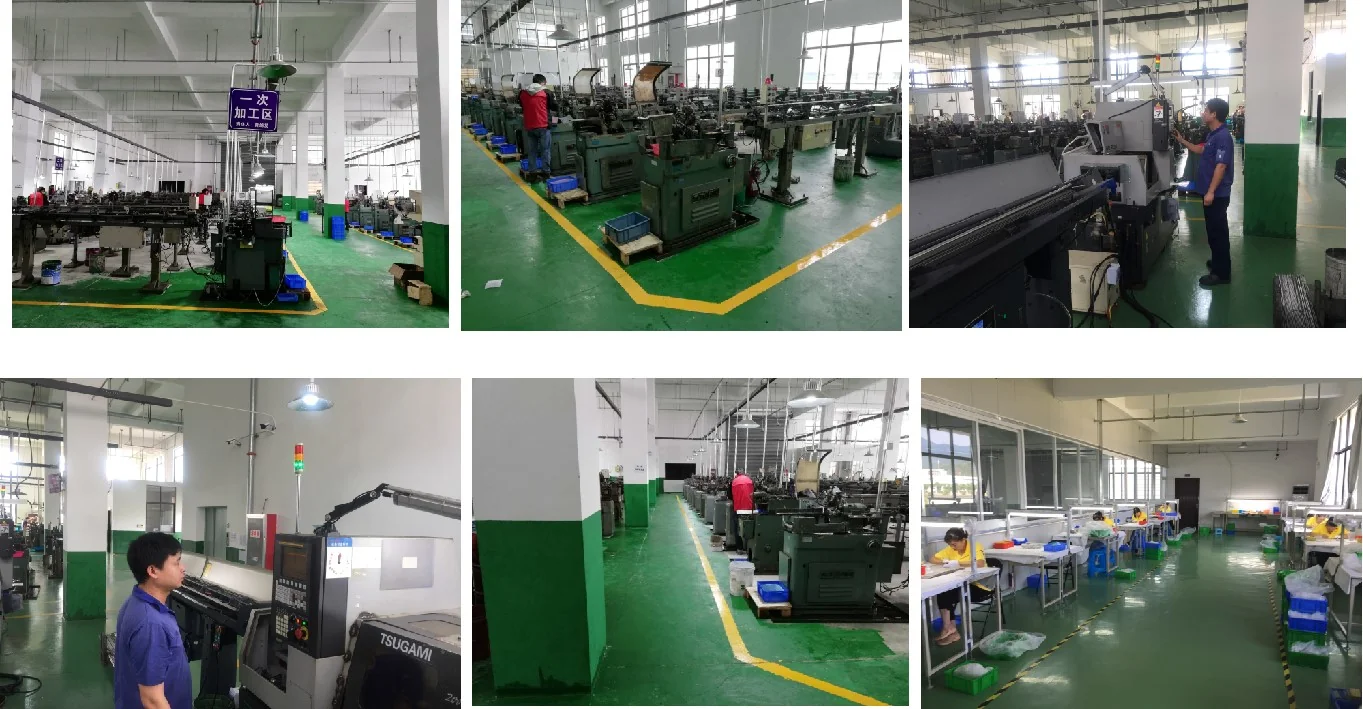
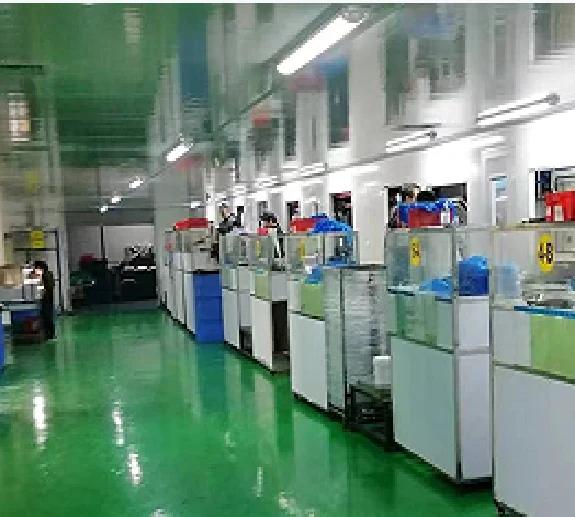
At Suzhou Baoshida Trading Co., Ltd., our engineering capability forms the backbone of our industrial rubber manufacturing expertise, particularly in the specialized domain of tire development and production. With a dedicated team comprising five experienced mould engineers and two advanced formula engineers, we integrate material science with precision engineering to deliver high-performance rubber components tailored to OEM specifications. Our approach is rooted in technical rigor, ensuring every product meets the exacting demands of durability, consistency, and application-specific performance.

The evolution of tire technology—from early solid rubber bands on wooden wheels to modern radial constructions with advanced tread compounds—has always been driven by material innovation and manufacturing precision. Our formula engineers specialize in developing custom rubber compounds that optimize key properties such as abrasion resistance, heat dissipation, tensile strength, and elasticity. By analyzing operational environments and performance requirements, they formulate elastomer blends using natural rubber (NR), styrene-butadiene rubber (SBR), butyl rubber (IIR), and other specialty polymers, ensuring compatibility with dynamic loading, temperature extremes, and chemical exposure.

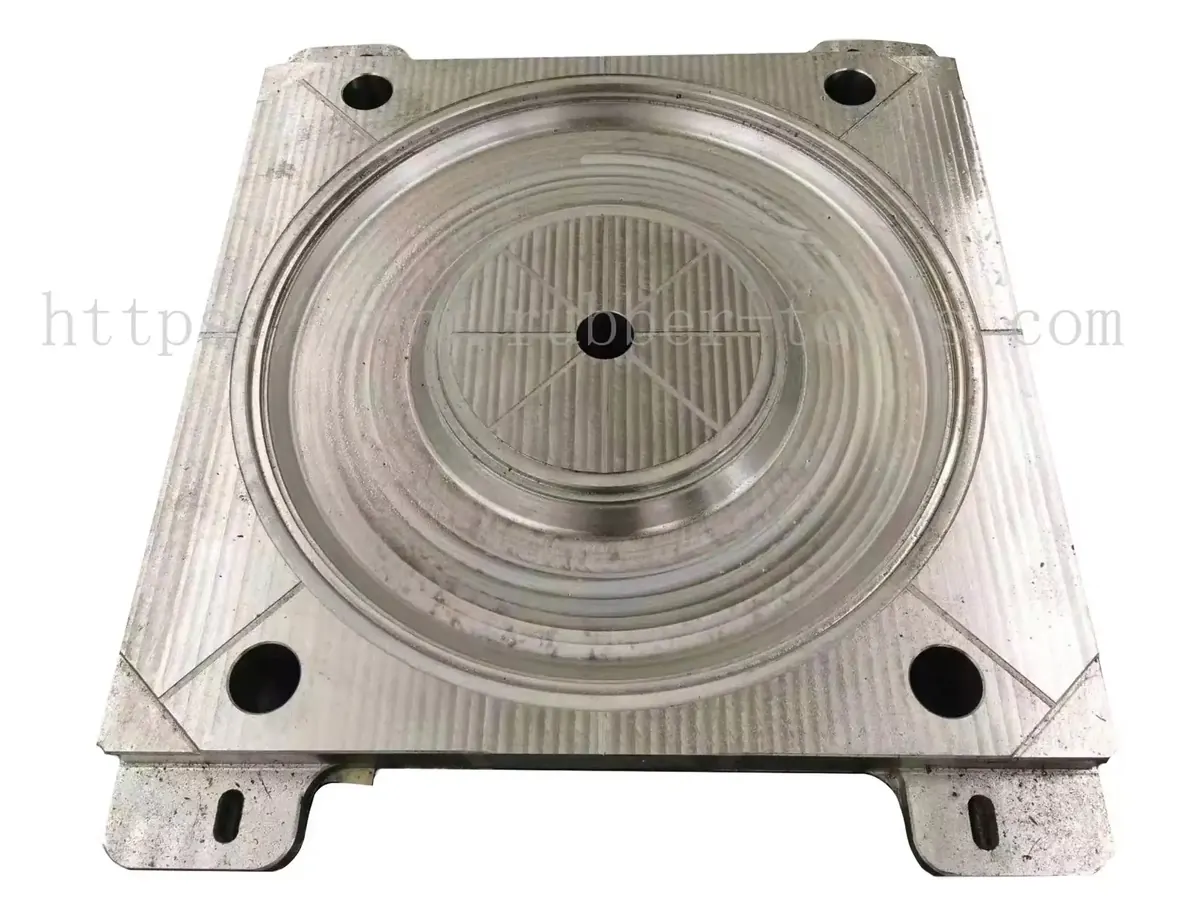
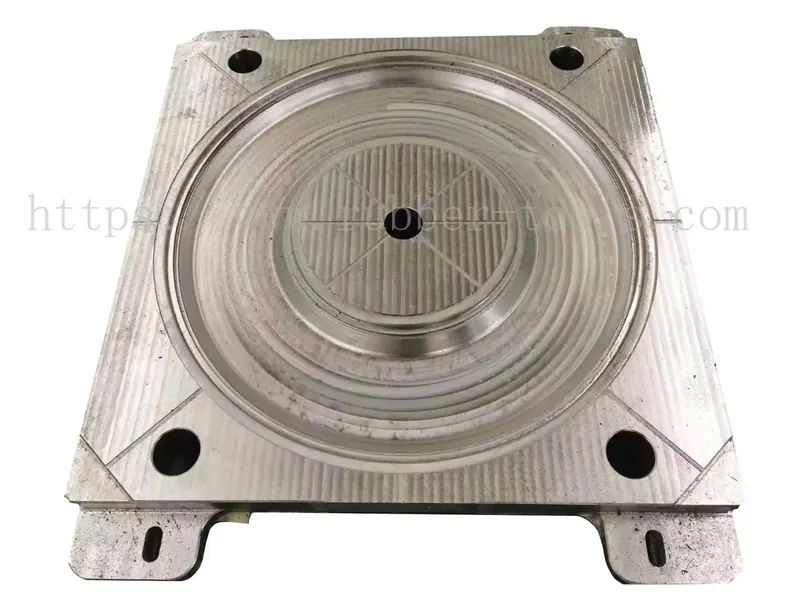
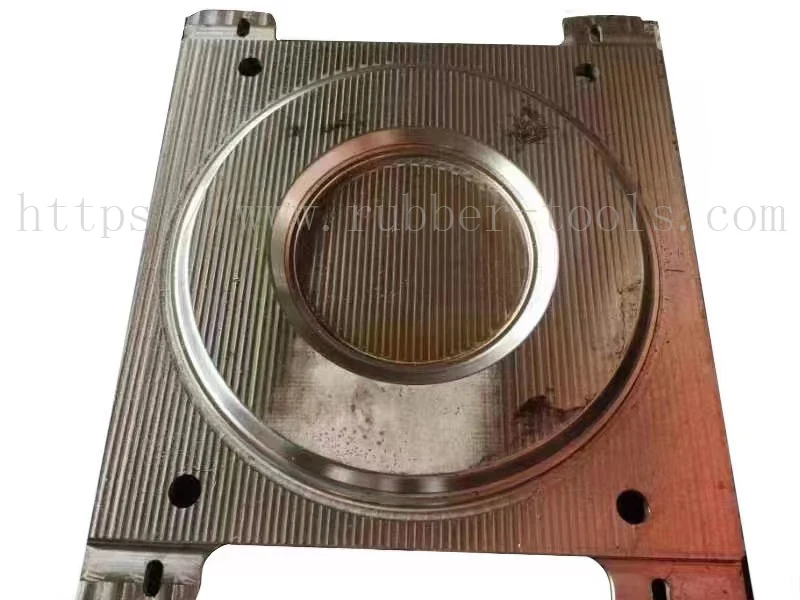
Complementing this material expertise, our five mould engineers bring deep experience in the design, validation, and lifecycle management of precision rubber moulds. They utilize advanced CAD/CAM software and CNC machining techniques to produce high-tolerance moulds that ensure dimensional accuracy and repeatable part quality. Their work supports complex tread patterns, sidewall reinforcements, and internal structural geometries essential for modern tire performance. Through finite element analysis (FEA) and iterative prototyping, we validate mould integrity under production conditions, minimizing defects and maximizing service life.

Our OEM capabilities are built on this integrated engineering foundation. We support full-cycle development—from concept and compound design to tooling, testing, and serial production—enabling seamless integration into our clients’ supply chains. Whether manufacturing industrial tires for material handling equipment, agricultural machinery, or specialized transport systems, we maintain strict adherence to international quality standards, including ISO 9001 protocols and performance benchmarks such as load index, speed rating, and rolling resistance.

This synergy between formulation science and precision tooling allows Suzhou Baoshida to deliver technically superior, application-optimized rubber solutions. By combining historical insight with modern engineering tools, we continue to advance the legacy of tire innovation while meeting the evolving needs of global industrial markets.

Key Engineering Specifications and Capabilities

Parameter Specification
Mould Engineers 5 full-time specialists
Formula Engineers 2 dedicated material scientists
Rubber Compounding Capacity Custom formulation for NR, SBR, IIR, EPDM, etc.
Mould Design Software AutoCAD, SolidWorks, UG NX
CNC Machining Tolerance ±0.02 mm
OEM Production Support Full design-to-manufacture lifecycle
Quality Standards ISO 9001 compliant, batch traceability
Testing Capabilities Tensile strength, hardness, elongation, aging

Customization Process

history of tires manufacturing

Customization Process for Industrial Tire Manufacturing

The evolution from solid rubber tires to modern pneumatic systems underscores the critical role of precision engineering in contemporary industrial applications. At Suzhou Baoshida Trading Co., Ltd., our customization process transforms client specifications into high-performance rubber components through a rigorously controlled sequence. This methodology ensures compatibility with demanding operational environments while adhering to global quality benchmarks.

Drawing Analysis initiates the workflow, where engineering teams dissect CAD schematics and technical blueprints to identify critical performance parameters. We assess dimensional tolerances, load-bearing requirements, and environmental exposure factors such as temperature extremes or chemical resistance. This phase validates feasibility against material science constraints, flagging potential design conflicts before resource allocation. Our proprietary software cross-references historical failure data to preempt structural vulnerabilities, ensuring the foundation aligns with both client expectations and ISO 9001 protocols.

Formulation follows, leveraging our 15-year compound database to engineer bespoke rubber matrices. Molecular architecture is optimized for target properties: silica-reinforced polymers for abrasion resistance in mining tires, or halogenated butyl variants for airtight integrity in specialty pneumatic systems. Vulcanization kinetics are modeled using Mooney viscometry data, with sulfur accelerator ratios calibrated to achieve optimal cross-link density. Every formulation undergoes computational simulation for dynamic mechanical behavior under simulated stress cycles.

Prototyping transitions theoretical models into physical validation. CNC-machined molds produce 3–5 sample units per iteration, subjected to ASTM D2240 durometer testing, DIN abrasion trials, and fatigue analysis on servo-hydraulic rigs. Accelerated aging chambers replicate 5 years of UV/ozone exposure in 72 hours. Client feedback loops refine geometry or compound composition, with traceable batch records documenting every adjustment. Only when samples exceed 110% of operational stress thresholds do we approve final sign-off.

Mass Production deployment integrates real-time quality control. Automated mixing lines with ±0.5% ingredient accuracy feed extruders operating under IoT-monitored temperature gradients. Each tire undergoes X-ray inspection for cord alignment defects and laser profilometry for dimensional conformity. Statistical process control charts track critical metrics hourly, with machine learning algorithms predicting deviations before they breach tolerance bands. Batch traceability extends to raw material lot numbers, ensuring full compliance with OEM recall protocols.

Performance Specification Progression Through Customization Stages

Parameter Prototyping Phase Mass Production Phase Validation Standard
Tensile Strength (MPa) 28.5 ± 1.2 29.0 ± 0.8 ASTM D412
Abrasion Index (%) 125 (vs. reference) 130 (vs. reference) DIN 53516
Compression Set (%) 18.7 after 22h @ 70°C 17.3 after 22h @ 70°C ASTM D395
Operating Temp Range -40°C to +120°C -45°C to +125°C ISO 1817

This phased approach minimizes time-to-market while guaranteeing repeatability. Suzhou Baoshida’s integration of historical material science knowledge with Industry 4.0 manufacturing controls delivers tires engineered for extreme industrial longevity. Each stage’s data rigor provides clients with auditable proof of performance, transforming conceptual requirements into field-proven solutions.


Contact Engineering Team

history of tires manufacturing

Contact Suzhou Baoshida – Your Partner in Advanced Industrial Rubber Solutions

At Suzhou Baoshida Trading Co., Ltd., we bring decades of precision engineering and deep technical expertise to the global rubber manufacturing industry. As a trusted OEM manager and rubber formula engineer, we specialize in delivering high-performance industrial rubber solutions tailored to the evolving demands of modern tire manufacturing and beyond. Our commitment to innovation, quality control, and material science excellence positions us as a strategic partner for manufacturers seeking reliable, scalable, and technically superior rubber components.

With the tire industry’s history rooted in continuous material advancement—from the earliest solid rubber bands on wooden wheels to today’s high-grip, low-rolling-resistance radial tires—material formulation has remained at the core of performance. At Baoshida, we honor this legacy by applying cutting-edge polymer chemistry, rigorous testing protocols, and process optimization to support our clients in achieving peak product efficiency and durability.

We understand that every manufacturing environment presents unique challenges, from compound selection and curing dynamics to wear resistance and environmental compliance. Our engineering team works closely with partners to develop custom rubber formulations that meet exact mechanical, thermal, and chemical requirements. Whether you are upgrading legacy tire designs or pioneering next-generation mobility solutions, our technical support ensures seamless integration and consistent output.

To facilitate global collaboration, we maintain a responsive communication channel for engineering inquiries, sample requests, and production scaling discussions. For direct access to our technical leadership, we invite you to contact Mr. Boyce, our dedicated OEM Manager and Rubber Formula Engineer. Mr. Boyce oversees client-specific development projects and serves as the primary liaison for technical specifications, material data sheets, and joint R&D initiatives.

Our core capabilities include NBR, EPDM, SBR, and silicone-based formulations, with advanced compounding for oil resistance, ozone stability, and dynamic mechanical performance. We support both small-batch prototyping and large-volume production runs, ensuring consistency across all stages of development and delivery.

Below is an overview of our standard technical parameters for industrial rubber compounds used in tire-related applications:

Property Test Method Typical Value Range
Hardness (Shore A) ASTM D2240 50–80
Tensile Strength ASTM D412 10–25 MPa
Elongation at Break ASTM D412 250–500%
Compression Set (22 hrs, 70°C) ASTM D395 ≤ 25%
Operating Temperature Range -40°C to +150°C
Abrasion Resistance (DIN) ISO 4649 ≤ 120 mm³ loss

Partnering with Suzhou Baoshida means gaining access to a technically grounded, solutions-driven team focused on advancing your manufacturing outcomes. We do not just supply materials—we co-engineer performance.

For technical consultations, formulation reviews, or sample coordination, reach out to Mr. Boyce directly at [email protected]. Let us help you translate material science into manufacturing success.


⚖️ O-Ring Weight Calculator

Estimate rubber O-ring weight (Approx).


History Of Tires Manufacturer | Engineering Guide

Contents of Table

Contact [email protected] Whatsapp 86 15951276160