Rubber Anti Slip Pad Manufacturer | Engineering Guide

Engineering Guide: Rubber Anti Slip Pad

Engineering Insight: The Critical Role of Material Selection in Rubber Anti Slip Pads

In industrial environments where safety, durability, and performance are non-negotiable, the selection of appropriate materials for rubber anti slip pads is a decisive factor in operational success. While off-the-shelf solutions may appear cost-effective initially, they frequently fail to meet the dynamic demands of real-world applications. These generic pads are typically formulated using standardized rubber compounds that do not account for specific environmental stressors such as temperature extremes, chemical exposure, mechanical loading, or surface interaction dynamics. As a result, premature wear, reduced traction, and even safety hazards become inevitable.

At Suzhou Baoshida Trading Co., Ltd., we emphasize engineered material selection as the foundation of high-performance anti slip solutions. Natural rubber, synthetic SBR (styrene-butadiene rubber), nitrile (NBR), EPDM, and thermoplastic elastomers (TPE) each offer distinct mechanical and chemical properties. For instance, natural rubber provides excellent resilience and friction on dry surfaces but degrades rapidly under UV or ozone exposure. Conversely, EPDM exhibits superior resistance to weathering and high temperatures, making it ideal for outdoor or automotive applications. Nitrile rubber, with its exceptional oil and fuel resistance, is preferred in industrial machinery settings where fluid exposure is common.

The failure of off-the-shelf pads often stems from a mismatch between material properties and application requirements. A pad designed for indoor warehouse flooring may lack the thermal stability needed in a foundry, leading to softening and loss of structural integrity. Similarly, a pad resistant to water may deteriorate when exposed to hydraulic fluids or cleaning solvents. These shortcomings underscore the necessity of application-specific formulation and rigorous testing protocols.

Customization extends beyond base polymer selection. Additives such as silica, carbon black, or flame retardants modify hardness, wear resistance, and coefficient of friction. Surface texturing and pad geometry further influence grip performance under load. Therefore, a holistic engineering approach—integrating material science, environmental analysis, and mechanical testing—is essential to ensure optimal performance.

The following table outlines key rubber materials used in anti slip pad manufacturing, highlighting their comparative properties for industrial selection:

Material Hardness (Shore A) Temp Range (°C) Coefficient of Friction (dry) Chemical Resistance Typical Applications
Natural Rubber 50–80 -20 to +80 1.1–1.3 Low (ozone, oils) Indoor flooring, light machinery
SBR 60–85 -30 to +100 0.9–1.1 Moderate Warehousing, transport
NBR 60–90 -40 to +120 0.8–1.0 High (oils, fuels) Automotive, hydraulic systems
EPDM 50–80 -50 to +150 0.8–1.0 High (water, UV, ozone) Outdoor equipment, construction
TPE 70–95 -40 to +130 1.0–1.2 Moderate to high Consumer-industrial interface, modular systems

Material selection is not a one-size-fits-all proposition. It demands precision, technical insight, and a deep understanding of operational conditions. At Baoshida, we engineer every anti slip pad to exceed the demands of its intended use—ensuring safety, longevity, and reliability in the most challenging industrial environments.


Material Specifications

rubber anti slip pad manufacturing

Material Specifications for Industrial Anti-Slip Pads

Selecting the optimal elastomer for anti-slip pad applications requires rigorous evaluation of operational demands, including temperature extremes, chemical exposure, mechanical stress, and longevity requirements. At Suzhou Baoshida Trading Co., Ltd., we engineer solutions using three primary high-performance materials: Viton (FKM), Nitrile (NBR), and Silicone (VMQ). Each compound delivers distinct advantages tailored to specific industrial environments, ensuring maximum grip retention, durability, and safety compliance. Material choice directly impacts coefficient of friction stability, compression set resistance, and service life under dynamic loads.

Viton fluorocarbon rubber excels in extreme chemical and thermal conditions, making it indispensable for aerospace, chemical processing, and semiconductor manufacturing. Its molecular structure provides exceptional resistance to oils, fuels, acids, and solvents, maintaining integrity from -20°C to 250°C. Viton pads retain consistent slip resistance in aggressive media where hydrocarbon-based elastomers would degrade rapidly. However, its higher cost necessitates application-specific justification, typically reserved for critical operations where failure is not an option.

Nitrile butadiene rubber offers the optimal balance of oil resistance, mechanical strength, and cost efficiency for general industrial use. Widely deployed in automotive assembly lines, machinery bases, and logistics equipment, NBR withstands hydraulic fluids, greases, and aliphatic hydrocarbons within -30°C to 120°C ranges. Its formulation flexibility allows precise tuning of hardness (50–90 Shore A) to achieve target friction coefficients while resisting abrasion and tearing. Nitrile remains the most cost-effective solution for high-volume OEM applications requiring robust performance in oil-rich environments.

Silicone rubber provides unparalleled flexibility across severe temperature fluctuations, from -60°C to 230°C, without hardening or embrittlement. This makes it ideal for food processing, pharmaceutical, and outdoor applications where thermal cycling occurs. Silicone pads maintain non-slip properties in steam-cleaning environments and exhibit excellent resistance to ozone, UV radiation, and water. While less resistant to concentrated acids or solvents than Viton, its FDA-compliant grades meet stringent hygiene standards. Silicone’s lower tensile strength necessitates careful design for high-shear applications.

The following table details critical performance specifications per ASTM/ISO standards:

Property Viton (FKM) Nitrile (NBR) Silicone (VMQ)
Temperature Range -20°C to 250°C -30°C to 120°C -60°C to 230°C
Chemical Resistance Excellent (acids, fuels, solvents) Excellent (oils, greases) Good (water, steam); Fair (concentrated acids)
Hardness Range (Shore A) 60–90 50–90 30–80
Tensile Strength (MPa) 10–20 (ASTM D412) 15–30 (ASTM D412) 5–12 (ASTM D412)
Elongation at Break (%) 150–300 200–500 200–800
Compression Set (22h/150°C) ≤20% (ASTM D395) ≤30% (ASTM D395) ≤25% (ASTM D395)
Primary Applications Chemical plants, jet engines Automotive, hydraulic systems Food processing, outdoor equipment

Suzhou Baoshida Trading Co., Ltd. leverages decades of OEM partnership experience to match material science with real-world operational demands. Our anti-slip pads undergo stringent validation per ISO 2230 for slip resistance and ASTM F1677 for dynamic coefficient of friction testing. Consult our engineering team to specify the precise compound formulation for your application’s mechanical, thermal, and regulatory requirements. Precision material selection ensures decades of reliable performance in the world’s most demanding industrial settings.


Manufacturing Capabilities

rubber anti slip pad manufacturing

Engineering Capability

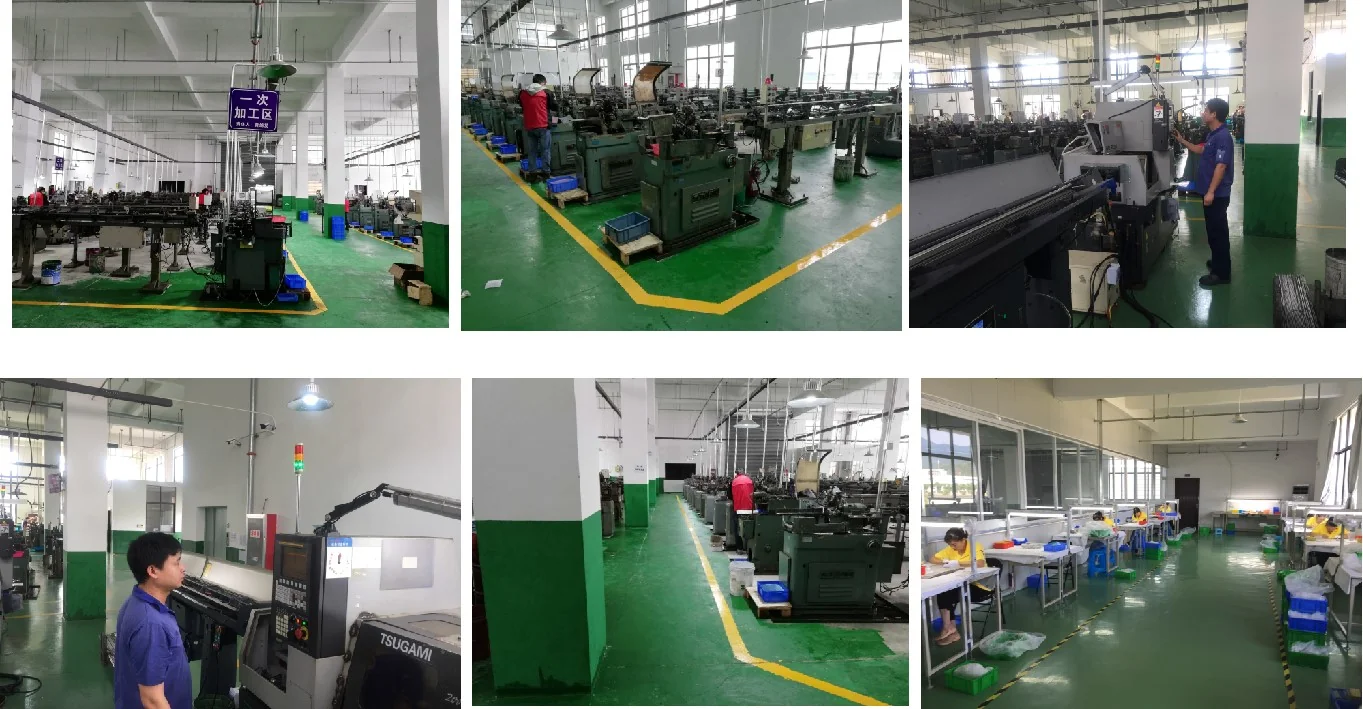
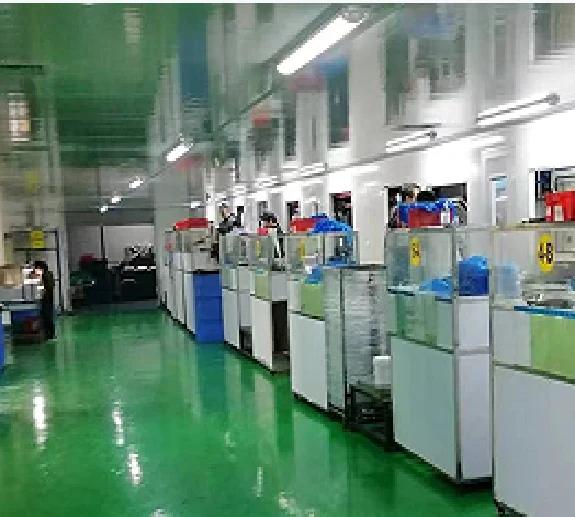
At Suzhou Baoshida Trading Co., Ltd., our engineering capability forms the backbone of our industrial rubber solutions, enabling us to deliver high-performance rubber anti-slip pads tailored to exacting OEM specifications. Our in-house technical team comprises five dedicated mould engineers and two specialized rubber formula engineers, creating a synergistic development environment where material science and precision tooling converge. This integrated approach ensures that every anti-slip pad we produce is optimized for functional performance, durability, and manufacturability.

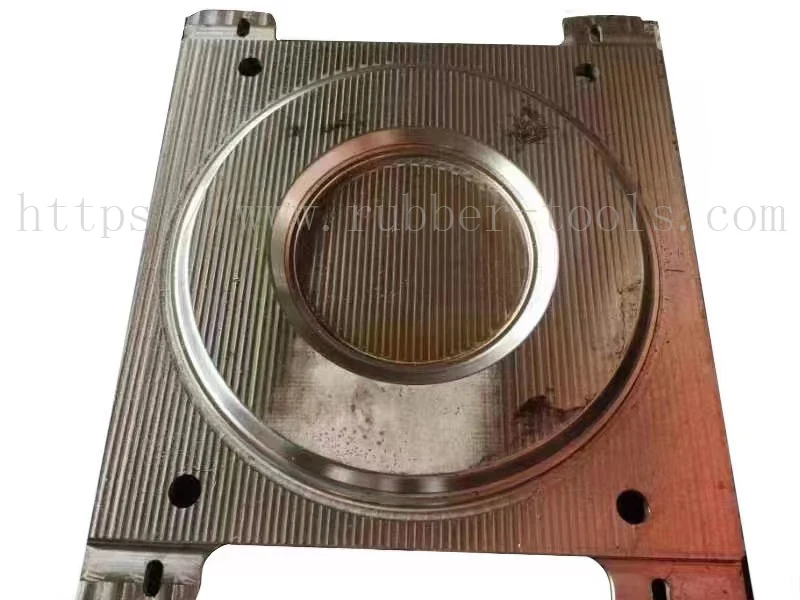
Our mould engineers bring extensive experience in designing and refining injection, compression, and transfer moulds specific to anti-slip applications. They utilize advanced CAD/CAM software to simulate flow dynamics, optimize gate design, and minimize cycle times, ensuring dimensional accuracy and consistent part quality. With expertise in both steel and aluminum tooling, our team supports rapid prototyping and scalable production, accommodating low-volume custom runs as well as high-volume OEM programs. Each mould is rigorously tested and validated to meet tight tolerances, typically within ±0.1 mm, and designed for extended service life under continuous industrial use.

Complementing our tooling expertise, our two rubber formula engineers specialize in elastomer compounding for functional performance. They develop custom formulations using natural rubber (NR), styrene-butadiene rubber (SBR), nitrile rubber (NBR), and thermoplastic elastomers (TPE), adjusting hardness, coefficient of friction, temperature resistance, and abrasion performance to meet application-specific demands. For anti-slip pads used in wet, oily, or high-temperature environments, our formulations are engineered to maintain grip integrity across diverse substrates and operational conditions. All compounds are tested in-house for tensile strength, elongation, compression set, and slip resistance using standardized ASTM and ISO methods.

Our OEM capabilities are built on a foundation of technical collaboration. We work directly with clients to translate functional requirements into optimized product designs and material systems. From initial concept and 3D modelling to prototype validation and production ramp-up, we maintain full control over the engineering process, ensuring IP protection, traceability, and compliance with international standards. Our facility supports full documentation packages, including material certifications, process FMEAs, and PPAP submissions, making integration into global supply chains seamless.

The following table outlines key technical specifications achievable through our engineering platform:

Parameter Typical Range/Value
Material Types NR, SBR, NBR, TPE, EPDM
Hardness (Shore A) 40–90
Coefficient of Friction (wet) ≥ 0.6 (ASTM D2047)
Operating Temperature Range -40°C to +120°C (material-dependent)
Tolerance (dimensional) ±0.1 mm (critical dimensions)
Mould Life 100,000+ cycles (steel moulds)
Production Lead Time (mould) 15–25 days (depending on complexity)
Sample Development Time 7–10 days

With deep technical expertise in both rubber formulation and precision moulding, Suzhou Baoshida Trading Co., Ltd. delivers engineered anti-slip solutions that meet the performance and reliability standards required by industrial OEMs worldwide.


Customization Process

rubber anti slip pad manufacturing

Customization Process for Industrial Rubber Anti-Slip Pads

Our rigorous customization process ensures Suzhou Baoshida Trading Co., Ltd. delivers anti-slip pads meeting exact OEM specifications and performance demands. This systematic approach guarantees material integrity, functional reliability, and seamless scalability from concept to volume production.

The process initiates with comprehensive Drawing Analysis. Our engineering team meticulously reviews client-provided technical drawings, CAD files, and performance requirements. We assess critical dimensions, tolerance allowances (typically ±0.1mm to ±0.5mm per ISO 2768-mK), surface texture specifications, and environmental exposure conditions. This phase identifies potential manufacturability challenges early, ensuring design feasibility aligns with rubber processing capabilities like compression molding or extrusion. Material compatibility with intended substrates (metal, plastic, composite) is also evaluated during this stage.

Next, Formulation Development commences based on the analyzed requirements. Our rubber chemists select base polymers—commonly SBR, NBR, or EPDM—tailored to the required oil resistance, temperature range, and durability. Critical additives are precisely dosed: silica or carbon black for reinforcement, specific curatives for optimal crosslink density, and anti-slip modifiers like textured fillers or surface tackifiers. Each formulation undergoes computational simulation to predict key properties before physical testing, optimizing for target Shore A hardness, tensile strength, and coefficient of friction. Material traceability is maintained from raw compound to final part.

Prototyping follows formulation finalization. Small-batch samples are produced using production-intent tooling under controlled process parameters. These prototypes undergo stringent validation testing per ASTM D2240 (hardness), ASTM D412 (tensile properties), and customized friction assessments on relevant surfaces. Performance data is compared against client benchmarks; iterative adjustments to formulation or process settings occur until all criteria are met. Client approval of functional prototypes is mandatory before progression.

Upon prototype sign-off, Mass Production begins under our ISO 9001-certified quality management system. Production runs utilize automated mixing, precision molding presses with real-time temperature and pressure monitoring, and 100% visual inspection. In-process quality checks include daily hardness and dimensional verification. Finished batches undergo final audit testing for critical properties, ensuring consistency. Traceability codes link each batch to its specific formulation record and production parameters, enabling full accountability throughout the supply chain.

The following table outlines key customizable specifications achievable through this process:

Specification Parameter Standard Range Customization Flexibility Critical Performance Impact
Shore A Hardness 40° – 90° ±5° tolerance achievable Directly affects grip strength & resilience
Operating Temperature Range -40°C to +120°C (EPDM base) Up to +150°C possible Determines suitability for extreme environments
Coefficient of Friction (CoF) 0.8 – 1.5 (dry concrete) Surface texture adjustable Primary indicator of slip resistance efficacy
Compression Set (ASTM D395) ≤ 25% (70°C, 22h) Optimized for longevity Measures permanent deformation under load
Thickness Tolerance ±0.15mm (standard) Down to ±0.05mm Critical for fit and consistent performance

This disciplined workflow, combining material science expertise with precision manufacturing controls, ensures Suzhou Baoshida consistently transforms client specifications into high-performance, reliable anti-slip solutions for demanding industrial applications.


Contact Engineering Team

rubber anti slip pad manufacturing

Contact Suzhou Baoshida for High-Performance Rubber Anti-Slip Pads

Suzhou Baoshida Trading Co., Ltd. stands at the forefront of industrial rubber solutions, delivering precision-engineered rubber anti-slip pads tailored for demanding manufacturing, logistics, and automation environments. Our commitment to material science excellence ensures that every product meets rigorous performance standards for durability, grip, and chemical resistance. As a trusted OEM partner, we specialize in custom formulations and scalable production to meet the exact mechanical and environmental requirements of your application.

Our rubber anti-slip pads are engineered using advanced elastomer compounds, including nitrile (NBR), ethylene propylene diene monomer (EPDM), and natural rubber blends, each selected for optimal coefficient of friction, compression set resistance, and long-term stability. Whether deployed in conveyor systems, machinery footings, or load stabilization components, our pads deliver consistent performance under variable temperature, humidity, and load conditions.

To ensure seamless integration into your production workflow, we offer full technical collaboration—from material selection and hardness tuning (Shore A 40–80) to dimensional tolerancing and surface texture optimization. Our in-house R&D team works closely with clients to validate performance through accelerated aging tests, dynamic slip resistance analysis, and adhesion profiling. This scientific approach minimizes field failure risks and enhances product lifecycle efficiency.

For procurement and technical inquiries, Mr. Boyce serves as the primary point of contact at Suzhou Baoshida Trading Co., Ltd. With extensive experience in industrial elastomer applications and global supply chain coordination, Mr. Boyce ensures responsive communication, accurate specification review, and timely project execution. Whether you require prototype samples, volume quotations, or compliance documentation (including RoHS, REACH, and FDA), our team delivers end-to-end support with precision and professionalism.

We invite engineering managers, procurement officers, and product designers to initiate a technical dialogue to explore how our rubber anti-slip pads can enhance safety, reduce maintenance downtime, and improve operational reliability in your systems. Partnering with Suzhou Baoshida means accessing a vertically integrated supply model backed by rigorous QC protocols and ISO-compliant manufacturing practices.

Reach out today to schedule a material performance review or request a sample batch for in-house testing. Our solutions are built on collaboration, precision, and measurable industrial outcomes.

Technical Specifications Overview

Property Value Range Test Standard
Material Options NBR, EPDM, Natural Rubber, SBR ASTM D2000
Hardness (Shore A) 40–80 ±5 ASTM D2240
Tensile Strength 8–18 MPa ASTM D412
Elongation at Break 200–500% ASTM D412
Compression Set (22h, 70°C) ≤25% ASTM D395B
Operating Temperature -30°C to +100°C (varies by compound)
Coefficient of Friction (dry) 0.9–1.3 (vs. steel) ASTM D1894
Color Options Black, Gray, Red, Blue, Custom
Custom Shapes & Sizes Yes, up to 1000 mm² surface area CNC Die-Cut, Water Jet

Contact Mr. Boyce directly at [email protected] to discuss your technical requirements, request material data sheets, or initiate a sample evaluation program.


⚖️ O-Ring Weight Calculator

Estimate rubber O-ring weight (Approx).


Rubber Anti Slip Pad Manufacturer | Engineering Guide

Contents of Table

Contact [email protected] Whatsapp 86 15951276160