Rubber Plast Manufacturer | Engineering Guide

Engineering Guide: Rubber Plast

rubber plast manufacturing

Engineering Insight: Material Selection in Rubber Plast Compounds

Industrial rubber plast compounds—thermoplastic vulcanizates (TPVs) and elastomeric blends—demand precision engineering far beyond generic specifications. Off-the-shelf solutions frequently fail in demanding applications due to unaddressed operational variables. Consider hydraulic seals in construction equipment: a standard EPDM compound may resist water but catastrophically degrade when exposed to biodiesel blends at 120°C, causing seal extrusion and system failure within weeks. Such failures stem from overlooking dynamic stress factors like cyclic compression, fluid compatibility, and thermal aging—parameters rarely validated in mass-market formulations.

Material selection must account for the interplay between polymer chemistry and application physics. Shore hardness alone is a misleading indicator; a 70A durometer TPV may exhibit adequate static sealing but insufficient resilience under repeated impact loading, leading to permanent set in conveyor belt idlers. Similarly, filler systems optimized for cost reduction often compromise fatigue resistance. Carbon black dispersion irregularities in commodity compounds create micro-crack initiation sites under torsional stress, accelerating failure in automotive suspension bushings. These shortcomings arise because off-the-shelf materials prioritize broad market appeal over application-specific performance envelopes.

Suzhou Baoshida’s engineering protocol mandates compound validation against the actual service environment. We simulate real-world conditions using ASTM D2000 line callouts augmented by application-specific tests: dynamic fatigue per ISO 132, fluid immersion at operational temperatures, and compression set under sustained load. This approach identifies critical thresholds where generic materials falter. For instance, standard TPEs often exceed acceptable compression set (>30%) above 100°C, while custom formulations maintain <15% set through tailored crosslink density and thermal stabilizers.

The table below illustrates performance gaps between generic and engineered rubber plast compounds under industrial conditions:

Parameter Generic Compound Custom Solution Critical Threshold Test Standard
Compression Set (22h/125°C) 35% 12% <20% ASTM D395
Biodiesel Resistance (B20) Severe Swelling 8% Volume Gain <15% Gain ISO 1817
Dynamic Fatigue (50k cycles) Cracking Intact Zero Cracks ISO 132
Operating Temp Range -30°C to 110°C -50°C to 150°C Application-Specific ASTM D1329

Selecting rubber plast materials requires collaborative engineering—not catalog browsing. Generic compounds ignore the synergistic degradation mechanisms inherent in complex systems, where fluid exposure accelerates thermal aging or dynamic stress amplifies chemical attack. At Suzhou Baoshida, we co-engineer formulations by mapping material properties to failure modes, ensuring compounds withstand the cumulative stress profile of your application. The cost of premature failure—downtime, recalls, reputational damage—far exceeds the investment in precision material science. Partner with an OEM manager who treats compound development as a systems engineering challenge, not a commodity transaction.


Material Specifications

rubber plast manufacturing

Suzhou Baoshida Trading Co., Ltd. provides high-performance industrial rubber solutions engineered for reliability, durability, and precision in demanding environments. Our expertise in rubber plast materials ensures optimal performance across automotive, aerospace, oil & gas, and chemical processing industries. This section outlines the technical specifications of three core elastomers: Viton, Nitrile (NBR), and Silicone (VMQ), enabling informed material selection based on operational requirements.

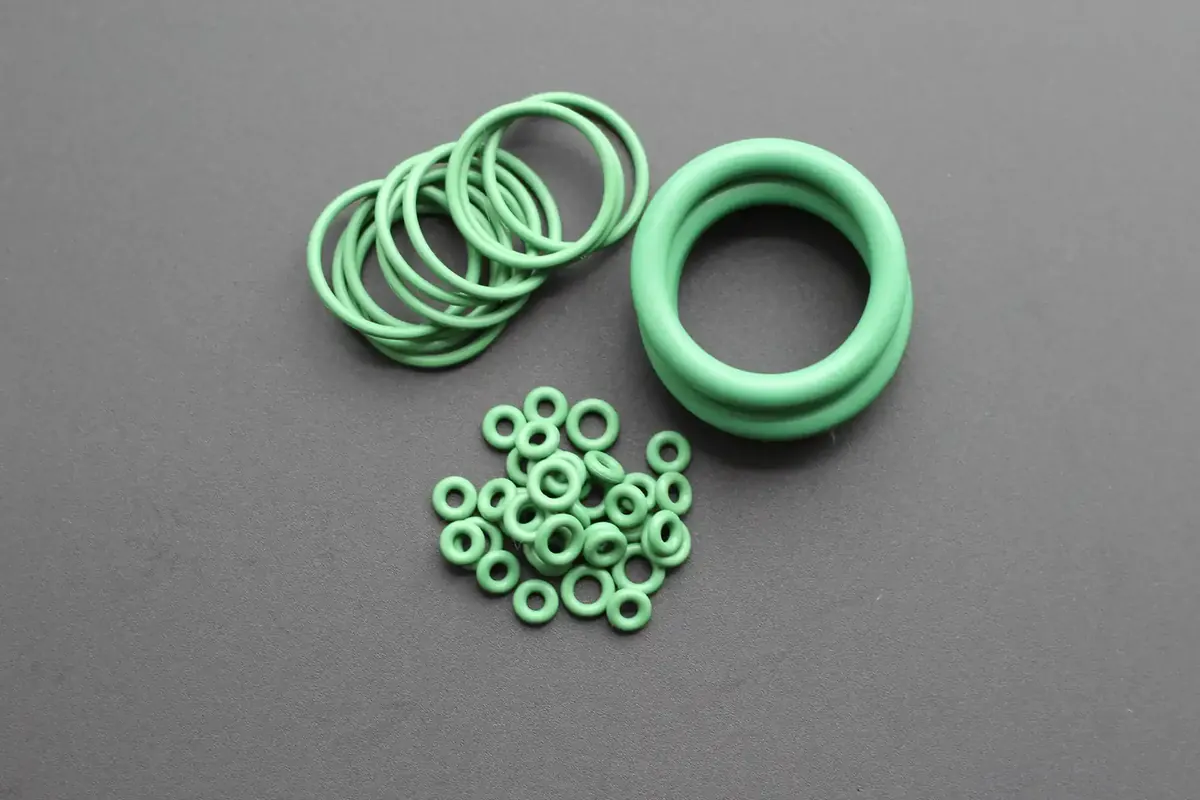
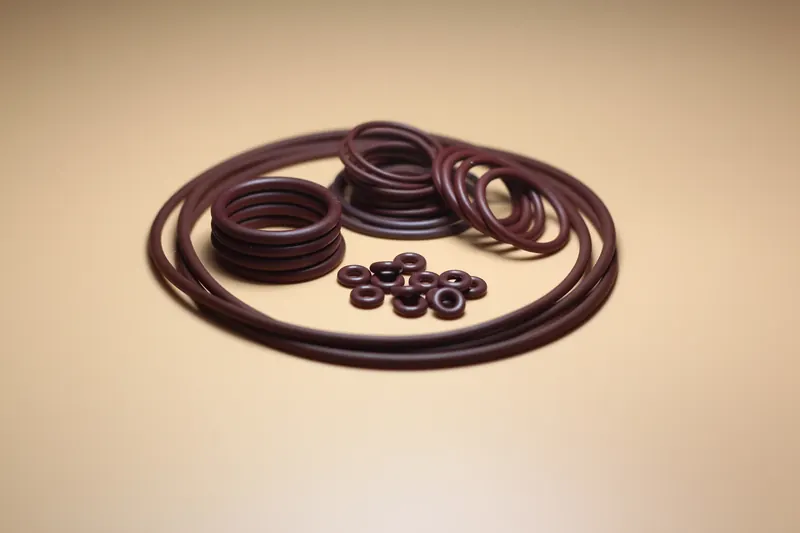
Viton, a fluorocarbon rubber (FKM), is renowned for its exceptional resistance to high temperatures, aggressive chemicals, and hydrocarbon fuels. With continuous service capabilities up to 230°C (446°F) and intermittent exposure tolerance beyond 260°C (500°F), Viton is ideal for sealing applications in extreme thermal and chemical environments. Its low gas permeability and excellent aging characteristics make it a preferred choice for aerospace fuel systems, refinery equipment, and semiconductor manufacturing. However, Viton exhibits lower flexibility at sub-zero temperatures and higher material costs compared to alternatives.

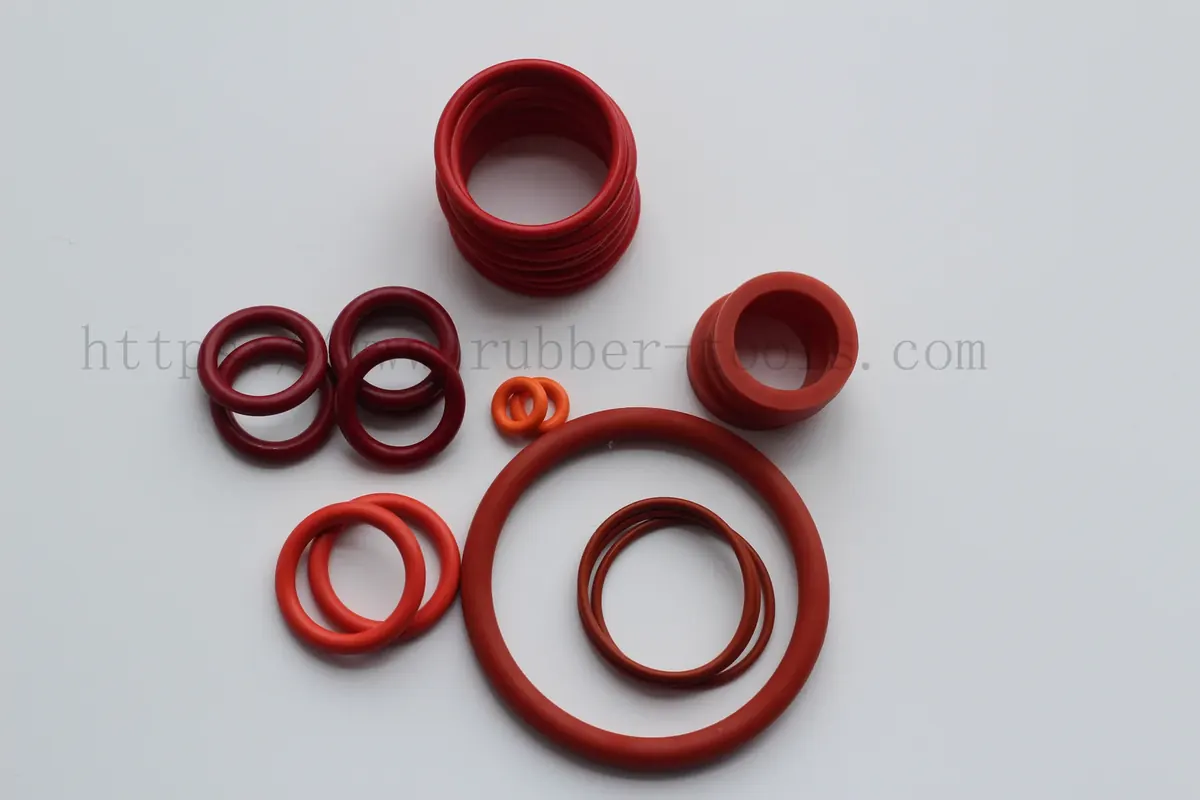
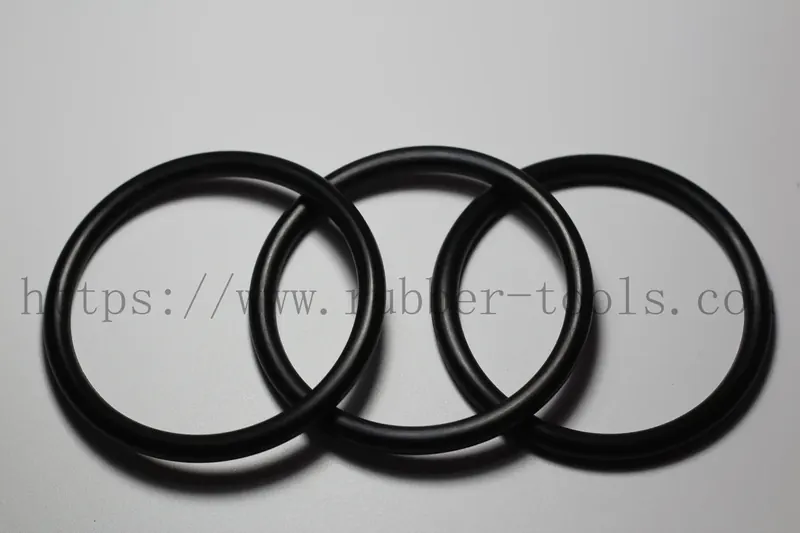
Nitrile rubber, also known as Buna-N or NBR, offers outstanding resistance to oils, fuels, and aliphatic hydrocarbons, making it a staple in hydraulic and fuel system sealing. It performs reliably in temperature ranges from -30°C to +100°C (-22°F to 212°F), with special formulations extending low-temperature performance down to -50°C. Nitrile provides good abrasion resistance and mechanical strength, suitable for dynamic applications such as O-rings, gaskets, and hoses. While cost-effective and widely available, Nitrile is less resistant to ozone, UV exposure, and polar solvents, limiting its use in outdoor or highly oxidative environments.

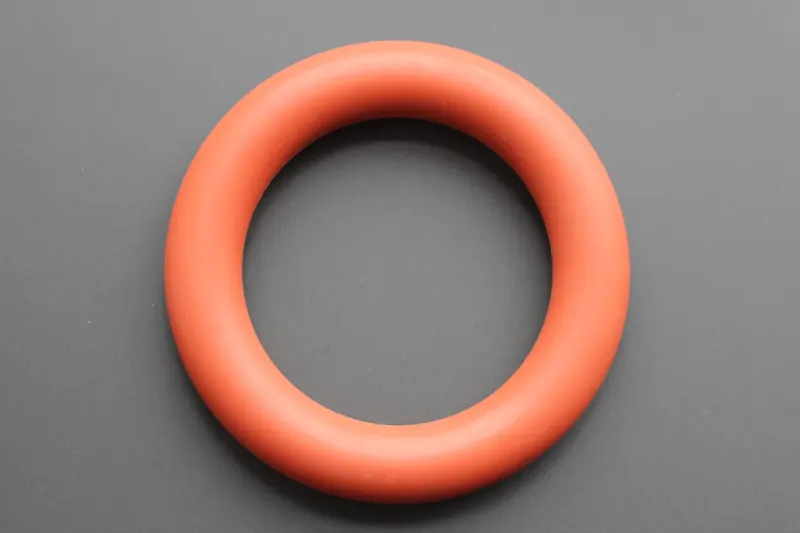
Silicone rubber (VMQ) excels in extreme temperature applications, maintaining flexibility from -60°C to +200°C (-76°F to 392°F), with short-term peaks up to 300°C. It demonstrates excellent resistance to ozone, UV radiation, and weathering, making it ideal for outdoor seals, medical devices, and electronic insulation. Silicone is inherently low in toxicity and complies with FDA and USP Class VI standards, supporting use in food processing and pharmaceutical applications. However, it has relatively poor resistance to petroleum-based fluids and lower tensile strength compared to Nitrile or Viton, requiring careful evaluation in high-stress or oil-exposed environments.

The following table summarizes key physical and chemical properties of these materials to support technical evaluation and OEM integration.

Property Viton (FKM) Nitrile (NBR) Silicone (VMQ)
Temperature Range (°C) -20 to 230 -30 to 100 (-50 with special grades) -60 to 200
Tensile Strength (MPa) 10–20 15–30 5–10
Hardness Range (Shore A) 50–90 40–90 30–80
Fuel Resistance Excellent Good to Excellent Poor
Oil Resistance Excellent Excellent Poor
Ozone/Weathering Resistance Excellent Fair Excellent
Compression Set Resistance Excellent Good Good
FDA Compliance Yes (specific grades) Limited Yes (standard)
Common Applications Aerospace seals, chemical valves, refinery gaskets Fuel hoses, hydraulic seals, O-rings Medical tubing, electrical insulation, food-grade seals

Material selection must balance chemical exposure, temperature profile, mechanical stress, and regulatory compliance. Suzhou Baoshida Trading Co., Ltd. supports OEMs with technical data sheets, custom compounding, and application-specific validation testing to ensure long-term performance and supply chain integrity.


Manufacturing Capabilities

rubber plast manufacturing

Engineering Capability: Precision Rubber Plast Manufacturing

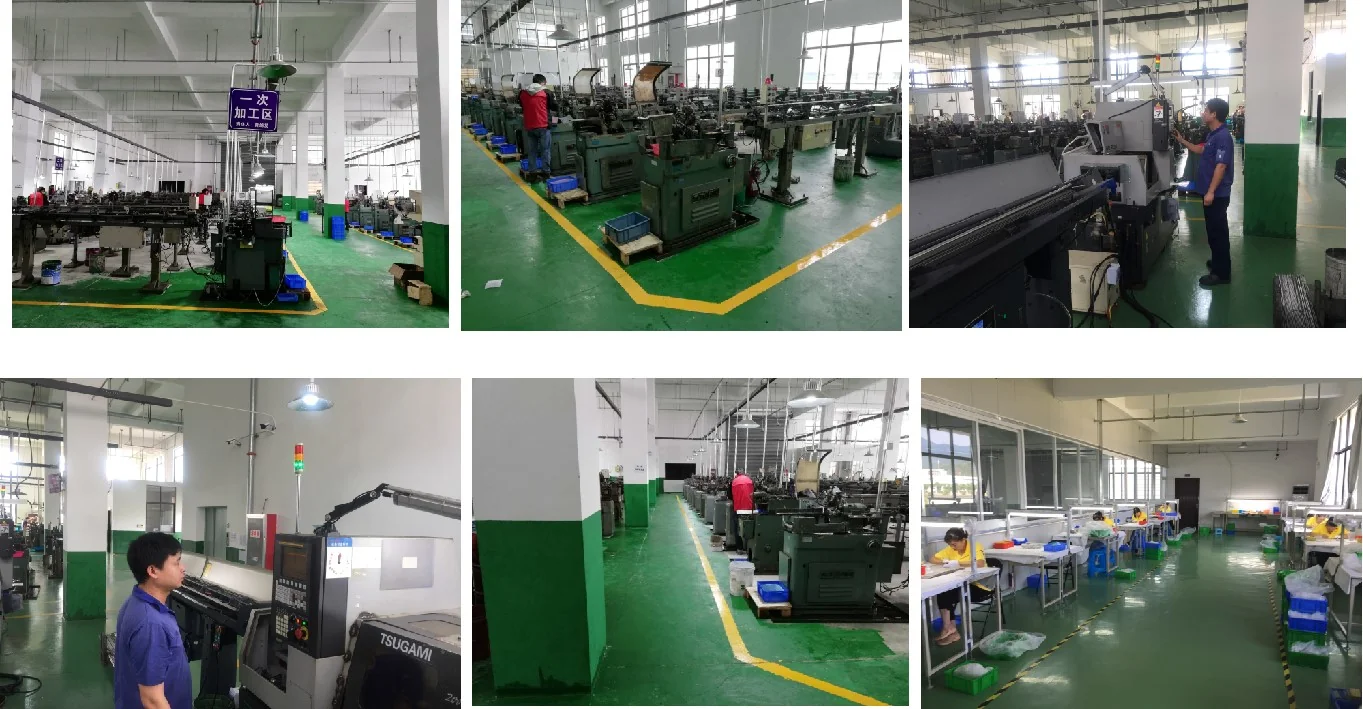
Suzhou Baoshida Trading Co., Ltd. delivers engineered rubber plast solutions through integrated material science and tooling expertise. Our technical foundation rests on a dedicated team of five certified Mould Engineers and two advanced Formula Engineers, ensuring seamless alignment between compound design and production execution. This dual-engineering approach eliminates siloed development, directly translating OEM performance requirements into optimized material formulations and precision tooling geometries.

Material Formulation Expertise
Our Formula Engineers specialize in custom synthetic rubber compounds for demanding industrial applications. Utilizing advanced rheometry, DSC, and FTIR analysis, we develop formulations targeting specific chemical resistance, thermal stability, and mechanical properties. Compounds are engineered to meet stringent OEM specifications, including low-compression set for sealing integrity, controlled durometer variance (±3 Shore A), and accelerated aging resistance per ASTM D573. Each formulation undergoes rigorous prototyping validation against real-world operational stressors, ensuring performance predictability before full-scale production.

Mould Engineering & Process Control
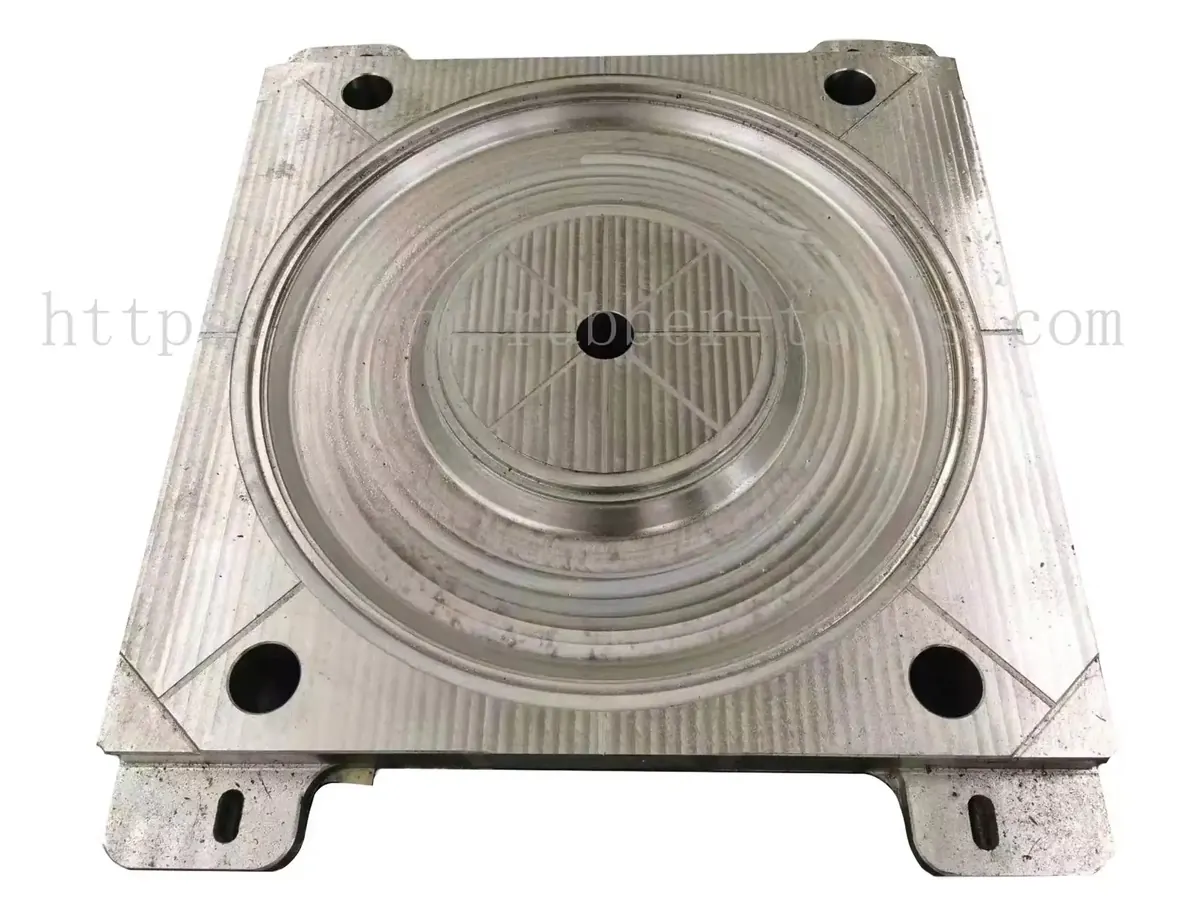
The Mould Engineering team implements scientific molding principles to transform formulations into high-tolerance components. Utilizing Moldflow simulation, we optimize gate design, cooling channels, and cavity pressure distribution to minimize flash, sink marks, and internal stresses. All tooling adheres to ISO 2768-mK tolerances, with critical dimensions held to ±0.05 mm. Process parameters—including cure time, temperature profiles, and clamp force—are locked via MES-integrated systems, guaranteeing batch-to-batch repeatability essential for automotive and industrial fluid handling applications.

OEM Integration Framework
We operate as a true engineering extension for OEM partners, managing full product lifecycle development from concept to量产. Our OEM workflow includes:
Joint requirement definition with cross-functional OEM teams
PPAP documentation per AIAG standards
Real-time SPC data sharing via secure cloud portals
Dedicated change control protocols with 48-hour engineering response windows

Material Performance Specifications

Property Test Standard Typical Range (NBR/EPDM) OEM Customization Capability
Hardness (Shore A) ASTM D2240 40–90 ±2 Shore A tolerance
Tensile Strength (MPa) ASTM D412 10–25 Up to 30 MPa achievable
Elongation at Break (%) ASTM D412 200–500 Tailored for flex fatigue
Compression Set (70°C/22h) ASTM D395 ≤25% ≤15% for critical seals
Fluid Resistance (IRM 903) ASTM D471 Volume swell ≤15% Customized for fuel/oil types

Quality Assurance Integration
Engineering validation is embedded within our ISO 9001-certified QMS. First-article inspections utilize CMM and vision systems, while ongoing production employs automated in-line hardness and dimensional checks. Traceability is maintained via laser-etched part IDs linked to compound batch records and molding parameters, enabling full forensic analysis if required. This closed-loop system ensures 99.8% PPM compliance for Tier-1 automotive clients.

Suzhou Baoshida’s engineering synergy—where formula chemistry and mould dynamics are co-developed—eliminates traditional supply chain handoff risks. We deliver not just rubber components, but validated performance solutions engineered for operational longevity in extreme industrial environments.


Customization Process

rubber plast manufacturing

Customization Process for Industrial Rubber Components at Suzhou Baoshida Trading Co., Ltd.

At Suzhou Baoshida Trading Co., Ltd., the customization of rubber plast components follows a structured, precision-driven workflow designed to meet exact OEM specifications and performance requirements. Our process ensures material integrity, dimensional accuracy, and long-term reliability in demanding industrial environments. The four-stage sequence—Drawing Analysis, Formulation Development, Prototyping, and Mass Production—enables consistent delivery of high-performance rubber solutions tailored to client applications.

The process begins with Drawing Analysis, where engineering teams conduct a comprehensive review of technical blueprints, GD&T (Geometric Dimensioning and Tolerancing) callouts, and performance conditions. This stage includes evaluation of environmental exposure (e.g., temperature, chemical resistance), mechanical stress, and sealing requirements. Our engineers collaborate directly with OEM design teams to resolve ambiguities, suggest manufacturability improvements, and confirm compliance with ISO or ASTM standards.

Following drawing validation, Formulation Development is initiated. Our rubber chemists select base polymers—such as NBR, EPDM, silicone, FKM, or specialty blends—based on the operational environment. Additives including reinforcing fillers, plasticizers, antioxidants, and vulcanizing agents are precisely calibrated to achieve target hardness (Shore A), tensile strength, elongation, and compression set. Each compound is documented under a unique formulation code and subjected to preliminary lab testing for process compatibility and physical property targets.

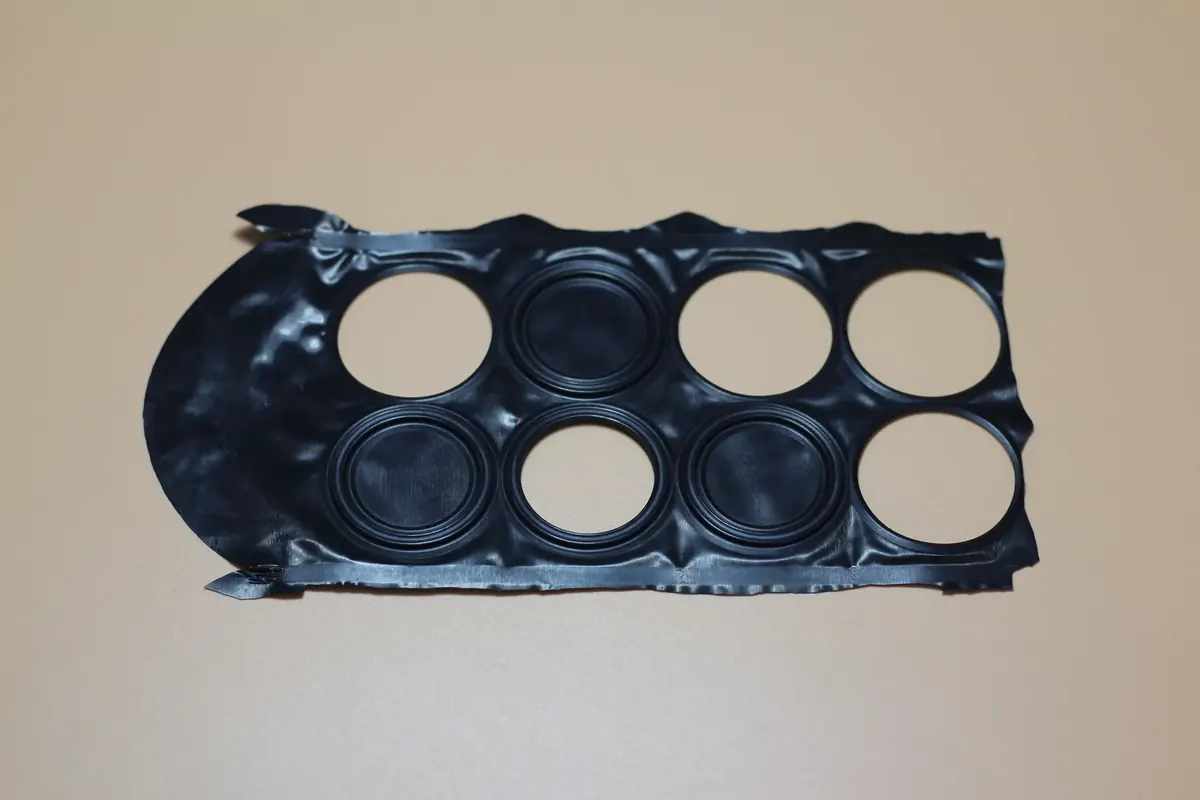
Once the compound is finalized, Prototyping commences using production-intent tooling. Components are manufactured via injection molding, compression molding, or transfer molding, depending on geometry and volume requirements. Prototypes undergo rigorous validation, including dimensional inspection, physical property testing, and functional trials under simulated service conditions. Feedback from this phase informs any necessary adjustments to the mold design or material composition before progression.

Upon client approval, the project transitions into Mass Production. Our facility employs automated mixing, precision molding systems, and 100% in-process quality checks to maintain consistency. Each batch is traceable with full material certification, and final products are packaged per customer logistics specifications. Production data is continuously monitored to ensure adherence to Six Sigma quality benchmarks.

The table below outlines typical specifications achievable through our customization pipeline:

Property Test Standard Typical Range
Hardness (Shore A) ASTM D2240 40–90
Tensile Strength ASTM D412 8–25 MPa
Elongation at Break ASTM D412 150–600%
Compression Set (22h, 70°C) ASTM D395 ≤25%
Temperature Range -40°C to +250°C (FKM)
Volume Resistivity ASTM D257 >1×10¹² Ω·cm (for insulative grades)

This systematic approach ensures that every custom rubber plast component meets the highest standards of performance, durability, and industrial compatibility.


Contact Engineering Team

rubber plast manufacturing

Precision Rubber Formulation Engineering: Partner with Suzhou Baoshida

Suzhou Baoshida Trading Co., Ltd. operates at the critical intersection of advanced polymer science and industrial manufacturing efficiency. Our specialization in engineered rubber-plastic compounds (thermoplastic elastomers, vulcanized blends, and custom polymer alloys) addresses the unmet demands of sectors requiring exacting material performance under extreme operational stress. Generic solutions fail where precision tolerances, chemical resistance, and lifecycle durability are non-negotiable. Our laboratory-driven approach transforms theoretical polymer chemistry into validated production protocols, ensuring every compound meets ISO 188, ASTM D2000, and OEM-specific validation criteria before batch release. This eliminates costly field failures and production line interruptions inherent in substandard material sourcing.

Material performance is quantifiable, not speculative. The table below outlines core technical parameters achievable through our formulation expertise, reflecting baseline capabilities for common industrial applications. Each project undergoes rigorous iterative testing to exceed these benchmarks based on client environmental and mechanical requirements.

Parameter Standard Range Advanced Capability Testing Standard
Hardness (Shore A) 30–95 20–100 (custom profiles) ISO 7619-1
Temperature Resistance -50°C to +150°C -70°C to +250°C ISO 188
Tensile Strength (MPa) 8–25 30–45 (reinforced grades) ISO 37
Elongation at Break (%) 200–600 700–1200 ISO 37
Compression Set (70h/70°C) ≤25% ≤12% (critical seals) ISO 815
Fluid Resistance (ASTM 3) Excellent (min. 20% swell) Exceptional (<10% swell) ISO 1817

These specifications represent starting points for collaborative engineering. True value emerges when Suzhou Baoshida’s OEM management team integrates your operational data—dynamic load profiles, fluid exposure matrices, fatigue cycles—into granular formula architecture. We do not sell stock compounds; we co-develop mission-critical material systems validated through accelerated life testing and finite element analysis correlation. Our Suzhou facility maintains ISO 9001-certified production lines with traceability from raw material lot to finished part, ensuring batch-to-batch consistency demanded by automotive Tier 1s, medical device manufacturers, and heavy industrial equipment producers.

Initiate technical validation with Mr. Boyce, our Lead Rubber Formula Engineer and OEM Account Manager. With 18 years of compound development for European and North American industrial clients, Mr. Boyce specializes in translating complex failure mode analyses into robust material solutions. Contact him directly at [email protected] with your application’s specific stressors: operating environment details, regulatory constraints (e.g., FDA 21 CFR, REACH), and performance failure history. Include requested annual volume and dimensional tolerances for a targeted technical proposal within 72 business hours. Provide material test reports or failure analysis data to accelerate compound optimization.

Do not compromise on material integrity when system reliability is paramount. Suzhou Baoshida delivers engineered certainty—not generic rubber. Email Mr. Boyce with subject line “Technical Query: [Your Application]” to commence precision formulation engineering. All inquiries receive a formal technical assessment, not a sales script. Your operational challenges demand scientific resolution; we provide the polymer science to achieve it.


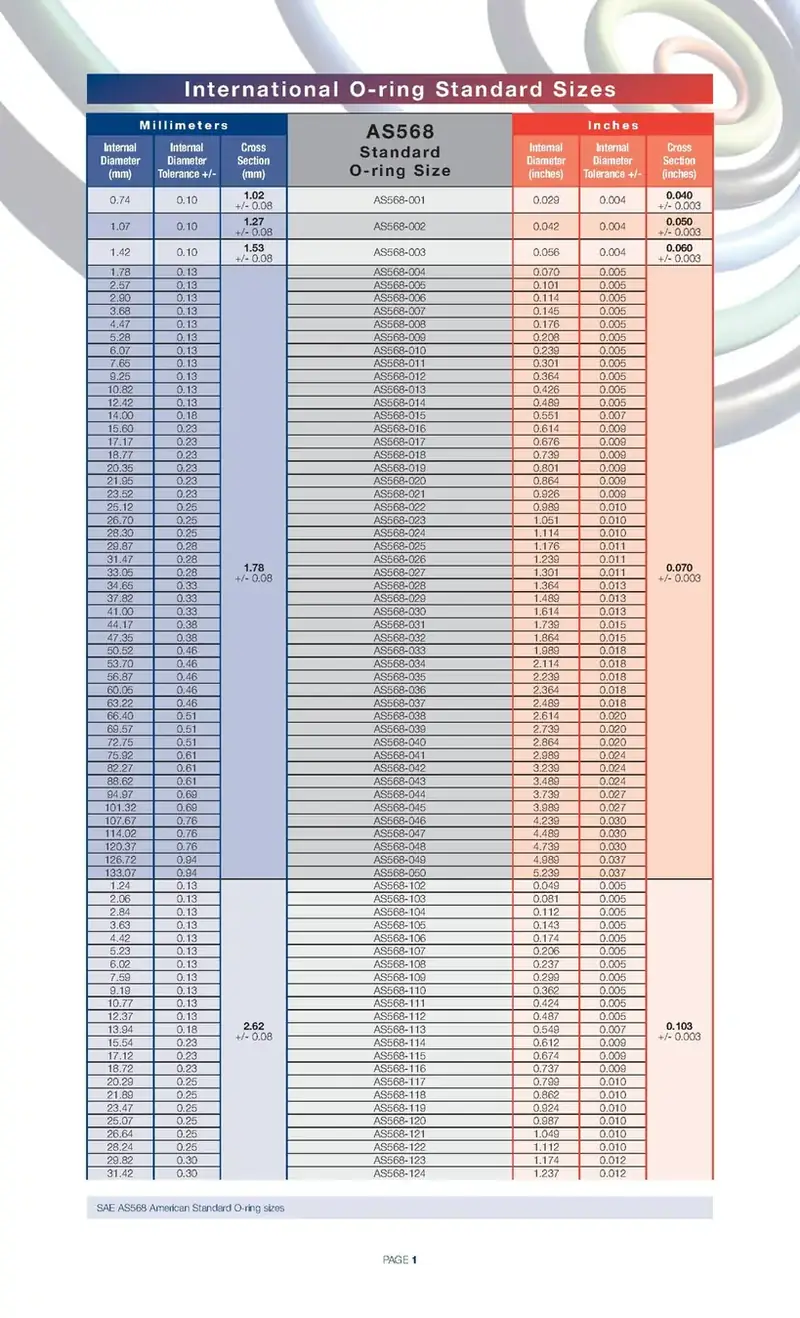
⚖️ O-Ring Weight Calculator

Estimate rubber O-ring weight (Approx).


Rubber Plast Manufacturer | Engineering Guide

Contents of Table

Contact [email protected] Whatsapp 86 15951276160