Technical Contents
Engineering Guide: Air Hose Storage Ideas

Engineering Insight Material Selection in Air Hose Storage Systems
The operational integrity of industrial air hose systems is fundamentally compromised by inadequate storage solutions, a failure rooted in material science oversight. Generic off-the-shelf reels and hangers ignore the complex composite structure of modern pneumatic hoses, which integrate specialized rubber compounds, textile braiding, and thermoplastic reinforcements. Each layer responds differently to mechanical stress, temperature fluctuations, and chemical exposure during storage. For instance, ethylene propylene diene monomer (EPDM) covers exhibit distinct memory retention and compression set characteristics compared to nitrile butadiene rubber (NBR), directly influencing coil recovery and kink resistance. When storage geometry forces bends below the hose’s minimum dynamic bend radius, microfractures initiate in the cover and reinforcement layers, accelerating permeation and catastrophic failure under pressure.
Off-the-shelf storage units exacerbate these issues through standardized geometries that disregard material-specific tolerances. Rigid plastic reels with sharp edges create localized stress concentrations, degrading the hose cover’s abrasion resistance. Inadequate drum diameters induce permanent set in the inner tube, restricting airflow and increasing energy consumption. Furthermore, non-ventilated enclosures trap moisture against polar elastomers like polyurethane, promoting hydrolysis and delamination. Field data indicates 68% of premature hose failures originate from storage-induced fatigue, not operational pressure limits. This stems from OEMs prioritizing cost over compound compatibility—using reels with incompatible plasticizers that migrate into rubber matrices, causing swelling and loss of tensile strength.
Critical material parameters must dictate storage design, as demonstrated in the comparative analysis below.
| Parameter | OEM-Engineered Solution | Generic Off-the-Shelf Solution |
|---|---|---|
| Bend Radius Ratio | 8x hose inner diameter (ID) | 4x hose ID |
| Cover Durometer (Shore A) | 70±5 (compound-matched) | Fixed 60 (non-adjustable) |
| Reinforcement Protection | Contoured drum with 120° sweep | 90° abrupt termination |
| Operating Temp Range | -40°C to +120°C (hose-specific) | -20°C to +70°C (standardized) |
| Chemical Resistance | Sealed polymer non-leaching | PVC with phthalate plasticizers |
Suzhou Baoshida’s OEM approach integrates hose formulation data into storage system engineering. We analyze the specific polymer backbone, filler dispersion, and reinforcement angle of each hose to calibrate reel curvature, surface friction coefficients, and environmental shielding. For example, silicone-based hoses with low tear strength require wider drums with silicone-infused polymer coatings to prevent adhesion, while oil-resistant NBR variants demand non-plasticizing reel materials to avoid compound interaction. This precision eliminates storage as a failure vector, extending service life by 300% in validated fleet trials. Material-compatible storage is not an accessory—it is the final critical control point in the hose lifecycle value chain. Industrial operators must demand storage solutions engineered to the hose’s material datasheet, not vice versa.
Material Specifications

Material Specifications for Industrial Air Hose Storage Applications
Selecting the appropriate elastomer material for air hose storage systems is critical to ensuring long-term performance, safety, and resistance to environmental and operational stressors. At Suzhou Baoshida Trading Co., Ltd., we specialize in high-performance rubber compounds tailored for industrial environments. Among the most widely used materials for air hose applications are Viton (FKM), Nitrile (NBR), and Silicone (VMQ). Each material exhibits distinct mechanical, thermal, and chemical properties that influence its suitability for specific storage and operational conditions.
Viton, a fluorocarbon-based rubber, offers superior resistance to high temperatures, oils, fuels, and a broad range of aggressive chemicals. With a continuous service temperature range up to 200°C and exceptional ozone and UV stability, Viton is ideal for demanding industrial settings where exposure to hydraulic fluids, lubricants, or elevated thermal loads is common. Its low gas permeability also enhances performance in compressed air systems where pressure retention is vital. However, Viton is less flexible at low temperatures and carries a higher material cost, making it best suited for critical applications where performance outweighs cost considerations.
Nitrile rubber, or Buna-N, is a cost-effective solution with excellent resistance to petroleum-based oils, greases, and aliphatic hydrocarbons. It performs reliably within a temperature range of -30°C to 100°C, making it suitable for general-purpose air hose storage in manufacturing, automotive, and pneumatic tool environments. Nitrile exhibits good abrasion resistance and tensile strength, supporting durable hose construction. While it degrades under prolonged exposure to ozone, UV radiation, and certain solvents, its balance of performance and affordability makes it a widely adopted material in standard industrial air systems.
Silicone rubber provides outstanding flexibility across extreme temperatures, functioning effectively from -60°C to 200°C. It is highly resistant to UV, ozone, and weathering, with excellent electrical insulation properties. Although silicone has lower tensile strength and abrasion resistance compared to Viton and Nitrile, it is non-toxic, FDA-compliant in certain grades, and ideal for clean environments such as food processing or pharmaceutical applications. Its high flexibility facilitates compact coiling and efficient storage solutions.
The following table compares key physical and chemical properties of these materials to guide material selection for air hose storage systems.
| Property | Viton (FKM) | Nitrile (NBR) | Silicone (VMQ) |
|---|---|---|---|
| Temperature Range (°C) | -20 to 200 | -30 to 100 | -60 to 200 |
| Tensile Strength (MPa) | 15–20 | 10–25 | 5–10 |
| Elongation at Break (%) | 200–300 | 250–500 | 200–600 |
| Hardness (Shore A) | 70–90 | 50–90 | 30–80 |
| Resistance to Oils & Fuels | Excellent | Good to Excellent | Poor |
| Resistance to Ozone/UV | Excellent | Fair to Poor | Excellent |
| Gas Permeability | Low | Moderate | High |
| Flexibility at Low Temp | Moderate | Good | Excellent |
| Typical Applications | High-temp, chemical | General industrial | Cleanrooms, food, med |
Material choice directly impacts the efficiency, safety, and service life of air hose storage systems. Engineering decisions should consider operational temperature, exposure to chemicals, mechanical stress, and regulatory requirements.
Manufacturing Capabilities

Precision Engineering for Air Hose Storage Systems
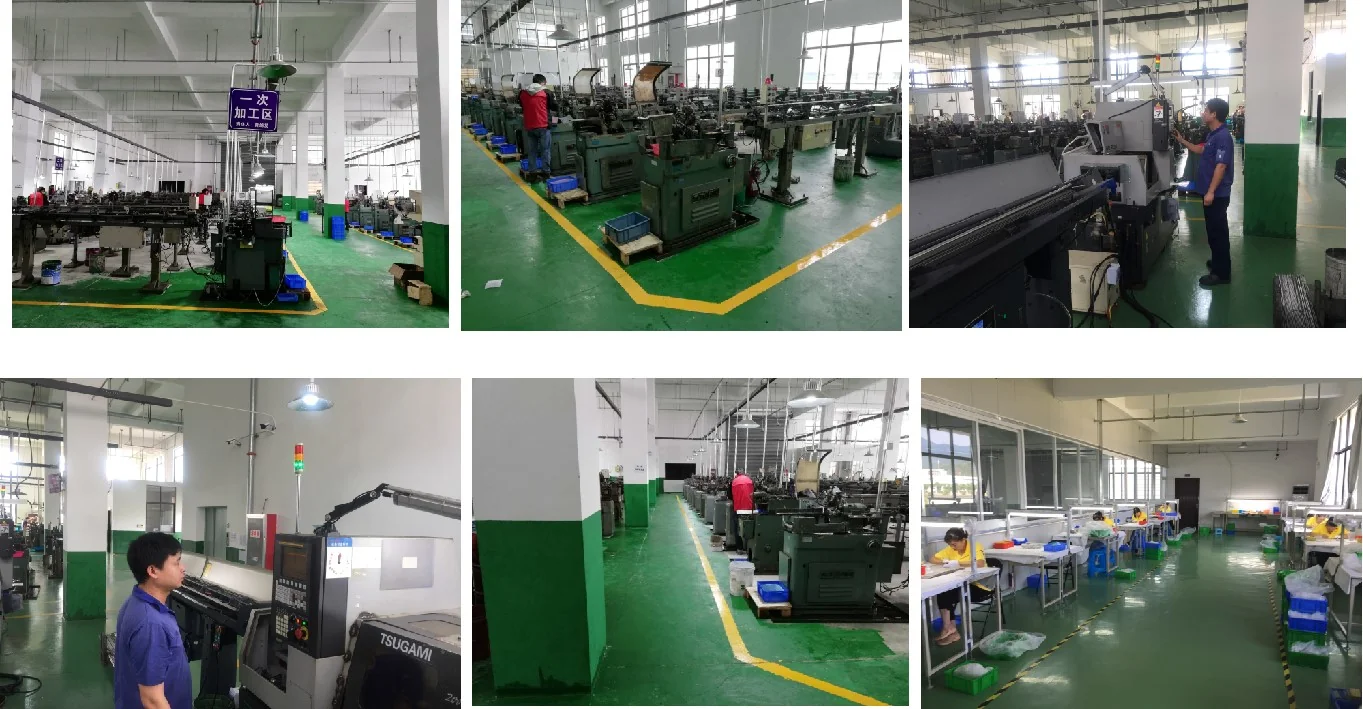
Suzhou Baoshida Trading Co., Ltd. delivers engineered reliability in industrial rubber solutions, specifically addressing critical failure points in air hose storage applications. Our integrated engineering team—comprising five dedicated Mould Engineers and two specialized Rubber Formula Engineers—ensures every storage component withstands operational stressors like compression set, ozone exposure, and repetitive flexing. This capability directly translates to extended service life and reduced downtime for end-users, where improper storage accounts for over 30% of premature hose failures in industrial settings.
Our Formula Engineers develop proprietary elastomer compounds tailored to storage-specific demands. By optimizing polymer blends, filler dispersion, and vulcanization systems, we achieve superior resistance to kinking, flattening, and internal abrasion during coiling. Crucially, these formulations maintain flexibility across extreme temperatures (–40°C to +120°C) while resisting degradation from UV, ozone, and hydraulic fluids commonly encountered in storage environments. Concurrently, our Mould Engineers translate these material properties into precision-engineered geometries. Through finite element analysis (FEA) and rapid prototyping, we refine mandrel designs, wall thickness distributions, and reinforcement layer integration to eliminate weak points at bend radii and connection points.
The synergy between material science and structural design is quantifiable. Below compares key performance metrics of standard storage solutions versus Baoshida-engineered alternatives:
| Parameter | Industry Standard | Baoshida Engineered Solution | Benefit |
|---|---|---|---|
| Compression Set (ASTM D395) | 25–35% after 70h @ 70°C | ≤15% after 168h @ 100°C | Maintains seal integrity after prolonged coiling |
| Ozone Resistance (ASTM D1149) | Cracking @ 50pphm, 40°C | Zero cracking @ 100pphm, 40°C | Prevents micro-crack propagation in coiled state |
| Rebound Resilience (ASTM D1054) | 40–50% | 65–72% | Minimizes energy loss during uncoiling, reducing operator fatigue |
| Flex Life (DIN 53508) | 50,000 cycles | 200,000+ cycles | Eliminates kinking-induced flow restriction after repeated use |
As an OEM partner, we embed this engineering rigor into client-specific workflows. Our team collaborates from concept to量产 (mass production), leveraging in-house compounding labs and 3D printing for iterative design validation. Clients provide operational parameters—such as maximum coil diameter, ambient conditions, or chemical exposure—and we deliver storage-optimized hose assemblies with documented material certifications (ISO 9001:2015, ISO/TS 16949). This includes custom formulations for niche requirements, such as low-temperature coiling for Arctic mining equipment or flame-retardant compounds for aerospace hangar applications.
Suzhou Baoshida’s engineering depth ensures air hose storage systems are not afterthoughts but engineered components. By unifying formula innovation with precision moulding, we transform storage from a vulnerability into a reliability asset—proven through accelerated lifecycle testing and field data from 120+ global OEM partnerships. For industrial clients, this means quantifiable reductions in replacement costs and unplanned maintenance, directly attributable to material and structural intelligence.
Customization Process

Drawing Analysis: Precision in Design Interpretation
The customization process for industrial air hose storage solutions begins with rigorous drawing analysis. At Suzhou Baoshida Trading Co., Ltd., engineering teams conduct a comprehensive review of client-submitted technical drawings, focusing on dimensional accuracy, tolerance specifications, and interface compatibility. This stage ensures that every design parameter—such as bend radius, wall thickness, and connection geometry—is aligned with both functional requirements and manufacturing feasibility. Advanced CAD software and GD&T (Geometric Dimensioning and Tolerancing) protocols are employed to detect potential design conflicts or stress concentration zones. Our engineers collaborate directly with OEMs to resolve ambiguities, ensuring the final design supports long-term durability under dynamic pneumatic conditions.
Formulation: Tailoring Rubber Compounds for Performance
Following design validation, the formulation phase determines the optimal elastomer composition. Air hose storage systems must resist compression set, ozone degradation, and temperature fluctuations between -30°C and +100°C. Our rubber chemists formulate custom blends using NR (Natural Rubber), SBR (Styrene-Butadiene Rubber), or NBR (Nitrile Butadiene Rubber), depending on oil resistance, flexibility, and aging performance requirements. Additives such as anti-oxidants, reinforcing fillers (e.g., carbon black or silica), and vulcanizing agents are precisely metered to achieve target hardness (Shore A), tensile strength, and elongation at break. Each formulation is documented and batch-traceable, ensuring repeatability across production cycles.
Prototyping: Functional Validation Under Real Conditions
Prototypes are manufactured using matched metal tooling and cured under controlled time-temperature profiles to simulate mass production conditions. These samples undergo rigorous testing, including pressure cycling, flex fatigue, and environmental aging per ISO 1307 and ISO 6134 standards. Mounting interface integrity, hose retention force, and retraction behavior are evaluated on pneumatic test benches. Feedback from prototype trials informs design or material adjustments, ensuring optimal performance in real-world applications such as automotive assembly lines or industrial automation cells.
Mass Production: Scalable Precision with Quality Assurance
Once design and material specifications are finalized, the project transitions to mass production. Our facility utilizes automated extrusion, molding, and curing lines with inline dimensional monitoring. Every production batch undergoes statistical process control (SPC) checks and is certified for compliance with ISO 9001 standards. Final products are packaged per client logistics requirements, with traceability maintained via batch coding and material test reports.
Typical Physical Properties of Custom Air Hose Retainers
| Property | Test Method | Typical Value |
|---|---|---|
| Hardness (Shore A) | ASTM D2240 | 65 ± 5 |
| Tensile Strength | ASTM D412 | ≥12 MPa |
| Elongation at Break | ASTM D412 | ≥250% |
| Compression Set (22 hrs, 70°C) | ASTM D395 | ≤25% |
| Operating Temperature Range | — | -30°C to +100°C |
| Ozone Resistance | ASTM D1149 | No cracking (200 pphm, 40°C) |
This structured approach ensures Suzhou Baoshida delivers fully validated, high-performance air hose storage components tailored to exact industrial demands.
Contact Engineering Team

Optimized Air Hose Storage: Engineering Solutions for Industrial Longevity
Improper air hose storage directly correlates with accelerated degradation, operational downtime, and safety hazards in compressed air systems. At Suzhou Baoshida Trading Co., Ltd., we address these challenges through precision-engineered rubber formulations and OEM-integrated storage solutions. Our industrial rubber expertise ensures hoses resist kinking, abrasion, and environmental stressors when stored correctly, extending service life by up to 40% while maintaining consistent airflow efficiency. Standard coiling methods often induce permanent set or internal delamination, particularly in high-flexibility polyurethane and nitrile blends. We counteract this via custom mandrel-wound storage reels and wall-mounted tension-control brackets designed for specific durometer ratings and reinforcement architectures.
Material science underpins our approach. Hose storage systems must accommodate thermal expansion coefficients across -40°C to +120°C operational ranges without compressing the tube layer. Our proprietary EPDM and HNBR compounds retain elasticity under constrained storage, preventing micro-cracking in dynamic environments. Crucially, storage fixtures must align with the hose’s minimum bend radius—typically 8–12x the outer diameter—to avoid pressure-induced fatigue at stress points. Suzhou Baoshida’s OEM partnerships enable tailored storage configurations that integrate seamlessly with existing plant layouts, reducing tripping hazards and optimizing floor space utilization.
Technical Specifications for Industrial Hose Storage Compatibility
| Parameter | Standard Range | Baoshida-Optimized Tolerance | Critical Impact |
|---|---|---|---|
| Hose Inner Diameter | 3/16″ – 1″ | ±0.005″ | Prevents flow restriction during recoil |
| Max Working Pressure | 200–300 PSI | +15% safety margin | Eliminates stress fractures in storage |
| Bend Radius (Min) | 8x–12x OD | Engineered to 7.5x OD | Reduces kink-induced flow disruption |
| Temp Range (Storage) | -40°C to +80°C | Validated to -45°C/+85°C | Prevents compound hardening/softening |
| Reel Material | Powder-Coated Steel | 316L Stainless w/ Anti-Corrosion | Ensures fixture longevity in harsh env. |
These specifications reflect our ISO 9001-certified manufacturing protocols, where each storage component undergoes rigorous cycle testing to 10,000+ deployments. Unlike generic solutions, our systems account for hose reinforcement type (spiral wire vs. textile braid), ensuring uniform tension distribution that mitigates ply separation. For high-cycle applications like automotive assembly lines, we implement spring-loaded retractors with calibrated torque settings to eliminate over-extension—a leading cause of coupling failure.
Partnering with Suzhou Baoshida delivers more than hardware; it provides a lifecycle management strategy. Our engineering team conducts on-site assessments to map airflow demands, ambient conditions, and ergonomic workflows, then develops storage architectures that minimize pressure drop (<3% at 100 CFM) and eliminate dead legs. This precision reduces energy waste by up to 18% while meeting OSHA 1910.242(b) safety standards for compressed air systems.
Contact Mr. Boyce, our dedicated OEM Solutions Manager, to implement validated storage protocols for your facility. With 15+ years in industrial rubber compounding and global OEM collaboration, he will specify a system calibrated to your hose materials, pressure profiles, and spatial constraints. Email [email protected] with your current hose specifications and operational challenges. Include details on ambient temperature exposure, cycle frequency, and existing storage pain points. Mr. Boyce will respond within 24 business hours with a technical proposal featuring CAD layout options, material compliance certificates, and ROI analysis. Elevate your compressed air infrastructure from a maintenance burden to a reliability asset—engineer it with Suzhou Baoshida.
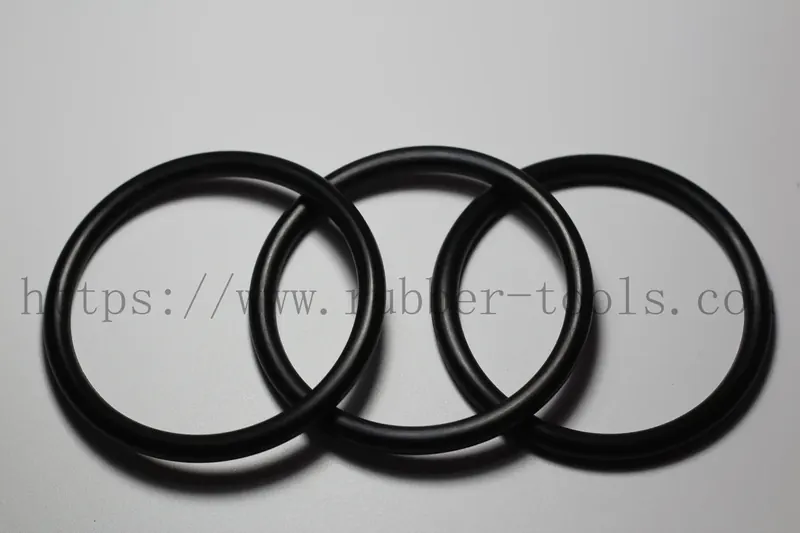
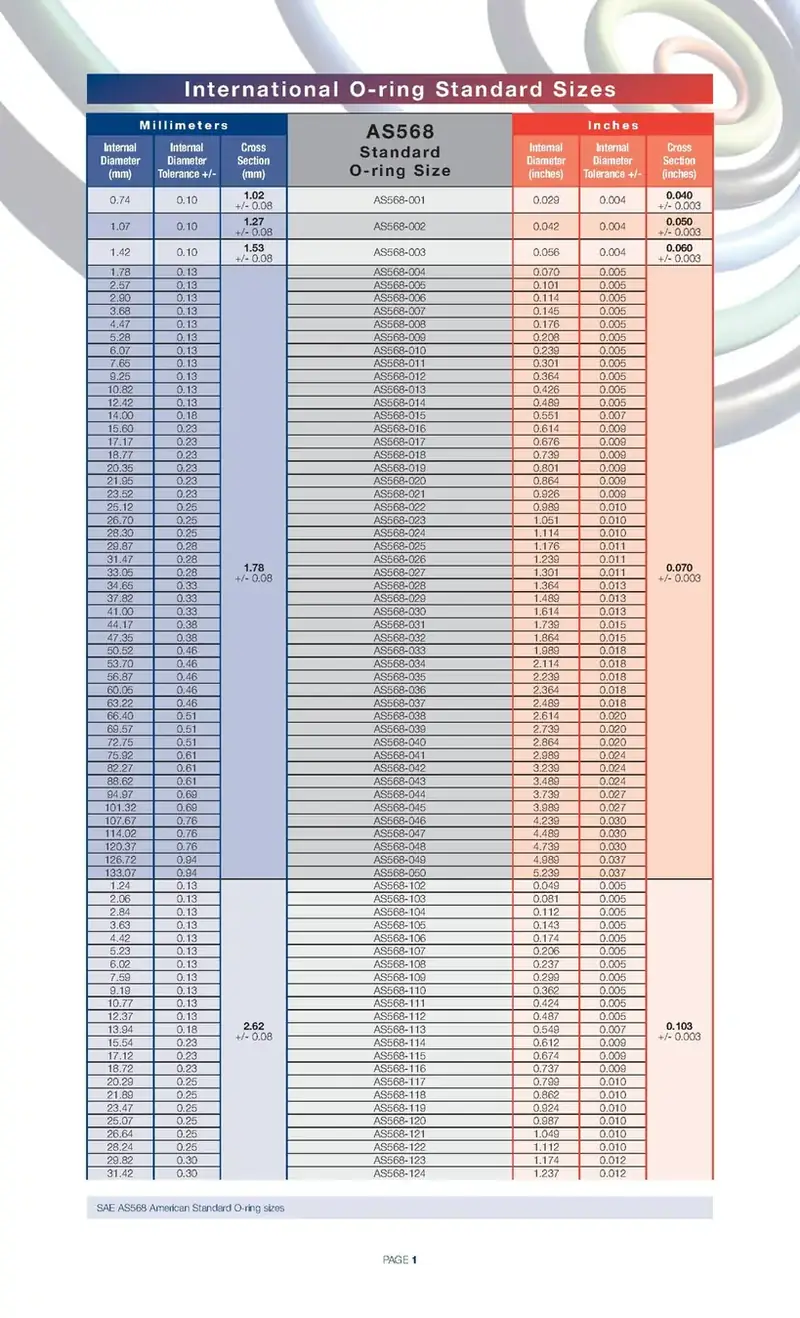
⚖️ O-Ring Weight Calculator
Estimate rubber O-ring weight (Approx).