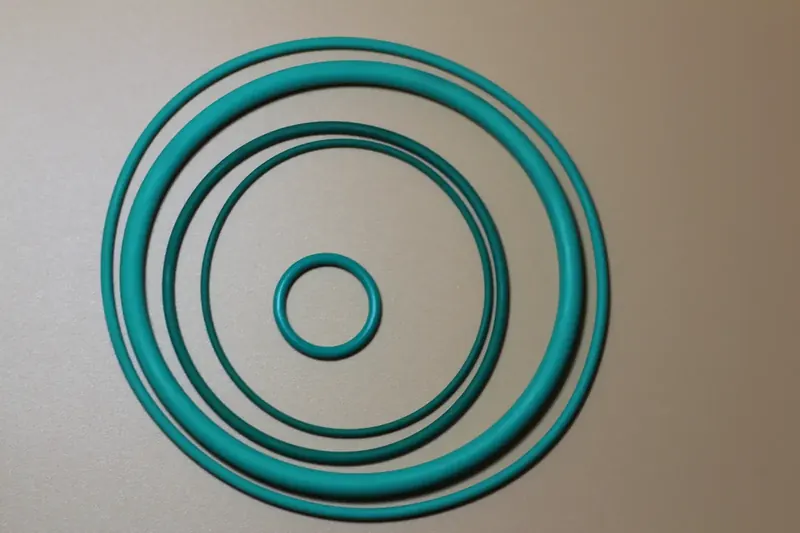
Durometer Rubber Manufacturer | Engineering Guide

Engineering Guide: Durometer Rubber

Engineering Insight Durometer Rubber Material Selection Beyond Surface Hardness

Durometer measurement Shore A scale remains the most recognized metric for rubber hardness yet represents only a superficial indicator of material performance. At Suzhou Baoshida Trading Co., Ltd., our engineering data consistently demonstrates that identical durometer values across different rubber compounds can exhibit radically divergent behaviors under operational stress. This discrepancy arises because durometer tests measure instantaneous resistance to indentation under static load ASTM D2240 ignoring critical factors like polymer backbone stability dynamic fatigue resistance and chemical compatibility. Off-the-shelf rubber solutions often fail precisely because they prioritize nominal hardness over the molecular architecture required for specific service environments.

Generic rubber suppliers frequently provide materials meeting basic durometer specifications while neglecting secondary performance parameters essential for industrial longevity. A hydraulic seal specified at Shore A 70 may function adequately in a controlled lab test yet catastrophically extrude under high-pressure pulsation if the compound lacks sufficient tensile strength or compression set resistance. Similarly conveyor rollers with identical Shore A 80 ratings can show 300% variation in abrasion life depending on filler dispersion and cure system optimization. These failures stem from treating durometer as a standalone specification rather than one parameter within a holistic material performance matrix.

The following table illustrates common failure modes linked to inadequate material selection despite apparent durometer compliance

Failure Mode Off-the-Shelf Risk Engineered Solution Requirement Key Test Standard
Compression Set 45% permanent deformation after 70 hrs at 100°C <15% set via peroxide curing & silica fillers ASTM D395 Method B
Abrasion Resistance 220 mm³ volume loss (DIN Abrader) <80 mm³ loss via solution-polymerized SBR ISO 4649 Method A
Ozone Cracking Severe cracking at 50 pphm ozone after 24 hrs Zero cracks via EPDM saturation & antiozonants ASTM D1149

True material reliability demands compound customization where durometer serves as an initial filter not the final criterion. Our OEM engineering process at Suzhou Baoshida begins with operational profiling including temperature extremes chemical exposure cycles per minute and load spectra. We then formulate base polymers curatives and specialty additives to achieve target durometer while simultaneously optimizing for dynamic mechanical properties. For instance a mining equipment suspension bushing requiring Shore A 60 must balance hardness with 10⁶ cycle fatigue resistance achieved through controlled vinyl content in solution-polymerized polybutadiene.

Industrial applications tolerate no margin for generic substitution. The cost of premature seal failure or conveyor downtime far exceeds the engineering investment in purpose-built rubber compounds. Partner with Suzhou Baoshida to transform durometer from a superficial metric into a validated component of your product’s operational integrity. Our technical team provides full material traceability and application-specific validation data ensuring every Shore A value reflects engineered performance not侥幸 compliance.


Material Specifications

durometer rubber manufacturing

Material Specifications for Durometer Rubber in Industrial Applications

In precision industrial environments, durometer rubber components are engineered to meet exacting performance standards across temperature, chemical exposure, and mechanical stress. The durometer rating, measured on the Shore A or Shore D scale, quantifies material hardness and directly influences sealing capability, compression set resistance, and abrasion performance. At Suzhou Baoshida Trading Co., Ltd., we specialize in high-integrity rubber solutions tailored to demanding OEM and industrial applications. Our core materials—Viton, Nitrile, and Silicone—are selected for their distinct chemical formulations and operational resilience. Understanding the material properties behind each type ensures optimal selection for longevity and system compatibility.

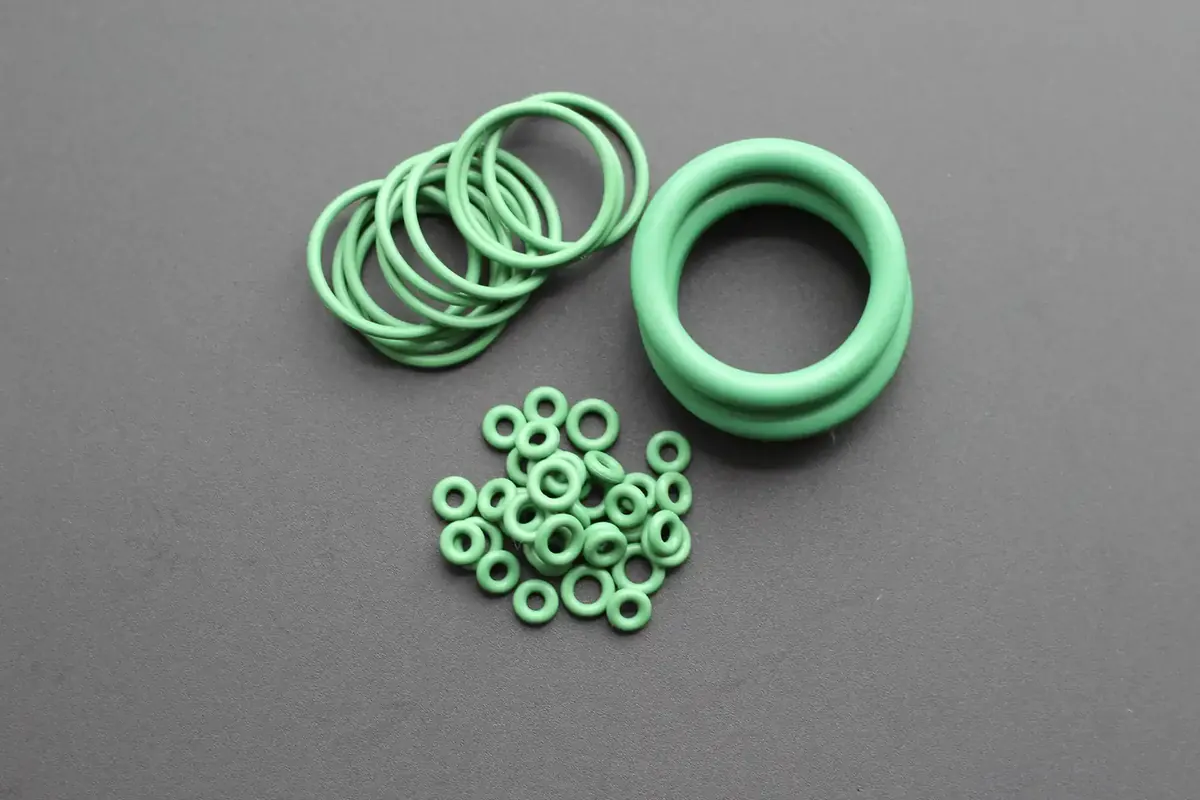
Viton, a fluorocarbon-based elastomer (FKM), offers superior resistance to high temperatures, oils, fuels, and aggressive chemicals. With a typical durometer range of 60–90 Shore A, Viton maintains structural integrity in environments exceeding 200°C. This makes it ideal for aerospace, automotive fuel systems, and chemical processing equipment. Its low gas permeability and excellent aging characteristics further enhance reliability in critical sealing applications.

Nitrile rubber (NBR) is a cost-effective solution for general-purpose industrial use, particularly in hydraulic and pneumatic systems. With a durometer range of 50–90 Shore A, Nitrile delivers strong resistance to aliphatic hydrocarbons, water, and petroleum-based fluids. It performs reliably in temperatures from -30°C to 100°C, with some formulations extending to 125°C. While less resistant to ozone and UV exposure than Viton or Silicone, Nitrile remains a preferred choice for seals, gaskets, and O-rings in machinery and automotive sectors.

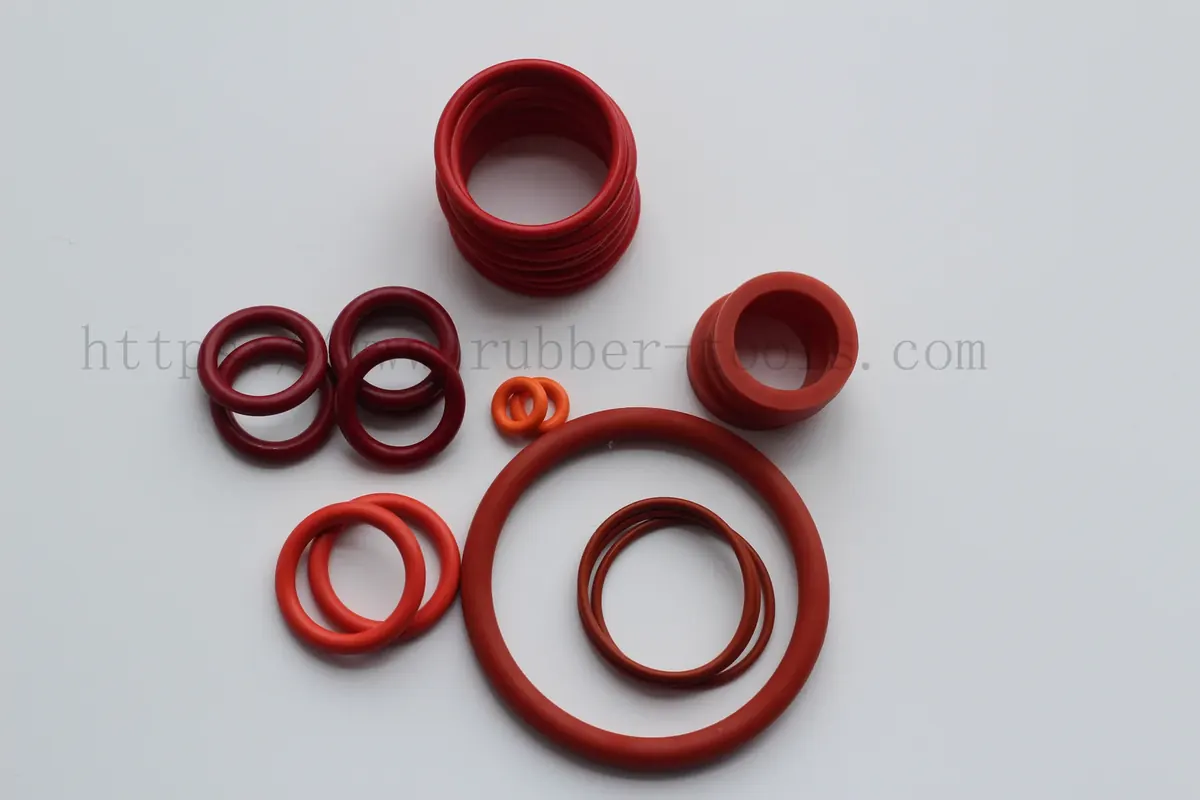
Silicone rubber (VMQ) excels in extreme temperature applications, operating effectively from -60°C to 230°C. With a Shore A hardness typically between 30 and 80, Silicone offers high flexibility and excellent resistance to UV, ozone, and weathering. It is commonly used in medical devices, food processing, and electrical insulation due to its inert nature and compliance with stringent hygiene standards. However, Silicone exhibits lower tensile strength and abrasion resistance compared to Viton and Nitrile, necessitating careful design consideration in high-wear environments.

Proper material selection balances durometer, chemical compatibility, and thermal stability. Suzhou Baoshida Trading Co., Ltd. supports OEMs with precise formulation control and rigorous testing protocols to ensure each rubber component meets international quality benchmarks.

Property Viton (FKM) Nitrile (NBR) Silicone (VMQ)
Durometer Range (Shore A) 60–90 50–90 30–80
Temperature Range (°C) -20 to 230 -30 to 125 -60 to 230
Tensile Strength (MPa) 10–20 10–30 5–10
Elongation at Break (%) 150–300 200–500 200–600
Compression Set (22h, 150°C) Low Moderate Low to Moderate
Resistance to Oil/Fuel Excellent Good to Excellent Poor
Resistance to Ozone/UV Excellent Fair Excellent
Common Applications Aerospace, Chemical, Automotive Hydraulics, Pneumatics, Machinery Medical, Food, Electrical

Manufacturing Capabilities

durometer rubber manufacturing

Engineering Precision in Durometer Rubber Manufacturing

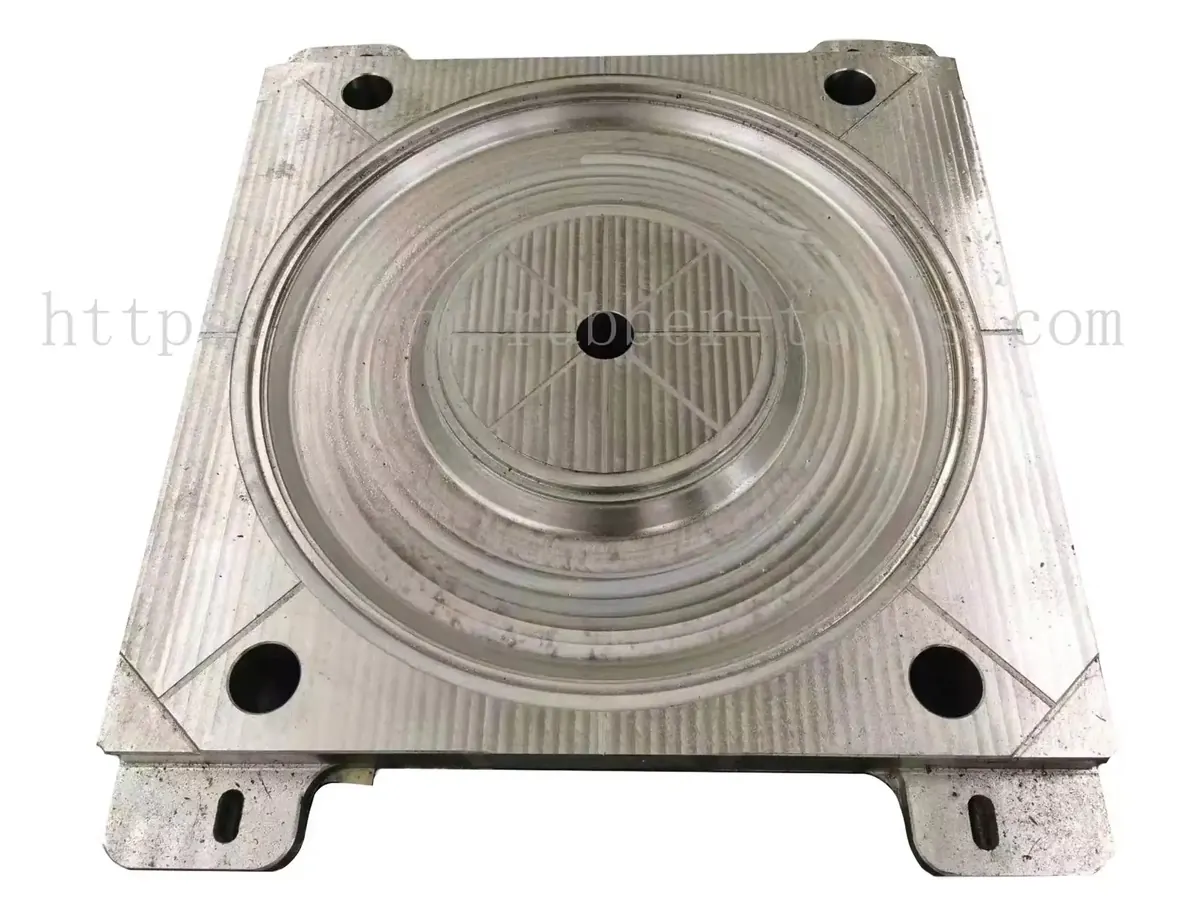
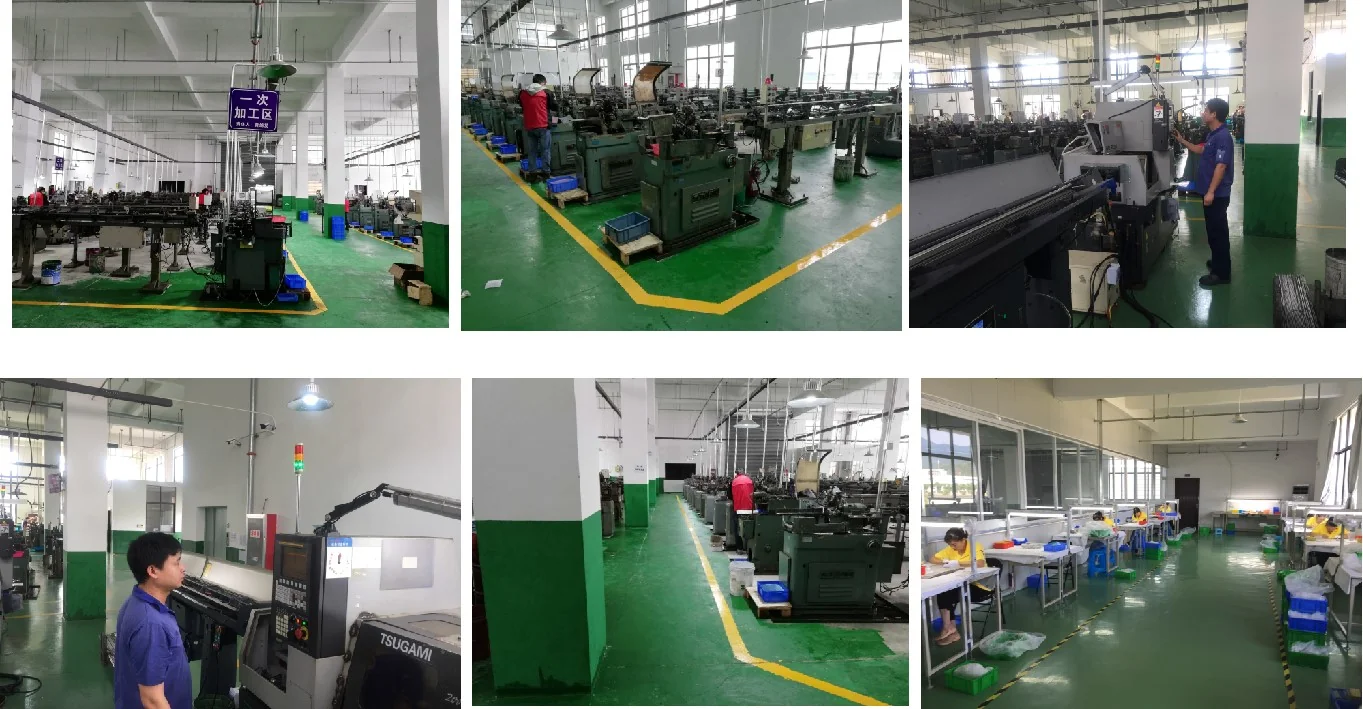
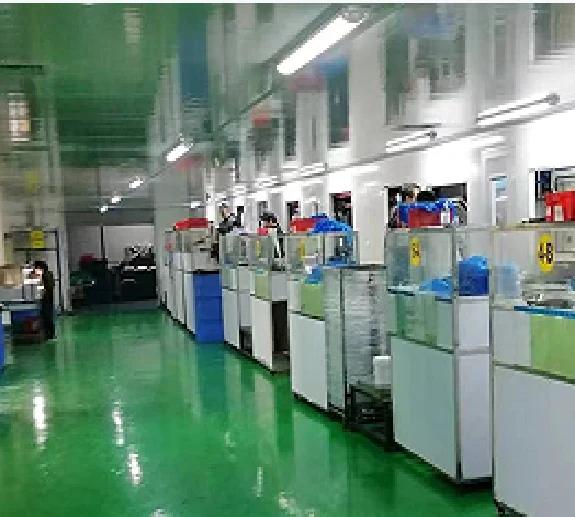
Durometer selection is a critical determinant of functional performance in industrial rubber components, directly influencing compression set, abrasion resistance, and sealing efficacy. At Suzhou Baoshida Trading Co., Ltd., our engineering team leverages deep material science expertise to optimize Shore hardness specifications for demanding OEM applications. We deploy five dedicated mold engineers and two specialized rubber formula engineers to ensure every component meets exacting mechanical and environmental requirements. This integrated approach eliminates the disconnect between compound design and mold functionality, a common pitfall in conventional rubber manufacturing.

Our formula engineers focus on polymer chemistry calibration, adjusting crosslink density, filler dispersion, and plasticizer ratios to achieve target durometer values within ±2 Shore points. This precision prevents costly field failures caused by inconsistent hardness—such as seal extrusion in hydraulic systems or inadequate damping in vibration isolators. Concurrently, our mold engineers utilize advanced simulation software to model material flow and cure kinetics, ensuring cavity pressure distribution aligns with the formulated compound’s rheological profile. This synergy reduces prototyping iterations by up to 40% and accelerates time-to-market for custom solutions.

OEM partnerships benefit from our closed-loop development process. Starting with client-specified performance parameters—temperature range, load conditions, media exposure—our team co-engineers compounds that balance durometer stability with secondary properties like ozone resistance or flame retardancy. All formulations undergo rigorous validation per ASTM D2240 and ISO 48 standards, with traceable batch documentation for aerospace, automotive, and industrial machinery sectors. Crucially, our in-house tooling division enables rapid mold modifications, accommodating durometer-driven adjustments without supply chain delays.

The following table outlines key durometer scales and our application-specific engineering protocols:

Durometer Scale Measurement Range Typical Industrial Applications Baoshida Engineering Focus
Shore A 20–90 Seals, gaskets, rollers Optimizing low-compression-set compounds for dynamic sealing under fluid exposure
Shore D 30–85 Hard hats, industrial wheels Enhancing abrasion resistance while maintaining impact resilience at high hardness
Shore OO 10–55 Microcellular foams, gel pads Stabilizing ultra-soft compounds against permanent deformation under sustained load
IRHD 20–100 Tires, conveyor belts Correlating international rubber hardness with Shore A for global OEM compliance

Suzhou Baoshida’s vertically integrated engineering capability ensures durometer is never an isolated metric but a harmonized element of system performance. Our formula-to-mold workflow guarantees that Shore specifications translate reliably from lab data sheets to end-use functionality, minimizing scrap rates and warranty claims. For OEMs requiring mission-critical rubber components, this precision engineering framework delivers measurable reductions in total cost of ownership while meeting stringent regulatory frameworks. Partner with us to transform durometer requirements into validated, production-ready solutions.


Customization Process

durometer rubber manufacturing

Customization Process for Durometer Rubber Components at Suzhou Baoshida Trading Co., Ltd.

At Suzhou Baoshida Trading Co., Ltd., our industrial rubber solutions are engineered to meet precise technical and performance requirements. The customization process for durometer rubber components follows a structured workflow: Drawing Analysis, Formulation Development, Prototyping, and Mass Production. This ensures that every product aligns with client specifications, environmental conditions, and functional demands.

The process begins with Drawing Analysis, where our engineering team evaluates technical drawings and 3D models provided by the client. Critical dimensions, tolerance ranges, surface finish requirements, and intended application environments are assessed. We verify compliance with international standards such as ASTM D2240 for durometer measurement and ISO 3302 for dimensional accuracy. This phase also includes feasibility studies to identify potential manufacturing challenges, material limitations, or design optimizations.

Following drawing validation, our rubber formula engineers initiate Formulation Development. Based on the required hardness range (Shore A or Shore D), resistance to oils, ozone, UV, temperature extremes, and dynamic stress, we design a proprietary elastomer compound. Our formulation database includes EPDM, NBR, silicone, FKM, and natural rubber variants, each tailored with specific fillers, accelerators, plasticizers, and vulcanizing agents. For instance, a component requiring Shore A 70 hardness with high thermal stability may be formulated using peroxide-cured silicone with reinforcing silica.

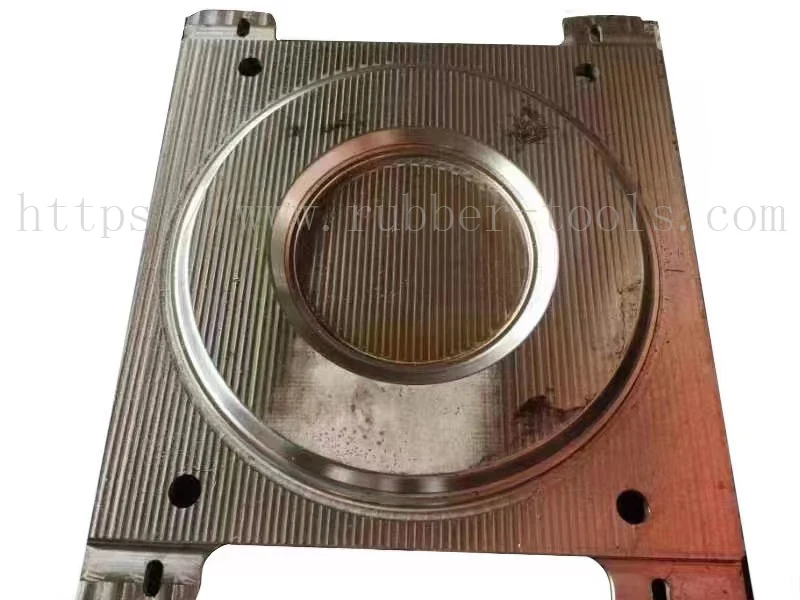
Once the formulation is finalized, we proceed to Prototyping. Using precision molds or CNC-machined sample dies, small-batch prototypes are produced under controlled curing conditions. Each prototype undergoes rigorous testing, including durometer verification, tensile strength analysis, compression set evaluation, and environmental exposure testing. Clients receive detailed test reports and physical samples for field validation. Feedback is incorporated into final adjustments before scale-up.

The final stage is Mass Production, executed in our partner manufacturing facilities equipped with fully automated compression, transfer, or injection molding systems. Real-time quality monitoring, statistical process control (SPC), and batch traceability ensure consistency across production runs. All finished goods are inspected per AQL 1.0 standards and packaged according to shipping and storage requirements.

Below is a representative specification table for common durometer rubber formulations:

Property NBR (Shore A 60) EPDM (Shore A 70) FKM (Shore A 80) Silicone (Shore A 50)
Hardness (Shore A) 60 ± 5 70 ± 5 80 ± 5 50 ± 5
Tensile Strength (MPa) ≥12 ≥10 ≥14 ≥8
Elongation at Break (%) ≥250 ≥200 ≥180 ≥300
Temperature Range (°C) -30 to +100 -50 to +150 -20 to +200 -60 to +200
Fluid Resistance Excellent (oils, fuels) Good (water, steam) Outstanding (oils, acids) Fair (limited oil)
Typical Applications Seals, gaskets, rollers Weatherstripping, hoses Valve stems, O-rings Medical, food-grade parts

This systematic approach ensures that every durometer rubber component we deliver meets the highest standards of performance, durability, and repeatability in industrial applications.


Contact Engineering Team

durometer rubber manufacturing

Precision Durometer Rubber Solutions Require Expert Partnership

Selecting the optimal durometer for industrial rubber components demands rigorous scientific validation beyond nominal Shore scale values. Polymer formulation, cross-link density, and environmental exposure parameters directly influence compression set resistance, tensile recovery, and long-term sealing integrity. At Suzhou Baoshida Trading Co., Ltd., we engineer rubber compounds to exacting durometer tolerances (±1.5 Shore units) through controlled vulcanization kinetics and proprietary filler dispersion protocols. Our ISO 17025-accredited laboratory validates every batch against dynamic service conditions, ensuring dimensional stability under cyclic stress and thermal aging. Generic material data sheets cannot replicate the predictive accuracy of application-specific durometer profiling—particularly for critical interfaces in hydraulic systems, automotive NVH components, or semiconductor manufacturing seals where 2-point deviations trigger premature failure.

Our technical team implements ASTM D2240-compliant testing across extended operational envelopes, correlating Shore measurements with polymer chain mobility at molecular levels. This eliminates field discrepancies caused by inconsistent indenter geometry, dwell time errors, or substrate effects common in third-party certifications. Below outlines our core durometer validation capabilities for OEM production environments:

Test Parameter Shore A Range Shore D Range Temperature Range Accuracy Tolerance Calibration Standard
Standard Validation 20–90 30–85 23°C ± 2°C ±1.0 Shore ASTM D2240
Elevated Temp Profiling 25–85 35–80 -40°C to 150°C ±1.5 Shore ISO 48-4
Dynamic Compression 30–95 40–90 23°C ± 2°C ±0.8 Shore ISO 188

Material performance degrades predictably outside validated durometer bands—excessive softness accelerates extrusion in high-pressure glands, while over-hardening induces brittle fracture under impact. Suzhou Baoshida’s formulation scientists isolate these failure thresholds through accelerated life testing, adjusting sulfur donor systems and nano-silica reinforcement to lock target hardness within 0.5% variance across 50,000+ production cycles. We document traceable durometer drift curves for each compound, enabling proactive maintenance scheduling in mission-critical assemblies.

Initiate your precision rubber specification process with Suzhou Baoshida’s engineering team. Contact Mr. Boyce, OEM Technical Manager, directly at [email protected] to schedule a material performance audit. Provide your application’s load profile, media exposure, and lifecycle requirements for a customized durometer validation protocol. Our response includes finite element analysis (FEA) correlation data, production-scale batch certification reports, and accelerated aging projections specific to your operational parameters. Do not compromise sealing integrity or dynamic response through generic hardness selection—leverage our 18 years of polymer science expertise in OEM rubber solutions. All technical consultations include non-disclosure agreement (NDA) protection and 72-hour feasibility assessment timelines. Partner with Suzhou Baoshida to transform durometer specifications from nominal values into engineered reliability metrics.


⚖️ O-Ring Weight Calculator

Estimate rubber O-ring weight (Approx).


Durometer Rubber Manufacturer | Engineering Guide

Contents of Table

Contact [email protected] Whatsapp 86 15951276160