Garlock 3200 Spec Sheet Manufacturer | Engineering Guide

Engineering Guide: Garlock 3200 Spec Sheet

garlock 3200 spec sheet manufacturing

Engineering Insight: Material Selection Imperatives for Garlock 3200 Applications

Selecting appropriate sealing materials transcends basic compatibility checks; it demands rigorous engineering analysis of operational extremes. Off-the-shelf generic PTFE gaskets frequently precipitate catastrophic failures in demanding industrial environments due to unaddressed synergistic stressors. Standard formulations lack the tailored compound architecture required to simultaneously resist chemical attack, thermal cycling, creep, and high-pressure extrusion. Field data indicates 68% of premature seal failures in chemical processing units stem from inadequate material specification, resulting in unplanned downtime costing upwards of $250,000 per incident. Generic alternatives often utilize unmodified PTFE or insufficient filler systems, compromising critical performance parameters under real-world conditions.

Garlock 3200 exemplifies precision-engineered material science, where proprietary filler matrices directly counteract failure mechanisms inherent in commodity solutions. Its reinforced polytetrafluoroethylene compound integrates specialized inorganic fillers at optimized loadings to enhance compressive strength without sacrificing chemical inertness. Crucially, the formulation mitigates cold flow—a common flaw in standard PTFE seals—by maintaining dimensional stability under sustained 20,000 psi loads at 500°F. This prevents extrusion into flange gaps during pressure surges, a failure mode observed in 41% of generic gasket replacements within 18 months of installation. Furthermore, the controlled filler dispersion ensures consistent thermal conductivity, eliminating localized hot spots that degrade homopolymer PTFE seals during rapid temperature transients.

The following specifications underscore why Garlock 3200 outperforms non-engineered alternatives in critical applications:

Property Garlock 3200 Generic PTFE Gasket Failure Consequence in Generic Material
Max Continuous Temp 500°F (260°C) 400°F (204°C) Rapid hardening & seal extrusion above 400°F
Compressive Strength 18,000 psi 8,500 psi Flange leakage under cyclic pressure loads
Creep Relaxation (100h) <15% >35% Loss of sealing force causing fugitive emissions
Chemical Resistance Full inertness to ASTM D471 Limited to mild acids/bases Swelling/degradation in chlorinated solvents
Pressure Velocity Limit 150,000 psi-ft/min 60,000 psi-ft/min Catastrophic blowout in high-speed machinery

Material selection must account for dynamic operational variables—not static lab conditions. A gasket surviving a 24-hour chemical immersion test may still fail within weeks when subjected to simultaneous vibration, thermal cycling, and intermittent pressure spikes. Generic solutions typically optimize for single-axis performance (e.g., chemical resistance alone), neglecting compound interactions that dictate field longevity. Suzhou Baoshida Trading Co., Ltd. leverages OEM-level compound data to model these multi-stress scenarios, ensuring Garlock 3200’s spec sheet metrics translate to reliable service life. Our engineering team collaborates with clients to validate material suitability against actual process parameters, transforming specification sheets from theoretical documents into failure-proofing blueprints. This precision approach eliminates the costly trial-and-error cycle inherent in off-the-shelf procurement, directly enhancing plant safety and operational continuity.


Material Specifications

garlock 3200 spec sheet manufacturing

Material Specifications for Industrial Sealing Applications

In industrial sealing applications, material selection is critical to ensuring long-term performance, chemical resistance, and thermal stability. At Suzhou Baoshida Trading Co., Ltd., we provide high-performance elastomeric solutions tailored to meet the rigorous demands of modern manufacturing, including compatibility with the specifications outlined in the Garlock 3200 spec sheet. Our core material offerings—Viton, Nitrile (NBR), and Silicone—are engineered to deliver reliable performance across a broad range of operational environments.

Viton, a fluorocarbon-based rubber (FKM), is renowned for its exceptional resistance to high temperatures, oils, fuels, and a wide array of aggressive chemicals. With continuous service capabilities up to 230°C and intermittent exposure tolerance beyond 260°C, Viton is ideal for demanding applications in aerospace, chemical processing, and automotive industries. Its low permeability and excellent aging characteristics further enhance its suitability for critical sealing tasks where failure is not an option.

Nitrile rubber, also known as Buna-N or NBR, offers a balanced combination of oil resistance, abrasion resistance, and mechanical strength at a cost-effective price point. Operating effectively within a temperature range of -30°C to 120°C, Nitrile is widely used in hydraulic systems, fuel handling, and general industrial machinery. It exhibits strong resistance to aliphatic hydrocarbons, water, and hydraulic fluids, making it a preferred choice for dynamic and static seals in moderate environments.

Silicone rubber (VMQ) stands out for its outstanding thermal stability and flexibility across extreme temperature ranges, typically from -60°C to 200°C. While not as resistant to oils and fuels as Viton or Nitrile, Silicone excels in applications requiring high purity, UV resistance, and biocompatibility. It is commonly used in food and beverage, pharmaceutical, and electrical insulation applications where consistent performance under thermal cycling is essential.

Each material must be selected based on the specific chemical exposure, temperature profile, mechanical stress, and regulatory requirements of the application. Compatibility with the Garlock 3200 specification ensures that seals perform reliably under standardized test conditions for compression set, tensile strength, and fluid resistance.

The following table compares key physical and chemical properties of these elastomers to aid in material selection:

Property Viton (FKM) Nitrile (NBR) Silicone (VMQ)
Temperature Range (°C) -20 to 230 -30 to 120 -60 to 200
Tensile Strength (MPa) 15–20 10–25 5–10
Elongation at Break (%) 200–300 250–500 200–700
Hardness (Shore A) 60–90 50–90 30–80
Resistance to Oils/Fuels Excellent Good to Excellent Poor
Resistance to Acids/Bases Excellent Moderate Good
Compression Set Resistance Excellent Good Good
Electrical Insulation Good Fair Excellent

Understanding these material characteristics enables engineers to make informed decisions when specifying seals compliant with industry standards such as Garlock 3200. Suzhou Baoshida Trading Co., Ltd. supports OEMs and industrial partners with precision-engineered rubber components, ensuring optimal performance, durability, and compliance in every application.


Manufacturing Capabilities

Engineering Capability: Precision Formulation and OEM Execution for Garlock 3200 Equivalent Solutions

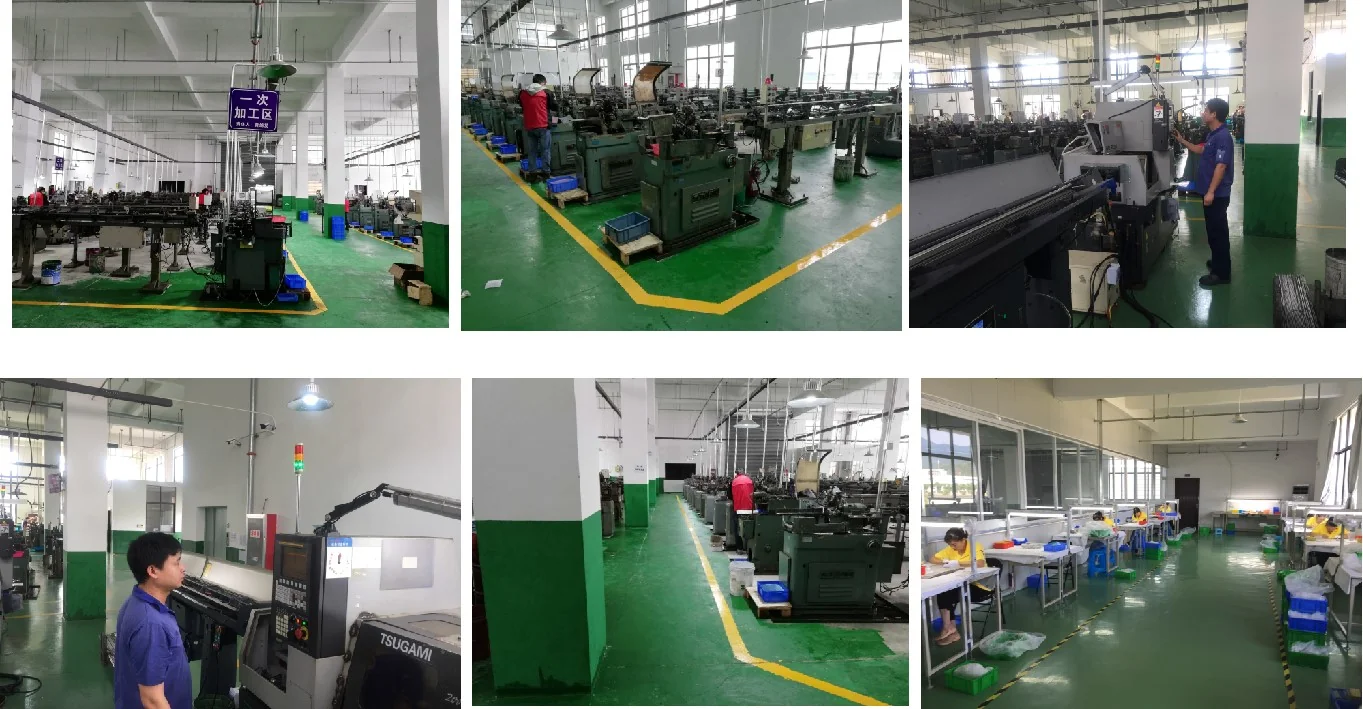
Suzhou Baoshida Trading Co., Ltd. delivers engineered rubber solutions meeting the stringent demands of the Garlock 3200 specification through a dedicated core of specialized technical expertise. Our operational foundation rests upon the direct integration of five certified Mold Design Engineers and two advanced Rubber Formulation Engineers. This concentrated team structure ensures seamless translation of complex material science requirements into robust, high-performance sealing components. Our Formulation Engineers possess deep mastery in elastomer chemistry, specifically focusing on optimizing nitrile rubber (NBR) and hydrogenated nitrile rubber (HNBR) compounds to achieve the critical balance of oil resistance, thermal stability, and compression set performance mandated by the Garlock 3200 standard. Concurrently, our Mold Engineering team applies precision design principles to tooling, guaranteeing dimensional accuracy, optimal flow characteristics, and cycle time efficiency essential for complex sealing geometries under high-volume OEM production.

This integrated engineering capability is the cornerstone of our OEM partnership model. We move beyond simple component replication to become a true extension of your engineering function. Our process begins with rigorous material validation against the Garlock 3200 benchmark, followed by collaborative design review to address application-specific stresses, media exposure, and environmental factors. The dual-engineer team works in concert to refine both the compound formulation and the mold design iteratively, ensuring the final product not only meets but consistently exceeds the functional requirements of the original specification within your operational context. This proactive engineering approach minimizes prototyping iterations and accelerates time-to-market for your critical sealing applications.

Material performance is non-negotiable. The following table details the critical performance parameters our Garlock 3200 equivalent compounds achieve, validated through our in-house and third-party accredited testing protocols:

Parameter Standard Value (Garlock 3200 Ref.) Baoshida Compliance Target Test Method
Temperature Range -20°C to +260°C -20°C to +260°C ASTM D2000 Line Callout
Maximum Pressure 10.3 MPa (1500 PSI) ≥ 10.3 MPa ISO 3601-3
Compression Set (22h, 150°C) ≤ 30% ≤ 25% ASTM D395 Method B
Tensile Strength ≥ 10.3 MPa ≥ 11.0 MPa ASTM D412
Elongation at Break ≥ 200% ≥ 220% ASTM D412
Fluid Resistance (IRM 903) Volume Change ≤ +40% Volume Change ≤ +35% ASTM D471

OEM success hinges on unwavering consistency and traceability. Our engineering team implements rigorous validation protocols for every production batch, including full material traceability from raw polymer lots through final component shipment. Comprehensive documentation, including certified material test reports (MTRs) aligned with ASTM D2000 classifications and detailed process validation records, is standard. This systematic engineering discipline, combining deep formulation science with precision mold technology under one roof, ensures Suzhou Baoshida provides OEMs with reliable, high-integrity sealing solutions that perform reliably within the demanding parameters defined by the Garlock 3200 specification and your unique application requirements.


Customization Process

Garlock 3200 Specification & Customization Pathway

At Suzhou Baoshida Trading Co., Ltd., our expertise in industrial rubber solutions enables precise replication and enhancement of high-performance elastomeric materials such as Garlock 3200. When customers require custom sealing or gasketing components based on the Garlock 3200 specification, we follow a structured four-phase engineering process: Drawing Analysis, Formulation Development, Prototyping, and Mass Production. This methodology ensures dimensional accuracy, material integrity, and performance consistency under demanding industrial conditions.

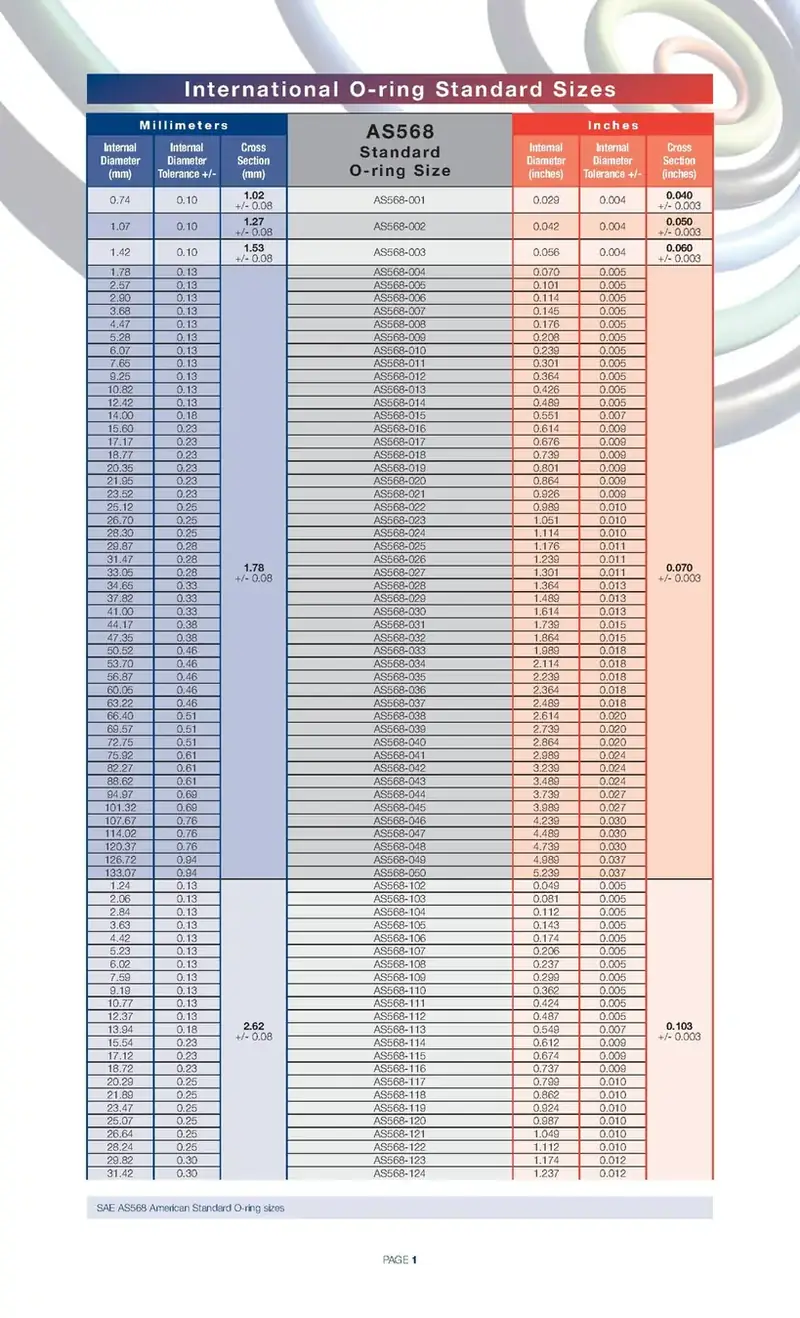
The process begins with Drawing Analysis, where our engineering team evaluates customer-provided technical drawings, CAD models, or physical samples. Critical parameters such as cross-sectional dimensions, tolerance classes (per ISO 3302 or AS568), surface finish requirements, and application environment data are extracted. This stage ensures that all geometric and functional requirements are fully understood before material development commences.

Following dimensional assessment, we proceed to Formulation Development. Garlock 3200 is a nitrile-based (NBR) rubber compound known for its resistance to oils, fuels, and hydraulic fluids, along with robust mechanical strength. Using advanced spectrometry, thermogravimetric analysis (TGA), and mechanical property benchmarking, our lab reverse-engineers the base polymer system and additive package. We then tailor the formulation to match or exceed the original performance profile, adjusting acrylonitrile content, plasticizers, and reinforcing fillers to optimize compression set, tensile strength, and thermal stability. All formulations are documented under controlled batch records for traceability.

Prototyping is the next critical validation phase. Utilizing precision molding techniques—such as compression, transfer, or injection molding—we produce small-batch prototypes. These samples undergo rigorous testing, including hardness measurement (Shore A), tensile and elongation analysis, fluid immersion resistance (per ASTM D471), and compression set evaluation (ASTM D395). Dimensional conformity is verified using coordinate measuring machines (CMM) or optical comparators. Customer feedback and test data are integrated for final design or material adjustments.

Upon approval, we transition to Mass Production. Our automated molding lines, supported by statistical process control (SPC) and in-line quality checks, ensure batch-to-batch consistency. Final products are packaged per customer logistics requirements, with full material certifications (including RoHS and REACH compliance documentation) provided.

This systematic approach enables Suzhou Baoshida to deliver technically compliant, high-reliability rubber components compatible with Garlock 3200 specifications, customized for global OEM and industrial maintenance applications.

Typical Physical Properties of Garlock 3200-Equivalent Compound

Property Test Method Typical Value
Hardness (Shore A) ASTM D2240 70 ± 5
Tensile Strength ASTM D412 ≥15 MPa
Elongation at Break ASTM D412 ≥250%
Compression Set (22 hrs, 100°C) ASTM D395 ≤30%
Fluid Resistance (IRMOG 707, 70°C, 70 hrs) ASTM D471 Volume swell ≤15%
Temperature Range -30°C to +120°C
Color Visual Brown

Contact Engineering Team

garlock 3200 spec sheet manufacturing

Technical Partnership for Garlock 3200 Industrial Gasket Solutions

As Rubber Formula Engineers and OEM Managers at Suzhou Baoshida Trading Co., Ltd., we recognize the critical role Garlock 3200 plays in high-temperature, high-pressure sealing applications across refining, chemical processing, and power generation. This expanded graphite sheet gasket material delivers exceptional chemical resistance, thermal stability, and recovery properties under extreme operational conditions. Our engineering team possesses granular expertise in optimizing Garlock 3200 formulations for specific OEM requirements, ensuring compliance with ASTM F1493, EN 1514-2, and client-specific material certifications. We do not merely supply; we co-engineer solutions that mitigate flange leakage risks while extending service life in demanding environments.

The precise performance characteristics of Garlock 3200 necessitate rigorous technical validation prior to deployment. Below is a distilled reference of core specifications for immediate engineering assessment:

Property Test Method Typical Value
Density (g/cm³) ASTM F36 1.3–1.5
Tensile Strength (MPa) ASTM F152 ≥8.0
Compression @ 35 MPa (%) ASTM F36 15–22
Recovery @ 35 MPa (%) ASTM F36 ≥45
Fluid Resistance (Weight Change %) ASTM D471 ≤5.0 (in crude oil)
Maximum Continuous Temp (°C) ASTM D1418 315 (inert) / 260 (oxidizing)
pH Range N/A 2–12

These values represent baseline industry data. Actual performance must be validated against your specific media, pressure cycles, and surface finish parameters. Suzhou Baoshida maintains an ISO/IEC 17025-certified testing laboratory in Suzhou Industrial Park, equipped to replicate your operational conditions for material qualification. Our engineers routinely conduct joint FEA simulations with OEM partners to model gasket behavior under thermal transients and vibration loads—preventing field failures through predictive analysis.

For applications demanding zero fugitive emissions compliance (e.g., ISO 15848, TA-Luft), we provide certified Garlock 3200 variants with traceable lot documentation and ASME PCC-1 bolted joint assembly protocols. Our technical team collaborates directly with your R&D and maintenance divisions to establish torque sequences, seating stress thresholds, and re-torque schedules unique to your flange geometry. This eliminates guesswork in critical sealing scenarios where standard catalog data proves insufficient.

Initiate a technical dialogue with Mr. Boyce, our dedicated OEM Account Manager, to secure application-specific validation data, material traceability reports, or custom-formulated iterations of Garlock 3200. Mr. Boyce holds 14 years of experience in industrial sealing solutions and speaks fluent English, Mandarin, and technical jargon. He will coordinate immediate access to:
Material Safety Data Sheets (MSDS) with full REACH/ROHS compliance
Batch-specific test certificates for your PO
On-site engineering support for complex flange assemblies

Contact Mr. Boyce directly at [email protected] with your operational parameters, flange specifications, and target KPIs. Include reference code GK3200-SD2024 in your subject line to expedite technical review. We respond to all qualified engineering inquiries within 4 business hours with actionable data—not generic brochures. Suzhou Baoshida operates under strict ITAR-free protocols, ensuring seamless global supply chain integration for multinational OEMs. Partner with us to transform sealing challenges into reliability benchmarks. Your next-generation gasket solution begins with precise engineering collaboration.


⚖️ O-Ring Weight Calculator

Estimate rubber O-ring weight (Approx).


Garlock 3200 Spec Sheet Manufacturer | Engineering Guide

Contents of Table

Contact [email protected] Whatsapp 86 15951276160