Type C Flange Manufacturer | Engineering Guide

Engineering Guide: Type C Flange

type c flange manufacturing

Engineering Insight: The Critical Role of Material Selection in Type C Flange Performance

In industrial sealing applications, the Type C flange is a widely adopted configuration due to its compatibility with standard piping systems and its ability to maintain integrity under moderate pressure and temperature conditions. However, despite its standardized geometry, the performance of a Type C flange is not guaranteed by design alone. The decisive factor in long-term reliability lies in the precision of material selection—a step often overlooked when relying on off-the-shelf rubber components.

Standardized manufacturing practices have led many buyers to assume that any rubber gasket or flange seal labeled for Type C applications will perform adequately across diverse environments. This assumption is fundamentally flawed. Rubber, as a polymeric material, exhibits highly variable behavior depending on chemical exposure, thermal cycling, compression set resistance, and dynamic stress conditions. Off-the-shelf solutions typically utilize generic elastomers such as standard NBR (nitrile) or EPDM, which may meet baseline mechanical requirements but fail prematurely when exposed to aggressive media or fluctuating service conditions.

For instance, a Type C flange installed in a chemical processing plant may face continuous exposure to aliphatic hydrocarbons. A standard NBR compound, while resistant to oils, degrades rapidly in such environments due to insufficient saturation of nitrile groups. Conversely, an FKM (fluoroelastomer) formulation with tailored fluorine content provides superior resistance but comes at a higher material cost—often avoided in mass-produced generic seals. Similarly, in high-temperature steam applications, EPDM may appear suitable due to its thermal stability, but without proper peroxide curing and antioxidant packages, compression set values deteriorate, leading to leakage within months.

At Suzhou Baoshida Trading Co., Ltd., we emphasize application-specific formulation over dimensional conformity. Our engineering team conducts a full service profile analysis—including fluid type, temperature range, pressure cycles, and expected service life—before recommending a compound. This approach ensures that the elastomer not only fits the flange groove but also maintains sealing force, resilience, and chemical inertness throughout its operational lifespan.

The following table outlines key elastomer properties relevant to Type C flange applications:

Material Temperature Range (°C) Key Chemical Resistances Compression Set (24h @ 150°C) Typical Use Case
NBR -30 to +100 Oils, fuels, aliphatic hydrocarbons Moderate to High Hydraulic systems, general industrial
EPDM -50 to +150 Steam, water, ketones, alkalis Low to Moderate HVAC, water treatment
FKM -20 to +200 Aromatics, acids, chlorinated solvents Low Petrochemical, semiconductor
Silicone -60 to +180 Ozone, UV, oxygen Moderate Food processing, aerospace

Material selection is not a secondary consideration—it is the core determinant of sealing success. Generic solutions compromise performance for cost, leading to unplanned downtime and safety risks. Precision-engineered elastomers, tailored to the operational environment, ensure that Type C flanges perform as intended: reliably, safely, and efficiently.


Material Specifications

type c flange manufacturing

Material Specifications for Type C Flange Applications

Material selection critically determines the operational lifespan and sealing integrity of Type C flanges in demanding industrial environments. At Suzhou Baoshida Trading Co., Ltd., we prioritize precision-engineered rubber compounds that withstand specific thermal, chemical, and mechanical stresses inherent to fluid transfer systems. This section details three primary elastomers—Viton, Nitrile, and Silicone—validated for Type C flange use per ASTM D2000 and ISO 3601 standards. Each material offers distinct performance profiles, necessitating careful alignment with application parameters to prevent premature failure.

Viton (FKM) excels in high-temperature and aggressive chemical exposure scenarios. Its fluorocarbon backbone provides exceptional resistance to fuels, oils, acids, and ozone, maintaining integrity from -20°C to +230°C continuous service. Viton’s low gas permeability and compression set resistance make it ideal for aerospace, chemical processing, and semiconductor manufacturing flanges where seal reliability is non-negotiable. However, its higher cost necessitates justification through extreme operational demands.

Nitrile (NBR) remains the industry benchmark for cost-effective resilience against petroleum-based fluids. With acrylonitrile content typically ranging 30–50%, it balances oil resistance, tensile strength (15–25 MPa), and abrasion tolerance across -30°C to +120°C. Nitrile’s versatility suits automotive, hydraulics, and general industrial Type C flanges exposed to lubricants, water, and aliphatic hydrocarbons. Limitations include poor ketone/aromatic solvent resistance and reduced flexibility below -40°C, requiring supplemental testing for cryogenic applications.

Silicone (VMQ) dominates extreme-temperature flexibility requirements, operating reliably from -60°C to +200°C. Its inert, biocompatible structure resists oxidation, UV degradation, and microbial growth, making it suitable for food processing, pharmaceutical, and high-purity fluid systems. Silicone’s low compression set ensures long-term sealing force retention but exhibits lower tensile strength (5–8 MPa) and poor resistance to concentrated acids or steam. Its high gas permeability also restricts use in vacuum applications without specialized formulations.

Material Performance Comparison for Type C Flanges

Property Viton (FKM) Nitrile (NBR) Silicone (VMQ)
Temperature Range (°C) -20 to +230 -30 to +120 -60 to +200
Tensile Strength (MPa) 10–20 15–25 5–8
Fluid Resistance Excellent (fuels, acids) Good (oils, water) Poor (acids, steam)
Compression Set (%) 10–20 15–30 10–25
Key Limitations Cost, poor ketone resistance Low ozone/heat resistance Low tensile strength, high gas permeability
Primary Applications Chemical, aerospace Automotive, hydraulics Food, pharma, high-purity

Selection must prioritize fluid compatibility, thermal extremes, and lifecycle cost analysis. Viton is optimal for critical high-stress environments despite premium pricing. Nitrile delivers the best value for standard industrial oil and water systems. Silicone serves niche high-flexibility or biocompatible needs but requires reinforcement for high-pressure flanges. Suzhou Baoshida Trading Co., Ltd. provides certified material test reports and application-specific compound adjustments to ensure Type C flange performance meets OEM specifications under real-world conditions. Engage our engineering team for tailored validation testing against your operational parameters.


Manufacturing Capabilities

type c flange manufacturing

Engineering Capability: Precision-Driven Development for Type C Flange Solutions

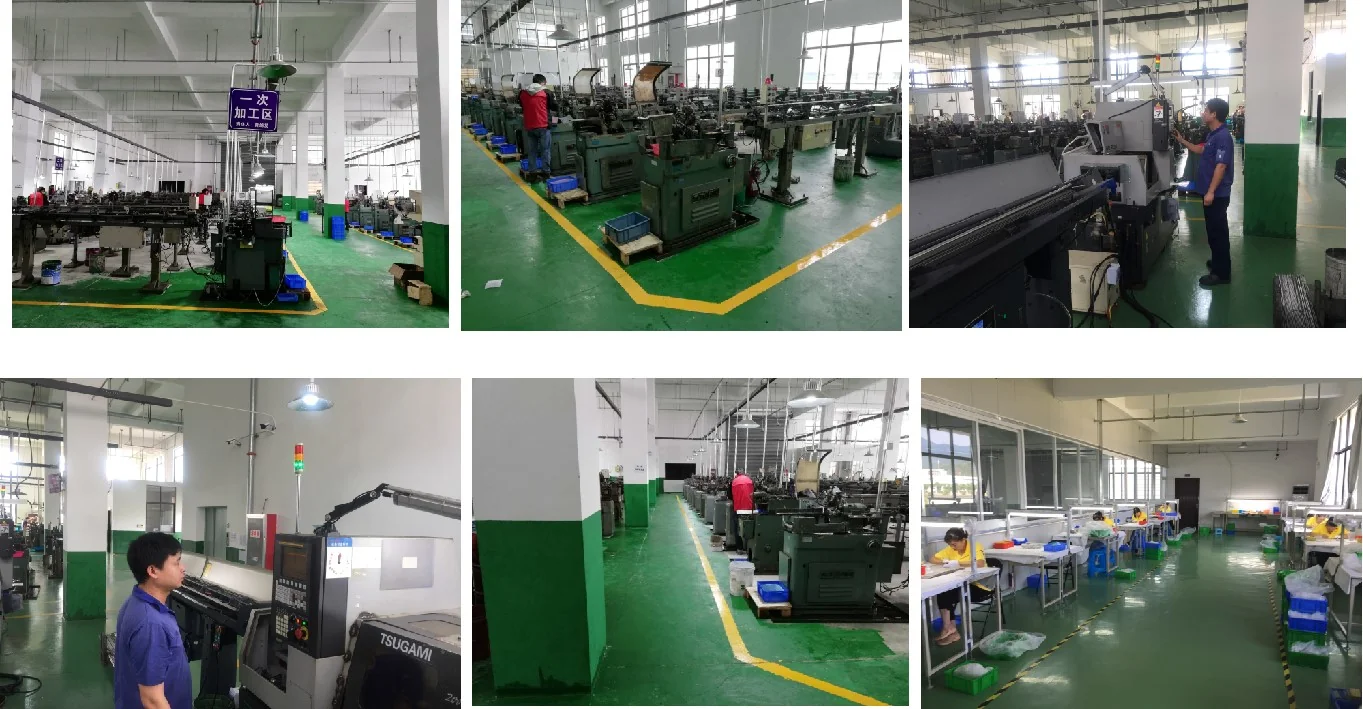
At Suzhou Baoshida Trading Co., Ltd., our engineering capability forms the backbone of our industrial rubber solutions, particularly in the design and manufacturing of Type C flanges. With a dedicated team of five experienced mould engineers and two specialized rubber formula engineers, we integrate material science with precision engineering to deliver high-performance, application-specific components. Our in-house technical team ensures complete control over the development lifecycle—from concept and compound formulation to mould design and final validation—resulting in optimized performance, durability, and consistency.

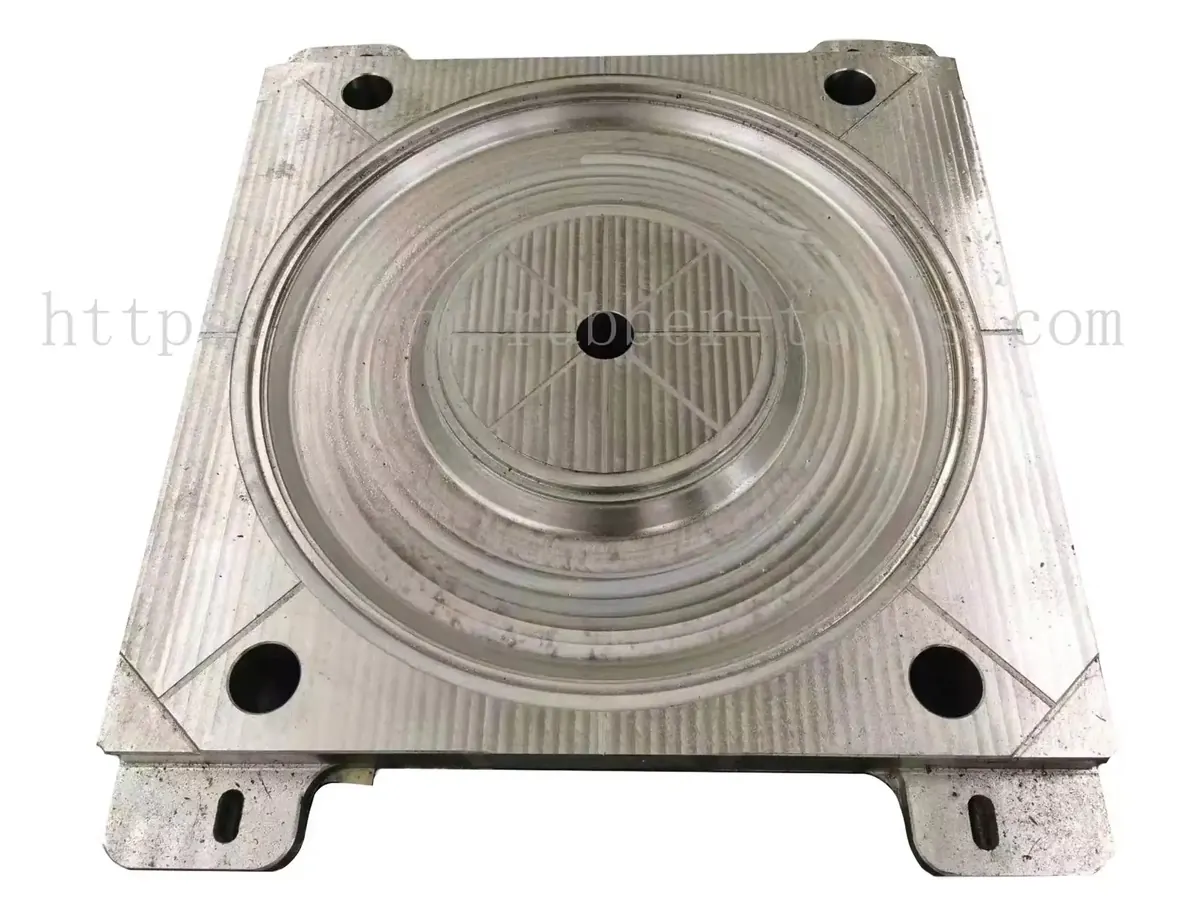
Our mould engineers bring over a decade of cumulative experience in rubber-to-metal bonding and precision compression moulding techniques. They utilize advanced CAD/CAM software, including SolidWorks and AutoCAD, to develop flange moulds that meet exact dimensional and tolerance requirements. Finite element analysis (FEA) is routinely applied to simulate stress distribution and compression behavior, ensuring optimal geometry and performance under operational loads. This engineering rigor is especially critical for Type C flanges, which are commonly used in high-pressure hydraulic and pneumatic systems where sealing integrity and mechanical stability are paramount.

Complementing our mould design expertise, our two rubber formula engineers specialize in custom elastomer development tailored to the environmental and mechanical demands of each application. Whether the requirement is resistance to oil, ozone, extreme temperatures, or dynamic compression, our formulation team develops proprietary rubber compounds based on NBR, EPDM, silicone, and FKM. These formulations are validated through accelerated aging tests, compression set analysis, and fluid resistance evaluations to ensure long-term reliability. The integration of formula development with mould engineering enables us to deliver fully optimized Type C flange solutions that outperform standard off-the-shelf products.

As an OEM manufacturing partner, Suzhou Baoshida offers end-to-end engineering support. We work directly with client specifications to co-develop flange designs, validate prototypes, and scale to high-volume production with full traceability and quality assurance. Our facility supports rapid tooling and small-batch prototyping, reducing time-to-market while maintaining industrial-grade precision.

The following table outlines key technical specifications for our standard Type C flange offerings, reflecting our engineering precision and material versatility.

Parameter Specification
Flange Type Type C (per ISO 4397, DIN 73378)
Nominal Diameter Range DN 6 to DN 50
Pressure Rating Up to 420 bar (6,000 psi)
Temperature Range -40°C to +150°C (depending on compound)
Materials NBR, EPDM, FKM, Silicone (custom compounds available)
Hardness (Shore A) 60 to 90 ±5
Mould Tolerance ±0.15 mm (critical sealing surfaces)
Bonding Method Cold bonding or mould-bonded to metal insert
OEM Customization Full design, testing, and validation support

Through the synergy of advanced mould engineering and specialized rubber formulation, Suzhou Baoshida delivers technically superior Type C flanges engineered for reliability in the most demanding industrial environments.


Customization Process

type c flange manufacturing

Type C Flange Customization Process: Precision Engineering from Concept to Production

At Suzhou Baoshida Trading Co., Ltd., our Type C flange customization adheres to a rigorously defined engineering workflow, ensuring dimensional accuracy, material integrity, and performance reliability for demanding industrial applications. This process begins with comprehensive drawing analysis, where our technical team dissects client-provided ISO 7005-compliant schematics. Critical parameters—including flange face geometry, bolt hole patterns, pressure ratings, and surface finish tolerances—are cross-referenced against ASME B16.21 and EN 1092-1 standards. Any ambiguities or potential stress concentration zones are flagged for immediate client consultation, preventing downstream deviations. This phase utilizes GD&T analysis to validate concentricity, flatness, and angular tolerances within ±0.1 mm precision.

Following drawing validation, our Rubber Formula Engineering team develops a bespoke elastomer compound. Material selection prioritizes operational conditions: temperature extremes, chemical exposure, and dynamic load requirements dictate base polymer choice (e.g., EPDM for ozone resistance, NBR for oil compatibility). Key properties are optimized through iterative computational modeling, balancing hardness, tensile strength, and compression set. The formulation undergoes accelerated aging simulations per ASTM D573 to predict long-term resilience. All compounds comply with FDA 21 CFR 177.2600 or EU 10/2011 where applicable, with full material traceability via batch-coded certificates.

Prototyping executes the validated design using CNC-machined molds and precision vulcanization. Each prototype undergoes three-stage verification: first-article inspection (FAI) per AS9102 for dimensional conformity, hydraulic pressure testing to 1.5x rated pressure per ISO 5208, and dynamic fatigue cycling. Critical measurements include bolt torque retention, gasket seating stress distribution, and leakage rates under thermal cycling. Client feedback on prototype performance triggers micro-adjustments to cure time, mold temperature, or compound viscosity before final sign-off.

Mass production initiates only after prototype approval, leveraging automated injection molding with real-time cavity pressure monitoring. In-process quality checks occur at 30-minute intervals, measuring durometer (ASTM D2240), tensile properties (ISO 37), and dimensional stability. Final inspection employs CMM scanning against the original CAD model, with statistical process control (SPC) data logged for every batch.

Critical Material Specifications for Type C Flange Compounds

Parameter Test Standard Typical Range Critical Tolerance
Hardness (Shore A) ASTM D2240 60–90 ±3 points
Tensile Strength ISO 37 10–25 MPa Min. 8 MPa
Elongation at Break ISO 37 200–500% Min. 150%
Compression Set ASTM D395 B 10–30% (22h, 70°C) Max. 35%
Operating Temp ISO 188 -40°C to +150°C ±5°C stability

This structured methodology eliminates guesswork, transforming client specifications into certified, high-performance sealing solutions. Suzhou Baoshida’s integration of material science, precision manufacturing, and OEM collaboration ensures Type C flanges exceed industry lifecycle expectations while minimizing total cost of ownership. All stages are documented under ISO 9001:2015, providing auditable traceability from raw material to finished component.


Contact Engineering Team

type c flange manufacturing

Contact Suzhou Baoshida for Advanced Type C Flange Solutions

Suzhou Baoshida Trading Co., Ltd. stands at the forefront of industrial rubber solutions, delivering precision-engineered components tailored for demanding applications. Our expertise in Type C flange manufacturing ensures compliance with international standards, optimal sealing performance, and long-term durability under high-pressure and high-temperature environments. As a trusted OEM partner, we combine material science, advanced molding technology, and rigorous quality control to meet the exact specifications of global clients in oil & gas, chemical processing, marine, and power generation sectors.

For technical inquiries, custom design support, or volume production requirements related to Type C flanges, direct engagement with our engineering team is essential. Mr. Boyce, our dedicated OEM Manager and Rubber Formula Engineer, leads client collaboration from concept to delivery. With over 15 years of experience in elastomer formulation and flange system integration, Mr. Boyce ensures that every solution is optimized for chemical resistance, compression set, and mechanical stability. Whether you require NBR, EPDM, Viton (FKM), or specialty compounds such as HNBR or silicone, our formulations are validated through ASTM, ISO, and DIN testing protocols.

Our Type C flange series is designed to meet API 6A and ISO 10423 standards, featuring a robust hub configuration that enables secure bolted connections and consistent face-to-face dimensions. Each unit undergoes dimensional verification, hardness testing, and leak testing to guarantee field reliability. We support both standard and non-standard sizes, with rapid prototyping capabilities and tooling development in-house.

Below are key technical specifications for our standard Type C flange offering:

Parameter Specification
Nominal Diameter Range DN 50 – DN 600 (2″ – 24″)
Pressure Rating 150 – 2500 psi (PN 10 – PN 420)
Temperature Range -40°C to +230°C (depending on elastomer)
Flange Face Type Raised Face (RF), Flat Face (FF), Ring Type Joint (RTJ)
Material Options NBR, EPDM, FKM, CR, HNBR, Silicone
Reinforcement Multi-ply steel inserts or carbon fiber composite
Standards Compliance API 6A, ISO 10423, ASME B16.21, DIN 2696
Surface Finish 125–250 µin RA, per ASME B46.1
Testing Protocols Hydrostatic, Compression Set (ASTM D395), Hardness (ASTM D2240)

Engaging with Suzhou Baoshida means access to end-to-end technical support, from material selection and finite element analysis (FEA) modeling to full-scale production and logistics coordination. We operate under ISO 9001-certified processes and maintain traceability for every batch produced.

To initiate a project or request a detailed quotation, contact Mr. Boyce directly at [email protected]. Include your application parameters, operating environment, and performance expectations to receive a targeted solution within 48 hours. Our team is fluent in English, Mandarin, and technical engineering terminology, ensuring seamless cross-border collaboration. For urgent requests, indicate “Priority – Type C Flange” in the subject line to expedite response time. Partner with Suzhou Baoshida and elevate your sealing performance with engineered precision.


⚖️ O-Ring Weight Calculator

Estimate rubber O-ring weight (Approx).


Type C Flange Manufacturer | Engineering Guide

Contents of Table

Contact [email protected] Whatsapp 86 15951276160