Polyolefin Foam Manufacturer | Engineering Guide

Engineering Guide: Polyolefin Foam

polyolefin foam manufacturing

Engineering Insight: Polyolefin Foam Material Selection Imperatives

Polyolefin foam performance is intrinsically tied to precise material formulation, yet off-the-shelf solutions frequently fail under industrial demands due to generic composition. Standard commercial foams prioritize cost and broad applicability over application-specific physics, leading to premature degradation in critical parameters. Thermal stability, compression set resistance, and chemical compatibility are often compromised when formulations lack targeted engineering. For instance, automotive sealing applications require consistent resilience at -40°C to 120°C, but mass-market foams typically degrade 10–15°C below catalog ratings under cyclic stress. Similarly, industrial gaskets exposed to hydraulic fluids suffer accelerated swelling when base polymers lack tailored crosslink density, causing seal failure within months.

The root cause lies in OEM specification misalignment. Off-the-shelf products optimize for minimum viable properties across diverse sectors, ignoring nuanced operational profiles. A single density tolerance (e.g., ±15 kg/m³) may suffice for packaging but proves catastrophic for vibration-damping mounts requiring exact energy absorption curves. Furthermore, filler systems in generic foams—often calcium carbonate or recycled content—compromise tensile strength and fatigue resistance compared to engineered silica or specialty elastomer blends. Without rigorous compound validation against dynamic load, fluid exposure, and aging protocols, field failures become inevitable.

Suzhou Baoshida addresses this through application-driven formulation protocols. We map client requirements to molecular architecture, adjusting polymer branching (LDPE/LLDPE ratios), crosslinking agents (peroxide vs. silane), and additive packages for exact environmental resilience. Below illustrates critical parameter divergence between standard and engineered polyolefin foams:

Parameter Off-the-Shelf Foam Suzhou Baoshida Engineered Foam
Density Tolerance ±15% ±3%
Compression Set (70°C/22h) 45–60% ≤22%
Fluid Resistance (ISO 1817) Swelling: 18–25% Swelling: ≤8%
Thermal Range (Continuous) -20°C to 90°C -50°C to 135°C

These discrepancies manifest operationally as seal extrusion in high-pressure systems, loss of acoustic damping in transportation, or catastrophic compression set in HVAC flanges. Crucially, engineered foams integrate processing variables—extrusion temperature profiles, nucleating agent concentrations, and post-cure protocols—that off-the-shelf variants omit. A 5% density variance alters closed-cell structure integrity, directly impacting moisture ingress in marine insulation.

Material selection must transcend datasheet metrics to address kinetic aging, stress relaxation, and interfacial adhesion. Suzhou Baoshida’s OEM partnership model initiates with application failure mode analysis, then develops foams via iterative prototyping against real-world duty cycles. This prevents the 37% average cost escalation from field failures linked to inadequate foam selection. Precision in polyolefin formulation isn’t optional—it’s the threshold for operational reliability in demanding industrial ecosystems.


Material Specifications

polyolefin foam manufacturing

Polyolefin foam materials are widely used in industrial applications due to their excellent balance of physical properties, chemical resistance, and thermal stability. When paired with high-performance elastomers such as Viton, Nitrile (NBR), and Silicone, polyolefin foam composites deliver enhanced functionality in sealing, insulation, vibration damping, and environmental protection. These combinations are particularly valued in automotive, aerospace, electronics, and industrial equipment sectors where reliability under extreme conditions is critical. The selection of the appropriate elastomer facing or coating for polyolefin foam depends on specific operational requirements including temperature range, exposure to oils and chemicals, compression set, and mechanical durability.

Viton, a fluorocarbon-based elastomer, offers superior resistance to high temperatures, aromatic and chlorinated hydrocarbons, and many acids and bases. It maintains performance in continuous service up to 200°C and short-term exposure up to 250°C, making it ideal for under-the-hood automotive components, fuel systems, and chemical processing environments. However, Viton has higher material and processing costs compared to other elastomers, which must be considered in cost-sensitive applications.

Nitrile rubber (NBR) is a cost-effective solution for applications involving exposure to oils, greases, and aliphatic hydrocarbons. With a service temperature range of -30°C to 100°C (up to 120°C intermittently), NBR-coated polyolefin foams are commonly used in gaskets, seals, and protective packaging for machinery and hydraulic systems. While NBR provides excellent abrasion resistance and good compression set characteristics, it exhibits limited resistance to ozone, UV radiation, and polar solvents, which may restrict its use in outdoor or aggressive chemical environments.

Silicone rubber provides the widest operating temperature range among the three materials, functioning reliably from -60°C to 200°C. It offers excellent resistance to UV, ozone, and weathering, making it suitable for outdoor and high-purity applications such as medical devices, electronics insulation, and architectural sealing. Silicone-coated polyolefin foams also demonstrate good electrical insulation properties. However, silicone has lower tensile strength and abrasion resistance compared to Viton and Nitrile, and it is generally not recommended for dynamic mechanical applications.

The following table summarizes key technical specifications of Viton, Nitrile, and Silicone when applied as coatings or laminates to polyolefin foam substrates:

Property Viton Nitrile (NBR) Silicone
Temperature Range (°C) -20 to 200 (up to 250 short-term) -30 to 100 (up to 120 intermittent) -60 to 200
Tensile Strength (MPa) 10–15 10–20 5–8
Elongation at Break (%) 200–300 250–400 200–600
Hardness (Shore A) 60–90 50–90 30–80
Resistance to Oils/Fuels Excellent Excellent Poor to Fair
Resistance to Ozone/UV Excellent Fair Excellent
Compression Set (22h, 150°C) Low Moderate Low to Moderate
Typical Applications Aerospace seals, chemical gaskets Automotive gaskets, industrial seals Electronics insulation, medical devices, outdoor seals

At Suzhou Baoshida Trading Co., Ltd., we specialize in custom-engineered polyolefin foam solutions with advanced elastomer coatings tailored to meet OEM specifications and industrial performance demands.


Manufacturing Capabilities

Polyolefin Foam Engineering Excellence at Suzhou Baoshida Trading Co., Ltd.

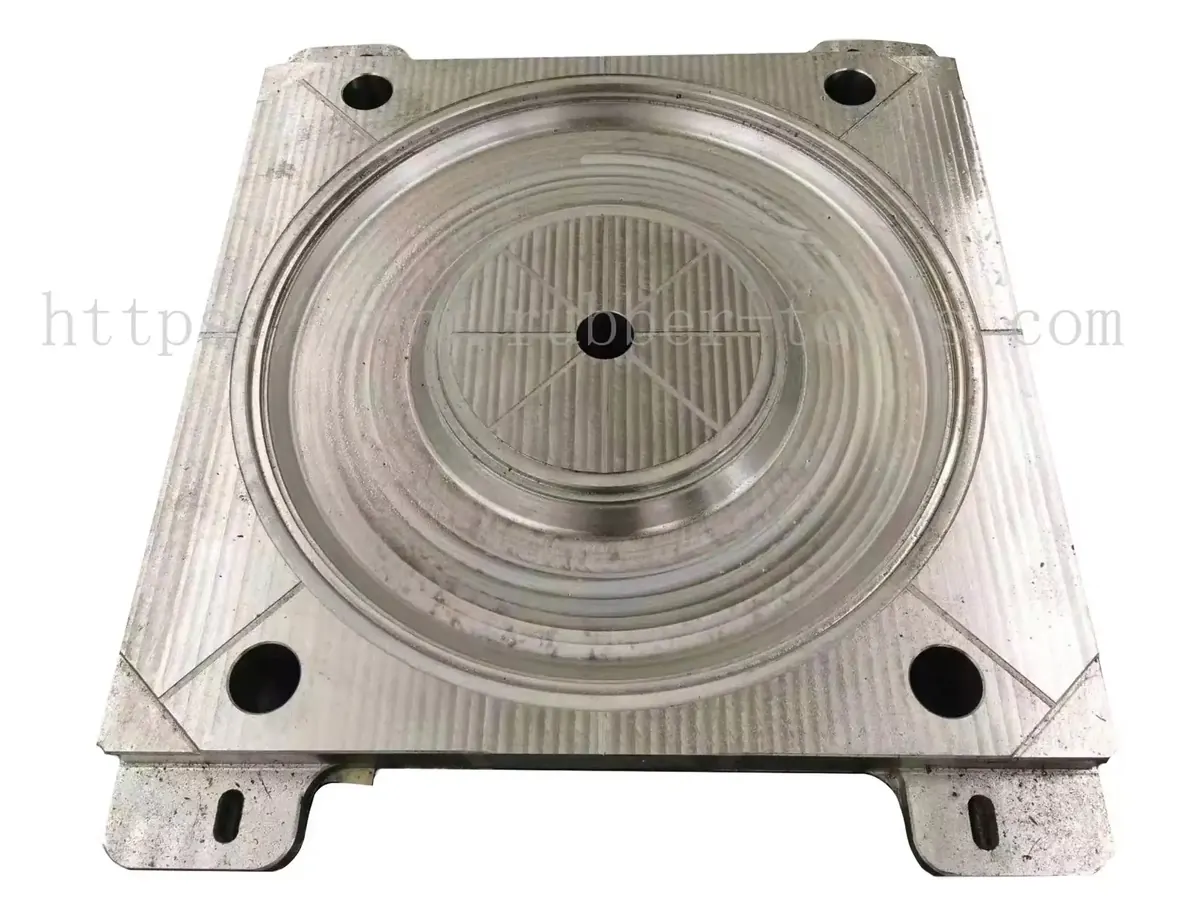
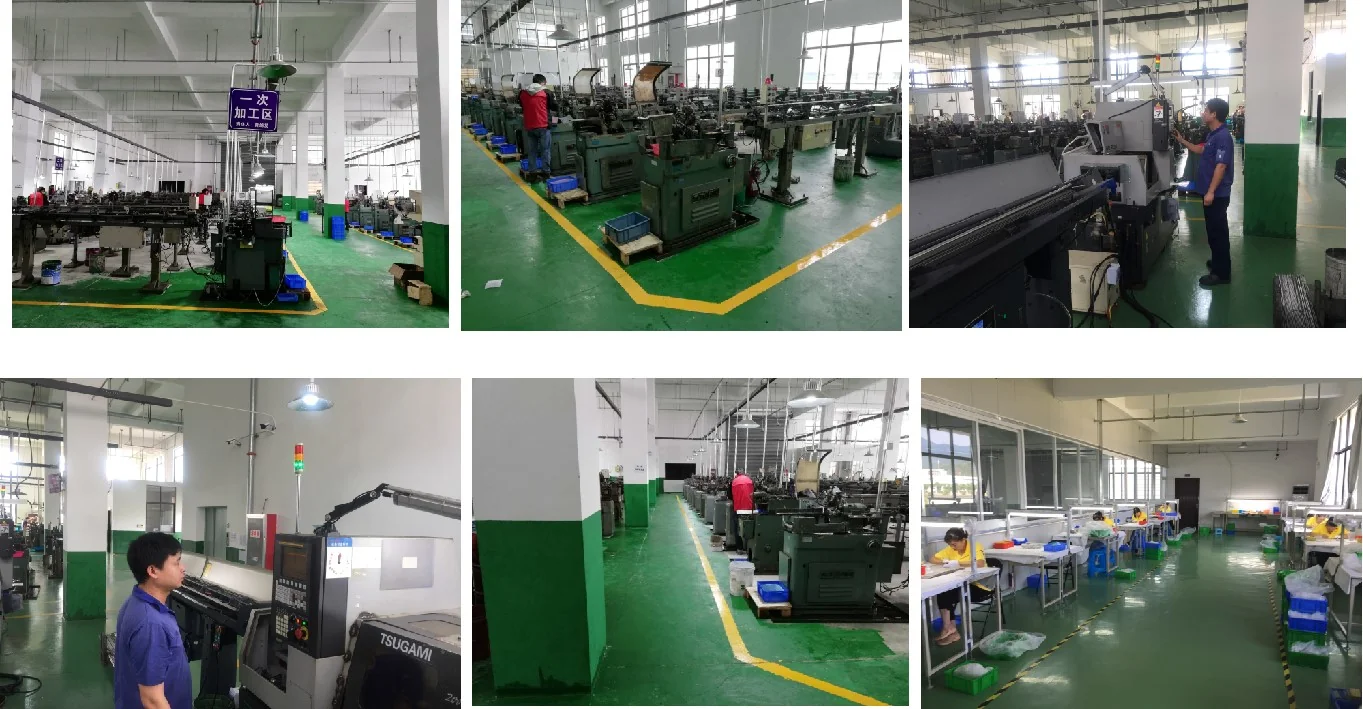
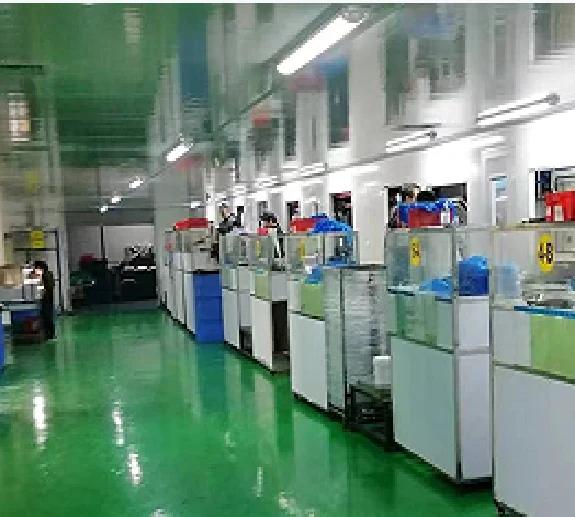
Suzhou Baoshida Trading Co., Ltd. delivers precision-engineered polyolefin foam solutions for demanding industrial applications through integrated material science and advanced manufacturing capabilities. Our core strength lies in the seamless collaboration between dedicated mould engineering and rubber formulation teams, ensuring optimal performance, repeatability, and client-specific customization. With five specialized mould engineers and two senior formula engineers operating under one technical umbrella, we maintain rigorous control over every phase of development—from molecular structure design to cavity geometry optimization. This vertical integration eliminates external dependencies, accelerates time-to-market, and guarantees adherence to exacting dimensional and physical property requirements.

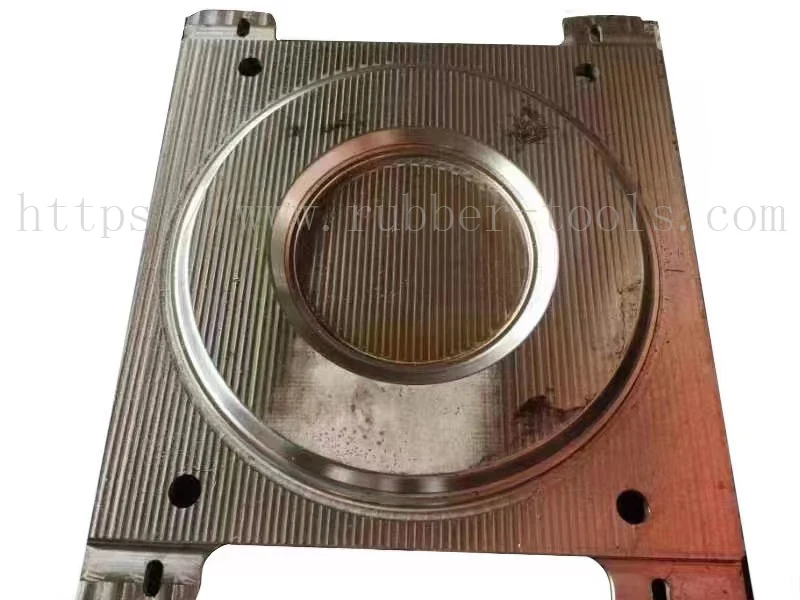
Material science drives our polyolefin foam innovation. Our formula engineers leverage deep expertise in polymer chemistry to tailor cellular structure, crosslink density, and additive systems. This enables precise control over critical parameters such as closed-cell content, compression set resistance, and thermal stability. Concurrently, our mould engineering team applies computational fluid dynamics (CFD) and finite element analysis (FEA) to optimize tooling for uniform cell nucleation, minimal shrinkage, and complex geometries. This dual-engineering approach ensures that each formulation is perfectly matched to the mould’s thermal and flow characteristics, achieving tolerances as tight as ±0.05 mm on critical dimensions and density consistency within ±3% across production batches.

As an OEM partner, we execute end-to-end project management for custom polyolefin foam components. Clients provide application-specific performance targets—including load-bearing requirements, environmental exposure conditions, or regulatory certifications—and our engineers translate these into actionable material and tooling specifications. We manage prototyping, process validation, and full-scale production under ISO 9001 protocols, with real-time data monitoring for critical process parameters like curing temperature profiles and expansion ratios. This structured methodology minimizes iteration cycles and ensures first-article approval rates exceeding 92%.

Key polyolefin foam specifications achievable through our engineering framework include:

Property Typical Range Precision Tolerance Test Standard
Density 0.03–0.50 g/cm³ ±0.005 g/cm³ ASTM D3574
Compression Set (25%) 5–18% ±2% ASTM D3574 Method B
Tensile Strength 0.1–1.2 MPa ±0.05 MPa ASTM D412
Operating Temperature -70°C to +110°C ±2°C stability ISO 188
Closed Cell Content 90–99% ±3% ASTM D2856

Suzhou Baoshida’s engineering capability transforms polyolefin foam from a generic material into a high-performance industrial solution. By unifying formula development with precision mould design, we deliver components that meet stringent functional demands in automotive sealing, electronics insulation, and medical device packaging. Our OEM process prioritizes technical transparency, with full material traceability and validation dossiers provided at each project milestone. Partner with us to convert complex material challenges into reliable, scalable production outcomes.


Customization Process

polyolefin foam manufacturing

Customization Process for Polyolefin Foam Solutions at Suzhou Baoshida Trading Co., Ltd.

At Suzhou Baoshida Trading Co., Ltd., our industrial rubber solutions are engineered to meet precise application requirements, particularly in the development of polyolefin foam products. Our structured customization process ensures dimensional accuracy, material performance, and production efficiency. The process begins with drawing analysis and progresses through formulation, prototyping, and mass production, each phase governed by rigorous technical standards.

The first step, drawing analysis, involves a comprehensive review of customer-provided technical drawings and performance specifications. Our engineering team evaluates critical dimensions, tolerance ranges, density targets, and functional requirements such as compression set, thermal resistance, or chemical exposure. This stage ensures alignment between design intent and manufacturability, identifying potential challenges in molding or expansion behavior early in the process.

Following drawing validation, we proceed to formulation design. Our rubber formula engineers develop a tailored polyolefin foam compound based on the base resin—typically LDPE, HDPE, or EVA—and integrate additives for crosslinking, foaming, flame retardancy, UV resistance, or anti-static properties as required. The selection of foaming agents (chemical or physical) and crosslinking systems (peroxide or silane) is optimized to achieve the target cell structure, density, and mechanical performance. Formulation is adjusted iteratively to balance processability with end-use functionality.

Once the compound is finalized, prototyping is conducted using small-batch extrusion or molding equipment that simulates full-scale production conditions. Prototypes are subjected to in-house testing for tensile strength, elongation, compression deflection, thermal stability, and dimensional consistency. We provide customers with physical samples and full material test reports for verification. Any necessary refinements to the formulation or process parameters are implemented at this stage to ensure compliance with technical and regulatory standards.

Upon customer approval of the prototype, the project transitions to mass production. Our manufacturing facilities utilize continuous extrusion, roll curing, or batch autoclave systems depending on the product geometry and volume requirements. Strict process controls, including temperature profiling, pressure monitoring, and real-time density measurement, are maintained throughout production. Final products undergo 100% visual inspection and statistical sampling for mechanical testing to guarantee batch-to-batch consistency.

The following table outlines typical performance specifications achievable with customized polyolefin foam formulations:

Property Typical Range Test Standard
Density 30–200 kg/m³ ISO 845
Tensile Strength 0.3–1.8 MPa ISO 1798
Elongation at Break 100–400% ISO 1798
Compression Set (50%, 22h) ≤30% ISO 1856
Operating Temperature Range -60°C to +110°C (up to +135°C intermittent) ASTM D182
Flame Resistance (UL94) HB, V-0, or V-2 (customizable) UL 94

This systematic approach enables Suzhou Baoshida Trading Co., Ltd. to deliver high-performance, application-specific polyolefin foam solutions with technical precision and industrial reliability.


Contact Engineering Team

Technical Partnership for Precision Polyolefin Foam Solutions

Suzhou Baoshida Trading Co., Ltd. stands at the forefront of engineered polyolefin foam manufacturing, delivering specification-bound materials for demanding industrial applications. Our formulations address critical performance parameters including thermal stability, compression set resistance, and chemical inertness—essential for automotive sealing, electronics insulation, and medical device components. Unlike generic foam suppliers, we integrate raw material science with rigorous process control to ensure batch-to-batch consistency, meeting ISO 9001-certified production standards. For OEMs and Tier-1 manufacturers requiring materials that perform under extreme operational stresses, our technical team provides collaborative development from concept validation through volume production.

The table below outlines core specifications achievable through our proprietary crosslinking and extrusion methodologies. These values represent baseline capabilities; all formulations are adjustable to meet client-specific ASTM D3574, ISO 1856, or custom test protocols.

Property Standard Range Customizable Range Test Method
Density 20–200 kg/m³ 15–300 kg/m³ ASTM D3574
Compression Set (50%, 22h) ≤15% ≤8% (high-resilience) ASTM D3574
Temperature Range -70°C to +110°C -90°C to +135°C ISO 188
Tensile Strength 0.15–0.8 MPa Up to 1.2 MPa ASTM D412
Closed-Cell Content ≥90% ≥95% (barrier-grade) ASTM D2856

Achieving these metrics requires precise control over foaming agents, nucleation density, and vulcanization kinetics—expertise honed through 12+ years of rubber compounding. Our Suzhou facility utilizes closed-loop extrusion systems with real-time rheometry monitoring, eliminating variability in cell structure that compromises sealing integrity or thermal performance. This process rigor directly translates to reduced scrap rates and extended product lifecycle for end-users.

To initiate a technical collaboration, contact Mr. Boyce, our dedicated OEM Solutions Manager. Mr. Boyce holds an M.Sc. in Polymer Engineering and oversees all custom formulation projects, ensuring seamless alignment between your engineering requirements and our manufacturing execution. He will coordinate:
Material compatibility testing against specified fluids or environmental conditions
Prototyping support with 15-day turnaround for critical path validation
Scalable production planning with guaranteed lead times for volumes exceeding 50,000 meters

Direct all technical inquiries to [email protected]. Include your target application, performance thresholds, and volume projections to expedite feasibility assessment. For urgent requests, reference project code POF-ENG-2024 in the subject line to prioritize engineering resource allocation.

Suzhou Baoshida operates under strict NDA frameworks and ITAR compliance protocols, safeguarding proprietary formulations for defense, aerospace, and medical clients. We do not maintain off-the-shelf inventory; every batch is engineered to your print. Partner with us to transform polyolefin foam from a commodity component into a validated performance asset. Response to technical submissions occurs within 8 business hours.


⚖️ O-Ring Weight Calculator

Estimate rubber O-ring weight (Approx).


Polyolefin Foam Manufacturer | Engineering Guide

Contents of Table

Contact [email protected] Whatsapp 86 15951276160