Gas Gasket Material Manufacturer | Engineering Guide

Engineering Guide: Gas Gasket Material

gas gasket material manufacturing

Engineering Insight: The Critical Role of Material Selection in Gas Gasket Performance

In precision sealing applications, especially within gas systems, the selection of gasket material is not a matter of convenience—it is a determinant of system integrity, safety, and operational longevity. At Suzhou Baoshida Trading Co., Ltd., we emphasize that off-the-shelf gasket solutions frequently fail under real-world conditions due to a fundamental mismatch between generic material properties and the specific chemical, thermal, and mechanical demands of the application. Gas environments, particularly those involving high pressure, elevated temperatures, or reactive media, require materials engineered for compatibility and resilience.

Standard gasket materials such as generic nitrile rubber (NBR) or low-grade silicone may appear cost-effective initially, but they often degrade rapidly when exposed to gases like oxygen, hydrogen, or hydrocarbons under pressure. For instance, NBR exhibits poor resistance to ozone and polar solvents, leading to cracking and embrittlement. Silicone, while thermally stable, possesses high gas permeability, making it unsuitable for critical sealing in high-purity or high-pressure gas lines. These failures manifest as micro-leaks, seal extrusion, or catastrophic blowouts—issues that compromise not only performance but also safety compliance.

The root cause lies in the absence of application-specific engineering. A successful gasket material must balance multiple performance vectors: chemical resistance, compression set, tensile strength, thermal stability, and elastic recovery. For example, fluorocarbon rubber (FKM) offers exceptional resistance to hydrocarbons and operates reliably from -20°C to 200°C, making it ideal for fuel and industrial gas systems. Perfluoroelastomers (FFKM) extend this range further, with resistance to aggressive chemicals such as hot acids and halogens, albeit at a higher cost—justified only in extreme environments.

Material selection must also consider dynamic stresses. In cyclic systems, repeated compression and decompression demand low compression set and high resilience. Ethylene propylene diene monomer (EPDM) excels in steam and water applications but fails in hydrocarbon exposure, underscoring the necessity of media compatibility analysis.

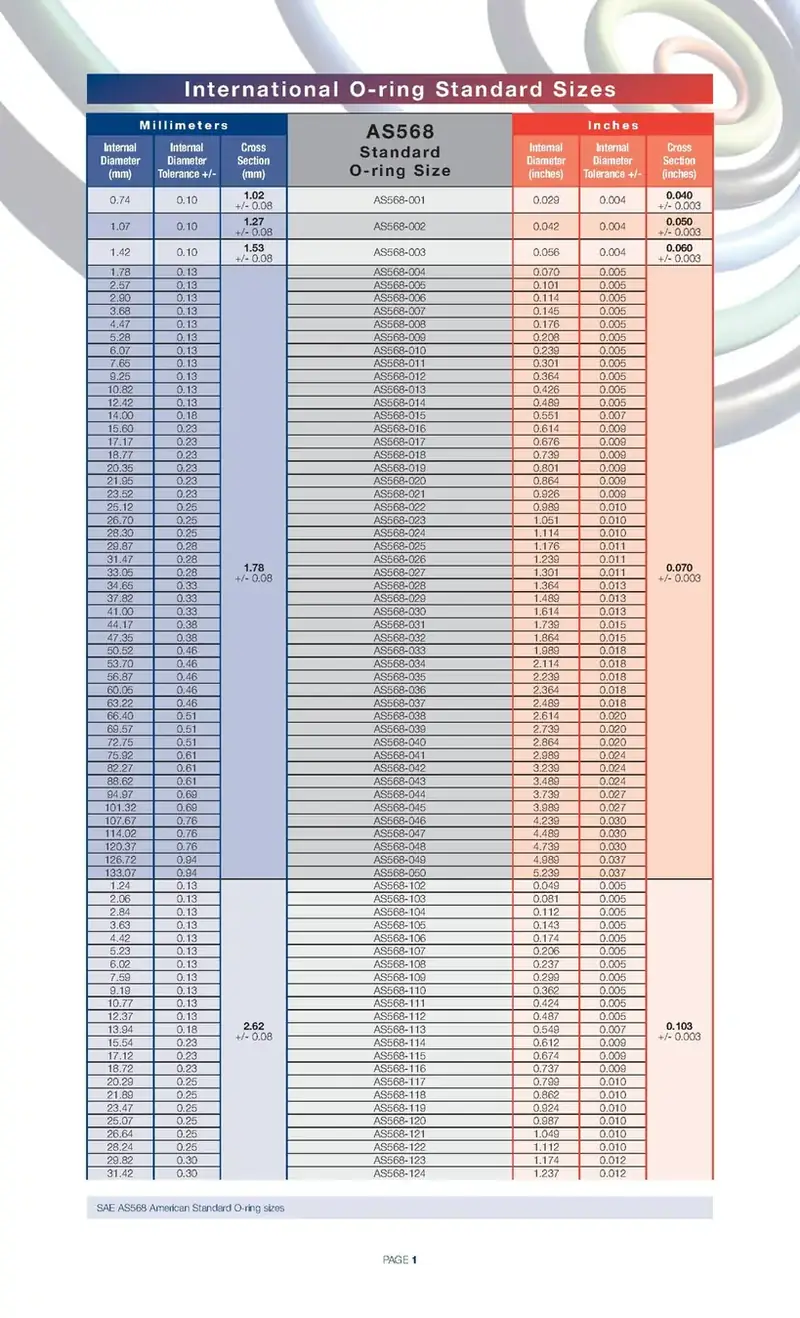
Below is a comparative overview of common rubber materials used in gas gasketing, highlighting key performance parameters:

Material Temperature Range (°C) Key Chemical Resistance Gas Permeability Typical Applications
NBR -30 to 100 Aliphatic hydrocarbons Moderate Compressed air, hydraulics
FKM -20 to 200 Aromatics, fuels, oils Low Fuel systems, industrial gases
Silicone -55 to 200 Water, oxygen, ozone High Medical, food-grade gases
EPDM -50 to 150 Steam, water, alkalis Moderate HVAC, steam lines
FFKM -15 to 300 Acids, halogens, solvents Very Low Semiconductor, chemical processing

At Suzhou Baoshida, we advocate for engineered material selection based on comprehensive application profiling. Standardized gaskets are not inherently flawed—but their deployment without rigorous evaluation leads to avoidable failure. Precision rubber seals demand precision thinking.


Material Specifications

gas gasket material manufacturing

Material Specifications for Precision Gas Gasket Applications

Selecting the optimal elastomer for gas gasket applications is critical to ensuring long-term sealing integrity under demanding thermal, chemical, and pressure conditions. At Suzhou Baoshida Trading Co., Ltd., we engineer precision rubber seals using rigorously tested formulations of Viton (FKM), Nitrile (NBR), and Silicone (VMQ) to meet stringent OEM requirements. Each material exhibits distinct performance characteristics that must align with the operational environment. Gas gaskets require exceptional resistance to compression set, low permeability, and stability when exposed to aggressive media such as fuels, refrigerants, acids, or industrial gases. Material failure can lead to catastrophic leaks, system contamination, or safety hazards, necessitating precise specification based on empirical data rather than generalized assumptions.

The following comparative analysis details essential properties for Viton, Nitrile, and Silicone, derived from standardized ASTM D2000 and ISO 37 testing protocols. These values represent typical commercial grades optimized for gasketing; custom formulations may extend specific performance boundaries.

Property Viton (FKM) Nitrile (NBR) Silicone (VMQ)
Temperature Range (°C) -20 to +230 -40 to +120 -60 to +200
Fuel/Oil Resistance Excellent Good to Excellent Poor
Acid/Chemical Resistance Outstanding Fair Moderate
Compression Set (%) ≤ 20 (24h @ 150°C) ≤ 25 (70h @ 100°C) ≤ 25 (22h @ 150°C)
Tensile Strength (MPa) 15–20 25–30 6–10
Typical Gas Applications Refrigerant lines, aerospace fuel systems, chemical processing Natural gas pipelines, hydraulic systems, automotive transmission Medical gas systems, semiconductor tooling, cryogenic seals

Viton excels in high-temperature hydrocarbon environments, such as those involving fluorinated refrigerants or jet fuels, due to its saturated fluorocarbon backbone providing unmatched chemical inertness. Its low gas permeability and minimal compression set ensure reliable sealing in critical aerospace and semiconductor applications. Nitrile remains the cost-effective solution for petroleum-based gas systems, offering robust mechanical strength and abrasion resistance, though its performance degrades rapidly above 120°C or in strong oxidizing acids. Silicone provides superior flexibility at cryogenic temperatures and biocompatibility for medical or food-grade gases but lacks mechanical durability in dynamic sealing scenarios and swells significantly in hydrocarbons.

Suzhou Baoshida’s OEM engineering team collaborates with clients to validate material selection against actual service conditions, including dynamic stress analysis and media compatibility testing. We emphasize that gasket geometry, surface finish, and bolt load distribution equally influence performance; our technical support integrates material science with mechanical design to prevent field failures. For aggressive gas media like hydrogen sulfide or chlorine, Viton grades with peroxide curing are mandatory, while NBR formulations with high acrylonitrile content (≥ 45%) enhance fuel resistance. Silicone’s use is restricted to non-lubricated, non-hydrocarbon systems due to inherent swelling vulnerabilities.

Material certification documentation, including full ASTM test reports and traceable batch records, is standard for all Baoshida precision seals. Contact our engineering department to discuss application-specific validation protocols and accelerated life testing for your gas gasket requirements.


Manufacturing Capabilities

gas gasket material manufacturing

Engineering Excellence in Precision Rubber Seals

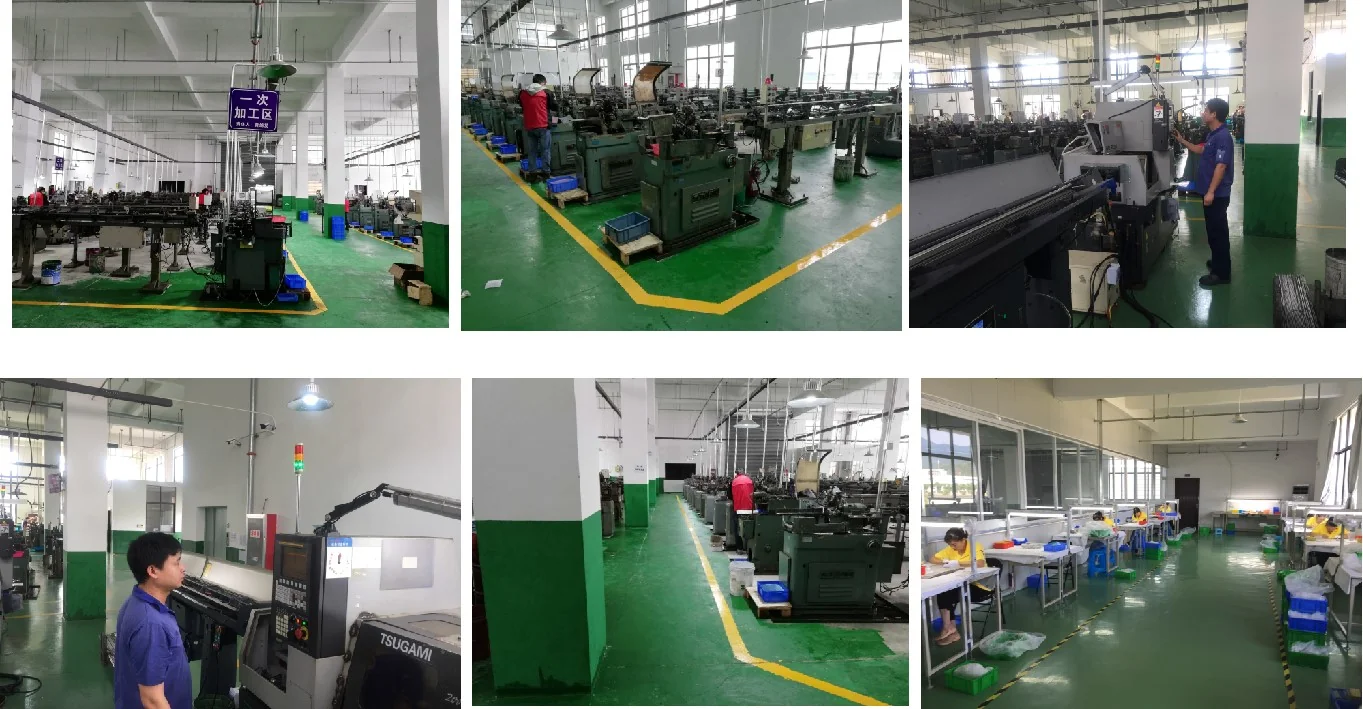
At Suzhou Baoshida Trading Co., Ltd., our core strength in producing high-performance gas gasket materials lies in our integrated engineering approach, combining advanced rubber formulation science with precision mold design. Our team comprises five dedicated mold engineers and two specialized rubber formula engineers, enabling us to deliver fully optimized sealing solutions tailored to the exact demands of industrial, automotive, and energy applications.

Our formula engineers possess deep expertise in elastomer chemistry, with extensive experience in developing custom rubber compounds that meet rigorous performance standards under extreme thermal, chemical, and mechanical conditions. They routinely formulate materials using EPDM, NBR, FKM, silicone, and specialty blends designed for optimal compression set resistance, gas permeability control, and long-term sealing integrity. Each formulation is developed through a systematic process involving raw material selection, curing kinetics analysis, and accelerated aging validation, ensuring reliability in real-world operating environments.

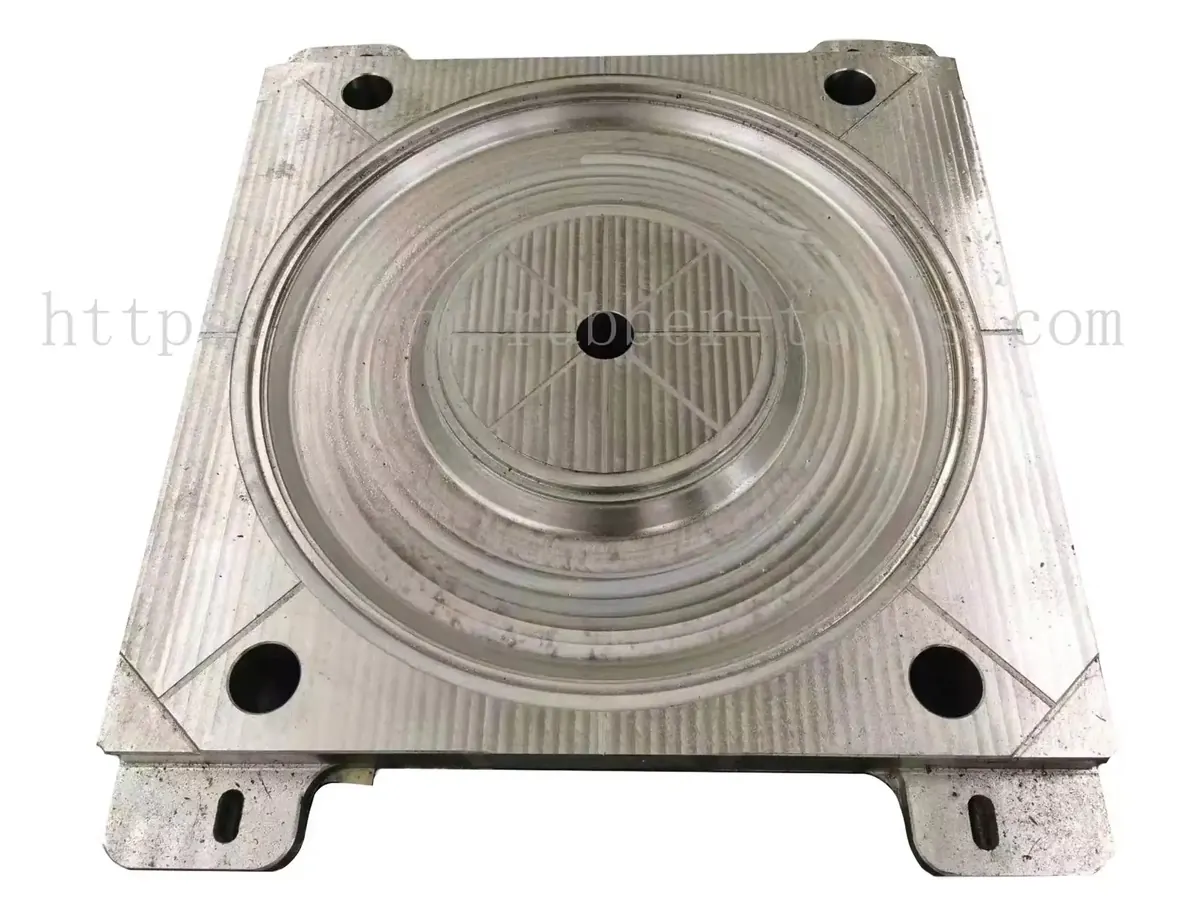
Complementing this chemical precision, our five mold engineers bring advanced CAD/CAM proficiency and decades of combined experience in precision tooling design. They specialize in creating multi-cavity, tight-tolerance molds that ensure dimensional consistency and surface finish accuracy critical for gas sealing applications. Utilizing 3D modeling software and mold flow simulation tools, they optimize gate placement, venting, and ejection systems to minimize defects and maximize production efficiency. This synergy between material science and mold engineering allows us to deliver gas gasket components with repeatable performance and zero leakage risk.

We operate as a full-service OEM partner, supporting clients from concept to mass production. Our OEM capabilities include technical consultation, prototype development, DFMEA analysis, and full documentation packages compliant with IATF 16949 and ISO 9001 standards. Whether adapting existing designs or co-developing new sealing solutions, we ensure full traceability, process validation, and scalability across production volumes.

Our in-house engineering control ensures rapid iteration and short development cycles. Clients benefit from reduced time-to-market, reduced NRE costs, and superior product performance through material and design optimization that is rarely achievable through outsourced or fragmented supply chains.

Typical Gas Gasket Material Specifications

Property EPDM NBR FKM Silicone
Hardness (Shore A) 60–90 50–90 60–90 40–80
Tensile Strength (MPa) ≥10 ≥12 ≥10 ≥6
Elongation at Break (%) ≥200 ≥250 ≥150 ≥200
Operating Temperature (°C) -50 to +150 -30 to +120 -20 to +200 -60 to +200
Compression Set (22h, 100°C) ≤30% ≤35% ≤25% ≤20%
Resistance to Gases Good Moderate Excellent Good

All compounds are formulated and tested per ASTM and ISO standards, with customization available for specific media exposure, pressure differentials, and service life requirements. This engineering-driven approach positions Suzhou Baoshida as a trusted partner in high-integrity sealing technology.


Customization Process

gas gasket material manufacturing

Gas Gasket Material Customization Process: Precision Engineering for Critical Sealing Applications

Suzhou Baoshida Trading Co., Ltd. executes a rigorous, phase-gated customization process for gas gasket materials, ensuring optimal performance under demanding thermal, chemical, and pressure conditions. This methodology guarantees seamless integration into OEM assembly lines while meeting stringent industry reliability standards. The process begins with comprehensive Drawing Analysis. Our engineering team meticulously reviews customer-provided technical drawings and specifications, focusing on critical parameters such as dimensional tolerances (±0.05mm achievable), surface finish requirements (Ra ≤ 3.2µm), groove geometry, and flange load characteristics. We concurrently analyze the operational environment, including maximum/minimum service temperatures, specific gas media composition (e.g., natural gas, hydrogen blends, sour gas), pressure cycles, and potential exposure to lubricants or cleaning agents. This phase identifies potential sealing challenges early, such as insufficient compression allowance or incompatible material swell, enabling proactive design consultation before formulation commences.

Following drawing validation, the Formulation phase leverages our proprietary compound database and extensive material science expertise. Based on the environmental analysis, we select the optimal base polymer system—commonly fluorocarbon (FKM), hydrogenated nitrile (HNBR), or perfluoroelastomer (FFKM) for aggressive gas applications—and engineer a custom compound. Key properties are precisely balanced: compression set resistance is prioritized to maintain sealing force over extended cycles, while low gas permeability and exceptional chemical resistance to specific hydrocarbons or H₂S are engineered through filler selection and crosslink density optimization. Critical physical properties are targeted within narrow bands, as exemplified below.

Key Material Specifications for Gas Gasket Compounds

Property Test Standard Typical Target Range (FKM Example) Significance for Gas Sealing
Hardness (Shore A) ASTM D2240 70 ± 5 Balances seal conformity and extrusion resistance
Compression Set (22h, 150°C) ASTM D395 ≤ 25% Critical for long-term sealing force retention
Tensile Strength (MPa) ASTM D412 ≥ 12.0 Ensures handling durability and tear resistance
Elongation at Break (%) ASTM D412 ≥ 200 Accommodates flange misalignment/stress
Gas Permeability (He, cm³·mm/m²·day·atm) ASTM D1434 ≤ 50 (Customizable) Directly impacts leakage rate over time
Fluid Resistance (IRMOG 3, 168h, 150°C) ASTM D471 Volume Swell ≤ 15% Prevents seal degradation in gas/media mix

Prototyping utilizes precision CNC-machined molds or laser-cut blanks from the formulated compound. We manufacture functional prototypes meeting all dimensional and visual criteria, then subject them to application-specific validation testing. This includes standardized compression set, fluid immersion, and thermal aging per ASTM protocols, plus bespoke tests such as high-pressure gas leak rate measurement (using helium mass spectrometry per ISO 10648-2) and dynamic pressure cycling simulations replicating actual field conditions. Prototype performance data is analyzed against OEM requirements, with compound or geometry refinements implemented within 72 hours if needed, ensuring rapid iteration.

Upon successful prototype validation and customer sign-off, we transition to Mass Production under strict ISO 9001-controlled conditions. Production batches are manufactured using calibrated, temperature-controlled hydraulic presses with in-process monitoring of cure time, temperature, and pressure. Every batch undergoes 100% visual inspection and statistical dimensional verification via CMM. Critical physical properties (hardness, compression set) are tested per ASTM standards on production samples, with full material traceability maintained from raw polymer lot to finished gasket. Final shipment includes comprehensive material test reports (MTRs) and certificates of conformance, ensuring seamless integration into the OEM’s quality management system and guaranteeing leak-tight integrity throughout the product lifecycle.


Contact Engineering Team

gas gasket material manufacturing

For precision-critical applications in automotive, aerospace, industrial machinery, and semiconductor manufacturing, selecting the correct gas gasket material is not merely a matter of sealing—it is a fundamental component of system integrity, safety, and long-term performance. At Suzhou Baoshida Trading Co., Ltd., we specialize in engineered rubber solutions tailored to the most demanding sealing environments. Our expertise lies in the formulation, testing, and supply of high-performance elastomeric materials designed specifically for gas sealing applications where temperature stability, chemical resistance, and compression set performance are non-negotiable.

We understand that gas gasketing is subject to extreme variables: fluctuating pressures, aggressive media exposure, and thermal cycling. Off-the-shelf materials often fail under such conditions. That is why we collaborate directly with OEMs, R&D departments, and production engineers to develop custom formulations based on silicone (VMQ), fluorocarbon (FKM), ethylene propylene diene monomer (EPDM), and perfluoroelastomers (FFKM). Each compound is engineered to meet exact ASTM, ISO, and OEM specifications, ensuring repeatable performance across production batches.

Our technical team conducts rigorous material validation, including permeability testing, outgassing analysis, and long-term compression set evaluation under simulated operating conditions. Whether your application involves sealing hydrogen in fuel cells, nitrogen in pneumatic systems, or inert gases in vacuum chambers, our formulations are optimized to minimize leakage rates and extend service life.

Below is a representative comparison of our most frequently specified gas gasket materials, highlighting key performance attributes:

Material Temperature Range (°C) Gas Permeability (cm³·mm/m²·day·atm) Chemical Resistance Compression Set (22 hrs @ 150°C) Common Applications
FKM (70 Shore A) -20 to +200 0.8 Excellent (hydrocarbons, acids) ≤20% Automotive fuel systems, industrial compressors
VMQ (60 Shore A) -60 to +180 1.5 Good (ozone, water, alcohols) ≤18% Medical gas lines, food-grade equipment
EPDM (70 Shore A) -50 to +150 2.1 Excellent (water, steam, ketones) ≤22% HVAC systems, steam manifolds
FFKM (80 Shore A) -15 to +327 0.3 Exceptional (plasma, solvents) ≤15% Semiconductor CVD chambers, aerospace

All materials are available in sheet form, molded gaskets, or custom die-cut configurations. We support low-volume prototyping and high-volume production with full traceability and compliance documentation, including RoHS, REACH, and FDA (where applicable).

To ensure optimal performance, we recommend direct technical consultation before material selection. Every application presents unique challenges—material selection must be data-driven and application-specific.

For immediate technical support or custom formulation assistance, contact Mr. Boyce, OEM Account Manager and Rubber Formulation Engineer, at [email protected]. Mr. Boyce leads our precision seals division and has over 12 years of experience in elastomer development for critical sealing applications. He will work with your engineering team to analyze operating conditions, review media compatibility, and recommend the most suitable compound and form factor.

Partner with Suzhou Baoshida Trading Co., Ltd. for gas gasket materials engineered at the molecular level for reliability, consistency, and performance. Reach out today to initiate a technical review of your sealing requirements.


⚖️ O-Ring Weight Calculator

Estimate rubber O-ring weight (Approx).


Gas Gasket Material Manufacturer | Engineering Guide

Contents of Table

Contact [email protected] Whatsapp 86 15951276160