Best Casters Manufacturer | Engineering Guide

Engineering Guide: Best Casters

best casters manufacturing

Engineering Insight: Material Selection in High-Performance Caster Design

Material selection constitutes the most critical yet frequently underestimated factor in industrial caster performance and longevity. Off-the-shelf casters often fail prematurely because standardized rubber or plastic formulations cannot address the complex interplay of load dynamics, environmental exposure, and operational stressors unique to each application. Generic solutions prioritize cost reduction over engineered resilience, leading to catastrophic failures in demanding environments such as automated manufacturing lines, pharmaceutical cleanrooms, or heavy fabrication facilities. Operators observe symptoms like rapid tread wear, core separation, or chemical-induced swelling only after significant downtime has occurred—costs far exceeding the initial caster savings.

The root cause lies in inadequate polymer science application. Standard polyurethane casters, for instance, may degrade under continuous exposure to hydraulic oils or ozone, while nylon variants become brittle in sub-zero temperatures. Thermoplastic rubber (TPR) alternatives often lack the rebound resilience required for dynamic shock absorption in material handling systems. These failures stem from fixed Shore A hardness values, unmodified polymer chains, and absent additive packages tailored to specific chemical or thermal challenges. At Baoshida, we reverse-engineer failure modes by analyzing substrate interactions, temperature cycles, and load spectra to develop proprietary elastomer matrices. Our custom compounds integrate nano-reinforced fillers for abrasion resistance, hydrolysis-stable polyols for wet environments, and UV inhibitors for outdoor exposure—features absent in commodity casters.

Performance Comparison of Standard vs. Engineered Caster Materials

Property Standard Polyurethane Standard Nylon Baoshida Engineered TPR Failure Mode in Off-the-Shelf Units
Shore A Hardness Range Fixed 85A N/A 70A–95A (customizable) Incorrect hardness causes floor damage or poor rollability
Continuous Temp Range -20°C to +80°C -40°C to +80°C -50°C to +120°C Thermal cracking or softening at extremes
Oil/Fuel Resistance Moderate Poor Excellent (ASTM D471) Swelling, loss of structural integrity
Load Capacity Retention 65% after 500 hrs 80% after 500 hrs 95% after 2,000 hrs Core separation under sustained load
Abrasion Loss (DIN 53516) 120 mm³ 95 mm³ 45 mm³ Premature tread wear in high-traffic zones

Custom material engineering directly translates to operational reliability. In a recent automotive assembly case, standard casters failed within 8 months due to brake fluid exposure, while our oil-resistant TPR formulation exceeded 36 months of service. Similarly, cryogenic warehouse applications require elastomers with glass transition temperatures below -40°C—a specification impossible with generic compounds. Baoshida’s OEM partnership model integrates material science with application diagnostics, ensuring casters are not merely purchased but engineered as system-critical components. This approach eliminates the hidden costs of replacement, downtime, and safety incidents inherent in one-size-fits-all solutions. For mission-critical mobility, the caster’s material formula is not a component—it is the foundation.


Material Specifications

best casters manufacturing

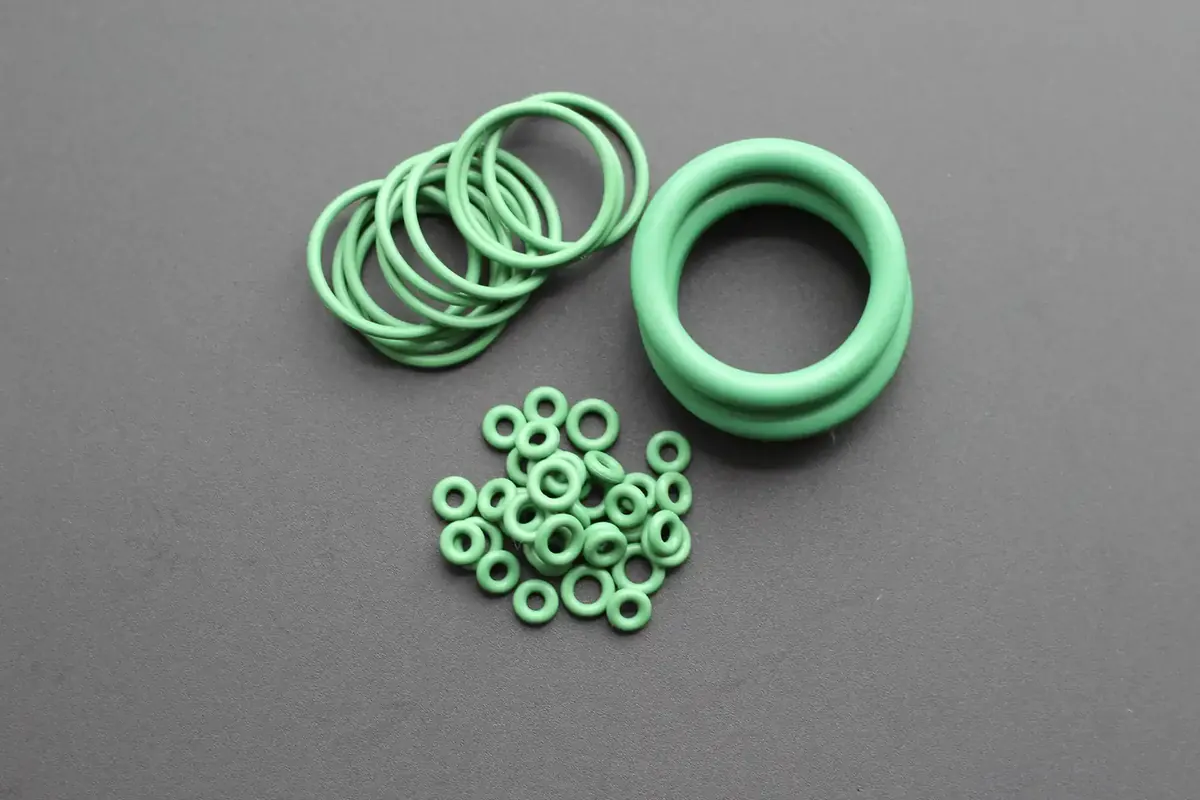
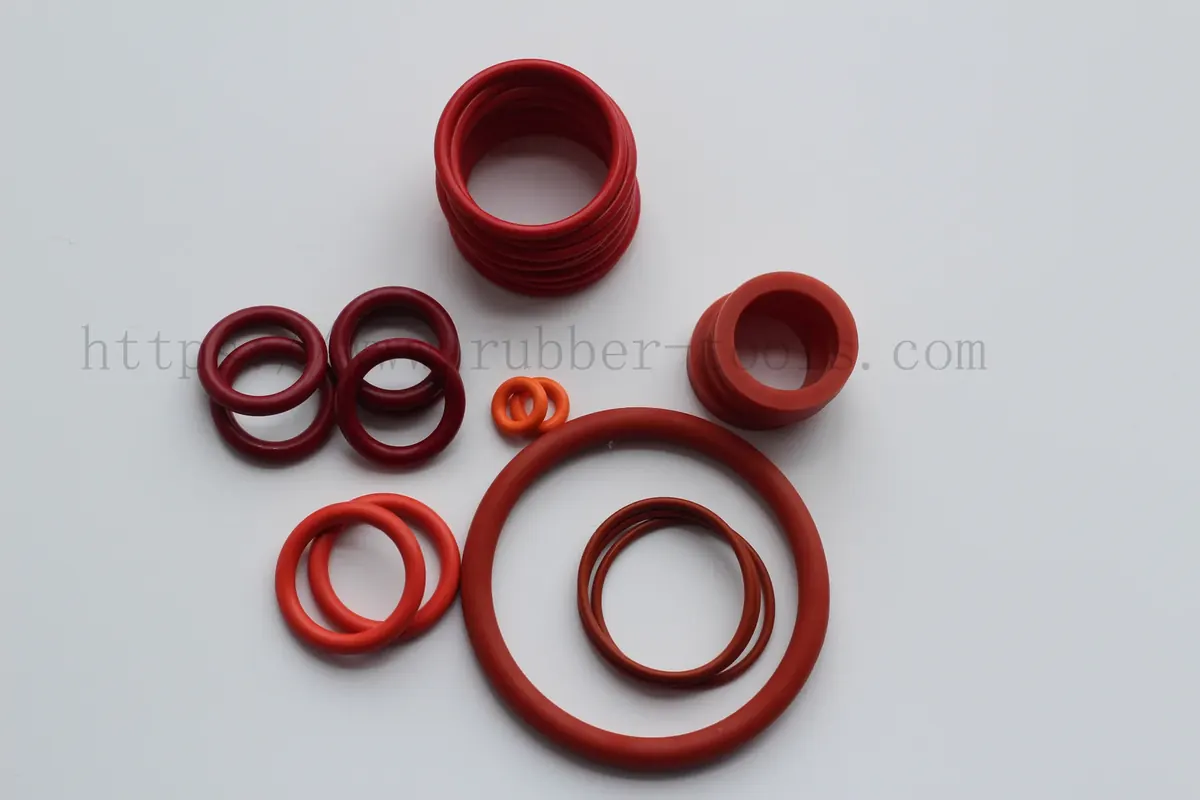
Material selection is a critical factor in the performance and longevity of industrial casters, particularly in demanding environments where chemical exposure, temperature extremes, and mechanical stress are prevalent. At Suzhou Baoshida Trading Co., Ltd., we specialize in advanced rubber formulations tailored to meet the rigorous demands of industrial mobility solutions. Our expertise in elastomer engineering enables us to recommend and supply casters with wheels made from high-performance materials such as Viton, Nitrile (NBR), and Silicone. Each of these materials offers a distinct set of physical and chemical properties, making them suitable for specific operational conditions.

Viton, a fluorocarbon-based synthetic rubber, is renowned for its exceptional resistance to high temperatures, oils, fuels, and a wide range of aggressive chemicals. This makes it an ideal choice for casters used in petrochemical, aerospace, and high-temperature manufacturing environments. With continuous service capability up to 200°C and intermittent exposure tolerance up to 250°C, Viton outperforms most elastomers in thermal stability. Its low gas permeability and outstanding aging resistance further enhance reliability in sealed or high-purity systems.

Nitrile rubber, or Buna-N, is one of the most widely used elastomers in industrial caster applications due to its excellent resistance to petroleum-based oils, greases, and hydraulic fluids. It offers good abrasion resistance and mechanical strength, making it suitable for heavy-load applications in automotive, machinery, and warehouse settings. While its temperature range is more limited compared to Viton, Nitrile performs reliably between -30°C and 100°C, with short-term excursions up to 120°C. Its cost-effectiveness and robust performance in oily environments make it a preferred choice for general industrial use.

Silicone rubber is distinguished by its outstanding thermal stability and flexibility across an extremely wide temperature range, from -60°C to 200°C. It exhibits excellent resistance to ozone, UV radiation, and weathering, making it ideal for outdoor or sterile environments such as pharmaceuticals, food processing, and cleanrooms. While silicone has lower tensile strength and abrasion resistance compared to Nitrile or Viton, its inert nature and compliance with FDA and USP Class VI standards make it indispensable in hygienic and high-purity applications.

The following table summarizes the key material properties to guide optimal selection based on application requirements.

Property Viton (FKM) Nitrile (NBR) Silicone (VMQ)
Temperature Range (°C) -20 to 250 -30 to 120 -60 to 200
Tensile Strength (MPa) 15–20 10–25 5–10
Elongation at Break (%) 200–300 200–500 200–600
Hardness (Shore A) 70–90 60–90 40–80
Oil & Fuel Resistance Excellent Excellent Poor
Chemical Resistance Outstanding Good Moderate
Abrasion Resistance Good Excellent Fair
UV/Ozone Resistance Excellent Moderate Excellent
FDA Compliant Limited grades No Yes

Selecting the appropriate elastomer ensures optimal caster performance, safety, and service life. Our team at Suzhou Baoshida Trading Co., Ltd. provides technical consultation to match material properties with operational demands, ensuring precision-engineered solutions for every industrial challenge.


Manufacturing Capabilities

best casters manufacturing

Engineering Capability: Precision Rubber Solutions for Industrial Caster Excellence

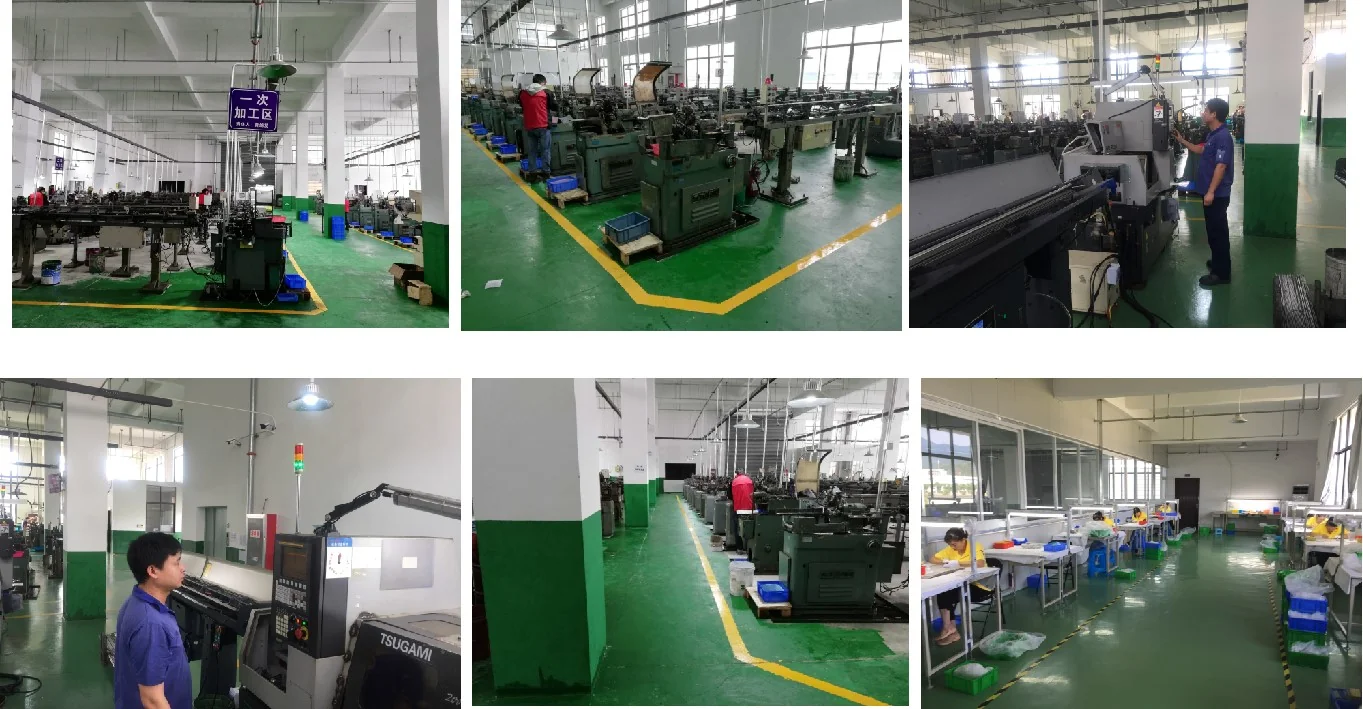
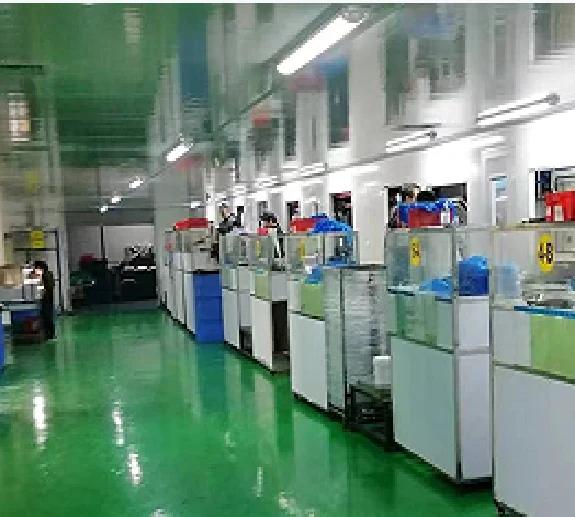
At Suzhou Baoshida Trading Co., Ltd., our engineering framework is anchored in specialized expertise to deliver casters that exceed industrial performance thresholds. Our dedicated team comprises five certified Mould Engineers and two advanced Rubber Formula Engineers, operating within an integrated development ecosystem. This structure ensures seamless translation of material science into precision-engineered components, directly addressing the dynamic stress, chemical exposure, and load demands inherent in heavy-duty caster applications.

Rubber formulation is the cornerstone of caster resilience. Our Formula Engineers leverage proprietary compounding methodologies to optimize polymer matrices for specific operational environments. Through rigorous analysis of filler dispersion, cross-link density, and additive synergy, we achieve tailored outcomes in abrasion resistance, rebound resilience, and thermal stability. Each compound undergoes iterative validation against ASTM D2240 (hardness), ISO 48-4 (tensile strength), and ISO 188 (heat aging) protocols. This scientific approach guarantees consistent Shore A hardness ranges from 55 to 95, operational temperature tolerance spanning -40°C to +120°C, and elongation at break exceeding 350%—critical parameters for casters subjected to shock loads or corrosive industrial settings.

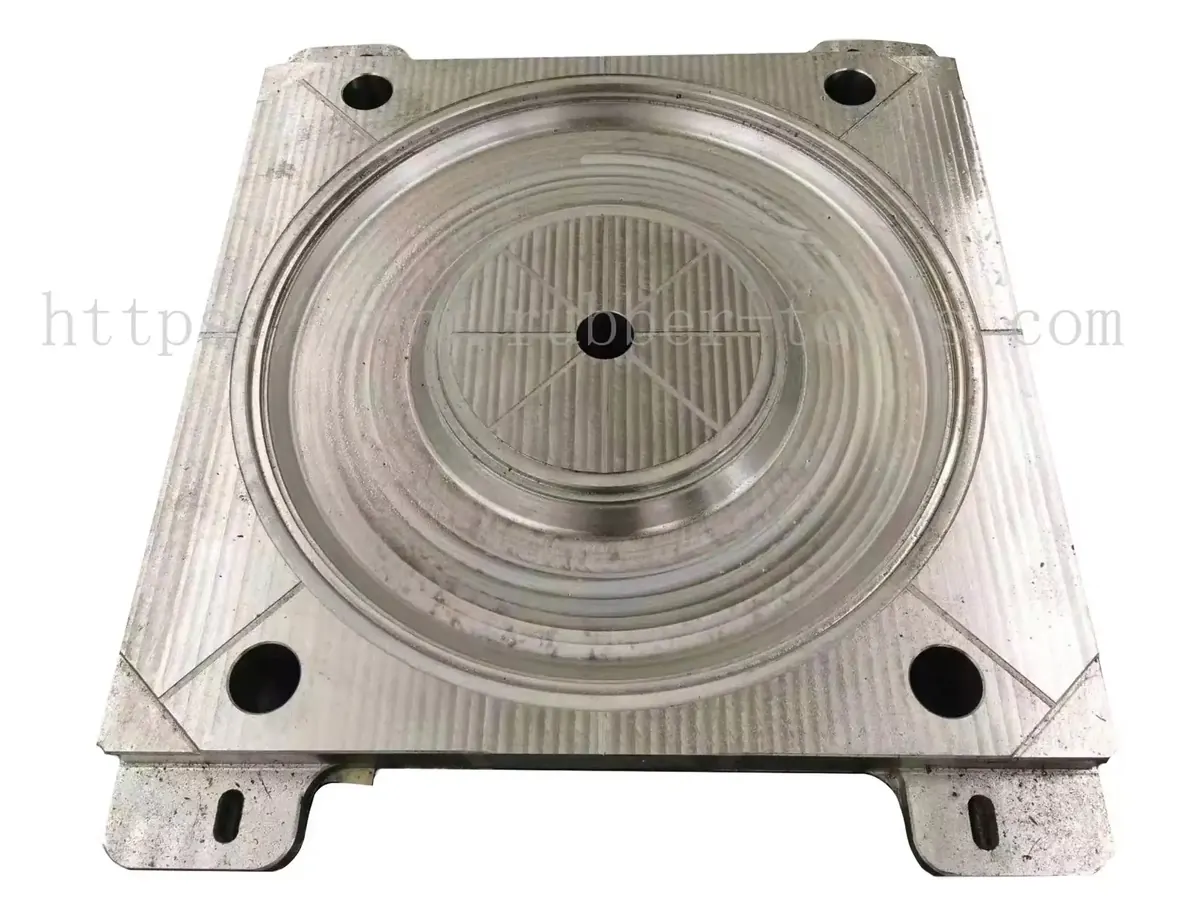
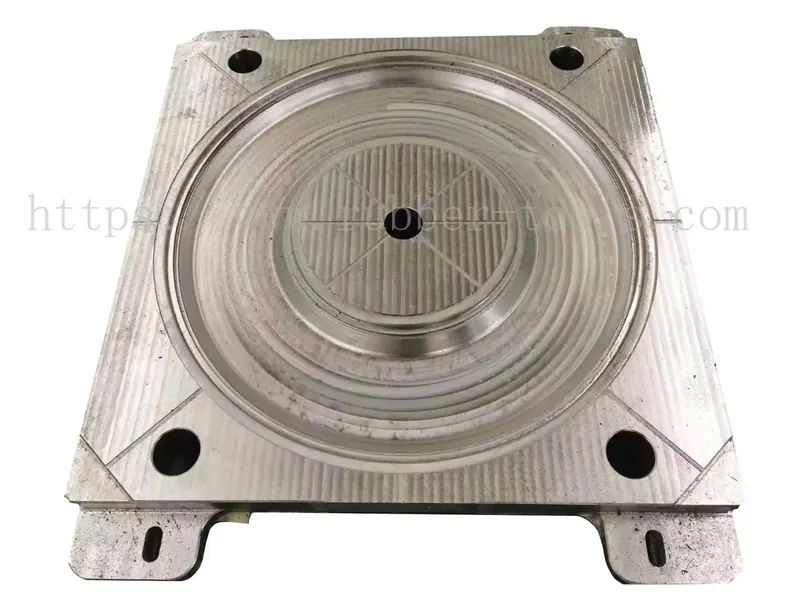
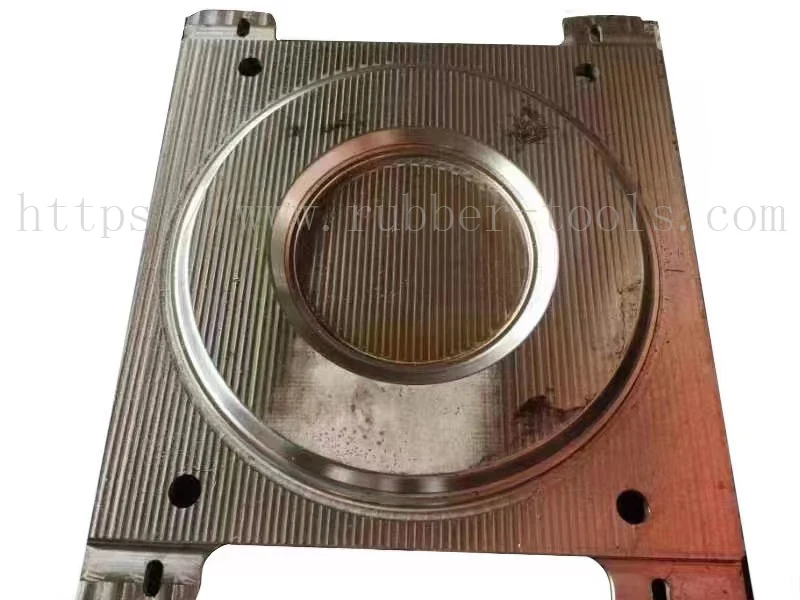
Mould engineering complements this material precision through geometric optimization and manufacturing fidelity. Our five-engineer team utilizes CAD/CAM-driven cavity design to eliminate flash, ensure uniform wall thickness, and maintain micron-level dimensional tolerances (±0.05 mm). Finite Element Analysis (FEA) simulations predict stress concentrations during dynamic loading, enabling preemptive reinforcement of high-wear zones like wheel hubs and axle interfaces. This synergy between material science and precision tooling directly translates to extended service life, reduced rolling resistance, and minimized vibration transmission—key factors in facility efficiency and operator safety.

Performance specifications achievable through our integrated engineering process are summarized below:

Performance Parameter Standard Range Custom Capability Testing Standard
Load Capacity per Wheel 500–5,000 kg Up to 8,000 kg ISO 22821
Shore A Hardness 55–95 ±2 units tolerance ASTM D2240
Temperature Range -40°C to +120°C -55°C to +150°C ISO 188
Tensile Strength 15–30 MPa 35+ MPa ISO 37
Abrasion Loss (DIN) ≤120 mm³ ≤80 mm³ ISO 4649

Our OEM capabilities transform client specifications into production-ready solutions through a structured four-phase workflow. Phase 1 involves collaborative requirement mapping, including load profiles, chemical exposure logs, and lifecycle targets. Phase 2 executes material prototyping with accelerated aging trials to forecast 5+ year performance. Phase 3 implements Design for Manufacturing (DFM) refinements, reducing part complexity while maintaining integrity. Finally, Phase 4 establishes controlled production via Statistical Process Control (SPC) with real-time durometer and dimensional monitoring. This end-to-end ownership—from polymer chemistry to final inspection—ensures casters that integrate flawlessly into client assembly lines while meeting ISO 9001 quality benchmarks. Suzhou Baoshida delivers not just components, but engineered reliability for mission-critical mobility.


Customization Process

best casters manufacturing

Customization Process for High-Performance Industrial Casters

At Suzhou Baoshida Trading Co., Ltd., our approach to delivering best-in-class casters begins with a rigorous, science-driven customization process tailored to the operational demands of industrial environments. We specialize in advanced rubber formulations engineered for durability, load resilience, and environmental resistance, ensuring optimal performance across diverse applications such as material handling, logistics, and heavy manufacturing.

The process initiates with Drawing Analysis, where our engineering team evaluates technical blueprints provided by the client. This includes dimensional accuracy, load-bearing geometry, axle compatibility, and interface requirements. We assess not only the mechanical fit but also the functional context—such as floor type, operating temperature range, and dynamic load cycles. This foundational step ensures that all downstream development aligns precisely with the client’s mechanical and environmental specifications.

Following drawing validation, we proceed to Rubber Formulation Design. Leveraging decades of expertise in polymer chemistry, our rubber formula engineers develop custom elastomer compounds based on application-critical parameters. Whether the priority is abrasion resistance, static dissipation, chemical stability, or low-temperature flexibility, we formulate using natural rubber (NR), nitrile (NBR), polyurethane (PU), or ethylene propylene diene monomer (EPDM). Each compound is optimized for hardness (Shore A), tensile strength, elongation at break, and compression set, ensuring the final product meets or exceeds performance benchmarks.

Once the formulation is finalized, we move into Prototyping. Using precision molding techniques, we produce a limited batch of casters for real-world testing. These prototypes undergo mechanical stress testing, rolling resistance evaluation, and environmental exposure trials. Clients receive detailed performance reports, including wear rate analysis and load cycle endurance data. Feedback from this stage is incorporated into final adjustments, ensuring functional validation before scale-up.

Upon client approval, the project transitions to Mass Production. Our manufacturing partners utilize automated curing and quality-controlled molding lines to ensure batch consistency. Every caster is inspected for dimensional tolerance, rubber-to-core adhesion strength, and rotational smoothness. We maintain full traceability of raw materials and process parameters for compliance with ISO standards and OEM requirements.

Below is a representative specification profile of a custom-engineered polyurethane caster developed for high-load warehouse automation systems:

Property Specification
Material Cast Polyurethane (CPU)
Hardness (Shore A) 92 ± 3
Tensile Strength ≥ 45 MPa
Elongation at Break ≥ 400%
Load Capacity per Wheel 800 kg
Operating Temperature Range -30°C to +90°C
Abrasion Resistance (DIN) ≤ 80 mm³ loss
Rolling Resistance (on steel) ≤ 1.8% of load
Static Dissipation 10⁶ – 10⁹ ohms (optional)

Our end-to-end customization ensures that every caster is not just a component, but a precision-engineered solution designed for longevity, safety, and operational efficiency.


Contact Engineering Team

best casters manufacturing

Precision Engineering for Industrial Caster Performance: Partner with Suzhou Baoshida

Achieving optimal caster performance in demanding industrial environments requires more than standardized components—it demands scientifically engineered rubber formulations tailored to specific load dynamics, chemical exposure, and operational temperatures. At Suzhou Baoshida Trading Co., Ltd., our team of Rubber Formula Engineers leverages advanced polymer science to develop casters that exceed ISO and ASTM performance benchmarks. We specialize in custom elastomer matrices that mitigate vibration, resist abrasion, and maintain durometer stability across extreme thermal cycles. Our solutions directly address critical failure points in material handling systems, including premature wheel degradation, load-induced deformation, and chemical incompatibility.

The table below outlines core technical specifications achievable through our proprietary formulations. These values represent baseline capabilities; all parameters are adjustable to meet your exact OEM requirements through collaborative material science refinement.

Technical Parameter Standard Range High-Performance Customization Testing Standard
Load Capacity per Wheel 500 kg – 5,000 kg Up to 12,000 kg ISO 22876
Operating Temperature -40°C to +120°C -60°C to +180°C ASTM D2240
Shore A Hardness Tolerance ±3 points ±1.5 points ISO 48-4
Chemical Resistance Oils, greases, mild acids Hydraulic fluids, strong alkalis ASTM D471
Rolling Resistance Coefficient ≤0.025 ≤0.018 ISO 10542-1
Abrasion Loss (Taber, 1k cycles) ≤80 mg ≤35 mg ASTM D1044

Our engineering process begins with a granular analysis of your application’s mechanical stresses, environmental variables, and lifecycle expectations. Unlike off-the-shelf suppliers, we formulate rubber compounds at the molecular level—adjusting polymer chains, cross-link density, and filler dispersion to achieve target properties. This methodology ensures casters maintain structural integrity under sustained heavy loads while minimizing energy consumption in automated guided vehicle (AGV) systems. For OEMs, we integrate seamlessly into your design phase, providing finite element analysis (FEA) validation and accelerated life testing data to de-risk production scaling.

Suzhou Baoshida operates under ISO 9001-certified protocols with dedicated R&D facilities in Suzhou Industrial Park. Our OEM partnerships prioritize technical agility: from initial prototype (typically 15-20 days) to volume production, we maintain strict lot traceability and real-time quality control via integrated ERP systems. Clients benefit from reduced total cost of ownership through extended service life and compatibility with automated maintenance diagnostics.

To initiate a technical collaboration, contact Mr. Boyce, our OEM Account Manager and Senior Rubber Formulation Specialist. With 18 years of experience in industrial elastomer applications, Mr. Boyce will coordinate a cross-functional engineering review of your caster performance requirements. Provide your load profiles, environmental conditions, and lifecycle targets for a customized compound proposal within 72 hours. All communications undergo strict IP confidentiality protocols aligned with EU and US manufacturing standards.

Direct technical inquiries to [email protected]. Specify your industry sector, application type, and critical performance thresholds in the subject line to expedite engineering resource allocation. Suzhou Baoshida commits to delivering not merely casters, but validated material science solutions that redefine operational resilience in your material handling ecosystem.


⚖️ O-Ring Weight Calculator

Estimate rubber O-ring weight (Approx).


Best Casters Manufacturer | Engineering Guide

Contents of Table

Contact [email protected] Whatsapp 86 15951276160