Technical Contents
Engineering Guide: 4Mm Pvc Sheet

Engineering Insight: 4mm PVC Sheet – The Critical Role of Material Selection
In industrial applications, the performance of a 4mm PVC sheet is not solely determined by its dimensions or initial cost. The true determinant of long-term reliability lies in precise material selection tailored to the operational environment. Off-the-shelf PVC sheets, while readily available and often economical, are formulated for general-purpose use and lack the engineered resilience required in demanding industrial settings. These generic materials frequently fail prematurely due to chemical exposure, thermal cycling, mechanical stress, or environmental degradation—leading to unplanned downtime, safety risks, and increased total cost of ownership.
PVC, or polyvinyl chloride, exists in multiple formulations—rigid (RPVC), flexible (with plasticizers), and modified blends—each exhibiting distinct physical and chemical behaviors. A 4mm thickness may appear sufficient structurally, but without the correct formulation, the sheet cannot withstand specific service conditions. For example, standard rigid PVC exhibits good resistance to acids and alkalis but degrades rapidly when exposed to aromatic or chlorinated hydrocarbons. In environments involving such chemicals, even minor exposure can cause swelling, embrittlement, or delamination—failures that are both preventable and costly.
Thermal performance is another critical factor. General-grade PVC begins to soften at temperatures above 60°C, limiting its use in high-temperature enclosures or outdoor applications with solar loading. In contrast, thermally stabilized or chlorinated PVC (CPVC) variants maintain integrity up to 90–100°C, offering superior dimensional stability. Similarly, UV exposure degrades conventional PVC over time, leading to surface chalking and loss of tensile strength. Industrial-grade sheets must incorporate UV stabilizers and impact modifiers to ensure longevity in outdoor installations.
Mechanical stress resistance is equally vital. Standard 4mm PVC sheets often lack the impact strength required in industrial handling, machining, or transport applications. Without proper impact modifiers, these sheets are prone to cracking under load or during installation—especially in low-temperature environments where PVC becomes inherently brittle.
At Suzhou Baoshida Trading Co., Ltd., we emphasize application-specific engineering. Our 4mm PVC sheets are formulated with controlled plasticizer content, enhanced thermal stabilizers, and UV inhibitors to meet rigorous industrial standards. We prioritize material traceability, batch consistency, and performance validation under real-world conditions.
Below is a comparative specification table highlighting key properties of standard versus engineered 4mm PVC sheets:
| Property | Standard PVC Sheet | Engineered Industrial PVC Sheet |
|---|---|---|
| Thickness | 4.0 mm ± 0.2 mm | 4.0 mm ± 0.1 mm |
| Density | 1.35–1.45 g/cm³ | 1.40–1.42 g/cm³ |
| Tensile Strength | ≥40 MPa | ≥50 MPa |
| Elongation at Break | ≥80% | ≥100% |
| Vicat Softening Temperature | ≥75°C | ≥85°C |
| Impact Strength (Izod) | 2.5 kJ/m² | ≥4.0 kJ/m² |
| Chemical Resistance | Moderate (acids, alkalis) | Enhanced (acids, alkalis, alcohols, mild solvents) |
| UV Stabilization | None | Full spectrum stabilizers |
| Service Temperature Range | -10°C to +60°C | -20°C to +80°C |
Material selection is not a commodity decision—it is an engineering imperative. Choosing the right 4mm PVC sheet ensures durability, safety, and operational continuity in industrial environments where failure is not an option.
Material Specifications

Material Specifications for Industrial Rubber Sheet Applications
Suzhou Baoshida Trading Co., Ltd. provides precision-engineered rubber solutions for demanding industrial environments. While 4mm PVC sheets serve specific thermoplastic applications, this section details critical elastomer alternatives—Viton®, Nitrile (NBR), and Silicone—where chemical resistance, temperature stability, and mechanical integrity are paramount. PVC sheets operate effectively within -10°C to 60°C with moderate chemical resistance but lack the advanced performance of specialty elastomers in extreme conditions. For applications requiring resilience beyond PVC’s limitations, Viton, Nitrile, and Silicone offer engineered solutions validated through rigorous OEM testing protocols.
Material selection directly impacts seal longevity, safety compliance, and operational efficiency. Viton fluorocarbon rubber excels in aerospace and chemical processing due to its exceptional resistance to aggressive fuels, oils, and acids at elevated temperatures. Nitrile remains the standard for hydraulic and automotive sealing where cost efficiency and petroleum-based fluid resistance are critical. Silicone delivers unmatched flexibility across extreme temperature ranges, making it indispensable for medical devices and food-grade applications requiring biocompatibility. Each material’s molecular structure dictates its failure thresholds; misapplication risks seal degradation, leakage, or catastrophic system failure.
The following table summarizes key technical specifications per ASTM D2000 and ISO 37 standards. All values represent typical formulations; custom compounds may extend performance boundaries.
| Material | Temperature Range (°C) | Key Chemical Resistances | Critical Limitations | Primary Industrial Applications |
|---|---|---|---|---|
| Viton (FKM) | -20 to +230 | Jet fuels, hydraulic fluids, acids, ozone | Poor ketone/ester resistance; high cost | Aerospace seals, chemical valves, O-rings |
| Nitrile (NBR) | -40 to +120 | Aliphatic hydrocarbons, water, hydraulic oil | Swells in aromatic solvents; ozone sensitive | Fuel hoses, gaskets, printing rolls |
| Silicone (VMQ) | -60 to +200 | Water, ozone, UV radiation, food compounds | Low tensile strength; poor fuel resistance | Medical tubing, bakeware, electronic insulation |
Viton’s fluoropolymer backbone enables stability in 90% of industrial solvents where NBR fails, though its compression set above 200°C necessitates careful thermal profiling. Nitrile’s acrylonitrile content (typically 34-50%) directly correlates with oil resistance but reduces low-temperature flexibility—a balance optimized per OEM fluid exposure data. Silicone’s siloxane bonds provide inertness for FDA 21 CFR 177.2600 compliance but require reinforcement for dynamic sealing. Suzhou Baoshida’s formulation lab tailors durometer (50-90 Shore A), tensile strength (8-15 MPa), and additive packages to mitigate material-specific weaknesses.
For 4mm sheet production, dimensional stability is non-negotiable. Our calendering processes maintain ±0.1mm thickness tolerance across 1.2m widths, with surface finishes meeting ISO 3302-1 N7 for critical sealing interfaces. Clients must validate material suitability against actual service conditions—especially cyclic temperature exposure and fluid immersion duration—as laboratory specs alone cannot replicate field stressors. Contact Suzhou Baoshida’s technical team for application-specific compound certification and accelerated aging test reports.
Manufacturing Capabilities

Engineering Capability: Precision-Driven Development for 4mm PVC Sheet Manufacturing
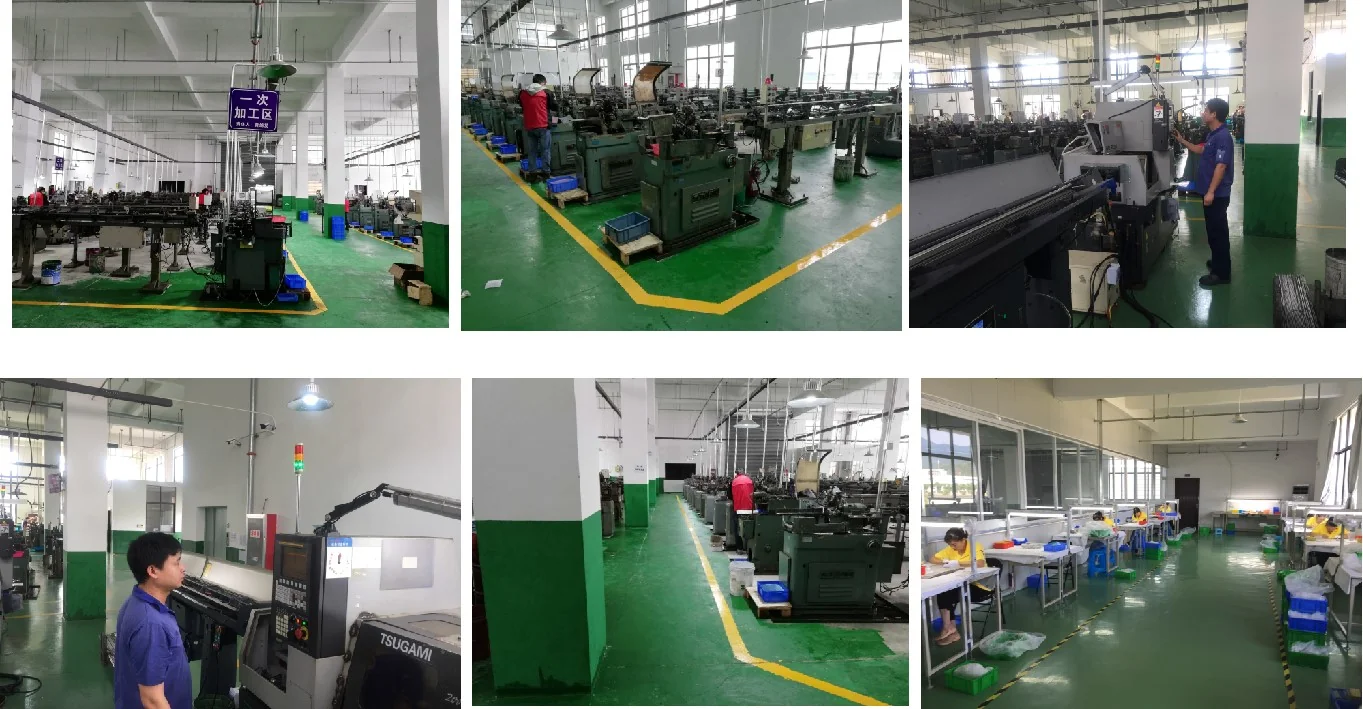
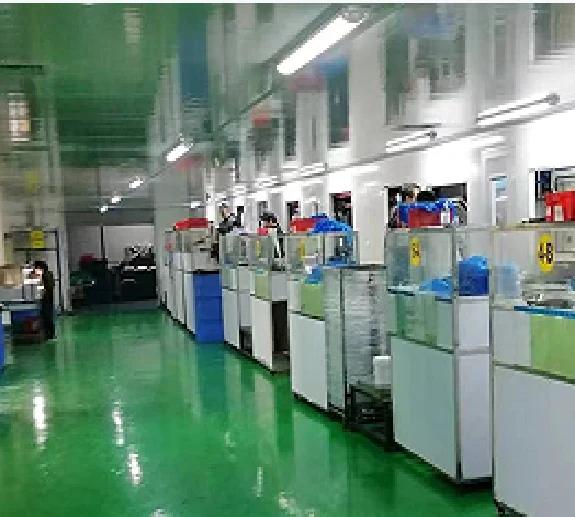
At Suzhou Baoshida Trading Co., Ltd., our engineering capability forms the backbone of our industrial rubber solutions, particularly in the specialized production of 4mm PVC sheets. With a dedicated team comprising five certified mould engineers and two advanced formula engineers, we integrate material science with precision tooling to deliver consistent, high-performance products tailored to OEM specifications. Our multidisciplinary engineering unit operates at the intersection of polymer chemistry and mechanical design, ensuring that every 4mm PVC sheet meets exacting standards for dimensional accuracy, mechanical resilience, and environmental resistance.
Our formula engineers specialize in PVC compound optimization, fine-tuning plasticizer ratios, stabilizer systems, and filler integration to achieve targeted hardness (Shore A), tensile strength, elongation, and thermal stability. This scientific approach allows us to customize formulations for applications ranging from industrial gaskets to protective linings, where performance under dynamic stress or chemical exposure is critical. By controlling the molecular behavior of PVC at the formulation stage, we eliminate variability and enhance product longevity.
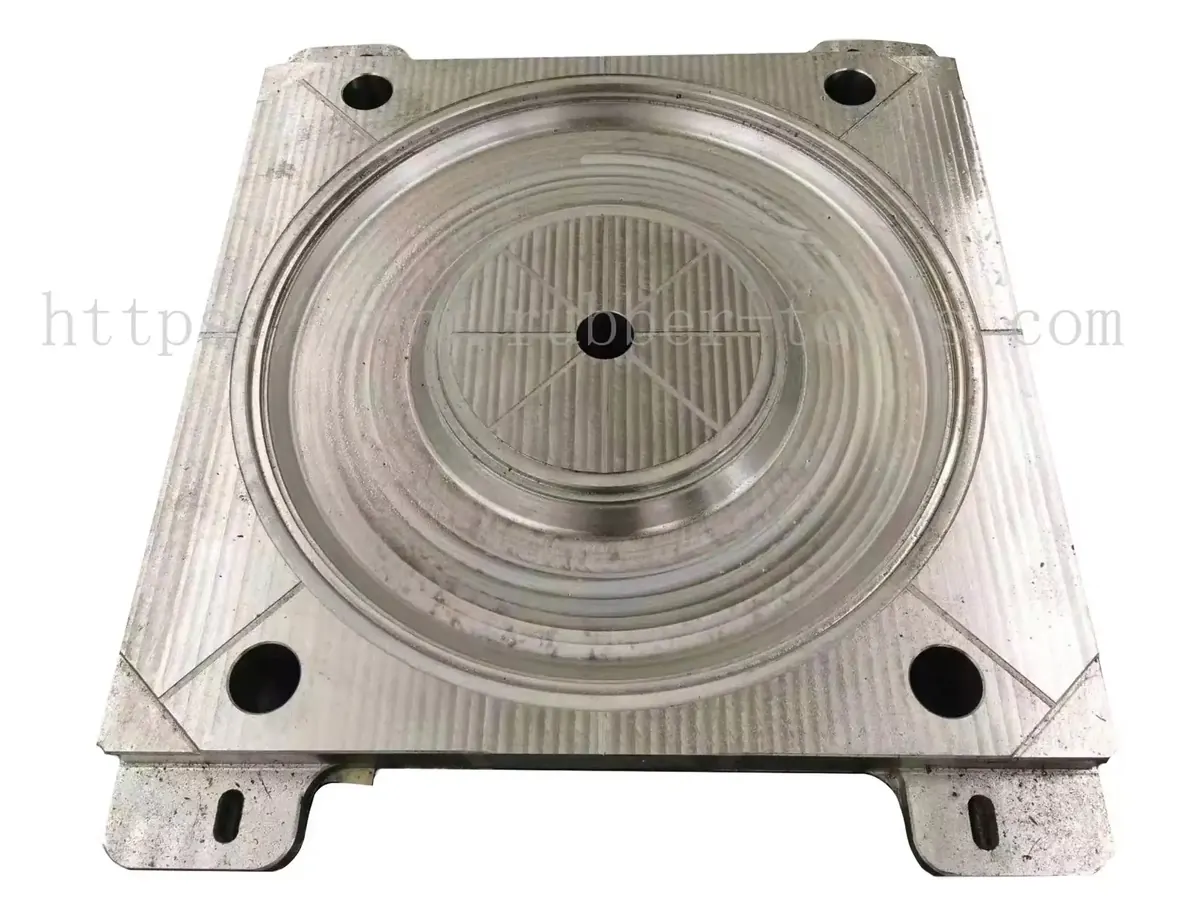
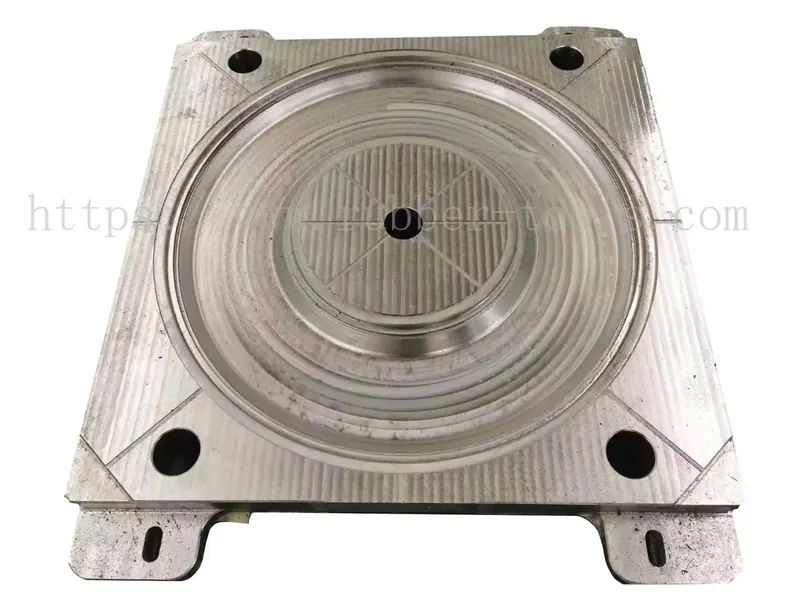
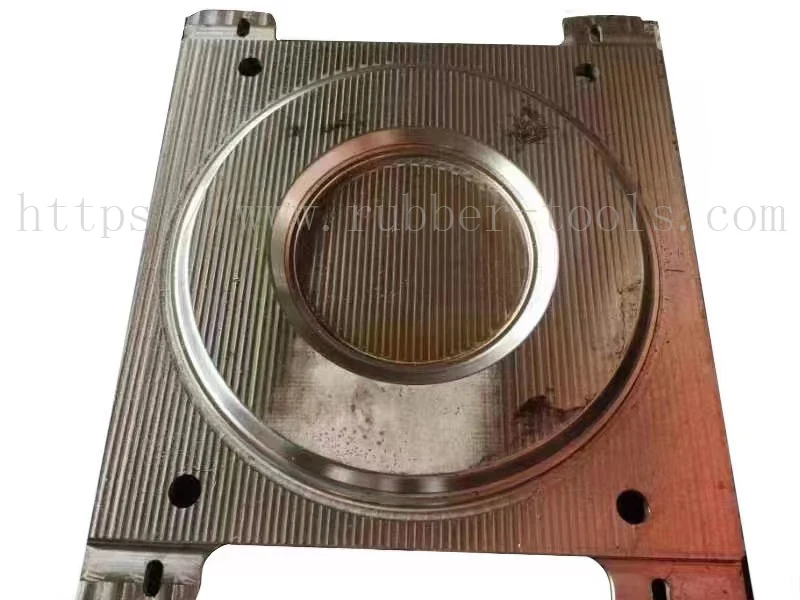
Complementing this is our in-house mould engineering team, which designs and validates tooling systems with micron-level precision. The 4mm sheet production process demands uniform calendering and extrusion parameters, and our engineers employ CAD/CAM simulations and finite element analysis (FEA) to predict material flow, cooling rates, and potential warpage. This proactive design methodology reduces prototyping cycles and accelerates time-to-market for OEM partners. All tooling is manufactured using hardened steel with anti-corrosive coatings, ensuring extended service life and batch-to-batch consistency.
We operate under strict ISO-compliant process controls, with real-time monitoring of extrusion temperature, line speed, and thickness profiling. Our production lines are equipped with laser-based gauging systems that maintain ±0.1mm thickness tolerance across the 4mm nominal dimension. This level of control is essential for clients requiring seamless integration of PVC sheets into automated assembly processes or precision sealing applications.
Our OEM capabilities are built on a foundation of technical collaboration. We work directly with client engineering teams to interpret performance requirements, conduct material testing per ASTM and ISO standards, and deliver DFM (Design for Manufacturability) feedback. Whether the requirement is flame retardancy (UL94 rating), low-temperature flexibility, or FDA compliance for food-contact surfaces, our engineers develop formulations and process parameters that align with regulatory and functional demands.
The following table outlines the standard technical specifications for our 4mm PVC sheet, with customization options available upon request:
| Property | Standard Value | Test Method |
|---|---|---|
| Thickness | 4.0 mm ± 0.1 mm | ASTM D374 |
| Hardness (Shore A) | 70 – 90 (customizable) | ASTM D2240 |
| Tensile Strength | ≥15 MPa | ASTM D412 |
| Elongation at Break | ≥250% | ASTM D412 |
| Operating Temperature Range | -10°C to +60°C | ISO 188 |
| Specific Gravity | 1.35 – 1.45 | ASTM D792 |
| Flame Resistance | Optional (UL94 HB/V-0) | UL 94 |
Through integrated formula and mould engineering, Suzhou Baoshida delivers technically superior 4mm PVC sheets that meet the rigorous demands of global industrial OEMs.
Customization Process

Customization Process for 4mm PVC Sheet Manufacturing
Suzhou Baoshida Trading Co., Ltd. executes a rigorous, science-driven customization pathway for 4mm PVC sheet production, ensuring alignment with industrial application demands. Our methodology transcends standard manufacturing by integrating material science with precision engineering at every phase. This structured approach guarantees optimal performance characteristics while adhering to stringent OEM specifications.
Drawing Analysis Phase
Initial engagement commences with exhaustive technical drawing review. Our engineering team scrutinizes geometric dimensioning and tolerancing (GD&T), surface finish requirements, and application-specific constraints such as chemical exposure or thermal cycling parameters. Critical dimensions—including thickness uniformity across the 4mm nominal profile—are validated against ISO 2768-mK standards. Any deviations from manufacturable tolerances trigger collaborative redesign consultations with the client, ensuring feasibility without compromising functional integrity. This phase establishes the foundational blueprint for subsequent material development.
Formulation Development
Leveraging our proprietary polymer database, we engineer PVC compound formulations targeting precise mechanical, thermal, and environmental performance. Base suspension-grade PVC resin is modified with synergistic additives: impact modifiers for fracture resistance, thermal stabilizers (e.g., Ca/Zn or organotin systems) for processing stability, and plasticizers tailored to hardness requirements (Shore A 70–95). Critical additives like epoxidized soybean oil enhance heat aging resistance, while UV absorbers mitigate outdoor degradation. Each formulation undergoes computational simulation for melt flow behavior and stress-strain prediction prior to lab-scale compounding, ensuring empirical validation of target properties.
Prototyping and Validation
Prototypes are produced via precision calendering under controlled atmospheric conditions to eliminate voids and ensure homogeneity. Every 4mm sheet batch undergoes accelerated life testing per ASTM D638 (tensile), D2240 (hardness), and UL 94 (flammability). Dimensional stability is verified via laser micrometry at 100+ grid points per square meter. Client-specific requirements—such as oil resistance per ISO 1817 or low-temperature flexibility at -30°C—are rigorously quantified. Comprehensive test reports with statistical process control (SPC) data enable closed-loop feedback, with formulation adjustments implemented within 72 hours if deviations exceed ±5% of target specs.
Mass Production Transition
Upon client sign-off, production shifts to our ISO 13485-certified facility with full traceability. Each 10,000m² production run utilizes dedicated extrusion lines with real-time rheometry monitoring. In-process checks occur hourly for thickness (±0.1mm tolerance), gloss (60° angle), and color consistency (ΔE < 0.5). Finished rolls are quarantined for final inspection against the approved prototype, with material certificates documenting lot-specific formulation chemistry and test results. Automated batching systems ensure ±0.25% additive precision, while digital twin technology replicates prototyping conditions at scale.
Key Customization Specifications
| Parameter | Standard Range | Customizable Range | Testing Standard |
|---|---|---|---|
| Thickness | 4.0 mm ±0.15 mm | 3.8–4.2 mm ±0.10 mm | ISO 2586 |
| Tensile Strength | 12–18 MPa | 8–25 MPa | ASTM D638 |
| Elongation at Break | 150–250% | 100–400% | ASTM D638 |
| Hardness (Shore A) | 80–90 | 70–95 | ASTM D2240 |
| Flame Resistance | HB (UL94) | V-0, V-1, V-2 (UL94) | UL 94 |
| Operating Temp | -10°C to +60°C | -40°C to +80°C | ISO 188 |
This systematic workflow, anchored in material science and process control, ensures Suzhou Baoshida delivers 4mm PVC sheets that meet exacting industrial performance benchmarks. Every customization cycle reinforces our commitment to engineering excellence and supply chain reliability.
Contact Engineering Team

Contact Suzhou Baoshida for Premium 4mm PVC Sheet Solutions
Suzhou Baoshida Trading Co., Ltd. stands at the forefront of industrial rubber and polymer material supply, delivering engineered sheeting solutions tailored to demanding manufacturing environments. Our 4mm PVC sheet is precision-formulated to meet rigorous performance standards across sealing, lining, insulation, and protective applications. With consistent density, high tensile strength, and excellent resistance to moisture, chemicals, and abrasion, this product serves as a critical component in industries ranging from automotive assembly and electrical enclosures to food processing and construction.
We understand that industrial procurement demands not only material reliability but also supply chain consistency and technical support. At Suzhou Baoshida, we combine advanced material science with responsive OEM collaboration to ensure your production timelines are met without compromise. Our 4mm PVC sheets are manufactured under ISO-compliant processes, with batch traceability and third-party testing documentation available upon request. Whether you require custom sheet dimensions, specific color coding, or enhanced flame retardancy, our engineering team works directly with clients to develop specifications aligned with operational requirements.
For technical inquiries, volume pricing, or material certification requests, we invite you to contact Mr. Boyce, our dedicated OEM Manager and Rubber Formula Engineer. With over 15 years of experience in polymer formulation and industrial supply chain management, Mr. Boyce provides expert guidance on material selection, performance optimization, and integration into existing production workflows. His direct oversight ensures that every client receives not just a product, but a fully supported material solution.
To initiate a technical consultation or request a sample of our 4mm PVC sheet, please reach out via email at [email protected]. We respond to all inquiries within 12 business hours and can provide digital datasheets, compliance reports (including RoHS and REACH), and application case studies upon request. For urgent project timelines, expedited sampling and express shipping options are available globally.
Below are the core technical specifications of our standard 4mm PVC sheet formulation:
| Property | Value | Test Method |
|---|---|---|
| Thickness | 4.0 mm ± 0.2 mm | ASTM D374 |
| Density | 1.35 g/cm³ | ASTM D792 |
| Tensile Strength | ≥ 18 MPa | ASTM D412 |
| Elongation at Break | ≥ 250% | ASTM D412 |
| Hardness (Shore A) | 85 ± 5 | ASTM D2240 |
| Operating Temperature | -10°C to +60°C | Internal |
| Flame Resistance | Self-extinguishing | UL 94 V-0 |
| Color Availability | Black, Grey, White, Custom | — |
| Roll Dimensions | 1.22m x 20m standard | — |
Partner with Suzhou Baoshida Trading Co., Ltd. to integrate high-performance PVC sheeting into your next industrial project. Contact Mr. Boyce today at [email protected] to discuss your requirements and receive a tailored material proposal.
⚖️ O-Ring Weight Calculator
Estimate rubber O-ring weight (Approx).