Gasket Storage Rack Manufacturer | Engineering Guide

Engineering Guide: Gasket Storage Rack

gasket storage rack manufacturing

Engineering Insight: Gasket Storage Rack – The Critical Role of Material Selection

In the precision rubber seals industry, proper storage of gaskets is not merely a logistical concern—it is a technical imperative. Gaskets, particularly those made from elastomeric compounds such as NBR, EPDM, FKM, and silicone, are susceptible to environmental degradation, compression set, and surface contamination. The design and material selection of gasket storage racks directly influence the long-term performance and integrity of these critical components. Off-the-shelf storage solutions often fail because they are engineered for general warehouse use, not the chemically and physically sensitive nature of rubber seals.

Standard shelving units, typically fabricated from carbon steel with powder-coated finishes or basic plastics, introduce multiple failure risks. Residual oils from metal surfaces can migrate into rubber, causing swelling or softening. Plastic components may leach plasticizers or contain UV stabilizers that react with certain elastomers. Moreover, rigid, non-compliant surfaces in generic racks can induce permanent deformation in pre-compressed or soft gaskets, leading to loss of sealing force in service.

At Suzhou Baoshida Trading Co., Ltd., we emphasize engineered compatibility between storage media and seal materials. Our gasket storage racks utilize inert, non-outgassing polymers such as high-density polyethylene (HDPE) and acetal (POM), which exhibit minimal chemical interaction with rubber compounds. These materials are inherently resistant to moisture, UV exposure, and common industrial cleaning agents, ensuring long-term stability in controlled environments.

Additionally, surface texture is optimized to prevent adhesion and surface curing anomalies. Smooth, non-porous finishes reduce the risk of particulate retention and microbial growth—critical in pharmaceutical and food-grade applications where gasket cleanliness is paramount. For high-value FKM or PTFE-lined gaskets, we integrate conductive additives into rack polymers to dissipate static charge, minimizing dust attraction and electrostatic damage.

Another overlooked factor is dimensional stability under variable thermal conditions. Off-the-shelf racks often exhibit warping or creep at elevated temperatures, compromising gasket alignment and spacing. Our engineered solutions maintain structural integrity from -20°C to +80°C, ensuring consistent support across diverse storage environments.

The following table outlines key material specifications for our precision gasket storage racks compared to standard commercial alternatives:

Property Baoshida HDPE/POM Rack Standard Powder-Coated Steel Common PVC Rack
Chemical Resistance Excellent Moderate Poor to Fair
Surface Inertness High Low (risk of oil transfer) Moderate
Temperature Stability (°C) -20 to +80 -10 to +60 0 to +50
UV Resistance High Low (chalking risk) Low
Static Dissipation Optional (conductive) None None
Compression Recovery Support Engineered profile Rigid, non-conforming Semi-rigid

In precision sealing applications, the storage environment is an extension of the manufacturing process. Generic racks compromise gasket performance through material incompatibility and poor design. At Baoshida, we treat storage infrastructure as part of the sealing system—engineered, validated, and optimized for long-term reliability.


Material Specifications

gasket storage rack manufacturing

Material Specifications for Precision Gasket Storage Racks

Proper material selection for gasket storage racks is non-negotiable in maintaining seal integrity prior to installation. Exposure to incompatible environmental factors during storage directly compromises critical properties like compression set resistance and dimensional stability, leading to premature field failures. Suzhou Baoshida Trading Co., Ltd. mandates rigorous material standards for racks handling precision rubber seals, focusing on compatibility with the stored elastomer and the ambient warehouse environment. The three primary materials specified—Viton (FKM), Nitrile (NBR), and Silicone (VMQ)—each offer distinct performance profiles essential for specific storage scenarios. Understanding their fundamental properties ensures racks do not induce degradation through off-gassing, chemical interaction, or inadequate physical support.

Viton (FKM) constructed racks are designated for the most demanding storage environments. These racks exhibit superior resistance to aggressive chemicals, including concentrated acids, fuels, and chlorinated solvents, alongside exceptional thermal stability. Viton racks maintain structural integrity and prevent extractable migration into sensitive seals within continuous operating temperatures ranging from -20°C to 230°C. Their low compression set characteristics are vital when storing high-value FKM seals intended for aerospace or chemical processing applications where long-term sealing force retention is paramount. Viton racks are the optimal choice when storing perfluoroelastomer (FFKM) or specialty FKM compounds requiring absolute chemical inertness during storage.

Nitrile (NBR) racks provide an essential balance of performance and cost-effectiveness for common industrial seal storage. They deliver robust resistance to petroleum-based oils, greases, and hydraulic fluids across a functional temperature range of -40°C to 120°C. NBR racks are particularly suited for warehouses storing large volumes of standard NBR or EPDM gaskets used in automotive and general hydraulic systems. While less resistant to ozone and weathering than specialty elastomers, properly formulated NBR rack material minimizes plasticizer migration that could soften adjacent seals. Their mechanical strength ensures stable support for stacked gasket inventories under typical warehouse conditions.

Silicone (VMQ) racks are engineered for extreme temperature storage requirements, especially cryogenic or high-heat environments. VMQ demonstrates unparalleled flexibility retention from -60°C to 200°C, making it indispensable for storing silicone or fluorosilicone seals destined for aerospace or medical applications where thermal cycling is expected. Silicone racks exhibit excellent resistance to ozone and UV degradation but possess lower tensile strength compared to NBR or Viton. Crucially, high-purity, platinum-cured silicone formulations are mandatory to prevent peroxide residues from migrating onto sensitive stored seals, particularly those used in semiconductor or pharmaceutical settings.

The following table details the critical comparative specifications for rack material selection:

Material Temperature Range (°C) Key Chemical Resistances Compression Set Resistance Typical Storage Applications
Viton (FKM) -20 to 230 Concentrated acids, fuels, chlorinated solvents, aromatics Excellent Aerospace seals, chemical process seals, FFKM storage
Nitrile (NBR) -40 to 120 Petroleum oils, greases, aliphatic hydrocarbons, water Good Automotive gaskets, hydraulic seals, general industrial NBR/EPDM
Silicone (VMQ) -60 to 200 Ozone, UV, water, dilute acids/bases Moderate to Good (varies by grade) Aerospace cryogenic seals, medical/pharma seals, high-purity silicone gaskets

Selection must align rack material properties with the specific elastomer chemistry of the stored gaskets and the warehouse’s thermal, chemical, and humidity profile. Suzhou Baoshida Trading Co., Ltd. provides certified material data sheets for all rack components to validate compatibility and ensure stored seals meet OEM performance specifications upon deployment.


Manufacturing Capabilities

gasket storage rack manufacturing

Engineering Capability: Precision-Driven Development for Gasket Storage Rack Applications

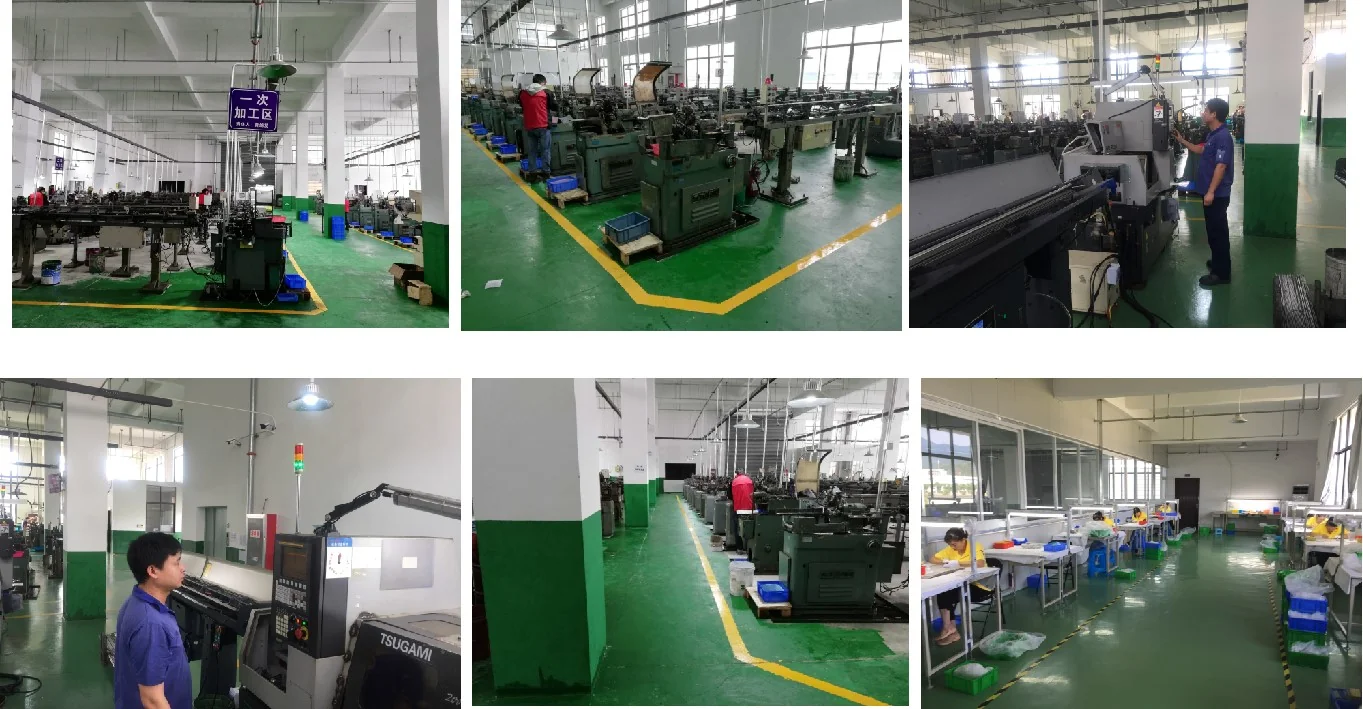
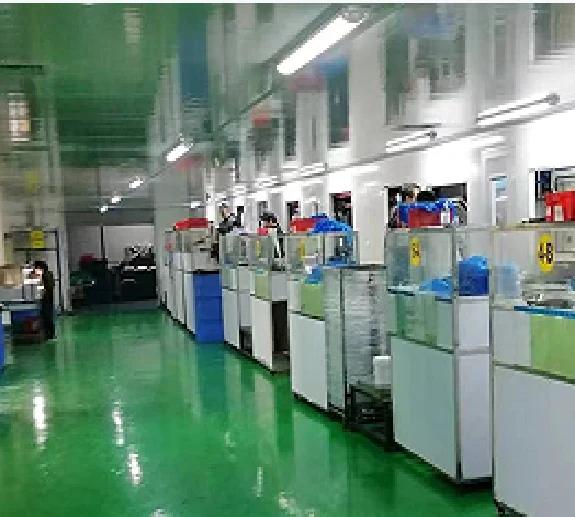
At Suzhou Baoshida Trading Co., Ltd., our engineering framework is built on deep material science expertise and advanced mold design proficiency, specifically tailored to meet the rigorous demands of industrial sealing solutions such as gasket storage racks. Our in-house technical team comprises five dedicated mold engineers and two specialized rubber formula engineers, enabling seamless integration between material performance and structural design. This multidisciplinary synergy ensures that every component we develop—especially those used in organized industrial storage systems—delivers long-term reliability, chemical resistance, and dimensional stability under dynamic environmental conditions.

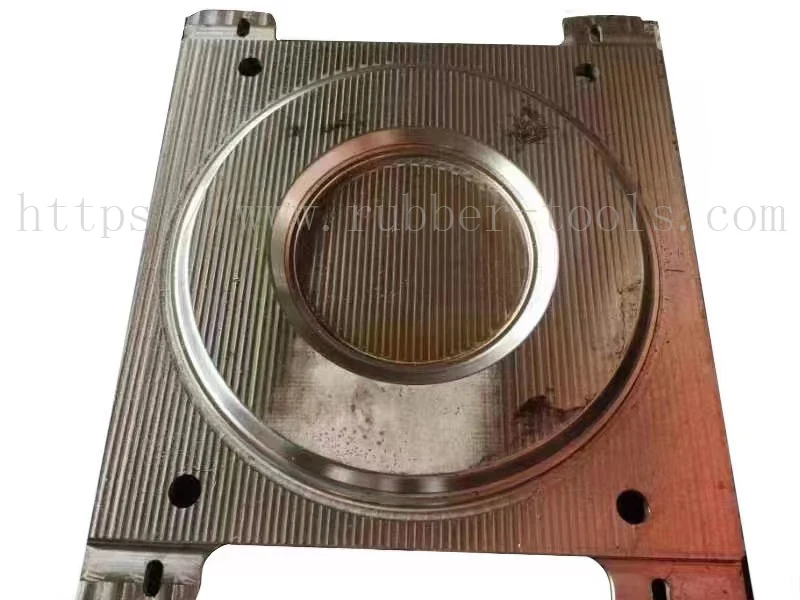
Our mold engineers utilize state-of-the-art CAD/CAM software, including SolidWorks and AutoCAD, to develop precision molds optimized for complex geometries and tight tolerance requirements. Each design undergoes rigorous simulation analysis for mold flow, shrinkage behavior, and stress distribution, minimizing production defects and ensuring consistent part quality. This precision is particularly critical in gasket storage rack systems, where uniformity in sealing surfaces directly impacts inventory protection, assembly efficiency, and service life.

Complementing our mold engineering strength is our proprietary rubber formulation capability. Our two formula engineers possess advanced knowledge in elastomer chemistry, focusing on custom compound development for application-specific performance. Whether the requirement is resistance to UV exposure, ozone degradation, or industrial fluids such as oils, coolants, and cleaning agents, we formulate rubber compounds that meet exact performance criteria. We routinely work with NBR, EPDM, silicone, FKM, and natural rubber, adjusting hardness, compression set, and elongation properties to match operational demands.

Our OEM service model is engineered for collaboration. We partner directly with clients from concept to mass production, offering full technical documentation, design for manufacturability (DFM) feedback, and iterative prototyping. This client-integrated approach reduces time-to-market and ensures final products align precisely with functional and spatial requirements of gasket storage systems, including load-bearing capacity, corrosion resistance, and ease of integration into existing workflows.

All development and production processes adhere to ISO 9001 quality standards, with full traceability and batch testing protocols. Our facility supports low-volume prototyping and high-volume manufacturing, making us a flexible partner for global supply chains.

The following table outlines key engineering specifications and capabilities relevant to gasket storage rack components:

Parameter Specification
Material Types NBR, EPDM, Silicone, FKM, NR, CR, ACM
Hardness Range (Shore A) 40–90
Tolerance (per ISO 3302) Class M2 to M3
Operating Temperature Range -40°C to +250°C (depending on compound)
Mold Design Software SolidWorks, AutoCAD, UG, Moldflow
Sample Lead Time 15–25 days (including compound development)
OEM Documentation Support 2D/3D Drawings, Material Certifications, RoHS/REACH

Through this integrated engineering approach, Suzhou Baoshida delivers technically superior, application-optimized solutions that enhance the performance and longevity of industrial gasket management systems.


Customization Process

gasket storage rack manufacturing

Gasket Storage Rack Customization Process: Precision Engineering for Industrial Reliability

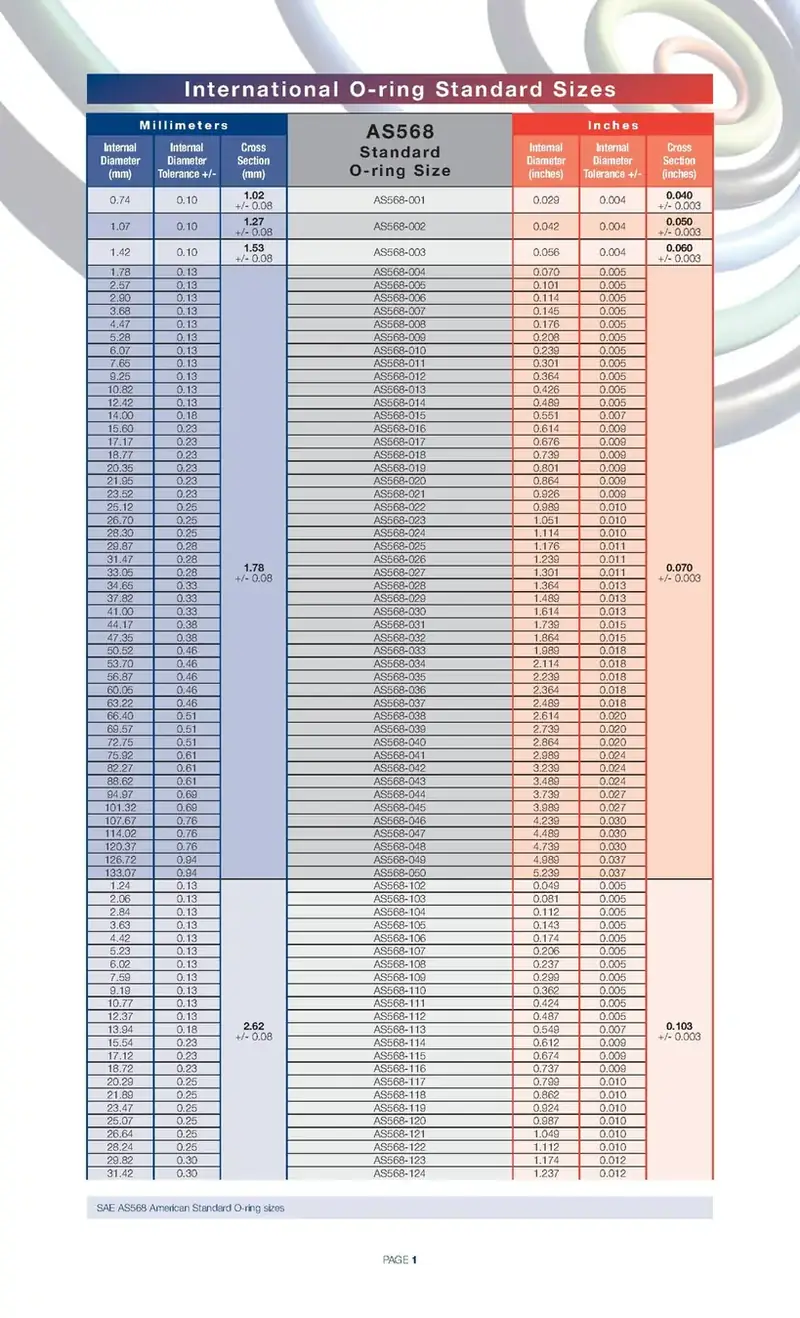
At Suzhou Baoshida Trading Co., Ltd., our gasket storage rack customization process ensures dimensional accuracy, environmental resilience, and seamless integration into client production ecosystems. This systematic approach mitigates seal degradation risks during storage while optimizing warehouse efficiency. The process begins with rigorous Drawing Analysis, where our engineering team dissects OEM-provided CAD files to validate critical parameters. We assess load distribution, gasket geometry compatibility, and material interaction zones, cross-referencing against ISO 1307 and SAE AS568 standards. Tolerances exceeding ±0.1mm trigger collaborative redesign sessions to prevent compression set anomalies or stacking instability.

Following drawing validation, our Rubber Formula Engineering division initiates material Formulation. We select base polymers—EPDM for ozone resistance, FKM for high-temperature stability, or NBR for hydraulic fluid compatibility—based on the operational environment. Key variables like Shore A hardness, compression set, and thermal expansion coefficients are computationally modeled using Mooney-Rivlin equations. Additive packages are precision-calibrated to achieve target properties: 20–30 phr silica for abrasion resistance in high-traffic racks, or zinc oxide for UV stability in outdoor storage. Each formulation undergoes accelerated aging simulations at 70°C for 72 hours to predict 5-year service life.

Prototyping transitions theory to validation. CNC-machined racks undergo three-phase testing: static load trials (200% of rated capacity), dynamic vibration analysis per ASTM D999, and environmental chamber exposure (-40°C to 150°C cycles). We measure deflection at critical nodes using laser interferometry, ensuring <0.5mm displacement under max load. Client feedback on gasket insertion/removal ergonomics and rack modularity directly informs final adjustments. Only when all metrics align with the OEM’s failure mode criteria do we approve tooling.

Mass Production integrates real-time quality gates. Automated injection molding presses maintain ±0.5°C temperature control and 500-bar pressure consistency. Every rack batch undergoes 100% visual inspection for flash or sink marks, followed by statistical sampling for dimensional conformity via CMM. Traceability is enforced through laser-etched batch codes linked to raw material lot numbers and process parameters. Final validation includes a 48-hour humidity chamber test (85% RH) to confirm dimensional stability before shipment.

Critical Material Specifications for Gasket Storage Racks

Parameter Standard Specification Customization Range Test Method
Shore A Hardness 70 ± 5 50–90 ASTM D2240
Operating Temperature -40°C to +120°C -55°C to +200°C (FKM) ISO 188
Compression Set ≤ 25% (22h/70°C) ≤ 15% (optimized FKM) ASTM D395
Tensile Strength ≥ 10 MPa ≥ 15 MPa (reinforced) ISO 37
Humidity Resistance No deformation at 85% RH Custom stabilizers ISO 62

This closed-loop methodology—grounded in material science and industrial pragmatism—guarantees racks that preserve gasket integrity from warehouse to assembly line. Suzhou Baoshida’s OEM partnerships thrive on this convergence of analytical rigor and scalable precision manufacturing.


Contact Engineering Team

gasket storage rack manufacturing

Contact Suzhou Baoshida for Precision Gasket Storage Solutions

At Suzhou Baoshida Trading Co., Ltd., we specialize in engineered rubber components and industrial tooling systems designed for consistency, durability, and operational efficiency. Our expertise extends beyond precision rubber seals into purpose-built storage solutions that maintain seal integrity, reduce handling damage, and streamline inventory management in demanding manufacturing environments. The gasket storage rack is a critical component in any seal handling system—ensuring dimensional stability, material longevity, and traceability across production lines.

We understand that improper storage leads to deformation, contamination, and premature aging of rubber gaskets—especially those made from sensitive compounds such as FKM, EPDM, NBR, and silicone. Our gasket storage racks are designed with controlled spacing, UV-resistant materials, and corrosion-proof coatings to protect your critical sealing components from environmental stressors. Whether you are managing large-diameter flange gaskets or small-profile dynamic seals, our racks support vertical, horizontal, and stackable configurations tailored to your facility layout and workflow requirements.

All storage systems are developed in alignment with ISO 1431 and ASTM D1149 standards for rubber aging and environmental resistance. Racks are tested under accelerated thermal and humidity conditions to ensure long-term structural integrity in industrial settings. Custom labeling, barcode integration, and modular expansion options are available to support automated inventory tracking and 5S workplace organization protocols.

To ensure seamless integration into your current production ecosystem, our engineering team provides on-site assessments and CAD-based layout planning. We collaborate directly with maintenance supervisors, procurement managers, and quality assurance personnel to deliver storage solutions that meet both technical and logistical demands.

For immediate assistance or technical consultation regarding gasket storage rack specifications, load capacity, material compatibility, or customization options, contact Mr. Boyce, OEM Account Manager at Suzhou Baoshida Trading Co., Ltd. He leads our industrial solutions division and brings over 12 years of experience in rubber component logistics and sealing system optimization.

Specification Detail
Frame Material Powder-coated carbon steel or 304 stainless steel
Load Capacity per Tier Up to 50 kg (110 lbs)
UV Resistance ≥ 5,000 hours (QUV accelerated testing)
Temperature Range -30°C to +80°C (-22°F to +176°F)
Standard Colors Industrial gray, safety blue, cleanroom white
Customization Options Label holders, casters, modular connectors, anti-static coating
Compliance Standards ISO 9001, ISO 1431, ASTM D1149, RoHS

Reach out today to optimize your gasket handling process with a solution built on precision engineering and industrial reliability. Contact Mr. Boyce directly via email at [email protected] to schedule a technical review or request a product sample.


⚖️ O-Ring Weight Calculator

Estimate rubber O-ring weight (Approx).


Gasket Storage Rack Manufacturer | Engineering Guide

Contents of Table

Contact [email protected] Whatsapp 86 15951276160