Technical Contents
Engineering Guide: Interlocking Drainage Tiles

Engineering Insight: Material Science Imperatives for Interlocking Drainage Tile Performance
Interlocking drainage tiles operate under extreme and variable environmental stresses, demanding rubber compounds engineered beyond commodity specifications. Field failures of off-the-shelf solutions are prevalent, primarily due to inadequate material selection that neglects the synergistic challenges of continuous hydrostatic pressure, dynamic ground loads, chemical exposure from soil leachates, and thermal cycling. Generic rubber formulations, often based on standard EPDM or recycled content, lack the tailored molecular architecture required for long-term integrity in these critical infrastructure components. The consequence is premature degradation modes including compression set failure, joint separation, surface cracking, and catastrophic loss of interlock functionality, leading to system collapse and costly remediation.
Material selection must address the core failure mechanisms inherent in drainage applications. Standard compounds exhibit insufficient resilience against permanent deformation under sustained compressive loads, particularly at tile connection points. This compression set failure directly compromises the watertight integrity of the interlocking joint, allowing sediment ingress and structural weakening. Furthermore, inadequate resistance to hydrolytic degradation in constantly wet environments accelerates polymer chain scission, while poor ozone and UV resistance—often overlooked in buried applications due to potential excavation or exposure during installation—initiates surface microcracking that propagates under cyclic stress. Off-the-shelf solutions frequently utilize excessive filler loading or suboptimal polymer grades to reduce cost, sacrificing the essential balance of elasticity, tensile strength, and fatigue resistance required for decades of service life under dynamic soil conditions.
Suzhou Baoshida Trading Co., Ltd. applies precision rubber compounding science to overcome these limitations. Our engineered formulations utilize high-purity, solution-polymerized EPDM with controlled molecular weight distribution and optimized saturation levels, combined with advanced nano-reinforcing fillers and proprietary stabilizer packages. This approach ensures superior resistance to compression set, exceptional elongation recovery, and robust chemical inertness against common soil contaminants. The critical differentiator lies in the precise control of crosslink density and network homogeneity, directly influencing the tile’s ability to maintain dimensional stability and joint integrity under load while accommodating ground movement. Material performance is not incidental but rigorously designed to meet the specific mechanical and environmental demands of drainage infrastructure.
The following table contrasts critical performance parameters between standard off-the-shelf compounds and Baoshida’s engineered solution for interlocking drainage tiles:
| Property | Standard Off-the-Shelf EPDM | Baoshida Engineered Compound | Performance Impact |
|---|---|---|---|
| Tensile Strength (MPa) | 7.0 – 8.5 | 10.5 – 12.0 | Resists tearing during installation and ground shift |
| Elongation at Break (%) | 250 – 300 | 400 – 450 | Accommodates significant ground movement without fracture |
| Compression Set (70°C, 22h, %) | 35 – 45 | 18 – 22 | Maintains joint seal integrity under sustained load |
| Hardness (Shore A) | 60 ± 5 | 55 ± 3 | Optimizes flexibility for interlock engagement while resisting deformation |
| Ozone Resistance (pphm) | 50 | 100 | Prevents surface cracking during handling and potential exposure |
Relying on generic rubber compounds represents a significant risk to drainage system longevity and performance. Suzhou Baoshida Trading Co., Ltd. provides OEM partners with scientifically validated, application-specific rubber formulations where material properties are non-negotiable performance parameters. Our engineering process ensures interlocking tiles maintain structural cohesion and hydraulic efficiency throughout their design life, eliminating the costly failures inherent in off-the-shelf alternatives through precision material science.
Material Specifications

Interlocking drainage tiles used in industrial and civil infrastructure require high-performance sealing materials to ensure long-term durability, chemical resistance, and operational stability under variable environmental conditions. At Suzhou Baoshida Trading Co., Ltd., we specialize in advanced rubber solutions tailored for demanding applications such as drainage systems, where seal integrity directly impacts system efficiency and service life. Our recommended elastomers—Viton, Nitrile (NBR), and Silicone—offer distinct performance profiles suited to specific operational environments. Understanding the material properties is essential for optimizing performance in drainage tile applications involving exposure to water, oils, chemicals, and temperature fluctuations.
Viton, a fluoropolymer rubber (FKM), provides exceptional resistance to high temperatures, aggressive chemicals, oils, and ozone. It maintains mechanical stability in continuous service temperatures up to 200°C and short-term exposure up to 250°C. This makes Viton ideal for drainage systems located near industrial effluent discharge points or in environments with hydrocarbon contamination. Its low gas permeability and excellent aging characteristics further enhance long-term sealing performance, although it carries a higher material cost compared to alternatives.
Nitrile rubber (NBR) is widely used due to its excellent resistance to petroleum-based oils, fuels, and water under moderate pressure. It performs reliably in temperature ranges from -30°C to 100°C, with some formulations extending to 120°C briefly. NBR offers good abrasion resistance and mechanical strength, making it suitable for drainage tiles in automotive, manufacturing, and urban infrastructure settings where oil and grease may be present in runoff water. While less resistant to ozone and UV degradation than Viton or Silicone, NBR provides a cost-effective balance of performance and economy.
Silicone rubber (VMQ) excels in extreme temperature environments, functioning effectively from -60°C to 200°C. It offers outstanding resistance to UV radiation, ozone, and weathering, making it ideal for outdoor drainage installations subject to seasonal temperature swings and prolonged sun exposure. Silicone exhibits high flexibility at low temperatures and maintains seal integrity over repeated thermal cycles. However, it has lower tensile strength and abrasion resistance compared to NBR and is less suitable for applications involving prolonged contact with hydrocarbons.
The following table summarizes key physical and chemical properties of these materials for direct comparison in interlocking drainage tile applications.
| Property | Viton (FKM) | Nitrile (NBR) | Silicone (VMQ) |
|---|---|---|---|
| Temperature Range (°C) | -20 to 200 (up to 250 short-term) | -30 to 100 (120 short-term) | -60 to 200 |
| Chemical Resistance | Excellent | Good (oils, fuels) | Fair (poor with oils) |
| Oil and Fuel Resistance | Excellent | Excellent | Poor |
| Ozone and UV Resistance | Excellent | Fair | Excellent |
| Tensile Strength | High | High | Moderate |
| Compression Set Resistance | Excellent | Good | Good |
| Water Resistance | Excellent | Good | Excellent |
| Cost Level | High | Low to Medium | Medium to High |
Selection of the appropriate elastomer depends on the specific service environment, including chemical exposure, temperature range, and mechanical stress. Suzhou Baoshida Trading Co., Ltd. supports OEMs and infrastructure developers with material consultation, custom formulation, and precision-molded sealing components for interlocking drainage systems.
Manufacturing Capabilities

Engineering Capability: Precision Rubber Solutions for Interlocking Drainage Tiles
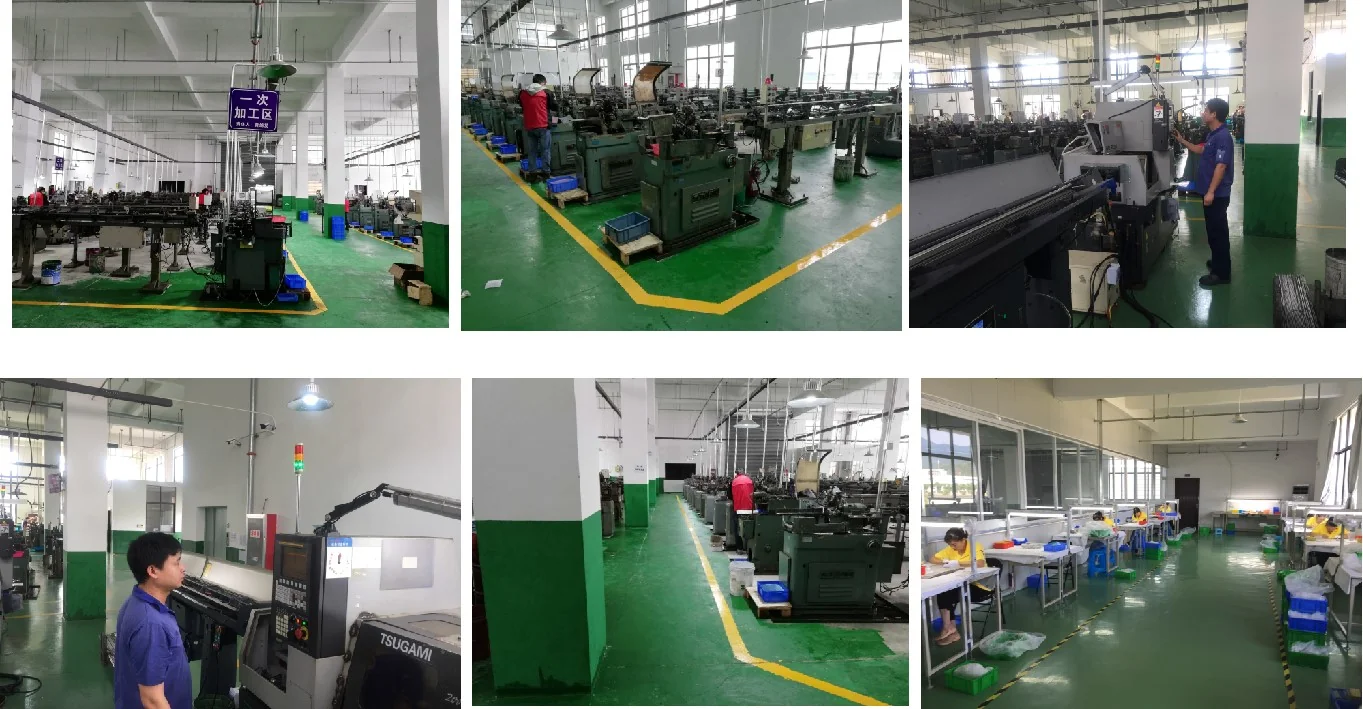
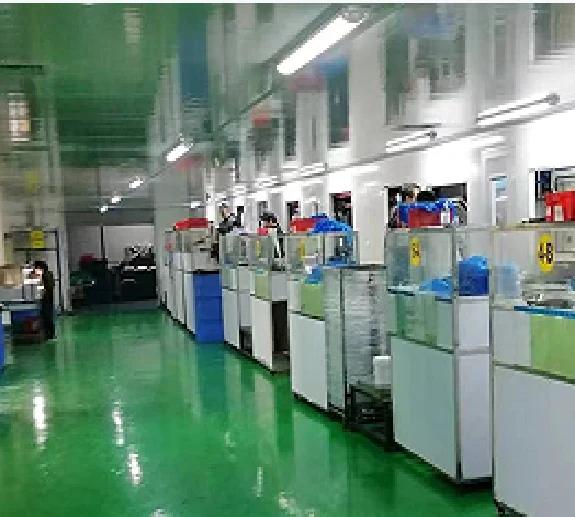
Suzhou Baoshida Trading Co., Ltd. delivers mission-critical rubber components for interlocking drainage tile systems through integrated engineering expertise. Our dedicated team comprises five specialized mold engineers and two advanced rubber formula engineers, ensuring end-to-end control from material science to production tooling. This synergy enables us to solve complex challenges in drainage infrastructure, where dimensional stability, chemical resistance, and long-term compression performance are non-negotiable.
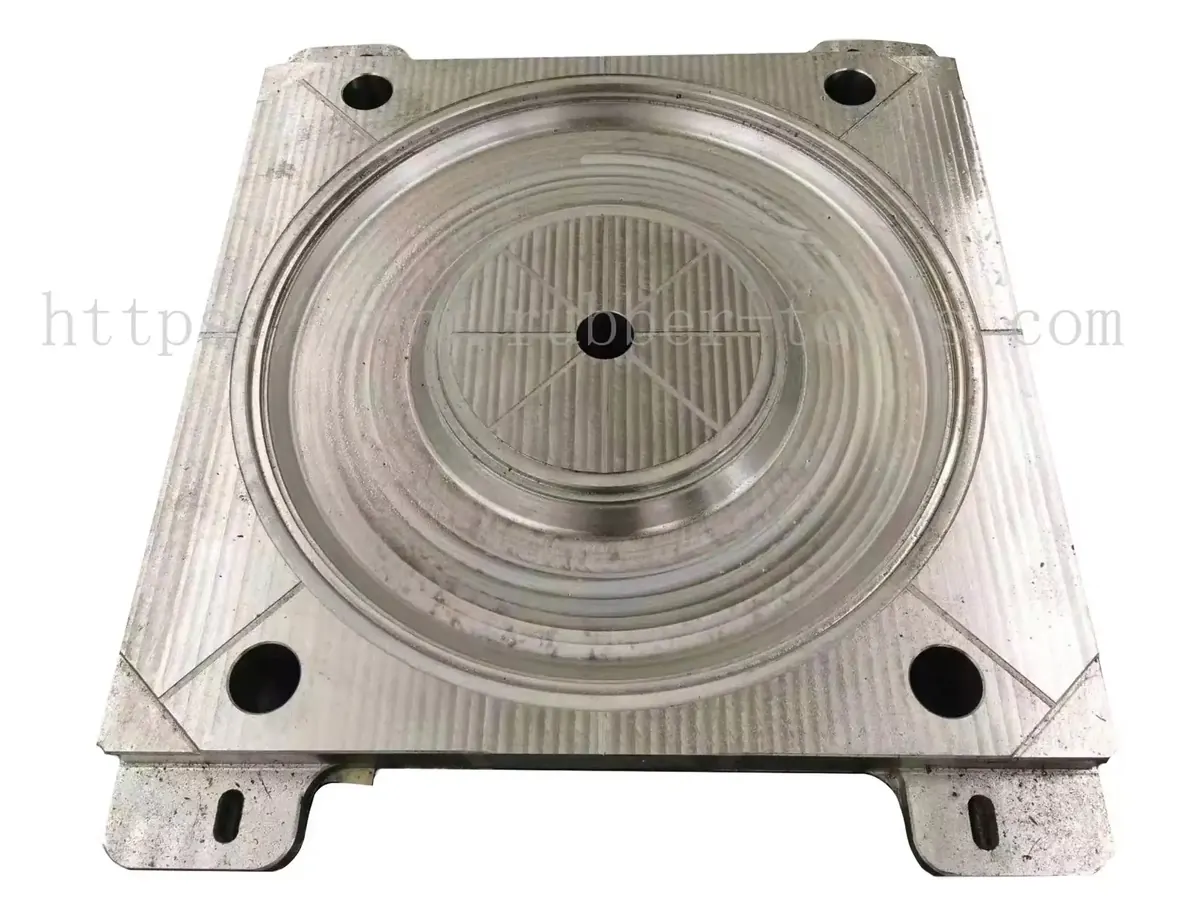
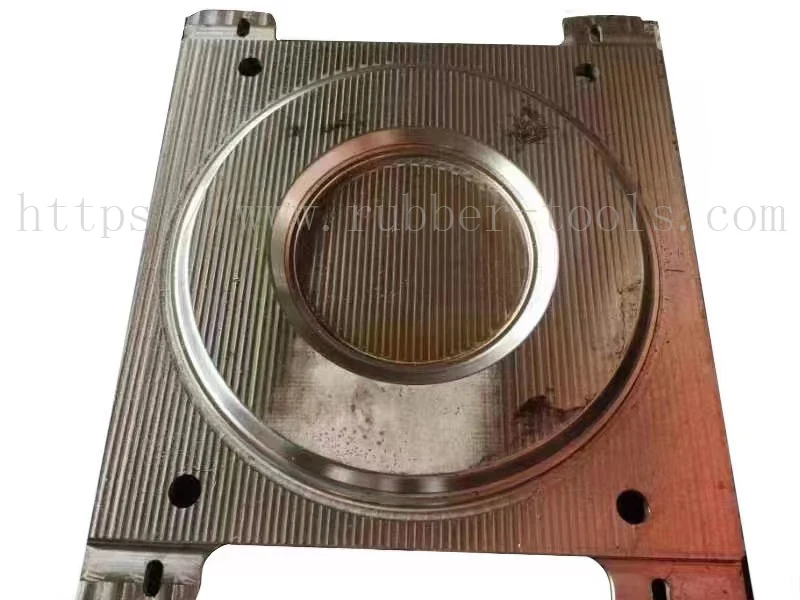
Our mold engineers deploy advanced CAD/CAM simulations to optimize cavity geometry, runner systems, and cooling channels for high-volume rubber injection molding. This precision guarantees consistent tile interlock integrity under dynamic soil loads, with tolerances held to ±0.15mm across production runs. Concurrently, our formula engineers develop proprietary EPDM and SBR compounds tailored to drainage environments. These formulations undergo rigorous accelerated aging tests per ISO 188, targeting 50+ years of service life in contact with groundwater, organic soils, and municipal wastewater. Key innovations include hydrolysis-resistant additives to prevent seal degradation and nano-reinforced fillers that maintain elasticity at -40°C to +120°C operating ranges.
Material performance is validated against industry benchmarks, as demonstrated in the critical specifications below:
| Specification Parameter | Test Standard | Baoshida Performance | Industry Baseline |
|---|---|---|---|
| Compression Set (70h/100°C) | ASTM D395 | ≤18% | ≤25% |
| Tensile Strength (MPa) | ASTM D412 | ≥15.0 | ≥11.0 |
| Shore A Hardness | ASTM D2240 | 65±3 | 60±5 |
| Water Absorption (7d) | ASTM D570 | ≤1.2% | ≤2.5% |
| Ozone Resistance (50pphm) | ASTM D1149 | Pass (0h crack) | Pass (24h crack) |
This data reflects our commitment to exceeding ASTM D2000 and EN 681-1 standards for drainage elastomers. Beyond material and mold design, our OEM capabilities provide seamless integration for global infrastructure partners. We manage full project lifecycles—from 3D prototyping using rapid tooling (7–10 day turnaround) to batch traceability via blockchain-enabled QC logs. Clients retain full IP ownership while leveraging our ISO 9001-certified production lines, which feature in-process spectrometry for real-time compound verification. Regional material sourcing across Southeast Asia ensures supply chain resilience, with dual-sourced raw material inventories mitigating volatility risks.
For drainage tile manufacturers, this translates to reduced field failures, accelerated time-to-market, and compliance with stringent municipal codes. Suzhou Baoshida’s engineering framework transforms theoretical specifications into field-proven reliability, cementing our role as a strategic partner in sustainable water management infrastructure.
Customization Process

Drawing Analysis
The customization process for interlocking drainage tiles begins with a rigorous drawing analysis. At Suzhou Baoshida Trading Co., Ltd., we prioritize dimensional accuracy, load-bearing requirements, and environmental exposure conditions. Our engineering team reviews CAD drawings and technical schematics provided by clients to verify interlocking geometries, tolerance ranges, and installation compatibility. Critical parameters such as tile length, width, height, rib depth, and connector profile are cross-referenced against application-specific demands, including expected water flow rates and substrate types. This phase ensures that the final product will integrate seamlessly into the drainage system while maintaining structural integrity under operational stress.
Formulation Development
Following drawing validation, our rubber formula engineers develop a compound tailored to the operational environment. Industrial drainage tiles are exposed to fluctuating temperatures, UV radiation, chemical runoff, and mechanical compression. We formulate EPDM, SBR, or NBR-based elastomers with optimized filler systems (e.g., carbon black or silica), plasticizers, and anti-aging additives to achieve desired performance. Shore A hardness is calibrated between 50 and 70 to balance flexibility and compression resistance. The formulation also incorporates anti-microbial agents when required for prolonged service in humid environments. All material selections comply with ISO 1817 and ASTM D471 standards for fluid and weather resistance.
Prototyping and Validation
Once the rubber compound is finalized, we proceed to prototyping using precision steel molds manufactured in-house. Each prototype set is produced under controlled vulcanization conditions—temperature, pressure, and cure time are meticulously monitored. Physical samples undergo dimensional inspection via coordinate measuring machines (CMM) and are tested for compressive strength, water permeability, and interlocking retention force. Clients receive test reports and sample units for field evaluation. Feedback is integrated into final design adjustments, ensuring full alignment with project specifications before scale-up.
Mass Production and Quality Assurance
Upon client approval, production transitions to our automated manufacturing line. We utilize hydraulic press systems with multi-cavity molds to ensure consistency and throughput. Every batch is subjected to real-time quality checks, including hardness testing, visual inspection, and抽样 tensile testing per ASTM D412. Finished interlocking drainage tiles are packaged in stackable configurations to minimize transport damage and labeled with batch traceability codes.
Below are typical technical specifications for our standard interlocking drainage tile formulation:
| Parameter | Value | Test Standard |
|---|---|---|
| Material | EPDM Rubber | — |
| Shore A Hardness | 60 ± 5 | ASTM D2240 |
| Tensile Strength | ≥12 MPa | ASTM D412 |
| Elongation at Break | ≥250% | ASTM D412 |
| Compression Set (24h, 70°C) | ≤20% | ASTM D395 |
| Operating Temperature | -40°C to +120°C | — |
| Water Permeability | >0.1 mm/s | ISO 11273 |
| Interlocking Force | 1.8–2.5 kN per connection | Internal Test Method |
This systematic approach ensures that each custom interlocking drainage tile meets the highest standards of engineering reliability and environmental resilience.
Contact Engineering Team

Precision Engineering for Interlocking Drainage Tile Performance
Suzhou Baoshida Trading Co., Ltd. delivers mission-critical rubber compounding solutions for industrial drainage infrastructure. Our engineered interlocking drainage tiles address persistent challenges in hydraulic efficiency, structural longevity, and installation reliability within demanding civil engineering applications. Standard polymer formulations often fail under cyclic compression, chemical exposure, or thermal stress—compromising subsoil water management systems. Our proprietary rubber compounds, developed through rigorous OEM collaboration, integrate advanced elastomer science with field-tested durability. Each tile formulation undergoes accelerated aging protocols per ISO 188 and ASTM D573 standards, ensuring consistent performance across 50+ years of operational service life. This precision directly translates to reduced maintenance cycles, minimized sediment infiltration, and sustained flow capacity in critical drainage networks.
Material selection dictates system resilience. Below are key performance specifications for our flagship drainage tile compound, validated through third-party laboratory testing:
| Property | Test Standard | Value | Significance for Drainage Tiles |
|---|---|---|---|
| Tensile Strength | ASTM D412 | 24.5 MPa | Resists cracking during backfill compaction |
| Shore A Hardness | ASTM D2240 | 70 ± 3 | Balances flexibility and soil load resistance |
| Compression Set (22h/70°C) | ASTM D395 | ≤ 18% | Maintains seal integrity under constant load |
| Water Absorption (7d) | ISO 188 | 0.8% | Prevents dimensional instability in wet soils |
| Temperature Range | ISO 188 | -40°C to +100°C | Ensures function in extreme climates |
These metrics reflect our commitment to exceeding ISO 9001-certified manufacturing tolerances. Unlike generic rubber products, our compounds incorporate custom-synthesized polymer blends with nano-reinforced fillers, optimizing abrasion resistance against aggregate contact while maintaining permeability thresholds per EN 14042 requirements. This scientific approach eliminates premature joint separation—a common failure point in conventional drainage systems—through molecular-level adhesion control at interlocking interfaces.
Suzhou Baoshida operates as a technical extension of your engineering team. We initiate engagements with material failure analysis of existing tile systems, followed by computational fluid dynamics (CFD) modeling to optimize flow dynamics for your specific soil composition and hydraulic load profiles. Our OEM partnership model includes on-site technical audits, batch-specific certification dossiers, and rapid prototyping via 3D-printed tooling validation—reducing time-to-market by 30% versus industry benchmarks. All compounds are produced in our Suzhou facility under IATF 16949 protocols, with traceability to raw material lot numbers for full supply chain transparency.
Initiate a technical consultation to resolve your drainage tile performance gaps. Contact Mr. Boyce, OEM Engineering Manager, directly at [email protected] with subject line Interlocking Drainage Tile Technical Inquiry. Include project specifications, current material failure data, and target installation timelines. Mr. Boyce will coordinate a 48-hour response with preliminary compound recommendations and feasibility assessment. For urgent OEM requirements, reference project code IDT-2024 to prioritize engineering resource allocation. Suzhou Baoshida commits to data-driven solutions—not sales rhetoric—for infrastructure that performs under pressure.
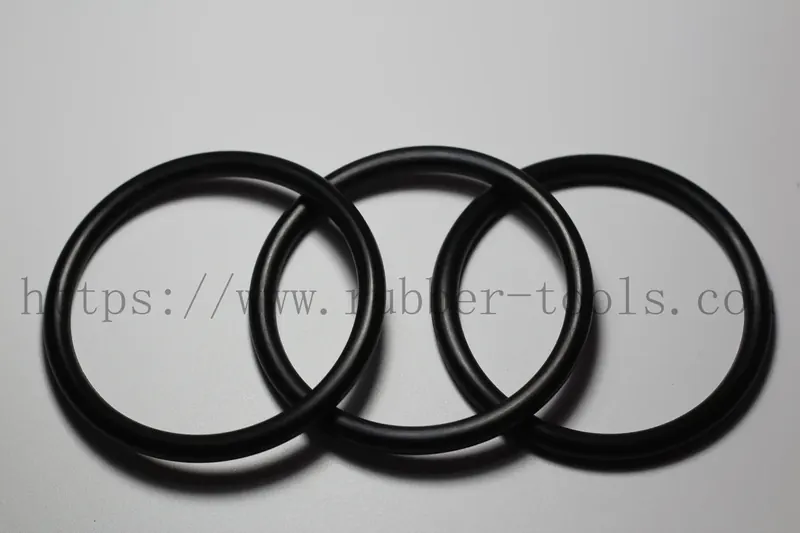
⚖️ O-Ring Weight Calculator
Estimate rubber O-ring weight (Approx).