Kevlar Cloth Fabric Manufacturer | Engineering Guide

Engineering Guide: Kevlar Cloth Fabric

kevlar cloth fabric manufacturing

Engineering Insight: Kevlar Cloth Fabric in Industrial Rubber Reinforcement

In the domain of industrial rubber solutions, the integration of high-performance reinforcement materials is paramount to achieving durability, dimensional stability, and resistance to mechanical stress. Among these materials, Kevlar cloth fabric—derived from poly-paraphenylene terephthalamide—stands out due to its exceptional tensile strength, thermal resilience, and chemical inertness. However, the selection of Kevlar fabric is not a one-size-fits-all proposition. Off-the-shelf variants, while economically attractive, often fail to meet the rigorous demands of specialized rubber composite applications, leading to premature degradation, delamination, or catastrophic system failure.

The root cause of such failures lies in inadequate material compatibility and structural mismatch. Standard Kevlar fabrics are typically engineered for ballistic or cut-resistant applications, where the primary design criterion is impact absorption. In contrast, industrial rubber systems—such as hydraulic hoses, expansion joints, or conveyor belting—require reinforcement that can withstand dynamic flexing, prolonged thermal cycling, and adhesive bonding under vulcanization conditions. Generic Kevlar cloths lack optimized weave architecture, surface treatment, and thermal pre-conditioning essential for robust rubber-to-fabric adhesion and long-term fatigue resistance.

At Suzhou Baoshida Trading Co., Ltd., we emphasize application-specific engineering of Kevlar cloth fabric tailored to the operational profile of the final rubber product. Key parameters include thread count, weave pattern (e.g., plain, twill, or satin), yarn denier, and resin affinity. For instance, a tightly woven 1000D Kevlar fabric with a balanced plain weave offers superior dimensional stability in high-pressure hose liners, whereas a twill weave with 2000D yarn may be preferred for flexible expansion joints requiring multi-axial compliance.

Moreover, surface treatment plays a decisive role. Untreated Kevlar exhibits poor adhesion to rubber matrices due to its chemically inert surface. Our engineered fabrics undergo controlled surface oxidation and are coated with adhesive promoters such as resorcinol-formaldehyde-latex (RFL) or epoxy-compatible sizings, ensuring covalent bonding during vulcanization. This interfacial integrity prevents moisture ingress and fiber pull-out under cyclic loading.

The following table outlines critical specifications differentiating industrial-grade Kevlar cloth from generic alternatives:

Parameter Industrial-Grade Kevlar Cloth Off-the-Shelf Kevlar Cloth
Yarn Denier 1000–2000 D 800–1500 D
Weave Pattern Plain, Twill, Custom Predominantly Plain
Surface Treatment RFL, Epoxy, or PU-Compatible None or Minimal
Adhesion to Rubber (Peel Strength) ≥ 8 N/mm ≤ 3 N/mm
Thermal Stability Up to 200°C (continuous) Up to 150°C (continuous)
Elongation at Break 3.5–4.0% 3.0–4.5%
Application Focus Rubber Reinforcement, Composites Ballistics, Cut Protection

Selecting the appropriate Kevlar cloth fabric is not merely a materials decision—it is a systems engineering imperative. At Baoshida, we collaborate with OEMs to co-develop reinforcement solutions that align with vulcanization profiles, service environments, and lifecycle expectations, ensuring reliability beyond what commoditized fabrics can deliver.


Material Specifications

kevlar cloth fabric manufacturing

Material Specifications for Reinforced Elastomeric Components

Suzhou Baoshida Trading Co., Ltd. provides precision-engineered rubber compounds reinforced with aramid fibers such as Kevlar® cloth fabric for critical industrial applications. Kevlar® cloth serves as a high-strength reinforcement substrate, enhancing dimensional stability and tear resistance in demanding environments. However, the elastomeric matrix surrounding this reinforcement determines chemical compatibility, thermal resilience, and mechanical performance. Below we detail specifications for three primary rubber compounds utilized in our Kevlar®-reinforced products: Viton® (FKM), Nitrile (NBR), and Silicone (VMQ). Understanding these material properties is essential for OEMs selecting solutions for hydraulic seals, diaphragms, or gaskets exposed to extreme conditions.

Viton® fluorocarbon rubber excels in high-temperature and aggressive chemical environments. It maintains integrity up to 230°C continuous service temperature and resists aromatic hydrocarbons, acids, and jet fuels. Its low compression set ensures long-term sealing force retention. Nitrile rubber offers optimal cost-performance balance for oil and fuel exposure, with standard grades handling temperatures from -30°C to 100°C. Performance scales with acrylonitrile content (34%-50%), directly influencing oil resistance and low-temperature flexibility. Silicone rubber provides unparalleled thermal range (-60°C to 200°C) and ozone resistance but exhibits lower tensile strength and poor hydrocarbon compatibility. It is ideal for aerospace and medical applications requiring biocompatibility and extreme temperature cycling.

All compounds undergo rigorous ASTM D2000 testing for hardness, tensile strength, elongation, and fluid resistance. Kevlar® reinforcement elevates burst pressure tolerance by 40-60% versus non-reinforced equivalents, while minimizing extrusion in high-pressure systems. Critical selection factors include fluid type, temperature profile, and dynamic stress requirements.

Material Comparison Parameters

Property Viton® (FKM) Nitrile (NBR) Silicone (VMQ)
Continuous Temp Range (°C) -20 to +230 -30 to +100 -60 to +200
Tensile Strength (MPa) 12-18 15-25 5-9
Elongation at Break (%) 150-300 200-500 200-700
Compression Set (ASTM D395) 15-25% (24h/150°C) 20-40% (70h/100°C) 10-25% (22h/150°C)
Key Fluid Resistance Fuels, Acids, Oils Aliphatic Oils, Water Water, Steam, Ozone
Key Limitations Poor Ketone Resistance Poor Ozone/Arc Resistance Poor Hydrocarbon Resistance
Typical Hardness (Shore A) 60-90 50-90 30-80

Suzhou Baoshida Trading Co., Ltd. tailors compound formulations to meet OEM-specific ASTM, SAE, or ISO standards. Our Kevlar®-reinforced solutions undergo 100% dimensional validation and pressure testing per client-specified protocols. For applications requiring combined high-strength reinforcement and elastomeric resilience, we recommend Viton® for chemical-intensive settings, NBR for cost-sensitive oil systems, and Silicone for extreme thermal cycling where fluid exposure is limited to water or non-polar media. Consult our engineering team for compound certification data and application-specific validation testing.


Manufacturing Capabilities

kevlar cloth fabric manufacturing

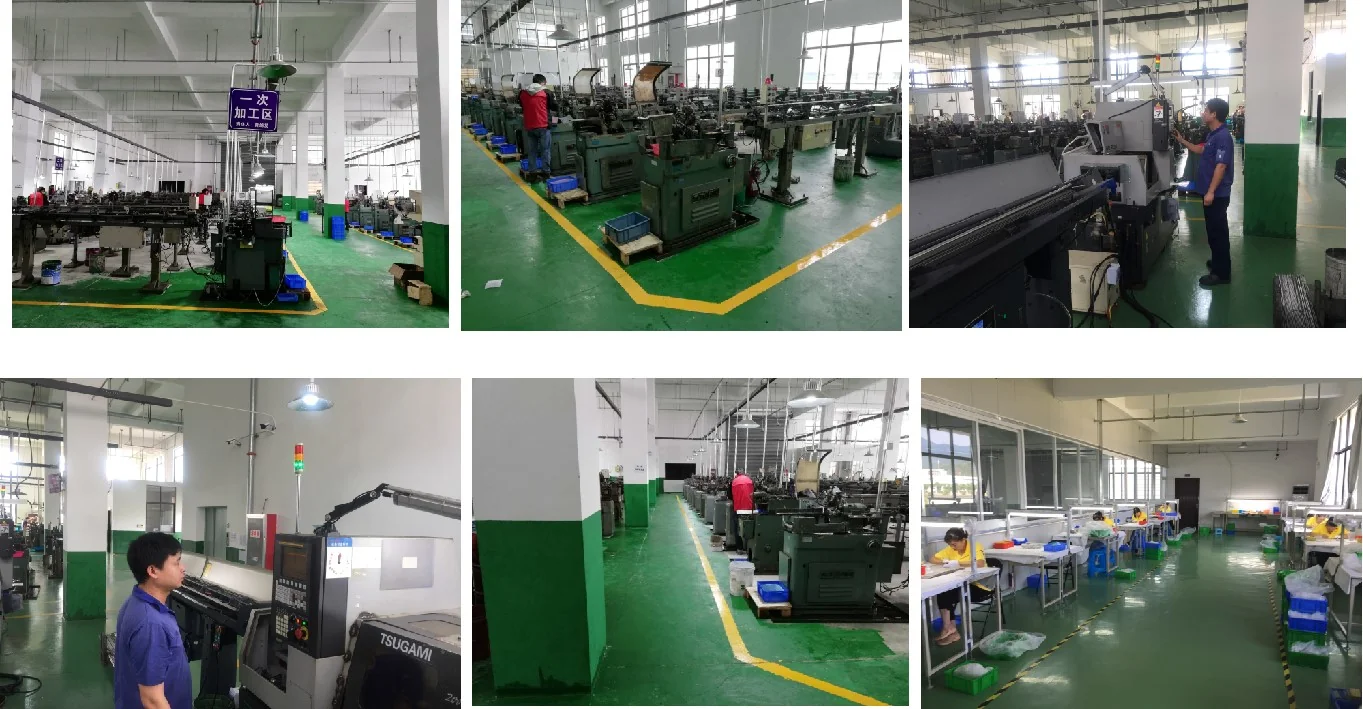
Suzhou Baoshida Trading Co., Ltd. maintains a robust engineering infrastructure tailored to deliver precision-driven industrial rubber solutions, particularly in the integration of high-performance materials such as Kevlar cloth fabric. Our in-house technical team comprises five dedicated mould engineers and two specialized rubber formula engineers, enabling end-to-end control over product development, material optimization, and manufacturing scalability. This multidisciplinary approach ensures that every component meets stringent performance criteria for thermal resistance, mechanical strength, and dimensional accuracy—critical for advanced industrial applications.

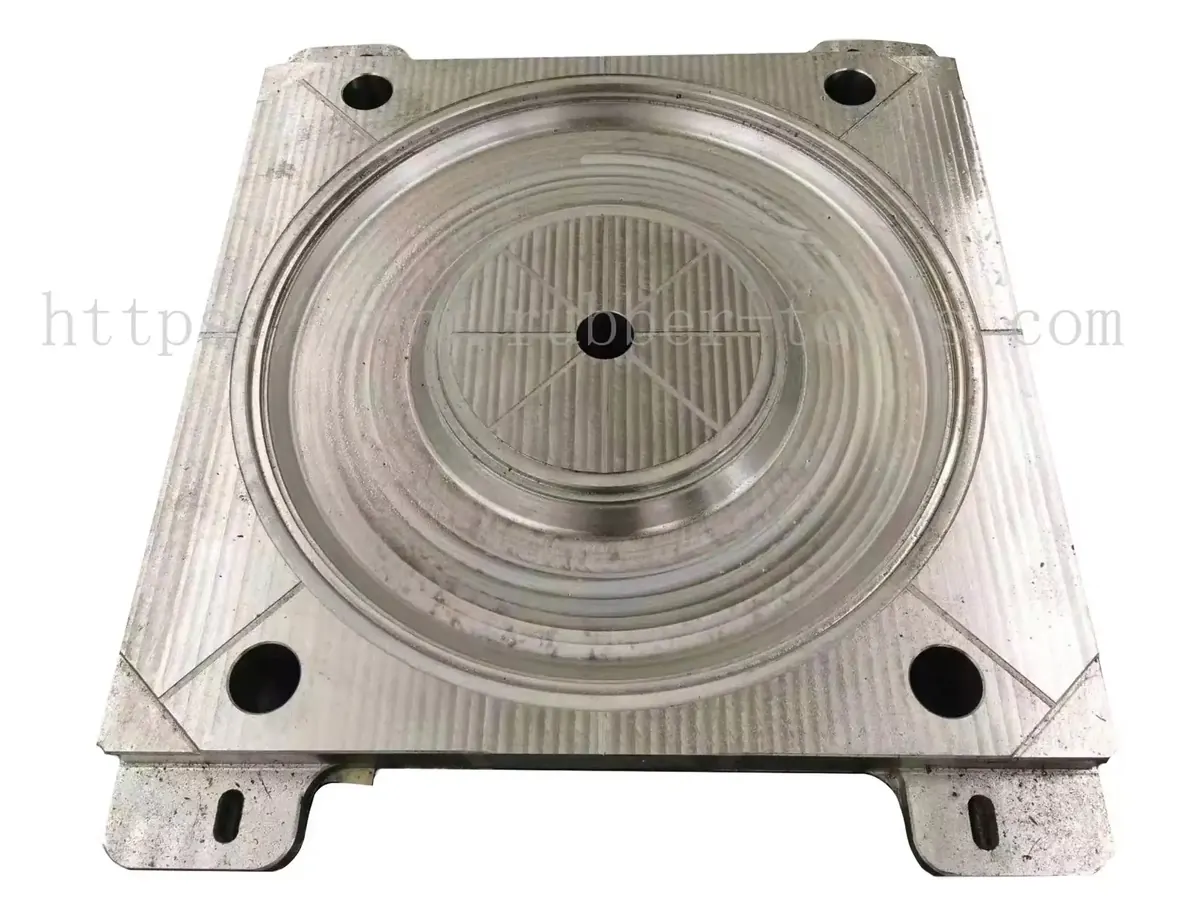
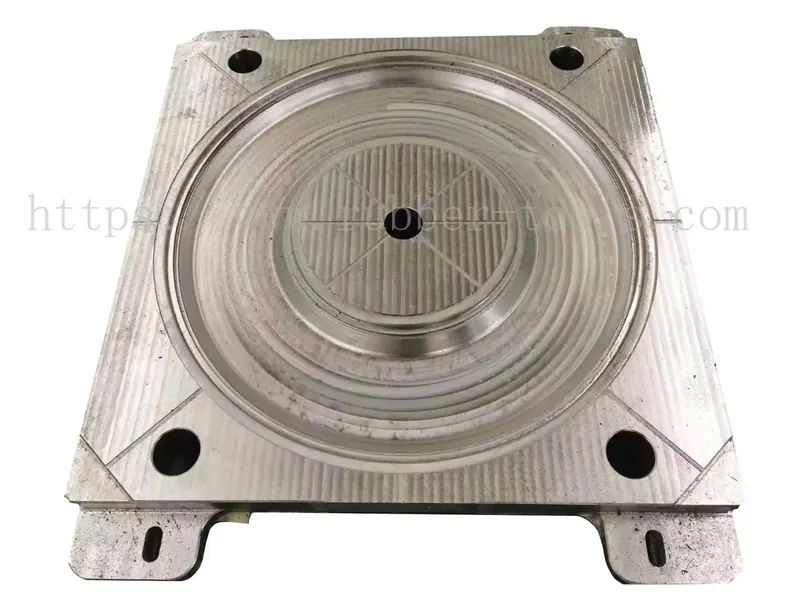
Our mould engineers possess extensive experience in designing and refining tooling systems for complex rubber-to-fabric bonding processes. With expertise in CAD/CAM simulation, finite element analysis (FEA), and rapid prototyping, they ensure optimal cavity design, uniform material flow, and minimal flash formation during compression or transfer moulding. This precision is essential when encapsulating Kevlar cloth within elastomeric matrices, where alignment, adhesion, and thickness consistency directly influence final product performance. The team supports both standard and custom mould configurations, accommodating tight tolerances and intricate geometries required in aerospace, automotive, and heavy machinery sectors.

Complementing this capability are our two full-time rubber formulation engineers, who specialize in developing compound recipes that maximize adhesion between rubber and high-tensile substrates like Kevlar. Through rigorous testing and iterative refinement, they formulate elastomeric blends that enhance interfacial bonding, reduce delamination risks, and maintain flexibility under dynamic stress. These formulations are engineered to withstand extreme environments, including elevated temperatures (up to 250°C), aggressive chemicals, and high mechanical loads. The integration of Kevlar cloth into rubber components significantly improves tensile strength and dimensional stability, making it ideal for high-pressure seals, reinforced hoses, and impact-resistant linings.

As an OEM manufacturer, Suzhou Baoshida offers comprehensive private-label development services. We collaborate directly with clients to translate technical specifications into functional products, managing every phase from concept validation to mass production. Our facility supports low-volume prototyping and high-volume manufacturing, with full traceability, ISO-compliant quality control, and on-time delivery assurance.

The following table outlines key technical capabilities relevant to Kevlar-reinforced rubber component production:

Parameter Specification
Mould Design Capacity Up to 50 tons clamping force, multi-cavity support
Tolerance Control ±0.1 mm for critical dimensions
Rubber Formulation Range Nitrile (NBR), EPDM, Silicone, Fluorocarbon (FKM)
Adhesion Strength (Rubber to Kevlar) ≥8 kN/m (peel resistance, ASTM D413)
Operating Temperature Range -40°C to +250°C (depending on compound)
Curing Methods Compression, Transfer, and Injection Moulding
OEM Service Scope Design, Prototyping, Testing, Serial Production

This integrated engineering model—combining advanced tooling, material science, and OEM agility—positions Suzhou Baoshida as a trusted partner in high-performance industrial rubber solutions.


Customization Process

Kevlar Cloth Fabric Customization Process for Industrial Rubber Solutions

Suzhou Baoshida Trading Co., Ltd. implements a rigorously controlled customization pathway for Kevlar cloth-reinforced rubber composites, ensuring optimal performance in demanding industrial applications. Our four-phase methodology begins with Drawing Analysis, where engineering teams dissect client technical schematics to validate dimensional tolerances, load requirements, and environmental exposure conditions. Critical parameters such as operating temperature ranges, chemical resistance needs, and dynamic stress points are cross-referenced against ISO 188 and ASTM D573 standards. This phase identifies potential adhesion challenges between Kevlar fibers and rubber matrices, preventing costly revisions during prototyping.

Formulation Development follows, leveraging our proprietary rubber compounding database. Engineers select base polymers (EPDM, NBR, or specialty fluoroelastomers) based on fluid compatibility and thermal stability requirements. Kevlar fabric specifications—including weave density (typically 200–400 g/m²), filament count (1000–3000 denier), and surface treatment—are integrated into the compound design. Key adjustments include: optimizing sulfur donor systems for high-temperature vulcanization, incorporating silane coupling agents to enhance fiber-rubber interfacial adhesion, and calibrating filler ratios to balance flex fatigue resistance with tensile strength. Cure kinetics are modeled using Moving Die Rheometry (MDR) to define precise scorch safety and optimal cure times.

Prototyping Execution validates the formulation under simulated service conditions. Three physical prototypes undergo accelerated aging per ASTM D2240, tensile testing (ISO 37), and peel adhesion assays (ASTM D429 Method B). We measure critical failure modes including fiber pull-out, matrix cracking, and interfacial delamination. Clients receive detailed test reports with comparative data against baseline specifications, enabling joint refinement of fabric orientation or cure profiles. Only after achieving ≥95% conformance to performance targets does the design advance.

Mass Production Deployment utilizes statistical process control (SPC) across automated calendaring and molding lines. Kevlar fabric tension is maintained at ±2% via servo-driven rollers during rubber coating, while vulcanization occurs in multi-zone presses with ±1.5°C thermal uniformity. Every batch undergoes 100% visual inspection for fabric alignment defects and random sampling for hardness (Shore A), elongation, and compression set per ISO 815. Traceability is maintained through laser-etched batch codes linked to raw material certificates and process logs, ensuring full compliance with OEM quality management systems.

Critical Kevlar-Rubber Composite Specifications
| Parameter | Standard Range | Test Method | Application Impact |
|——————–|———————-|—————-|———————————-|
| Tensile Strength | 28–35 MPa | ISO 37 | Resistance to bursting loads |
| Elongation at Break| 250–400% | ISO 37 | Flex fatigue performance |
| Adhesion Strength | ≥12 kN/m | ASTM D429 B | Prevents delamination in service |
| Max Continuous Temp| 177°C (350°F) | ASTM D573 | High-heat sealing capability |
| Compression Set | ≤25% (70h/100°C) | ISO 815 | Seal integrity retention |

This structured approach minimizes time-to-market while guaranteeing that Kevlar-reinforced rubber components meet the exacting demands of hydraulic systems, aerospace seals, and heavy machinery applications. Suzhou Baoshida’s integration of material science and precision manufacturing delivers failure-resistant solutions with documented performance validation at every stage.


Contact Engineering Team

Contact Suzhou Baoshida for Premium Kevlar Cloth Fabric Solutions

At Suzhou Baoshida Trading Co., Ltd., we specialize in delivering high-performance industrial materials tailored to the demanding requirements of modern manufacturing. As a trusted OEM manager and rubber formula engineer, we understand that material integrity, thermal resistance, and tensile strength are non-negotiable in critical applications. Our Kevlar cloth fabric is engineered to meet exacting standards across sectors including automotive, aerospace, oil & gas, and industrial rubber composites. If your production process demands a reinforcement fabric that combines extreme durability with dimensional stability, Kevlar cloth from Suzhou Baoshida is the optimal solution.

Kevlar, a registered trademark of DuPont, is renowned for its exceptional strength-to-weight ratio, cut resistance, and performance under high thermal stress. Our Kevlar cloth fabrics are precision-woven to ensure uniform fiber alignment, consistent thickness, and compatibility with rubber matrix systems. Whether used as a reinforcing layer in hoses, belts, or protective linings, our fabric enhances product lifespan and operational safety. We offer multiple weaves—plain, twill, and satin—to match the mechanical and processing needs of your specific application.

We invite engineers, procurement managers, and R&D teams to contact Mr. Boyce directly for technical consultation, sample requests, or volume quotation. With extensive experience in rubber-to-fabric adhesion systems, Mr. Boyce provides expert guidance on integrating Kevlar cloth into your existing production workflows. Our team supports OEMs in material selection, compound formulation, and bonding optimization to ensure maximum interfacial strength between the fabric and rubber substrate.

Below are the standard technical specifications of our most commonly supplied Kevlar cloth fabric. Custom weaves, finishes, and widths are available upon request.

Property Specification
Fiber Type Aramid (Kevlar 49 or Kevlar 29)
Weave Style Plain, Twill, Satin
Fabric Weight 180 – 450 g/m²
Thickness 0.25 – 0.60 mm
Tensile Strength (Warp) ≥ 2800 N/5cm
Tensile Strength (Weft) ≥ 2600 N/5cm
Elongation at Break ≤ 3.5%
Thermal Resistance Continuous use up to 200°C
Chemical Resistance Excellent against oils, solvents, weak acids/bases
Finish Heat-set, anti-fibrillation coating (optional)

All materials undergo rigorous in-house testing for dimensional stability, adhesion promotion, and thermal aging. We ensure batch-to-batch consistency critical for high-volume industrial applications.

To discuss your Kevlar cloth requirements or request technical documentation, contact Mr. Boyce at [email protected]. Our team responds promptly to all inquiries and supports global shipping with compliance documentation for international clients. Partner with Suzhou Baoshida for reliable, high-performance reinforcement fabrics engineered for real-world industrial challenges.


⚖️ O-Ring Weight Calculator

Estimate rubber O-ring weight (Approx).


Kevlar Cloth Fabric Manufacturer | Engineering Guide

Contents of Table

Contact [email protected] Whatsapp 86 15951276160