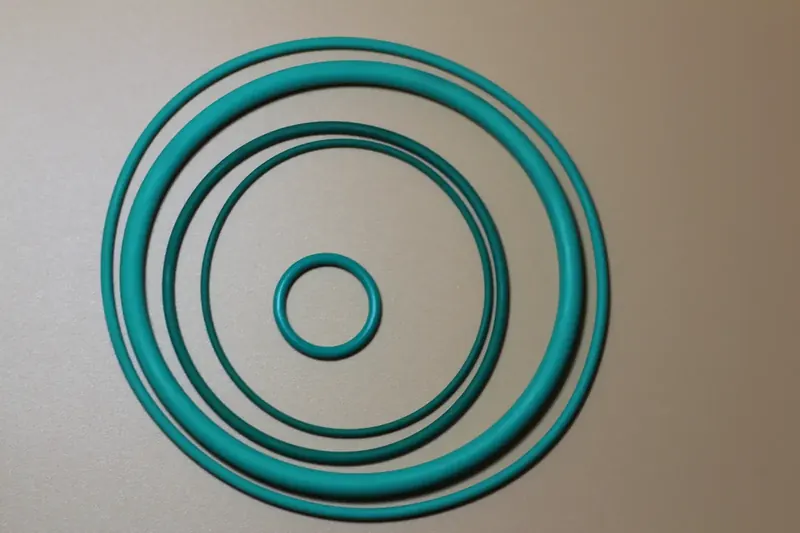
Round Rubber Manufacturer | Engineering Guide

Engineering Guide: Round Rubber

round rubber manufacturing

Engineering Insight: Material Selection Criticality in Round Rubber Applications

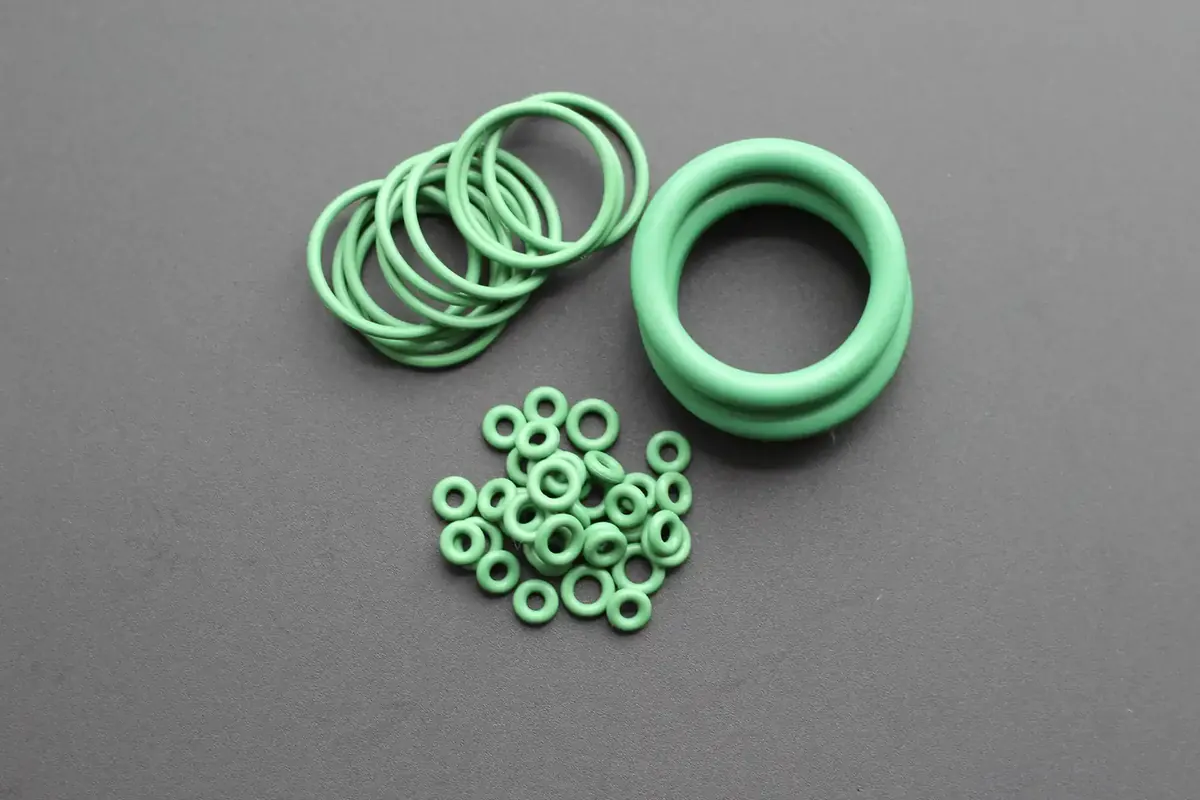
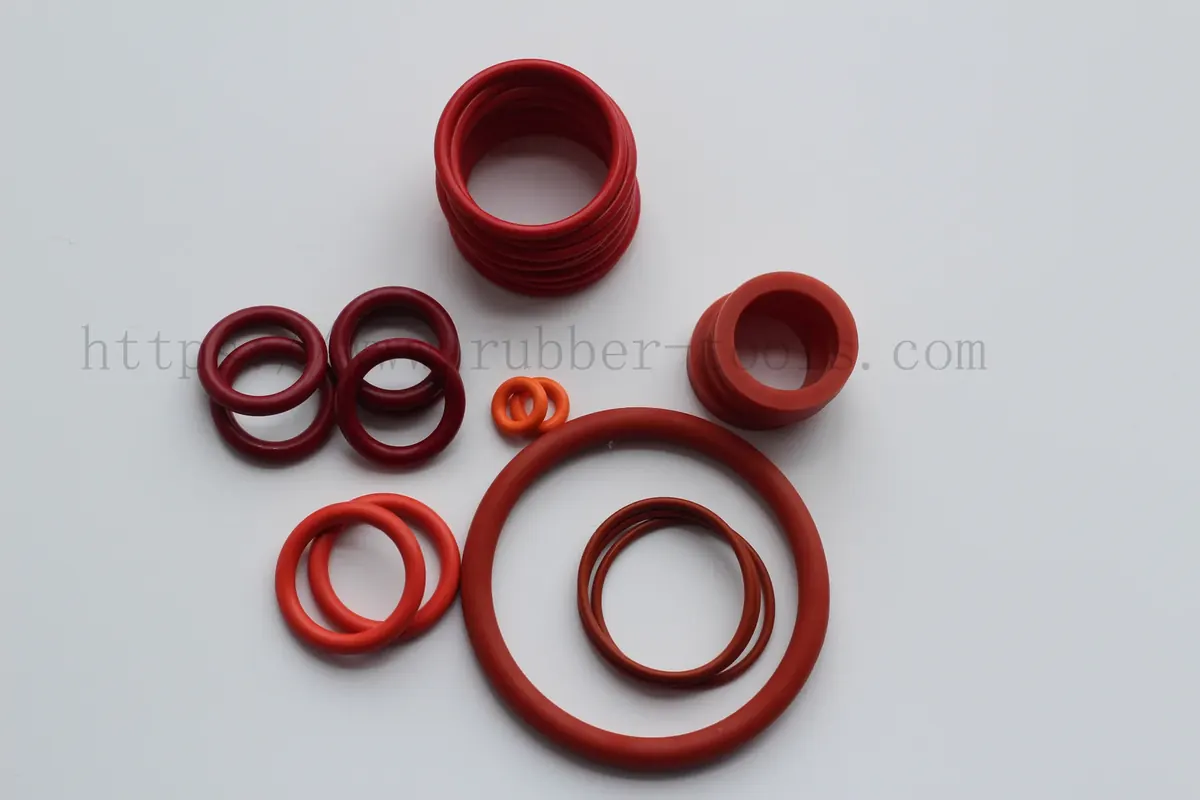
Industrial round rubber components—seals, gaskets, rollers, and bushings—operate under demanding mechanical, thermal, and chemical stresses. Selecting the optimal elastomer compound is not a commodity decision; it is a precision engineering requirement. Off-the-shelf rubber solutions frequently fail prematurely because standardized formulations cannot address the unique synergistic challenges of specific operational environments. Generic compounds prioritize cost and broad compatibility over the exacting performance parameters required for reliability, leading to catastrophic field failures, unplanned downtime, and significant financial losses. Material selection must be driven by a rigorous analysis of application-specific stressors, not catalog availability.

The core failure mechanism stems from mismatched material properties. A seal exposed to automotive transmission fluids requires resistance to ester-based lubricants and high-temperature shear stability. Standard nitrile rubber (NBR) may suffice for mineral oils at moderate temperatures but rapidly degrades in modern synthetic fluids, causing swelling, loss of sealing force, and leakage. Similarly, outdoor applications demand exceptional ozone and UV resistance. Generic EPDM compounds with insufficient antioxidant packages will crack under atmospheric exposure, compromising structural integrity long before the design life expectancy. Compression set resistance is equally critical; low-cost formulations often use excessive plasticizers to reduce initial cost, which migrate out over time under continuous load, resulting in permanent deformation and seal failure. These failures are not random; they are direct consequences of inadequate material science alignment with the operational envelope.

Material performance is quantifiable and non-negotiable. The table below highlights critical property differentials between common elastomers under standardized test conditions (ASTM D2000):

Material Compression Set (70 hrs @ 100°C) Ozone Resistance (25 ppm, 40°C, dynamic) Fluid Resistance (IRM 901, 70 hrs @ 100°C)
Standard NBR 35-45% Poor (Cracking < 24 hrs) Swell: 25-35% (Mineral Oil) / >50% (Synthetic ATF)
Precision NBR (Baoshida OEM Grade) 18-25% Moderate (Cracking > 100 hrs) Swell: <15% (Synthetic ATF)
Standard EPDM 25-35% Excellent Swell: 10-20% (Water/Glycol) / >40% (Hydrocarbons)
Precision FKM 12-20% Excellent Swell: <10% (Most Oils/Fuels)

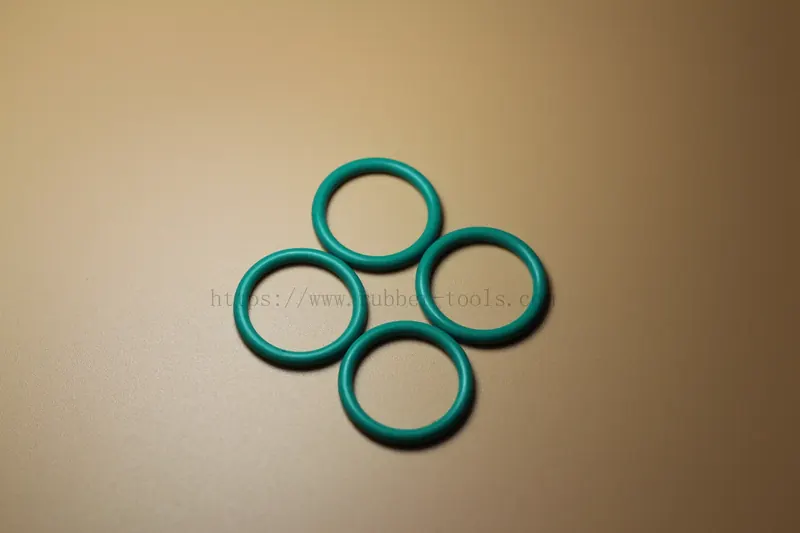
Off-the-shelf compounds consistently exhibit property profiles at the lower end of these ranges, optimized for manufacturability rather than longevity. For instance, excessive compression set in a generic EPDM O-ring within a hydraulic manifold leads to gradual pressure loss. A standard NBR shaft seal in a biofuel pump experiences rapid hardening and shrinkage due to unaccounted ester compatibility, causing abrasive wear. These are not manufacturing defects—they are inherent limitations of inappropriate base formulations.

Suzhou Baoshida Trading Co., Ltd. mitigates these risks through an OEM engineering partnership model. We reject the notion of universal rubber solutions. Instead, our formula engineers collaborate directly with clients to define the exact service conditions—fluid media, temperature cycles, dynamic loads, and regulatory constraints. This data drives bespoke compound development, selecting base polymers, curatives, fillers, and protective additives to achieve the precise balance of properties required. Our precision-engineered round rubber components deliver predictable performance and extended service life because the material science is inseparable from the application engineering. The cost of failure far exceeds the investment in a scientifically validated elastomer solution.


Material Specifications

round rubber manufacturing

Material Specifications for Industrial Round Rubber Components

Suzhou Baoshida Trading Co., Ltd. provides precision-engineered round rubber components tailored to meet the demanding requirements of industrial applications. The performance, durability, and compatibility of these components are fundamentally influenced by the elastomer selected. Among the most widely used materials in our portfolio are Viton (FKM), Nitrile (NBR), and Silicone (VMQ). Each material exhibits distinct chemical, thermal, and mechanical properties, making them suitable for specific operational environments. A thorough understanding of these characteristics is essential for optimal material selection in sealing, gasketing, and vibration-damping applications.

Viton, a fluorocarbon-based rubber, is renowned for its exceptional resistance to high temperatures, aggressive chemicals, and oils. It maintains structural integrity in continuous service temperatures up to 230°C and demonstrates outstanding performance in aerospace, automotive, and chemical processing industries. Its low gas permeability and excellent aging characteristics further enhance reliability in critical sealing applications. However, Viton is less flexible at low temperatures and carries a higher cost compared to other elastomers, which should be considered in cost-sensitive designs.

Nitrile rubber, or Buna-N, offers a balanced combination of oil, fuel, and abrasion resistance at a competitive price point. It performs reliably in temperature ranges from -30°C to 100°C, making it ideal for hydraulic systems, fuel lines, and industrial machinery exposed to petroleum-based fluids. Nitrile’s tensile strength and compression set resistance contribute to long service life under dynamic mechanical stress. While it exhibits poor ozone and weather resistance, compounded formulations can mitigate some environmental degradation.

Silicone rubber excels in extreme temperature applications, functioning effectively from -60°C to 200°C, with short-term exposure tolerance beyond 300°C. It is inherently resistant to ozone, UV radiation, and weathering, making it suitable for outdoor and medical applications. Silicone also offers excellent electrical insulation properties and biocompatibility. However, it has lower mechanical strength and abrasion resistance compared to Viton and Nitrile, and swells significantly in hydrocarbon oils, limiting its use in oil-rich environments.

The selection of the appropriate elastomer must consider fluid compatibility, thermal exposure, mechanical load, and regulatory requirements. Suzhou Baoshida Trading Co., Ltd. supports OEMs and industrial clients with material testing data, custom compounding, and application-specific validation to ensure optimal performance.

Property Viton (FKM) Nitrile (NBR) Silicone (VMQ)
Temperature Range (°C) -20 to 230 -30 to 100 -60 to 200
Tensile Strength (MPa) 15–25 10–20 5–8
Elongation at Break (%) 150–300 200–500 200–600
Hardness (Shore A) 60–90 50–90 30–80
Fluid Resistance (Oil/Fuel) Excellent Excellent Poor
Fluid Resistance (Water) Good Good Excellent
Ozone/Weather Resistance Excellent Poor Excellent
Compression Set Resistance Excellent Good Good
Electrical Insulation Good Fair Excellent
FDA Compliance (typical) Limited grades No Yes (platinum-cured)

Manufacturing Capabilities

round rubber manufacturing

Engineering Excellence in Round Rubber Manufacturing

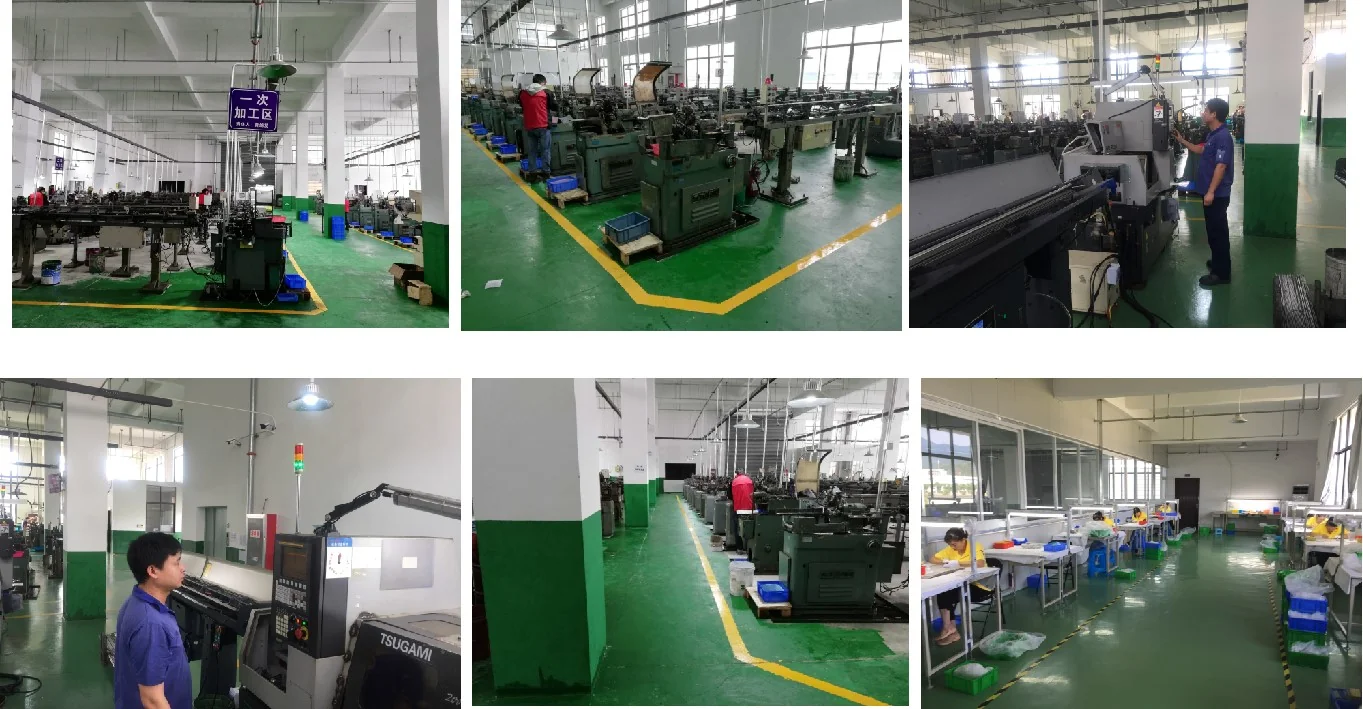
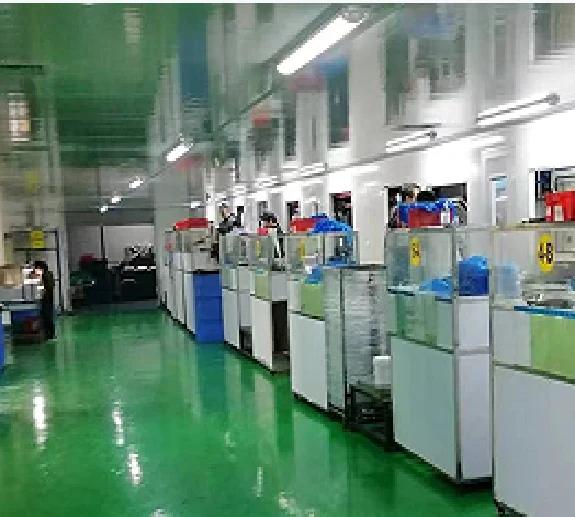
Suzhou Baoshida Trading Co., Ltd. integrates advanced material science and precision engineering to deliver mission-critical round rubber components for industrial applications. Our core strength lies in a dedicated team of seven specialized engineers: five mold design experts and two rubber formulation scientists. This dual-engineering framework ensures seamless alignment between material performance and geometric integrity, directly addressing OEM challenges in sealing, vibration damping, and dynamic load environments.

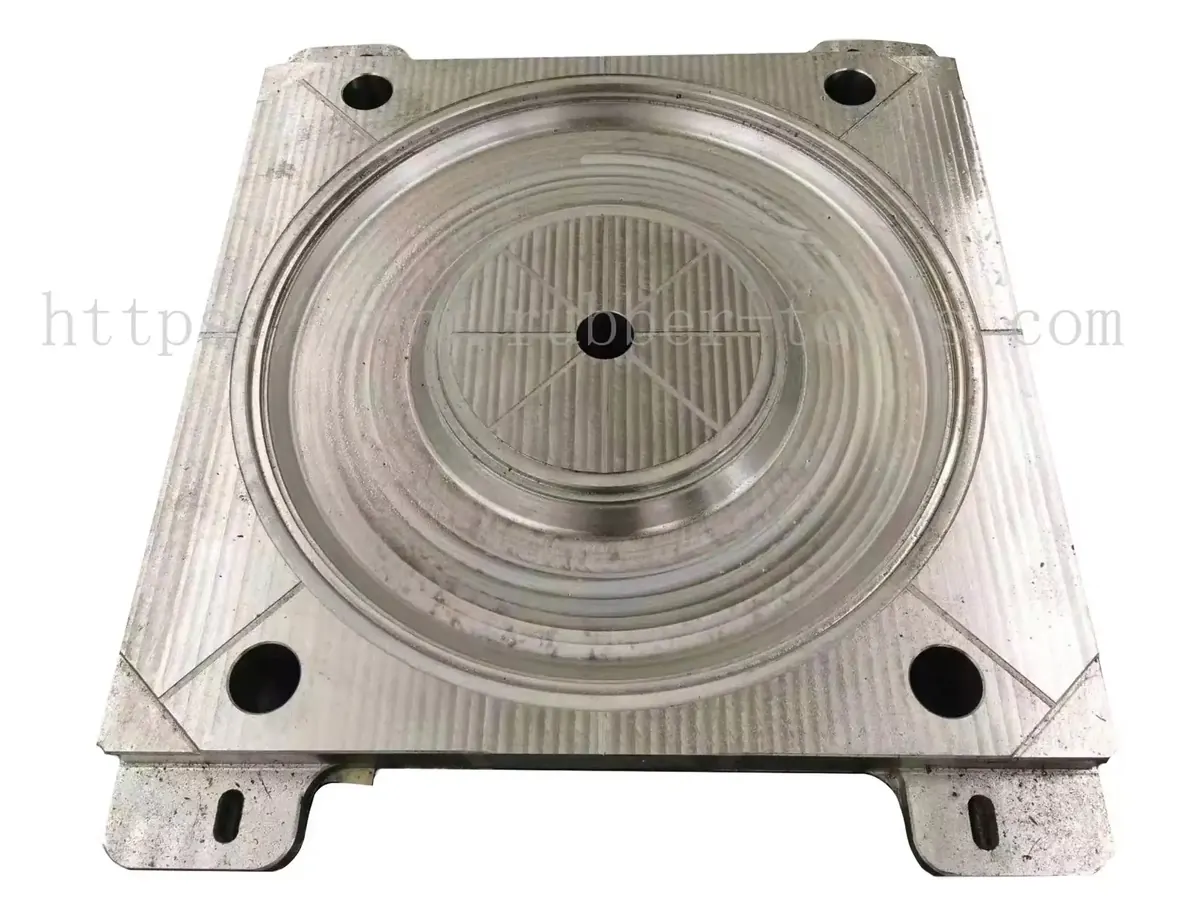
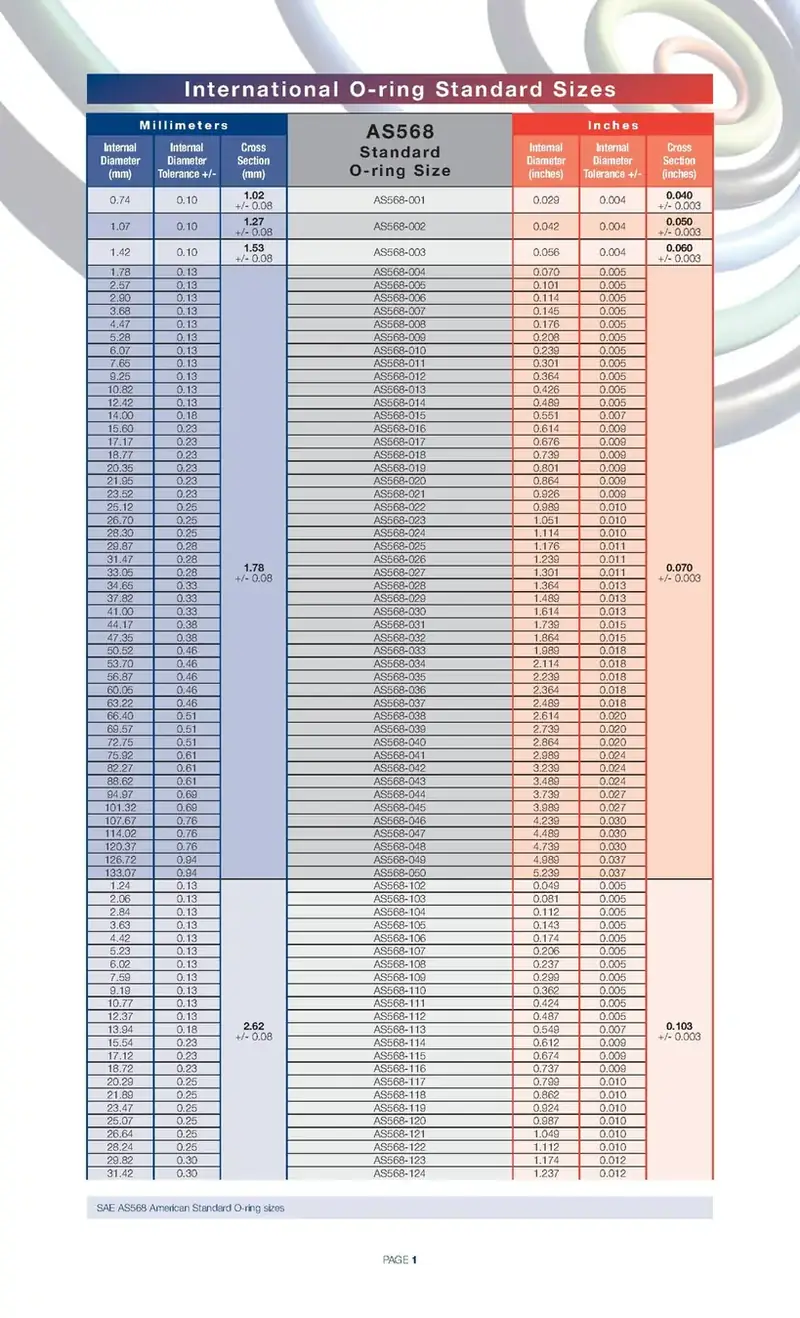
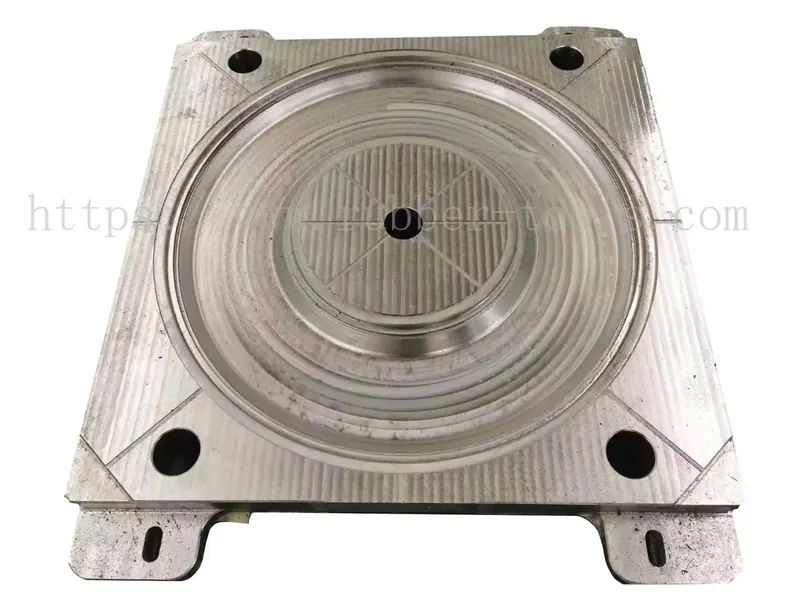
Our mold engineering division leverages 3D CAD/CAM simulation and finite element analysis to optimize cavity design, runner systems, and thermal management. Precision tolerances down to ±0.05 mm are consistently achieved through strategic venting, ejector pin placement, and multi-cavity balancing. This eliminates flash, reduces cure cycle times by 18–22%, and guarantees dimensional repeatability across production runs exceeding 500,000 units. Concurrently, our formula engineers develop bespoke compound architectures using SBR, NBR, EPDM, and silicone polymers. Each formulation undergoes rigorous ASTM-compliant testing for compression set, fluid resistance, and thermal stability, ensuring compliance with ISO 3302-1 and SAE AS568 standards. Material properties are calibrated to operational stressors—including extreme temperatures (-55°C to +230°C), aggressive chemicals, and cyclic deformation—minimizing field failure risks.

Material performance is systematically validated through controlled laboratory protocols. Key properties for our standard industrial compounds are summarized below:

Property Standard Range Testing Method
Hardness (Shore A) 40–90 ±5 ASTM D2240
Tensile Strength 10–25 MPa ASTM D412
Elongation at Break 200–600% ASTM D412
Compression Set (70h/70°C) ≤25% ASTM D395
Fluid Resistance (IRM 903) Volume Swell ≤25% ASTM D471

As a certified OEM partner, we execute end-to-end project ownership from concept to量产. Our process begins with joint design reviews to refine GD&T specifications and material selection, followed by rapid prototyping using in-house CNC machining and lab-scale mixing. All intellectual property remains under strict NDA protocols, with dedicated production cells isolating client-specific compounds. We implement real-time SPC monitoring during molding, including cavity pressure sensors and automated vision inspection for concentricity deviations. Traceability is maintained via laser-etched batch codes linked to full material certificates (CoC) and process parameter logs. This integrated approach reduces time-to-market by 30% while achieving PPAP Level 3 compliance for automotive and aerospace clients.

Suzhou Baoshida’s engineering synergy transforms complex rubber requirements into reliable, high-yield solutions. By unifying molecular-level material control with micron-precision tooling, we deliver round rubber components that exceed operational lifespans in the most demanding industrial ecosystems. Partner with us to convert engineering constraints into competitive advantages.


Customization Process

round rubber manufacturing

Drawing Analysis: Precision Engineering Foundation

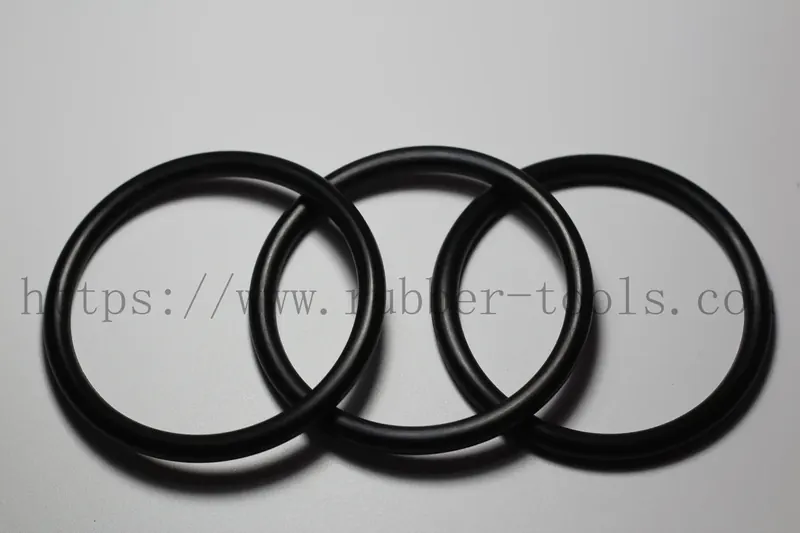
The customization process for round rubber components begins with rigorous drawing analysis, a critical phase that establishes dimensional accuracy, tolerance compliance, and functional feasibility. At Suzhou Baoshida Trading Co., Ltd., our engineering team conducts a comprehensive review of customer-supplied technical drawings, focusing on key parameters such as outer diameter, cross-sectional thickness, roundness tolerance, and surface finish requirements. We verify compliance with international standards including ISO 3302 for dimensional tolerances and ISO 2768 for general geometric specifications. Any ambiguities or potential design constraints—such as insufficient draft angles or non-standard radii—are flagged and discussed with the client for optimization. This stage ensures that the design is not only manufacturable but also aligned with the intended mechanical performance in dynamic sealing, vibration damping, or rotational applications.

Rubber Formulation: Tailoring Material Properties

Following drawing validation, the formulation phase initiates the development of a proprietary rubber compound tailored to the operational environment. Our formulation engineers select base polymers such as NBR (nitrile butadiene rubber), EPDM (ethylene propylene diene monomer), or silicone (VMQ), depending on required resistance to temperature, oils, ozone, or UV exposure. Additives including reinforcing fillers (e.g., carbon black or silica), plasticizers, vulcanizing agents, and anti-aging compounds are precisely metered to achieve target hardness (Shore A), tensile strength, elongation at break, and compression set. Each formulation is documented under a unique compound code and subjected to preliminary rheological testing using a Moving Die Rheometer (MDR) to optimize cure kinetics. This ensures consistent cross-linking during molding and long-term reliability under service loads.

Prototyping: Functional Validation

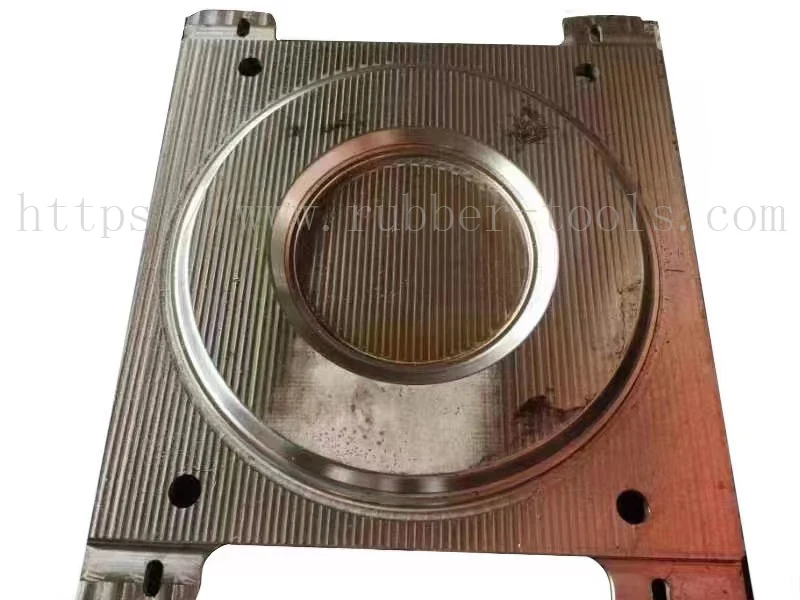
Prototyping transforms the engineered design and compound into physical samples for verification. Utilizing precision CNC-machined molds or extrusion dies, we produce small-batch prototypes under controlled curing conditions. These samples undergo dimensional inspection via coordinate measuring machines (CMM) and are tested for physical properties per ASTM and ISO methods. Functional trials may include compression stress relaxation, thermal aging at elevated temperatures, and fluid immersion resistance. Feedback from this phase informs final adjustments to the mold geometry or compound composition, ensuring performance fidelity before scale-up.

Mass Production: Scalable Quality Assurance

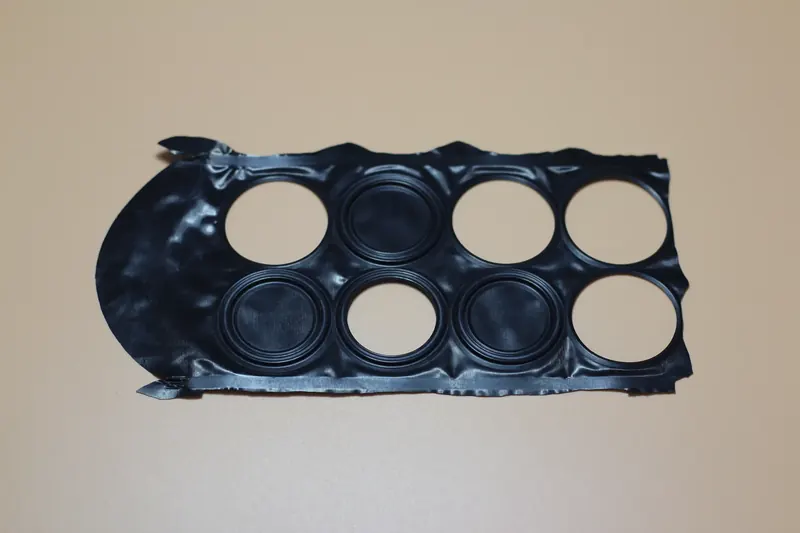
Upon client approval of prototypes, we transition to mass production using high-efficiency compression, transfer, or injection molding systems. Each batch is manufactured under strict process control, with real-time monitoring of temperature, pressure, and cure time. In-line inspection and statistical process control (SPC) ensure lot-to-lot consistency. Final products are packaged per client specifications, with full traceability maintained through batch coding and material test reports.

Typical Technical Specifications of Custom Round Rubber Components

Parameter Standard Range Test Method
Outer Diameter 10 – 500 mm ISO 3302
Cross-Section Tolerance ±0.1 to ±0.3 mm (Class M2–M3) ISO 3302
Hardness (Shore A) 40 – 90 ASTM D2240
Tensile Strength ≥8 MPa (NBR), ≥10 MPa (EPDM) ISO 37
Elongation at Break ≥200% ISO 37
Compression Set (70°C, 24h) ≤25% ISO 815
Operating Temperature -30°C to +120°C (NBR), up to +150°C (VMQ) ASTM D573

Contact Engineering Team

round rubber manufacturing

Contact Suzhou Baoshida for Precision Round Rubber Solutions

Suzhou Baoshida Trading Co., Ltd. stands at the forefront of industrial rubber innovation, delivering scientifically engineered round rubber components tailored to the exacting demands of global manufacturing. Our expertise spans formulation chemistry, polymer matrix optimization, and rigorous quality validation, ensuring every product meets critical performance thresholds for durability, chemical resistance, and dimensional stability. As your dedicated OEM partner, we transcend standard supply by integrating deep material science knowledge with agile production capabilities. This synergy enables us to solve complex challenges—from extreme temperature fluctuations in automotive seals to abrasion resistance in mining conveyor systems—where generic rubber solutions fail.

Engaging directly with our technical team eliminates procurement inefficiencies and accelerates time-to-market. We prioritize collaborative engineering, beginning with a thorough analysis of your application’s operational stresses, environmental exposures, and regulatory requirements. Our formulation scientists then develop bespoke compounds, leveraging advanced testing protocols to validate performance against ISO 37, ASTM D2000, and OEM-specific standards. This proactive approach mitigates costly field failures and ensures seamless integration into your assembly processes. For mission-critical applications, our in-house R&D facility offers rapid prototyping and iterative refinement, transforming conceptual requirements into production-ready components within compressed timelines.

Reach Mr. Boyce, our OEM Relationship Manager, to initiate a technical dialogue grounded in precision manufacturing. He coordinates cross-functional resources—including material engineers, quality assurance specialists, and logistics planners—to deliver end-to-end solutions. Contact him exclusively via email at [email protected] for confidential discussions on volume contracts, custom formulations, or urgent project escalations. Do not use generic inquiry channels; direct engagement ensures your technical specifications receive immediate expert review.

Our core capabilities for round rubber profiles are quantified below, reflecting baseline industrial standards and our capacity for extreme customization:

Parameter Standard Range Custom Capability
Durometer (Shore A) 30–90 20–95 (±2 tolerance)
Temperature Range -40°C to +120°C -60°C to +250°C (specialty elastomers)
Tensile Strength 8–25 MPa Up to 35 MPa (reinforced compounds)
Elongation at Break 200–600% 100–800% (formulation-dependent)
Compression Set (70h) ≤25% (at 70°C) ≤15% (optimized curing)

Initiate your project with Suzhou Baoshida to leverage 15 years of OEM partnership excellence. Mr. Boyce will schedule a technical consultation within 24 business hours of your email, providing a preliminary feasibility assessment and material recommendation dossier. Specify your application’s critical performance metrics, annual volume requirements, and target launch date to receive a prioritized engineering response. Delaying technical validation risks supply chain disruption and non-compliance penalties in regulated sectors—act now to secure a solution engineered for zero-defect performance. Trust Suzhou Baoshida’s scientific rigor to transform your round rubber specifications into a competitive advantage.


⚖️ O-Ring Weight Calculator

Estimate rubber O-ring weight (Approx).


Round Rubber Manufacturer | Engineering Guide

Contents of Table

Contact [email protected] Whatsapp 86 15951276160