Teflon Conveyor Belt Manufacturer | Engineering Guide

Engineering Guide: Teflon Conveyor Belt

teflon conveyor belt manufacturing

Engineering Insight: The Critical Role of Material Selection in Teflon Conveyor Belt Performance

In high-performance industrial environments, Teflon conveyor belts are relied upon for their non-stick properties, thermal stability, and chemical resistance. However, the assumption that all Teflon belts are functionally equivalent leads to frequent operational failures and premature replacements. At Suzhou Baoshida Trading Co., Ltd., our experience in industrial rubber solutions reveals a consistent pattern: off-the-shelf Teflon conveyor belts often fail because they are not engineered for the specific mechanical, thermal, and chemical demands of the application.

Material selection is not a secondary consideration—it is the foundation of belt longevity and system efficiency. Standardized belts typically use generic PTFE (polytetrafluoroethylene) coatings with uniform fabric substrates, such as plain-woven fiberglass. While cost-effective, these materials lack the tailored reinforcement and coating precision required for demanding processes like high-temperature drying, food baking, or chemical lamination. For example, exposure to continuous temperatures above 260°C can cause delamination in substandard PTFE layers, while abrasive materials erode poorly reinforced surfaces.

The core of a Teflon conveyor belt—the fabric substrate—must be matched to the operational stress profile. High-tension applications require tightly woven, calendared fiberglass with optimized yarn count and warp alignment to resist elongation. In contrast, flexible transfer systems benefit from looser weaves that enhance conformability over small-diameter rollers. Additionally, the PTFE coating must be applied in multiple layers with controlled thickness to balance release properties and wear resistance. Inadequate coating leads to pinholes and premature breakdown when exposed to solvents or repeated mechanical contact.

Another overlooked factor is edge treatment. Off-the-shelf belts often feature cut edges without sealing, allowing fraying and moisture ingress that compromise structural integrity. Precision-sealed or heat-knife-trimmed edges are essential in humid or washdown environments, particularly in food processing and pharmaceutical manufacturing.

Custom material engineering also addresses dynamic performance. Belts operating in vacuum chambers or cleanrooms require low outgassing PTFE formulations, while static-sensitive environments demand anti-static additives in the coating. These modifications are rarely present in mass-produced belts but are critical for operational safety and compliance.

At Suzhou Baoshida, we prioritize application-specific engineering over generic supply. Our Teflon conveyor belts are developed through a consultative process that evaluates temperature range, load distribution, chemical exposure, and mechanical tension to deliver a solution that performs reliably under real-world conditions.

Specification Standard Off-the-Shelf Belt Engineered Solution (Baoshida)
PTFE Coating Thickness 0.05 – 0.08 mm 0.10 – 0.35 mm (custom)
Operating Temperature Up to 260°C Up to 300°C
Substrate Weave Standard plain weave High-tensile, calendared weave
Elongation at Break ≤ 5% ≤ 2.5%
Chemical Resistance Moderate High (custom additive options)
Edge Treatment Cut, unsealed Heat-sealed or reinforced
Customization Limited Full (width, length, coating, additives)

Material selection determines not only durability but total cost of ownership. Investing in a purpose-built Teflon conveyor belt eliminates unplanned downtime, reduces waste, and ensures consistent product quality.


Material Specifications

teflon conveyor belt manufacturing

Material Specifications for PTFE-Coated Conveyor Belts

Suzhou Baoshida Trading Co., Ltd. prioritizes material science precision in PTFE-coated conveyor belt manufacturing. The rubber substrate directly influences performance under thermal stress, chemical exposure, and mechanical load. Viton, Nitrile, and Silicone represent critical elastomer choices, each engineered for distinct industrial environments. Understanding their intrinsic properties ensures optimal belt selection for longevity and operational safety.

Viton (FKM) fluorocarbon rubber delivers exceptional resistance to extreme temperatures and aggressive chemicals. Its molecular structure withstands continuous exposure from -20°C to 230°C, with intermittent peaks up to 300°C. Viton excels in semiconductor, aerospace, and high-purity food processing where resistance to oils, acids, fuels, and oxygenated solvents is non-negotiable. Tensile strength typically ranges 15–20 MPa, with elongation at break of 200–300%. While cost-intensive, its stability in harsh chemical baths and high-heat ovens justifies investment for critical applications.

Nitrile (NBR) butadiene rubber offers a balanced solution for general industrial use, particularly where oil and grease resistance is paramount. Operating effectively between -30°C and 120°C, NBR substrates provide robust mechanical strength (10–18 MPa tensile) and high abrasion resistance. Elongation spans 250–450%, accommodating moderate flexing. Its acrylonitrile content directly correlates with hydrocarbon resistance; higher percentages enhance oil/fuel tolerance but reduce low-temperature flexibility. NBR is the cost-effective standard for automotive assembly lines, printing machinery, and packaging systems handling lubricants or vegetable oils.

Silicone (VMQ) rubber provides unmatched flexibility across extreme cold and heat, functioning reliably from -60°C to 200°C. Its inert, non-toxic profile meets FDA and EU food safety standards, making it ideal for direct food contact in baking, freezing, and pharmaceutical drying. Tensile strength is moderate (6–10 MPa), but exceptional elongation (400–800%) ensures resilience in tight-radius conveyors. Silicone resists ozone, UV, and water but exhibits poor abrasion resistance and tear strength versus NBR or Viton. It is vulnerable to concentrated acids and solvents, limiting chemical processing use.

The following table compares core specifications per ASTM D2000 and ISO 37 standards:

Property Viton (FKM) Nitrile (NBR) Silicone (VMQ)
Temperature Range (°C) -20 to 230 -30 to 120 -60 to 200
Tensile Strength (MPa) 15–20 10–18 6–10
Elongation at Break (%) 200–300 250–450 400–800
Hardness (Shore A) 60–80 50–90 40–80
Key Chemical Resistance Acids, fuels, solvents Oils, greases, water Water, ozone, steam

Selecting the correct elastomer substrate requires aligning operational parameters with material capabilities. Viton is indispensable for semiconductor wafer handling under plasma etching conditions. NBR remains the workhorse for automotive paint shops exposed to hydraulic fluids. Silicone dominates food-grade applications requiring ultra-low-temperature flexibility in freezer tunnels. Suzhou Baoshida’s OEM engineering team validates all formulations against ISO 9001 protocols to guarantee substrate-PTFE adhesion integrity and dimensional stability under specified service conditions. Consult our technical dossier for compound-specific validation data.


Manufacturing Capabilities

teflon conveyor belt manufacturing

Engineering Capability: Precision-Driven Development for Teflon Conveyor Belts

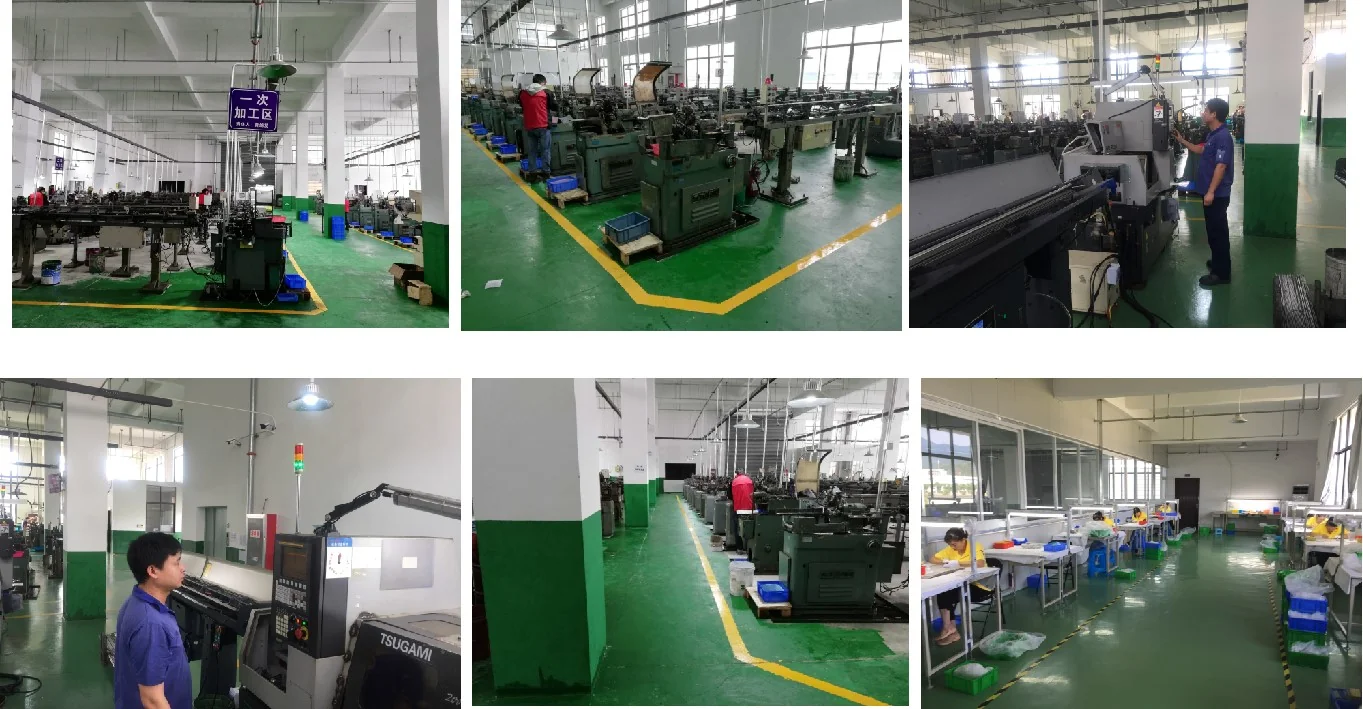
At Suzhou Baoshida Trading Co., Ltd., our engineering capability forms the backbone of our industrial rubber solutions, particularly in the design and production of high-performance Teflon conveyor belts. With a dedicated team comprising five specialized mould engineers and two advanced formula engineers, we integrate material science with precision manufacturing to deliver custom-engineered products that meet exacting OEM standards.

Our formula engineers focus on the molecular architecture of fluoropolymer composites, optimizing PTFE (polytetrafluoroethylene) dispersion, filler integration, and bonding interfaces to enhance thermal stability, chemical resistance, and mechanical durability. Each compound formulation is developed under controlled laboratory conditions, with iterative testing for coefficient of friction, tensile strength, elongation at break, and non-stick performance across temperature ranges from -70°C to +260°C. This scientific approach ensures that every Teflon-coated belt maintains consistent performance in extreme industrial environments, including food processing, semiconductor manufacturing, and high-temperature drying applications.

Complementing our material expertise, our five mould engineers specialize in precision tooling design and process optimization. They utilize CAD/CAM software and finite element analysis (FEA) to develop calendaring and coating dies, tension control systems, and splicing molds that ensure dimensional accuracy and uniform layer deposition. Their expertise allows for tight tolerance control—critical in applications requiring ±0.05 mm thickness consistency and seamless joint integrity. This synergy between formulation and tooling enables us to produce Teflon conveyor belts with superior surface finish, minimal edge curl, and extended service life.

As an OEM manufacturing partner, we offer full-cycle development from prototype to mass production. Our engineering team collaborates directly with clients to interpret technical specifications, conduct feasibility studies, and validate performance through accelerated life testing and in-line simulation. Whether scaling a standard design or developing a proprietary belt structure with multi-layer reinforcement or anti-static properties, our integrated workflow reduces time-to-market while maintaining compliance with ISO 9001 and RoHS standards.

The following table outlines key technical specifications achievable through our engineering platform:

Parameter Standard Range Custom Capability
Belt Thickness 0.08 – 1.5 mm Up to 2.0 mm with reinforcement
Width Capability Up to 3,200 mm Custom jumbo rolls available
Operating Temperature -70°C to +260°C Extended to +300°C (short-term)
Tensile Strength (MD) ≥25 MPa ≥40 MPa with fiberglass hybrid
Elongation at Break 150–300% Adjustable via cross-link density
Surface Finish Options Matte, Gloss, Anti-slip, Textured Laser-etched patterning available
Electrical Properties Standard insulative Anti-static (10^6 – 10^9 Ω/sq)

This combination of advanced formulation science, precision tooling, and OEM agility positions Suzhou Baoshida as a trusted engineering partner in the global Teflon conveyor belt market.


Customization Process

teflon conveyor belt manufacturing

Teflon Conveyor Belt Customization Process: Precision Engineering for Industrial Applications

At Suzhou Baoshida Trading Co., Ltd., our Teflon (PTFE) conveyor belt customization process integrates material science with rigorous industrial protocols to deliver solutions meeting exact operational demands. This structured approach ensures optimal performance in high-temperature, chemical-exposure, or non-stick critical environments across food processing, semiconductor, and textile industries.

Drawing Analysis initiates the workflow, where our engineering team dissects client-provided technical schematics. Critical parameters assessed include belt dimensions, pulley diameters, tension requirements, and surface texture specifications. We verify compatibility between PTFE’s inherent low coefficient of friction (0.05–0.10) and the intended machinery dynamics, identifying potential risks such as edge curling or misalignment under thermal cycling. This phase mandates cross-referencing against ISO 15241 standards for conveyor geometry, ensuring seamless integration into existing production lines.

Formulation follows, leveraging our proprietary rubber compounding expertise. PTFE dispersion is optimized with reinforcing agents—typically high-purity silica or glass fiber—to balance flexibility and tensile strength. Key considerations include filler concentration (15–25% by weight) to prevent cracking at temperatures exceeding 260°C, while maintaining release properties. Plasticizers are strictly excluded to avoid volatility degradation. Each compound batch undergoes Fourier-transform infrared spectroscopy (FTIR) to confirm molecular integrity and absence of contaminants.

Prototyping validates the formulation under simulated operational conditions. A 1–3 meter test belt is manufactured using calibrated calendering equipment, with thickness tolerance held to ±0.1 mm. Performance metrics are quantified via:
Peel strength testing (ASTM D903) against adhesives
Thermal stability validation from -73°C to 315°C
Coefficient of friction measurement via sled testing

Critical physical properties for prototyped Teflon belts are summarized below:

Specification Standard Range Test Method
Tensile Strength 25–35 MPa ASTM D412
Elongation at Break 150–250% ASTM D412
Continuous Use Temp -73°C to +260°C ASTM D573
Max Peak Temp 315°C ISO 3706
Surface Release Force ≤0.8 N/cm² Internal Protocol

Mass Production commences only after client approval of prototype data sheets. Our ISO 9001-certified facility employs real-time monitoring of extrusion temperatures (±2°C accuracy) and tension control systems to maintain dimensional consistency. Every 500-meter roll undergoes destructive testing: 3 samples per batch are analyzed for thickness uniformity, adhesion strength, and thermal resilience. Full traceability is maintained via laser-etched batch codes linking to raw material certificates and process logs.

This end-to-end customization protocol—grounded in material science and industrial pragmatism—ensures Suzhou Baoshida’s Teflon conveyor belts achieve zero-defect reliability in the world’s most demanding manufacturing ecosystems. Continuous feedback loops with OEM partners further refine formulations for next-generation applications.


Contact Engineering Team

For industrial manufacturers seeking high-performance teflon conveyor belt solutions, Suzhou Baoshida Trading Co., Ltd. stands as a trusted partner in the domain of advanced rubber and polymer-based industrial products. With years of engineering expertise and a deep understanding of operational demands across sectors such as food processing, printing, packaging, and electronics manufacturing, we deliver precision-engineered conveyor systems that ensure thermal stability, chemical resistance, and exceptional release properties. Our teflon (PTFE-coated) conveyor belts are manufactured under stringent quality controls to meet international standards and are customized to suit specific line speeds, temperature profiles, and load requirements.

At Suzhou Baoshida, we recognize that reliability and uptime are critical in continuous production environments. Our teflon conveyor belts are designed for long service life under extreme conditions, with operating temperatures ranging from -70°C to +260°C and superior resistance to oils, acids, and solvents. Whether your application demands anti-static properties, specific surface textures, or custom widths and splices, our technical team works closely with clients to deliver engineered-to-order solutions that integrate seamlessly into existing production lines.

To ensure optimal performance and durability, our belts undergo rigorous testing for tensile strength, dimensional stability, and coating adhesion. We offer multiple fabric bases—including high-tensile fiberglass—and PTFE coatings in varying thicknesses to match the mechanical and thermal demands of your process. Our commitment to innovation and quality has positioned us as a preferred supplier across Asia, Europe, and North America.

For technical inquiries, custom specifications, or sample requests, we invite you to contact Mr. Boyce, OEM Manager and Rubber Formula Engineer at Suzhou Baoshida Trading Co., Ltd. Mr. Boyce leads our material development and client engineering support team, ensuring that every product delivered meets exact functional and regulatory requirements. With a background in polymer science and industrial application engineering, he provides direct technical oversight on all teflon conveyor belt projects.

Reach out via email at [email protected] to discuss your application parameters, request material data sheets, or schedule a technical consultation. We respond to all inquiries within 24 business hours and support clients with prototyping, on-site testing, and lifecycle analysis to optimize total cost of ownership.

Below are key technical specifications for our standard teflon conveyor belt series:

Property Specification
Base Material Woven Fiberglass Fabric
Coating PTFE (Polytetrafluoroethylene)
Temperature Range -70°C to +260°C (-94°F to +500°F)
Thickness Range 0.08 mm to 0.90 mm
Tensile Strength (Warp) ≥ 180 N/25mm
Elongation at Break ≤ 3%
Surface Release Excellent (Low Friction Coefficient: 0.05–0.10)
Electrical Resistance >10^12 Ω (Optional Anti-Static Version: 10^6–10^9 Ω)
FDA Compliant Yes (for food-grade variants)
Customization Options Widths up to 3200 mm, spliced endless belts, surface texturing

Partner with Suzhou Baoshida for teflon conveyor belt solutions built on scientific formulation, industrial precision, and proven field performance. Contact Mr. Boyce today to advance your production efficiency.


⚖️ O-Ring Weight Calculator

Estimate rubber O-ring weight (Approx).


Teflon Conveyor Belt Manufacturer | Engineering Guide

Contents of Table

Contact [email protected] Whatsapp 86 15951276160