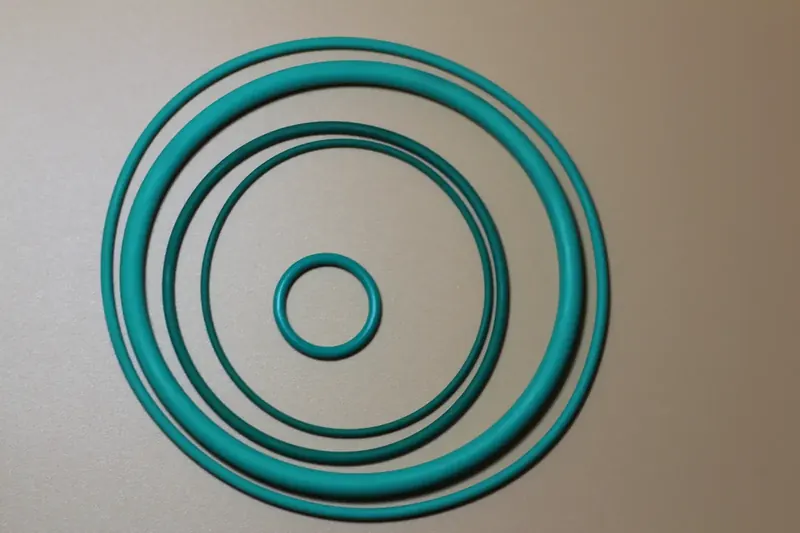
Pre Cut Gasket Manufacturer | Engineering Guide

Engineering Guide: Pre Cut Gasket

pre cut gasket manufacturing

Engineering Insight: Material Selection in Pre-Cut Gasket Performance

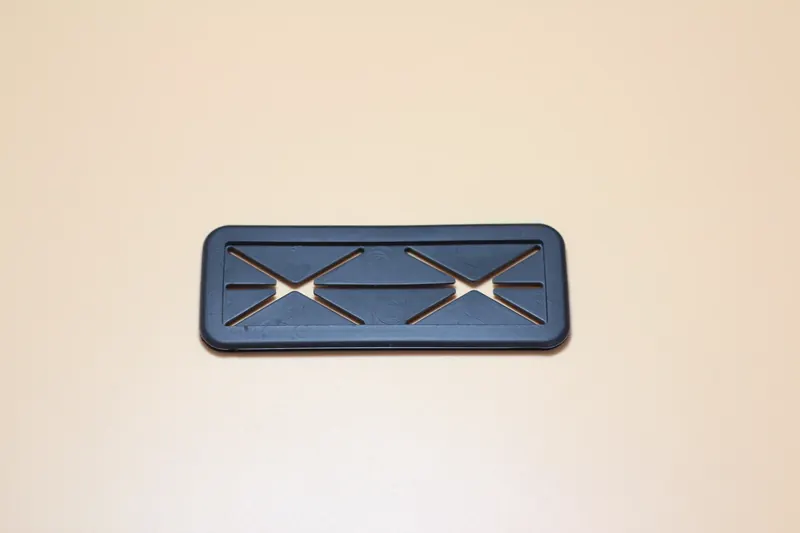
Pre-cut gaskets offer undeniable advantages in assembly speed and dimensional consistency for high-volume manufacturing. However, their operational success hinges entirely on precise elastomer compound selection—a factor frequently overlooked when defaulting to generic off-the-shelf solutions. Standard catalog gaskets often fail prematurely because they prioritize cost and availability over the specific chemical, thermal, and mechanical demands of the application. This mismatch leads to catastrophic sealing failures, unplanned downtime, and increased total cost of ownership despite lower initial procurement costs.

The core issue lies in the dynamic interplay between the gasket material and its service environment. Off-the-shelf gaskets typically utilize baseline compounds optimized for broad compatibility rather than targeted performance. For instance, a standard Nitrile Butadiene Rubber (NBR) gasket may suffice for general-purpose oil sealing at moderate temperatures. Yet, when exposed to modern synthetic lubricants, ozone, or thermal cycling beyond 120°C, it rapidly degrades through swelling, hardening, or loss of resilience. Similarly, an EPDM gasket selected for its weather resistance will catastrophically swell in contact with hydrocarbon fuels, a common oversight in automotive or aerospace subsystems. These failures stem from insufficient analysis of fluid compatibility, compression set resistance, and thermal stability under actual operating conditions—not inherent flaws in the pre-cut format itself.

Critical material properties must be engineered to match the application’s exact parameters. Compression set resistance is paramount for maintaining sealing force under prolonged load, especially in flanges subject to vibration or thermal expansion. Fluid resistance must align with all potential media, including cleaning agents and trace contaminants, not just the primary fluid. Temperature extremes require compounds with stable polymer backbones; silicone excels above 200°C but lacks fuel resistance, while fluorocarbon elastomers (FKM) handle aggressive chemicals but incur higher costs. Surface finish and clamping force further dictate the required durometer and stress relaxation behavior.

Suzhou Baoshida Trading Co., Ltd. addresses this through OEM-driven material science. We do not treat gaskets as commodities. Each solution begins with a rigorous analysis of fluid types, temperature profiles, pressure cycles, and regulatory requirements (e.g., FDA, ISO 2230). Our rubber formulations are then tailored using proprietary additive packages to enhance specific properties—such as low-temperature flexibility in hydrogen service or plasma resistance in semiconductor tooling—ensuring the pre-cut gasket performs reliably over its intended lifecycle.

The following table illustrates why generic material choices fail under specific conditions and the engineered alternatives required:

Elastomer Type Typical Off-the-Shelf Failure Scenario Critical Limitation Engineered Solution Requirement
Standard NBR Exposure to biodiesel or phosphate ester hydraulic fluids Swelling >25%, loss of sealing force Custom NBR with ester-resistant polymer backbone
General EPDM Contact with gasoline or jet fuel Rapid swelling (>50%), extrusion FKM or ACM formulations with hydrocarbon resistance
Standard Silicone Dynamic compression in brake systems Poor abrasion resistance, high compression set Reinforced silicone with ceramic fillers
Generic FKM Low-temperature operation (-40°C) Crystallization, loss of elasticity Specialized FKM grades with extended low-temp range

Material selection is not a procurement decision—it is an engineering imperative. Suzhou Baoshida’s OEM partnership model ensures pre-cut gaskets are precision-engineered components, not disposable parts. By aligning compound chemistry with operational physics, we eliminate the root causes of field failure, transforming gaskets from a cost center into a reliability asset.


Material Specifications

pre cut gasket manufacturing

Material selection is a critical factor in the performance and longevity of pre cut gaskets used in industrial sealing applications. At Suzhou Baoshida Trading Co., Ltd., we specialize in precision rubber seals engineered to meet stringent operational demands across diverse environments. Our core material offerings—Viton, Nitrile (NBR), and Silicone—are selected for their distinct chemical resistance, temperature tolerance, and mechanical properties. Each material is optimized for specific service conditions, ensuring reliable sealing under pressure, thermal cycling, and exposure to aggressive media.

Viton, a fluorocarbon-based elastomer, delivers exceptional performance in high-temperature and chemically aggressive environments. It exhibits outstanding resistance to oils, fuels, acids, and many chlorinated solvents, making it ideal for aerospace, automotive, and chemical processing applications. With continuous service capabilities up to 230°C and intermittent peaks exceeding 260°C, Viton maintains structural integrity where other elastomers degrade. Its low gas permeability further enhances sealing efficiency in high-pressure systems.

Nitrile rubber, or Buna-N, is a cost-effective solution for applications involving petroleum-based fluids. It offers excellent resistance to aliphatic hydrocarbons, lubricants, and hydraulic fluids, making it widely used in automotive, hydraulics, and general industrial machinery. Nitrile gaskets perform reliably within a temperature range of -30°C to 120°C, with some formulations extending to 150°C for short durations. While not suitable for ozone or polar solvents, its abrasion resistance and compressive strength provide durable sealing in dynamic and static applications.

Silicone rubber is distinguished by its thermal stability and biocompatibility. It operates effectively from -60°C to 200°C, with specialty grades reaching 300°C intermittently. Silicone exhibits excellent resistance to ozone, UV radiation, and weathering, making it suitable for outdoor and extreme climate applications. Additionally, its inert nature and low toxicity support use in food, pharmaceutical, and medical equipment. However, silicone has lower tensile and tear strength compared to Viton and Nitrile, requiring careful design consideration in high-stress environments.

The following table summarizes key physical and chemical properties of these materials to guide optimal selection:

Property Viton (FKM) Nitrile (NBR) Silicone (VMQ)
Temperature Range (°C) -20 to 230 -30 to 120 -60 to 200
Tensile Strength (MPa) 15–20 10–25 5–10
Hardness (Shore A) 60–90 50–90 30–80
Resistance to Oils/Fuels Excellent Excellent Poor
Resistance to Acids Excellent Fair Good
Resistance to Ozone/UV Excellent Good Excellent
Compression Set Resistance Excellent Good Good
FDA Compliance Available Yes Limited Yes

Each material is precision die-cut to ensure dimensional accuracy and consistent sealing performance. Selection should be based on fluid compatibility, thermal exposure, mechanical stress, and regulatory requirements. Our engineering team supports OEMs in material validation and application-specific customization.


Manufacturing Capabilities

pre cut gasket manufacturing

Engineering Capability: Precision-Driven Pre-Cut Gasket Manufacturing

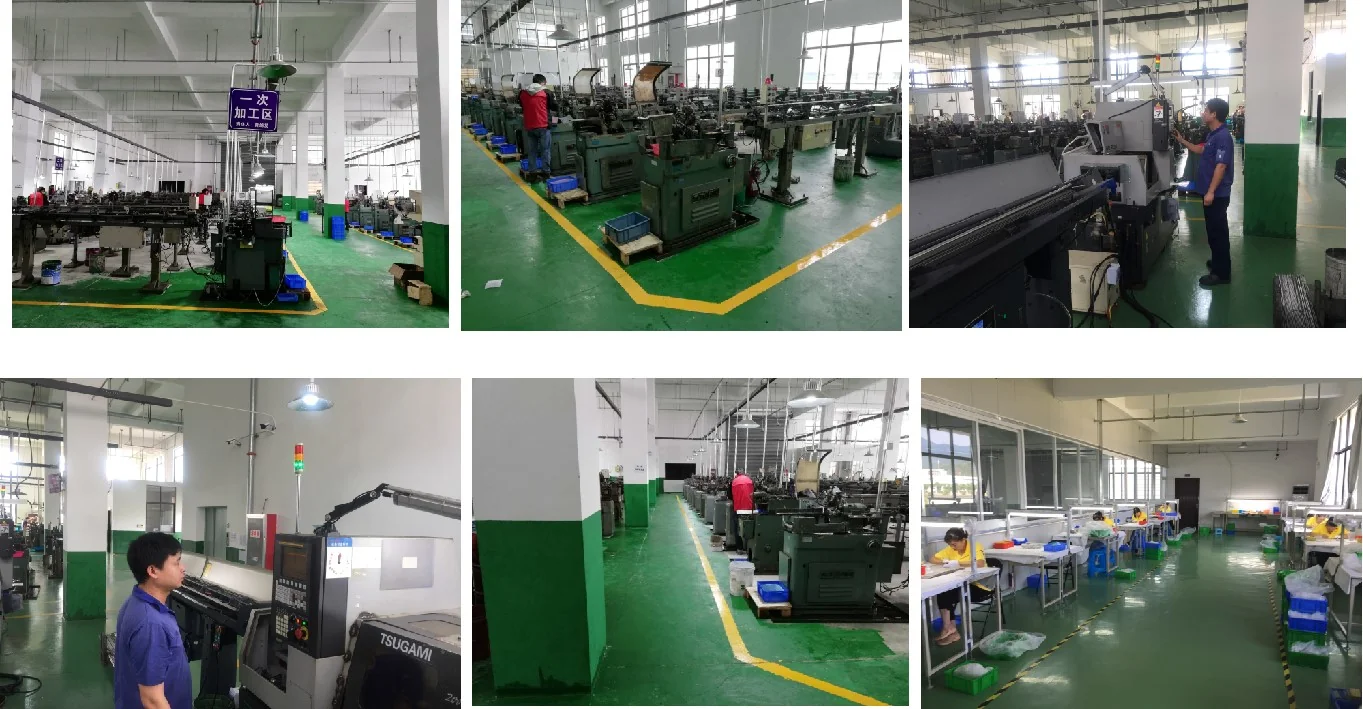
Suzhou Baoshida Trading Co., Ltd. leverages deep technical expertise to deliver mission-critical pre-cut gaskets for demanding industrial applications. Our core strength lies in an integrated engineering team comprising five dedicated mold engineers and two specialized rubber formula engineers. This dual-discipline approach ensures seamless alignment between material science and precision manufacturing, eliminating common failure points in sealing solutions. Unlike competitors relying on generic compounds, our formula engineers optimize polymer blends at the molecular level to address specific operational challenges—such as chemical exposure, thermal cycling, or compression set resistance—directly tied to client application data.

Material performance is non-negotiable in gasket integrity. Our formula engineers conduct rigorous accelerated aging tests per ASTM D2000, analyzing polymer chain scission and crosslink density to predict 15+ year service life under extreme conditions. Each compound is validated through dynamic mechanical analysis (DMA) to confirm viscoelastic behavior across -60°C to 250°C ranges. This scientific rigor prevents field failures caused by material degradation, a frequent issue with off-the-shelf elastomers. Concurrently, our mold engineering team employs 3D mold flow simulation to eliminate flash, knit lines, and cure inconsistencies. Precision-ground molds achieve tolerances to ISO 3302 Class M2 (±0.10 mm) for critical sealing surfaces, ensuring dimensional stability even in thin-section geometries below 1.0 mm.

OEM collaboration is engineered into our workflow. Clients provide operational parameters—fluid media, pressure cycles, surface finishes—and our team co-develops gasket specifications from prototype to量产. We integrate with client CAD systems for rapid design validation, reducing time-to-approval by 40%. All tooling remains client-owned, with dedicated production cells for batch traceability down to individual cure lots. This closed-loop process guarantees repeatability across 100,000+ unit runs, critical for automotive and aerospace supply chains requiring PPAP Level 3 documentation.

Material selection is data-driven, as demonstrated in our core compound portfolio:

Material Hardness Range (Shore A) Temperature Range (°C) Key Applications
NBR 50–90 -40 to +120 Fuel systems, hydraulic seals
EPDM 45–85 -60 to +150 Coolant systems, weather sealing
FKM 60–80 -20 to +250 Chemical processing, turbochargers

Suzhou Baoshida transforms sealing challenges into engineered advantages. Our formula-mold synergy delivers gaskets that consistently exceed ISO 2230 leakage standards, while OEM protocols ensure seamless integration into your assembly line. Partner with us to convert material science into operational reliability—where every micron of tolerance and every polymer bond is engineered for zero-failure performance. Contact our engineering team for application-specific compound validation data and mold design review.


Customization Process

pre cut gasket manufacturing

Drawing Analysis

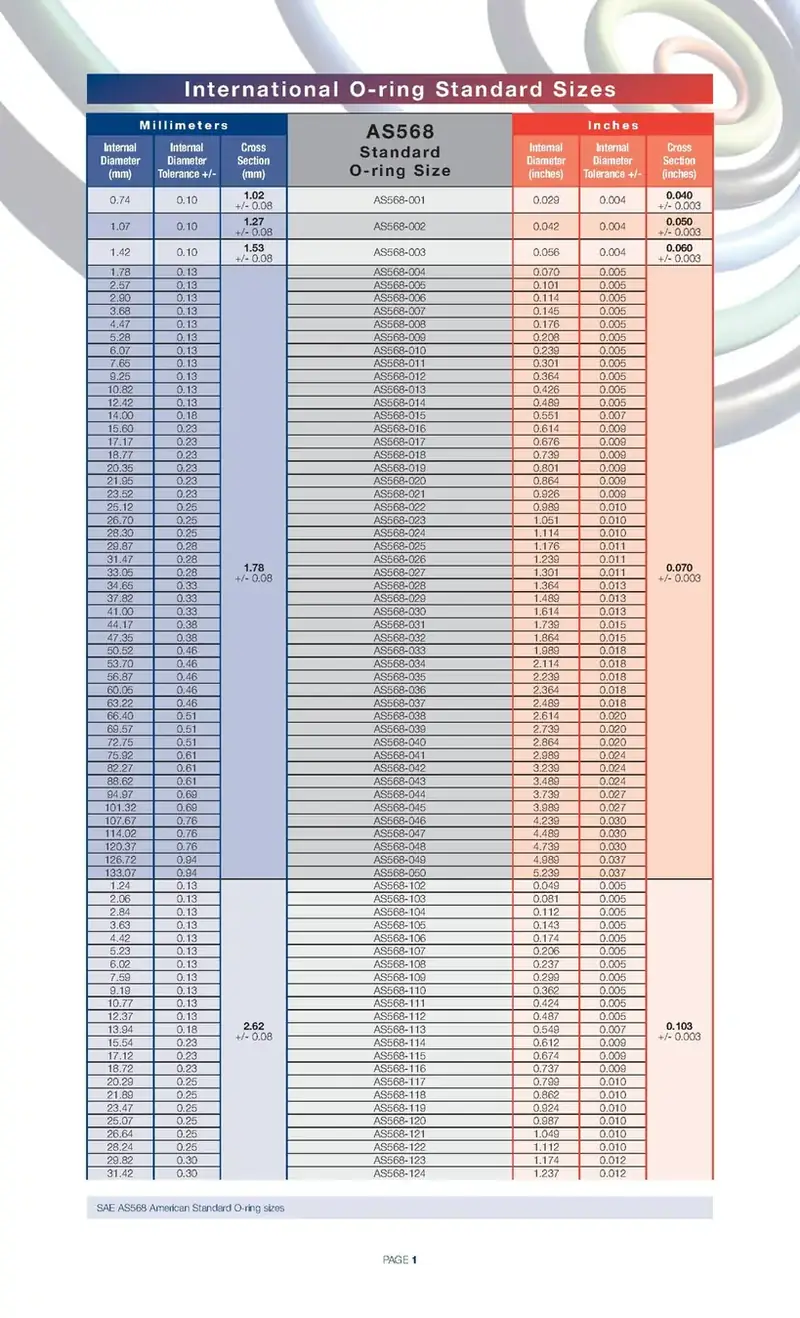
The customization process for pre cut gaskets begins with a rigorous drawing analysis to ensure dimensional accuracy and functional compatibility. At Suzhou Baoshida Trading Co., Ltd., our engineering team evaluates client-provided technical drawings or CAD models to assess critical parameters such as inner diameter, outer diameter, thickness, tolerance class, and groove design. We verify compliance with international standards including ISO 3601, AS568, and JIS B 2401, depending on the application region and industry. Any discrepancies or design ambiguities are flagged for immediate clarification to prevent downstream manufacturing errors. This phase also includes material space evaluation—assessing environmental exposure such as temperature range, media contact, and compression requirements—to guide the subsequent formulation stage.

Formulation Development

Once the geometric and operational parameters are confirmed, our Rubber Formula Engineer initiates material formulation tailored to the application. The choice of elastomer is determined by chemical resistance, thermal stability, and mechanical performance. Common base compounds include Nitrile (NBR) for oil resistance, EPDM for weather and ozone resistance, Fluorocarbon (FKM) for high-temperature sealing, and Silicone (VMQ) for extreme temperature flexibility. Additives such as reinforcing fillers, plasticizers, and vulcanizing agents are precisely dosed to achieve target hardness (Shore A), tensile strength, elongation at break, and compression set performance. Each formulation is documented and archived for traceability, ensuring batch-to-batch consistency in future production runs.

Prototyping and Validation

A limited prototype batch is produced using precision die-cutting or waterjet cutting, depending on material and complexity. Prototypes undergo dimensional inspection via calibrated optical comparators and coordinate measuring machines (CMM). Functional testing may include compression deflection analysis, leak testing under simulated operating conditions, and accelerated aging per ASTM standards. Clients receive physical samples along with a full test report. Feedback is incorporated into final design or material adjustments before approval for mass production.

Mass Production and Quality Assurance

Approved formulations and tooling transition into high-volume manufacturing with strict in-process quality controls. Each production lot is subjected to first-article inspection and periodic sampling per AQL Level II. All pre cut gaskets are packaged to prevent deformation and labeled with batch number, material code, and cure date for full traceability.

Parameter Standard Range Testing Method
Hardness (Shore A) 40–90 ±5 ASTM D2240
Tensile Strength 8–20 MPa ASTM D412
Elongation at Break 150–500% ASTM D412
Compression Set (24h, 70°C) ≤25% ASTM D395
Thickness Tolerance ±0.1 to ±0.3 mm ISO 3302

This structured workflow ensures that every custom pre cut gasket meets exact performance demands while maintaining repeatability and compliance across production scales.


Contact Engineering Team

pre cut gasket manufacturing

Precision Pre-Cut Gasket Solutions: Engineering Reliability for Demanding Applications

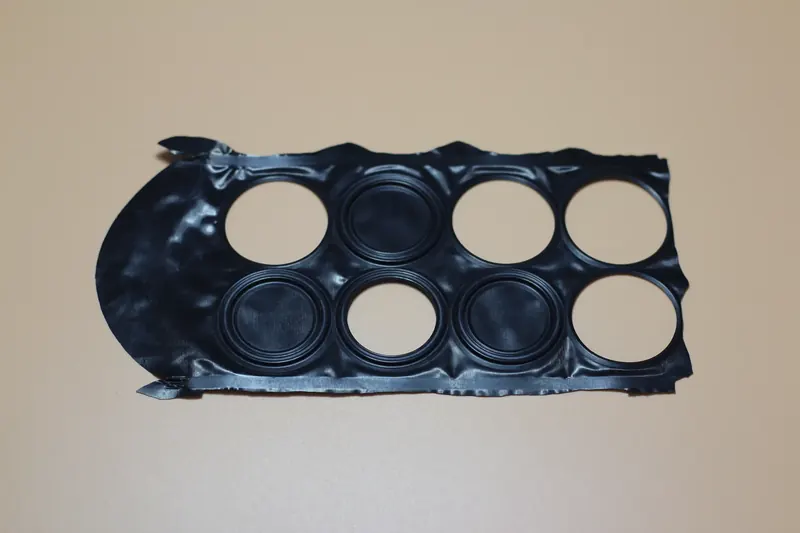
In the critical domain of fluid and gas sealing, pre-cut gaskets represent the intersection of material science and dimensional precision. Generic off-the-shelf solutions often fail under thermal cycling, chemical exposure, or sustained compression loads, leading to costly downtime and safety risks. Suzhou Baoshida Trading Co., Ltd. addresses these challenges through rigorously engineered rubber compounds and CNC-controlled fabrication processes. Our gaskets are not merely stamped parts; they are calibrated sealing components designed to meet the exact molecular cross-linking density and geometric tolerances required by aerospace, semiconductor, and heavy industrial OEMs. We prioritize ASTM D2000 and ISO 3601 compliance as baseline standards, not optional add-ons, ensuring predictable performance across temperature extremes and aggressive media.

Material selection is foundational to gasket longevity. Our engineering team collaborates with clients to define compound formulations that balance compression set resistance, tensile strength, and chemical compatibility—critical factors often overlooked in standard catalog offerings. Whether specifying EPDM for steam systems, FKM for fuel exposure, or custom peroxide-cured silicone for ultra-high purity, we validate every formulation through accelerated aging tests per ASTM D573 and fluid immersion protocols. This scientific approach minimizes leakage paths and extends service intervals, directly impacting your operational uptime and total cost of ownership.

The following table outlines key performance parameters achievable through our precision manufacturing platform. These specifications reflect our standard capabilities for critical OEM applications; tighter tolerances are attainable through dedicated process validation.

Material Category Durometer Range (Shore A) Continuous Temp Range (°C) Thickness Tolerance (mm) Key Standards Met
Nitrile (NBR) 50 – 90 -30 to +120 ±0.05 ASTM D2000 GLT, ISO 3601
EPDM 50 – 80 -50 to +150 ±0.05 ASTM D2000 GM2, SAE AS568
Fluorocarbon (FKM) 60 – 80 -20 to +230 ±0.03 ASTM D2000 GF, ISO 6194
Silicone (VMQ) 40 – 80 -60 to +200 ±0.05 ASTM D2000 GE, USP Class VI

Suzhou Baoshida operates at the convergence of rubber chemistry expertise and industrial manufacturing discipline. Our Suzhou facility integrates real-time process monitoring with first-article inspection protocols, ensuring batch-to-batch consistency that meets PPAP Level 3 requirements. We do not merely supply gaskets; we deliver documented sealing performance with full material traceability from raw polymer to finished part.

For mission-critical applications where sealing failure is not an option, initiate a technical dialogue with our engineering team. Submit your material specifications, operating environment parameters, and dimensional requirements to Mr. Boyce, our dedicated OEM Manager. He will coordinate a cross-functional review involving our formulation chemists and production engineers to develop a validated solution matching your exact performance criteria. Contact Mr. Boyce directly at [email protected] with subject line “Pre-Cut Gasket Technical Inquiry – [Your Company Name]”. Include applicable drawings, fluid media details, pressure/temperature profiles, and target lifecycle expectations. Suzhou Baoshida responds to all qualified technical inquiries within 8 business hours with a preliminary material recommendation and process capability analysis. Partner with us to transform sealing challenges into engineered reliability.


⚖️ O-Ring Weight Calculator

Estimate rubber O-ring weight (Approx).


Pre Cut Gasket Manufacturer | Engineering Guide

Contents of Table

Contact [email protected] Whatsapp 86 15951276160