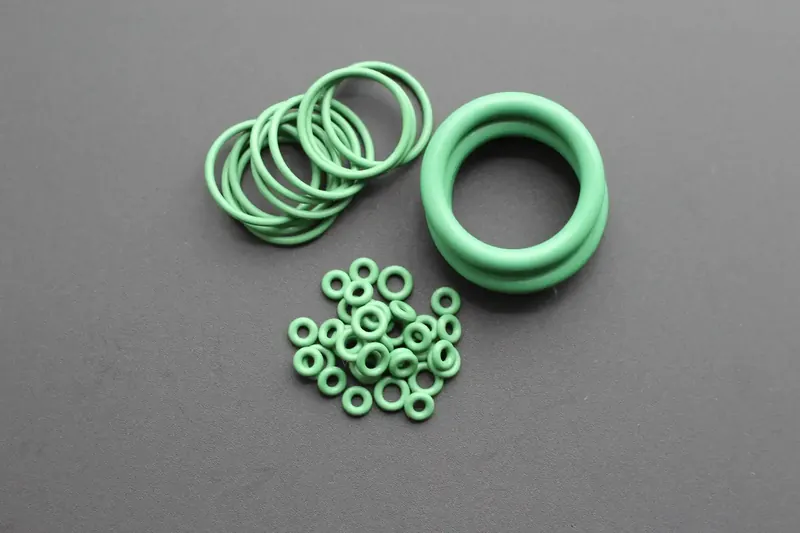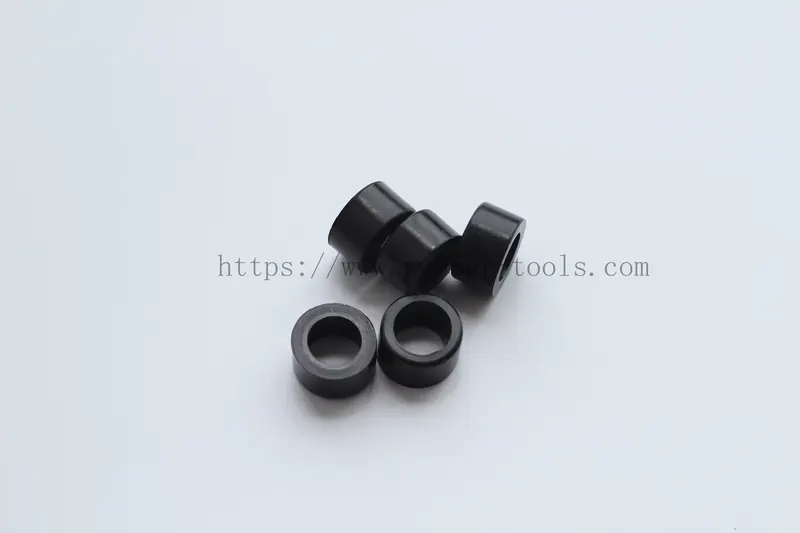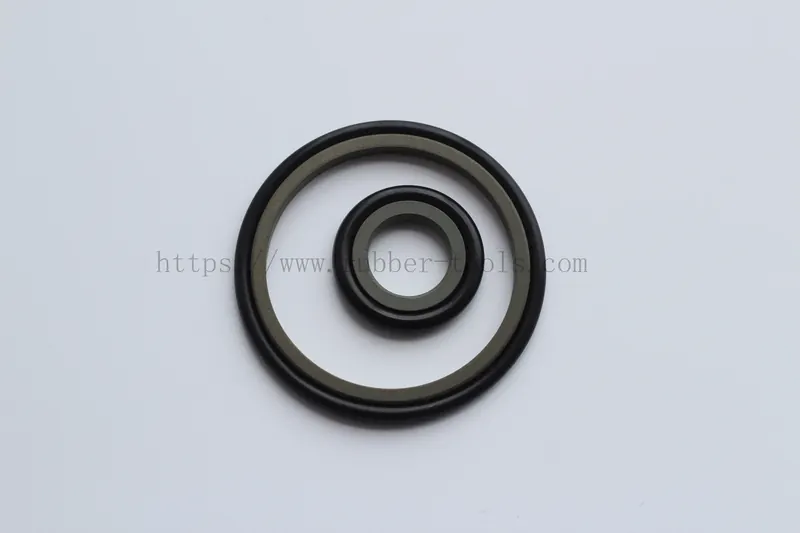
Kent Rubber Supply Co Manufacturer | Engineering Guide

Engineering Guide: Kent Rubber Supply Co

kent rubber supply co manufacturing

Engineering Insight: The Critical Role of Material Selection in Industrial Rubber Applications

In industrial environments, rubber components are subjected to extreme mechanical, thermal, and chemical stresses. Selecting the appropriate elastomer is not a matter of convenience—it is a fundamental engineering decision that directly impacts system reliability, safety, and lifecycle cost. At Suzhou Baoshida Trading Co., Ltd., we emphasize that off-the-shelf rubber solutions often fail because they are not engineered for the specific operational conditions of the application. Generic formulations may appear cost-effective initially, but their premature degradation leads to unplanned downtime, safety risks, and higher total cost of ownership.

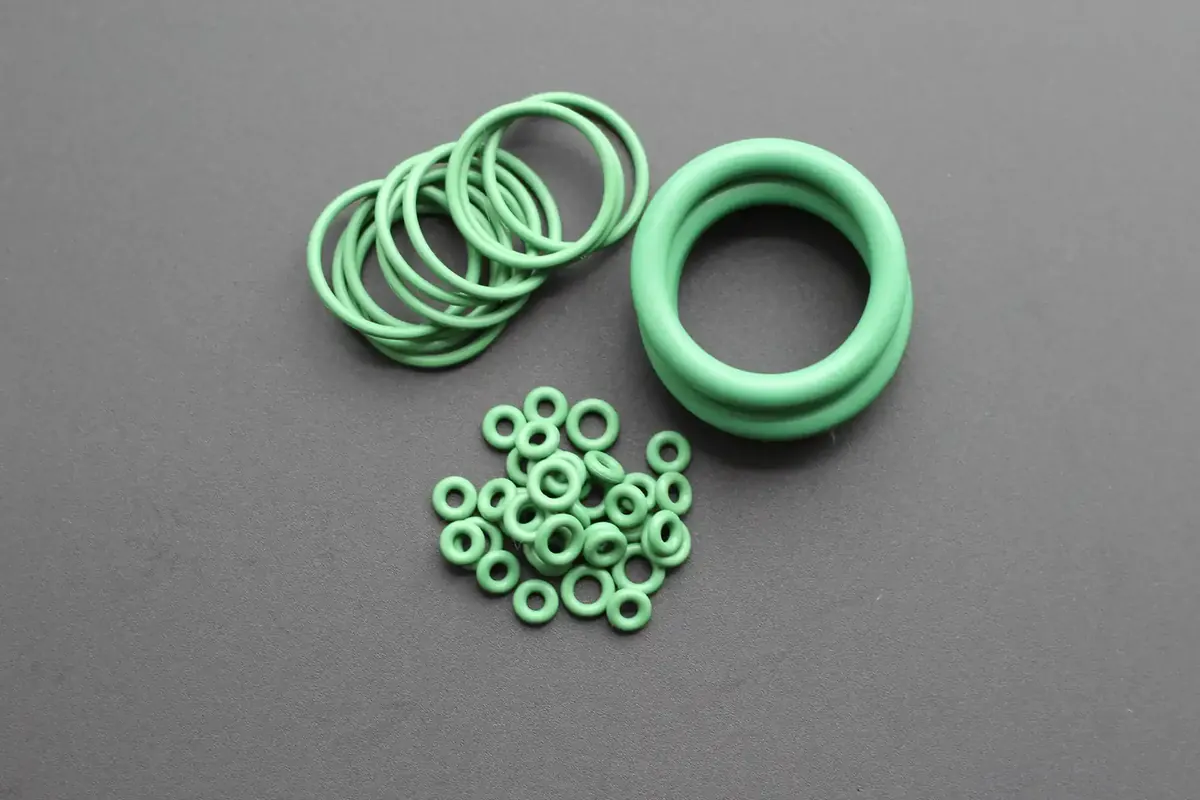
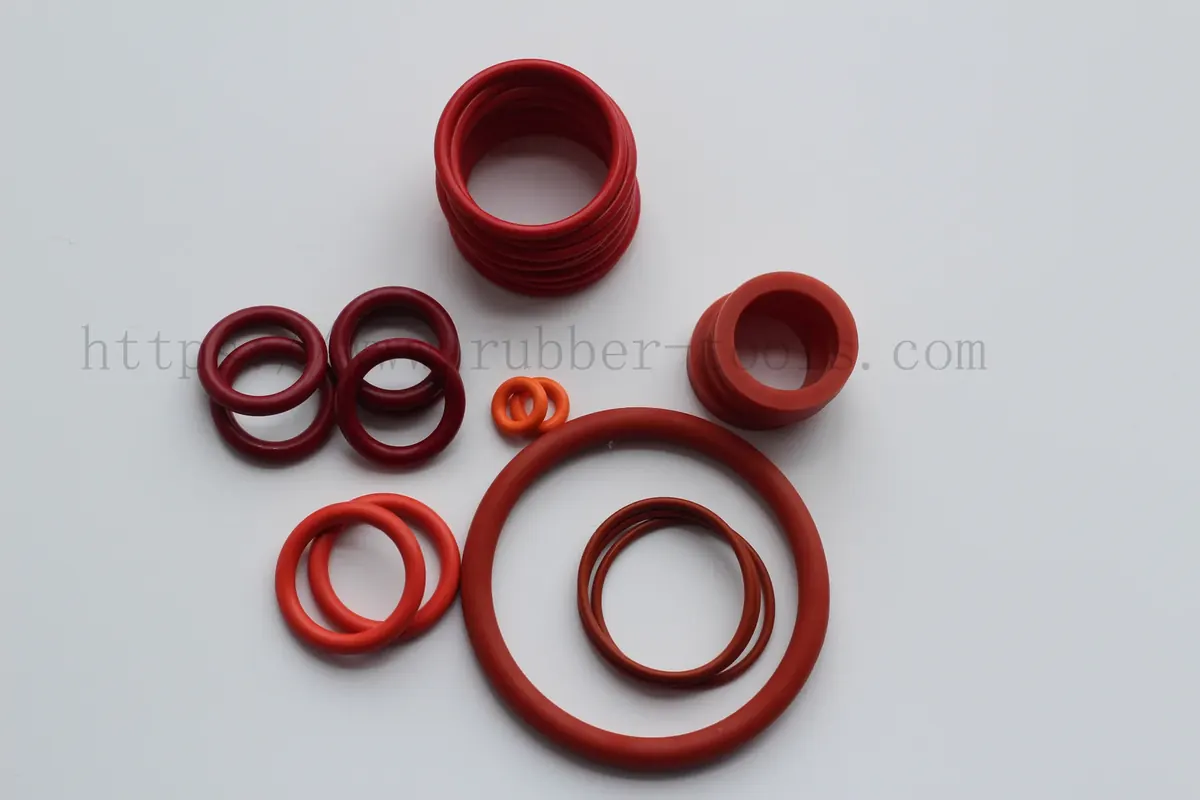
Material selection must begin with a comprehensive analysis of service conditions: temperature range, exposure to oils or solvents, dynamic loading, compression set requirements, and regulatory compliance. For example, a standard nitrile rubber (NBR) seal may perform adequately in moderate oil environments up to 100°C, but will rapidly harden and crack when exposed to hot hydraulic fluid above 120°C. In such cases, fluorocarbon rubber (FKM) offers superior resistance but at a higher material cost—justified by extended service life and reduced maintenance frequency.

Another common failure stems from misjudging chemical compatibility. Many industrial fluids contain additives that accelerate elastomer degradation. A seal that performs well against pure mineral oil may swell or disintegrate when exposed to bio-based hydraulic fluids or acidic coolants. Laboratory immersion testing according to ASTM D471 is essential to validate performance under real-world conditions.

Dynamic applications introduce additional complexity. Elastomers must balance resilience, abrasion resistance, and compression set. Natural rubber (NR) offers excellent resilience but poor ozone resistance, making it unsuitable for outdoor use without protective additives. Conversely, ethylene propylene diene monomer (EPDM) excels in weather resistance but swells in hydrocarbon environments.

Custom compounding allows precise tuning of physical and chemical properties. By adjusting polymer base, filler type, plasticizers, and cure systems, we engineer rubber solutions that meet exact OEM specifications. This tailored approach ensures optimal performance under defined stressors—something mass-produced alternatives cannot guarantee.

The following table illustrates key performance characteristics of common industrial elastomers:

Material Temperature Range (°C) Oil Resistance Ozone Resistance Typical Applications
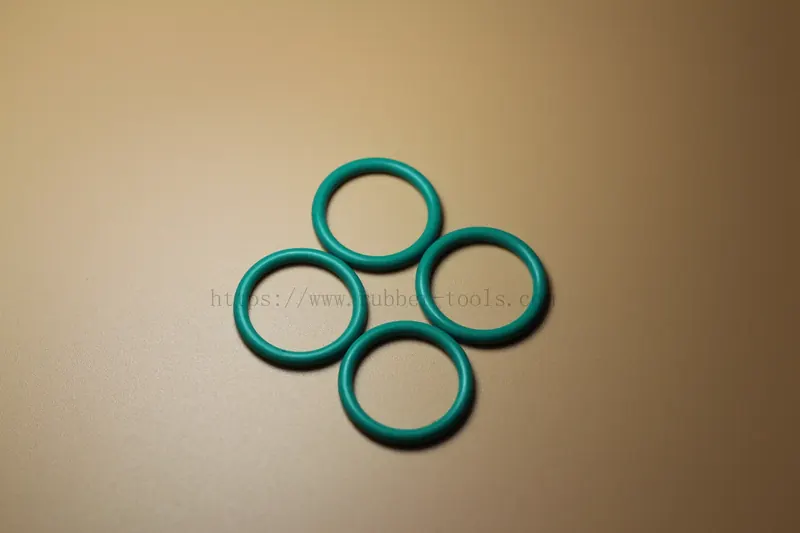
NBR -30 to +100 Good Poor Hydraulic seals, O-rings
FKM -20 to +200 Excellent Excellent Aerospace, chemical pumps
EPDM -50 to +150 Poor Excellent Outdoor seals, coolant systems
Silicone -60 to +180 Poor Good Electrical insulation, food-grade seals
Neoprene -40 to +100 Fair Good Gaskets, weatherstripping

Material selection is not a one-size-fits-all proposition. At Suzhou Baoshida, we partner with OEMs to analyze application demands and develop engineered rubber solutions that prevent failure, enhance durability, and deliver measurable operational value.


Material Specifications

kent rubber supply co manufacturing

Industrial Rubber Material Specifications: Viton, Nitrile, and Silicone

Precise elastomer selection is fundamental to component longevity and system integrity in demanding industrial environments. Suzhou Baoshida Trading Co., Ltd. provides rigorously tested Viton, Nitrile, and Silicone compounds engineered to meet stringent OEM performance criteria. Understanding the distinct chemical and physical properties of each material is critical for optimal application engineering. This section details key specifications to guide informed material selection for seals, gaskets, hoses, and other critical components subjected to temperature extremes, chemical exposure, and mechanical stress. Misalignment between material properties and operational demands directly correlates with premature failure and increased lifecycle costs.

The following comparative table presents core technical specifications for standard grades of each elastomer, based on ASTM D2000 classification and internal validation protocols. Values represent typical ranges for compression-molded test specimens under controlled laboratory conditions; actual performance in specific applications may vary based on compound formulation, cure system, and service environment.

Property Viton (FKM) Nitrile (NBR) Silicone (VMQ)
Base Polymer Type Fluorocarbon Acrylonitrile Butadiene Polysiloxane
Continuous Temp Range (°C) -20 to +230 -30 to +100 -60 to +200
Peak Short-Term Temp (°C) +260 +125 +230
Key Chemical Resistance Excellent: Mineral oils, fuels, acids, aromatics, chlorinated solvents. Good: Skydrol. Limited: Ketones, esters, amines. Excellent: Aliphatic hydrocarbons, water, hydraulic fluids. Good: Vegetable oils. Limited: Aromatics, chlorinated solvents, fuels (moderate acrylonitrile content). Poor: Skydrol, strong acids/oxidizers. Excellent: Water, ozone, oxygen, weathering. Good: Alcohols, glycols. Limited: Concentrated acids/bases, steam >150°C, non-polar solvents (fuels, oils).
Tensile Strength (MPa) 10 – 18 15 – 25 5 – 12
Elongation at Break (%) 150 – 300 200 – 500 200 – 700
Hardness Range (Shore A) 50 – 90 40 – 90 20 – 80
Compression Set (B, 70h, 150°C) % ≤ 25 ≤ 35 ≤ 30

Material Performance Interpretation

Viton (FKM) delivers superior performance in high-temperature, aggressive chemical environments common in aerospace fuel systems, chemical processing seals, and automotive under-hood applications exceeding 150°C. Its exceptional resistance to swelling in oils and fuels ensures dimensional stability where NBR would rapidly degrade. Nitrile (NBR) remains the cost-effective standard for general-purpose sealing against petroleum-based fluids, water, and air within moderate temperature ranges, widely utilized in hydraulic systems, fuel pumps, and industrial machinery. Silicone (VMQ) excels in extreme low-temperature flexibility and high-temperature stability in non-fuel applications, making it indispensable for food-grade seals, medical devices, and electrical insulation requiring wide thermal cycling. Its inherent ozone and weathering resistance is unmatched among standard elastomers.

Final material validation requires rigorous testing under actual service conditions. Suzhou Baoshida Trading Co., Ltd. OEM engineering teams collaborate with clients to analyze fluid compatibility, thermal profiles, and dynamic stresses, ensuring the selected compound—whether high-purity Viton GFLT for semiconductor tools, hydrogenated NBR for low-permeability fuel lines, or platinum-cured silicone for biocompatibility—meets the exacting demands of your manufacturing process and end-use application. Consult our application engineers for compound-specific data sheets and custom formulation support.


Manufacturing Capabilities

kent rubber supply co manufacturing

Engineering Excellence in Industrial Rubber Manufacturing

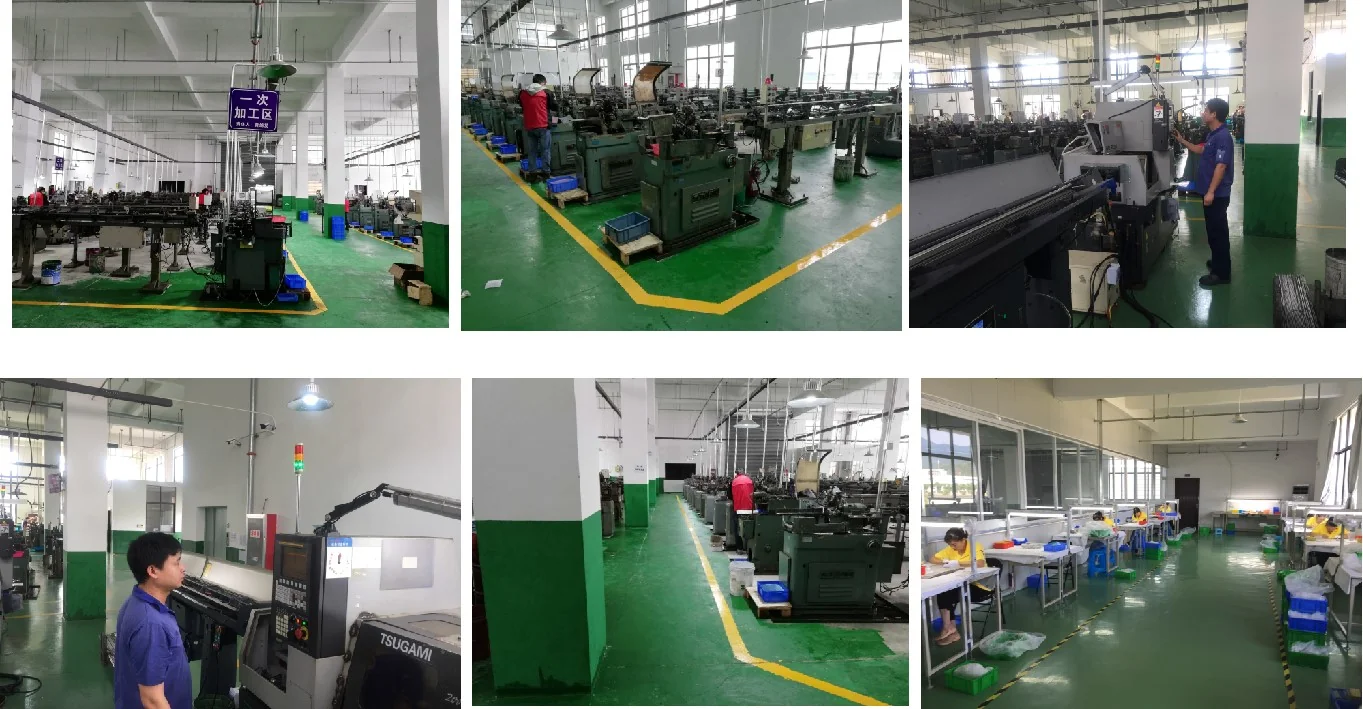
At Suzhou Baoshida Trading Co., Ltd., our engineering capabilities form the backbone of our industrial rubber solutions, enabling us to deliver precision-engineered products tailored to the exacting demands of global OEMs. Our technical team comprises five dedicated mould engineers and two specialized rubber formulation engineers, each with extensive experience in material science, polymer chemistry, and precision tooling design. This multidisciplinary expertise allows us to manage the entire product development cycle—from concept and compound design to mould fabrication and final production—ensuring seamless integration with our clients’ operational and performance requirements.

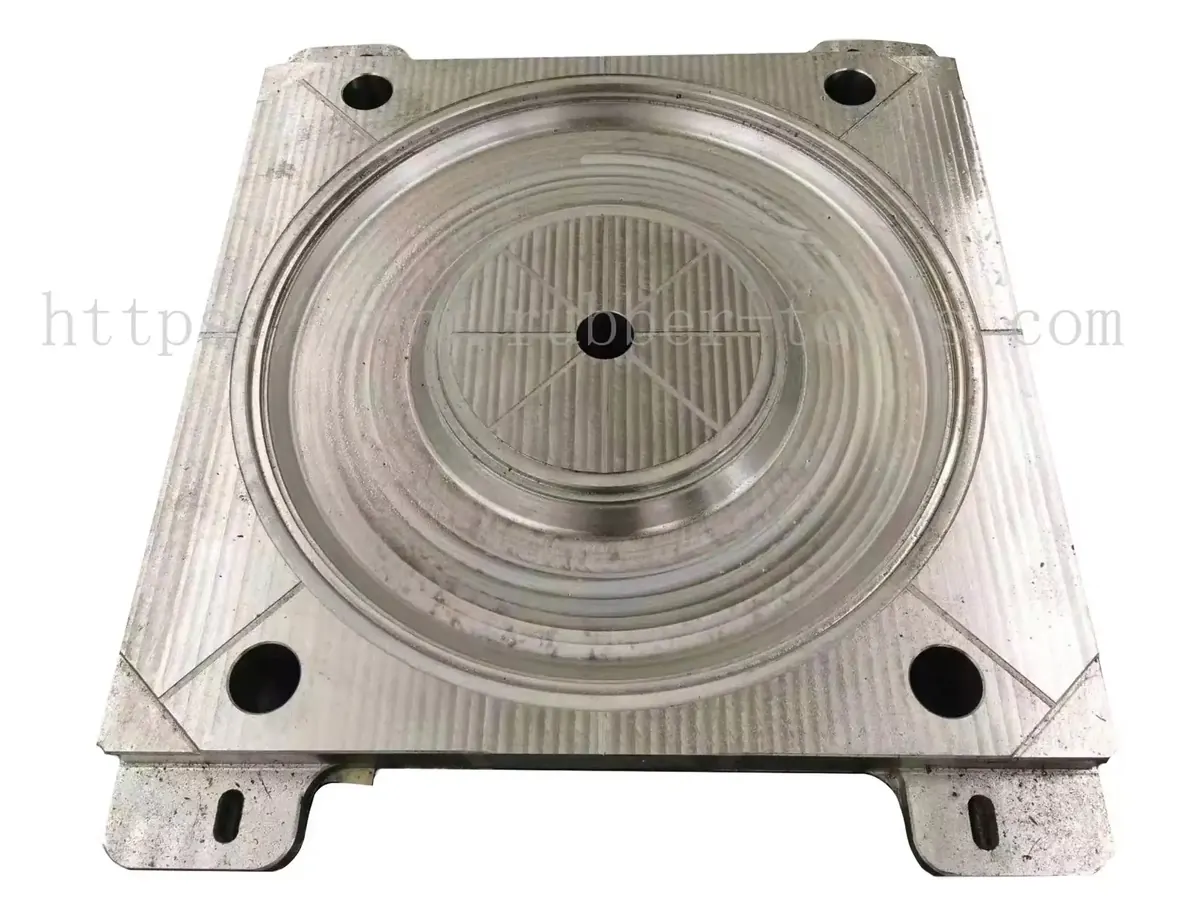
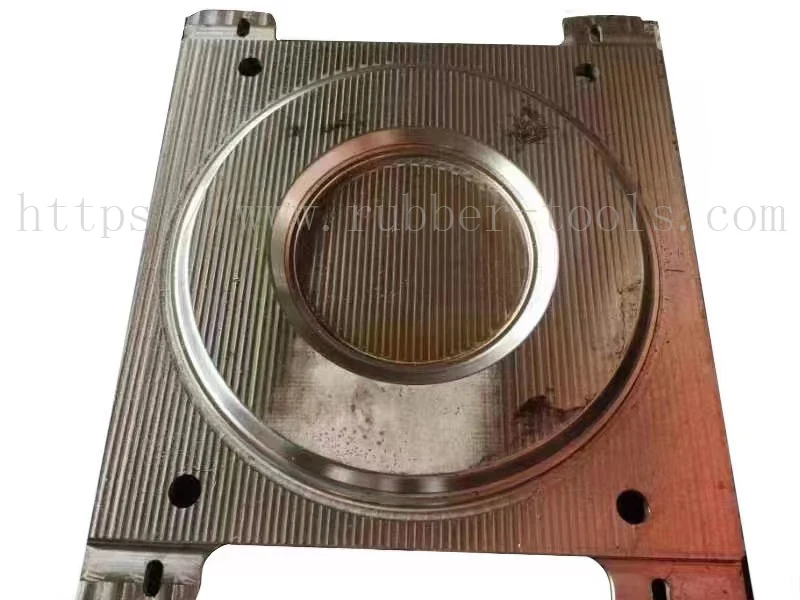
Our mould engineers utilize advanced CAD/CAM software, including SolidWorks and AutoCAD, to develop high-precision steel and aluminum tooling optimized for complex geometries, tight tolerances, and long service life. With experience in multi-cavity, cold-runner, and hot-runner systems, our team designs moulds that support high-volume manufacturing while maintaining consistency and minimizing waste. Finite element analysis (FEA) is routinely applied to simulate filling, cooling, and ejection processes, reducing trial iterations and accelerating time-to-market.

Complementing our tooling expertise, our two in-house rubber formulation engineers bring deep knowledge of elastomer chemistry to solve application-specific challenges. We develop custom compounds based on NBR, EPDM, SBR, silicone, FKM, and other specialty rubbers, fine-tuning properties such as compression set, heat resistance, oil resistance, and low-temperature flexibility. Our formulation process is data-driven, leveraging rheometry, tensile testing, and aging studies to validate performance under real-world conditions. This scientific approach ensures that every compound meets or exceeds international standards, including ASTM, ISO, and OEM-specific specifications.

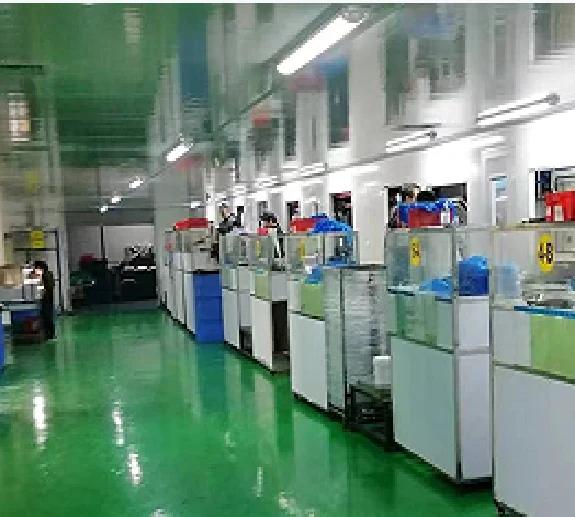
As an experienced OEM partner, Suzhou Baoshida provides full design-for-manufacturability (DFM) support, rapid prototyping, and scalable production runs. We maintain strict IP confidentiality and work closely with clients to co-develop proprietary solutions that enhance product performance and durability. Our facility supports low, medium, and high-volume production with automated vulcanization lines and in-line quality monitoring.

The integration of formulation science and precision engineering enables us to deliver rubber components that perform reliably in demanding sectors such as automotive, industrial machinery, energy, and fluid handling.

Key Engineering Specifications

Parameter Capability
Mould Design Software SolidWorks, AutoCAD, Moldflow (simulation)
Mould Materials P20, 718H, NAK80, S136, Aluminum 6061/7075
Tolerances (Dimensional) ±0.05 mm (standard), ±0.02 mm (precision)
Compound Types NBR, EPDM, SBR, FKM, Silicone, CR, NR, IIR
Hardness Range (Shore A) 30–90
Temperature Resistance -60°C to +300°C (depending on compound)
Production Capacity Up to 500,000 units/month (per mould)
OEM Development Lead Time 4–6 weeks (from design to prototype)

Customization Process

kent rubber supply co manufacturing

Customization Process: Precision Rubber Component Manufacturing

Industrial rubber component performance is fundamentally determined by the rigor of the customization pathway. At Suzhou Baoshida Trading Co., Ltd., we implement a disciplined four-phase methodology for Kent Rubber Supply Co. clients, transforming conceptual requirements into validated production solutions. This structured approach mitigates risk and ensures optimal functionality under demanding operational conditions.

Drawing Analysis: Foundation for Feasibility
Initial scrutiny focuses on dimensional tolerances, geometric complexity, and specified performance criteria within the client’s technical drawings. Our engineering team conducts a comprehensive feasibility assessment, evaluating critical factors such as minimum section thickness, potential demolding challenges, flash tolerance allowances, and compatibility with intended operating environments (e.g., fluid exposure, temperature extremes, dynamic stress points). This phase identifies potential manufacturability conflicts early, allowing for collaborative design refinement with Kent Rubber Supply Co. before resource commitment. Precise interpretation of geometric dimensioning and tolerancing (GD&T) standards is non-negotiable for subsequent process stability.

Formulation: Tailored Molecular Architecture
Based on the validated design parameters and application demands, our rubber chemists develop a bespoke compound formulation. This critical stage involves selecting the optimal base polymer (e.g., NBR, EPDM, FKM, Silicone), reinforcing fillers, curatives, plasticizers, and specialty additives. Formulation targets specific physical properties: tensile strength, elongation, compression set resistance, abrasion resistance, and fluid compatibility. Each ingredient ratio is meticulously calculated and subjected to preliminary laboratory testing. The goal is achieving the precise balance of properties required for the component’s functional lifespan, directly addressing the operational stresses identified during drawing analysis.

Prototyping: Validation Through Iteration
Utilizing the approved formulation, we produce functional prototypes via precision molding techniques matching the intended production method (e.g., compression, transfer, or injection molding). Prototypes undergo rigorous in-house validation testing per ASTM or ISO standards, including dimensional verification, hardness checks, and critical performance simulations (e.g., fluid immersion, temperature cycling, dynamic compression testing). Data from this phase is analyzed against the original specifications. Any deviations trigger targeted formulation or process adjustments, followed by re-prototyping. This iterative loop continues until all performance and dimensional criteria are consistently met, providing Kent Rubber Supply Co. with verified, production-ready samples.

Mass Production: Consistent Quality Execution
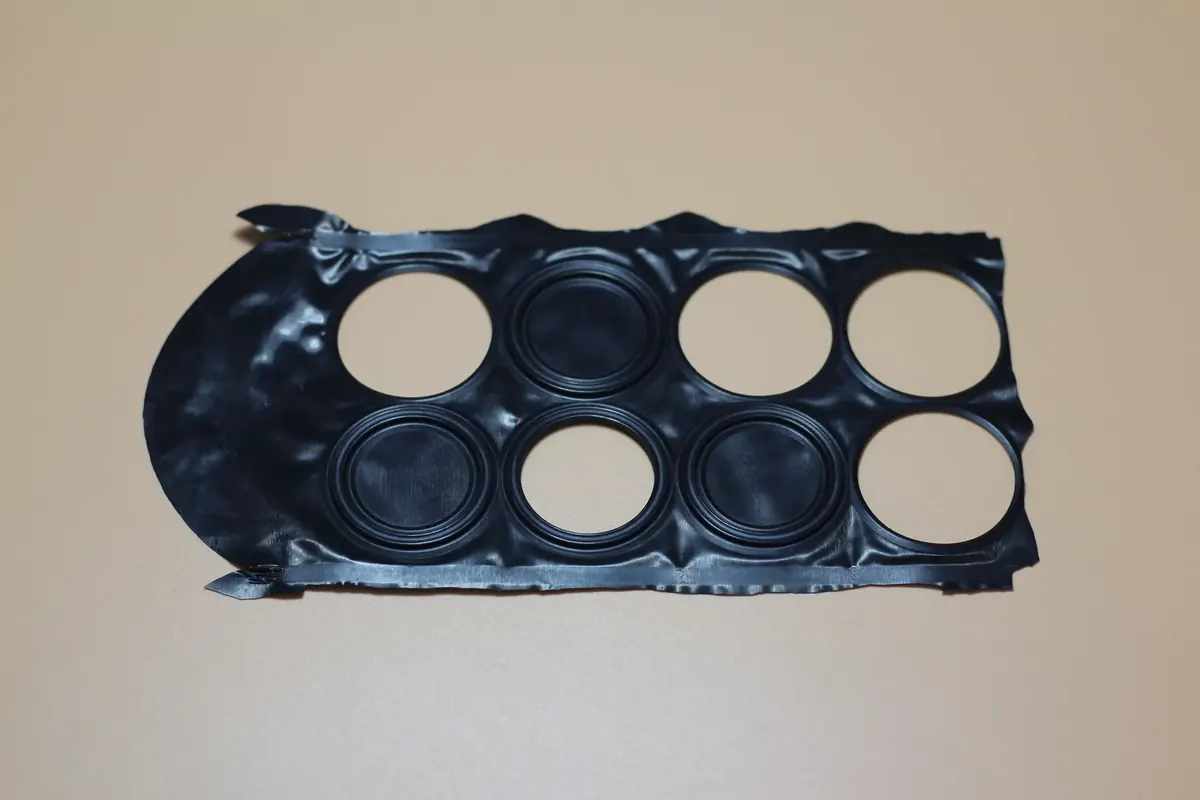
Upon final client sign-off of prototypes, we transition to high-volume manufacturing under strict process control protocols. Production runs utilize calibrated, automated molding equipment with real-time monitoring of critical parameters: temperature profiles, cure times, and pressure cycles. Every batch undergoes stringent first-article inspection and ongoing statistical process control (SPC) checks. Comprehensive final inspection includes 100% visual examination and randomized physical property testing against the approved prototype data. Full traceability from raw material lot to finished component is maintained, ensuring consistent quality and compliance for Kent Rubber Supply Co.’s demanding industrial clientele.

The table below illustrates how formulation choices directly address specific application requirements during the customization process:

Material Type Key Properties Achieved Target Applications
Hydrogenated NBR (HNBR) High temperature resistance (150°C+), excellent oil/fuel resistance, low compression set Automotive turbocharger hoses, oil seals, industrial rollers
Perfluoroelastomer (FFKM) Extreme chemical resistance, very high temperature stability (300°C+), ultra-low outgassing Semiconductor manufacturing seals, aerospace fluid systems
High Abrasion NBR Superior wear resistance, good oil resistance, cost-effective Conveyor belt covers, printing rollers, mining equipment
Conductive Silicone Controlled volume resistivity (1-100 ohm-cm), wide temp range (-60°C to 200°C) EMI/RFI shielding gaskets, static dissipation components

Contact Engineering Team

kent rubber supply co manufacturing

For industrial manufacturers seeking high-performance rubber components and precision-engineered elastomer solutions, Suzhou Baoshida Trading Co., Ltd. stands as a trusted partner in the global supply chain. Specializing in industrial rubber products for sectors including automotive, construction, rail transit, and heavy machinery, we deliver materials engineered for durability, resilience, and exacting operational demands. Our collaboration with leading production facilities in China enables us to offer custom formulations, rigorous quality control, and competitive lead times—critical advantages in today’s fast-paced manufacturing environment.

At the core of our service is a commitment to technical excellence and client-specific problem solving. Whether you require nitrile (NBR), ethylene propylene diene monomer (EPDM), silicone (VMQ), or fluorocarbon (FKM) compounds, our team formulates rubber to meet precise hardness, temperature resistance, compression set, and chemical exposure requirements. Every product is developed under ISO 9001-certified processes, ensuring consistency across batches and compliance with international standards.

We understand that reliability in industrial applications depends not only on material quality but also on dimensional accuracy and long-term performance. Our engineering team works closely with OEMs and Tier-1 suppliers to translate technical drawings, ASTM specifications, and functional requirements into optimized rubber components—ranging from seals and gaskets to dampers and custom molded parts.

To support seamless integration into your production workflow, we provide comprehensive material data sheets, batch traceability, and on-demand testing reports including tensile strength, elongation at break, and hardness (Shore A). Our quality assurance protocols are aligned with automotive and industrial equipment industry benchmarks, ensuring that every component meets or exceeds operational expectations.

Below is a representative summary of standard rubber material properties we routinely supply:

Material Type Hardness Range (Shore A) Temperature Range (°C) Key Resistance Properties
Nitrile (NBR) 40–90 -30 to +100 Oil, fuel, abrasion
EPDM 50–85 -50 to +150 Ozone, UV, steam
Silicone (VMQ) 30–80 -60 to +200 Extreme temperatures, aging
Fluorocarbon (FKM) 60–90 -20 to +230 Chemicals, high heat, oils
Natural Rubber (NR) 40–80 -40 to +80 Tensile strength, fatigue

For technical consultations, custom formulation development, or supply chain integration support, we invite you to contact Mr. Boyce, OEM Account Manager at Suzhou Baoshida Trading Co., Ltd. Mr. Boyce brings over 15 years of experience in industrial elastomer applications and is available to assist with material selection, prototyping coordination, and volume production planning. Connect directly via email at [email protected] to discuss your current or upcoming projects. We respond to all inquiries within 24 business hours and offer sample submissions upon request. Partner with Suzhou Baoshida for engineered rubber solutions built to perform.


⚖️ O-Ring Weight Calculator

Estimate rubber O-ring weight (Approx).


Kent Rubber Supply Co Manufacturer | Engineering Guide

Contents of Table

Contact [email protected] Whatsapp 86 15951276160