Outdoor Vinyl Steps Manufacturer | Engineering Guide

Engineering Guide: Outdoor Vinyl Steps

outdoor vinyl steps manufacturing

Engineering Insight: The Critical Role of Material Selection in Outdoor Vinyl Steps

In the design and manufacturing of outdoor vinyl steps, material selection is not merely a component of the process—it is the foundation upon which performance, durability, and safety are built. While many suppliers offer off-the-shelf vinyl step solutions marketed for exterior applications, these products frequently fail under real-world environmental and mechanical stressors. The root cause lies in inadequate polymer formulation and the absence of engineered additives tailored to outdoor service conditions.

Standard vinyl compounds, typically based on unplasticized polyvinyl chloride (uPVC), lack the necessary resilience to withstand prolonged UV exposure, thermal cycling, moisture ingress, and mechanical abrasion common in outdoor installations. Without stabilization against photodegradation, these materials undergo chain scission and embrittlement, leading to surface cracking, color fading, and structural weakening within 12 to 24 months of installation. Additionally, thermal expansion coefficients in generic vinyls often exceed those of supporting substrates, inducing warping or delamination when mounted on metal or concrete frameworks.

At Suzhou Baoshida Trading Co., Ltd., our approach integrates industrial rubber science with polymer engineering to develop hybrid composite steps where modified vinyl matrices are reinforced with elastomeric phases. This co-polymerization enhances impact resistance, particularly in sub-zero environments where conventional vinyl becomes brittle. The inclusion of UV absorbers (e.g., benzotriazoles), hindered amine light stabilizers (HALS), and anti-oxidants significantly extends service life, with accelerated weathering tests showing less than 10% loss in tensile strength after 3,000 hours of QUV exposure.

Another critical failure point in commercial vinyl steps is slip resistance. Off-the-shelf units often feature smooth or minimally textured surfaces that become hazardous when wet. Our engineered formulations incorporate silica-modified surface layers that maintain coefficient of friction (COF) values above 0.6 under wet conditions, meeting ASTM F2913 standards for slip resistance in pedestrian treads.

Below is a comparative specification table highlighting key performance metrics between standard off-the-shelf vinyl steps and our engineered solution.

Property Standard Off-the-Shelf Vinyl Baoshida Engineered Vinyl Composite
Tensile Strength 40 MPa 52 MPa
Elongation at Break 80% 140%
Notched Izod Impact (23°C) 2.1 kJ/m² 4.8 kJ/m²
UV Resistance (ΔE after 2,000 hrs) >6.0 (severe fading) <1.8 (minimal change)
Coefficient of Friction (wet) 0.35 0.63
Operating Temperature Range -10°C to 60°C -40°C to 75°C
Water Absorption (24 hrs) 0.25% 0.08%

The data underscores a fundamental principle: outdoor vinyl steps must be treated as engineered systems, not generic architectural accessories. Material science drives long-term reliability, especially in high-traffic, exposed environments such as marine platforms, industrial walkways, and public infrastructure. By rejecting one-size-fits-all formulations and embracing precision-tailored composites, manufacturers can eliminate premature failure and deliver solutions that perform reliably across decades, not years.


Material Specifications

outdoor vinyl steps manufacturing

Material Specifications for Outdoor Vinyl Step Applications

Selecting the optimal elastomer for outdoor vinyl steps demands rigorous evaluation of environmental exposure, mechanical stress, and chemical resistance. At Suzhou Baoshida Trading Co., Ltd., we prioritize formulations that withstand UV degradation, ozone attack, temperature extremes, and pedestrian wear while maintaining structural integrity over extended service life. Viton, Nitrile, and Silicone represent three critical material classes, each engineered for distinct operational profiles. Viton fluorocarbon rubber excels in severe chemical environments, resisting oils, fuels, and solvents at temperatures up to 200°C. Its molecular stability ensures minimal swelling in hydrocarbon exposure, making it ideal for industrial zones with chemical spill risks. However, Viton’s premium cost necessitates targeted application where lesser materials fail. Nitrile butadiene rubber (NBR) offers balanced performance for general outdoor use, with strong resistance to aliphatic hydrocarbons, water, and moderate ozone. Its Shore A hardness range of 50–90 allows customization for slip-resistant treads, though prolonged UV exposure requires carbon-black stabilization to prevent surface cracking. Silicone rubber provides unmatched thermal resilience from -60°C to 230°C and inherent UV/ozone resistance without additives. Its flexibility in extreme cold prevents brittle fracture on steps in arctic climates, yet lower tensile strength demands reinforcement for high-traffic zones to avoid permanent deformation.

All materials must meet ASTM D2000 standards for automotive-grade elastomers, with specific attention to compression set (max 25% after 70 hrs at 100°C) and tensile retention (min 75% after 7-day heat aging). Outdoor steps require Shore A 60–75 hardness to balance comfort and durability; values below 55 risk excessive wear, while above 80 compromise slip safety. Critical additives include hindered amine light stabilizers (HALS) for UV protection and silica fillers to enhance abrasion resistance without sacrificing rebound resilience.

The following table summarizes key comparative specifications for outdoor step applications:

Material Property Viton (FKM) Nitrile (NBR) Silicone (VMQ)
Shore A Hardness Range 60–85 50–90 40–80
Tensile Strength (MPa) 12–20 10–25 5–12
Continuous Temp Range -20°C to +200°C -30°C to +120°C -60°C to +230°C
Key Chemical Resistance Fuels, acids, solvents Oils, water, alcohols Water, ozone, UV
Critical Outdoor Limitation Poor low-temp flexibility below -20°C Degrades in strong acids/oxidizers Low tear strength; requires reinforcement
Typical Outdoor Service Life 15+ years (chemical zones) 10–12 years (urban) 8–10 years (extreme temp)

Material selection must align with site-specific stressors. Viton is reserved for petrochemical facilities where solvent resistance is non-negotiable. Nitrile remains the cost-effective standard for municipal infrastructure, while Silicone suits high-altitude or polar installations despite higher raw material costs. Suzhou Baoshida Trading Co., Ltd. validates all compounds through 5,000-hour QUV accelerated weathering tests and ISO 4868 slip-resistance certification to ensure compliance with global safety standards. Partner with our engineering team to optimize formulations for your geographic and operational demands.


Manufacturing Capabilities

outdoor vinyl steps manufacturing

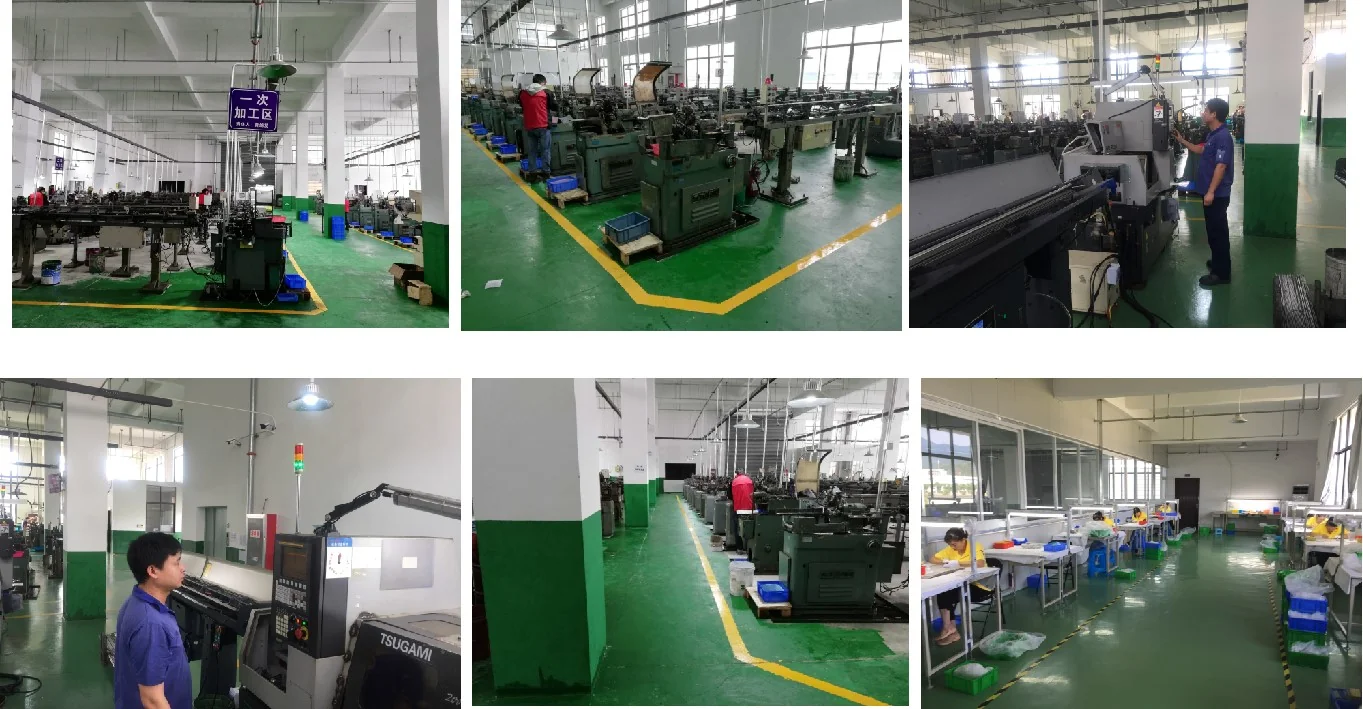
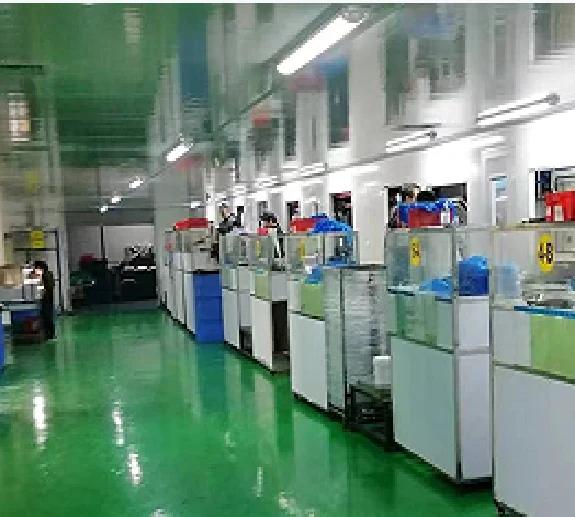
Suzhou Baoshida Trading Co., Ltd. operates at the forefront of industrial rubber solutions, delivering engineered performance components for demanding outdoor applications. Our Engineering Capability division is structured to support complex, high-precision manufacturing requirements, particularly in the development of outdoor vinyl steps where durability, weather resistance, and structural integrity are paramount. With a dedicated team of five experienced mould engineers and two specialized rubber formula engineers, we ensure every product is optimized from molecular composition to final form.

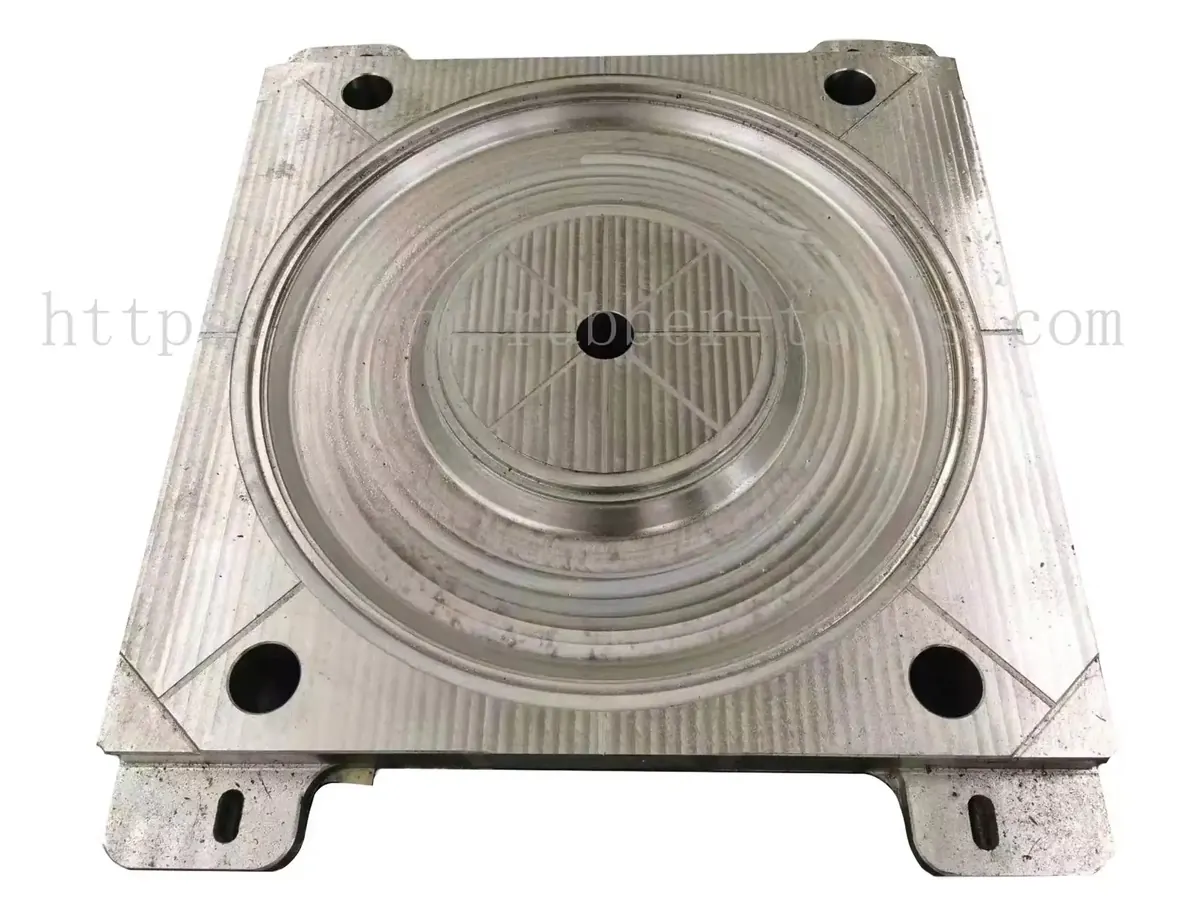
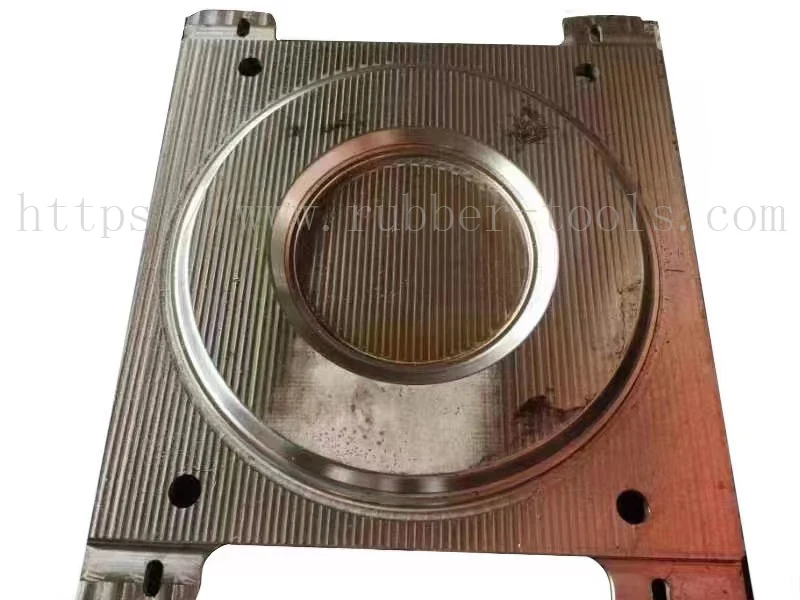
Our mould engineering team specializes in precision tooling design for compression, transfer, and injection moulding processes. Each engineer brings over a decade of experience in thermoset and thermoplastic elastomer systems, allowing for rapid prototyping, DFM analysis, and cavity optimization. This expertise ensures tight dimensional control, reduced cycle times, and long-term tooling reliability—critical factors in high-volume production of outdoor vinyl steps exposed to thermal cycling, UV radiation, and mechanical stress.

Complementing this is our rubber formulation capability. Our two in-house formula engineers focus on material science tailored to environmental resilience. They develop custom polymer blends using EPDM, silicone, and specialty vinyl-modified compounds designed to resist ozone degradation, moisture ingress, and surface abrasion. By adjusting crosslink density, filler dispersion, and plasticizer retention, we achieve optimal Shore A hardness (typically 60–75), anti-slip surface texture, and color stability under prolonged UV exposure. These formulations are validated through accelerated aging tests, including QUV exposure, thermal cycling (-40°C to +85°C), and dynamic compression set analysis.

As an OEM partner, Suzhou Baoshida provides full vertical integration—from concept and material selection to tooling, production, and quality assurance. We support custom branding, packaging, and regulatory compliance documentation, including RoHS and REACH certification. Our facility runs on ISO 9001-certified processes, with real-time SPC monitoring during production to ensure batch-to-batch consistency.

The following table outlines key technical specifications achievable for outdoor vinyl steps through our engineering and manufacturing platform:

Parameter Typical Value / Range Test Standard
Shore A Hardness 60–75 ASTM D2240
Tensile Strength ≥12 MPa ASTM D412
Elongation at Break ≥250% ASTM D412
Compression Set (24h @ 70°C) ≤20% ASTM D395
Operating Temperature Range -40°C to +85°C Internal Cycling Protocol
UV Resistance (1000h QUV) No cracking, <10% gloss loss ASTM G154
Slip Resistance (Dry/Wet) CoF ≥0.6 / ≥0.45 ASTM F2913
Color Matching Tolerance ΔE ≤2.0 (vs. standard) CIE Lab*

This technical foundation enables us to deliver outdoor vinyl steps that meet rigorous performance standards across industrial, marine, and municipal infrastructure applications. Our engineering team collaborates directly with clients to refine designs, validate material choices, and ensure manufacturability—making Suzhou Baoshida a trusted OEM partner in advanced rubber solutions.


Customization Process

outdoor vinyl steps manufacturing

Outdoor Vinyl Steps Customization Process: Precision Engineering from Concept to Volume Production

At Suzhou Baoshida Trading Co., Ltd., our industrial rubber solutions division executes a rigorously defined customization protocol for outdoor vinyl steps, ensuring optimal performance under demanding environmental exposure. This systematic approach guarantees dimensional accuracy, material resilience, and seamless integration with client specifications before committing to volume manufacturing. The process initiates with comprehensive Drawing Analysis. Our engineering team meticulously reviews client-provided CAD files or technical schematics, verifying critical dimensions, load-bearing requirements, and surface texture specifications. We assess geometric complexity for moldability, identify potential stress concentration points, and confirm compliance with relevant outdoor safety standards. Key parameters include step depth tolerance, anti-slip pattern geometry, and interlocking interface dimensions. Any ambiguities or potential manufacturability conflicts are resolved collaboratively with the client at this stage, establishing a validated baseline for material development.

Subsequent Formulation development leverages our proprietary compound database and accelerated weathering expertise. Based on the operational environment defined in the drawing review temperature extremes, UV exposure levels, and chemical resistance needs dictate the polymer matrix selection. We engineer custom vinyl compounds incorporating specific plasticizers for low-temperature flexibility, UV stabilizers to prevent chalkiness and embrittlement, and reinforcing fillers to achieve target mechanical properties. This phase involves iterative laboratory mixing and small-batch physical testing to calibrate Shore hardness, tensile strength, and compression set characteristics precisely against the project’s performance envelope. Material certification dossiers are generated for full traceability.

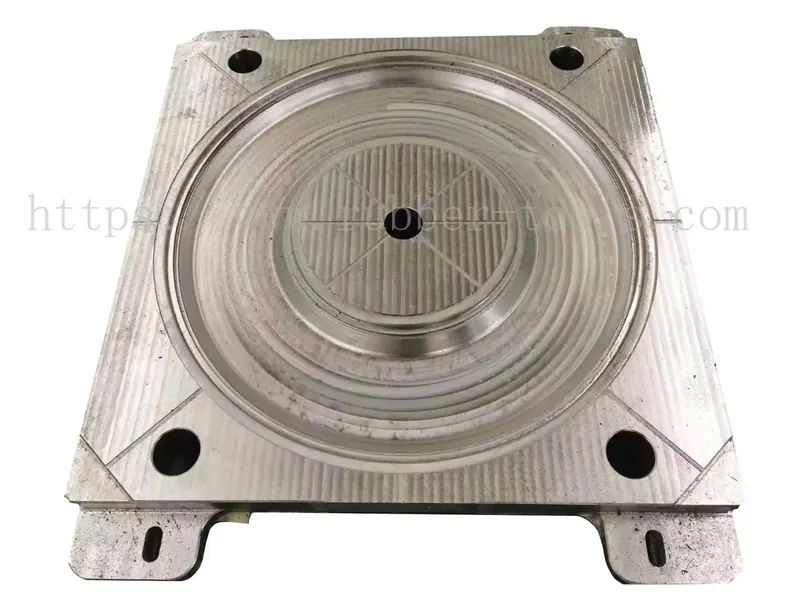
Prototyping validates both design and formulation efficacy. Using precision CNC-machined prototype molds, we produce functional step units for client evaluation. These samples undergo stringent in-house validation including simulated foot traffic testing, thermal cycling between -40°C and +70°C, and accelerated UV exposure per ASTM G154. Critical dimensional checks against the original CAD model are performed using coordinate measuring machines. Client feedback on aesthetics, ergonomics, and fitment is incorporated, with compound adjustments made if necessary before final sign-off. Only approved prototypes trigger tooling for mass production.

Mass Production implements our certified ISO 9001:2015 manufacturing system. Production-grade steel molds are deployed on synchronized injection molding lines with real-time process monitoring. Every batch undergoes 100% visual inspection for surface defects and dimensional verification via statistical process control. Material lots are certified against the agreed formulation specs, with third-party test reports available upon request. Final steps receive rigorous quality gates including Shore A hardness verification, adhesion testing for multi-component assemblies, and final packaging per client logistics specifications. This closed-loop process ensures consistent delivery of weather-resistant, high-durability vinyl steps meeting exact OEM requirements.

Critical Performance Specifications for Outdoor Vinyl Steps

Property Target Range Test Standard Significance for Outdoor Application
Shore A Hardness 70 ± 5 ASTM D2240 Balances slip resistance with comfort underfoot
Tensile Strength ≥ 12 MPa ASTM D412 Resists cracking under mechanical load
Temperature Range -40°C to +70°C ISO 188 Maintains integrity across seasonal extremes
UV Resistance (2000h QUV) ΔE < 3.0 ASTM G154 Prevents surface degradation and color fade
Color Matching Tolerance ΔE ≤ 1.5 (vs. Pantone) ISO 12647-7 Ensures consistent aesthetic integration

Contact Engineering Team

Contact Suzhou Baoshida for Premium Outdoor Vinyl Step Solutions

Suzhou Baoshida Trading Co., Ltd. stands at the forefront of industrial rubber solutions, delivering high-performance materials and engineered products tailored for demanding outdoor applications. As a trusted OEM partner in the rubber manufacturing sector, we specialize in developing durable, weather-resistant components for infrastructure, transportation, and industrial equipment. Our expertise extends to the formulation and production of outdoor vinyl steps—critical components where safety, longevity, and structural integrity are non-negotiable.

Outdoor vinyl steps are exposed to extreme environmental conditions, including UV radiation, temperature fluctuations, moisture, and mechanical wear. Standard materials often degrade prematurely under such stress, leading to safety hazards and increased maintenance costs. At Suzhou Baoshida, we address these challenges through advanced rubber compounding and precision extrusion technologies. Our formulations are engineered to resist ozone, UV exposure, and thermal cycling, ensuring long-term performance and dimensional stability. Whether for marine platforms, utility enclosures, or public access structures, our outdoor vinyl steps provide superior traction, impact resistance, and anti-slip properties under wet or icy conditions.

We understand that every industrial application has unique requirements. Our engineering team works closely with OEMs and construction partners to customize formulations, profiles, and reinforcement structures based on load specifications, installation environment, and regulatory standards. From initial design consultation to prototype validation and full-scale production, Suzhou Baoshida ensures seamless integration of our rubber-enhanced vinyl steps into your product line.

Our manufacturing processes adhere to strict quality control protocols, including ISO 9001 standards, with in-house testing for tensile strength, elongation, compression set, and abrasion resistance. This commitment to precision ensures consistent product performance across batches and extended service life in real-world conditions.

Below are key technical specifications for our standard outdoor vinyl step formulation:

Property Test Method Typical Value
Hardness (Shore A) ASTM D2240 75 ± 5
Tensile Strength ASTM D412 ≥12 MPa
Elongation at Break ASTM D412 ≥250%
Compression Set (70°C, 22h) ASTM D395 ≤20%
Operating Temperature Range -40°C to +80°C
UV Resistance ASTM G154 Pass (2000h)
Flame Resistance UL94 HB Rated
Slip Resistance (Dry/Wet) ASTM F2913 >0.6 COF

Partnering with Suzhou Baoshida means gaining access to advanced rubber science, scalable production capacity, and responsive technical support. We are committed to engineering solutions that enhance safety, reduce lifecycle costs, and meet the evolving demands of outdoor infrastructure.

For technical inquiries, custom development, or volume supply agreements, contact Mr. Boyce directly at [email protected]. Let us help you build stronger, safer, and more resilient outdoor step systems.


⚖️ O-Ring Weight Calculator

Estimate rubber O-ring weight (Approx).


Outdoor Vinyl Steps Manufacturer | Engineering Guide

Contents of Table

Contact [email protected] Whatsapp 86 15951276160