Gasket Sealer For Gas Manufacturer | Engineering Guide

Engineering Guide: Gasket Sealer For Gas

gasket sealer for gas manufacturing

Engineering Insight: Gasket Sealer for Gas – The Critical Role of Material Selection

In industrial sealing applications involving gaseous media, the performance of a gasket sealer is not merely a function of adhesion or ease of application—it is fundamentally determined by the compatibility and resilience of the selected material under operational stress. Gases, particularly under elevated pressure or temperature, present unique challenges due to their low viscosity, high diffusivity, and potential chemical reactivity. Off-the-shelf gasket sealers, while cost-effective and readily available, frequently fail in such environments due to inadequate material formulation tailored to specific gas types and operating conditions.

Standard commercial sealants are typically engineered for general-purpose use, prioritizing broad compatibility over performance in extreme or specialized conditions. When exposed to aggressive gases such as hydrogen, natural gas, or compressed oxygen, these formulations may degrade rapidly, leading to embrittlement, swelling, or loss of cohesive strength. Moreover, many off-the-shelf products lack resistance to thermal cycling, which induces micro-cracking and eventual seal failure. In precision applications—such as those in semiconductor manufacturing, petrochemical processing, or high-pressure gas transmission—even minor leakage can result in safety hazards, environmental violations, or costly system downtime.

At Suzhou Baoshida Trading Co., Ltd., our approach to gasket sealer development is rooted in material science and application-specific engineering. We prioritize elastomer and polymer systems with proven resistance to gas permeation and chemical attack. Materials such as fluorosilicone (FVMQ), perfluoroelastomers (FFKM), and specialty nitrile butadiene rubber (HNBR) are selected based on gas type, operating pressure, temperature range, and required service life. These advanced compounds offer superior resistance to compression set, maintain elasticity over extended cycles, and exhibit minimal outgassing—critical attributes in vacuum and high-purity environments.

Furthermore, the cross-linking density and filler composition of the sealer matrix are optimized to balance flexibility with mechanical strength. For instance, in hydrogen service, where molecular permeation is a dominant failure mode, we incorporate laminar barrier fillers and cure systems that minimize free volume within the polymer network. This reduces diffusion pathways and enhances long-term sealing integrity.

The table below outlines key material properties relevant to gasket sealers in gas applications:

Material Temperature Range (°C) Gas Resistance (H₂, CH₄, O₂) Permeation Rate (cm³·mm/m²·day·atm) Compression Set (% after 70h @ 150°C)
Standard Silicone (VMQ) -60 to 200 Low 85 (H₂), 45 (CH₄), 30 (O₂) 25
Fluorosilicone (FVMQ) -50 to 200 Medium-High 40 (H₂), 20 (CH₄), 15 (O₂) 18
HNBR -40 to 170 High 25 (H₂), 12 (CH₄), 10 (O₂) 12
FFKM -15 to 327 Very High 5 (H₂), 3 (CH₄), 2 (O₂) 5

Material selection is not a secondary consideration—it is the foundation of reliable gas sealing. Relying on generic solutions risks operational failure and compromises system integrity. Precision demands specificity, and at Baoshida, we engineer every sealer with the gas, the environment, and the application in mind.


Material Specifications

gasket sealer for gas manufacturing

Material Specifications for Gas Gasket Sealers
Selecting the optimal elastomer for gas gasket applications demands rigorous evaluation of chemical compatibility, thermal stability, and mechanical integrity under operational stress. At Suzhou Baoshida Trading Co., Ltd., we prioritize material science precision to ensure zero permeation and sustained sealing force in critical gas systems. Gas environments—particularly hydrocarbons, natural gas, and liquefied petroleum gas—require elastomers resistant to swelling, hardening, and permeation-induced failure. Viton (FKM), Nitrile (NBR), and Silicone (VMQ) represent industry-standard solutions, each engineered for distinct operational parameters.

Viton fluorocarbon rubber excels in aggressive gas applications due to its exceptional resistance to hydrocarbons, oxygenated fuels, and extreme temperatures. Standard grades withstand continuous exposure from -20°C to +200°C, with specialty formulations extending to +230°C. Its low gas permeability—critical for methane and propane containment—is validated per ASTM D1434. Viton maintains sealing integrity under high-pressure differentials, with tensile strength typically 15–20 MPa and compression set below 25% after 70 hours at 150°C. However, its cost and lower flexibility at sub-zero temperatures necessitate application-specific validation.

Nitrile butadiene rubber offers a cost-effective solution for aliphatic hydrocarbon gases (e.g., natural gas) within moderate temperature ranges (-30°C to +120°C). Performance hinges on acrylonitrile (ACN) content: high-ACN grades (45–50%) provide superior fuel resistance but reduced low-temperature flexibility. NBR demonstrates excellent abrasion resistance and tensile strength (10–25 MPa), though ozone and aromatic hydrocarbon exposure can accelerate degradation. Permeation rates for methane are 2–3× higher than Viton, making it unsuitable for high-pressure aromatic gas systems without additive reinforcement.

Silicone rubber delivers unmatched thermal stability (-60°C to +200°C) and low-temperature flexibility, ideal for cryogenic gas handling or intermittent high-heat cycles. Its inert composition ensures FDA compliance for food-grade gas systems, but poor resistance to petroleum-based gases limits use in hydrocarbon applications. Silicone exhibits high gas permeability (particularly for nitrogen and oxygen), with tensile strength ranging 5–8 MPa. Critical for vacuum-assisted gas systems, its low compression set (<20% at 150°C) ensures long-term resilience, though mechanical reinforcement is often required for high-stress flanges.

Material Performance Comparison for Gas Gasket Applications

Property Viton (FKM) Nitrile (NBR) Silicone (VMQ)
Temperature Range (°C) -20 to +200 -30 to +120 -60 to +200
Tensile Strength (MPa) 15–20 10–25 5–8
Compression Set (%) <25 (150°C/70h) <30 (100°C/22h) <20 (150°C/70h)
Methane Permeability Very Low Moderate High
Key Gas Resistances Hydrocarbons, LPG Aliphatic gases Inert gases
Key Limitations Cost, low-temp flexibility Aromatics, ozone Petroleum gases
Standard Test Methods ASTM D2000, ISO 3601 ASTM D2000, ISO 3601 ASTM D2000, ISO 3601

Material selection must align with OEM manufacturing protocols, including cure system compatibility and post-molding stability. Suzhou Baoshida Trading Co., Ltd. provides certified compound data sheets (CDS) with batch-specific validation per ISO 1817 and EN 549 standards, ensuring traceability for gas safety compliance. Partner with our engineering team to optimize material grade, hardness (40–90 Shore A), and geometry for your gas system’s pressure-temperature profile.


Manufacturing Capabilities

gasket sealer for gas manufacturing

Engineering Capability

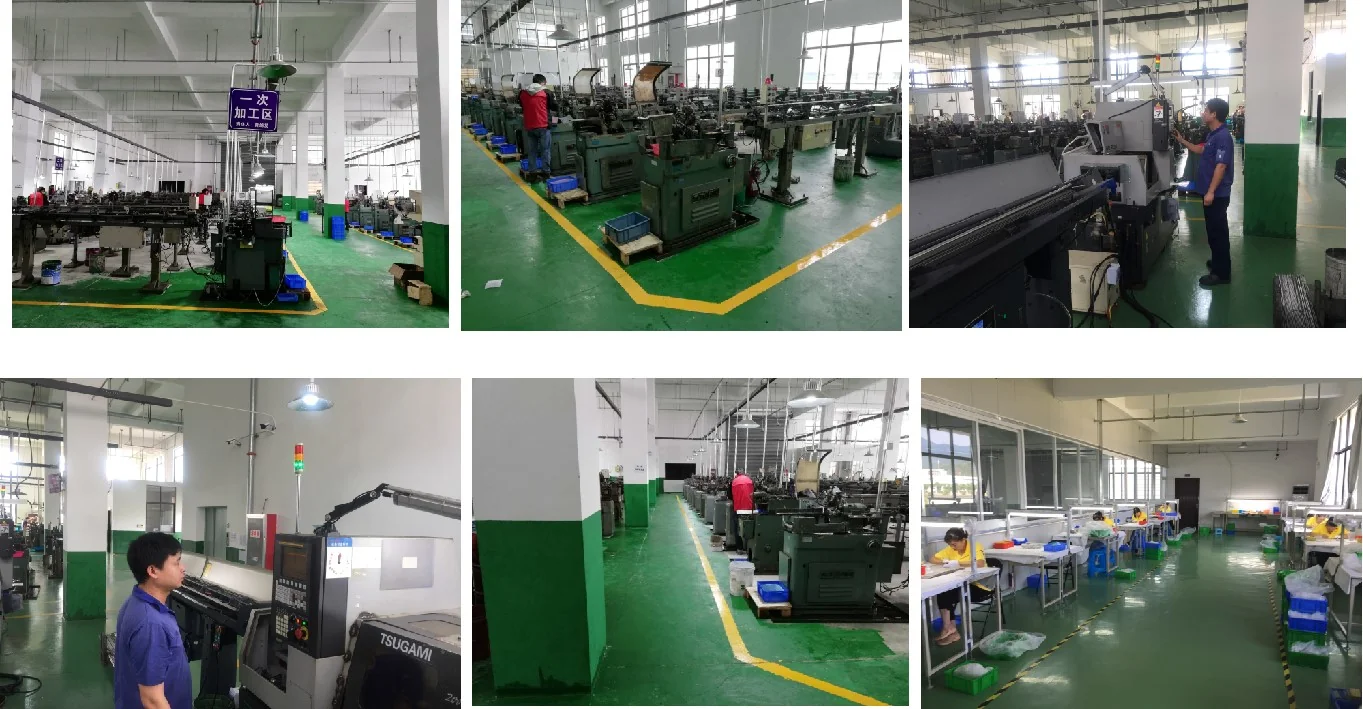
At Suzhou Baoshida Trading Co., Ltd., our engineering capability is anchored in deep technical expertise and a rigorous approach to material science and mold design. We maintain a dedicated team of five certified mold engineers and two specialized rubber formulation engineers, enabling us to deliver precision-engineered gasket sealers tailored specifically for gas applications. This integrated team structure ensures seamless development from concept to production, with full control over both physical design and chemical performance.

Our mold engineers utilize advanced CAD/CAM systems, including SolidWorks, AutoCAD, and Moldflow simulation software, to design high-precision molds that meet exact dimensional tolerances and sealing requirements. With extensive experience in multi-cavity and family mold configurations, we optimize production efficiency while maintaining consistency across complex geometries. Each mold design undergoes thermal and stress analysis to ensure longevity and performance under dynamic operating conditions typical in gas handling systems.

Complementing this design proficiency, our two in-house rubber formulation engineers bring over 20 years of combined experience in elastomer chemistry. They specialize in developing custom rubber compounds that exhibit superior resistance to hydrocarbon gases, temperature extremes, and environmental aging. By formulating proprietary blends using NBR, FKM, EPDM, and specialty hydrogenated nitrile (HNBR), we ensure optimal compatibility with various gas media, including natural gas, propane, and compressed air systems. These formulations are validated through accelerated aging tests, compression set analysis, and permeability measurements in accordance with ASTM and ISO standards.

Our OEM capabilities are built on a foundation of full vertical integration. We support customers from initial specification review through prototyping, validation, and high-volume manufacturing. This includes material selection guidance, DFM analysis, and first-article inspection reports (FAIR) with full traceability. Our facility is equipped with precision compression, transfer, and injection molding machines capable of producing gaskets with tolerances as tight as ±0.1 mm. All compounds are mixed in-house under controlled conditions to ensure batch-to-batch consistency.

We also maintain a comprehensive testing laboratory for real-time performance validation. Key parameters such as tensile strength, hardness, volume swell in gaseous environments, and seal integrity under pressure cycling are routinely evaluated. This data-driven approach ensures that every gasket sealer we produce meets or exceeds the functional demands of critical gas sealing applications.

The following table outlines key technical specifications achievable through our engineering and production systems

Parameter Capability Test Standard
Hardness Range (Shore A) 40–90 ±5 ASTM D2240
Tensile Strength Up to 20 MPa ASTM D412
Elongation at Break Up to 400% ASTM D412
Operating Temperature -40°C to +250°C (depending on compound) ASTM D573
Volume Swell in Methane <15% after 72h at 85°C ASTM D471
Compression Set (70h at 100°C) <25% ASTM D395
Dimensional Tolerance ±0.1 mm (critical dimensions) ISO 3302

This combination of human expertise, advanced tooling, and scientific rigor positions Suzhou Baoshida as a trusted engineering partner for high-performance gasket sealers in demanding gas environments.


Customization Process

gasket sealer for gas manufacturing

Customization Process for Gas Gasket Sealers: Precision Engineering from Concept to Production

At Suzhou Baoshida Trading Co., Ltd., our customization process for gas gasket sealers integrates rigorous scientific methodology with industrial pragmatism to ensure fail-safe performance in demanding gas-handling systems. Gas applications impose unique challenges—including permeation resistance, thermal stability, and chemical compatibility—requiring a structured approach that eliminates guesswork and prioritizes reliability. We execute this through four sequential phases, each validated by data-driven checkpoints.

Drawing Analysis initiates the workflow, where our engineering team deconstructs client-provided CAD models or technical drawings to assess dimensional tolerances, surface finish requirements, and operational stress points. Critical parameters such as groove geometry, flange alignment, and compression ratios undergo finite element analysis (FEA) to predict deformation behavior under gas pressure cycles. This phase identifies potential leakage paths or material stress concentrations early, ensuring the design aligns with ISO 3601 sealing standards and client-specific gas media constraints.

Formulation follows, leveraging our proprietary elastomer database to select and compound materials resistant to gas permeation and degradation. For natural gas, hydrogen, or LPG applications, we prioritize peroxide-cured FKM or specialty HNBR formulations with optimized filler dispersion. Key properties are targeted to meet aggressive service conditions, as detailed in the specification table below. Each compound undergoes accelerated aging tests per ASTM D2000 to validate performance against gas exposure, temperature extremes, and pressure differentials.

Prototyping transforms the validated formulation into physical samples using precision molding techniques. We produce 10–15 units per iteration, subjecting them to simulated operational conditions in our in-house test chamber. Leak rates are measured via helium mass spectrometry (per SAE J1171), while compression set is evaluated after 72 hours at 150°C under 25% deflection. Client feedback on fitment and initial testing triggers micro-adjustments to durometer or crosslink density before final sign-off.

Mass Production commences only after prototype validation, with full statistical process control (SPC) implemented across injection molding lines. Each batch undergoes 100% visual inspection for voids or flash, coupled with randomized hardness and tensile testing. Traceability is maintained via laser-etched batch codes, and final shipment includes a full material test report (MTR) certifying compliance with the agreed specifications. This phased rigor ensures zero field failures and seamless integration into OEM gas delivery systems.

Property Test Standard Target Value Gas Application Relevance
Hardness (Shore A) ASTM D2240 70 ± 5 Balances sealing force and flange compatibility
Tensile Strength ASTM D412 ≥ 15 MPa Resists extrusion under high gas pressure
Compression Set (22h/150°C) ASTM D395 ≤ 25% Maintains seal integrity after thermal cycling
Gas Permeation Rate ASTM D1434 ≤ 0.5 cc·mm/m²·day Critical for methane/hydrogen containment
Volume Swell (in LPG) ISO 1817 ≤ 8% Prevents seal distortion in hydrocarbon gases

This end-to-end customization framework, executed by Suzhou Baoshida’s OEM engineering team, transforms gas sealing from a component specification into a guaranteed system performance metric. By anchoring each phase in quantifiable data, we deliver solutions that meet the uncompromising demands of industrial gas infrastructure.


Contact Engineering Team

gasket sealer for gas manufacturing

Contact Suzhou Baoshida for High-Performance Gasket Sealers in Gas Applications

When it comes to sealing integrity in gas systems, precision, material compatibility, and long-term reliability are non-negotiable. At Suzhou Baoshida Trading Co., Ltd., we specialize in advanced rubber-based sealing solutions engineered specifically for demanding industrial gas environments. Our gasket sealers are formulated to deliver consistent performance under extreme temperatures, high pressures, and aggressive chemical exposure—common challenges faced in petrochemical, automotive, and industrial equipment sectors.

Our proprietary rubber formulations are developed with a focus on adhesion strength, thermal stability, and resistance to gas permeation. Whether you are sealing natural gas lines, LPG systems, or high-purity industrial gas conduits, our sealers ensure leak-free joints and extended service life. We understand that downtime due to seal failure can be costly, which is why our products undergo rigorous testing for compression set, tensile strength, and aging resistance before release.

For OEMs and industrial manufacturers, customization is often essential. Suzhou Baoshida offers tailored gasket sealer solutions based on substrate materials (metal, composite, or elastomer), operating conditions, and regulatory compliance needs. Our R&D team collaborates directly with clients to optimize viscosity, cure time, and application method—ensuring seamless integration into your production process.

Below is a representative specification table for one of our standard high-performance gasket sealers used in gas applications:

Property Test Method Value
Viscosity (25°C) ASTM D2196 180,000 – 220,000 cP
Tensile Strength ASTM D412 ≥ 12 MPa
Elongation at Break ASTM D412 ≥ 250%
Operating Temperature Range -55°C to +230°C
Compression Set (22 hrs, 150°C) ASTM D395 ≤ 20%
Fuel and Gas Resistance (70 hrs, 150°C) ASTM D471 Volume Swell ≤ 15%
Adhesion to Metal Substrates Internal Test No delamination
Cure Time (Full) 24 hrs at 23°C or 1 hr at 150°C

These values reflect the robustness of our standard formulations. However, we routinely adjust formulations to meet specific OEM requirements, including UL, FDA, or ATEX compliance.

To discuss your gasket sealing challenges or request a sample for evaluation, contact Mr. Boyce, OEM Account Manager at Suzhou Baoshida Trading Co., Ltd. With over 15 years of experience in rubber formulation and industrial sealing applications, Mr. Boyce provides technical guidance and rapid response to engineering inquiries. He supports global clients in material selection, prototyping, and volume supply chain coordination.

Reach out via email at [email protected] to initiate a technical consultation. Include your application parameters, substrate types, and performance expectations for a targeted solution proposal. We respond to all inquiries within 12 business hours and offer sample kits with technical data sheets upon request.

At Suzhou Baoshida, we don’t just supply sealers—we engineer sealing performance. Partner with us to enhance the reliability and safety of your gas system assemblies.


⚖️ O-Ring Weight Calculator

Estimate rubber O-ring weight (Approx).


Gasket Sealer For Gas Manufacturer | Engineering Guide

Contents of Table

Contact [email protected] Whatsapp 86 15951276160