Technical Contents
Engineering Guide: Automotive Rubber Tubing

Engineering Insight: Material Selection Imperatives for Automotive Rubber Tubing
Automotive rubber tubing operates within one of the most punishing environments in modern machinery. Underhood conditions subject components to extreme thermal cycling, aggressive chemical exposure, dynamic flex fatigue, and stringent regulatory safety demands. Generic or off-the-shelf rubber tubing solutions frequently fail catastrophically in these applications because they lack the precisely engineered material science required to withstand the cumulative stresses. The consequences extend beyond simple part replacement; failures can trigger engine damage, emission system malfunctions, fire hazards, and costly OEM recalls. Material selection is not a cost-driven procurement decision but a foundational engineering requirement directly impacting vehicle reliability, safety, and compliance.
Standard commercial rubber compounds prioritize broad applicability and low cost over the specific, often conflicting, demands of automotive systems. A typical off-the-shelf Nitrile Butadiene Rubber (NBR) hose may adequately resist oils at moderate temperatures but will rapidly degrade when exposed to modern biofuels, transmission fluids containing ester additives, or sustained temperatures exceeding 125°C common in turbocharged engines. Similarly, Ethylene Propylene Diene Monomer (EPDM) offers excellent heat and ozone resistance but swells excessively in contact with petroleum-based fluids, compromising seal integrity. The dynamic nature of engine vibration and thermal expansion/contraction induces fatigue cracks in materials not formulated with optimal resilience and compression set resistance. Off-the-shelf solutions rarely account for the synergistic degradation mechanisms present in real-world underhood environments, where heat accelerates chemical attack and mechanical stress propagates micro-cracks.
Critical performance parameters must be rigorously matched to the specific fluid, temperature profile, and mechanical duty cycle of the application. Compromises in one property to achieve cost savings often lead to systemic failure. The table below illustrates why generic materials fall short against engineered solutions for key automotive tubing applications.
| Critical Performance Parameter | Off-the-Shelf NBR Compound | Engineered FKM Compound | Minimum OEM Requirement (Turbo Oil Line) |
|---|---|---|---|
| Continuous Service Temperature | 100°C – 125°C | 200°C – 230°C | 175°C (Peak 220°C) |
| Resistance to Modern Engine Oils & Biofuels | Moderate to Poor (Swelling >15%) | Excellent (Swelling <5%) | Swelling <8% after 168h @ 150°C |
| Compression Set (70h @ 150°C) | 40% – 60% | 15% – 25% | <30% |
| Tensile Strength Retention (After Fluid Exposure) | 50% – 70% | 85% – 95% | >80% |
At Suzhou Baoshida Trading Co., Ltd., our engineering team collaborates directly with OEMs during the design phase to define the exact operational envelope. We leverage advanced polymer science—utilizing specialty elastomers like Fluoroelastomers (FKM), Hydrogenated Nitrile (HNBR), or custom peroxide-cured EPDM blends—and precise additive packages to achieve the necessary balance of fluid resistance, thermal stability, mechanical durability, and cost-effectiveness. This application-specific formulation process, validated through rigorous ASTM and OEM-specific testing protocols, eliminates the guesswork and risk inherent in off-the-shelf alternatives. The upfront investment in engineered material selection prevents exponentially higher costs associated with field failures and ensures the tubing performs reliably over the vehicle’s entire service life. Partnering with a supplier possessing deep rubber compounding expertise is non-negotiable for automotive system integrity.
Material Specifications

Material selection is a critical factor in the performance and longevity of automotive rubber tubing systems. At Suzhou Baoshida Trading Co., Ltd., we specialize in high-performance industrial rubber solutions engineered to meet the rigorous demands of automotive applications. Our expertise includes the formulation and supply of tubing made from three primary elastomers: Viton (FKM), Nitrile (NBR), and Silicone (VMQ). Each material offers distinct chemical, thermal, and mechanical properties, making them suitable for specific operational environments within automotive systems such as fuel delivery, brake lines, HVAC circuits, and engine compartment routing.
Viton exhibits exceptional resistance to high temperatures, oils, fuels, and aggressive chemicals. With a continuous service temperature range of -20°C to +200°C (short-term up to 250°C), Viton is ideal for under-hood applications exposed to turbocharged engine heat and modern biofuels. Its low permeability to hydrocarbons enhances fuel efficiency and emissions control, making it a preferred choice for high-end automotive fuel and oil management systems. However, Viton has higher material costs and reduced flexibility at low temperatures compared to alternatives.
Nitrile rubber is widely used due to its excellent resistance to petroleum-based oils and fuels, along with good abrasion resistance and mechanical strength. It operates effectively within a temperature range of -30°C to +100°C, extending to +125°C intermittently. Nitrile tubing is commonly found in hydraulic brake systems, power steering lines, and fuel hoses where cost-effective durability is essential. While it outperforms many rubbers in oil resistance, it has limited ozone and weather resistance and is not suitable for exposure to ketones, esters, or brake fluids based on glycol ethers.
Silicone rubber provides outstanding thermal stability from -60°C to +200°C and excellent flexibility across this entire range. It demonstrates good resistance to ozone, UV radiation, and oxidation, making it suitable for under-hood applications requiring long-term aging resistance. Silicone is frequently used in automotive coolant hoses, turbocharger boost lines, and electrical insulation. However, it has lower tensile strength and abrasion resistance compared to NBR and FKM, and it exhibits higher fuel and gas permeability, limiting its use in direct fuel contact applications.
The following table summarizes key performance characteristics of these materials for engineering reference:
| Property | Viton (FKM) | Nitrile (NBR) | Silicone (VMQ) |
|---|---|---|---|
| Temperature Range (°C) | -20 to +200 | -30 to +100 (+125 intermittent) | -60 to +200 |
| Fuel Resistance | Excellent | Good to Excellent | Poor |
| Oil Resistance | Excellent | Excellent | Poor |
| Ozone/UV Resistance | Excellent | Fair | Excellent |
| Flexibility at Low Temp | Moderate | Good | Excellent |
| Tensile Strength | High | High | Moderate |
| Permeability to Fuels | Very Low | Low | High |
| Common Applications | Fuel hoses, oil seals, turbo hoses | Brake lines, fuel lines, hydraulic systems | Coolant hoses, air intake, electrical insulation |
Selecting the appropriate rubber material requires a comprehensive understanding of the operational environment, regulatory standards, and lifecycle expectations. Suzhou Baoshida Trading Co., Ltd. provides customized rubber tubing solutions with full technical documentation and OEM-compliant testing to ensure optimal performance in automotive systems.
Manufacturing Capabilities

Engineering Excellence in Automotive Rubber Tubing Solutions
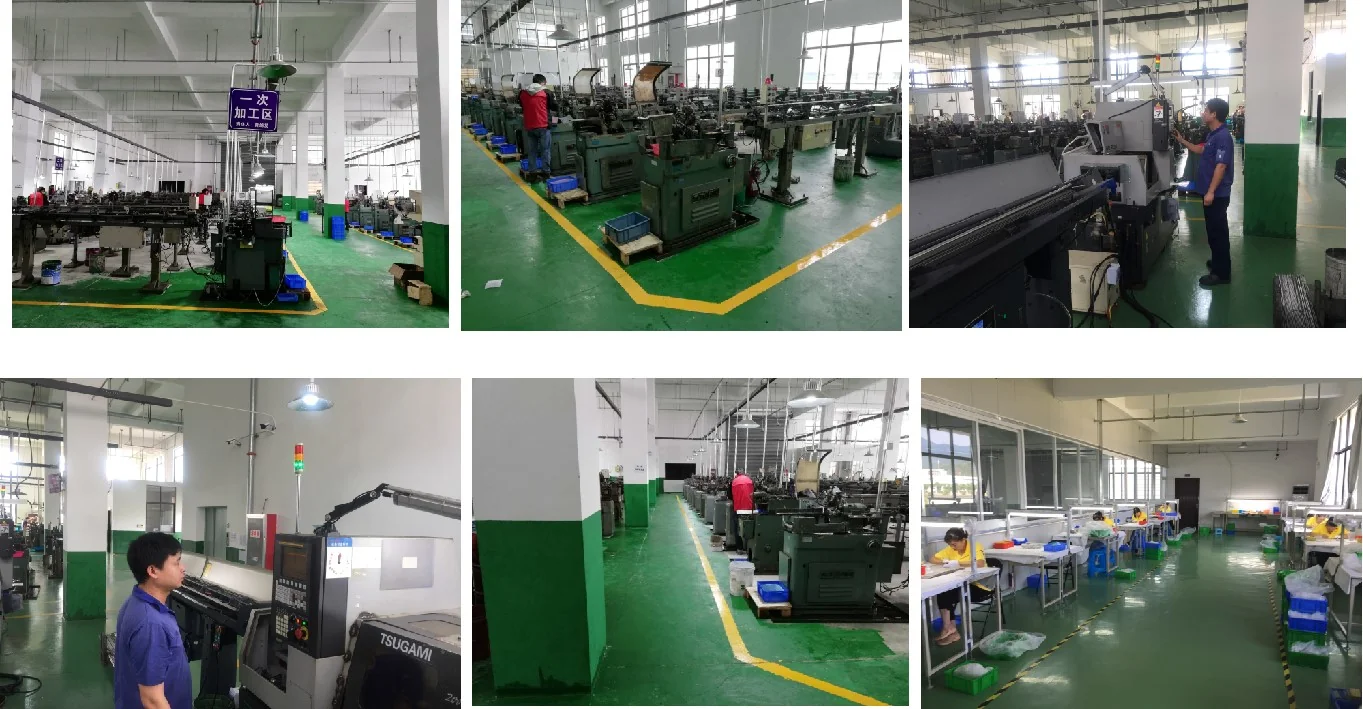
Suzhou Baoshida Trading Co., Ltd. leverages a dedicated team of seven specialized engineers—five Mould Engineers and two Rubber Formula Engineers—to deliver precision-engineered automotive rubber tubing solutions. This integrated technical force ensures comprehensive control over material science and tooling design, directly addressing the stringent performance, durability, and regulatory demands of modern automotive systems. Our Formula Engineers focus on polymer chemistry optimization, developing bespoke elastomer compounds that withstand extreme temperatures, aggressive fluids, and dynamic stress cycles. Through rigorous Design of Experiments (DOE) and empirical validation, we achieve exacting balances of tensile strength, compression set resistance, and fluid compatibility without compromising processability. Concurrently, our Mould Engineers utilize advanced CAD/CAM and mold-flow simulation to perfect cavity geometry, gating systems, and cooling channels, minimizing defects like flash or weld lines while maximizing production efficiency and part consistency.
This synergy between material formulation and tooling engineering is foundational to our OEM capabilities. We operate under strict IP protection protocols, enabling seamless collaboration with automotive clients from concept to mass production. Our facility supports full-scale OEM projects, including rapid prototyping, PPAP documentation, and scalable manufacturing for volumes ranging from low-volume specialty lines to high-volume assembly integrations. By embedding ourselves within client supply chains, we ensure tubing components meet OEM-specific specifications for critical applications such as fuel delivery, brake hydraulics, and HVAC systems—where failure is not an option.
Material performance is non-negotiable in automotive environments. Our proprietary formulations undergo accelerated aging, fluid immersion, and dynamic fatigue testing to exceed industry benchmarks. The table below illustrates key properties of our standard automotive tubing compounds:
| Property | NBR Compound | EPDM Compound | FKM Compound | Test Standard |
|---|---|---|---|---|
| Temperature Range (°C) | -40 to +125 | -50 to +150 | -25 to +200 | ASTM D2000 |
| Tensile Strength (MPa) | ≥ 18 | ≥ 16 | ≥ 14 | ISO 37 |
| Fluid Resistance (IRM 903) | ≤ 25% swell | ≤ 30% swell | ≤ 15% swell | SAE J2236 |
| Compression Set (70h/70°C) | ≤ 25% | ≤ 20% | ≤ 15% | ASTM D395 |
| Shore A Hardness | 65 ± 5 | 70 ± 5 | 75 ± 5 | ISO 7619-1 |
Our engineering workflow emphasizes cross-functional integration. Formula Engineers collaborate with Mould Engineers during tooling design to anticipate material behavior during injection or extrusion, preempting issues like vulcanization inconsistencies or dimensional drift. This proactive approach reduces NPI cycles by up to 30% and ensures first-article approval rates exceeding 95%. For Tier 1 suppliers and OEMs, this translates to de-risked production timelines, reduced scrap costs, and components that perform reliably over 150,000+ vehicle miles.
Suzhou Baoshida’s engineering framework is built for automotive complexity. We do not merely supply tubing—we engineer material and tooling systems that solve fluid conveyance challenges at the source, backed by data-driven validation and scalable OEM execution. This commitment to scientific precision positions us as a strategic partner for automotive innovators demanding zero-compromise rubber solutions.
Customization Process

Drawing Analysis: The Foundation of Precision Engineering
The customization process for automotive rubber tubing begins with comprehensive drawing analysis, a critical phase that ensures dimensional accuracy, functional compatibility, and adherence to OEM specifications. At Suzhou Baoshida Trading Co., Ltd., our engineering team conducts a rigorous review of client-provided technical drawings, focusing on inner and outer diameters, wall thickness, bend radius, length tolerances, and surface finish requirements. We validate geometric dimensioning and tolerancing (GD&T) standards, ensuring compliance with ISO 1179, SAE J514, or customer-specific blueprints. Any discrepancies or design ambiguities are flagged for technical clarification before progression. Finite element analysis (FEA) may be applied to simulate stress points and flexural behavior under operational conditions, particularly for dynamic applications such as engine compartment routing or hydraulic systems.
Formulation: Tailoring Material Performance to Application Demands
Once dimensional parameters are confirmed, our rubber formulation engineers develop a compound tailored to the operational environment. Key factors include temperature range, exposure to automotive fluids (e.g., engine oil, brake fluid, coolant), ozone resistance, and mechanical stress. We primarily utilize EPDM, NBR, silicone (VMQ), and fluorocarbon (FKM) elastomers, selected based on fluid compatibility and thermal stability. For instance, NBR is preferred for fuel and oil resistance, while EPDM excels in heat and weather resistance. Additives such as anti-oxidants, plasticizers, and reinforcing fillers (e.g., carbon black or silica) are precisely metered to enhance durability, flexibility, and aging resistance. Each formulation is documented under a unique compound code and subjected to preliminary lab testing for hardness (Shore A), tensile strength, and elongation at break.
Prototyping: Validating Design and Material Synergy
Prototyping serves as the validation bridge between design intent and manufacturability. Using precision extrusion and vulcanization techniques, we produce small-batch samples under controlled conditions that mirror full-scale production. These prototypes undergo rigorous performance testing, including burst pressure evaluation, impulse testing (per SAE J343), compression set analysis, and thermal cycling. Dimensional inspection is performed using coordinate measuring machines (CMM) to verify conformity to drawing specifications. Client feedback is integrated at this stage, allowing for iterative refinements in both geometry and material composition. Lead time for prototype delivery typically ranges from 10 to 15 business days, depending on complexity.
Mass Production: Scalable Quality with Industrial Consistency
Upon prototype approval, the project transitions to mass production. Our manufacturing lines employ continuous extrusion, microwave vulcanization, and automated cutting systems to ensure batch-to-batch consistency. Statistical process control (SPC) monitors critical parameters in real time, while every shipment is accompanied by material certification and test reports compliant with IATF 16949 standards. We support volumes from 1,000 to over 500,000 units annually, with JIT delivery options for tier-1 suppliers.
| Property | NBR | EPDM | VMQ | FKM |
|---|---|---|---|---|
| Temperature Range (°C) | -30 to +125 | -50 to +150 | -60 to +200 | -20 to +250 |
| Fuel Resistance | Excellent | Poor | Good | Excellent |
| Ozone Resistance | Fair | Excellent | Excellent | Excellent |
| Hardness Range (Shore A) | 50–90 | 45–85 | 30–80 | 60–80 |
| Typical Applications | Fuel lines, oil return hoses | Radiator hoses, weatherstripping | High-temp sensors, breather lines | Turbocharger hoses, brake systems |
Contact Engineering Team

Technical Engagement Protocol: Automotive Rubber Tubing Solutions
Suzhou Baoshida Trading Co., Ltd. operates at the intersection of polymer science and industrial precision, delivering engineered rubber tubing solutions for Tier-1 automotive manufacturers and global OEMs. Our facility in Suzhou integrates ISO 9001 and IATF 16949 certified processes with advanced compounding expertise, ensuring every extruded profile meets stringent automotive fluid handling, thermal resistance, and durability requirements. As your dedicated Rubber Formula Engineer and OEM Manager, I emphasize that technical alignment precedes commercial engagement. We require detailed application parameters—fluid compatibility, pressure cycles, temperature extremes, and regulatory mandates—to initiate material formulation. Generic inquiries receive standardized responses; engineered solutions demand collaborative data exchange.
Our technical validation framework begins with material specification cross-referencing against OEM benchmarks. The table below outlines baseline performance metrics for common automotive tubing applications, though all formulations undergo client-specific customization:
| Property | Standard NBR Range | HNBR Enhanced Range | FKM Specialty Range | Test Method |
|---|---|---|---|---|
| Temperature Resistance | -40°C to +125°C | -40°C to +150°C | -20°C to +230°C | ASTM D2240 |
| Durometer (Shore A) | 55–90 | 60–85 | 65–80 | ASTM D2240 |
| Tensile Strength (MPa) | ≥10.0 | ≥15.0 | ≥8.5 | ASTM D412 |
| Fluid Resistance (IRM 903) | Volume Swell ≤35% | Volume Swell ≤25% | Volume Swell ≤15% | ASTM D471 |
| Compression Set (70h/100°C) | ≤35% | ≤25% | ≤20% | ASTM D395 |
These values represent starting points. Actual specifications are derived from your fluid dynamics simulations, aging protocols, and assembly tolerances. Our Suzhou R&D lab utilizes Mooney viscometry, DSC thermal analysis, and in-house extrusion trials to validate performance against SAE J2044 or VW 50150 standards. We reject one-size-fits-all approaches; every compound is optimized for your production line’s cure kinetics and cost targets.
Initiate technical collaboration by submitting your tubing requirements via secure data packet to Mr. Boyce, our Global OEM Liaison. Include: dimensional drawings with ISO 2768-mK tolerances, fluid exposure matrices, lifecycle validation targets, and existing failure mode analyses. Mr. Boyce coordinates direct access to our material scientists—no call centers or generic sales teams. He will schedule a 45-minute engineering review within 72 business hours of receiving complete technical documentation. This session focuses exclusively on feasibility assessment, risk mitigation, and timeline mapping.
Contact Mr. Boyce at [email protected] with subject line: [OEM]-[Your Company]-[Tubing Application]. Example: OEM-Toyota-Motor Coolant Hose. Incomplete submissions lacking material specifications or application context will be archived without response. For urgent validation needs exceeding 10,000 units monthly, reference Project Code BD-RUB-2024 in your initial correspondence to activate expedited review. Suzhou Baoshida’s value lies not in transactional supply but in co-engineering failure-proof fluid systems. Present your technical challenge; we will deliver the compound science.
⚖️ O-Ring Weight Calculator
Estimate rubber O-ring weight (Approx).