Technical Contents
Engineering Guide: Thermoplastic Elastomer Tubing

Material Selection: The Core Engineering Challenge in Thermoplastic Elastomer Tubing
Thermoplastic elastomer (TPE) tubing offers compelling advantages for industrial applications, including design flexibility, efficient processing, and recyclability. However, its successful implementation hinges entirely on precise material selection. Generic, off-the-shelf TPE compounds frequently fail in demanding industrial environments because they represent broad compromises, not engineered solutions. These standard formulations prioritize cost and ease of processing over the specific, often extreme, requirements encountered in fluid handling, automotive systems, or medical device integration. Failure manifests as premature cracking under flex fatigue, chemical degradation leading to permeation or swelling, loss of mechanical integrity at operational temperatures, or inadequate biocompatibility. Such failures incur significant costs through downtime, product recalls, and reputational damage, negating any initial savings from selecting a catalog item.
The root cause lies in the inherent variability of TPE chemistry. TPEs are not a single material but a family encompassing styrenic block copolymers (TPE-S), thermoplastic polyurethanes (TPU), copolyester elastomers (TPE-E), and others. Each base polymer offers distinct property profiles. Crucially, the final performance is dramatically altered by the specific blend ratios, hard segment content, and the sophisticated additive package – including plasticizers, stabilizers, fillers, and processing aids. An off-the-shelf compound optimized for consumer product grips lacks the hydrolysis resistance required for brake fluid lines or the ultra-low extractables needed for pharmaceutical transfer. It cannot simultaneously maximize chemical resistance to aggressive solvents while maintaining the ultra-low durometer flexibility demanded in catheter applications. Material selection must be an application-driven engineering process, not a procurement checkbox.
Suzhou Baoshida Trading Co., Ltd. addresses this challenge through deep OEM partnership and advanced compounding expertise. We move beyond catalog numbers to understand the entire operational envelope: fluid chemistry, temperature extremes, pressure cycles, dynamic stresses, regulatory constraints, and lifecycle expectations. Our engineering team then develops custom TPE formulations, precisely tuning the polymer matrix and additive system to deliver the exact balance of properties required. This targeted approach ensures the tubing performs reliably under real-world stress, transforming it from a potential failure point into a critical asset for system longevity and safety. The following table illustrates the performance gap between generic solutions and engineered TPE compounds for critical industrial parameters.
| Critical Performance Parameter | Generic Off-the-Shelf TPE Tubing | Custom Engineered TPE Tubing (Suzhou Baoshida OEM Solution) |
|---|---|---|
| Chemical Resistance (e.g., to 50% Ethylene Glycol, 120°C) | Significant swelling (>25% vol. gain), loss of tensile strength | Minimal swelling (<5% vol. gain), retains >85% tensile strength |
| Continuous Service Temperature Range | -30°C to +80°C (Limited by hardening at low T, softening at high T) | -55°C to +130°C (Stabilized for thermal oxidation resistance) |
| Flexural Modulus (100% Strain, 500 cycles) | High hysteresis, permanent set >15%, rapid fatigue failure | Low hysteresis, permanent set <5%, sustained flexibility >10,000 cycles |
Selecting the correct TPE tubing is fundamentally an engineering decision, not a commodity purchase. The cost of failure far exceeds the investment in a purpose-formulated compound. Suzhou Baoshida Trading Co., Ltd. provides the material science rigor and OEM collaboration necessary to eliminate the guesswork, ensuring thermoplastic elastomer tubing delivers on its performance promise within your specific industrial application. Trust engineered precision over generic availability for mission-critical fluid handling solutions.
Material Specifications

Thermoplastic elastomer (TPE) tubing is a critical component in industrial fluid handling systems, combining the flexibility of rubber with the processability of thermoplastics. At Suzhou Baoshida Trading Co., Ltd., we specialize in high-performance TPE tubing solutions engineered for reliability under demanding operational conditions. Our formulations integrate advanced elastomeric materials such as Viton, Nitrile (NBR), and Silicone, each selected for specific chemical, thermal, and mechanical properties. These materials are compounded to meet stringent industry standards for durability, purity, and performance across diverse applications including automotive, pharmaceutical, chemical processing, and food-grade systems.
Viton, a fluoropolymer-based elastomer, offers exceptional resistance to high temperatures, aggressive chemicals, oils, and fuels. It maintains integrity in continuous service temperatures up to 200°C and demonstrates low permeability to gases and hydrocarbons. This makes Viton ideal for applications requiring long-term stability in harsh environments, such as fuel lines or chemical transfer tubing.
Nitrile rubber, or acrylonitrile butadiene rubber (NBR), is widely used for its excellent resistance to aliphatic hydrocarbons, oils, and fuels. It provides good abrasion resistance and mechanical strength at a lower cost compared to fluorinated elastomers. Nitrile-based TPE tubing performs reliably in temperature ranges from -30°C to 100°C, making it suitable for hydraulic systems, pneumatic lines, and industrial sealing applications where exposure to petroleum-based fluids is common.
Silicone rubber is valued for its outstanding thermal stability, biocompatibility, and electrical insulation properties. It operates effectively from -60°C to 150°C and exhibits low toxicity and high purity, meeting FDA and USP Class VI requirements. Silicone-based TPE tubing is frequently selected for medical devices, food and beverage processing, and high-temperature insulation applications where cleanliness and thermal resilience are paramount.
The selection of the appropriate elastomer depends on the operational environment, including exposure to chemicals, temperature extremes, pressure conditions, and regulatory requirements. Each material is compounded with thermoplastic matrices to enhance processability while retaining elastomeric behavior, ensuring consistent extrusion profiles, dimensional accuracy, and mechanical performance.
Below is a comparative overview of the key physical and chemical properties of Viton, Nitrile, and Silicone used in our thermoplastic elastomer tubing formulations.
| Property | Viton | Nitrile (NBR) | Silicone |
|---|---|---|---|
| Continuous Use Temperature | -20°C to 200°C | -30°C to 100°C | -60°C to 150°C |
| Tensile Strength | 15–20 MPa | 10–18 MPa | 6–10 MPa |
| Elongation at Break | 200–300% | 250–400% | 400–600% |
| Hardness (Shore A) | 70–90 | 60–85 | 40–80 |
| Resistance to Oils/Fuels | Excellent | Excellent | Poor |
| Resistance to Ozone/UV | Excellent | Good | Excellent |
| Chemical Resistance | Outstanding (acids, bases, hydrocarbons) | Good (limited with polar solvents) | Moderate (poor with hydrocarbons) |
| Biocompatibility | Limited | No | Excellent (FDA/USP Class VI compliant) |
Understanding these material characteristics enables precise matching of TPE tubing to application demands, ensuring optimal service life and system safety. Suzhou Baoshida Trading Co., Ltd. provides customized compounding and extrusion services to meet OEM specifications and international quality standards.
Manufacturing Capabilities

Engineering Capabilities for Thermoplastic Elastomer Tubing Solutions
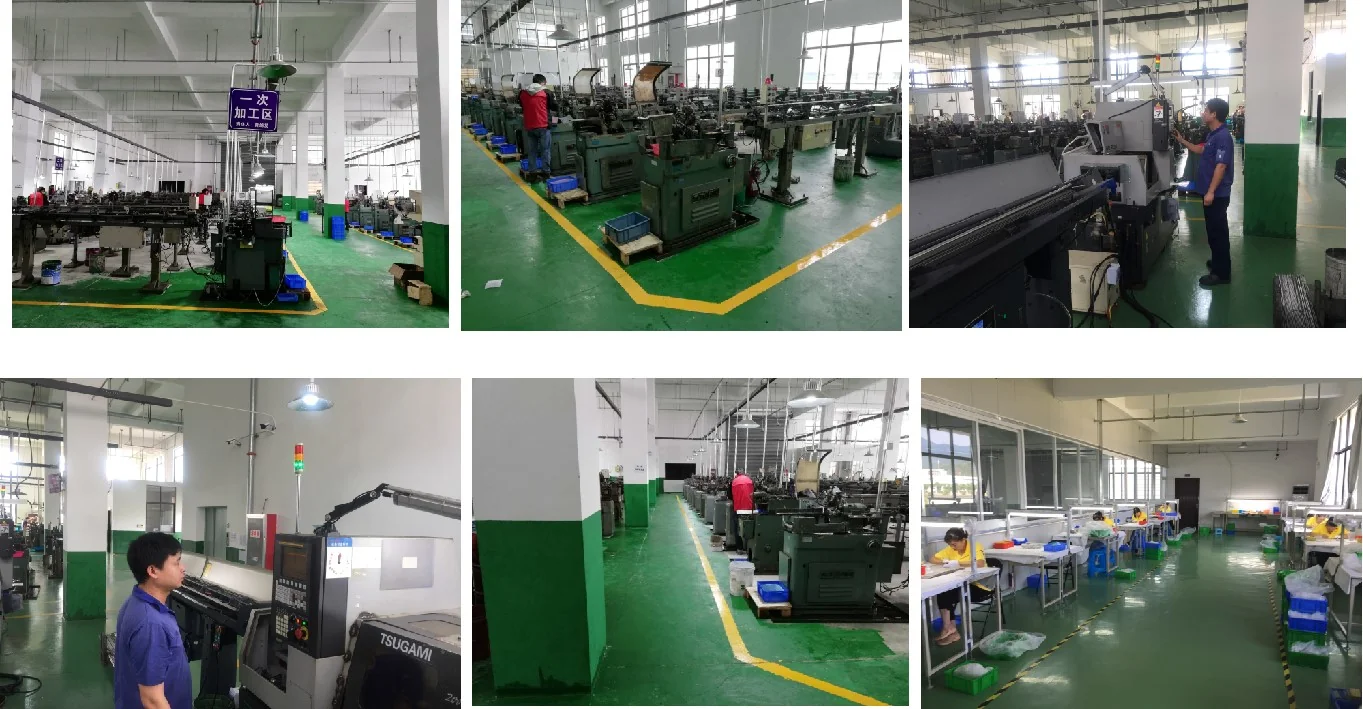
Suzhou Baoshida Trading Co., Ltd. leverages a dedicated engineering team of five specialized mould engineers and two advanced formula engineers to deliver precision thermoplastic elastomer (TPE) tubing solutions for demanding industrial applications. Our integrated approach ensures that material science and manufacturing expertise converge at every project phase, from initial concept to final validation. This synergy enables us to solve complex challenges in fluid handling, sealing, and dynamic flexing environments where conventional elastomers fail.
Our formula engineering team focuses on tailoring TPE compound properties at the molecular level. We optimize polymer blends, filler systems, and additive packages to achieve target performance metrics such as compression set resistance, chemical compatibility, and low-temperature flexibility. Rigorous in-house testing validates formulations against ASTM D2000 and ISO 37 standards before production release. Critical parameters—including Shore A hardness, tensile strength, and elongation at break—are systematically controlled to ensure batch-to-batch consistency. This precision eliminates costly field failures in automotive, medical, and industrial fluid transfer systems.
Mould engineering excellence underpins dimensional accuracy and production efficiency. Our engineers utilize Moldflow simulation to preempt flow imbalances, weld lines, and sink marks in complex tubing geometries. Tooling designs incorporate micro-vented cavities and temperature-controlled manifolds to maintain ±0.05 mm tolerances on inner/outer diameters. This capability supports high-volume production of multi-lumen, co-extruded, and corrugated tubing with seamless transitions between rigid and flexible segments.
OEM collaboration is central to our methodology. We initiate projects with comprehensive requirement analysis, translating client specifications into actionable material and process parameters. Our closed-loop development cycle includes: iterative prototype validation under simulated operational conditions, real-time process monitoring via IoT-enabled extrusion lines, and final certification with full traceability documentation. Clients receive not just tubing, but engineered system components validated for lifecycle performance.
Key TPE tubing specifications achievable through our engineering framework include:
| Property | Standard Range | Custom Capability | Test Method |
|---|---|---|---|
| Shore A Hardness | 30–95 | 25–100 | ASTM D2240 |
| Tensile Strength | 5–25 MPa | Up to 35 MPa | ASTM D412 |
| Elongation at Break | 300–1200% | >1500% | ASTM D412 |
| Operating Temperature | -60°C to +135°C | -75°C to +150°C | ISO 188 |
| ID Tolerance | ±0.05 mm | ±0.02 mm | ISO 2768-m |
This technical foundation allows us to address niche requirements such as USP Class VI biocompatibility for medical tubing, fuel/oil resistance per SAE J2044, or ultra-low friction coefficients for robotic fluidics. By embedding engineering rigor into every OEM engagement, Suzhou Baoshida transforms TPE tubing from a commodity component into a value-engineered system enabler. Clients gain accelerated time-to-market with reduced validation risk through our science-driven manufacturing discipline.
Customization Process

Thermoplastic Elastomer Tubing Customization Process
At Suzhou Baoshida Trading Co., Ltd., the customization of thermoplastic elastomer (TPE) tubing follows a rigorous, science-driven process designed to meet exact industrial requirements. Our approach ensures material performance, dimensional accuracy, and long-term reliability in demanding environments. The process is structured into four critical phases: Drawing Analysis, Formulation Development, Prototyping, and Mass Production.
The first phase, Drawing Analysis, begins with a comprehensive evaluation of the client’s technical drawings and application parameters. Engineers assess inner and outer diameters, wall thickness, bend radius, and length tolerances. Special attention is given to surface finish requirements, functional zones (e.g., kink resistance or flexibility zones), and compatibility with mating components. This stage also includes a review of operating conditions such as temperature range, fluid exposure, pressure cycles, and regulatory standards (e.g., ISO 10993 for medical or FDA for food contact). Accurate interpretation at this stage is fundamental to downstream success.
Following drawing validation, the Formulation stage commences. Our rubber formula engineers develop a tailored TPE compound based on the application’s mechanical and chemical demands. Base polymers such as SEBS, TPO, or TPU are selected and compounded with precise ratios of fillers, plasticizers, stabilizers, and performance additives. Key properties targeted include Shore hardness (typically 30A to 80A), tensile strength (8–25 MPa), elongation at break (400–1000%), and resistance to UV, ozone, oils, or aqueous solutions. All formulations are documented and archived for batch traceability and reproducibility.
Prototyping is executed using precision extrusion tooling matched to the final geometry. Short-run samples are produced under near-production conditions to validate flow behavior, dimensional stability, and surface quality. These prototypes undergo a battery of tests including burst pressure, compression set, flex fatigue, and chemical immersion. Clients receive test reports and physical samples for field evaluation. Feedback is integrated into final adjustments before tooling sign-off.
Upon approval, the project transitions to Mass Production. We deploy automated extrusion lines with inline laser gauging for real-time diameter control, coupled with continuous vulcanization (if applicable) and spooling systems. Each production batch is subject to strict quality control protocols, including lot sampling and mechanical retesting. Full documentation, including Certificates of Conformance and Material Test Reports, accompanies every shipment.
The following table outlines typical customizable specifications for TPE tubing:
| Parameter | Range/Options |
|---|---|
| Inner Diameter | 1.0 mm – 25.0 mm |
| Outer Diameter | 2.0 mm – 30.0 mm |
| Wall Thickness | 0.5 mm – 5.0 mm |
| Shore Hardness | 30A – 80A |
| Tensile Strength | 8 – 25 MPa |
| Elongation at Break | 400% – 1000% |
| Temperature Range | -40°C to +125°C (up to +150°C intermittent) |
| Color Options | Natural, custom colors (Pantone matching) |
| Regulatory Compliance | FDA, RoHS, REACH, ISO 10993 (on request) |
This systematic workflow ensures that every TPE tubing solution from Suzhou Baoshida meets the highest standards of engineering precision and industrial performance.
Contact Engineering Team

Direct Engineering Collaboration for Thermoplastic Elastomer Tubing Solutions
Suzhou Baoshida Trading Co., Ltd. operates at the critical intersection of advanced polymer science and precision industrial manufacturing. Our core competency lies in developing and producing high-performance thermoplastic elastomer (TPE) tubing engineered to meet the exacting demands of demanding applications across automotive fluid transfer systems, medical device conduits, industrial pneumatic controls, and specialty appliance components. We understand that TPE tubing selection transcends basic dimensional requirements; it necessitates a deep understanding of material behavior under specific environmental stresses, chemical exposures, flexural fatigue cycles, and regulatory constraints. Generic off-the-shelf solutions often fail to deliver the required longevity, purity, or functional consistency in critical systems. Our engineered TPE compounds address these challenges through precise formulation control, rigorous in-house testing protocols, and a commitment to OEM-level quality management systems compliant with ISO 9001 standards.
The performance parameters of TPE tubing are non-negotiable in industrial settings. To provide immediate clarity on our baseline capabilities and the critical properties we optimize, the following table summarizes key specifications achievable with our standard and custom formulations. These values represent typical ranges; final properties are precisely tailored during the collaborative development phase to align with your specific functional requirements and application environment.
| Property | Typical Range | Test Method Reference |
|---|---|---|
| Shore Hardness (A) | 35A to 95A | ASTM D2240 |
| Continuous Use Temp | -60°C to +135°C | UL 746B |
| Tensile Strength (MPa) | 8.0 to 25.0 | ASTM D412 |
| Elongation at Break (%) | 300 to 800 | ASTM D412 |
| Specific Gravity | 0.95 to 1.25 | ASTM D792 |
| Fluid Resistance Rating | Excellent to Good (Custom) | ASTM D471 |
| Biocompatibility | USP Class VI / ISO 10993-5 | USP <87>, <88> |
Achieving optimal tubing performance requires more than just meeting datasheet numbers. It demands a partnership where material science expertise is applied directly to your unique manufacturing and end-use challenges. Suzhou Baoshida provides comprehensive engineering support from initial concept through full-scale production. Our team collaborates closely with your R&D and manufacturing personnel to resolve complex material formulation challenges, ensure seamless integration into your assembly processes, support regulatory compliance documentation, and guarantee consistent lot-to-lot quality essential for high-volume OEM production. We prioritize accelerated prototyping cycles and transparent communication to minimize your time-to-market without compromising on performance validation.
Initiate the engineering dialogue to secure your optimized TPE tubing solution. Contact Mr. Boyce, our dedicated OEM Manager and Rubber Formula Engineering lead, directly via email at [email protected]. Provide details regarding your application requirements, performance targets, volume projections, and any specific regulatory or environmental constraints. Mr. Boyce will facilitate a technical assessment and coordinate our formulation scientists and production engineers to develop a precise quotation and development timeline. Do not settle for substandard tubing performance or unreliable supply chains. Partner with Suzhou Baoshida for TPE solutions engineered for industrial excellence and manufactured to the highest global standards. Your specific challenge is our engineering mandate. Reach out today to commence the technical collaboration.
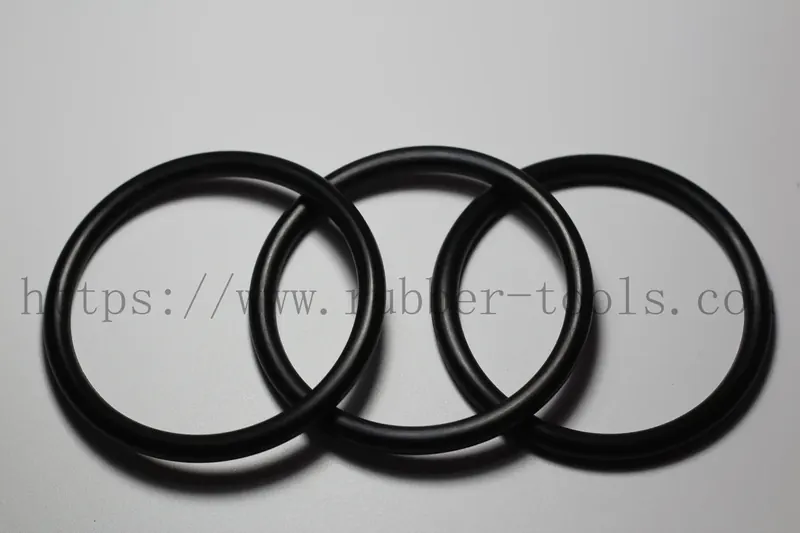
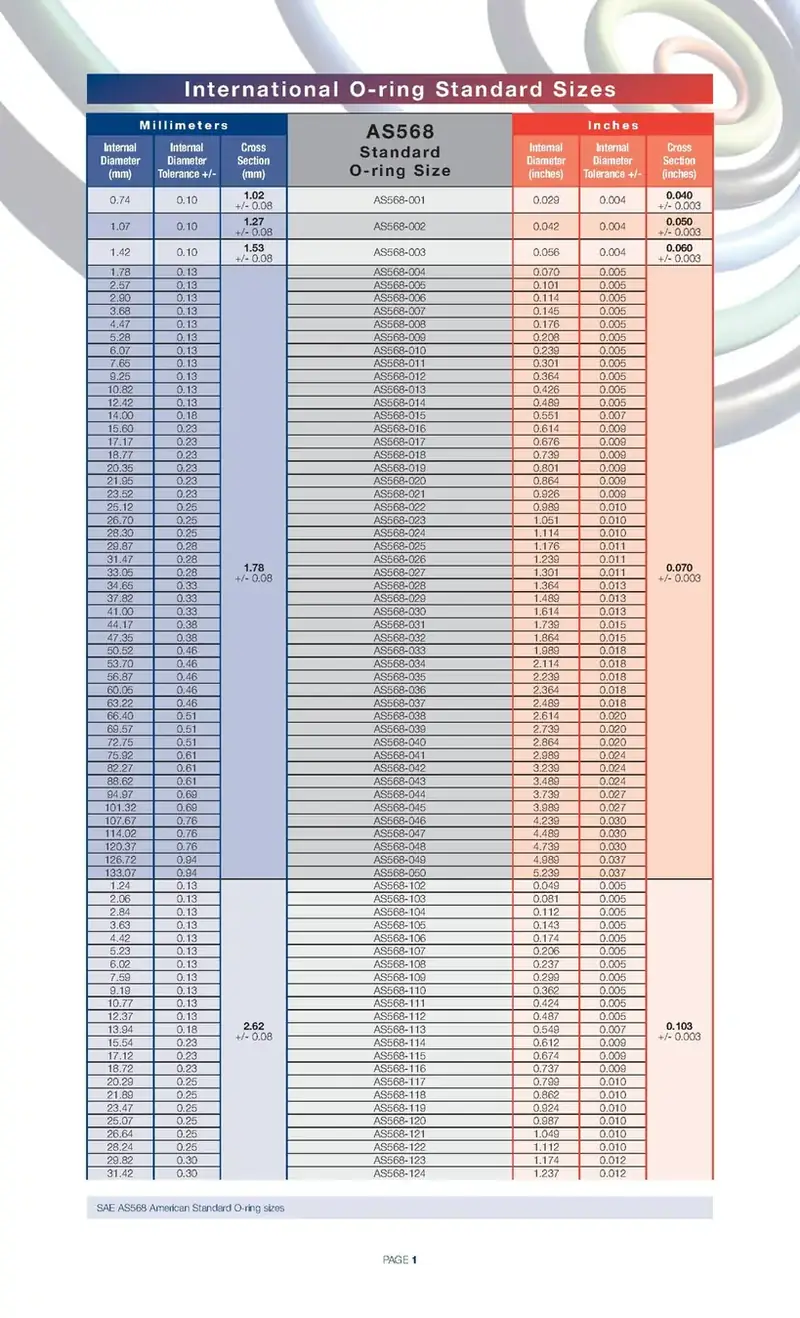
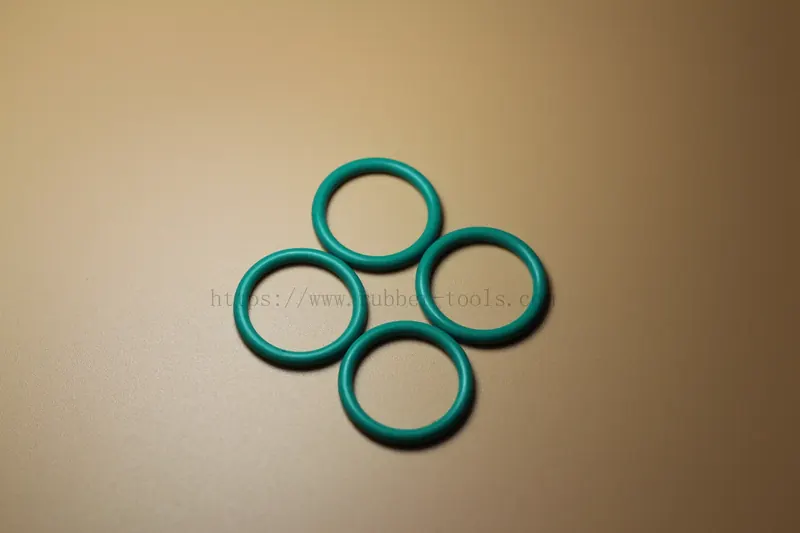
⚖️ O-Ring Weight Calculator
Estimate rubber O-ring weight (Approx).